Baltic Amber Fossil Wasp Inclusion Scelionidae Parasitic Wasp Eocene Amber Fossil from Baltic Sea Prehistoric Insect Specimen
£ 120.00
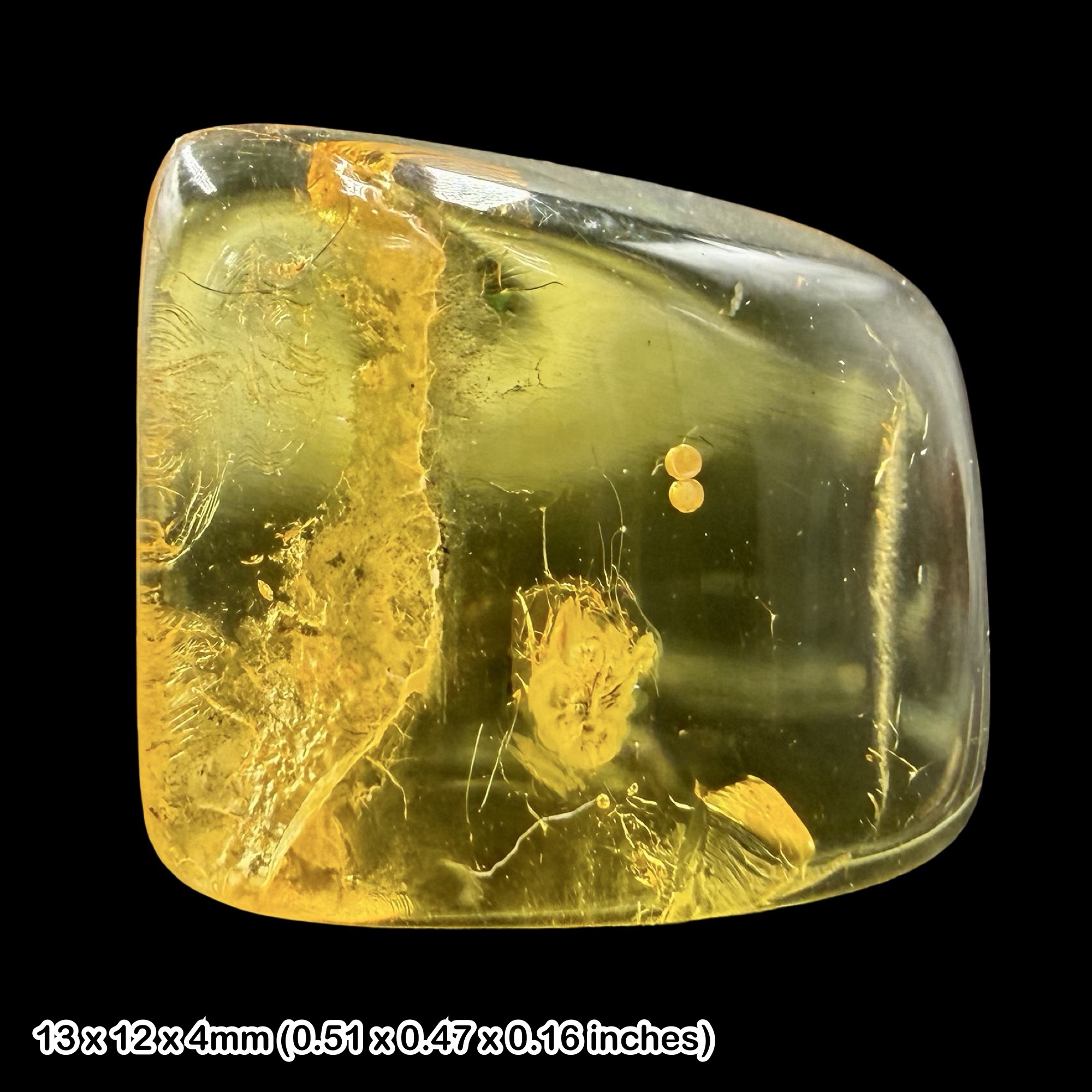
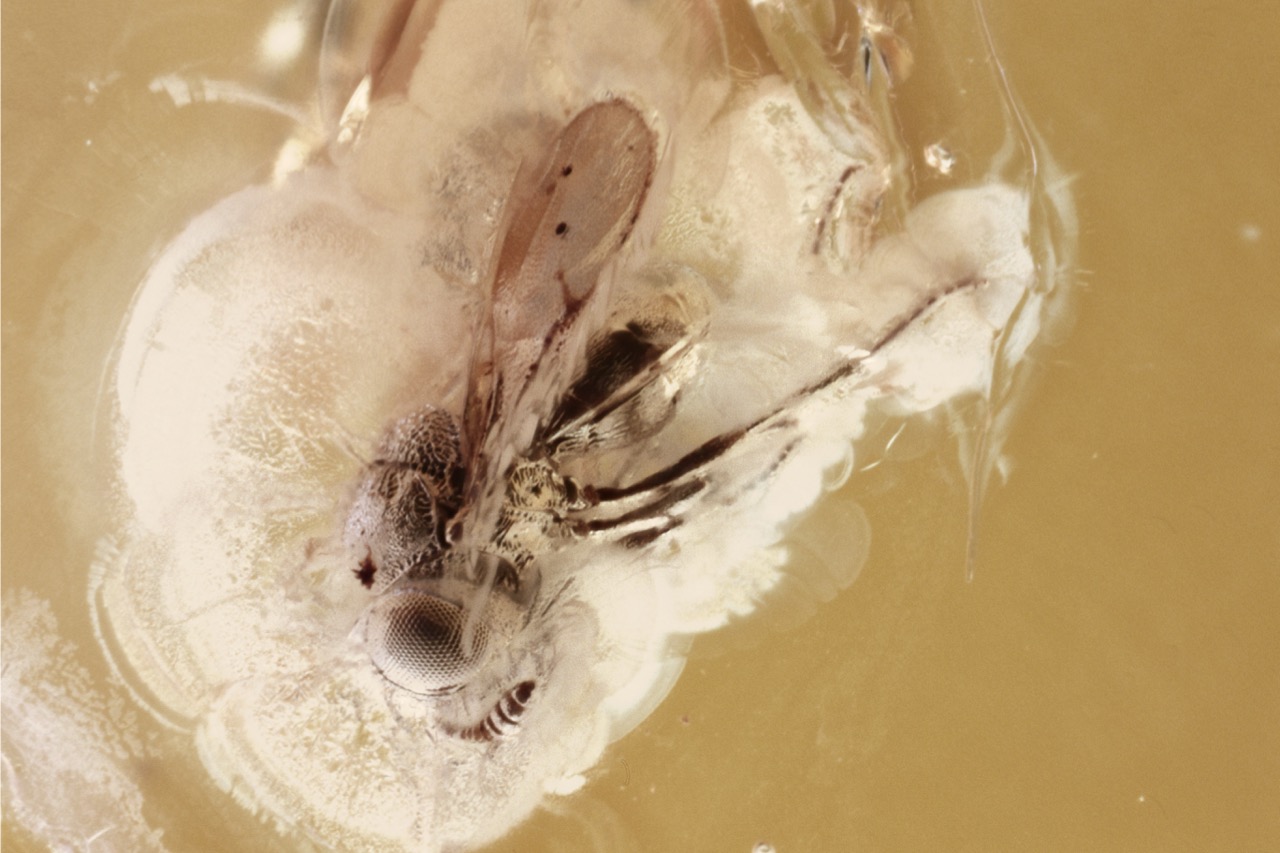
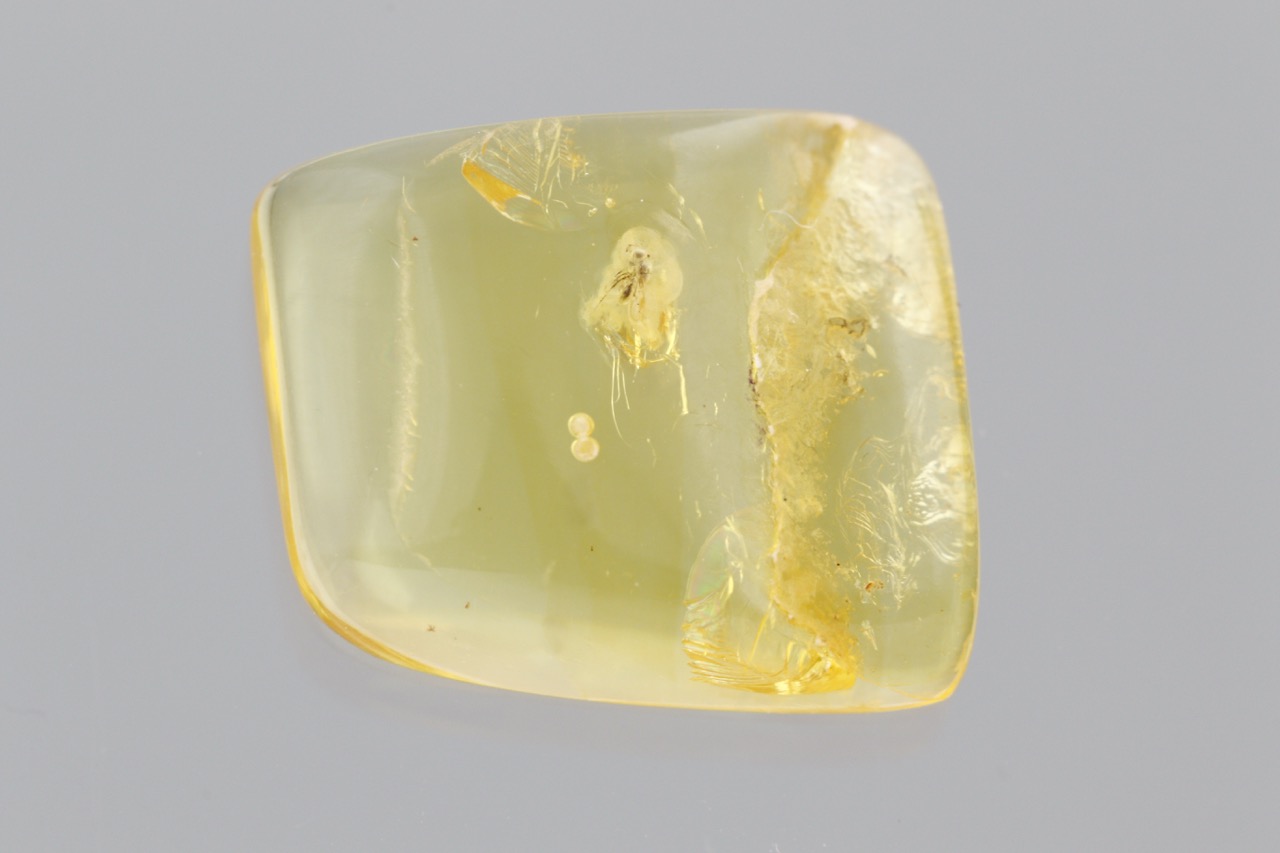
Genuine Baltic Amber Fossil Inclusion – Scelionidae Parasitic WaspThis exceptional Baltic amber fossil inclusion preserves a parasitic wasp
belonging to the family Scelionidae, a tiny but ecologically important group of insects that lived during the Eocene Epoch approximately 56 to 33.9 million years ago. The specimen originates from the famous Baltic Sea amber deposits, one of the most scientifically important sources of fossil insects anywhere in the world.Encased within golden fossilised tree resin, the wasp is preserved in remarkable three-dimensional detail. Amber fossils are renowned for maintaining delicate anatomical features that are rarely preserved in other fossil types. This specimen is a genuine fossil inclusion and includes a Certificate of Authenticity with a lifetime guarantee. The photographs display the actual specimen you will receive, allowing collectors to examine the fossil inclusion clearly. Please refer to the images for full sizing and scale measurements.Baltic Amber – Fossilised Resin from Ancient Eocene ForestsBaltic amber formed when resin flowed from prehistoric coniferous trees that dominated forests across northern Europe during the Eocene Epoch. These trees produced large quantities of sticky resin that would drip down trunks and branches, occasionally trapping insects and other small organisms.Once buried beneath sediment, the resin underwent chemical changes and hardened into amber over millions of years. The deposits associated with the Baltic Sea basin represent the largest known concentration of amber containing fossil inclusions.Amber from this region is believed to have originated primarily from extinct conifer species related to ancient pine-like trees often referred to as Pinus succinifera. The resin flowed abundantly through these forests, capturing insects from the surrounding ecosystem before being transported by rivers and coastal processes into sedimentary deposits.Scelionidae – Parasitic Wasps of the Order HymenopteraThe insect preserved within this amber belongs to the family Scelionidae, a group of small parasitic wasps within the order Hymenoptera and the superfamily Platygastroidea. These wasps are parasitoids, meaning their larvae develop by feeding within the eggs of other arthropods, particularly insects such as grasshoppers, beetles, and true bugs.Scelionid wasps are known for their role as egg parasitoids, placing their eggs inside the eggs of host species. When the wasp larvae hatch, they consume the developing host embryo. This specialised reproductive strategy plays a crucial role in regulating insect populations within natural ecosystems.Typical features of Scelionidae wasps include:
• Extremely small body size, often only a few millimetres long
• Compact body structure with a strongly sculptured exoskeleton
• Elbowed antennae adapted for detecting host eggs
• Transparent wings with reduced venation typical of parasitoid waspsAmber preservation allows such delicate features to remain visible millions of years after the insect lived.Eocene Forest Ecosystem of the Baltic RegionDuring the Eocene, the Baltic region was covered by dense, resin-producing forests growing in a warm temperate to subtropical climate. These forests supported an extraordinary diversity of life including insects, spiders, plants, and early vertebrates.The ecosystem included:
• Numerous parasitoid wasps and predatory insects
• Pollinators such as early bees and flies
• Herbivorous insects feeding on foliage and plant sap
• Spiders and other arthropods living among branches and leaf litterResin flowing from trees frequently trapped insects moving along bark surfaces or through the forest canopy. Once encased in resin, these organisms were sealed off from decay and preserved as amber inclusions.Exceptional Fossil Preservation in AmberAmber fossils differ from most other fossil types because they preserve organisms in three-dimensional form rather than as flattened impressions. In many cases, microscopic anatomical details such as wing veins, antennae, compound eyes, and body segmentation remain visible.For parasitoid wasps such as Scelionidae, this level of preservation is particularly valuable because their small size and delicate bodies rarely fossilise in rock deposits.Collectors and researchers value Baltic amber inclusions for the insights they provide into the diversity of prehistoric insect communities and the ecological interactions that existed in ancient forests.Authenticity and Specimen Details
• Genuine Baltic amber fossil inclusion
• Insect family: Scelionidae
• Superfamily: Platygastroidea
• Order: Hymenoptera
• Geological age: Eocene Epoch, approximately 56–33.9 million years old
• Locality: Baltic Sea region
• Includes Certificate of Authenticity with lifetime guarantee
• The amber specimen shown in the photographs is the exact piece you will receive
• Please refer to photographs for full sizing and scaleThis beautiful fossil amber inclusion captures a delicate parasitic wasp that lived in the ancient forests of the Eocene Baltic region, offering a remarkable window into the intricate insect ecosystems that thrived tens of millions of years ago.
belonging to the family Scelionidae, a tiny but ecologically important group of insects that lived during the Eocene Epoch approximately 56 to 33.9 million years ago. The specimen originates from the famous Baltic Sea amber deposits, one of the most scientifically important sources of fossil insects anywhere in the world.Encased within golden fossilised tree resin, the wasp is preserved in remarkable three-dimensional detail. Amber fossils are renowned for maintaining delicate anatomical features that are rarely preserved in other fossil types. This specimen is a genuine fossil inclusion and includes a Certificate of Authenticity with a lifetime guarantee. The photographs display the actual specimen you will receive, allowing collectors to examine the fossil inclusion clearly. Please refer to the images for full sizing and scale measurements.Baltic Amber – Fossilised Resin from Ancient Eocene ForestsBaltic amber formed when resin flowed from prehistoric coniferous trees that dominated forests across northern Europe during the Eocene Epoch. These trees produced large quantities of sticky resin that would drip down trunks and branches, occasionally trapping insects and other small organisms.Once buried beneath sediment, the resin underwent chemical changes and hardened into amber over millions of years. The deposits associated with the Baltic Sea basin represent the largest known concentration of amber containing fossil inclusions.Amber from this region is believed to have originated primarily from extinct conifer species related to ancient pine-like trees often referred to as Pinus succinifera. The resin flowed abundantly through these forests, capturing insects from the surrounding ecosystem before being transported by rivers and coastal processes into sedimentary deposits.Scelionidae – Parasitic Wasps of the Order HymenopteraThe insect preserved within this amber belongs to the family Scelionidae, a group of small parasitic wasps within the order Hymenoptera and the superfamily Platygastroidea. These wasps are parasitoids, meaning their larvae develop by feeding within the eggs of other arthropods, particularly insects such as grasshoppers, beetles, and true bugs.Scelionid wasps are known for their role as egg parasitoids, placing their eggs inside the eggs of host species. When the wasp larvae hatch, they consume the developing host embryo. This specialised reproductive strategy plays a crucial role in regulating insect populations within natural ecosystems.Typical features of Scelionidae wasps include:
• Extremely small body size, often only a few millimetres long
• Compact body structure with a strongly sculptured exoskeleton
• Elbowed antennae adapted for detecting host eggs
• Transparent wings with reduced venation typical of parasitoid waspsAmber preservation allows such delicate features to remain visible millions of years after the insect lived.Eocene Forest Ecosystem of the Baltic RegionDuring the Eocene, the Baltic region was covered by dense, resin-producing forests growing in a warm temperate to subtropical climate. These forests supported an extraordinary diversity of life including insects, spiders, plants, and early vertebrates.The ecosystem included:
• Numerous parasitoid wasps and predatory insects
• Pollinators such as early bees and flies
• Herbivorous insects feeding on foliage and plant sap
• Spiders and other arthropods living among branches and leaf litterResin flowing from trees frequently trapped insects moving along bark surfaces or through the forest canopy. Once encased in resin, these organisms were sealed off from decay and preserved as amber inclusions.Exceptional Fossil Preservation in AmberAmber fossils differ from most other fossil types because they preserve organisms in three-dimensional form rather than as flattened impressions. In many cases, microscopic anatomical details such as wing veins, antennae, compound eyes, and body segmentation remain visible.For parasitoid wasps such as Scelionidae, this level of preservation is particularly valuable because their small size and delicate bodies rarely fossilise in rock deposits.Collectors and researchers value Baltic amber inclusions for the insights they provide into the diversity of prehistoric insect communities and the ecological interactions that existed in ancient forests.Authenticity and Specimen Details
• Genuine Baltic amber fossil inclusion
• Insect family: Scelionidae
• Superfamily: Platygastroidea
• Order: Hymenoptera
• Geological age: Eocene Epoch, approximately 56–33.9 million years old
• Locality: Baltic Sea region
• Includes Certificate of Authenticity with lifetime guarantee
• The amber specimen shown in the photographs is the exact piece you will receive
• Please refer to photographs for full sizing and scaleThis beautiful fossil amber inclusion captures a delicate parasitic wasp that lived in the ancient forests of the Eocene Baltic region, offering a remarkable window into the intricate insect ecosystems that thrived tens of millions of years ago.
Other Products