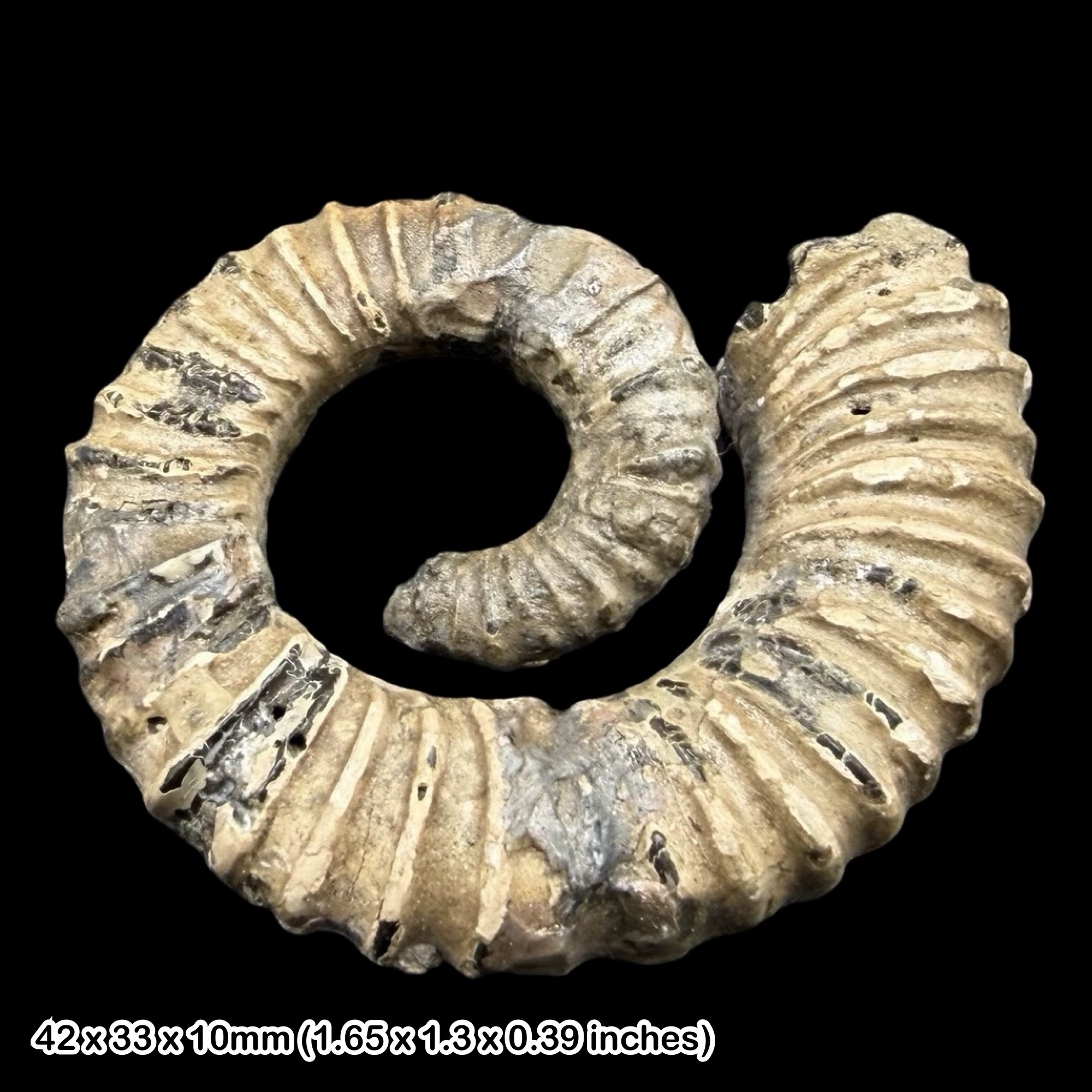
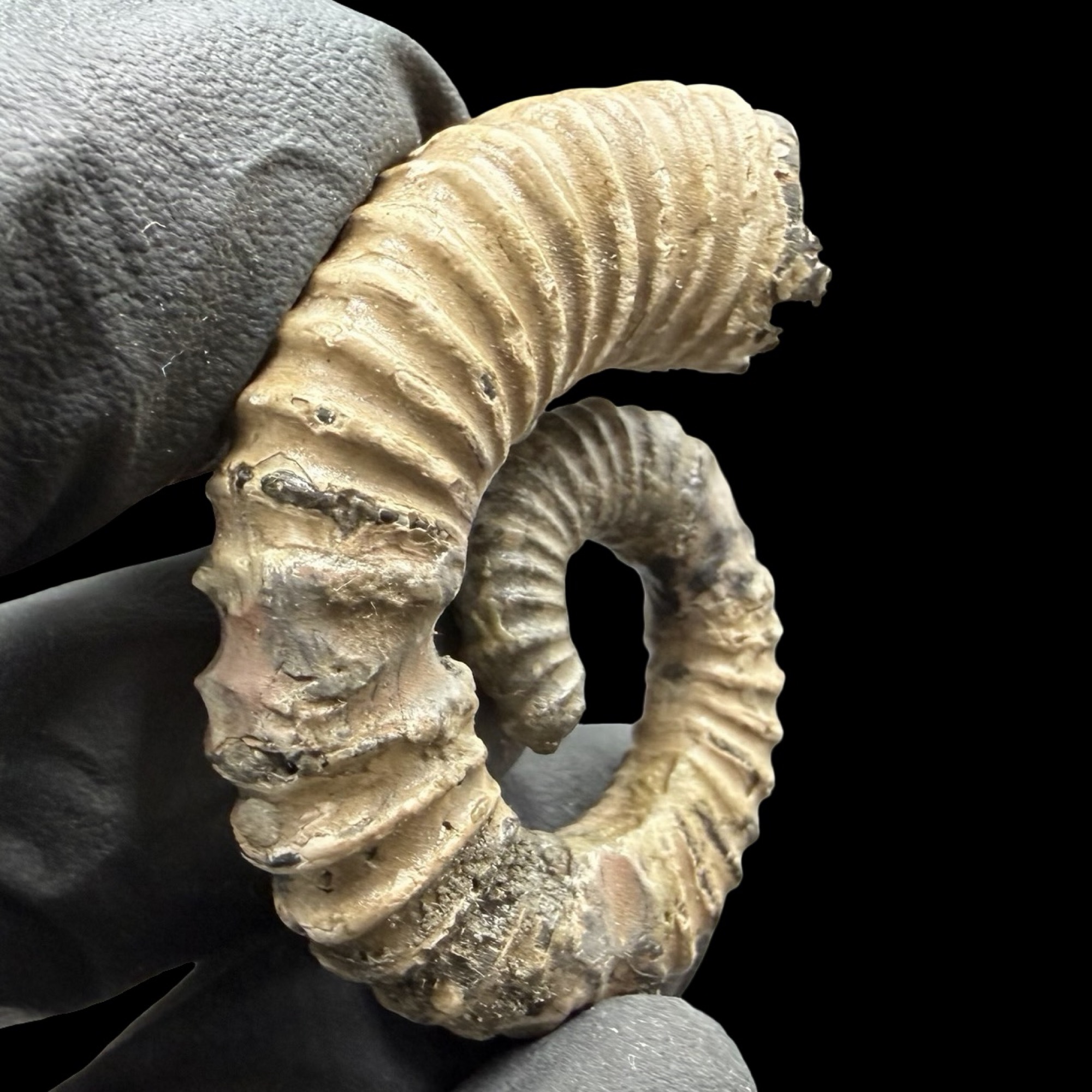
Aegocrioceras Quadratum Ammonite Fossil Speeton Clay Yorkshire Cretaceous COA Genuine Hauterivian UK Specimen
£ 120.00
Genuine Aegocrioceras quadratum Ammonite FossilThis listing is for a genuine Aegocrioceras quadratum ammonite fossil from the
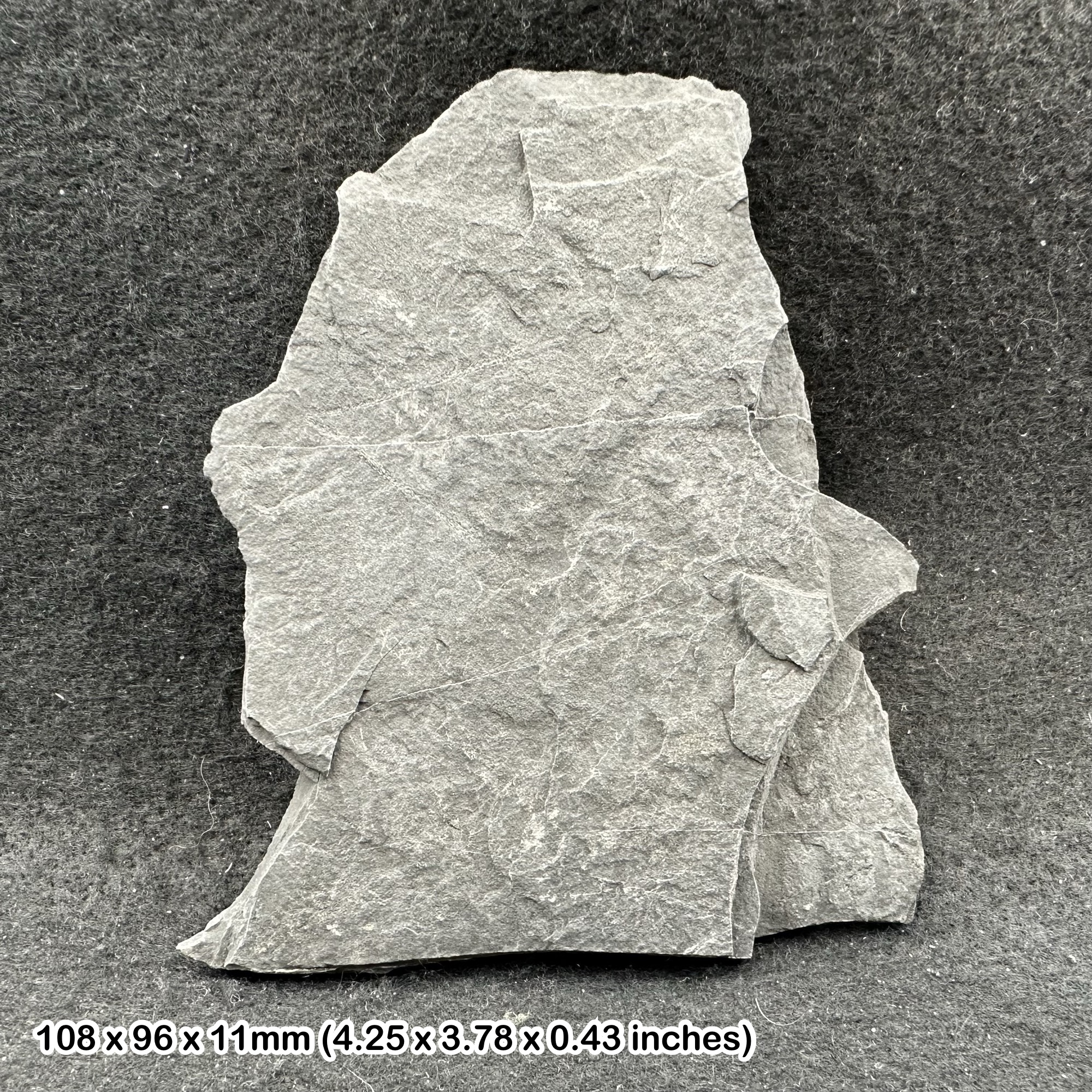
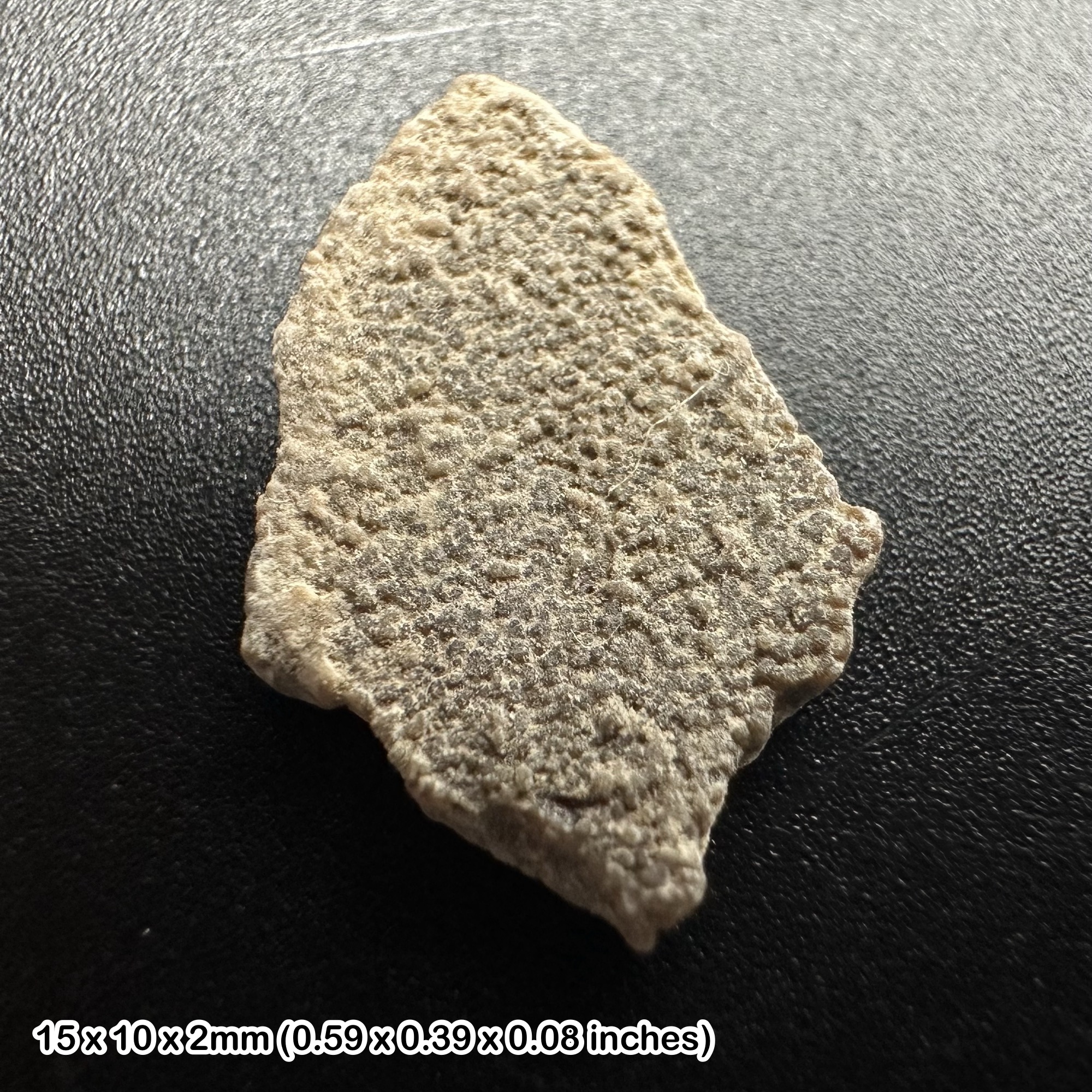
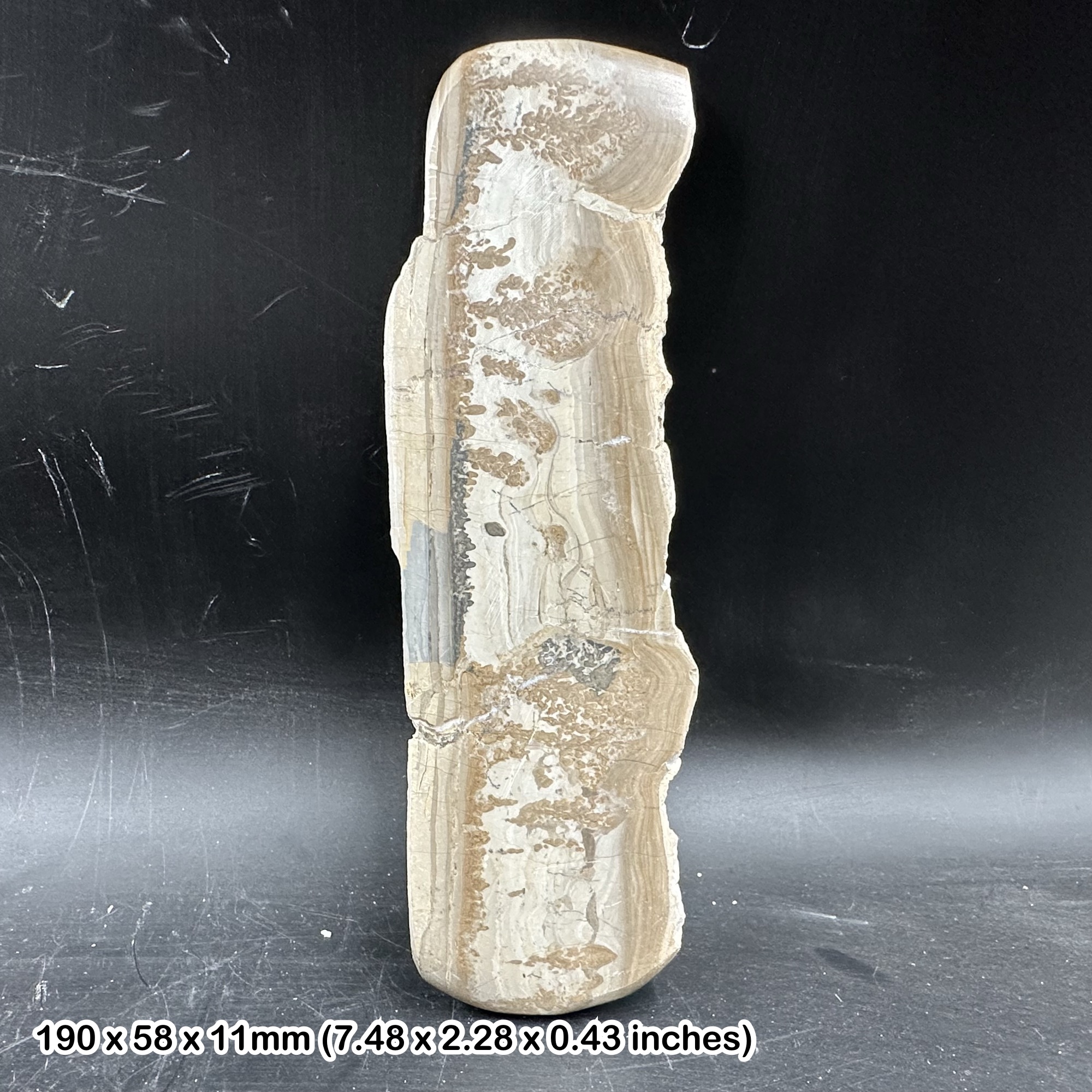
Speeton Clay Formation at Speeton, Yorkshire, UK. Dating to the Lower Cretaceous, Hauterivian stage, this carefully chosen fossil is an excellent British ammonite specimen from one of the classic Cretaceous fossil localities of northern England. It is ideal for collectors of ammonite fossils, Yorkshire fossils, Speeton Clay fossils, Cretaceous marine fossils, UK palaeontology specimens, and natural history display pieces.The fossil shown in the photographs is the actual specimen you will receive. Full sizing and scale can be seen in the listing photos. This fossil is supplied with a Certificate of Authenticity lifetime guarantee generic card, giving reassurance that the specimen is genuine and carefully selected.Fossil Type, Species and ClassificationAegocrioceras quadratum is a heteromorph ammonite, meaning it differs from the tightly coiled spiral shape seen in many more familiar ammonites. Heteromorph ammonites developed a wide range of shell forms during the Cretaceous, including open-coiled, partially uncoiled, hook-shaped, and irregularly coiled shells. Aegocrioceras is especially distinctive because of its open, loosely coiled shell form, giving it strong visual and scientific appeal.Ammonites were extinct marine cephalopods related to modern squid, cuttlefish, octopus, and nautilus. They lived in ancient seas and used chambered shells for buoyancy control. Aegocrioceras belongs to the ammonoid cephalopods within the order Ammonitida and is associated with the family Crioceratitidae, a group known for open-coiled Lower Cretaceous forms.The species Aegocrioceras quadratum is valued by collectors because it represents a classic Lower Cretaceous ammonite from the Speeton Clay, a formation known for important ammonite faunas used in biostratigraphy and age correlation. Its shell may show curved whorls, ribbing, open-coiled form, and natural surface detail depending on preservation.Speeton Clay Formation, YorkshireThis fossil comes from the Speeton Clay Formation at Speeton, Yorkshire, a well-known British fossil locality famous for Lower Cretaceous marine fossils. The Speeton Clay is a sequence of clay-rich marine sediments exposed along the Yorkshire coast and has long been studied for its ammonites, belemnites, bivalves, gastropods, crustaceans, fish remains, and other fossil material.The formation records a marine environment that existed during the Early Cretaceous, when much of this region was covered by sea. Fine muds and clays settled on the sea floor, preserving the remains of marine animals that lived in the water column or on the seabed. Ammonites such as Aegocrioceras are particularly important in these deposits because their rapid evolution and wide distribution make them useful for dating and correlating rock layers.Lower Cretaceous Geology and Ancient EnvironmentDuring the Hauterivian stage of the Lower Cretaceous, the Speeton area formed part of an ancient marine setting. Fine-grained sediment accumulated in relatively quiet water conditions, creating clay-rich deposits that were well suited to preserving ammonites and other marine fossils. The sea supported a diverse ecosystem of swimming cephalopods, fish, marine reptiles, bivalves, gastropods, belemnites, and other invertebrates.The Speeton Clay Formation is especially significant because it records several stages of Early Cretaceous marine history. Its fossil content helps palaeontologists understand changing sea conditions, faunal turnover, and the development of Cretaceous marine ecosystems in Britain. Over millions of years, buried shells became fossilised as sediment compacted and minerals stabilised the preserved remains.Morphology and Display FeaturesAegocrioceras quadratum is notable for its heteromorph ammonite form. Unlike tightly coiled ammonites, this type has a more open-coiled shell, giving it a striking and unusual appearance. The shell may display strong ribbing, curved whorl sections, natural chamber structure, and fine surface detail. These features make it an appealing specimen for collectors who enjoy unusual ammonites and distinctive fossil shell shapes.As a genuine fossil specimen, it may show natural cracks, repairs, matrix traces, mineral staining, compression, weathering, or surface variation consistent with fossilisation and geological preservation. These natural characteristics are part of the fossil’s individual appearance and reflect its long history within the Speeton Clay sediments.Certificate of AuthenticityThis fossil is a genuine specimen and includes a Certificate of Authenticity lifetime guarantee generic card. The certificate provides reassurance that the item supplied is an authentic fossil specimen, carefully selected for collecting, gifting, display, and educational interest.Collectable British Cretaceous AmmoniteA genuine Aegocrioceras quadratum ammonite from the Speeton Clay Formation is a desirable addition to any fossil collection. It combines a distinctive heteromorph ammonite form, a classic Yorkshire locality, Lower Cretaceous age, and strong geological interest. This specimen is well suited for collectors of British fossils, ammonites, marine cephalopods, Speeton Clay specimens, Cretaceous fossils, educational geology displays, and authentic natural history pieces.
Speeton Clay Formation at Speeton, Yorkshire, UK. Dating to the Lower Cretaceous, Hauterivian stage, this carefully chosen fossil is an excellent British ammonite specimen from one of the classic Cretaceous fossil localities of northern England. It is ideal for collectors of ammonite fossils, Yorkshire fossils, Speeton Clay fossils, Cretaceous marine fossils, UK palaeontology specimens, and natural history display pieces.The fossil shown in the photographs is the actual specimen you will receive. Full sizing and scale can be seen in the listing photos. This fossil is supplied with a Certificate of Authenticity lifetime guarantee generic card, giving reassurance that the specimen is genuine and carefully selected.Fossil Type, Species and ClassificationAegocrioceras quadratum is a heteromorph ammonite, meaning it differs from the tightly coiled spiral shape seen in many more familiar ammonites. Heteromorph ammonites developed a wide range of shell forms during the Cretaceous, including open-coiled, partially uncoiled, hook-shaped, and irregularly coiled shells. Aegocrioceras is especially distinctive because of its open, loosely coiled shell form, giving it strong visual and scientific appeal.Ammonites were extinct marine cephalopods related to modern squid, cuttlefish, octopus, and nautilus. They lived in ancient seas and used chambered shells for buoyancy control. Aegocrioceras belongs to the ammonoid cephalopods within the order Ammonitida and is associated with the family Crioceratitidae, a group known for open-coiled Lower Cretaceous forms.The species Aegocrioceras quadratum is valued by collectors because it represents a classic Lower Cretaceous ammonite from the Speeton Clay, a formation known for important ammonite faunas used in biostratigraphy and age correlation. Its shell may show curved whorls, ribbing, open-coiled form, and natural surface detail depending on preservation.Speeton Clay Formation, YorkshireThis fossil comes from the Speeton Clay Formation at Speeton, Yorkshire, a well-known British fossil locality famous for Lower Cretaceous marine fossils. The Speeton Clay is a sequence of clay-rich marine sediments exposed along the Yorkshire coast and has long been studied for its ammonites, belemnites, bivalves, gastropods, crustaceans, fish remains, and other fossil material.The formation records a marine environment that existed during the Early Cretaceous, when much of this region was covered by sea. Fine muds and clays settled on the sea floor, preserving the remains of marine animals that lived in the water column or on the seabed. Ammonites such as Aegocrioceras are particularly important in these deposits because their rapid evolution and wide distribution make them useful for dating and correlating rock layers.Lower Cretaceous Geology and Ancient EnvironmentDuring the Hauterivian stage of the Lower Cretaceous, the Speeton area formed part of an ancient marine setting. Fine-grained sediment accumulated in relatively quiet water conditions, creating clay-rich deposits that were well suited to preserving ammonites and other marine fossils. The sea supported a diverse ecosystem of swimming cephalopods, fish, marine reptiles, bivalves, gastropods, belemnites, and other invertebrates.The Speeton Clay Formation is especially significant because it records several stages of Early Cretaceous marine history. Its fossil content helps palaeontologists understand changing sea conditions, faunal turnover, and the development of Cretaceous marine ecosystems in Britain. Over millions of years, buried shells became fossilised as sediment compacted and minerals stabilised the preserved remains.Morphology and Display FeaturesAegocrioceras quadratum is notable for its heteromorph ammonite form. Unlike tightly coiled ammonites, this type has a more open-coiled shell, giving it a striking and unusual appearance. The shell may display strong ribbing, curved whorl sections, natural chamber structure, and fine surface detail. These features make it an appealing specimen for collectors who enjoy unusual ammonites and distinctive fossil shell shapes.As a genuine fossil specimen, it may show natural cracks, repairs, matrix traces, mineral staining, compression, weathering, or surface variation consistent with fossilisation and geological preservation. These natural characteristics are part of the fossil’s individual appearance and reflect its long history within the Speeton Clay sediments.Certificate of AuthenticityThis fossil is a genuine specimen and includes a Certificate of Authenticity lifetime guarantee generic card. The certificate provides reassurance that the item supplied is an authentic fossil specimen, carefully selected for collecting, gifting, display, and educational interest.Collectable British Cretaceous AmmoniteA genuine Aegocrioceras quadratum ammonite from the Speeton Clay Formation is a desirable addition to any fossil collection. It combines a distinctive heteromorph ammonite form, a classic Yorkshire locality, Lower Cretaceous age, and strong geological interest. This specimen is well suited for collectors of British fossils, ammonites, marine cephalopods, Speeton Clay specimens, Cretaceous fossils, educational geology displays, and authentic natural history pieces.
Other Products