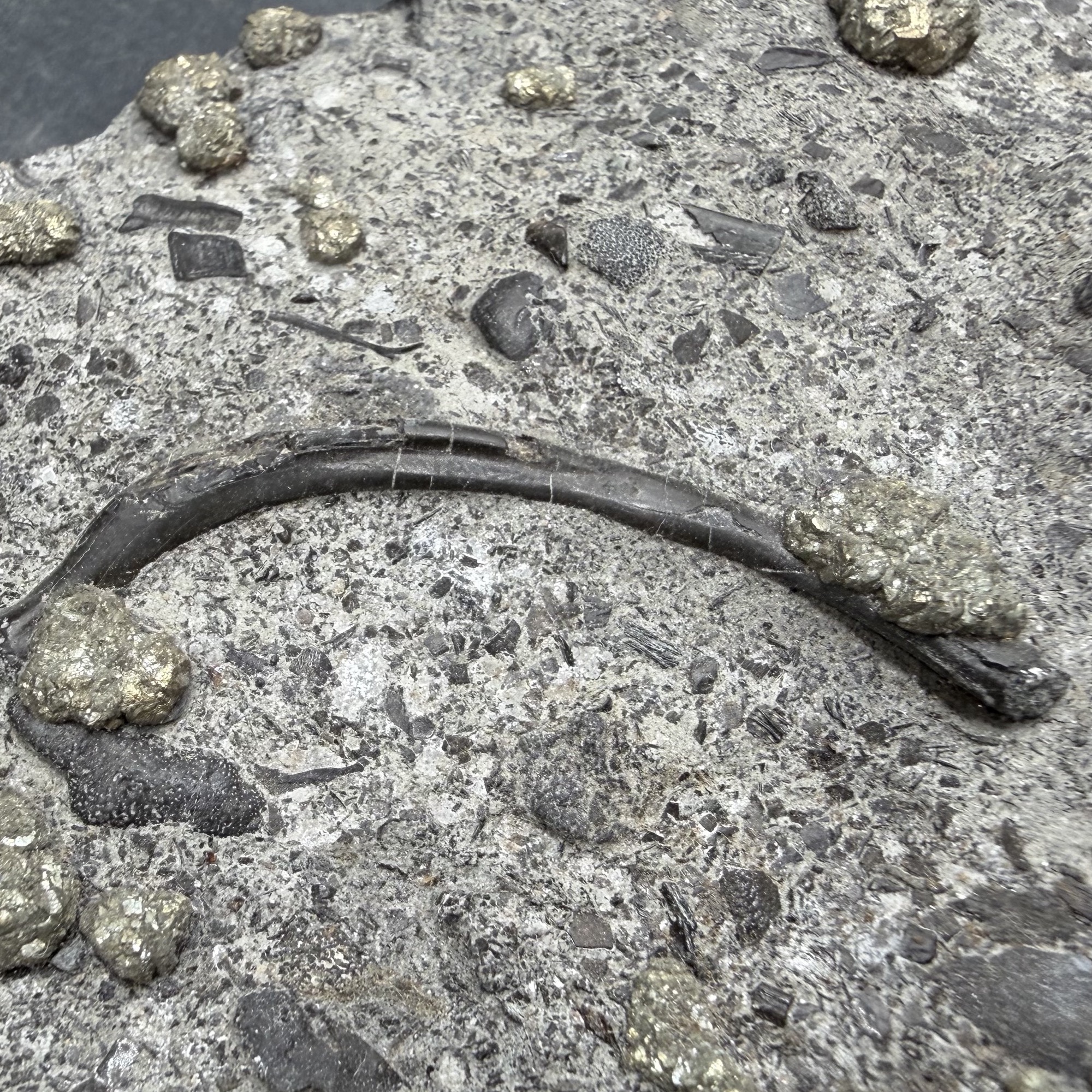
Pachystropheus rhaeticus Marine Reptile Bone Fossil Triassic UK Specimen – Westbury Formation Rhaetian Reptile Fossil Gloucestershire
£ 156.00
PACHYSTROPHEUS RHAETICUS MARINE REPTILE BONE FROM THE UPPER TRIASSIC OF
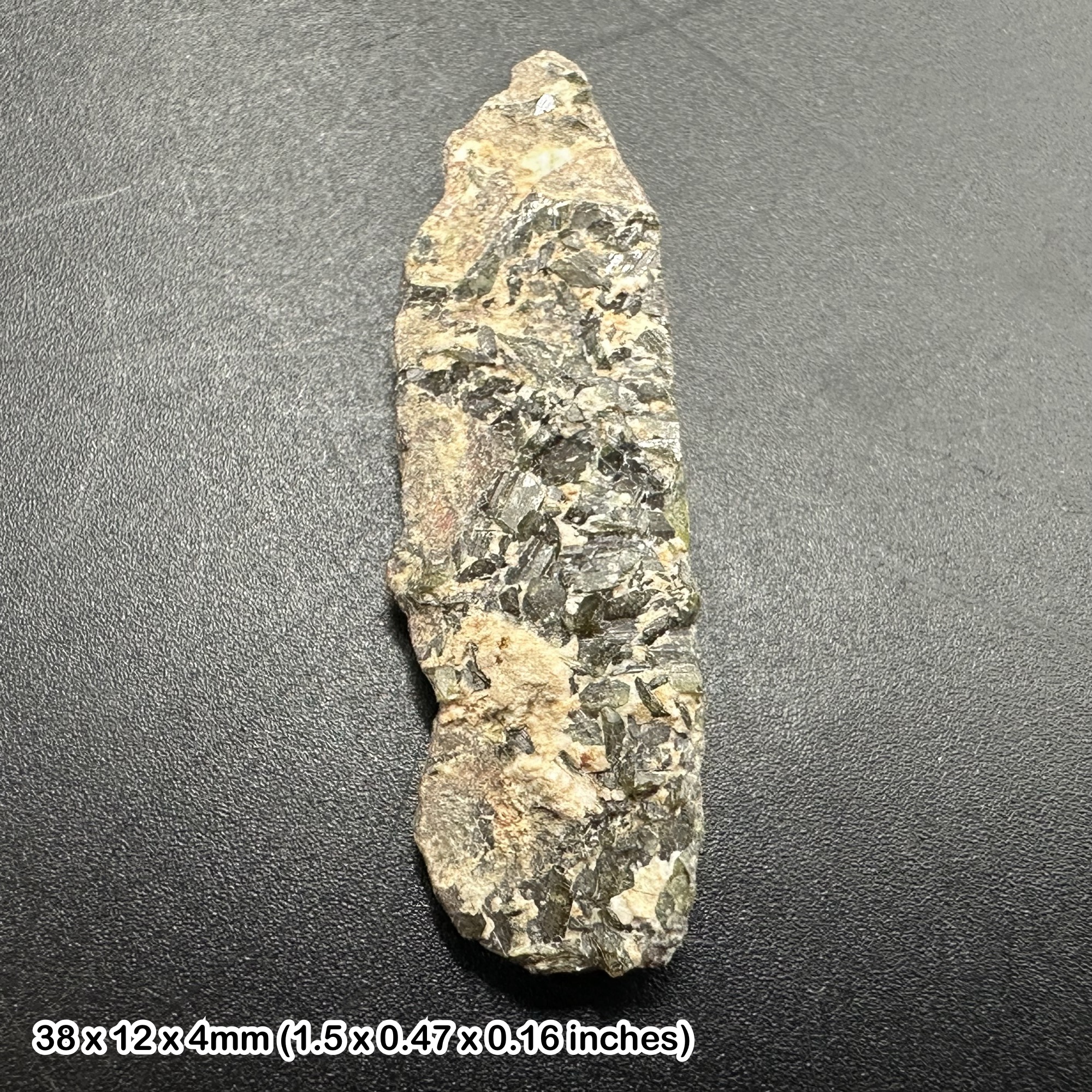
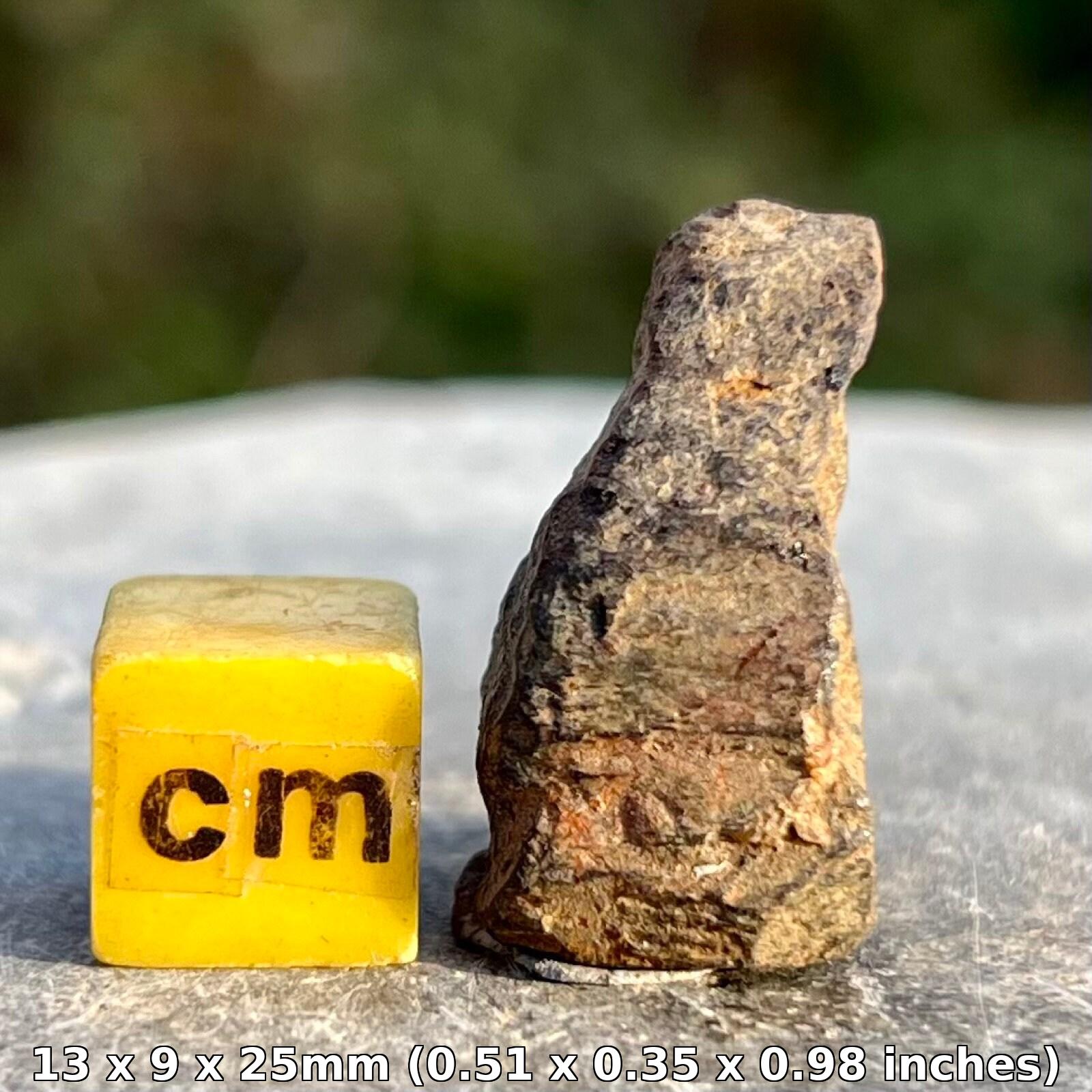
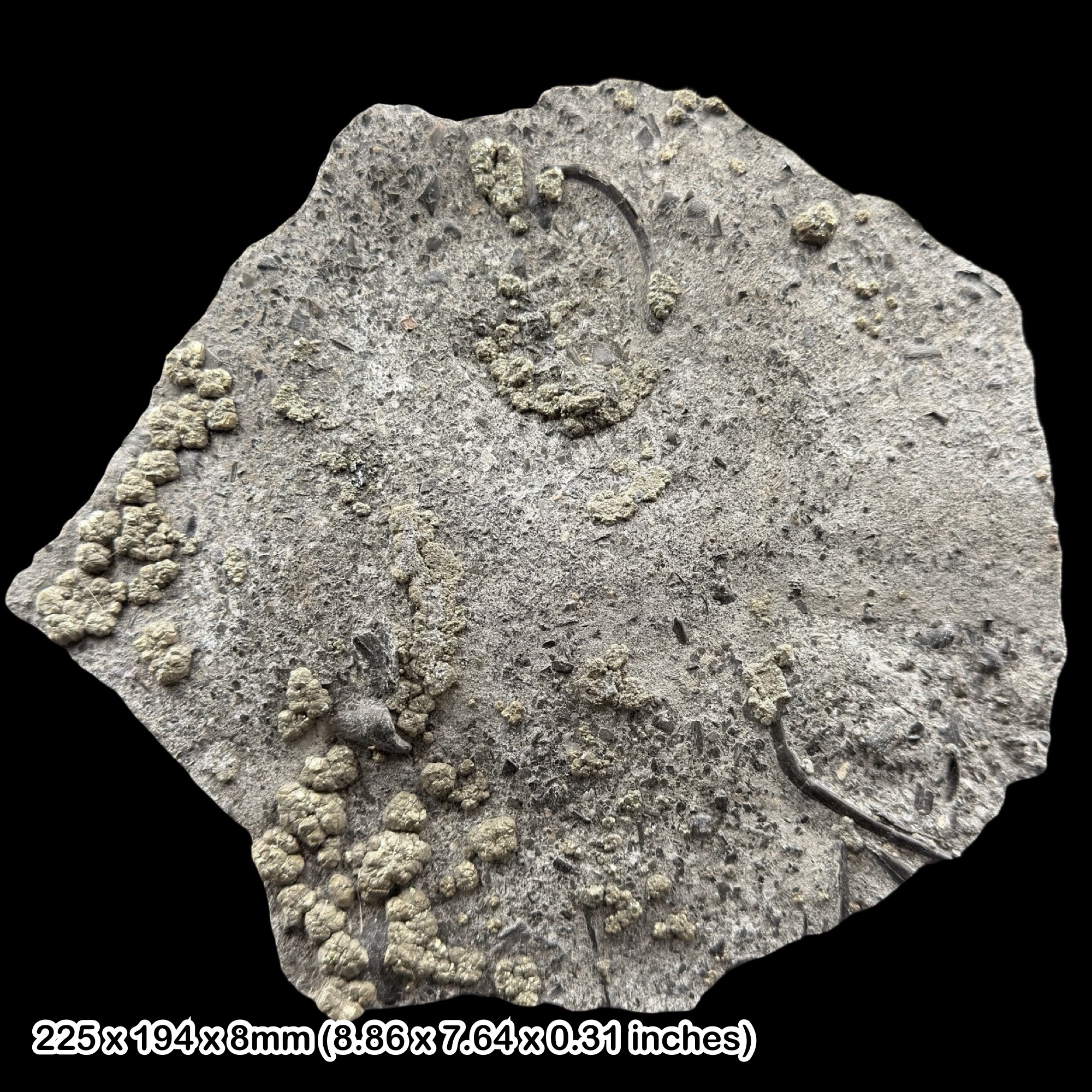
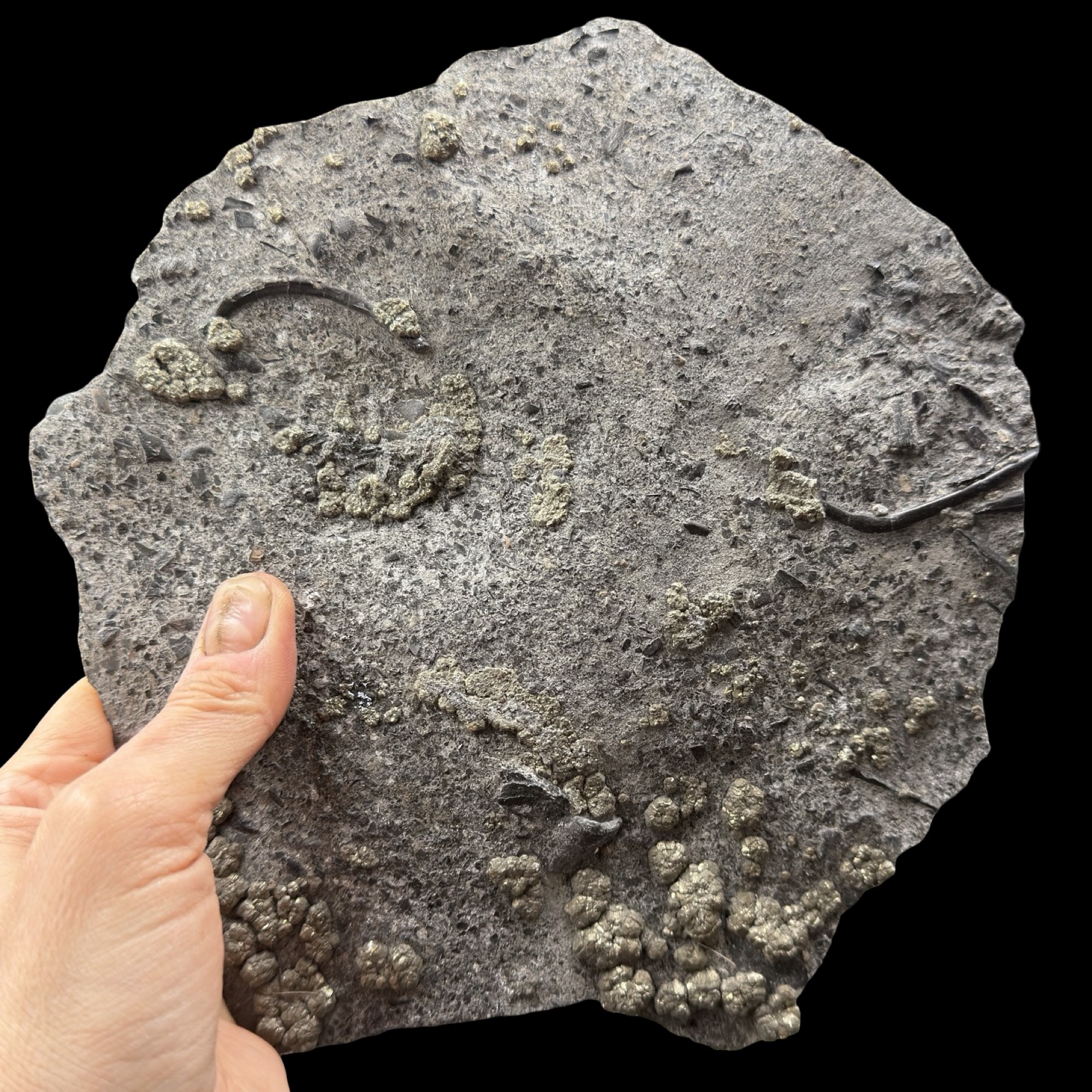
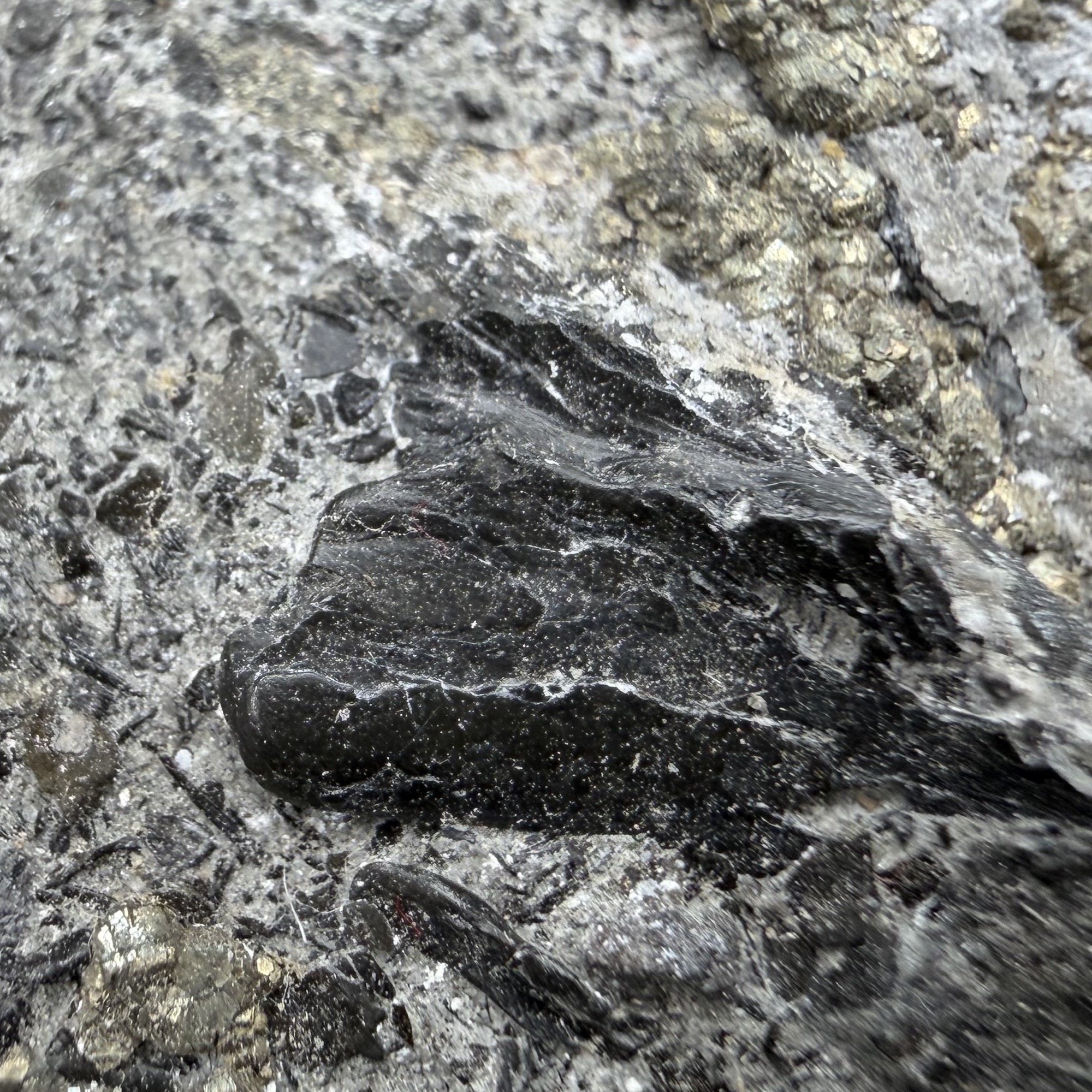
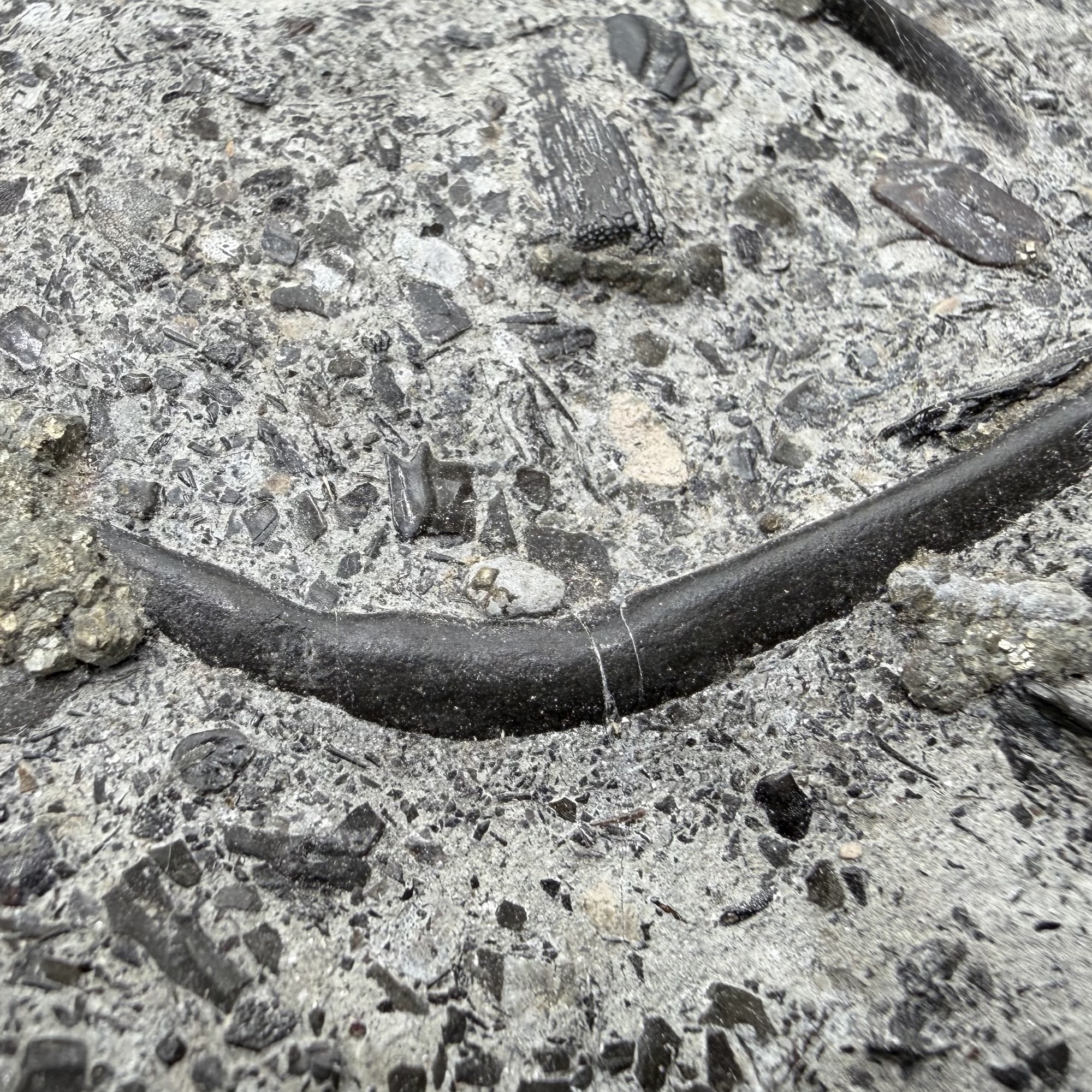
GLOUCESTERSHIREThis genuine Pachystropheus rhaeticus marine reptile bone fossil originates from the Westbury Formation near Westbury-on-Severn, Gloucestershire, United Kingdom, dating to the Upper Triassic Period during the Rhaetian stage, approximately 208–201 million years ago. Fossils from this interval represent the closing chapter of the Triassic Period, just before the rise of the dinosaurs during the Jurassic.Pachystropheus rhaeticus is a small marine reptile known primarily from vertebrae and limb bones found in Late Triassic marine deposits across parts of Europe, including the United Kingdom. These fossils are relatively uncommon and provide valuable insight into the diversity of marine reptiles inhabiting the shallow seas that once covered large areas of Britain during the Late Triassic.The specimen represents a preserved bone fragment from this early marine reptile and offers a rare connection to vertebrate life that lived over 200 million years ago. GEOLOGICAL SETTING OF THE WESTBURY FORMATIONThe fossil comes from the Westbury Formation, part of the Penarth Group, which is widely exposed across southwest England and South Wales. These sediments were deposited during the Rhaetian stage of the Late Triassic, when rising sea levels flooded low-lying coastal plains and created shallow marine environments.The Westbury Formation consists primarily of dark grey to black mudstones, shales, and thin limestones, often rich in organic material. These sediments accumulated in shallow marine basins and lagoons, where fine sediment settled onto the seafloor under relatively calm conditions.The formation is well known for preserving a diverse assemblage of Late Triassic fossils including:
• Marine reptiles
• Fish remains and scales
• Shark and ray teeth
• Bivalves and other marine invertebrates
• Microfossils used for stratigraphic datingThese deposits record an important marine ecosystem that existed shortly before the Triassic–Jurassic extinction event, one of the major extinction events in Earth's history. CLASSIFICATION AND BIOLOGY OF PACHYSTROPHEUS RHAETICUSPachystropheus rhaeticus belongs to the phylum Chordata, class Reptilia, and represents an early marine reptile adapted to life in coastal waters. The genus was first formally described by the British paleontologist Sir Richard Owen, one of the founders of vertebrate paleontology.Although the complete anatomy of Pachystropheus is not fully known, fossil evidence indicates that it was a relatively small aquatic reptile with an elongated body and limbs adapted for swimming.Marine reptiles from the Triassic period represent an important stage in vertebrate evolution, as many reptile groups began adapting to aquatic lifestyles following earlier terrestrial origins. MORPHOLOGY AND SKELETAL CHARACTERISTICSThe bones of Pachystropheus are typically preserved as isolated skeletal elements within marine sediments. Vertebrae and limb bones are among the most commonly discovered fossil remains.Typical characteristics of Pachystropheus bones may include:
• Dense bone structure adapted for aquatic life
• Elongated vertebrae indicating a flexible body
• Robust limb bones suited for swimming propulsion
• Smooth bone surfaces preserved within marine sedimentThese anatomical features suggest that Pachystropheus was well adapted to shallow marine environments where it likely hunted small fish and marine invertebrates. LATE TRIASSIC MARINE ECOSYSTEMDuring the Rhaetian stage, southern Britain was submerged beneath shallow epicontinental seas connected to the ancient Tethys Ocean. These waters supported a wide variety of marine organisms including fish, sharks, molluscs, and early marine reptiles.Marine reptiles such as Pachystropheus would have occupied the role of small aquatic predators, feeding on fish and other small marine animals within coastal lagoons and shallow seas.The sediments of the Westbury Formation often accumulated under low-oxygen conditions, which helped preserve organic remains and delicate skeletal elements. As animals died and settled onto the seabed, their remains were buried by fine mud, allowing fossilisation to occur over millions of years. AUTHENTIC FOSSIL SPECIMENThis fossil is a genuine Pachystropheus rhaeticus marine reptile bone from the Westbury Formation, Upper Triassic of Westbury-on-Severn, Gloucestershire, UK. The specimen has been carefully selected for quality and scientific interest.The photograph shows the actual fossil specimen you will receive, allowing collectors to clearly observe the preserved bone structure within the natural fossil matrix.Full sizing please see photo. CERTIFICATE OF AUTHENTICITYThis fossil includes a Certificate of Authenticity lifetime guarantee generic card, confirming that the specimen is a genuine natural fossil.Fossils of Pachystropheus rhaeticus represent an important part of Britain’s Late Triassic fossil record and provide insight into marine reptile evolution just before the dawn of the Jurassic Period. Specimens from the Westbury Formation are highly sought after by collectors and make fascinating additions to fossil collections, geological displays, or educational exhibits.
GLOUCESTERSHIREThis genuine Pachystropheus rhaeticus marine reptile bone fossil originates from the Westbury Formation near Westbury-on-Severn, Gloucestershire, United Kingdom, dating to the Upper Triassic Period during the Rhaetian stage, approximately 208–201 million years ago. Fossils from this interval represent the closing chapter of the Triassic Period, just before the rise of the dinosaurs during the Jurassic.Pachystropheus rhaeticus is a small marine reptile known primarily from vertebrae and limb bones found in Late Triassic marine deposits across parts of Europe, including the United Kingdom. These fossils are relatively uncommon and provide valuable insight into the diversity of marine reptiles inhabiting the shallow seas that once covered large areas of Britain during the Late Triassic.The specimen represents a preserved bone fragment from this early marine reptile and offers a rare connection to vertebrate life that lived over 200 million years ago. GEOLOGICAL SETTING OF THE WESTBURY FORMATIONThe fossil comes from the Westbury Formation, part of the Penarth Group, which is widely exposed across southwest England and South Wales. These sediments were deposited during the Rhaetian stage of the Late Triassic, when rising sea levels flooded low-lying coastal plains and created shallow marine environments.The Westbury Formation consists primarily of dark grey to black mudstones, shales, and thin limestones, often rich in organic material. These sediments accumulated in shallow marine basins and lagoons, where fine sediment settled onto the seafloor under relatively calm conditions.The formation is well known for preserving a diverse assemblage of Late Triassic fossils including:
• Marine reptiles
• Fish remains and scales
• Shark and ray teeth
• Bivalves and other marine invertebrates
• Microfossils used for stratigraphic datingThese deposits record an important marine ecosystem that existed shortly before the Triassic–Jurassic extinction event, one of the major extinction events in Earth's history. CLASSIFICATION AND BIOLOGY OF PACHYSTROPHEUS RHAETICUSPachystropheus rhaeticus belongs to the phylum Chordata, class Reptilia, and represents an early marine reptile adapted to life in coastal waters. The genus was first formally described by the British paleontologist Sir Richard Owen, one of the founders of vertebrate paleontology.Although the complete anatomy of Pachystropheus is not fully known, fossil evidence indicates that it was a relatively small aquatic reptile with an elongated body and limbs adapted for swimming.Marine reptiles from the Triassic period represent an important stage in vertebrate evolution, as many reptile groups began adapting to aquatic lifestyles following earlier terrestrial origins. MORPHOLOGY AND SKELETAL CHARACTERISTICSThe bones of Pachystropheus are typically preserved as isolated skeletal elements within marine sediments. Vertebrae and limb bones are among the most commonly discovered fossil remains.Typical characteristics of Pachystropheus bones may include:
• Dense bone structure adapted for aquatic life
• Elongated vertebrae indicating a flexible body
• Robust limb bones suited for swimming propulsion
• Smooth bone surfaces preserved within marine sedimentThese anatomical features suggest that Pachystropheus was well adapted to shallow marine environments where it likely hunted small fish and marine invertebrates. LATE TRIASSIC MARINE ECOSYSTEMDuring the Rhaetian stage, southern Britain was submerged beneath shallow epicontinental seas connected to the ancient Tethys Ocean. These waters supported a wide variety of marine organisms including fish, sharks, molluscs, and early marine reptiles.Marine reptiles such as Pachystropheus would have occupied the role of small aquatic predators, feeding on fish and other small marine animals within coastal lagoons and shallow seas.The sediments of the Westbury Formation often accumulated under low-oxygen conditions, which helped preserve organic remains and delicate skeletal elements. As animals died and settled onto the seabed, their remains were buried by fine mud, allowing fossilisation to occur over millions of years. AUTHENTIC FOSSIL SPECIMENThis fossil is a genuine Pachystropheus rhaeticus marine reptile bone from the Westbury Formation, Upper Triassic of Westbury-on-Severn, Gloucestershire, UK. The specimen has been carefully selected for quality and scientific interest.The photograph shows the actual fossil specimen you will receive, allowing collectors to clearly observe the preserved bone structure within the natural fossil matrix.Full sizing please see photo. CERTIFICATE OF AUTHENTICITYThis fossil includes a Certificate of Authenticity lifetime guarantee generic card, confirming that the specimen is a genuine natural fossil.Fossils of Pachystropheus rhaeticus represent an important part of Britain’s Late Triassic fossil record and provide insight into marine reptile evolution just before the dawn of the Jurassic Period. Specimens from the Westbury Formation are highly sought after by collectors and make fascinating additions to fossil collections, geological displays, or educational exhibits.
Other Products