Rare Pseudoosterella fischeri Ammonite Fossil from Upper Valanginian Cretaceous Alps Maritime France Genuine Specimen
£ 60.00
GEOLOGICAL CONTEXT AND PROVENANCEThis rare specimen is a genuine Pseudoosterella fischeri ammonite fossil from
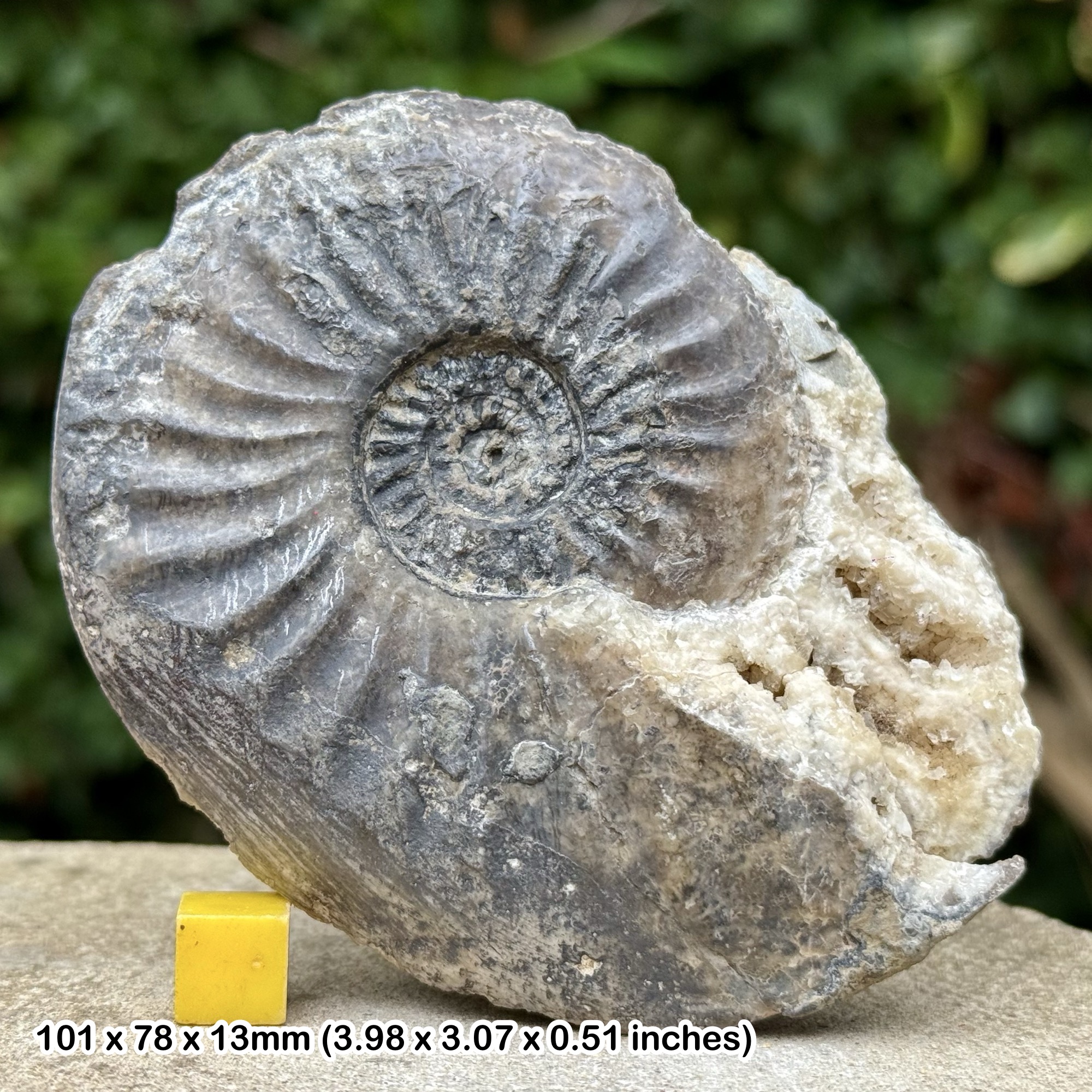
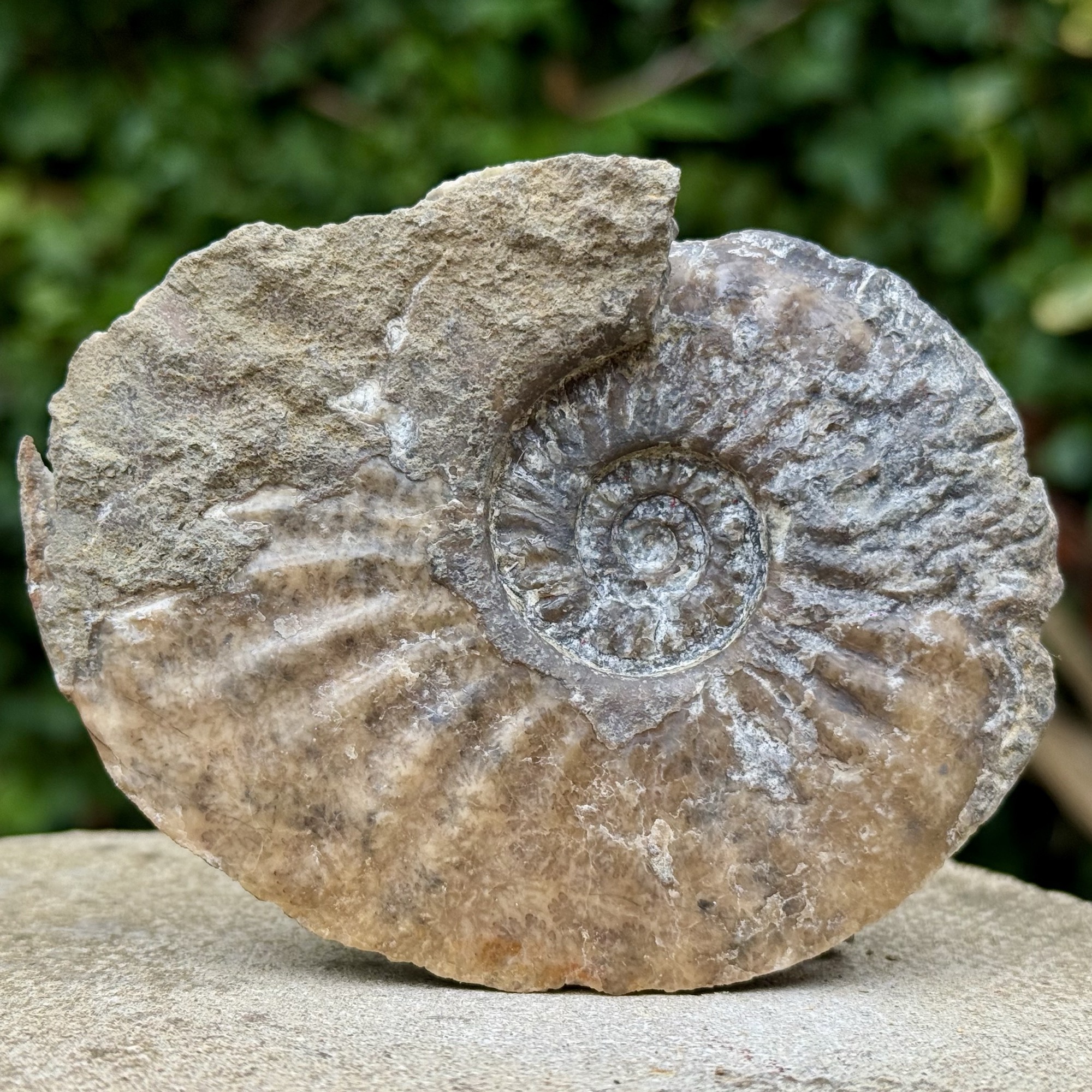
the Upper Valanginian Stage of the Early Cretaceous Period, approximately 139 – 133 million years old. It originates from the Alpes-Maritimes region of France, an area famed for its fossil-rich marine deposits. These beds represent sediments laid down in the shallow margins of the ancient Tethys Ocean, capturing an exceptional record of marine life from the Early Cretaceous.The Valanginian Stage is especially important as it sits near the base of the Cretaceous, following the Berriasian. Ammonites such as Pseudoosterella are used as index fossils, helping geologists to date and correlate strata across Europe and beyond. Fossils from this interval are essential for refining the global stratigraphic framework and understanding evolutionary patterns during the early part of the Cretaceous. FOSSIL TYPE AND SPECIES INFORMATIONPseudoosterella fischeri belongs to the Order Ammonitida, Superfamily Perisphinctoidea, and Family Olcostephanidae. Ammonites within this family are well known for their ornate ribbing and their importance in defining Cretaceous ammonite zones.The genus Pseudoosterella is distinguished by its strongly ribbed, evolute shells, and fischeri is a species that epitomises these traits. Its relatively restricted range within the Valanginian makes it a valuable fossil for biozonal studies, as well as a visually striking addition to collections. MORPHOLOGICAL FEATURES AND IDENTIFICATIONThis specimen displays the key morphological features of Pseudoosterella fischeri. The shell is evolute, with inner whorls clearly visible, and decorated with prominent ribs that extend across the flanks and sweep boldly over the venter. The ribs may bifurcate or trifurcate, creating an intricate and symmetrical ornamental pattern.The strong ribbing not only characterises the species but also provided structural reinforcement for the shell, allowing it to withstand hydrostatic pressure in marine environments. Like other ammonites, Pseudoosterella possessed a chambered shell, enabling buoyancy control and vertical movement within the water column. Its lifestyle likely combined active swimming with opportunistic feeding on planktonic organisms and small invertebrates. DEPOSITIONAL ENVIRONMENTDuring the Upper Valanginian, the Alpes-Maritimes region was covered by warm, shallow seas influenced by the Tethys Ocean. Sedimentation in this marine environment primarily consisted of marls and limestones, which encapsulated and preserved marine organisms in exquisite detail.The ecosystem supported a rich diversity of life, including ammonites, belemnites, gastropods, bivalves, echinoids, and marine reptiles. Ammonites such as Pseudoosterella fischeri were abundant and ecologically significant, forming part of the nektonic community that thrived in these subtropical seas. COLLECTOR APPEAL AND AUTHENTICITYThis Pseudoosterella fischeri ammonite fossil is both scientifically significant and visually striking. Its bold ribbing, well-preserved coiling, and provenance from the classic Valanginian deposits of the Alpes-Maritimes make it highly desirable for collectors, educators, and natural history enthusiasts.
• 100% Genuine Specimen – Supplied with a Certificate of Authenticity.
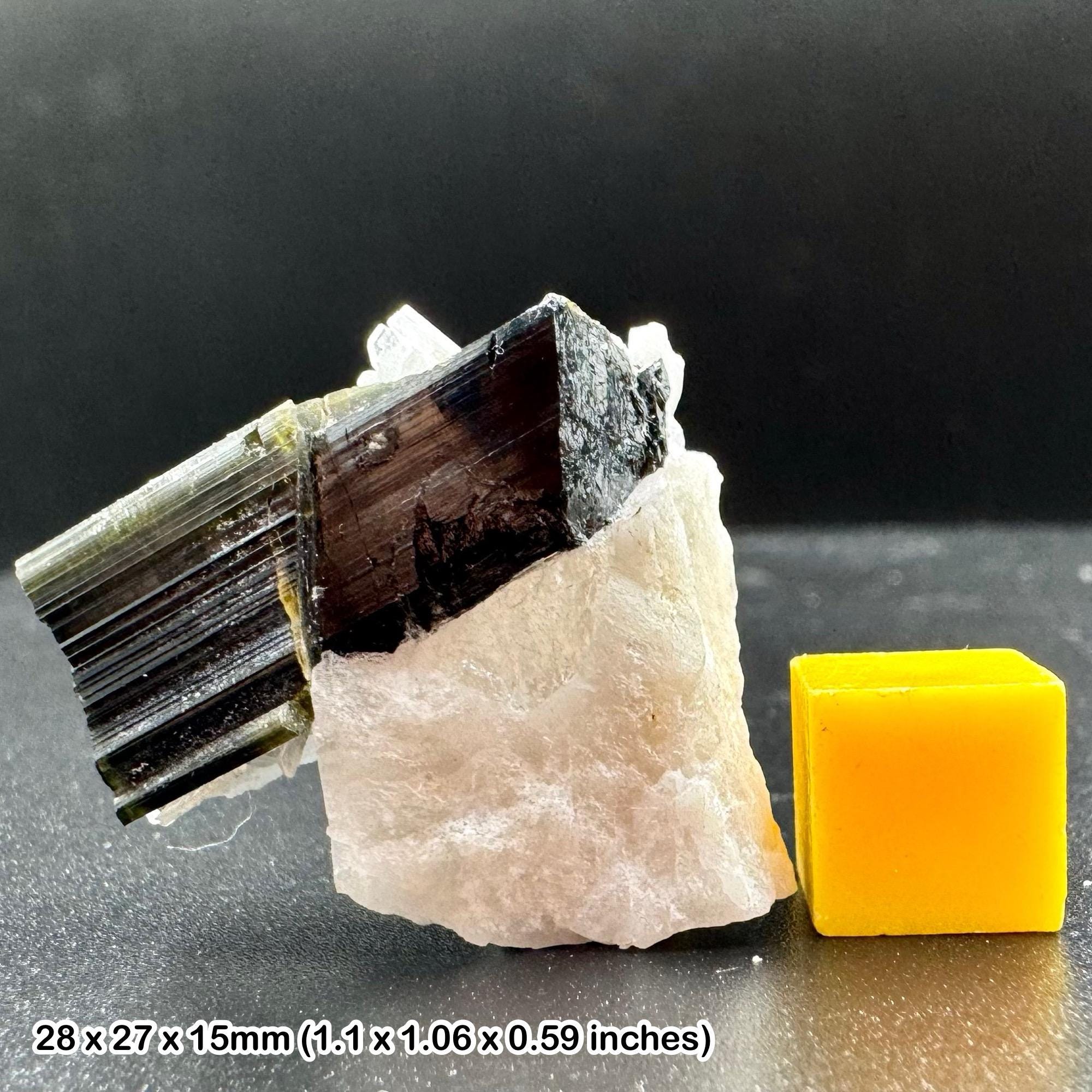
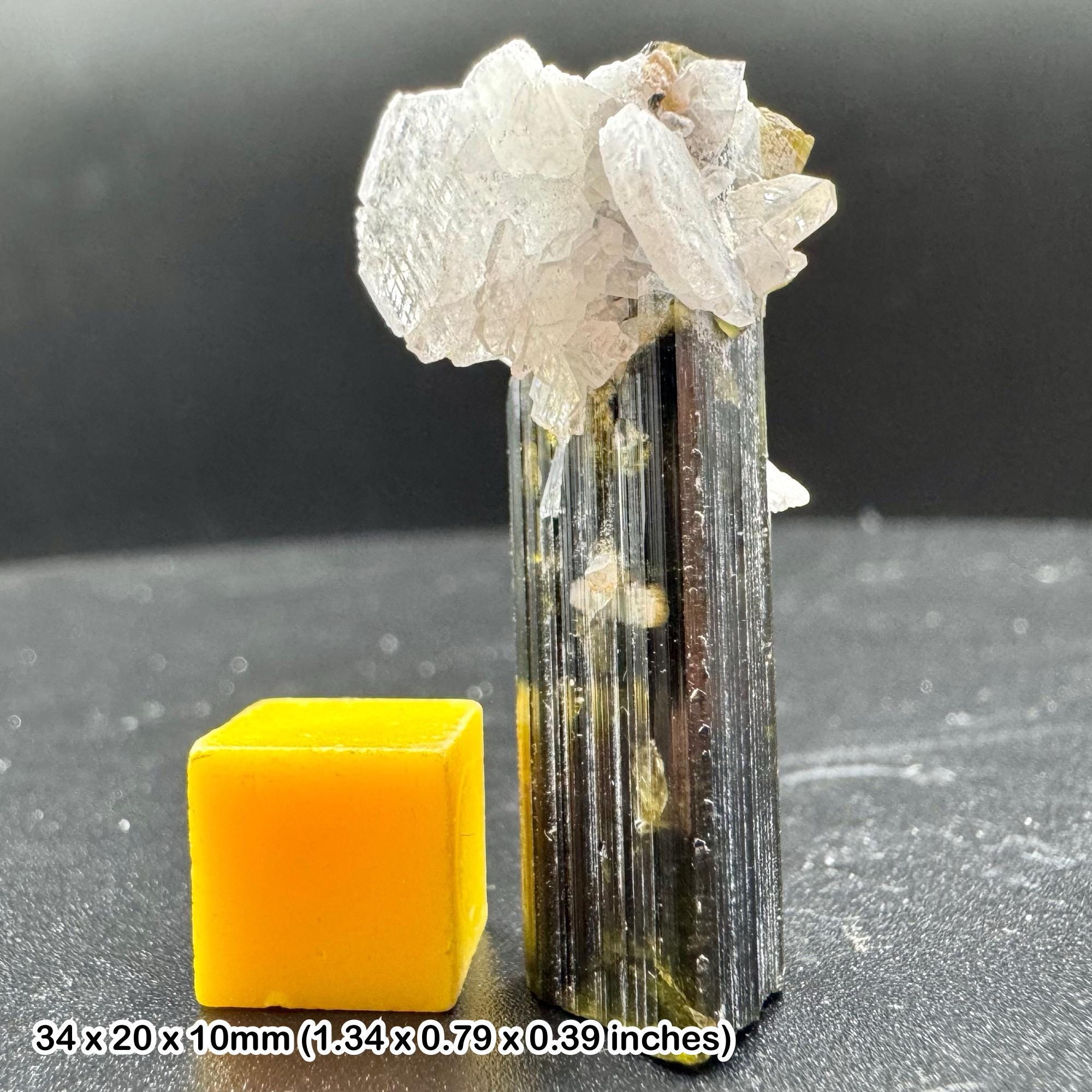
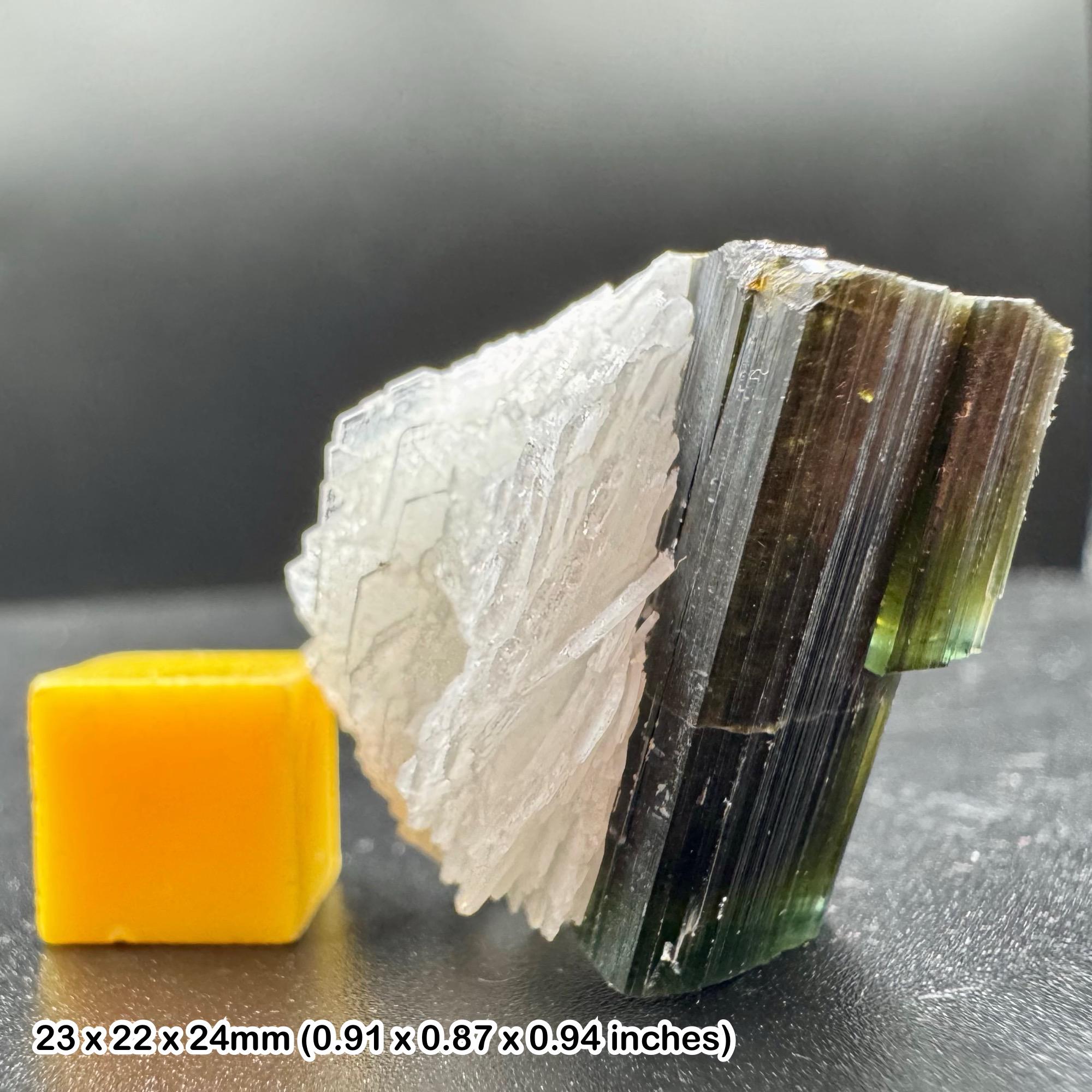
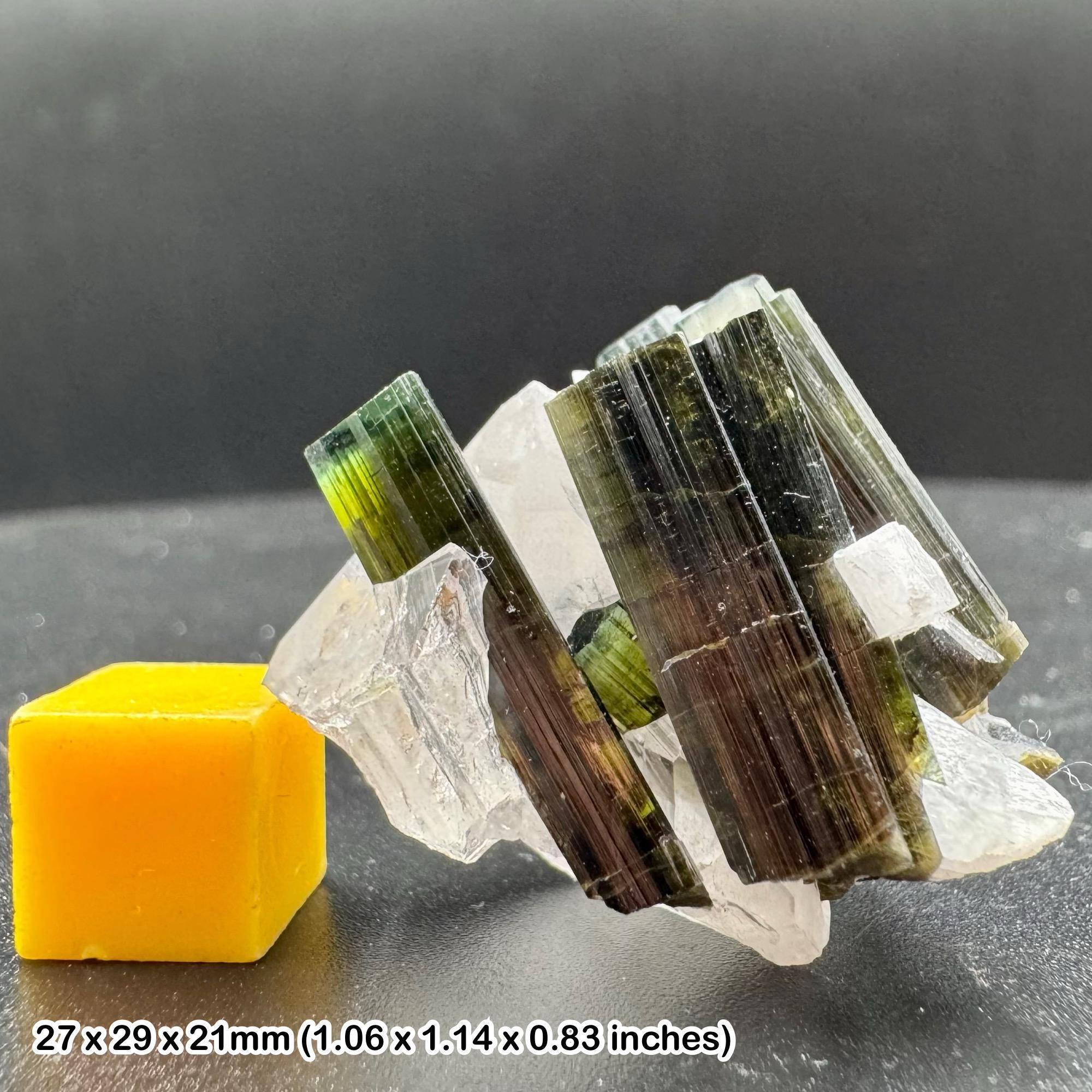
• Exact Fossil Shown – The photographs display the actual ammonite you will receive.
• Scale Reference – Scale rule squares / cube = 1 cm. Please refer to photos for exact sizing.This carefully selected Pseudoosterella fischeri ammonite fossil offers a rare opportunity to own a specimen from the Early Cretaceous seas. With its rarity, scientific importance, and striking aesthetic, it represents an outstanding addition to any fossil collection or natural history display.
the Upper Valanginian Stage of the Early Cretaceous Period, approximately 139 – 133 million years old. It originates from the Alpes-Maritimes region of France, an area famed for its fossil-rich marine deposits. These beds represent sediments laid down in the shallow margins of the ancient Tethys Ocean, capturing an exceptional record of marine life from the Early Cretaceous.The Valanginian Stage is especially important as it sits near the base of the Cretaceous, following the Berriasian. Ammonites such as Pseudoosterella are used as index fossils, helping geologists to date and correlate strata across Europe and beyond. Fossils from this interval are essential for refining the global stratigraphic framework and understanding evolutionary patterns during the early part of the Cretaceous. FOSSIL TYPE AND SPECIES INFORMATIONPseudoosterella fischeri belongs to the Order Ammonitida, Superfamily Perisphinctoidea, and Family Olcostephanidae. Ammonites within this family are well known for their ornate ribbing and their importance in defining Cretaceous ammonite zones.The genus Pseudoosterella is distinguished by its strongly ribbed, evolute shells, and fischeri is a species that epitomises these traits. Its relatively restricted range within the Valanginian makes it a valuable fossil for biozonal studies, as well as a visually striking addition to collections. MORPHOLOGICAL FEATURES AND IDENTIFICATIONThis specimen displays the key morphological features of Pseudoosterella fischeri. The shell is evolute, with inner whorls clearly visible, and decorated with prominent ribs that extend across the flanks and sweep boldly over the venter. The ribs may bifurcate or trifurcate, creating an intricate and symmetrical ornamental pattern.The strong ribbing not only characterises the species but also provided structural reinforcement for the shell, allowing it to withstand hydrostatic pressure in marine environments. Like other ammonites, Pseudoosterella possessed a chambered shell, enabling buoyancy control and vertical movement within the water column. Its lifestyle likely combined active swimming with opportunistic feeding on planktonic organisms and small invertebrates. DEPOSITIONAL ENVIRONMENTDuring the Upper Valanginian, the Alpes-Maritimes region was covered by warm, shallow seas influenced by the Tethys Ocean. Sedimentation in this marine environment primarily consisted of marls and limestones, which encapsulated and preserved marine organisms in exquisite detail.The ecosystem supported a rich diversity of life, including ammonites, belemnites, gastropods, bivalves, echinoids, and marine reptiles. Ammonites such as Pseudoosterella fischeri were abundant and ecologically significant, forming part of the nektonic community that thrived in these subtropical seas. COLLECTOR APPEAL AND AUTHENTICITYThis Pseudoosterella fischeri ammonite fossil is both scientifically significant and visually striking. Its bold ribbing, well-preserved coiling, and provenance from the classic Valanginian deposits of the Alpes-Maritimes make it highly desirable for collectors, educators, and natural history enthusiasts.
• 100% Genuine Specimen – Supplied with a Certificate of Authenticity.
• Exact Fossil Shown – The photographs display the actual ammonite you will receive.
• Scale Reference – Scale rule squares / cube = 1 cm. Please refer to photos for exact sizing.This carefully selected Pseudoosterella fischeri ammonite fossil offers a rare opportunity to own a specimen from the Early Cretaceous seas. With its rarity, scientific importance, and striking aesthetic, it represents an outstanding addition to any fossil collection or natural history display.