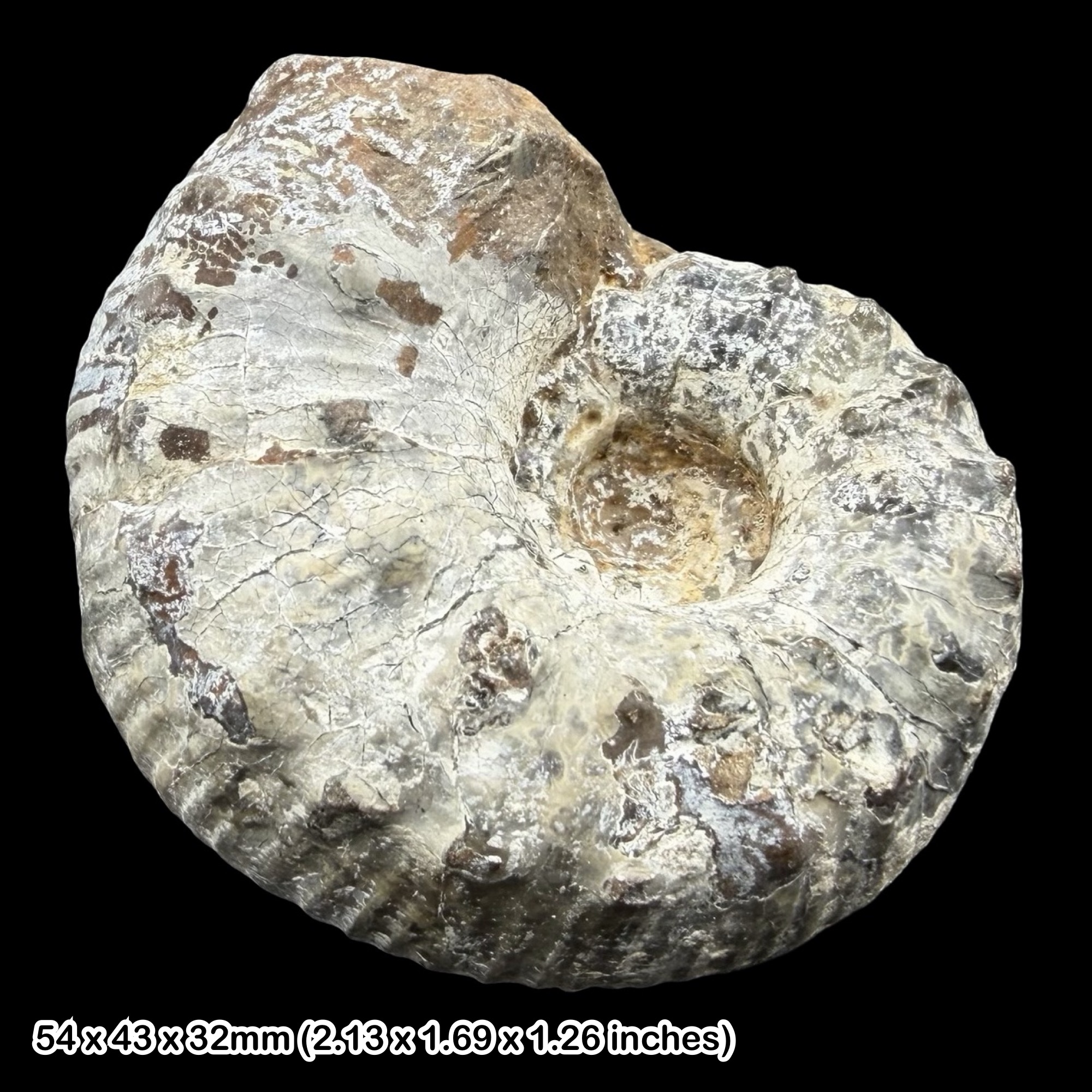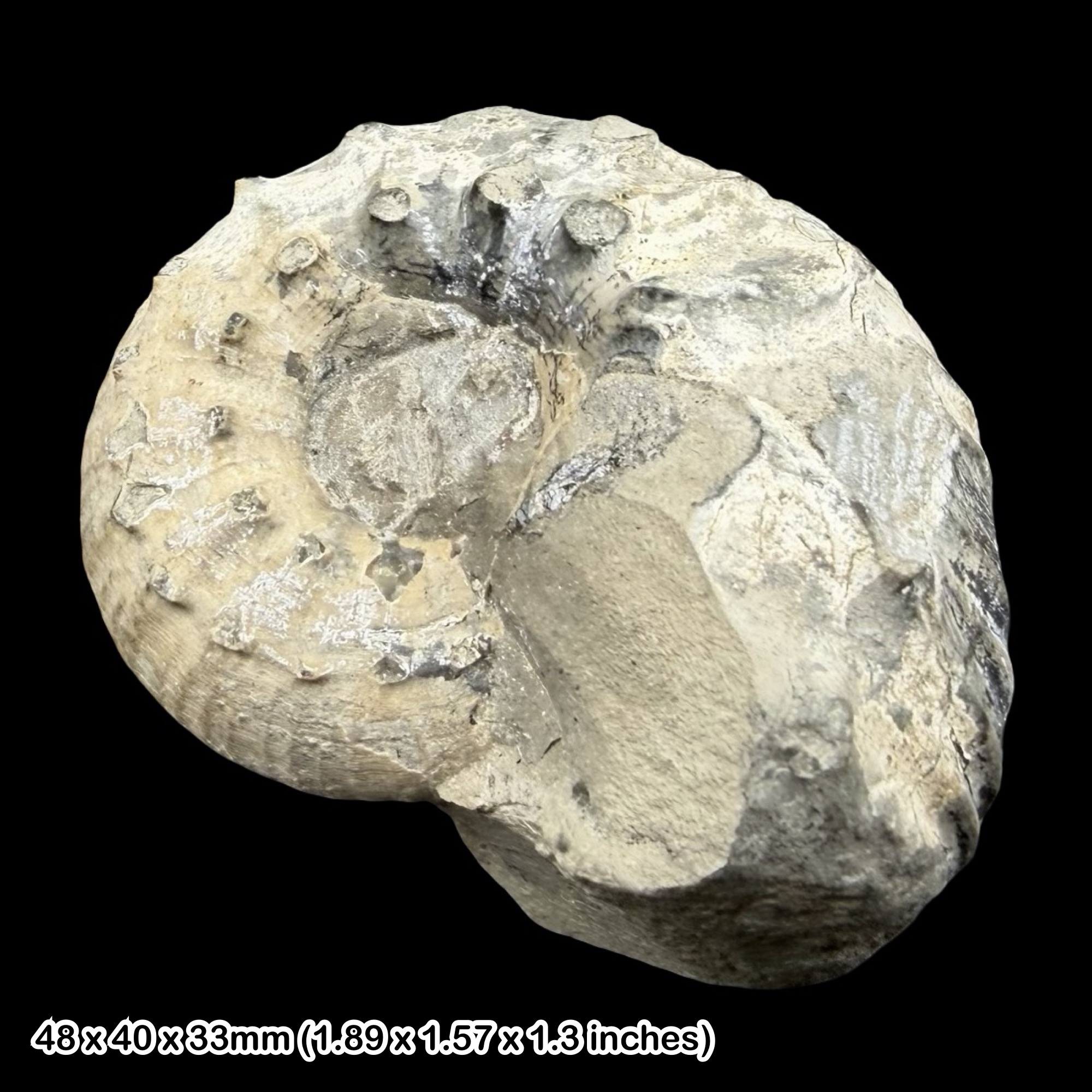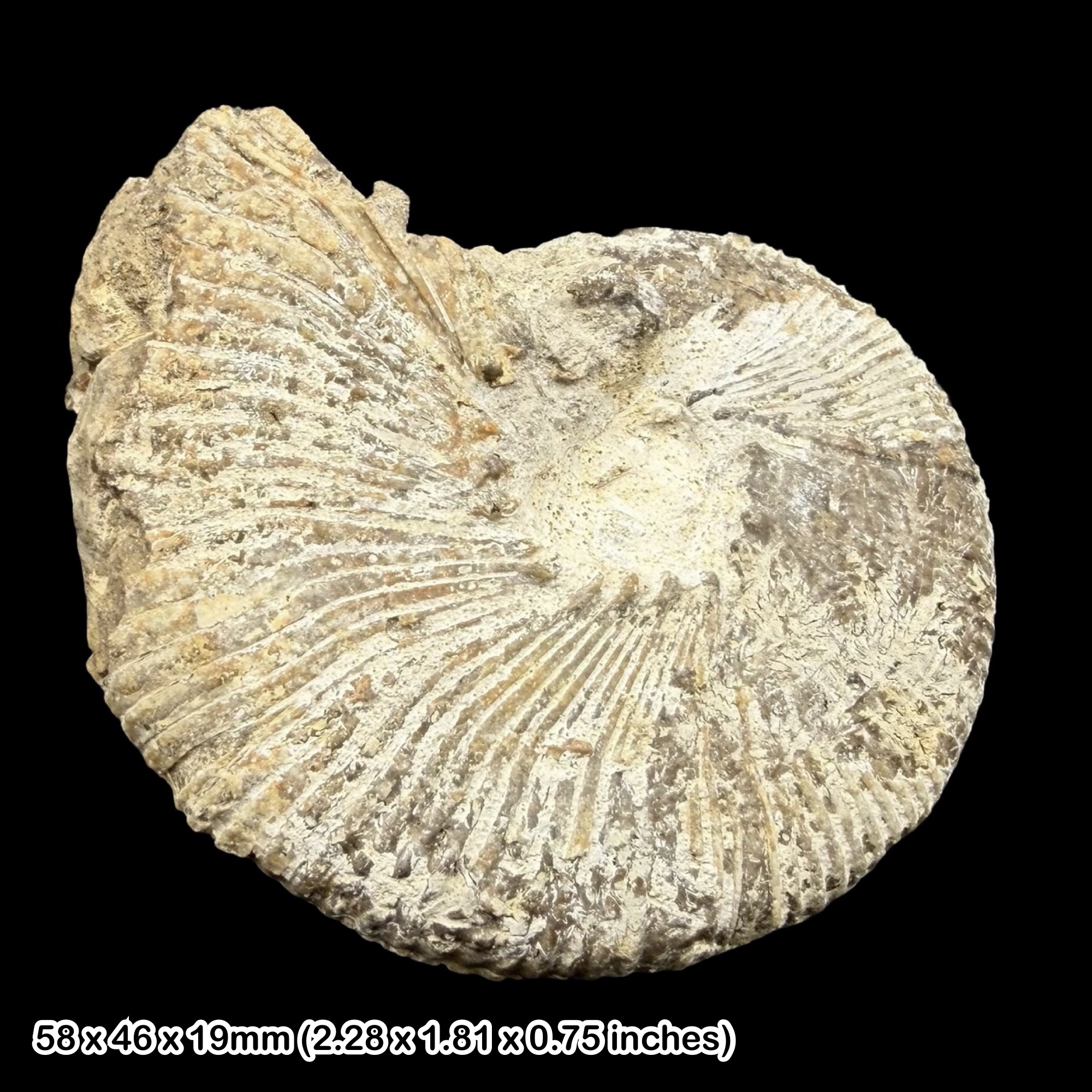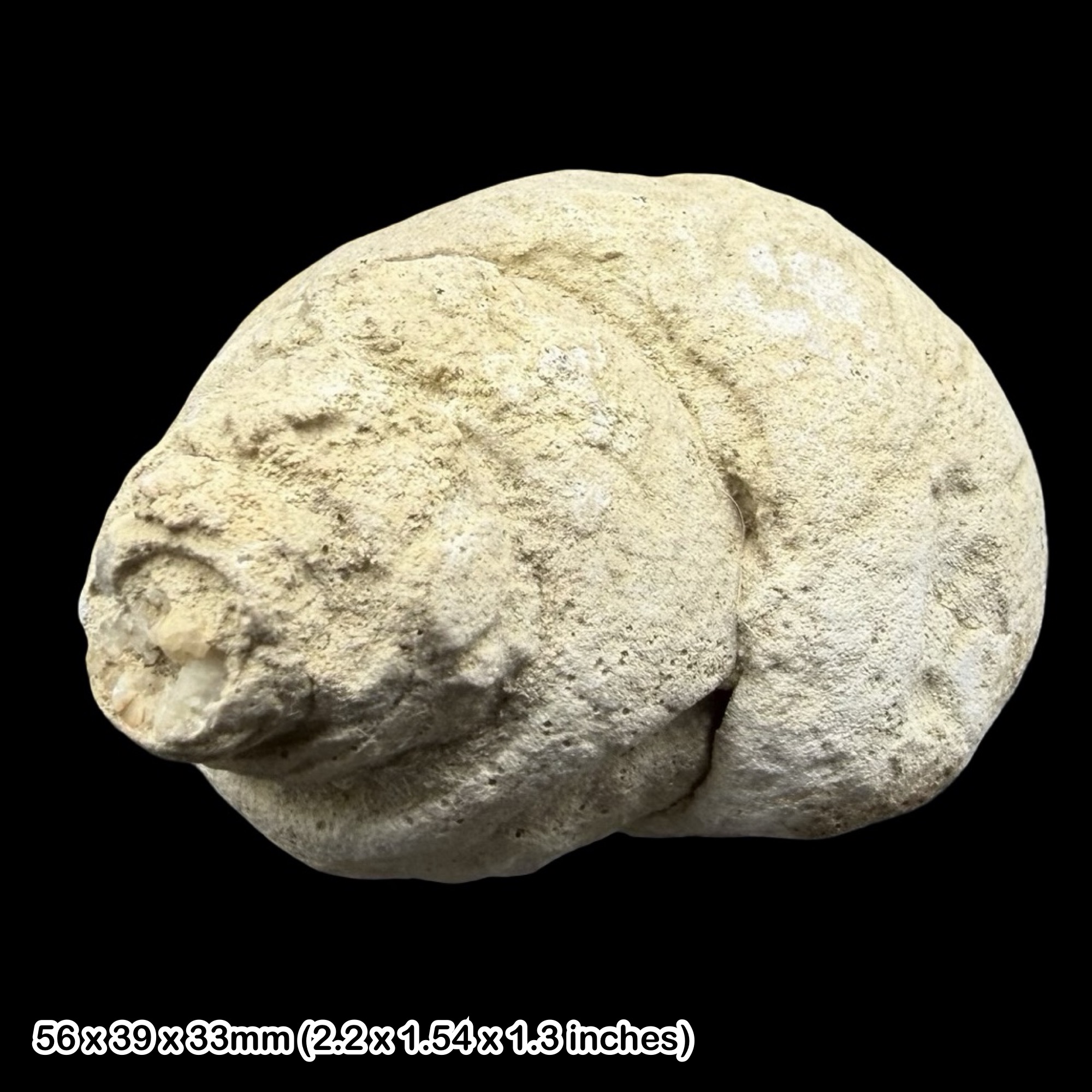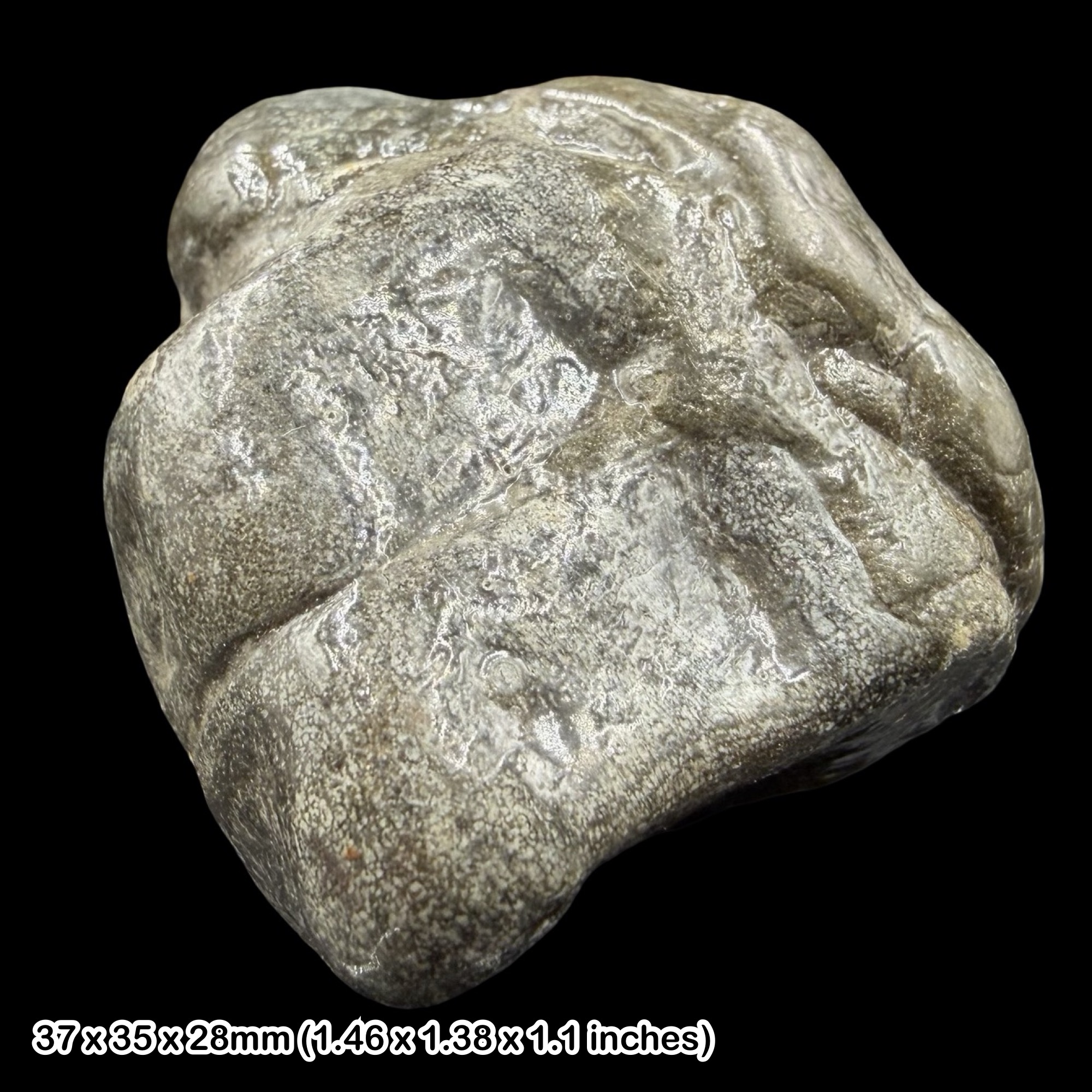
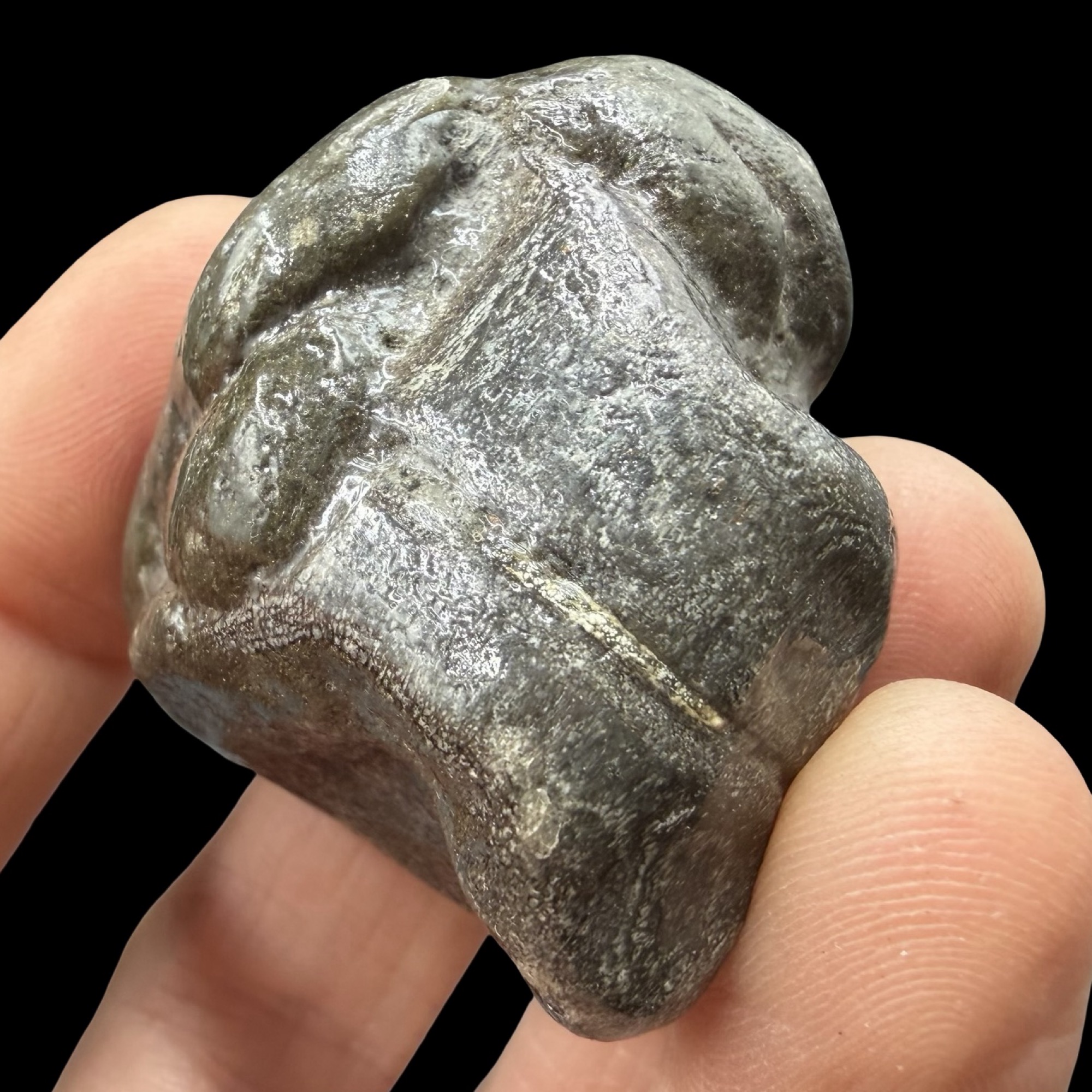
Ichthyosaur Vertebrae Fossil Articulated Lyme Regis Dorset UK Lower Jurassic Marine Reptile Bone Charmouth Mudstone Formation
£ 96.00
Authentic Articulated Ichthyosaur Vertebrae Fossil from Lyme Regis, DorsetThis genuine articulated Ichthyosaur vertebrae fossil originates from the famous
fossil-bearing cliffs of Lyme Regis on the Dorset coast of southern England. Preserved within the Charmouth Mudstone Formation, this specimen dates to the Lower Jurassic Sinemurian–Pliensbachian stages, approximately 199–183 million years ago. Lyme Regis forms part of the internationally recognised UNESCO World Heritage Jurassic Coast, one of the most important fossil sites in the world.The specimen preserves articulated vertebrae, meaning the bones remain naturally connected as they were in life, providing a rare and scientifically interesting glimpse into the spinal structure of this ancient marine reptile. The fossil shown in the photographs is the exact specimen you will receive and has been carefully selected for authenticity and display quality.This fossil includes a Certificate of Authenticity lifetime guarantee generic card, confirming that the specimen is genuine. Full sizing can be seen in the accompanying photographs.Ichthyosaurs – Fast Marine Reptiles of the Early JurassicIchthyosaurs belonged to the order Ichthyosauria, a group of highly specialised marine reptiles that thrived throughout much of the Mesozoic Era. Their name means “fish lizard,” referring to their streamlined body shape which closely resembled that of modern dolphins.These reptiles evolved a fully aquatic lifestyle and possessed a hydrodynamic body with a powerful crescent-shaped tail, four paddle-like limbs, and a long snout filled with conical teeth adapted for catching fish and squid-like cephalopods.Ichthyosaurs were among the most efficient swimmers of the Jurassic seas and occupied the role of top predators within their marine ecosystems.The vertebral column was a key structural element of their skeleton. It provided both flexibility and strength while supporting the powerful muscles required for swimming.Articulated Vertebrae and Skeletal StructureThe fossil preserves articulated vertebrae, meaning several vertebral centra remain naturally aligned as part of the original spinal column. Vertebrae in ichthyosaurs were typically disc-shaped bones known as amphicoelous centra, characterised by slightly concave articular surfaces on both ends.This structure allowed the vertebrae to fit closely together while still providing flexibility in the spine. The flexibility of the vertebral column played a vital role in propulsion, particularly in combination with the large tail fin that powered the animal through the water.Each vertebra originally supported ribs and associated muscles, forming the core of the skeletal framework that maintained the streamlined body shape of the ichthyosaur.Articulated fossils are particularly valued because they preserve the natural anatomical arrangement of bones, offering insight into how the skeleton functioned in life.Geological Formation – Charmouth Mudstone FormationThis specimen comes from the Charmouth Mudstone Formation, a Lower Jurassic geological unit widely exposed along the coastline between Lyme Regis and Charmouth in Dorset.The formation consists mainly of dark marine mudstones and shales deposited in an offshore marine basin during the Early Jurassic. At this time southern Britain lay beneath a warm shallow sea connected to the vast Tethys Ocean.Fine clay-rich sediments slowly accumulated on the seabed, burying marine organisms that died and settled on the ocean floor. In many cases these sediments created conditions of reduced oxygen that slowed decay and allowed excellent fossil preservation.The Charmouth Mudstone Formation has produced a wide variety of fossils including ammonites, belemnites, bivalves, fish, and spectacular marine reptiles such as ichthyosaurs and plesiosaurs.Jurassic Marine Ecosystem of Lyme RegisDuring the Sinemurian and Pliensbachian stages of the Early Jurassic, the seas covering southern Britain supported a rich and diverse marine ecosystem. Ammonites and belemnites swam through the water column while fish and marine reptiles dominated the higher levels of the food chain.Ichthyosaurs were among the most abundant and successful predators in these seas. They hunted actively in open water and were capable of rapid swimming and agile manoeuvring.When ichthyosaurs died, their bodies occasionally sank to the seabed where they were buried in fine mud sediments. Over millions of years, these sediments lithified into rock while the bones became mineralised, preserving the fossils discovered today along the Dorset coast.Authenticity and Collector InformationThis fossil is a genuine specimen from the Lower Jurassic Charmouth Mudstone Formation of Lyme Regis, Dorset, UK. The photographs show the exact fossil you will receive, ensuring complete transparency for collectors.Each specimen includes a Certificate of Authenticity lifetime guarantee generic card, confirming its genuine geological origin.Articulated ichthyosaur vertebrae fossils are particularly desirable because they preserve part of the natural spinal structure of these prehistoric marine reptiles. This specimen makes an outstanding addition to any fossil collection, Jurassic Coast display, marine reptile collection, or natural history cabinet dedicated to the remarkable life of the Early Jurassic oceans.
fossil-bearing cliffs of Lyme Regis on the Dorset coast of southern England. Preserved within the Charmouth Mudstone Formation, this specimen dates to the Lower Jurassic Sinemurian–Pliensbachian stages, approximately 199–183 million years ago. Lyme Regis forms part of the internationally recognised UNESCO World Heritage Jurassic Coast, one of the most important fossil sites in the world.The specimen preserves articulated vertebrae, meaning the bones remain naturally connected as they were in life, providing a rare and scientifically interesting glimpse into the spinal structure of this ancient marine reptile. The fossil shown in the photographs is the exact specimen you will receive and has been carefully selected for authenticity and display quality.This fossil includes a Certificate of Authenticity lifetime guarantee generic card, confirming that the specimen is genuine. Full sizing can be seen in the accompanying photographs.Ichthyosaurs – Fast Marine Reptiles of the Early JurassicIchthyosaurs belonged to the order Ichthyosauria, a group of highly specialised marine reptiles that thrived throughout much of the Mesozoic Era. Their name means “fish lizard,” referring to their streamlined body shape which closely resembled that of modern dolphins.These reptiles evolved a fully aquatic lifestyle and possessed a hydrodynamic body with a powerful crescent-shaped tail, four paddle-like limbs, and a long snout filled with conical teeth adapted for catching fish and squid-like cephalopods.Ichthyosaurs were among the most efficient swimmers of the Jurassic seas and occupied the role of top predators within their marine ecosystems.The vertebral column was a key structural element of their skeleton. It provided both flexibility and strength while supporting the powerful muscles required for swimming.Articulated Vertebrae and Skeletal StructureThe fossil preserves articulated vertebrae, meaning several vertebral centra remain naturally aligned as part of the original spinal column. Vertebrae in ichthyosaurs were typically disc-shaped bones known as amphicoelous centra, characterised by slightly concave articular surfaces on both ends.This structure allowed the vertebrae to fit closely together while still providing flexibility in the spine. The flexibility of the vertebral column played a vital role in propulsion, particularly in combination with the large tail fin that powered the animal through the water.Each vertebra originally supported ribs and associated muscles, forming the core of the skeletal framework that maintained the streamlined body shape of the ichthyosaur.Articulated fossils are particularly valued because they preserve the natural anatomical arrangement of bones, offering insight into how the skeleton functioned in life.Geological Formation – Charmouth Mudstone FormationThis specimen comes from the Charmouth Mudstone Formation, a Lower Jurassic geological unit widely exposed along the coastline between Lyme Regis and Charmouth in Dorset.The formation consists mainly of dark marine mudstones and shales deposited in an offshore marine basin during the Early Jurassic. At this time southern Britain lay beneath a warm shallow sea connected to the vast Tethys Ocean.Fine clay-rich sediments slowly accumulated on the seabed, burying marine organisms that died and settled on the ocean floor. In many cases these sediments created conditions of reduced oxygen that slowed decay and allowed excellent fossil preservation.The Charmouth Mudstone Formation has produced a wide variety of fossils including ammonites, belemnites, bivalves, fish, and spectacular marine reptiles such as ichthyosaurs and plesiosaurs.Jurassic Marine Ecosystem of Lyme RegisDuring the Sinemurian and Pliensbachian stages of the Early Jurassic, the seas covering southern Britain supported a rich and diverse marine ecosystem. Ammonites and belemnites swam through the water column while fish and marine reptiles dominated the higher levels of the food chain.Ichthyosaurs were among the most abundant and successful predators in these seas. They hunted actively in open water and were capable of rapid swimming and agile manoeuvring.When ichthyosaurs died, their bodies occasionally sank to the seabed where they were buried in fine mud sediments. Over millions of years, these sediments lithified into rock while the bones became mineralised, preserving the fossils discovered today along the Dorset coast.Authenticity and Collector InformationThis fossil is a genuine specimen from the Lower Jurassic Charmouth Mudstone Formation of Lyme Regis, Dorset, UK. The photographs show the exact fossil you will receive, ensuring complete transparency for collectors.Each specimen includes a Certificate of Authenticity lifetime guarantee generic card, confirming its genuine geological origin.Articulated ichthyosaur vertebrae fossils are particularly desirable because they preserve part of the natural spinal structure of these prehistoric marine reptiles. This specimen makes an outstanding addition to any fossil collection, Jurassic Coast display, marine reptile collection, or natural history cabinet dedicated to the remarkable life of the Early Jurassic oceans.