Himalayan Quartz Crystal Specimen India Natural Clear Quartz Point 30-60mm
£ 4.68
GENUINE HIMALAYAN QUARTZ CRYSTAL SPECIMEN – INDIA (30–60MM)Discover the natural beauty of Himalayan Quartz Crystals from India, offered
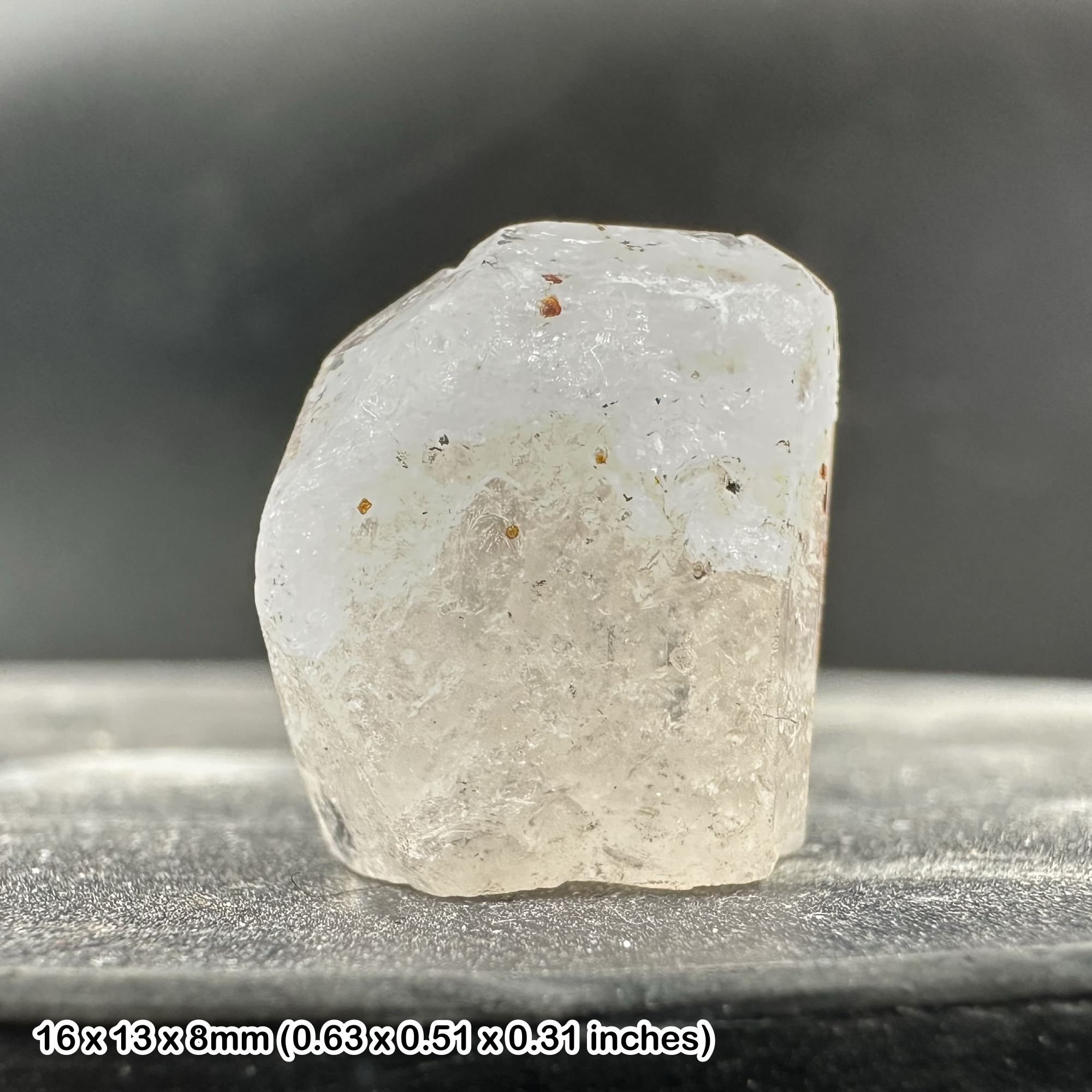
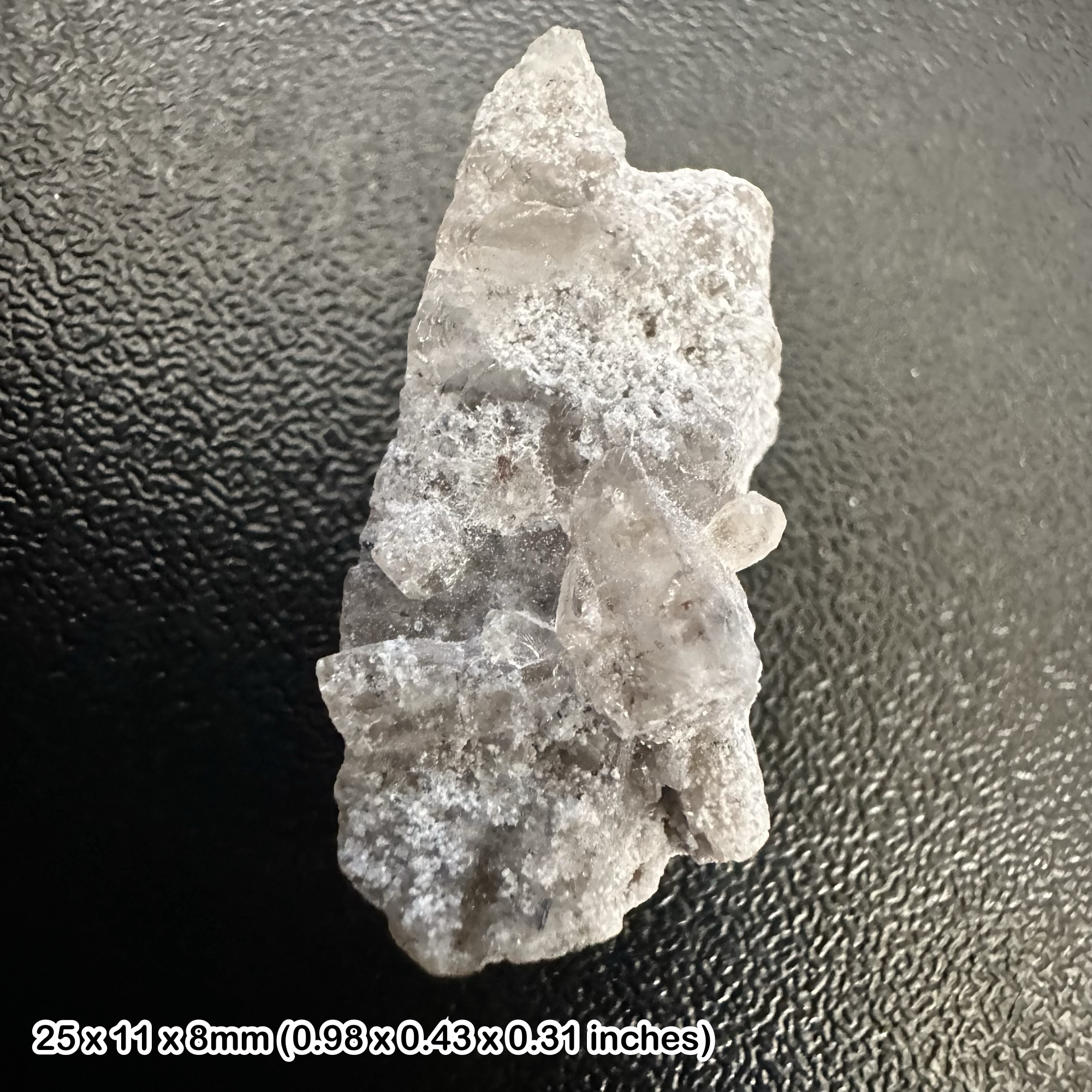
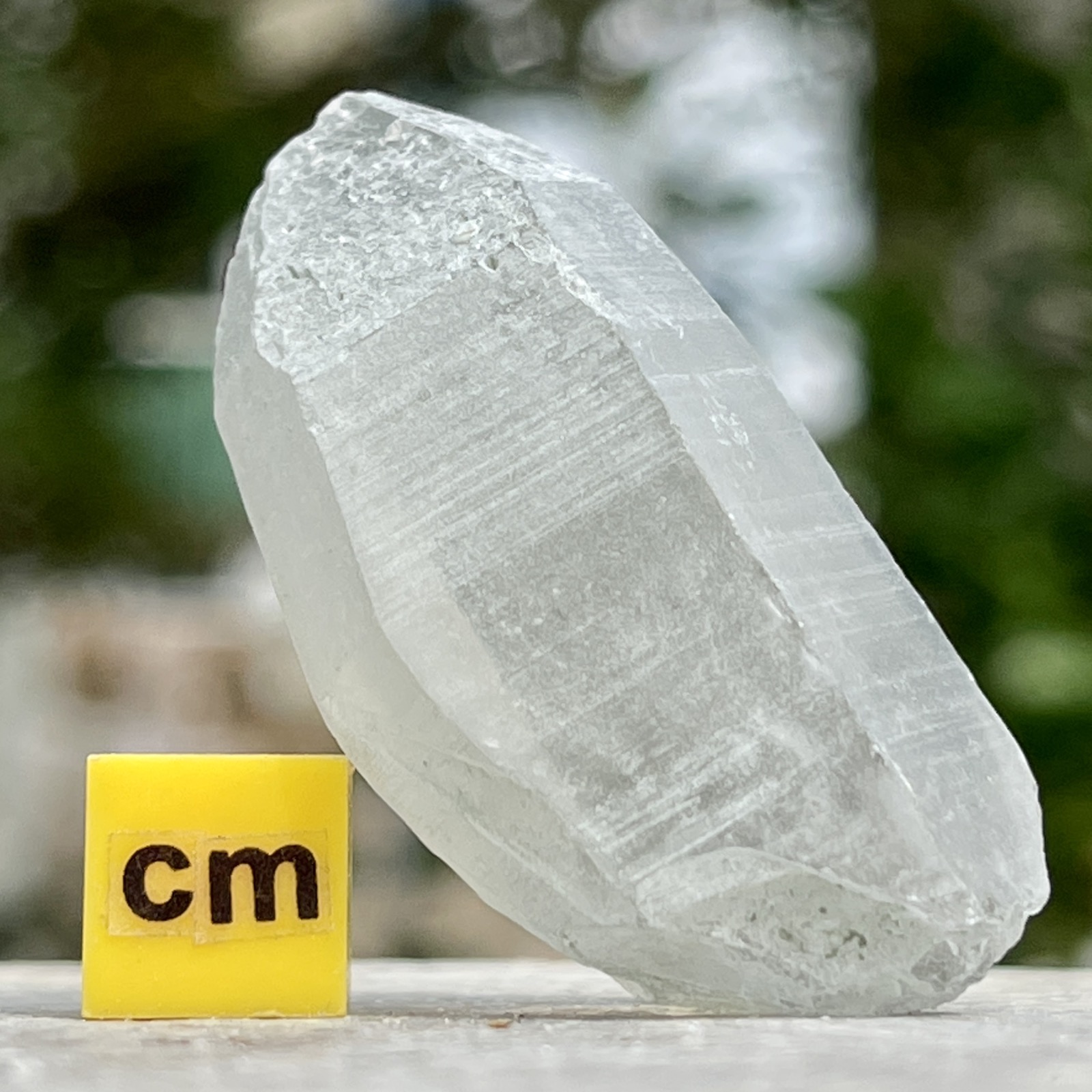
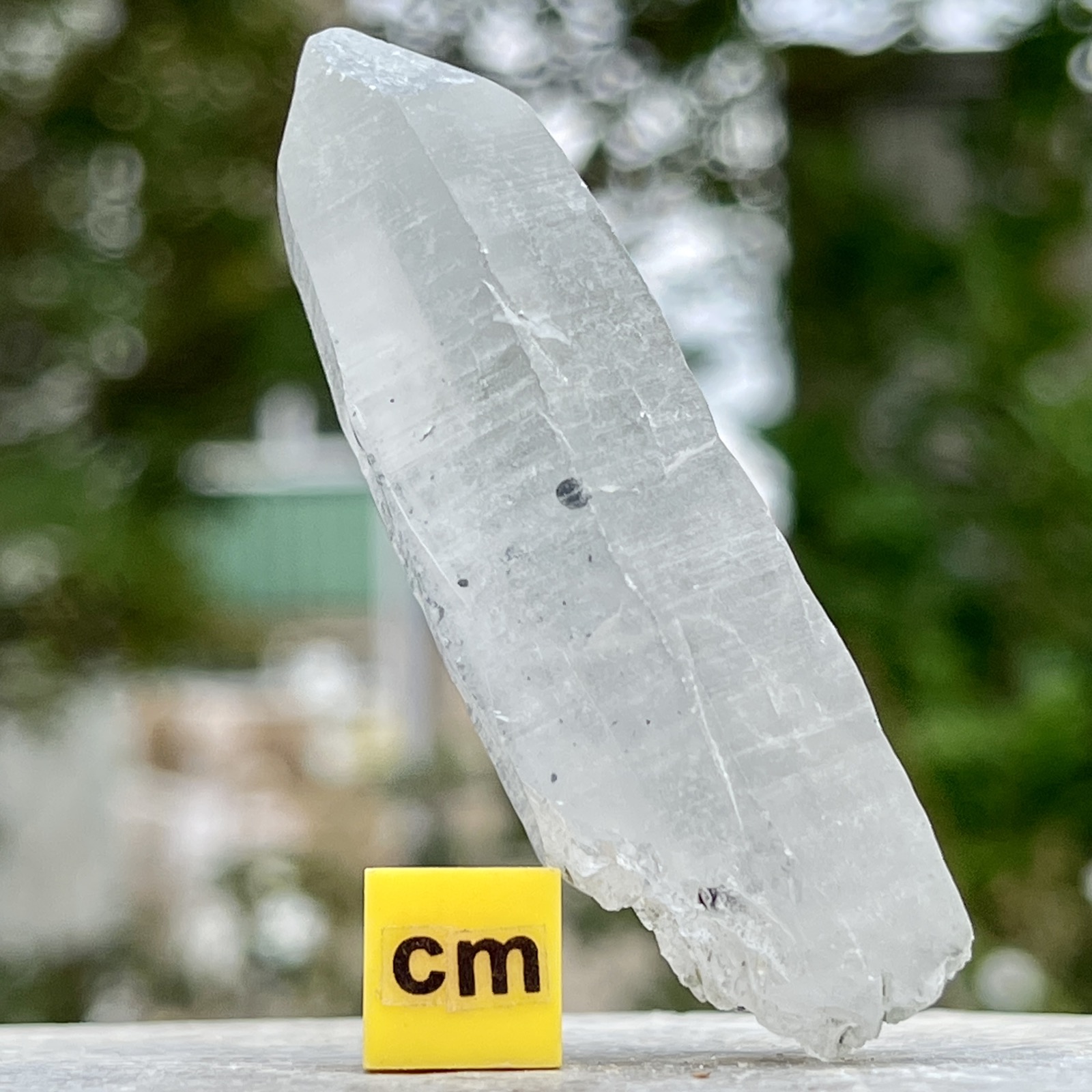
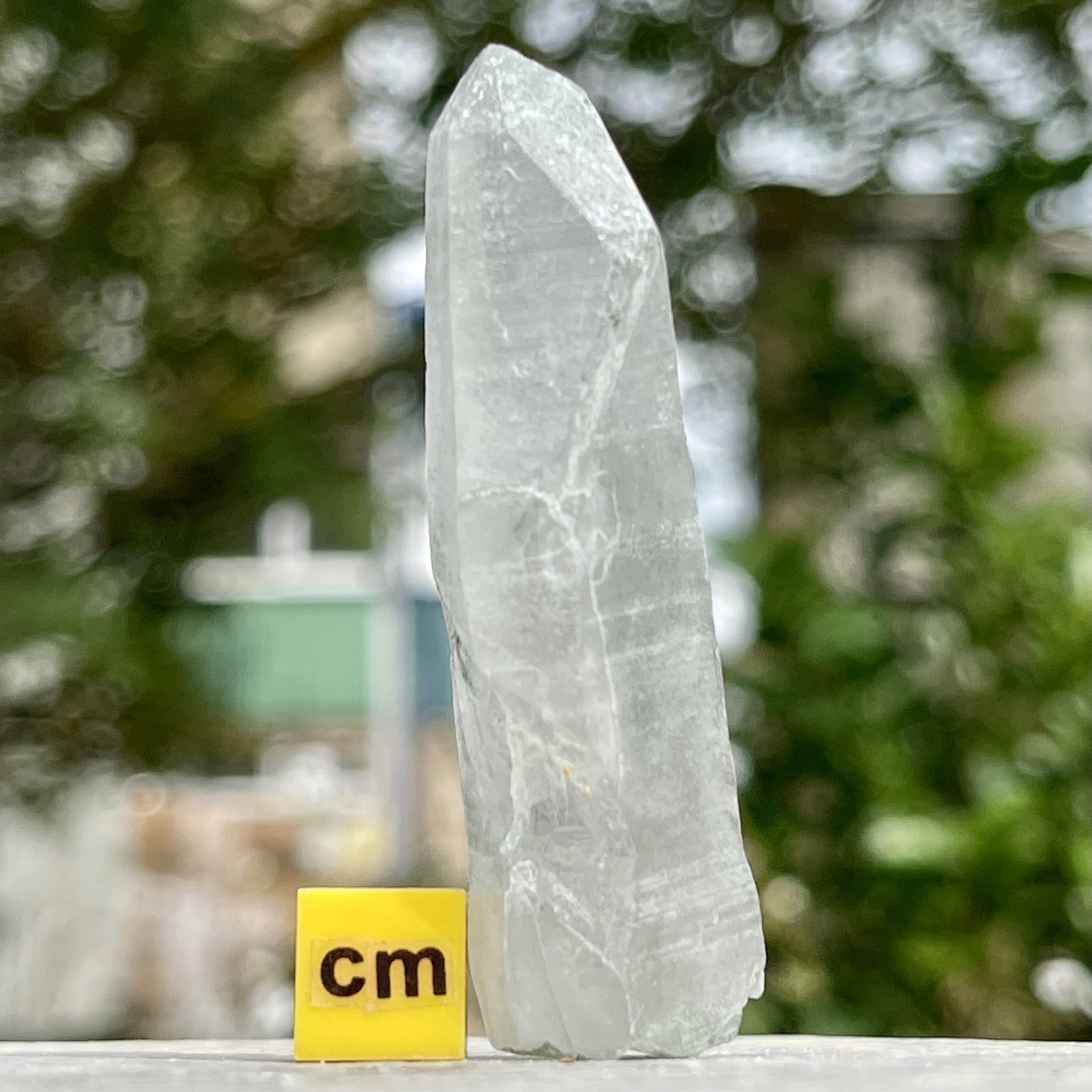
here as a genuine mineral specimen in a convenient 30–60mm size range. These crystals are carefully chosen for their natural form, clarity, and collector appeal, making them ideal for display, study, or gifting.Each piece is a real quartz crystal formed by geological processes deep within the Himalayan region. The photograph provided shows an example of the type of specimen you will receive, with every crystal displaying its own unique shape, surface texture, and internal features. Please refer to the photos for full sizing and scale.Your purchase includes a Certificate of Authenticity lifetime guarantee generic card, confirming that this is a genuine natural mineral specimen. MINERAL IDENTIFICATION & SCIENTIFIC DETAILSQuartz is one of the most widely recognised minerals in the world, valued for its classic crystal structure and durability.Mineral information:
• Mineral Species: Quartz
• Chemical Formula: SiO₂ (Silicon Dioxide)
• Mineral Group: Silicate minerals
• Crystal System: Trigonal (hexagonal family)
• Mohs Hardness: 7
• Lustre: Vitreous (glassy)
• Transparency: Transparent to translucent
• Colour Range: Clear, milky, or lightly clouded depending on inclusionsQuartz crystals commonly grow as six-sided prisms with pointed terminations, creating the iconic “crystal point” shape admired by collectors. HIMALAYAN GEOLOGICAL ORIGINHimalayan quartz is sourced from the mountainous regions of northern India, an area shaped by immense tectonic forces over millions of years. Quartz crystals here typically form in:
• Hydrothermal veins
• Alpine-type fissures
• Metamorphic rock cavitiesSilica-rich fluids move through fractures in the rock, slowly cooling and allowing quartz crystals to develop over long geological timescales. The extreme pressures and conditions of the Himalayan uplift contribute to the formation of well-defined natural crystals.Quartz from this region is often associated with minerals such as feldspar, mica, and calcite, reflecting the complex geology of the Himalayan mountain belt. NATURAL CRYSTAL FEATURES & COLLECTOR APPEALHimalayan quartz crystals are prized for their raw, untouched character.
here as a genuine mineral specimen in a convenient 30–60mm size range. These crystals are carefully chosen for their natural form, clarity, and collector appeal, making them ideal for display, study, or gifting.Each piece is a real quartz crystal formed by geological processes deep within the Himalayan region. The photograph provided shows an example of the type of specimen you will receive, with every crystal displaying its own unique shape, surface texture, and internal features. Please refer to the photos for full sizing and scale.Your purchase includes a Certificate of Authenticity lifetime guarantee generic card, confirming that this is a genuine natural mineral specimen. MINERAL IDENTIFICATION & SCIENTIFIC DETAILSQuartz is one of the most widely recognised minerals in the world, valued for its classic crystal structure and durability.Mineral information:
• Mineral Species: Quartz
• Chemical Formula: SiO₂ (Silicon Dioxide)
• Mineral Group: Silicate minerals
• Crystal System: Trigonal (hexagonal family)
• Mohs Hardness: 7
• Lustre: Vitreous (glassy)
• Transparency: Transparent to translucent
• Colour Range: Clear, milky, or lightly clouded depending on inclusionsQuartz crystals commonly grow as six-sided prisms with pointed terminations, creating the iconic “crystal point” shape admired by collectors. HIMALAYAN GEOLOGICAL ORIGINHimalayan quartz is sourced from the mountainous regions of northern India, an area shaped by immense tectonic forces over millions of years. Quartz crystals here typically form in:
• Hydrothermal veins
• Alpine-type fissures
• Metamorphic rock cavitiesSilica-rich fluids move through fractures in the rock, slowly cooling and allowing quartz crystals to develop over long geological timescales. The extreme pressures and conditions of the Himalayan uplift contribute to the formation of well-defined natural crystals.Quartz from this region is often associated with minerals such as feldspar, mica, and calcite, reflecting the complex geology of the Himalayan mountain belt. NATURAL CRYSTAL FEATURES & COLLECTOR APPEALHimalayan quartz crystals are prized for their raw, untouched character.