Polished Petrified Wood Fossil Triassic Madagascar Fossilised Tree Specimen Genuine
£ 120.00
GENUINE POLISHED PETRIFIED FOSSIL WOOD FROM TRIASSIC DEPOSITS OF MADAGASCARThis authentic polished petrified fossil wood specimen originates from Triassic
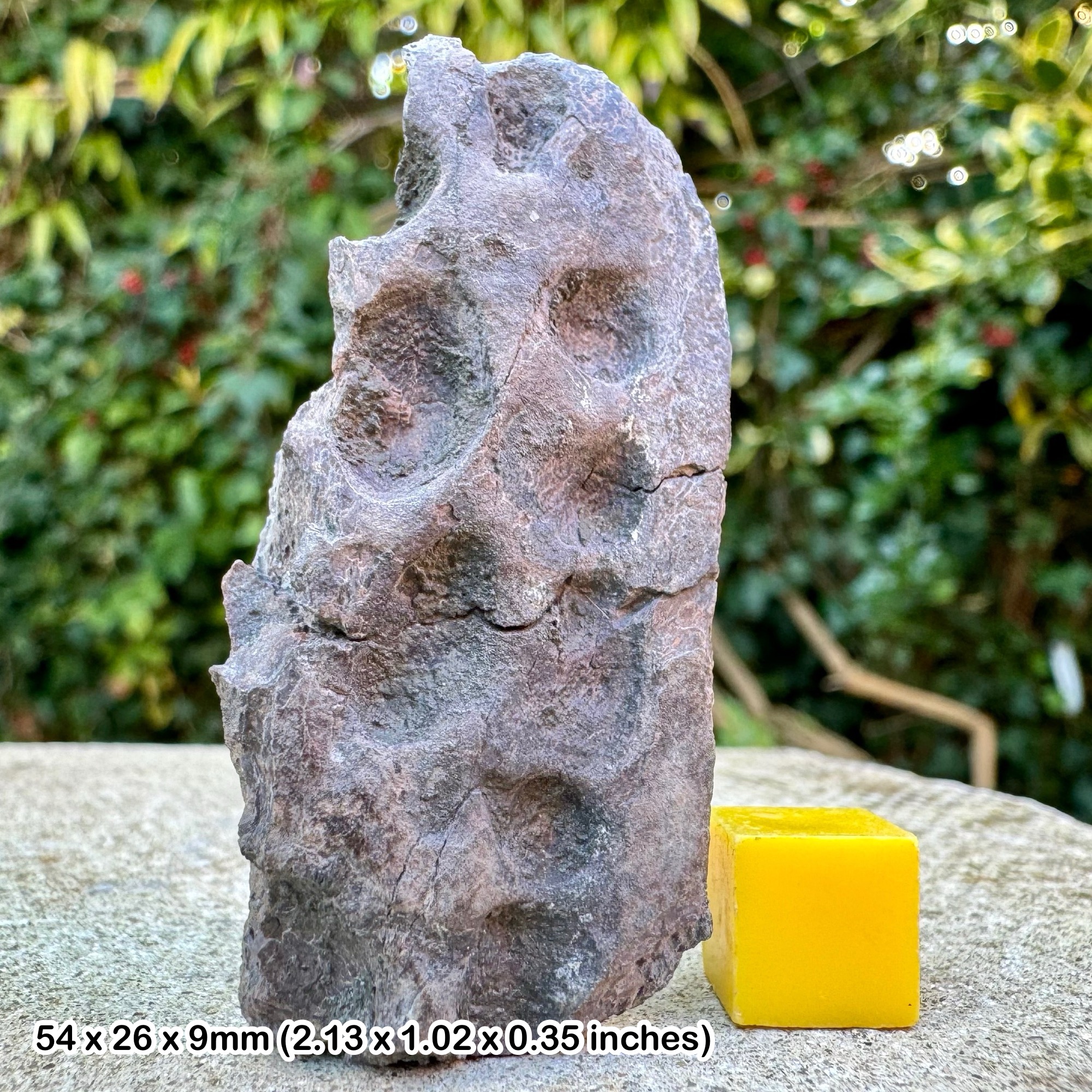
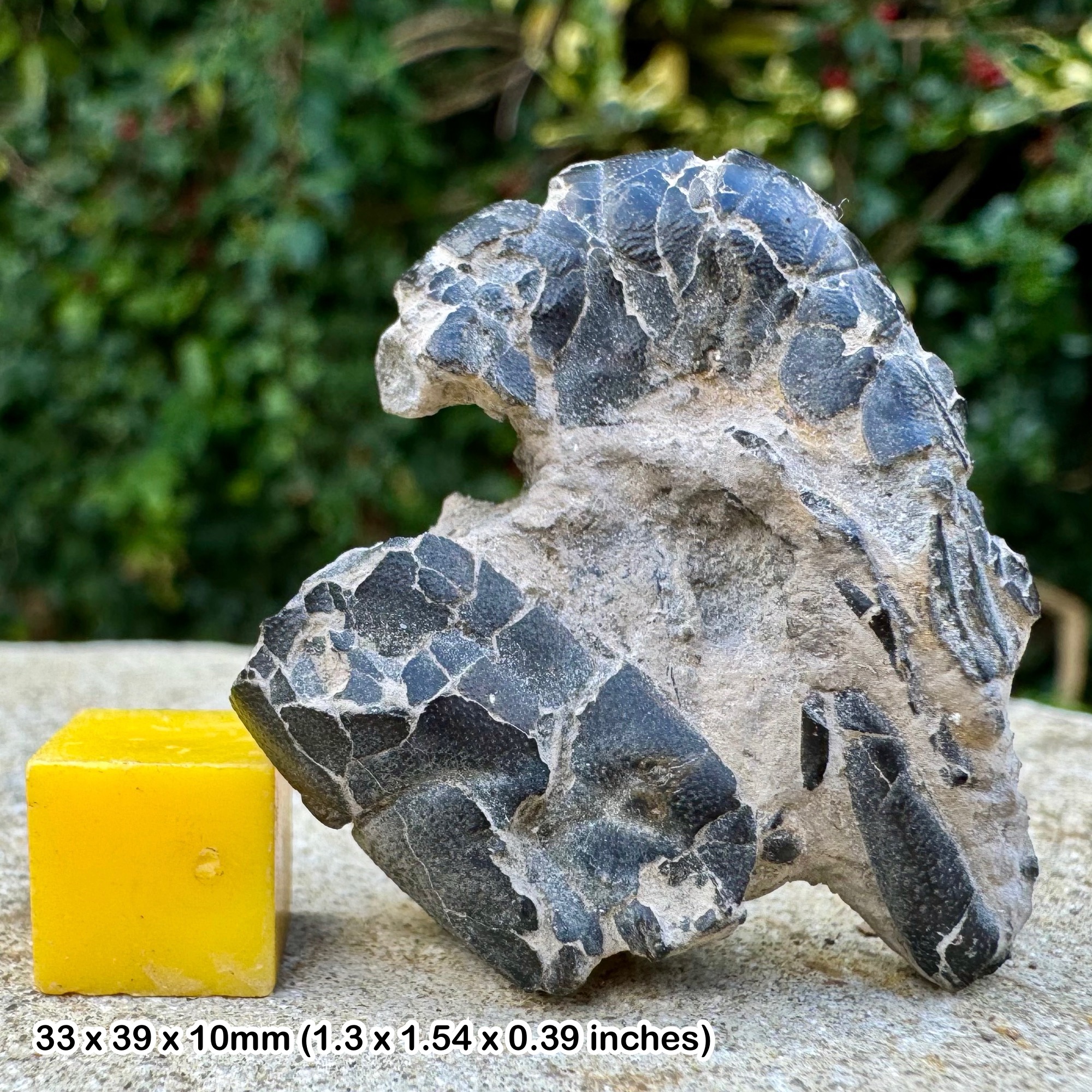
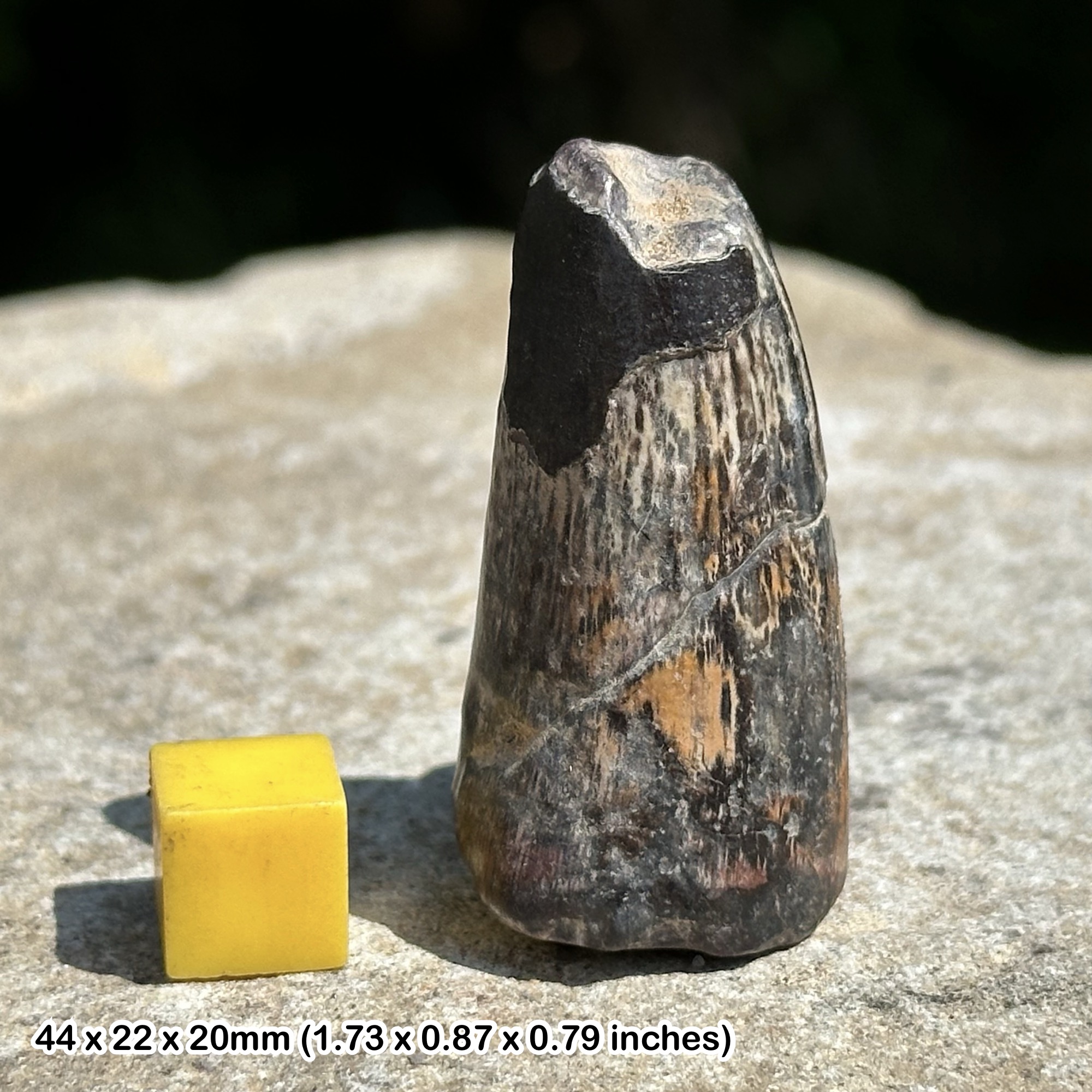
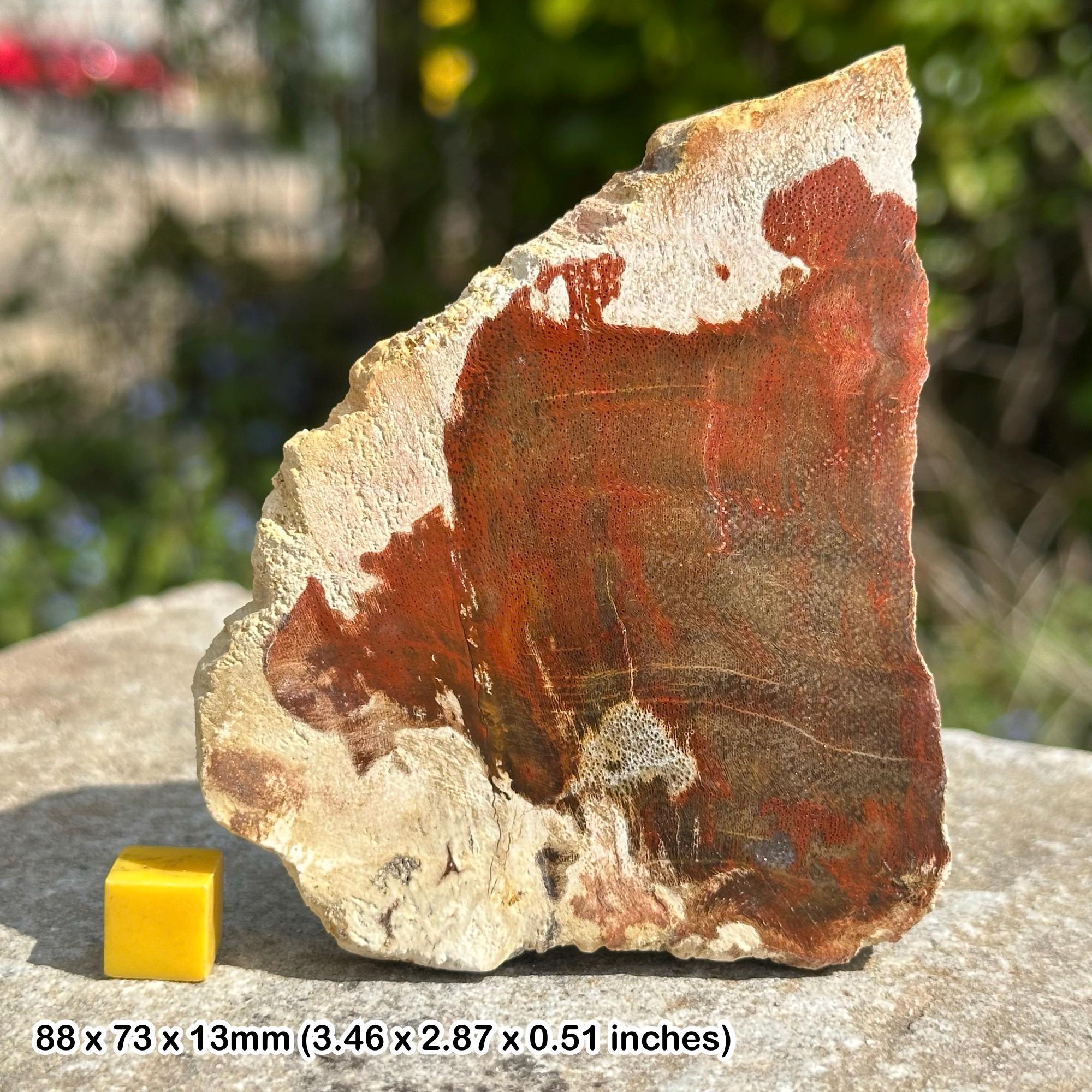
geological deposits in Madagascar, a region internationally recognised for producing beautifully preserved fossil wood. Petrified wood forms when ancient trees become buried and gradually fossilised through mineral replacement, preserving the internal cellular structure of the original wood in stone.The specimen offered here has been carefully polished to reveal the intricate internal structure of the fossilised wood, highlighting the preserved grain patterns, growth rings, and mineral colouration that developed during the fossilisation process. The photographs in this listing show the exact specimen you will receive, allowing collectors to observe the preserved wood grain and natural patterns before purchase. Full sizing can be clearly seen in the listing photos.This fossil is a genuine specimen and includes a Certificate of Authenticity lifetime guarantee generic card, confirming its authenticity. FOSSIL IDENTIFICATION AND BOTANICAL CLASSIFICATIONPetrified wood represents the fossilised remains of ancient trees in which the original organic material has been replaced by minerals over millions of years. While individual specimens may not always be identifiable to a precise species level, Triassic petrified wood commonly belongs to gymnosperm trees, particularly early conifer relatives that dominated terrestrial forests during the Mesozoic Era.Botanical classification generally includes:
• Kingdom: Plantae
• Division: Tracheophyta
• Clade: GymnospermsMany petrified wood specimens from Triassic deposits represent conifer-like trees, which were among the dominant plant groups during this period. GEOLOGICAL AGE AND STRATIGRAPHIC CONTEXTThis fossil originates from the Triassic Period, which lasted from approximately 252 to 201 million years ago. The Triassic marks the earliest period of the Mesozoic Era and followed the Permian mass extinction event.During the Triassic, large regions of the world were part of the supercontinent Pangaea, and Madagascar was connected to what is now Africa, India, and Antarctica. The climate in many regions was warm with seasonal rainfall, supporting forests of early conifers and other primitive plants.Sedimentary formations in Madagascar from this time often consist of:
• Sandstone
• Mudstone
• Fluvial sediment deposits
• Volcanically influenced sedimentsThese environments were favourable for preserving plant material that later fossilised into petrified wood. FOSSILISATION PROCESS OF PETRIFIED WOODPetrified wood forms through a process known as permineralisation, in which groundwater rich in dissolved minerals infiltrates buried wood. Over time, the original organic material gradually decays while minerals such as silica replace the cellular structure.The most common mineral responsible for petrification is quartz, though other minerals may also contribute to colour variations within the fossil.This mineral replacement can preserve fine structural details of the wood, including:
• Tree growth rings
• Cellular wood grain patterns
• Vascular tissue structuresThe resulting fossil becomes a stone replica of the original wood, preserving its microscopic structure in remarkable detail. MINERAL COMPOSITION AND COLOURATIONMost petrified wood is composed primarily of silica minerals, particularly microcrystalline quartz such as chalcedony or jasper. The colours present in petrified wood are typically caused by trace minerals introduced during fossilisation.Common mineral influences include:
• Iron oxides producing red, brown, and yellow tones
• Manganese contributing darker or black colours
• Silica creating translucent or quartz-like texturesThese mineral variations create the unique patterns and colours often visible when petrified wood is polished. MORPHOLOGY AND PRESERVED WOOD STRUCTUREOne of the most fascinating aspects of petrified wood is the preservation of the tree’s original biological structure. Polishing the fossil surface reveals patterns formed by the original tree’s growth processes.Typical features visible in polished petrified wood include:
• Concentric growth rings indicating annual growth cycles
• Linear wood grain patterns
• Natural fracture lines created during fossilisation
• Mineral colour banding created during silica replacementThese patterns provide valuable insight into ancient plant life and the environmental conditions under which the tree originally grew. DEPOSITIONAL ENVIRONMENTThe petrified wood deposits of Madagascar formed in river and floodplain environments where fallen trees were rapidly buried by sediment. Flooding events or volcanic activity could quickly cover plant material with sediment, protecting it from decay.Typical depositional environments include:
• River channel sediments
• Floodplain deposits
• Volcanically influenced sediment layers
• Sand-rich fluvial systemsRapid burial in these environments allowed mineral-rich groundwater to permeate the buried wood and begin the petrification process. COLLECTING AND SCIENTIFIC INTERESTPetrified wood is one of the most widely recognised plant fossils and provides valuable information about prehistoric ecosystems. Triassic petrified wood specimens are particularly important because they represent forests that existed during the early age of dinosaurs.Collectors appreciate petrified wood for several reasons:
• Preserved internal wood grain structure
• Geological connection to ancient forests
• Attractive mineral colour patterns
• Educational value for understanding fossilised plant materialThese fossils are commonly displayed in fossil collections, geological displays, and natural history exhibits. AUTHENTIC FOSSIL SPECIMENThis specimen is a genuine polished petrified fossil wood piece from Triassic deposits in Madagascar, carefully selected for its preservation and visual appeal.Key details include:
• Authentic petrified fossil wood
• Age: Triassic Period, Mesozoic Era
• Locality: Madagascar
• Mineral composition primarily silica-based
• Polished surface revealing preserved wood grain
• Exact specimen shown in listing photographs
• Full sizing visible in listing images
• Includes Certificate of Authenticity lifetime guarantee generic cardThis remarkable fossil represents a preserved fragment of an ancient Triassic forest ecosystem, making it a fascinating addition to fossil collections, natural history displays, or geological study sets.
geological deposits in Madagascar, a region internationally recognised for producing beautifully preserved fossil wood. Petrified wood forms when ancient trees become buried and gradually fossilised through mineral replacement, preserving the internal cellular structure of the original wood in stone.The specimen offered here has been carefully polished to reveal the intricate internal structure of the fossilised wood, highlighting the preserved grain patterns, growth rings, and mineral colouration that developed during the fossilisation process. The photographs in this listing show the exact specimen you will receive, allowing collectors to observe the preserved wood grain and natural patterns before purchase. Full sizing can be clearly seen in the listing photos.This fossil is a genuine specimen and includes a Certificate of Authenticity lifetime guarantee generic card, confirming its authenticity. FOSSIL IDENTIFICATION AND BOTANICAL CLASSIFICATIONPetrified wood represents the fossilised remains of ancient trees in which the original organic material has been replaced by minerals over millions of years. While individual specimens may not always be identifiable to a precise species level, Triassic petrified wood commonly belongs to gymnosperm trees, particularly early conifer relatives that dominated terrestrial forests during the Mesozoic Era.Botanical classification generally includes:
• Kingdom: Plantae
• Division: Tracheophyta
• Clade: GymnospermsMany petrified wood specimens from Triassic deposits represent conifer-like trees, which were among the dominant plant groups during this period. GEOLOGICAL AGE AND STRATIGRAPHIC CONTEXTThis fossil originates from the Triassic Period, which lasted from approximately 252 to 201 million years ago. The Triassic marks the earliest period of the Mesozoic Era and followed the Permian mass extinction event.During the Triassic, large regions of the world were part of the supercontinent Pangaea, and Madagascar was connected to what is now Africa, India, and Antarctica. The climate in many regions was warm with seasonal rainfall, supporting forests of early conifers and other primitive plants.Sedimentary formations in Madagascar from this time often consist of:
• Sandstone
• Mudstone
• Fluvial sediment deposits
• Volcanically influenced sedimentsThese environments were favourable for preserving plant material that later fossilised into petrified wood. FOSSILISATION PROCESS OF PETRIFIED WOODPetrified wood forms through a process known as permineralisation, in which groundwater rich in dissolved minerals infiltrates buried wood. Over time, the original organic material gradually decays while minerals such as silica replace the cellular structure.The most common mineral responsible for petrification is quartz, though other minerals may also contribute to colour variations within the fossil.This mineral replacement can preserve fine structural details of the wood, including:
• Tree growth rings
• Cellular wood grain patterns
• Vascular tissue structuresThe resulting fossil becomes a stone replica of the original wood, preserving its microscopic structure in remarkable detail. MINERAL COMPOSITION AND COLOURATIONMost petrified wood is composed primarily of silica minerals, particularly microcrystalline quartz such as chalcedony or jasper. The colours present in petrified wood are typically caused by trace minerals introduced during fossilisation.Common mineral influences include:
• Iron oxides producing red, brown, and yellow tones
• Manganese contributing darker or black colours
• Silica creating translucent or quartz-like texturesThese mineral variations create the unique patterns and colours often visible when petrified wood is polished. MORPHOLOGY AND PRESERVED WOOD STRUCTUREOne of the most fascinating aspects of petrified wood is the preservation of the tree’s original biological structure. Polishing the fossil surface reveals patterns formed by the original tree’s growth processes.Typical features visible in polished petrified wood include:
• Concentric growth rings indicating annual growth cycles
• Linear wood grain patterns
• Natural fracture lines created during fossilisation
• Mineral colour banding created during silica replacementThese patterns provide valuable insight into ancient plant life and the environmental conditions under which the tree originally grew. DEPOSITIONAL ENVIRONMENTThe petrified wood deposits of Madagascar formed in river and floodplain environments where fallen trees were rapidly buried by sediment. Flooding events or volcanic activity could quickly cover plant material with sediment, protecting it from decay.Typical depositional environments include:
• River channel sediments
• Floodplain deposits
• Volcanically influenced sediment layers
• Sand-rich fluvial systemsRapid burial in these environments allowed mineral-rich groundwater to permeate the buried wood and begin the petrification process. COLLECTING AND SCIENTIFIC INTERESTPetrified wood is one of the most widely recognised plant fossils and provides valuable information about prehistoric ecosystems. Triassic petrified wood specimens are particularly important because they represent forests that existed during the early age of dinosaurs.Collectors appreciate petrified wood for several reasons:
• Preserved internal wood grain structure
• Geological connection to ancient forests
• Attractive mineral colour patterns
• Educational value for understanding fossilised plant materialThese fossils are commonly displayed in fossil collections, geological displays, and natural history exhibits. AUTHENTIC FOSSIL SPECIMENThis specimen is a genuine polished petrified fossil wood piece from Triassic deposits in Madagascar, carefully selected for its preservation and visual appeal.Key details include:
• Authentic petrified fossil wood
• Age: Triassic Period, Mesozoic Era
• Locality: Madagascar
• Mineral composition primarily silica-based
• Polished surface revealing preserved wood grain
• Exact specimen shown in listing photographs
• Full sizing visible in listing images
• Includes Certificate of Authenticity lifetime guarantee generic cardThis remarkable fossil represents a preserved fragment of an ancient Triassic forest ecosystem, making it a fascinating addition to fossil collections, natural history displays, or geological study sets.
Other Products