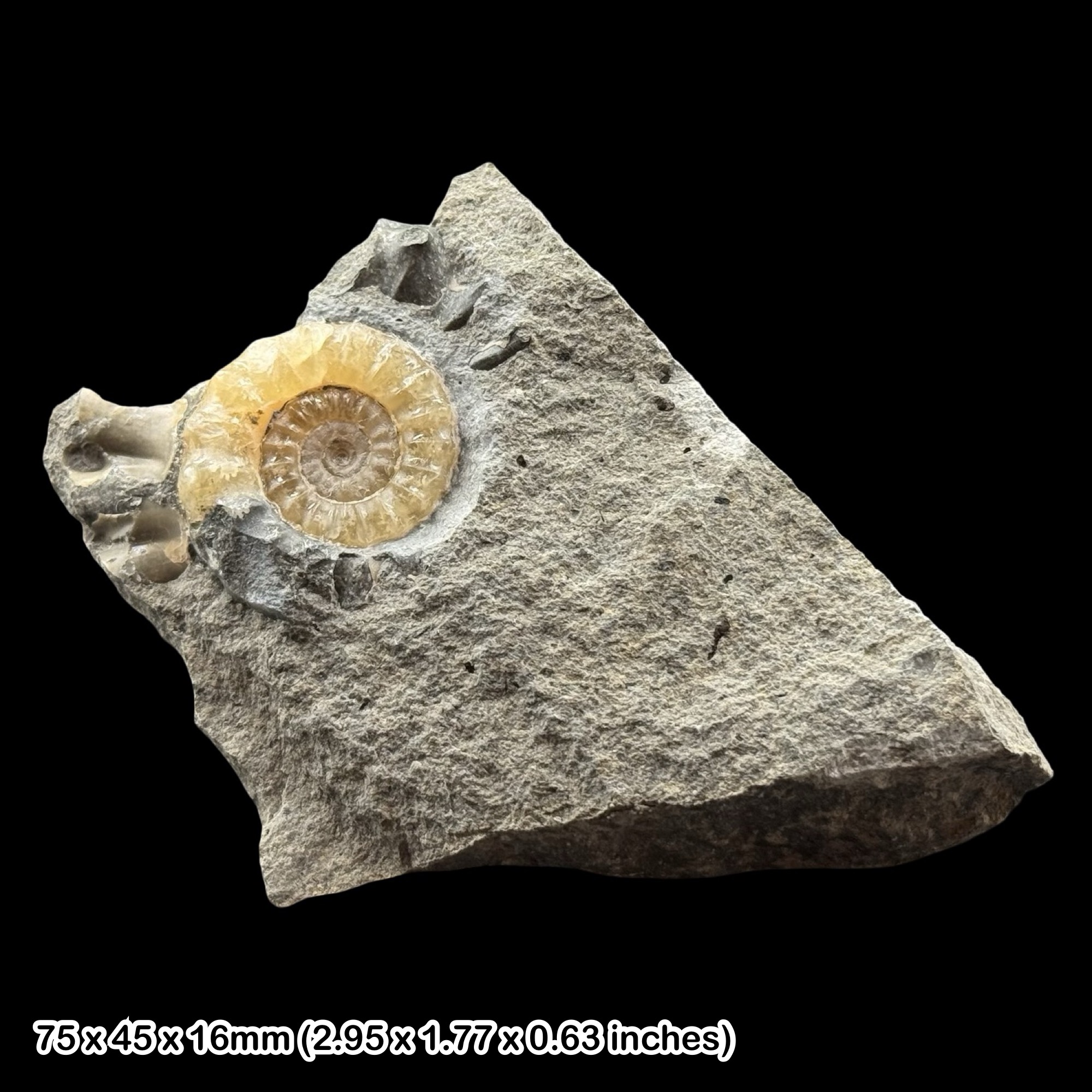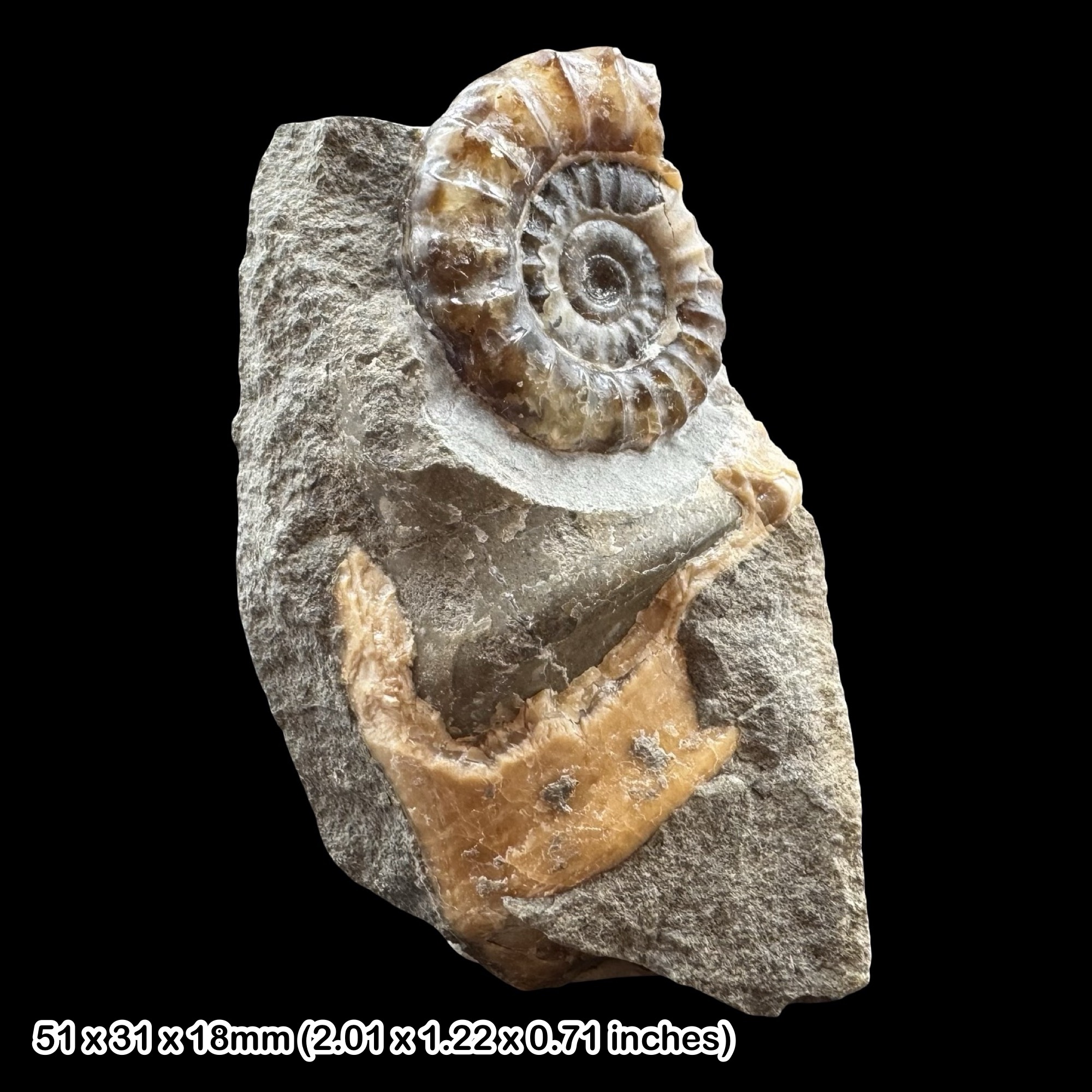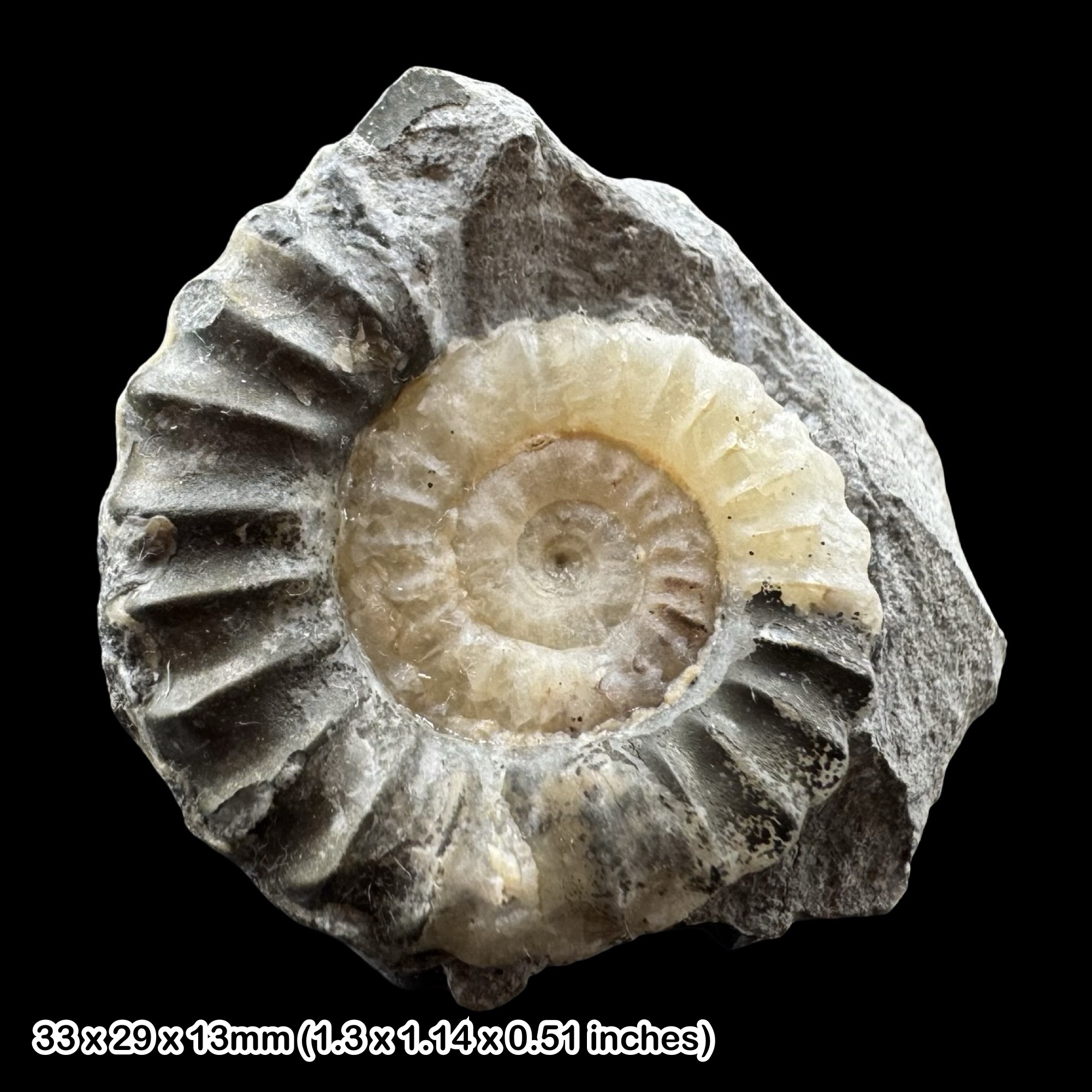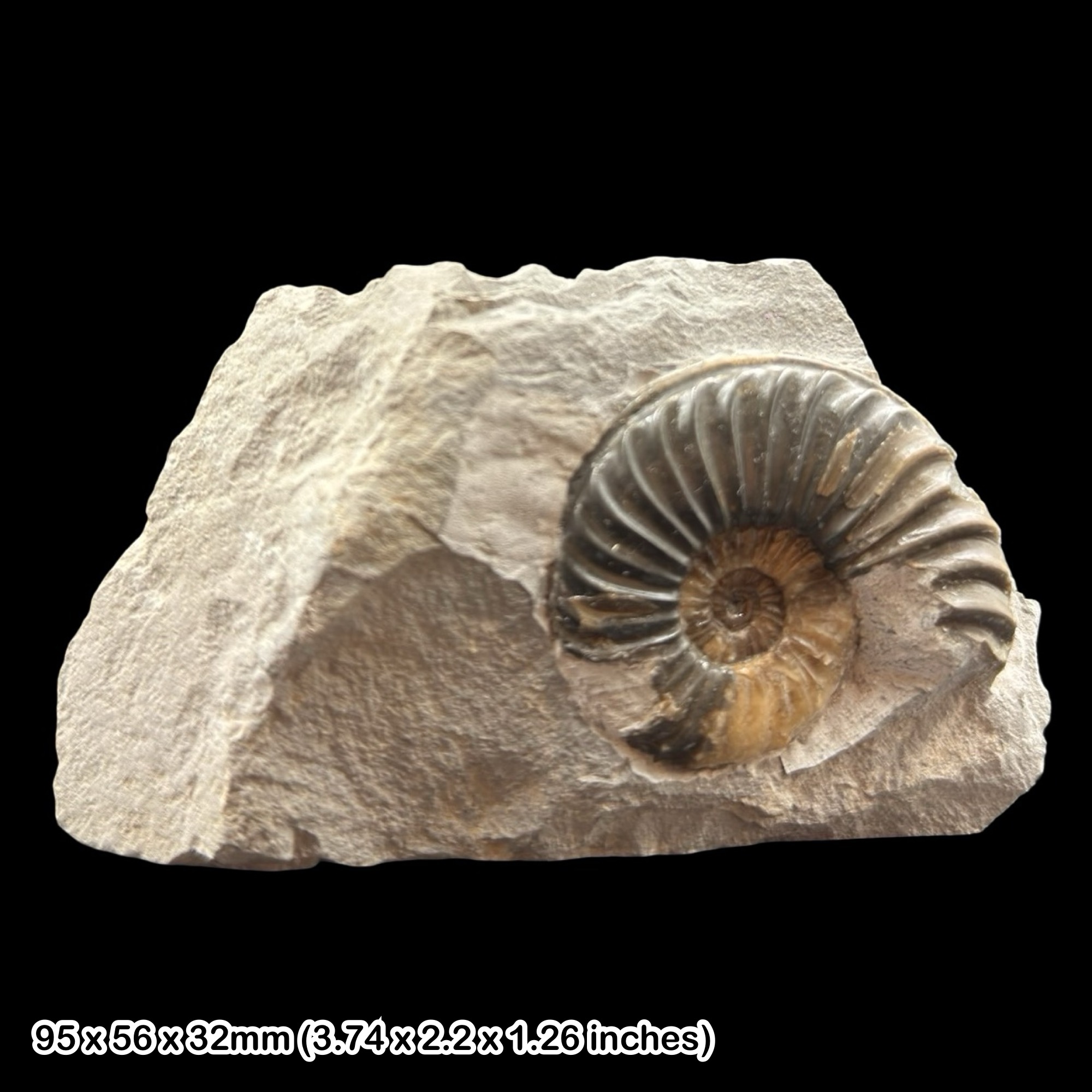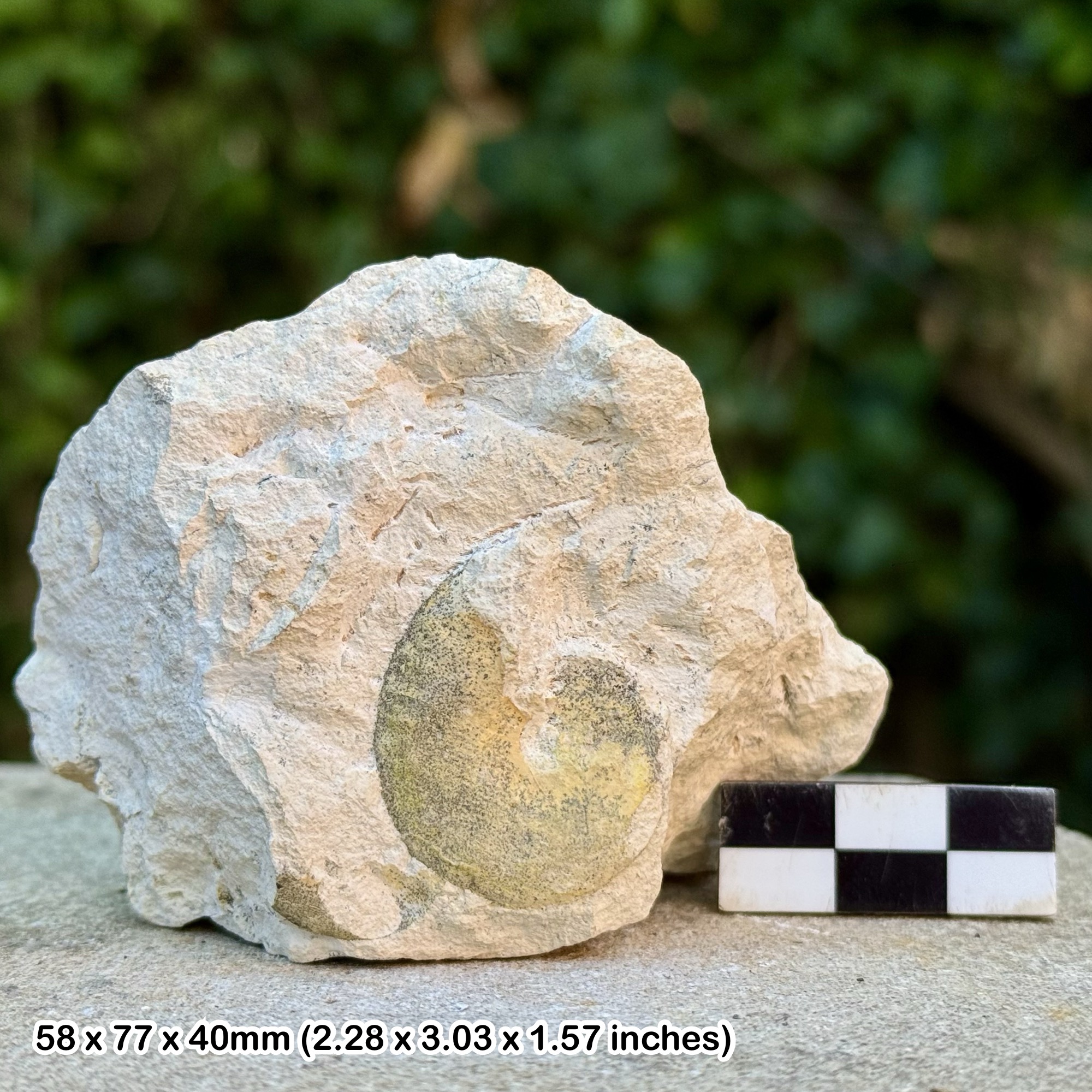
VERY RARE Glochiceras crassum Fossil Ammonite – Oxfordian Jurassic – Wysoka Poland – Certified Specimen – Alice Purnell Collection
£ 18.00
Offered here is a very rare and authentic fossil specimen of Glochiceras
crassum, a distinctive extinct ammonite from the Oxfordian Stage of the Late Jurassic Period, discovered in Wysoka, Poland. This piece originates from the well-regarded Alice Purnell Collection, known for its scientifically valuable and well-preserved fossils.> All of our Fossils are 100% Genuine Specimens and come with a Certificate of > Authenticity.> Scale Rule Squares / Cube = 1cm – full sizing is visible in the product photo.> You will receive the exact specimen pictured – no stock images used. GEOLOGICAL & PALAEONTOLOGICAL CONTEXT
• Species: Glochiceras crassum
• Geological Period: Jurassic
• Stage: Oxfordian (Late Jurassic, approx. 163.5 to 157.3 million years ago)
• Formation/Locality: Wysoka region, Poland
• Depositional Environment: Marine shelf sediment, laid down in relatively shallow and warm carbonate seas that supported abundant ammonite populations and other marine life
• Biozone: Likely within the Gregoriceras transversarium to Glochiceras jurense Zones (commonly used for Oxfordian ammonite biostratigraphy across Europe) MORPHOLOGICAL FEATURES
• Glochiceras crassum displays a moderately involute and compressed shell with fine, regular ribbing and a distinct narrow umbilicus
• The ribs curve gently forward and fade before reaching the venter, which is often smooth or faintly keeled
• This species is particularly notable for its thickness (hence “crassum”), making it easy to distinguish from other closely related Oxfordian ammonites TAXONOMIC CLASSIFICATION
• Order: Ammonitida
• Superfamily: Haploceratoidea
• Family: Oppeliidae
• Subfamily: Glochiceratinae
• Genus: Glochiceras
• Species: Glochiceras crassum NOTABLE AND RARITY
• Glochiceras species are key biostratigraphic markers in Oxfordian stage correlation across central and eastern Europe
• Polish specimens of G. crassum are particularly scarce on the market, especially in such clear, well-preserved condition
• This fossil not only holds scientific value, but also makes an excellent collector’s display piece from a less commonly encountered European locality SUMMARYThis listing features a very rare fossil ammonite – Glochiceras crassum – from the Oxfordian Stage of the Late Jurassic, collected at Wysoka, Poland. It is part of the distinguished Alice Purnell Collection, known for excellence in fossil curation and selection.✔ Certified Genuine Fossil Specimen✔ Exact Specimen Photographed – what you see is what you get✔ Oxfordian ammonite from a rare Polish locality✔ Perfect for collectors, educators, and Jurassic fossil enthusiastsDon’t miss this opportunity to acquire a scientifically significant and visually striking ammonite fossil backed by certification and provenance.
crassum, a distinctive extinct ammonite from the Oxfordian Stage of the Late Jurassic Period, discovered in Wysoka, Poland. This piece originates from the well-regarded Alice Purnell Collection, known for its scientifically valuable and well-preserved fossils.> All of our Fossils are 100% Genuine Specimens and come with a Certificate of > Authenticity.> Scale Rule Squares / Cube = 1cm – full sizing is visible in the product photo.> You will receive the exact specimen pictured – no stock images used. GEOLOGICAL & PALAEONTOLOGICAL CONTEXT
• Species: Glochiceras crassum
• Geological Period: Jurassic
• Stage: Oxfordian (Late Jurassic, approx. 163.5 to 157.3 million years ago)
• Formation/Locality: Wysoka region, Poland
• Depositional Environment: Marine shelf sediment, laid down in relatively shallow and warm carbonate seas that supported abundant ammonite populations and other marine life
• Biozone: Likely within the Gregoriceras transversarium to Glochiceras jurense Zones (commonly used for Oxfordian ammonite biostratigraphy across Europe) MORPHOLOGICAL FEATURES
• Glochiceras crassum displays a moderately involute and compressed shell with fine, regular ribbing and a distinct narrow umbilicus
• The ribs curve gently forward and fade before reaching the venter, which is often smooth or faintly keeled
• This species is particularly notable for its thickness (hence “crassum”), making it easy to distinguish from other closely related Oxfordian ammonites TAXONOMIC CLASSIFICATION
• Order: Ammonitida
• Superfamily: Haploceratoidea
• Family: Oppeliidae
• Subfamily: Glochiceratinae
• Genus: Glochiceras
• Species: Glochiceras crassum NOTABLE AND RARITY
• Glochiceras species are key biostratigraphic markers in Oxfordian stage correlation across central and eastern Europe
• Polish specimens of G. crassum are particularly scarce on the market, especially in such clear, well-preserved condition
• This fossil not only holds scientific value, but also makes an excellent collector’s display piece from a less commonly encountered European locality SUMMARYThis listing features a very rare fossil ammonite – Glochiceras crassum – from the Oxfordian Stage of the Late Jurassic, collected at Wysoka, Poland. It is part of the distinguished Alice Purnell Collection, known for excellence in fossil curation and selection.✔ Certified Genuine Fossil Specimen✔ Exact Specimen Photographed – what you see is what you get✔ Oxfordian ammonite from a rare Polish locality✔ Perfect for collectors, educators, and Jurassic fossil enthusiastsDon’t miss this opportunity to acquire a scientifically significant and visually striking ammonite fossil backed by certification and provenance.
Other Products