RARE Eopachydiscus marcianus Fossil Ammonite | Albian Cretaceous | Fort Worth, Texas USA | Genuine Specimen w/ COA
£ 48.00
This listing presents a RARE and scientifically significant specimen of
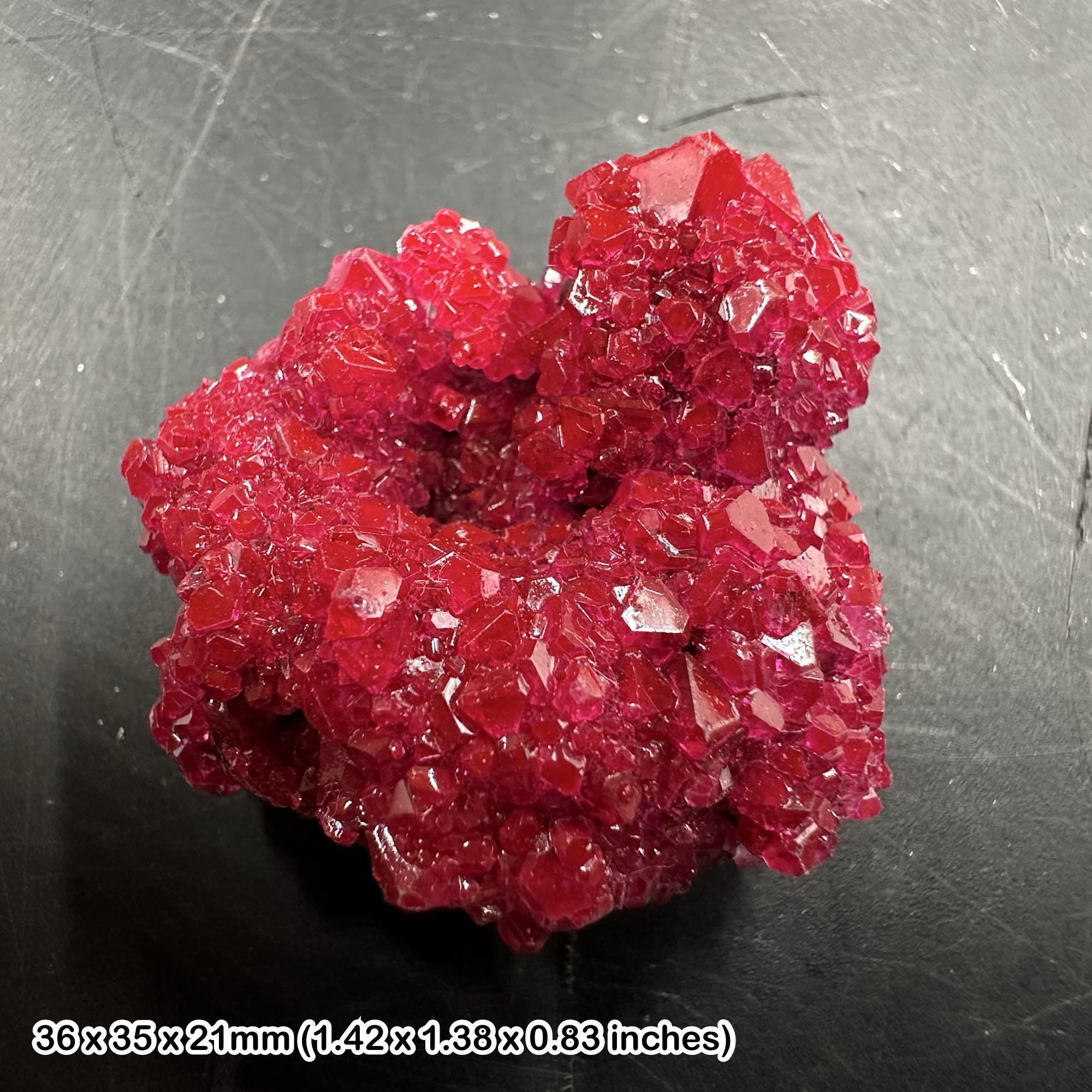
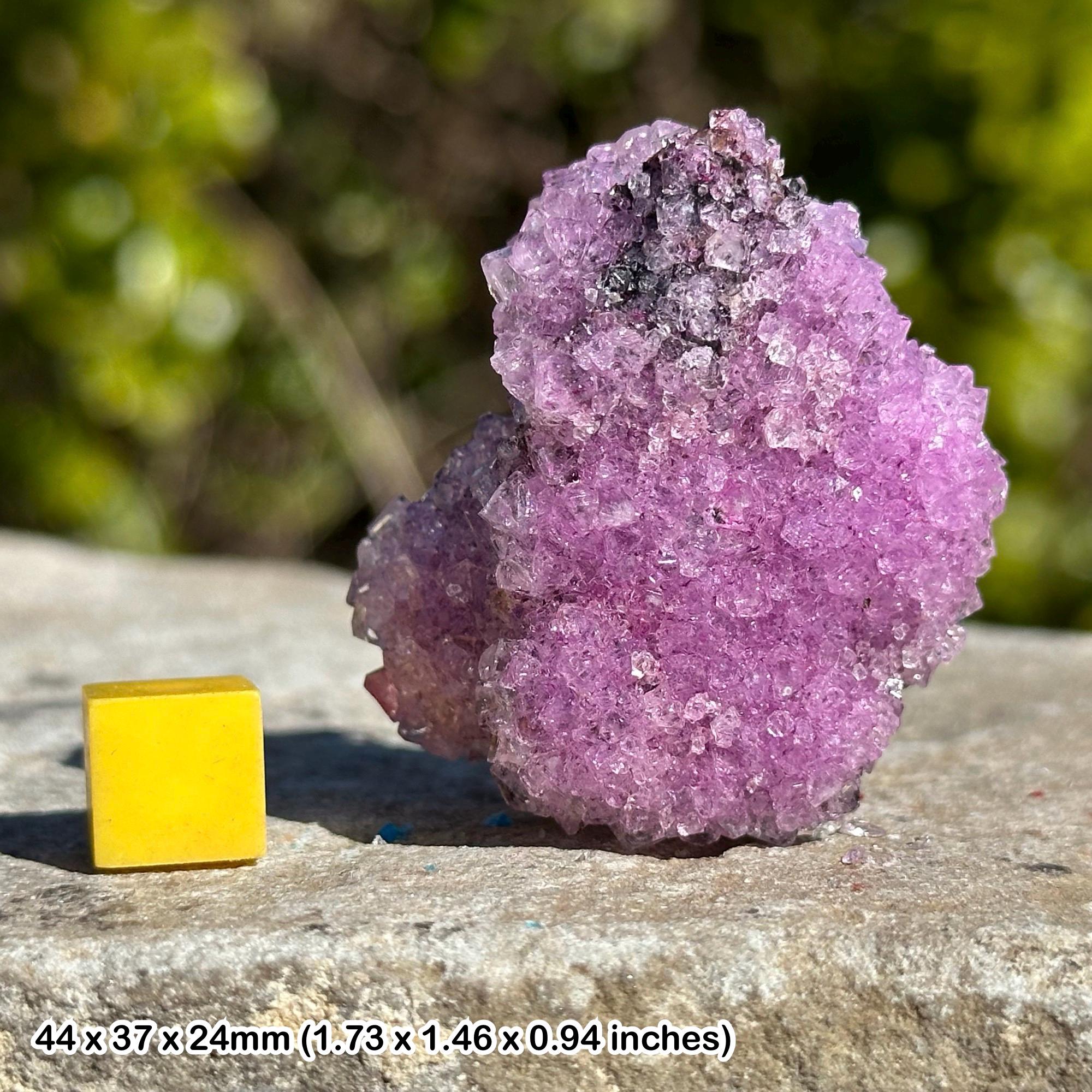
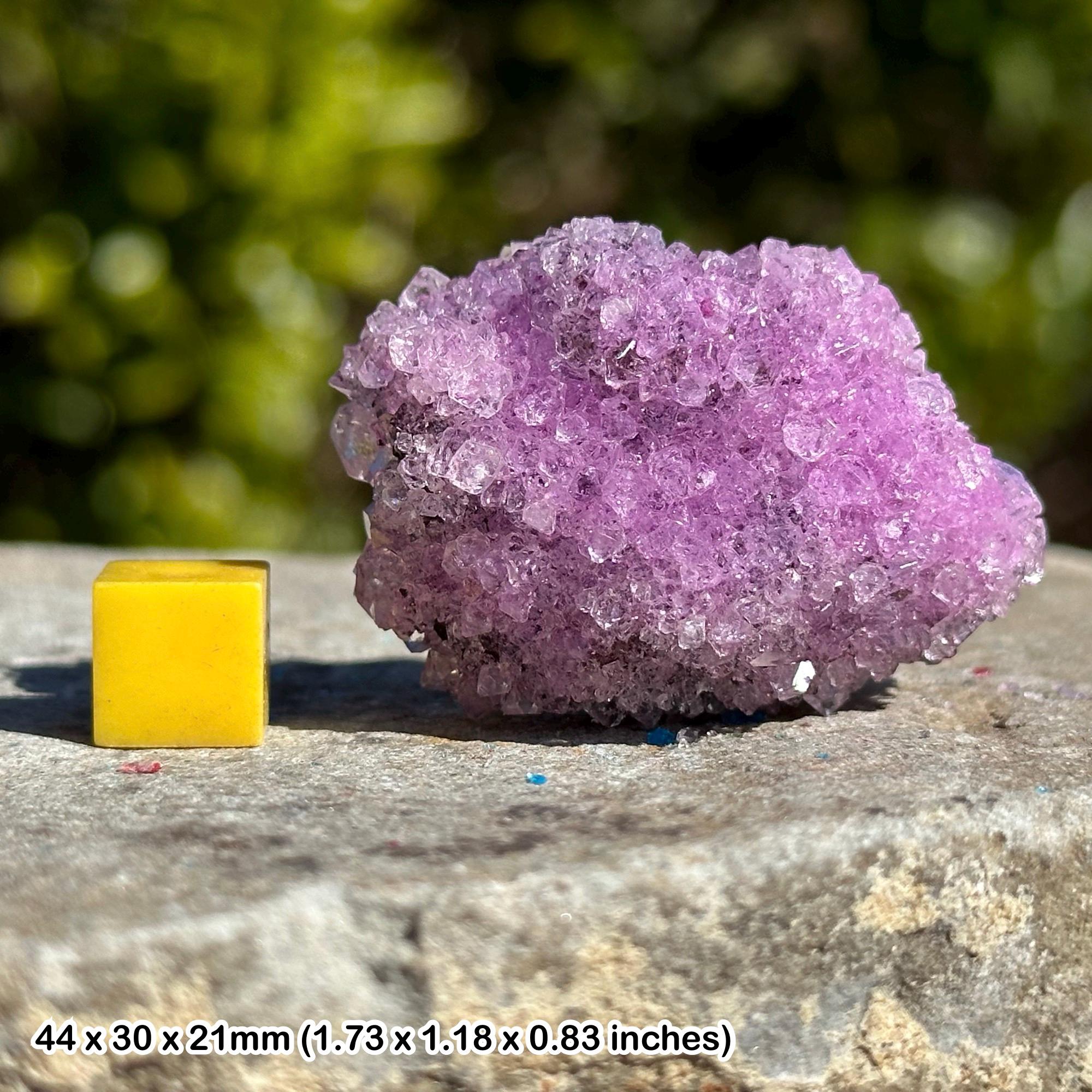
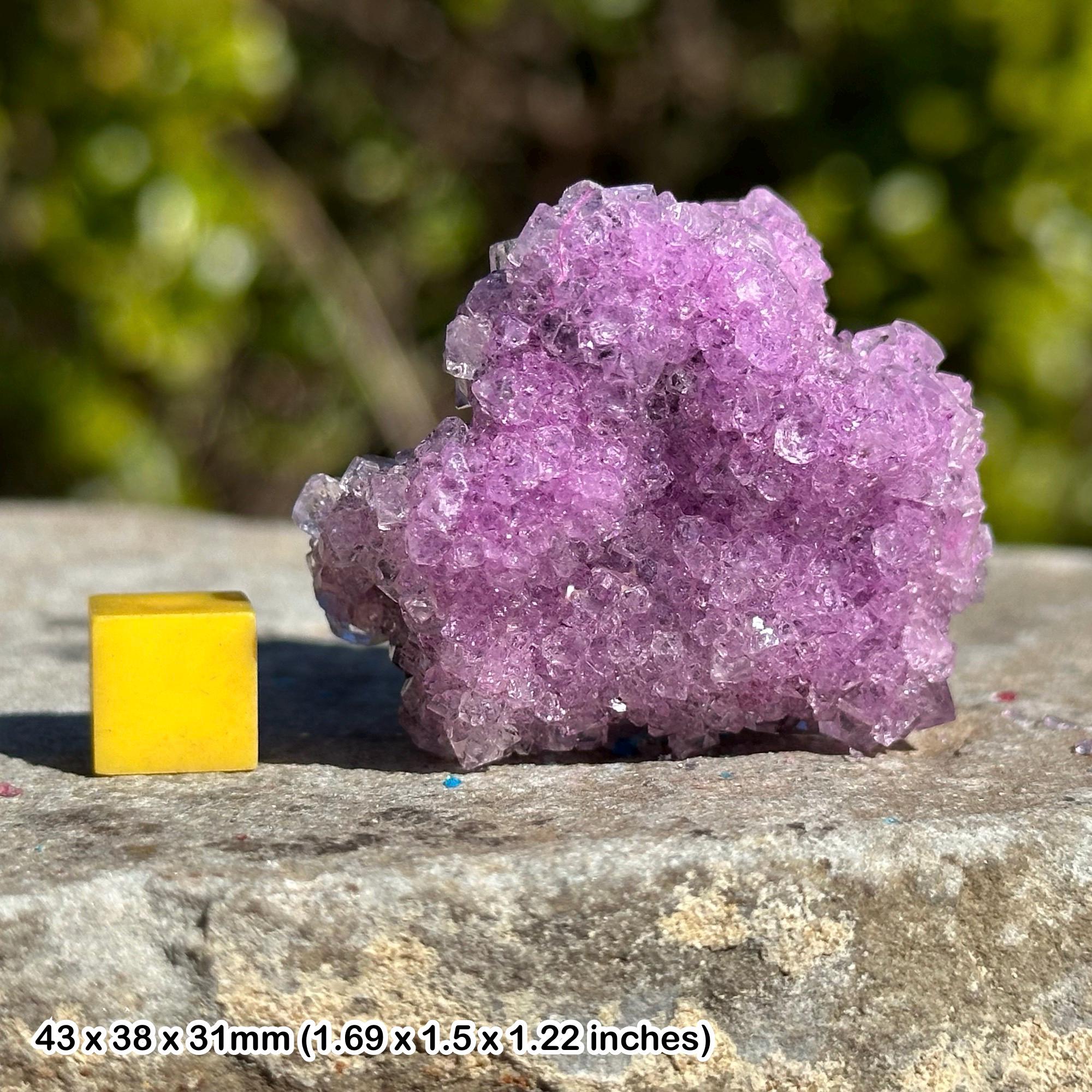
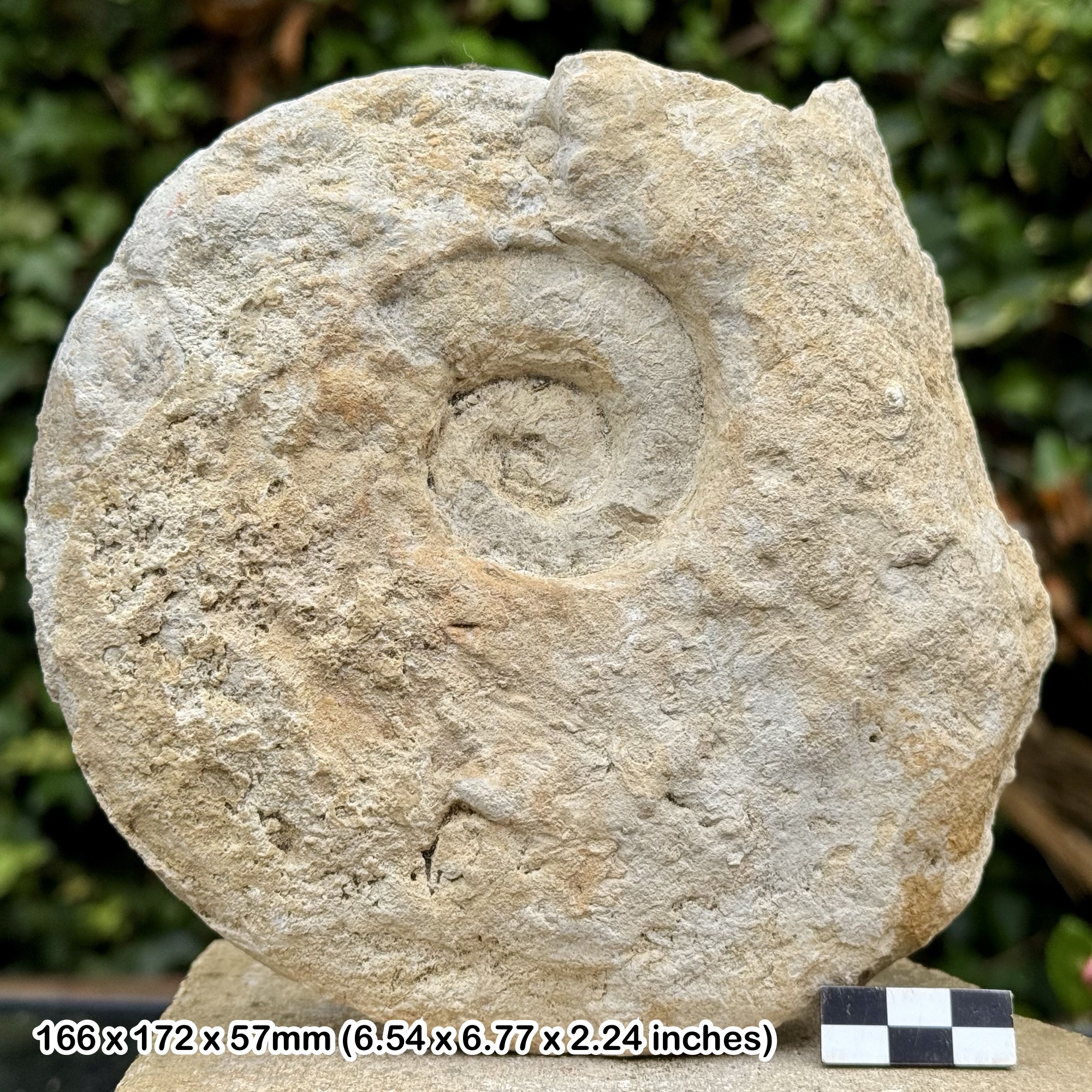
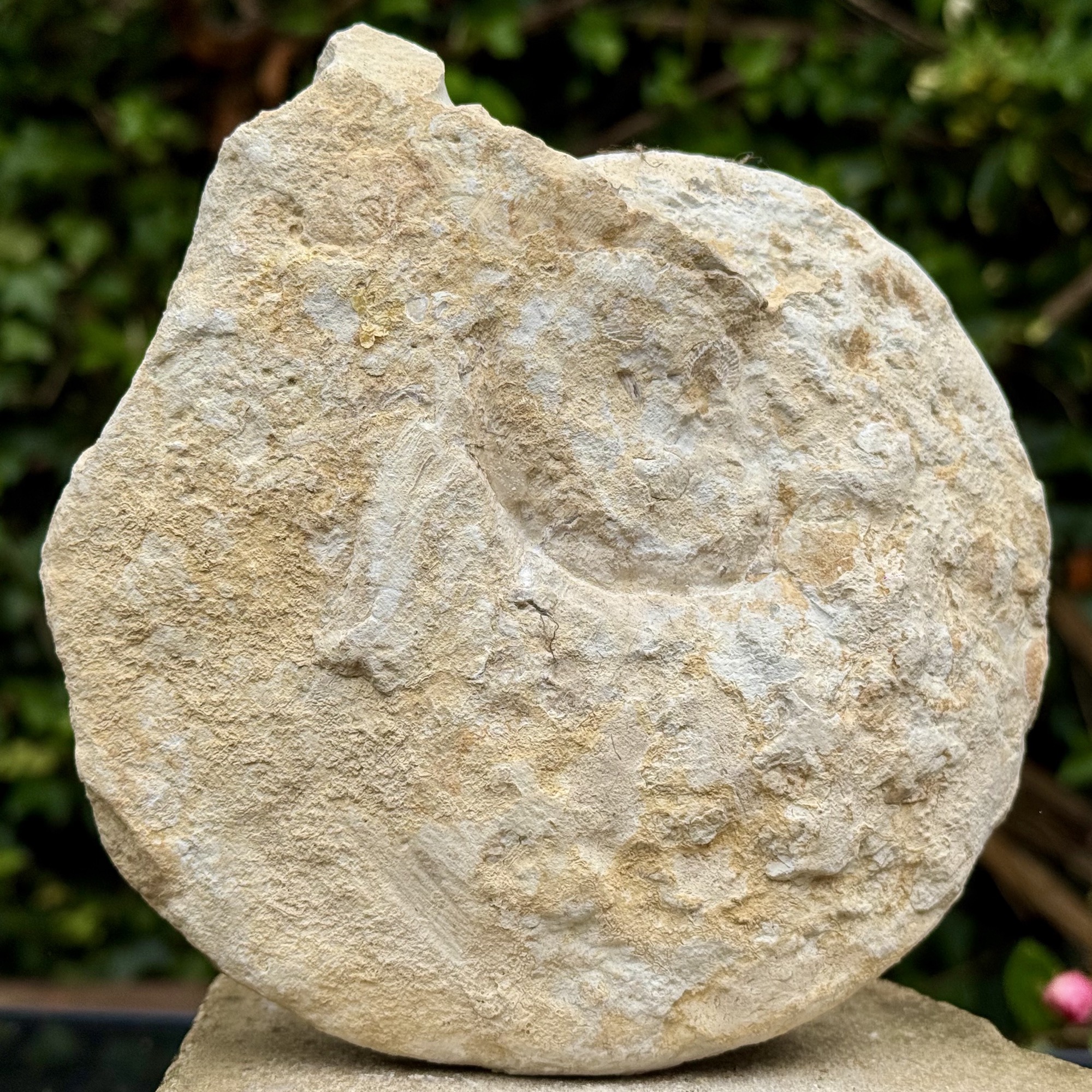
Eopachydiscus marcianus, a large ammonite from the Albian stage of the Lower Cretaceous, discovered in Tarrant County, Fort Worth, Texas, USA. Ammonites of this genus are known for their size, distinct morphology, and importance in Cretaceous marine stratigraphy.The fossil pictured is the exact specimen you will receive. A 1cm scale cube is included for accurate sizing—please consult the photos for full dimensions. This is a 100% genuine fossil and comes complete with a Certificate of Authenticity. GEOLOGICAL & SCIENTIFIC INFORMATION:
• Species: Eopachydiscus marcianus
• Type: Fossil Ammonite (extinct marine cephalopod)
• Geological Period: Cretaceous
• Stage: Albian (approx. 113–100.5 million years ago)
• Location Found: Tarrant County, Fort Worth, Texas, USA
• Order: Ammonitida
• Superfamily: Desmoceratoidea
• Family: Pachydiscidae
• Morphology Features:
• Eopachydiscus is characterised by a relatively involute, robust shell with a broadly rounded whorl section and strong, regularly spaced ribs. The ribs often cross the venter, giving it a slightly crenulated appearance. This specimen displays these typical features, with prominent ribbing and an impressive overall size—a hallmark of the species.
• Biozone & Stratigraphic Relevance:
• Found within Albian marine sediments, Eopachydiscus marcianus is a key index species in North American Cretaceous biostratigraphy. Its presence aids in regional stratigraphic correlation, especially within the Texas Gulf Coast sequences.
• Depositional Environment:
• The ammonite originated in a warm, shallow epicontinental sea that covered much of North America during the mid-Cretaceous. The marine clays and silty limestones of this area allowed excellent preservation of ammonite shells like this one.
• Scientific Notes:
• Eopachydiscus was formally described in the 20th century based on Cretaceous exposures across the southern United States. It is notable for both its size and the detail of its ribbing, making it a prized specimen for both research and display.Additional Information:Ammonites like Eopachydiscus are excellent indicators of ancient marine environments and are prized for their symmetry and preservation. This specimen, with its size and sharp detail, is a standout piece for collectors of large marine fossils or American stratigraphic ammonites.Why Buy From Us?
• Every fossil is 100% genuine and hand-selected.
• Comes with a Certificate of Authenticity.
• You receive the actual fossil in the photos.
• Ideal for fossil collectors, enthusiasts of North American paleontology, educators, or as a unique natural history gift.Add this rare and beautifully preserved Eopachydiscus marcianus ammonite fossil to your collection—an impressive relic of Cretaceous seas from the heart of Texas!
Eopachydiscus marcianus, a large ammonite from the Albian stage of the Lower Cretaceous, discovered in Tarrant County, Fort Worth, Texas, USA. Ammonites of this genus are known for their size, distinct morphology, and importance in Cretaceous marine stratigraphy.The fossil pictured is the exact specimen you will receive. A 1cm scale cube is included for accurate sizing—please consult the photos for full dimensions. This is a 100% genuine fossil and comes complete with a Certificate of Authenticity. GEOLOGICAL & SCIENTIFIC INFORMATION:
• Species: Eopachydiscus marcianus
• Type: Fossil Ammonite (extinct marine cephalopod)
• Geological Period: Cretaceous
• Stage: Albian (approx. 113–100.5 million years ago)
• Location Found: Tarrant County, Fort Worth, Texas, USA
• Order: Ammonitida
• Superfamily: Desmoceratoidea
• Family: Pachydiscidae
• Morphology Features:
• Eopachydiscus is characterised by a relatively involute, robust shell with a broadly rounded whorl section and strong, regularly spaced ribs. The ribs often cross the venter, giving it a slightly crenulated appearance. This specimen displays these typical features, with prominent ribbing and an impressive overall size—a hallmark of the species.
• Biozone & Stratigraphic Relevance:
• Found within Albian marine sediments, Eopachydiscus marcianus is a key index species in North American Cretaceous biostratigraphy. Its presence aids in regional stratigraphic correlation, especially within the Texas Gulf Coast sequences.
• Depositional Environment:
• The ammonite originated in a warm, shallow epicontinental sea that covered much of North America during the mid-Cretaceous. The marine clays and silty limestones of this area allowed excellent preservation of ammonite shells like this one.
• Scientific Notes:
• Eopachydiscus was formally described in the 20th century based on Cretaceous exposures across the southern United States. It is notable for both its size and the detail of its ribbing, making it a prized specimen for both research and display.Additional Information:Ammonites like Eopachydiscus are excellent indicators of ancient marine environments and are prized for their symmetry and preservation. This specimen, with its size and sharp detail, is a standout piece for collectors of large marine fossils or American stratigraphic ammonites.Why Buy From Us?
• Every fossil is 100% genuine and hand-selected.
• Comes with a Certificate of Authenticity.
• You receive the actual fossil in the photos.
• Ideal for fossil collectors, enthusiasts of North American paleontology, educators, or as a unique natural history gift.Add this rare and beautifully preserved Eopachydiscus marcianus ammonite fossil to your collection—an impressive relic of Cretaceous seas from the heart of Texas!