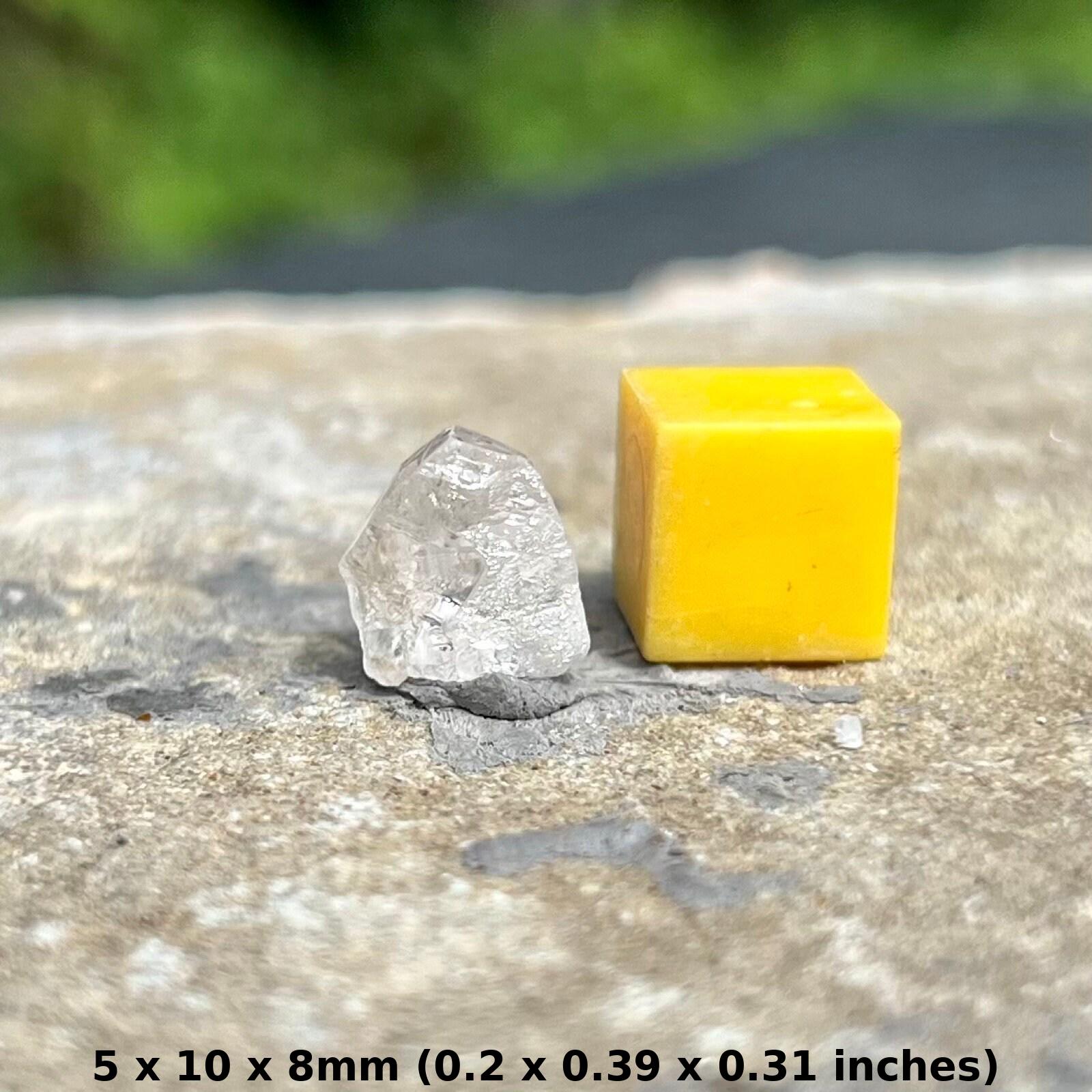
Imperial Topaz Crystal Brazil Natural Golden Orange Topaz Mineral Specimen Collectors Gem Display Stone
£ 7.20
IMPERIAL TOPAZ CRYSTAL – NATURAL TOPAZ MINERAL FROM BRAZILThis Imperial Topaz mineral specimen from Brazil showcases the warm golden to
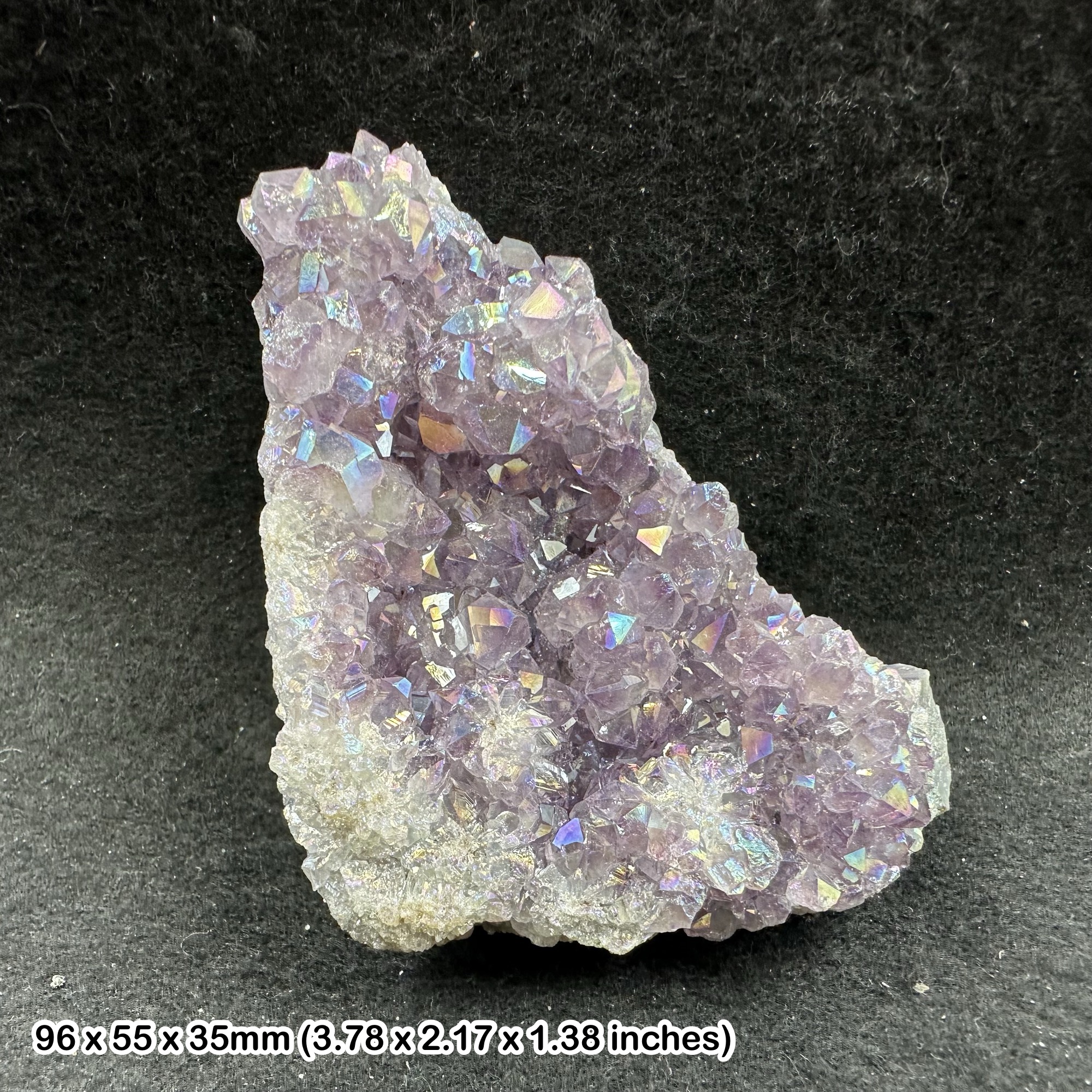
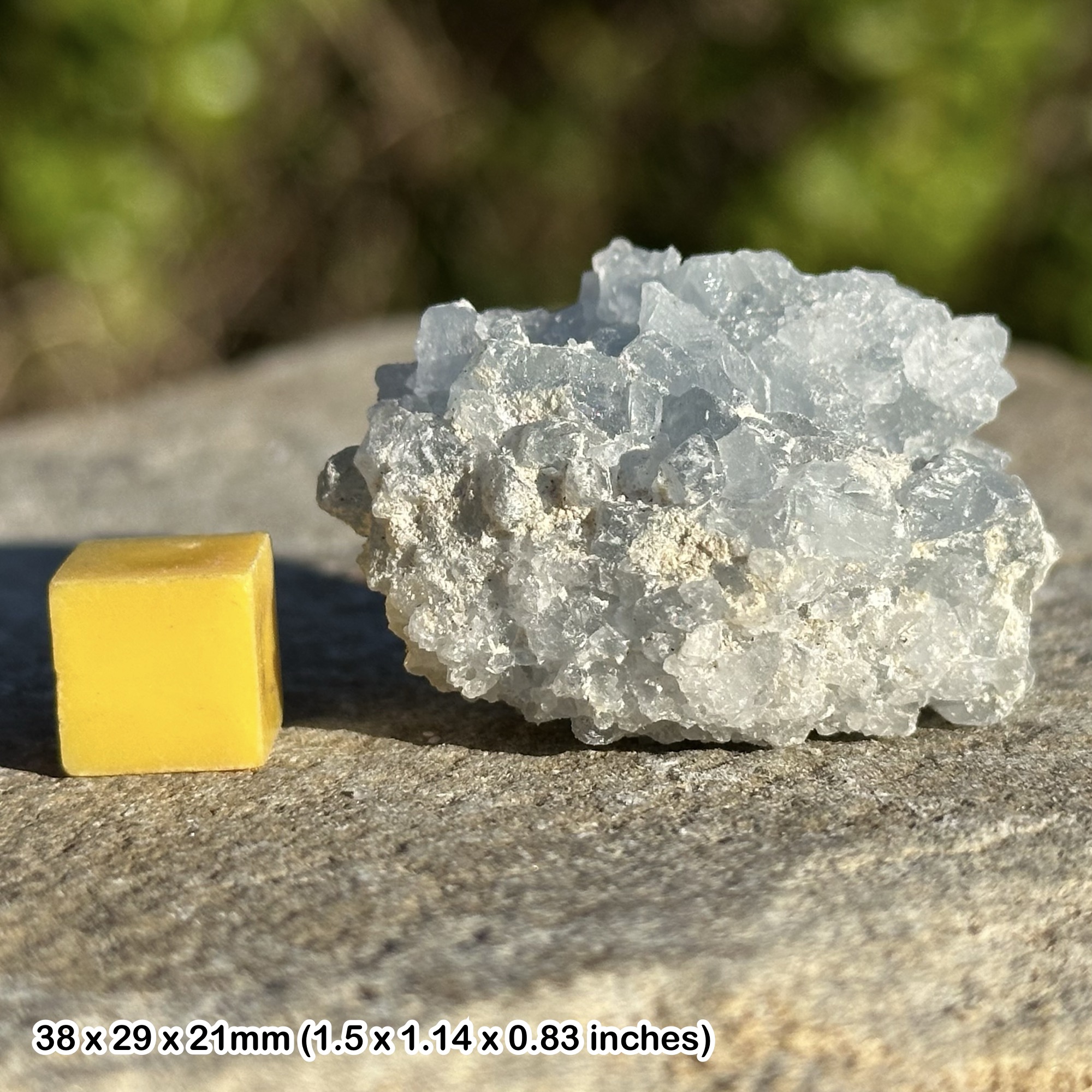
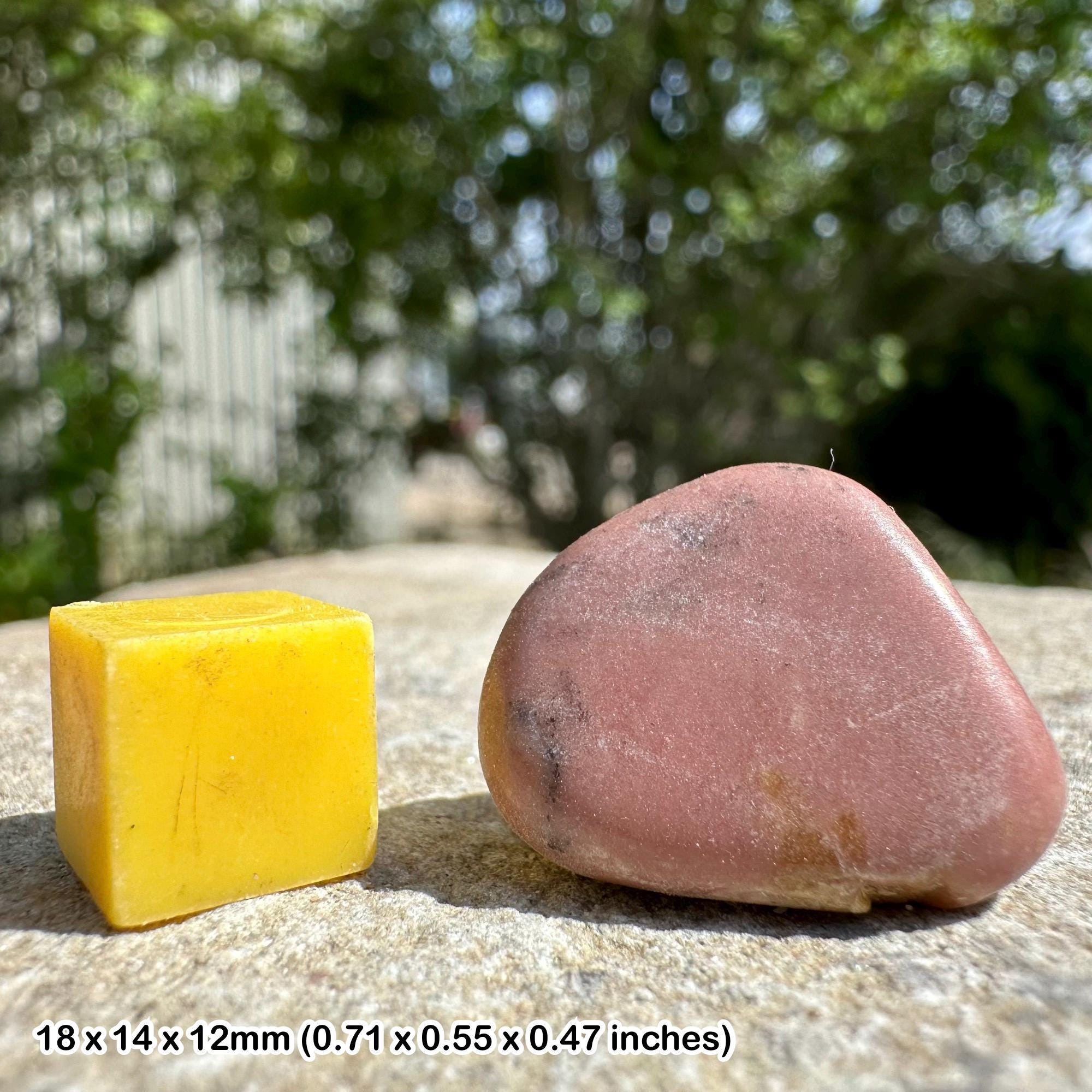
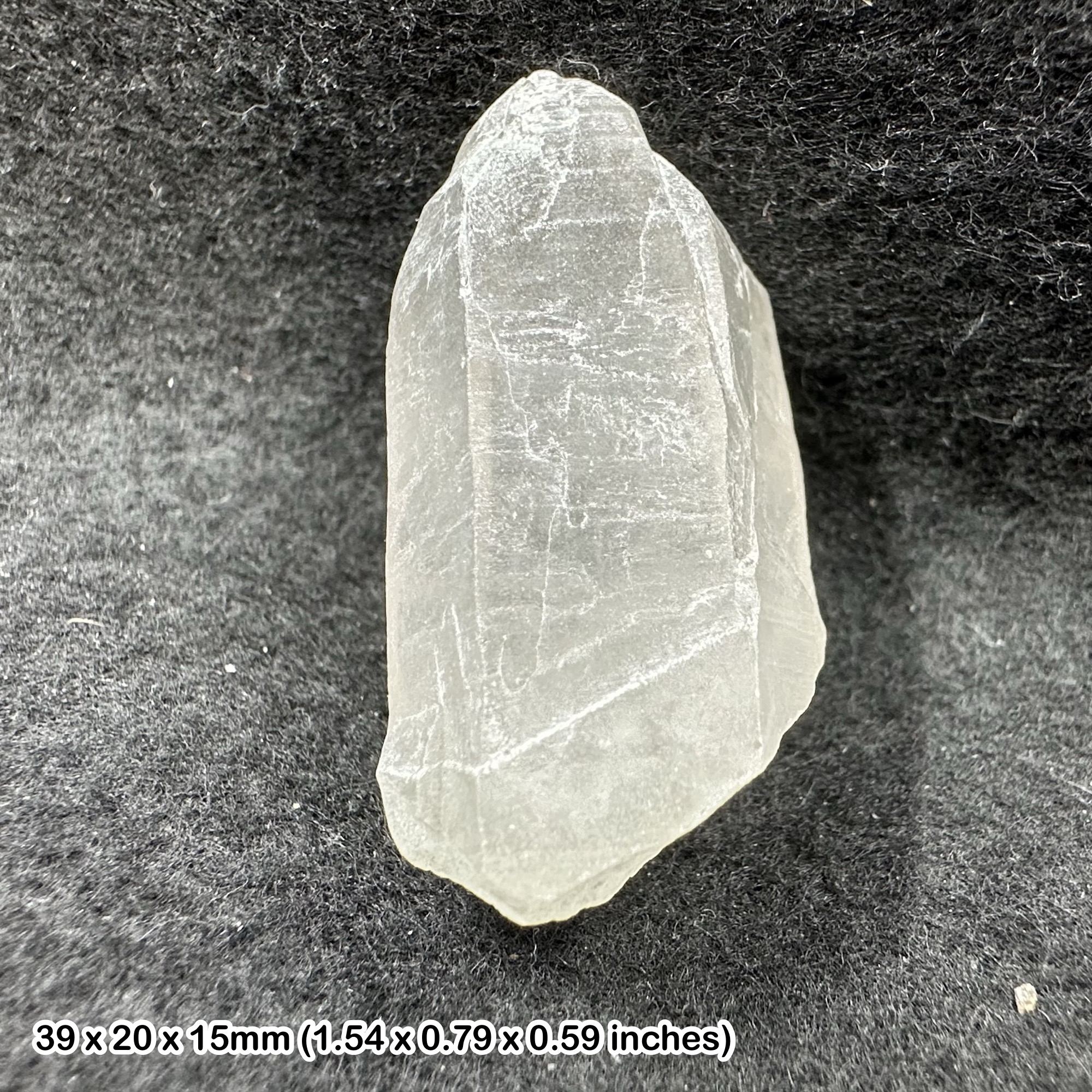
orange tones that make this variety of topaz one of the most admired and collectible members of the topaz mineral family. The specimen has been carefully selected for its natural colour, crystal form, and overall display quality, making it an attractive addition to mineral collections, geological displays, or curated gemstone specimens.The listing photographs show the exact specimen you will receive, allowing collectors to closely examine the crystal shape, colour distribution, and natural mineral structure before purchase.This crystal is a genuine specimen and includes a Certificate of Authenticity lifetime guarantee generic card, confirming the authenticity of the mineral specimen.Full sizing details are available in the listing photographs. MINERAL CLASSIFICATION AND CHEMICAL COMPOSITIONTopaz is an aluminium fluorosilicate mineral with the chemical formula Al₂SiO₄(F,OH)₂. It belongs to the silicate mineral group and crystallises in the orthorhombic crystal system. Topaz crystals commonly form elongated prismatic crystals with striated faces and well-defined terminations.Imperial Topaz refers to a naturally coloured variety of topaz that typically displays golden, honey, orange, peach, or reddish-orange tones. These colours are caused by trace elements and structural defects within the crystal lattice that influence how light interacts with the mineral.Among the different colour varieties of topaz, Imperial Topaz is widely regarded as one of the most desirable due to its distinctive colour and relative rarity. COLOUR, TRANSPARENCY AND CRYSTAL CHARACTERISTICSImperial Topaz is particularly valued for its warm colour palette and excellent crystal clarity. Many specimens show natural variations in colour intensity across the crystal.Typical physical characteristics include:
• Colour: Golden yellow, honey, peach, orange, or reddish-orange
• Transparency: Transparent to translucent
• Lustre: Vitreous (glass-like)
• Crystal System: Orthorhombic
• Hardness: 8 on the Mohs hardness scaleTopaz crystals often display vertical striations along their prism faces, which are natural growth features formed during crystal development. These surface markings are common in well-preserved natural crystals.The mineral also shows perfect basal cleavage, meaning it can split along a flat plane if struck with sufficient force. GEOLOGICAL FORMATION AND PEGMATITE ENVIRONMENTSTopaz forms primarily in granitic pegmatites and hydrothermal veins, where mineral-rich fluids crystallise slowly in cavities within the host rock. These environments allow large and well-formed crystals to grow over long geological periods.Imperial Topaz in particular forms in specialised geological environments where the necessary trace elements and conditions are present to produce its distinctive colour.The mineral is commonly associated with other minerals found in pegmatite and hydrothermal systems, including:
• Quartz
• Fluorite
• Feldspar
• Mica mineralsThese minerals often crystallise together within cavities and veins in granitic rocks. BRAZILIAN MINERAL LOCALITYBrazil is the world’s most famous source of Imperial Topaz, particularly from the historic mining region of Ouro Preto in Minas Gerais. This area has produced many of the finest Imperial Topaz specimens known, with colours ranging from golden yellow to rich orange and pinkish-orange.The mineral deposits in this region formed within ancient geological formations where hydrothermal fluids circulated through fractures in the host rock, allowing topaz crystals to develop.Brazilian Imperial Topaz is especially prized by collectors due to its colour quality and geological significance. MINERAL COLLECTING AND DISPLAY VALUEImperial Topaz specimens are highly sought after by mineral collectors due to their rarity, colour, and crystal form. Even small specimens are valued as display pieces because of the attractive colour and the mineral’s reputation as one of the classic collectible gemstones.This specimen is suitable for:
• Mineral and gemstone collections
• Geological teaching collections
• Natural history displays
• Desk or shelf display pieces
• Gifts for mineral collectors or gemstone enthusiastsThe warm golden tones and natural crystal structure make Imperial Topaz visually distinctive among silicate minerals. CULTURAL AND HISTORICAL ASSOCIATIONSThroughout history, topaz has been appreciated as both a mineral specimen and a gemstone. In many cultures, warm-coloured stones such as Imperial Topaz have been traditionally associated with symbolism relating to prosperity or vitality, though such interpretations are based on cultural traditions rather than scientific evidence.Collectors and mineral enthusiasts often value Imperial Topaz primarily for its geological formation, rarity, and natural beauty. AUTHENTICITY AND SPECIMEN GUARANTEEThis Imperial Topaz crystal from Brazil has been carefully selected as a genuine natural mineral specimen.
• The listing photographs show the exact specimen you will receive.
• The specimen includes a Certificate of Authenticity lifetime guarantee generic card.
• Selected for natural colour, crystal structure, and collector display quality.A striking example of a natural aluminium fluorosilicate mineral, this Imperial Topaz specimen offers both geological interest and aesthetic appeal, making it a valuable addition to any mineral or gemstone collection.
orange tones that make this variety of topaz one of the most admired and collectible members of the topaz mineral family. The specimen has been carefully selected for its natural colour, crystal form, and overall display quality, making it an attractive addition to mineral collections, geological displays, or curated gemstone specimens.The listing photographs show the exact specimen you will receive, allowing collectors to closely examine the crystal shape, colour distribution, and natural mineral structure before purchase.This crystal is a genuine specimen and includes a Certificate of Authenticity lifetime guarantee generic card, confirming the authenticity of the mineral specimen.Full sizing details are available in the listing photographs. MINERAL CLASSIFICATION AND CHEMICAL COMPOSITIONTopaz is an aluminium fluorosilicate mineral with the chemical formula Al₂SiO₄(F,OH)₂. It belongs to the silicate mineral group and crystallises in the orthorhombic crystal system. Topaz crystals commonly form elongated prismatic crystals with striated faces and well-defined terminations.Imperial Topaz refers to a naturally coloured variety of topaz that typically displays golden, honey, orange, peach, or reddish-orange tones. These colours are caused by trace elements and structural defects within the crystal lattice that influence how light interacts with the mineral.Among the different colour varieties of topaz, Imperial Topaz is widely regarded as one of the most desirable due to its distinctive colour and relative rarity. COLOUR, TRANSPARENCY AND CRYSTAL CHARACTERISTICSImperial Topaz is particularly valued for its warm colour palette and excellent crystal clarity. Many specimens show natural variations in colour intensity across the crystal.Typical physical characteristics include:
• Colour: Golden yellow, honey, peach, orange, or reddish-orange
• Transparency: Transparent to translucent
• Lustre: Vitreous (glass-like)
• Crystal System: Orthorhombic
• Hardness: 8 on the Mohs hardness scaleTopaz crystals often display vertical striations along their prism faces, which are natural growth features formed during crystal development. These surface markings are common in well-preserved natural crystals.The mineral also shows perfect basal cleavage, meaning it can split along a flat plane if struck with sufficient force. GEOLOGICAL FORMATION AND PEGMATITE ENVIRONMENTSTopaz forms primarily in granitic pegmatites and hydrothermal veins, where mineral-rich fluids crystallise slowly in cavities within the host rock. These environments allow large and well-formed crystals to grow over long geological periods.Imperial Topaz in particular forms in specialised geological environments where the necessary trace elements and conditions are present to produce its distinctive colour.The mineral is commonly associated with other minerals found in pegmatite and hydrothermal systems, including:
• Quartz
• Fluorite
• Feldspar
• Mica mineralsThese minerals often crystallise together within cavities and veins in granitic rocks. BRAZILIAN MINERAL LOCALITYBrazil is the world’s most famous source of Imperial Topaz, particularly from the historic mining region of Ouro Preto in Minas Gerais. This area has produced many of the finest Imperial Topaz specimens known, with colours ranging from golden yellow to rich orange and pinkish-orange.The mineral deposits in this region formed within ancient geological formations where hydrothermal fluids circulated through fractures in the host rock, allowing topaz crystals to develop.Brazilian Imperial Topaz is especially prized by collectors due to its colour quality and geological significance. MINERAL COLLECTING AND DISPLAY VALUEImperial Topaz specimens are highly sought after by mineral collectors due to their rarity, colour, and crystal form. Even small specimens are valued as display pieces because of the attractive colour and the mineral’s reputation as one of the classic collectible gemstones.This specimen is suitable for:
• Mineral and gemstone collections
• Geological teaching collections
• Natural history displays
• Desk or shelf display pieces
• Gifts for mineral collectors or gemstone enthusiastsThe warm golden tones and natural crystal structure make Imperial Topaz visually distinctive among silicate minerals. CULTURAL AND HISTORICAL ASSOCIATIONSThroughout history, topaz has been appreciated as both a mineral specimen and a gemstone. In many cultures, warm-coloured stones such as Imperial Topaz have been traditionally associated with symbolism relating to prosperity or vitality, though such interpretations are based on cultural traditions rather than scientific evidence.Collectors and mineral enthusiasts often value Imperial Topaz primarily for its geological formation, rarity, and natural beauty. AUTHENTICITY AND SPECIMEN GUARANTEEThis Imperial Topaz crystal from Brazil has been carefully selected as a genuine natural mineral specimen.
• The listing photographs show the exact specimen you will receive.
• The specimen includes a Certificate of Authenticity lifetime guarantee generic card.
• Selected for natural colour, crystal structure, and collector display quality.A striking example of a natural aluminium fluorosilicate mineral, this Imperial Topaz specimen offers both geological interest and aesthetic appeal, making it a valuable addition to any mineral or gemstone collection.
Other Products