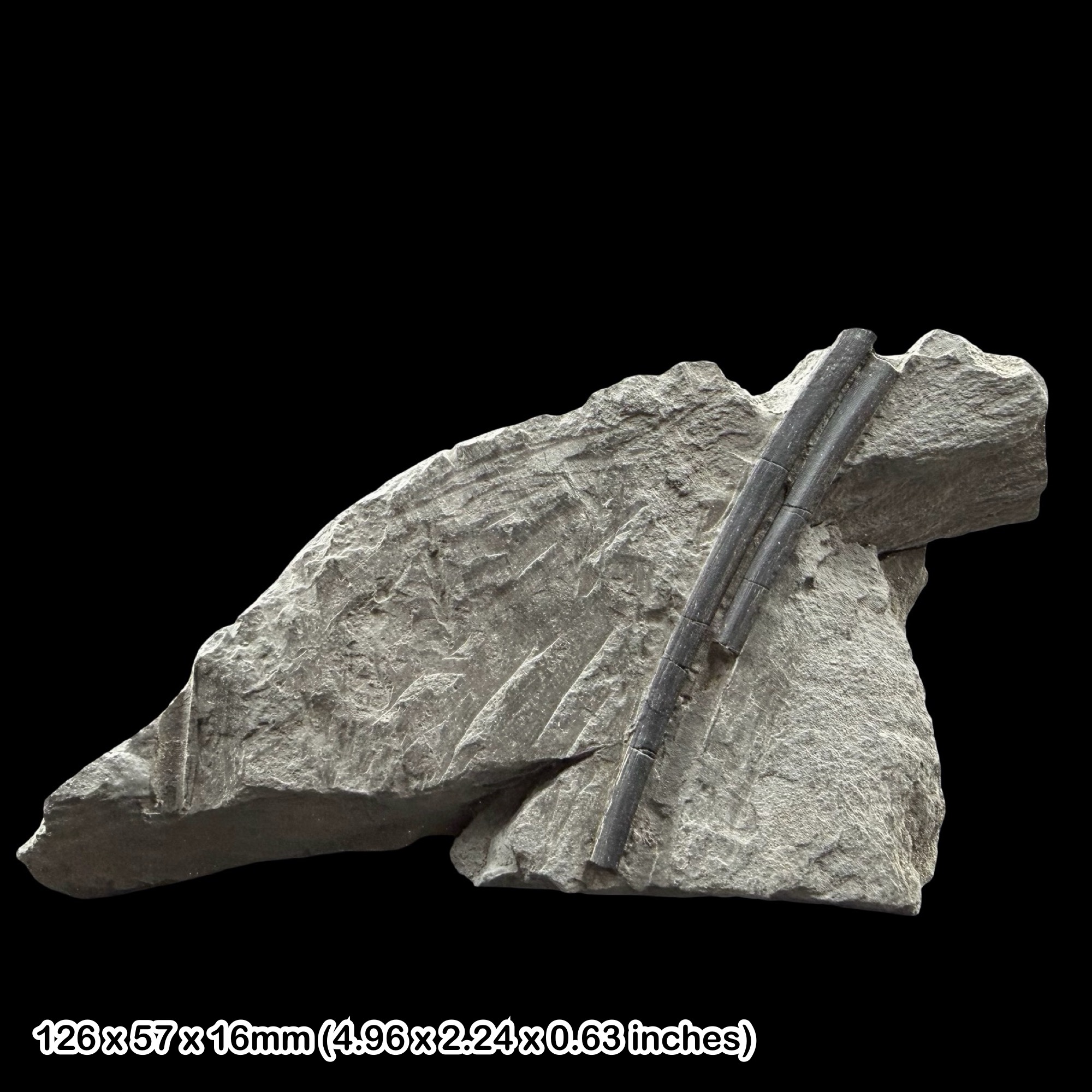
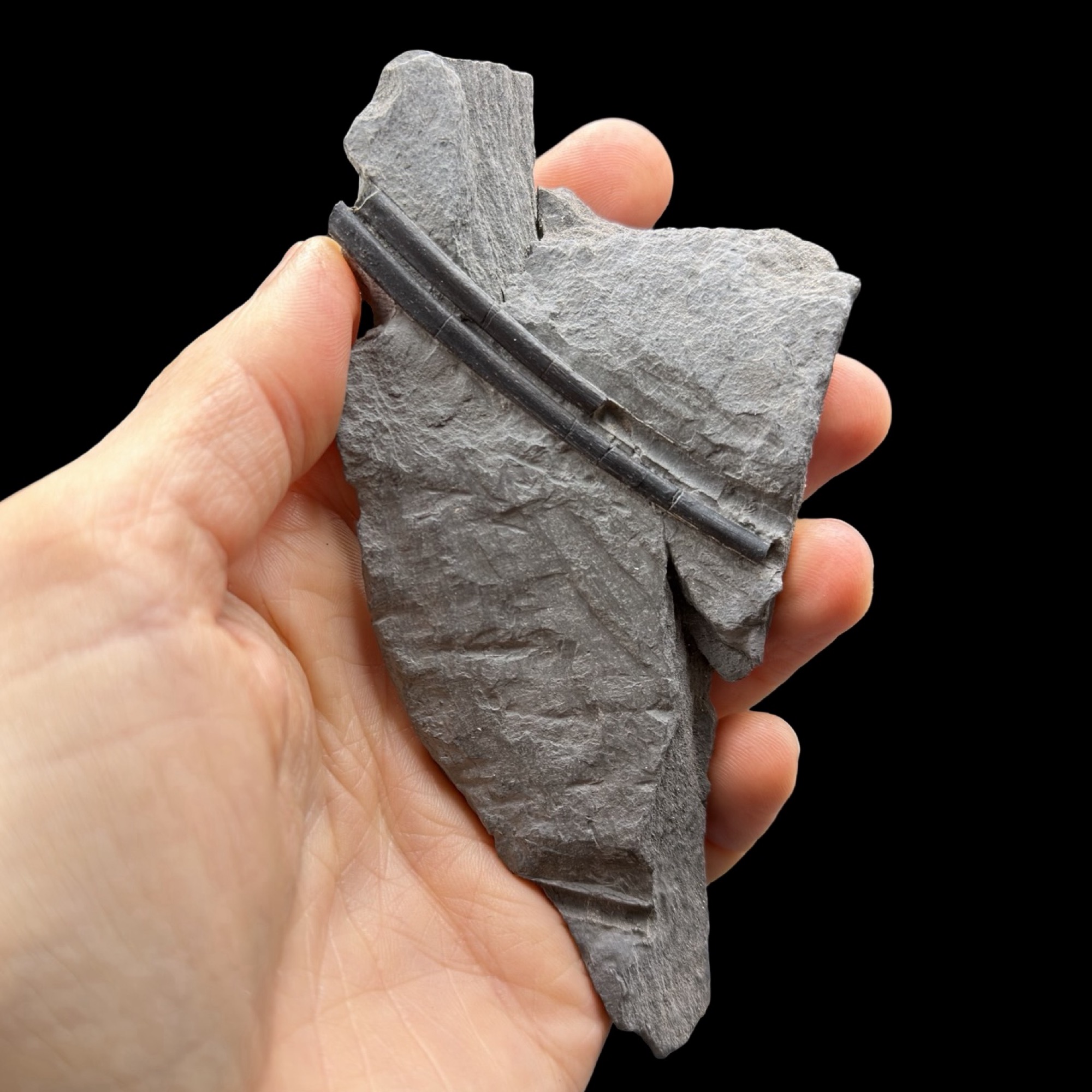
Ichthyosaur Rib Fossil Block Jurassic Lyme Regis Dorset UK Black Ven Marls Genuine Marine Reptile Fossil Lower Lias Jurassic Coast Specimen
£ 180.00
Ichthyosaur Rib Block Fossil – Black Ven Marls, Lyme Regis, DorsetPresented here is a genuine Ichthyosaur rib fossil preserved within a natural
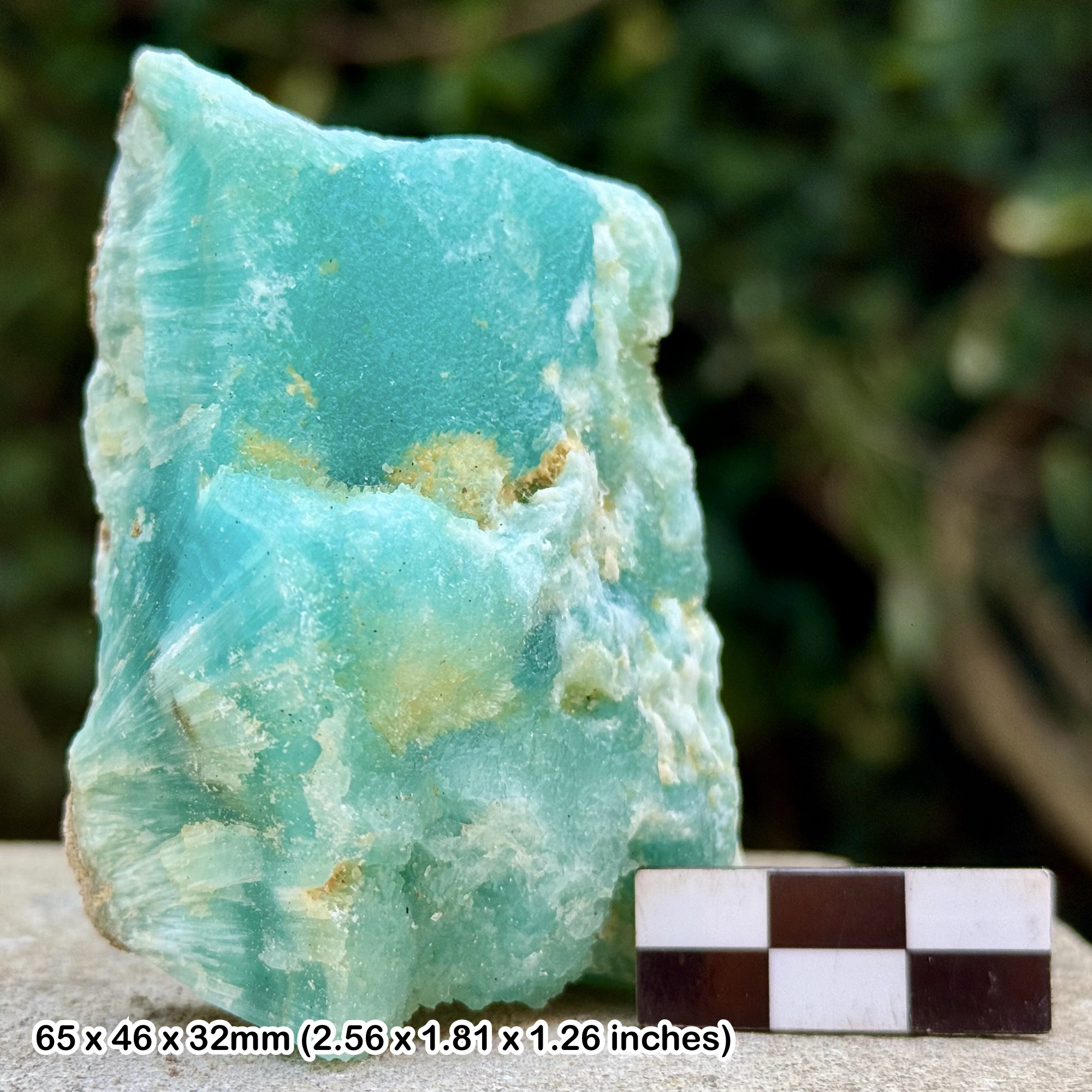
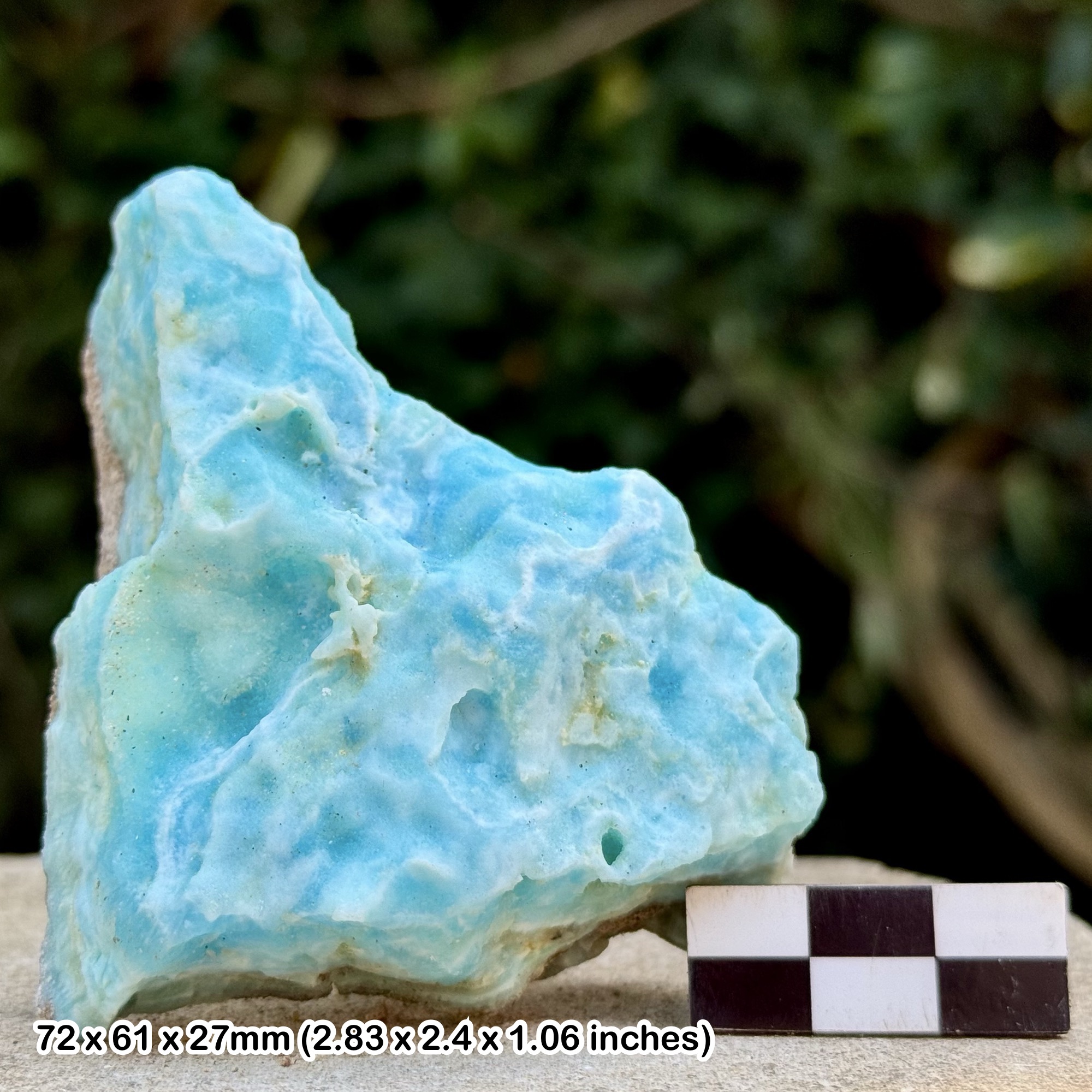
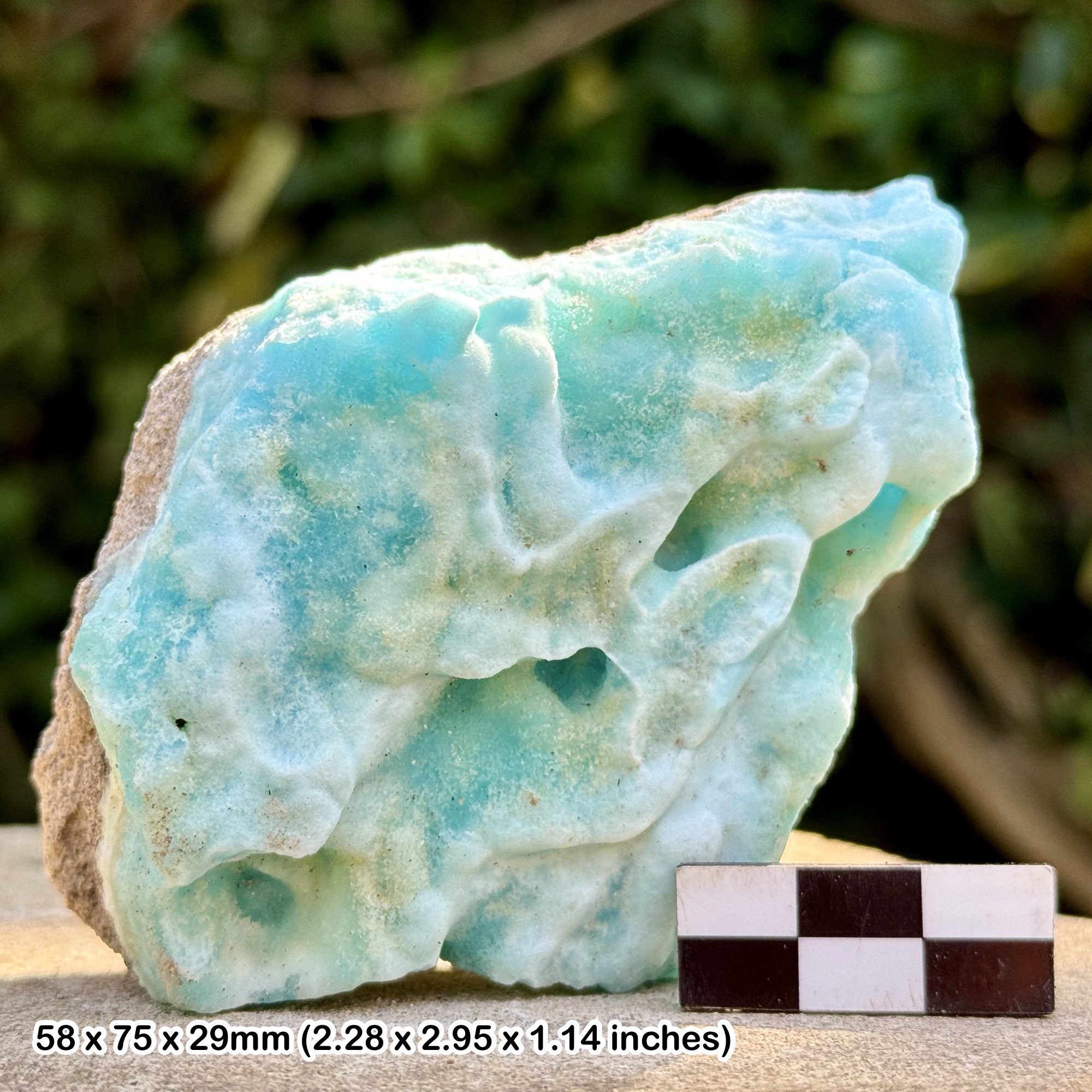
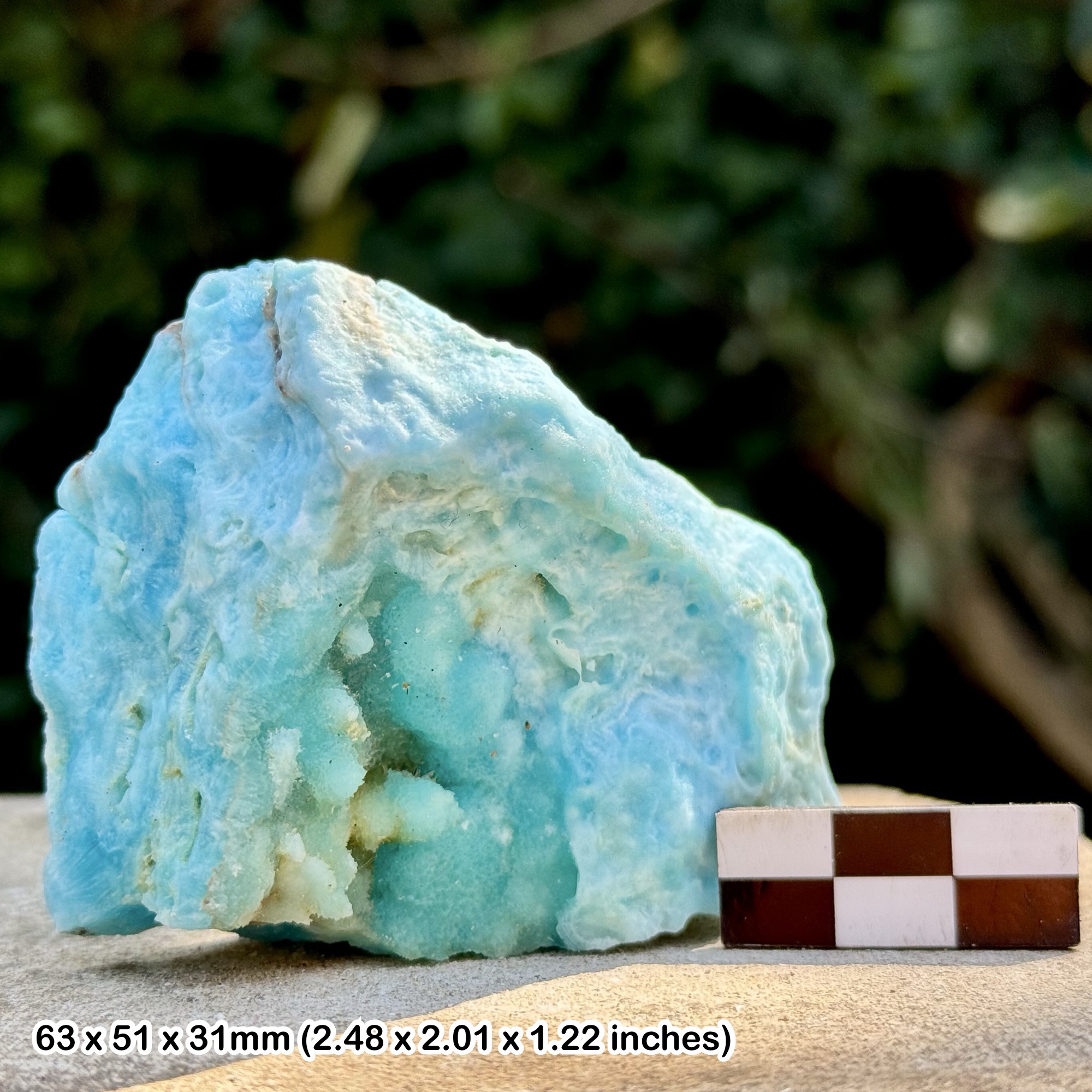
rock matrix block, recovered from the famous Black Ven Marls at Lyme Regis, Dorset, England. This specimen originates from the Lower Lias deposits of the Early Jurassic, dating to approximately 201–190 million years ago, when warm shallow seas covered much of southern Britain.The fossil comes from the world-renowned Jurassic Coast UNESCO World Heritage Site, one of the most important fossil locations on Earth. Specimens from this region have played a major role in shaping scientific understanding of prehistoric marine reptiles and ancient ocean ecosystems.The fossil has been carefully selected as an attractive display specimen, and the listing photograph clearly shows the exact fossil you will receive. The specimen includes a Certificate of Authenticity lifetime guarantee generic card, confirming the fossil is genuine.Full sizing and scale can be seen in the listing photographs.Ichthyosaurs – Fast Swimming Marine Reptiles of the JurassicIchthyosaurs were among the most successful marine reptiles of the Mesozoic Era, belonging to the order Ichthyosauria. These highly specialised reptiles evolved streamlined bodies that closely resembled modern dolphins and tuna, an example of evolutionary convergence.Ichthyosaurs thrived throughout the Triassic and Jurassic periods, occupying the role of major predators in prehistoric oceans.Typical anatomical features of ichthyosaurs include:• Streamlined torpedo-shaped body for efficient swimming• Large eyes adapted for hunting in low light conditions• Powerful tail fluke used for propulsion• Four paddle-like limbs used for steering• Long jaws lined with conical teeth for catching fish and cephalopodsTheir skeletal structure was highly adapted for aquatic life, and rib bones formed part of the rib cage that supported the body and protected internal organs.Rib Structure and AnatomyIchthyosaur ribs were long, curved bones attached to the vertebral column that helped form the body cavity of the animal. These ribs provided both structural support and flexibility while the reptile moved through the water.Typical features of ichthyosaur ribs include:• Slightly curved elongated shape• Strong but relatively lightweight bone structure• Smooth surface with occasional nutrient grooves• Articulation points where the ribs connected to vertebraeRibs worked together with the vertebrae to form a flexible skeletal framework capable of withstanding the stresses of active swimming.Fossils preserved in rib blocks provide valuable insight into how the skeletal elements were arranged within the body of the animal.Black Ven Marls and the Lower Lias FormationThis fossil originates from the Black Ven Marls, part of the Lower Lias Group, a sequence of marine sedimentary rocks deposited during the Early Jurassic Period.The Lower Lias dates primarily to the Hettangian and Sinemurian stages, approximately 201–190 million years ago.At that time, southern Britain was submerged beneath a warm epicontinental sea connected to the Tethys Ocean. Fine clay-rich sediments accumulated on the sea floor, forming layers of mudstone and marl that now make up the famous fossil cliffs of Lyme Regis.These sediments preserve a rich marine fauna including:• Marine reptiles such as ichthyosaurs and plesiosaurs• Numerous ammonite species used for stratigraphic dating• Belemnites and other cephalopods• Sharks and bony fish• Crustaceans and other marine invertebratesThe presence of abundant ammonites allows geologists to divide the Lower Lias into detailed ammonite biozones, providing precise dating of fossil-bearing layers.Lyme Regis and the Jurassic CoastThe cliffs around Lyme Regis represent one of the most historically important fossil localities in the world. Fossils from this area played a crucial role in the early development of palaeontology.During the early 19th century, pioneering fossil collector Mary Anning discovered numerous spectacular fossils from these cliffs, including the first complete ichthyosaur skeletons ever studied by science.Today, the Black Ven landslip complex, located east of Lyme Regis, continues to produce fossils as coastal erosion exposes new layers of fossil-bearing rock.The Jurassic Coast preserves an extraordinary record of life in the ancient seas that once covered southern England.Fossilisation and PreservationMarine reptiles preserved in the Lower Lias were typically fossilised after their remains settled on the seabed and became buried in fine marine sediment. Rapid burial protected the bones from scavengers and allowed mineralisation to preserve the skeletal material.The clay-rich sediments of the Black Ven Marls often preserve bones within natural blocks of matrix, retaining the original arrangement of skeletal elements.Specimens such as this rib block provide valuable evidence for the anatomy and preservation of Jurassic marine reptiles.Authenticity and Collector Information• Genuine fossil specimen – not a cast or replica• Fossil Type: Ichthyosaur Rib Block• Order: Ichthyosauria• Geological Formation: Black Ven Marls, Lower Lias Group• Age: Early Jurassic (Hettangian–Sinemurian), approximately 201–190 million years old• Locality: Black Ven, Lyme Regis, Dorset, United Kingdom• Includes Certificate of Authenticity lifetime guarantee generic card• The exact fossil shown in the photographs is the specimen you will receiveThis genuine Ichthyosaur rib fossil block from the famous Jurassic Coast of Lyme Regis represents an outstanding addition to any Jurassic fossil collection, marine reptile display, or natural history cabinet, preserving a remarkable piece of prehistoric ocean life from over 190 million years ago.
rock matrix block, recovered from the famous Black Ven Marls at Lyme Regis, Dorset, England. This specimen originates from the Lower Lias deposits of the Early Jurassic, dating to approximately 201–190 million years ago, when warm shallow seas covered much of southern Britain.The fossil comes from the world-renowned Jurassic Coast UNESCO World Heritage Site, one of the most important fossil locations on Earth. Specimens from this region have played a major role in shaping scientific understanding of prehistoric marine reptiles and ancient ocean ecosystems.The fossil has been carefully selected as an attractive display specimen, and the listing photograph clearly shows the exact fossil you will receive. The specimen includes a Certificate of Authenticity lifetime guarantee generic card, confirming the fossil is genuine.Full sizing and scale can be seen in the listing photographs.Ichthyosaurs – Fast Swimming Marine Reptiles of the JurassicIchthyosaurs were among the most successful marine reptiles of the Mesozoic Era, belonging to the order Ichthyosauria. These highly specialised reptiles evolved streamlined bodies that closely resembled modern dolphins and tuna, an example of evolutionary convergence.Ichthyosaurs thrived throughout the Triassic and Jurassic periods, occupying the role of major predators in prehistoric oceans.Typical anatomical features of ichthyosaurs include:• Streamlined torpedo-shaped body for efficient swimming• Large eyes adapted for hunting in low light conditions• Powerful tail fluke used for propulsion• Four paddle-like limbs used for steering• Long jaws lined with conical teeth for catching fish and cephalopodsTheir skeletal structure was highly adapted for aquatic life, and rib bones formed part of the rib cage that supported the body and protected internal organs.Rib Structure and AnatomyIchthyosaur ribs were long, curved bones attached to the vertebral column that helped form the body cavity of the animal. These ribs provided both structural support and flexibility while the reptile moved through the water.Typical features of ichthyosaur ribs include:• Slightly curved elongated shape• Strong but relatively lightweight bone structure• Smooth surface with occasional nutrient grooves• Articulation points where the ribs connected to vertebraeRibs worked together with the vertebrae to form a flexible skeletal framework capable of withstanding the stresses of active swimming.Fossils preserved in rib blocks provide valuable insight into how the skeletal elements were arranged within the body of the animal.Black Ven Marls and the Lower Lias FormationThis fossil originates from the Black Ven Marls, part of the Lower Lias Group, a sequence of marine sedimentary rocks deposited during the Early Jurassic Period.The Lower Lias dates primarily to the Hettangian and Sinemurian stages, approximately 201–190 million years ago.At that time, southern Britain was submerged beneath a warm epicontinental sea connected to the Tethys Ocean. Fine clay-rich sediments accumulated on the sea floor, forming layers of mudstone and marl that now make up the famous fossil cliffs of Lyme Regis.These sediments preserve a rich marine fauna including:• Marine reptiles such as ichthyosaurs and plesiosaurs• Numerous ammonite species used for stratigraphic dating• Belemnites and other cephalopods• Sharks and bony fish• Crustaceans and other marine invertebratesThe presence of abundant ammonites allows geologists to divide the Lower Lias into detailed ammonite biozones, providing precise dating of fossil-bearing layers.Lyme Regis and the Jurassic CoastThe cliffs around Lyme Regis represent one of the most historically important fossil localities in the world. Fossils from this area played a crucial role in the early development of palaeontology.During the early 19th century, pioneering fossil collector Mary Anning discovered numerous spectacular fossils from these cliffs, including the first complete ichthyosaur skeletons ever studied by science.Today, the Black Ven landslip complex, located east of Lyme Regis, continues to produce fossils as coastal erosion exposes new layers of fossil-bearing rock.The Jurassic Coast preserves an extraordinary record of life in the ancient seas that once covered southern England.Fossilisation and PreservationMarine reptiles preserved in the Lower Lias were typically fossilised after their remains settled on the seabed and became buried in fine marine sediment. Rapid burial protected the bones from scavengers and allowed mineralisation to preserve the skeletal material.The clay-rich sediments of the Black Ven Marls often preserve bones within natural blocks of matrix, retaining the original arrangement of skeletal elements.Specimens such as this rib block provide valuable evidence for the anatomy and preservation of Jurassic marine reptiles.Authenticity and Collector Information• Genuine fossil specimen – not a cast or replica• Fossil Type: Ichthyosaur Rib Block• Order: Ichthyosauria• Geological Formation: Black Ven Marls, Lower Lias Group• Age: Early Jurassic (Hettangian–Sinemurian), approximately 201–190 million years old• Locality: Black Ven, Lyme Regis, Dorset, United Kingdom• Includes Certificate of Authenticity lifetime guarantee generic card• The exact fossil shown in the photographs is the specimen you will receiveThis genuine Ichthyosaur rib fossil block from the famous Jurassic Coast of Lyme Regis represents an outstanding addition to any Jurassic fossil collection, marine reptile display, or natural history cabinet, preserving a remarkable piece of prehistoric ocean life from over 190 million years ago.
Other Products