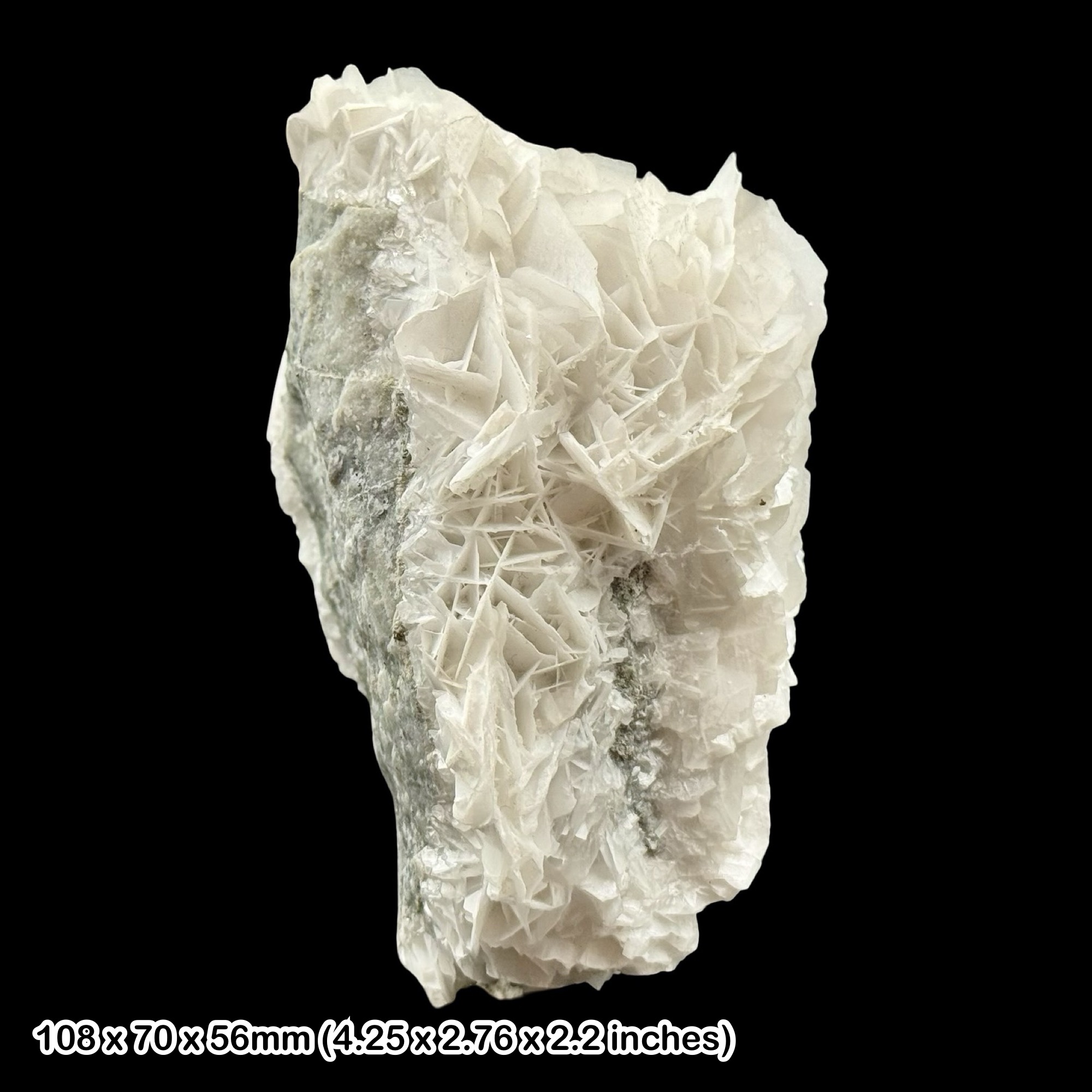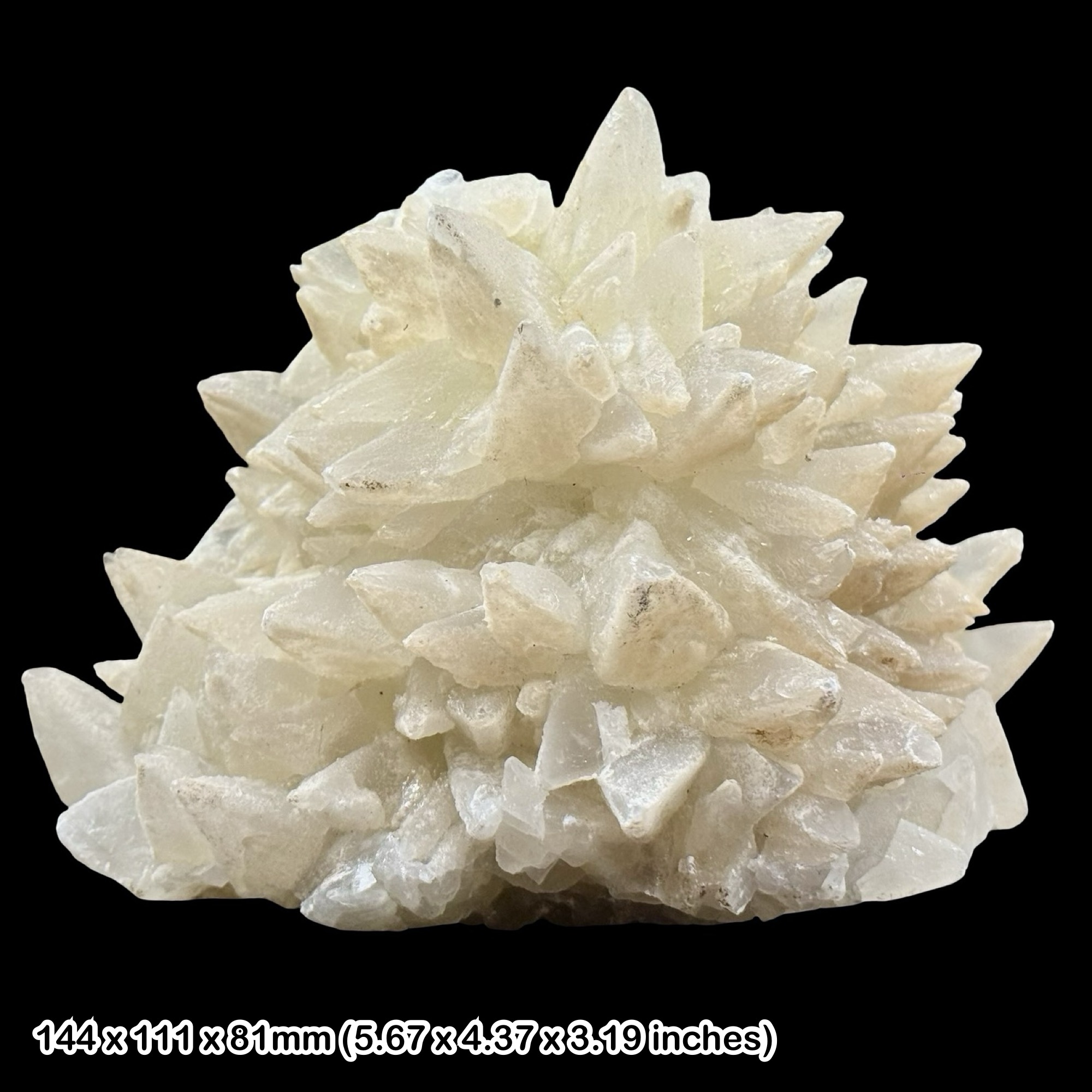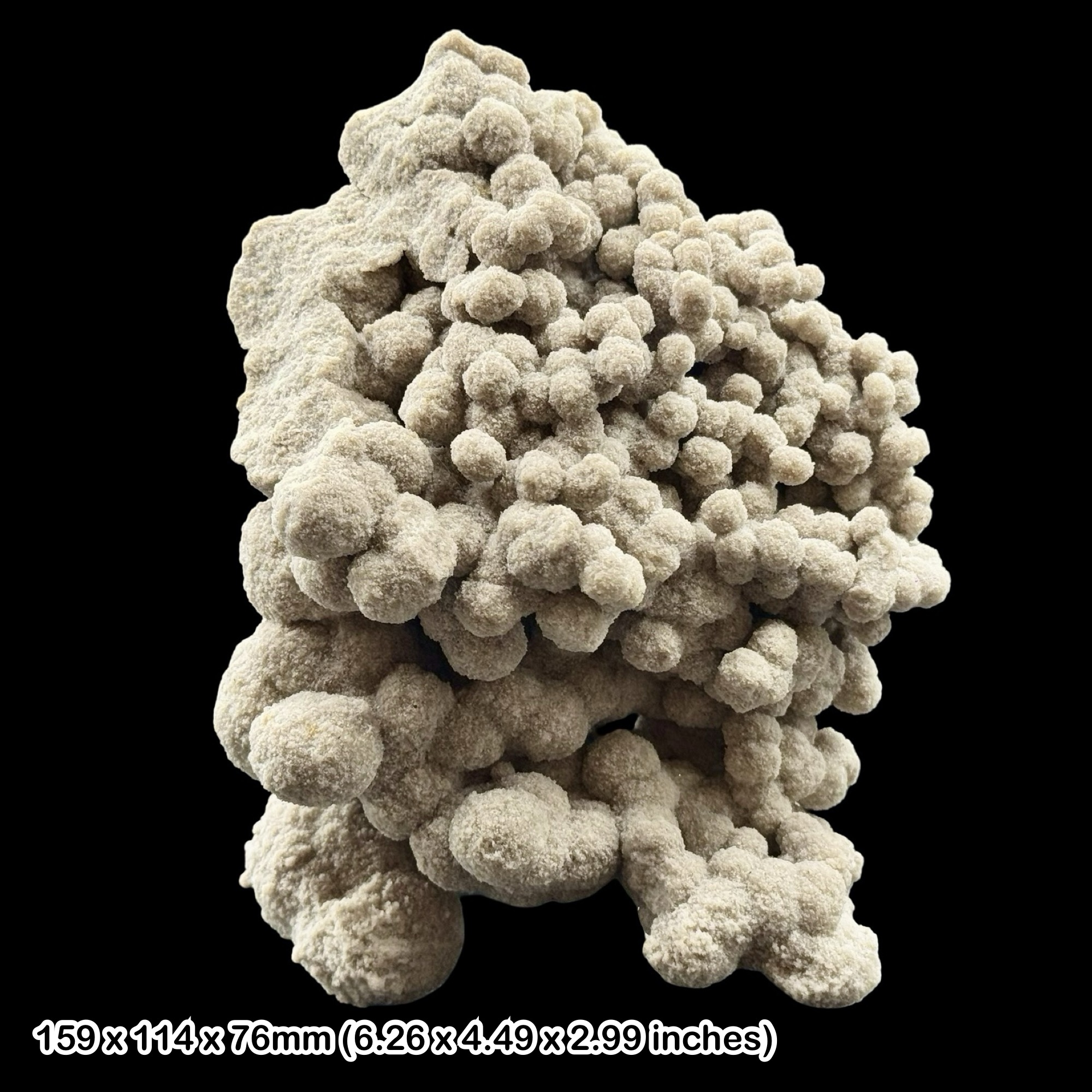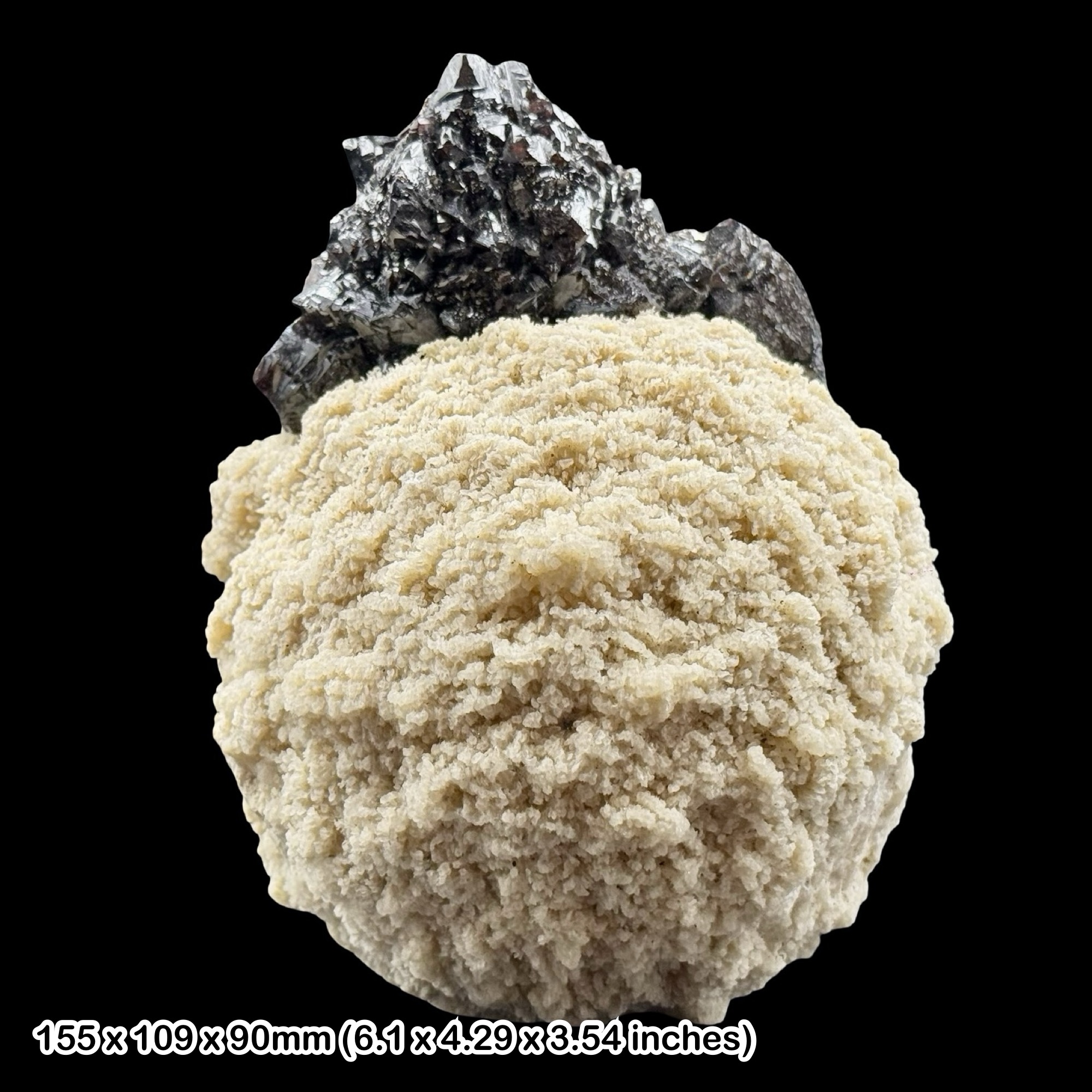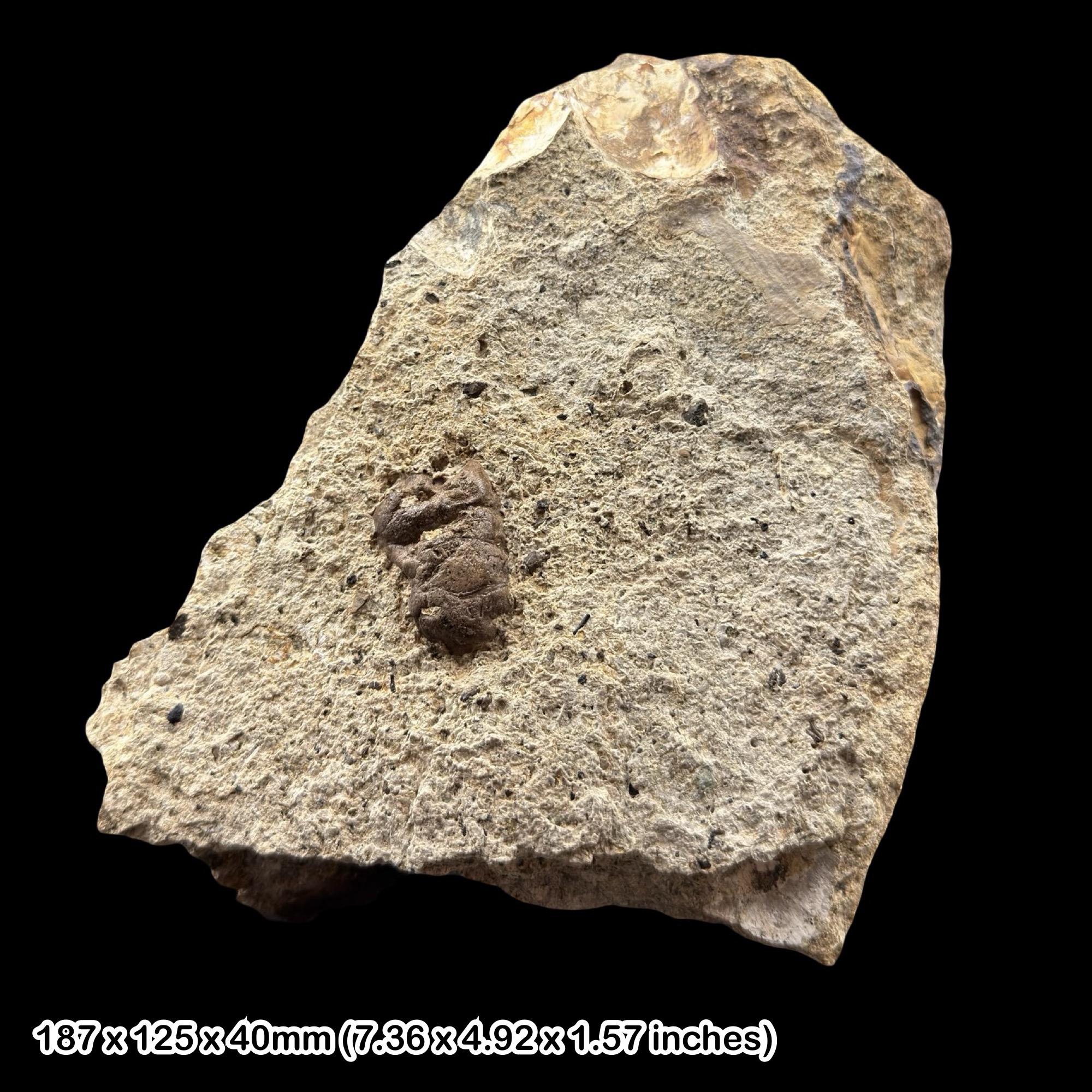
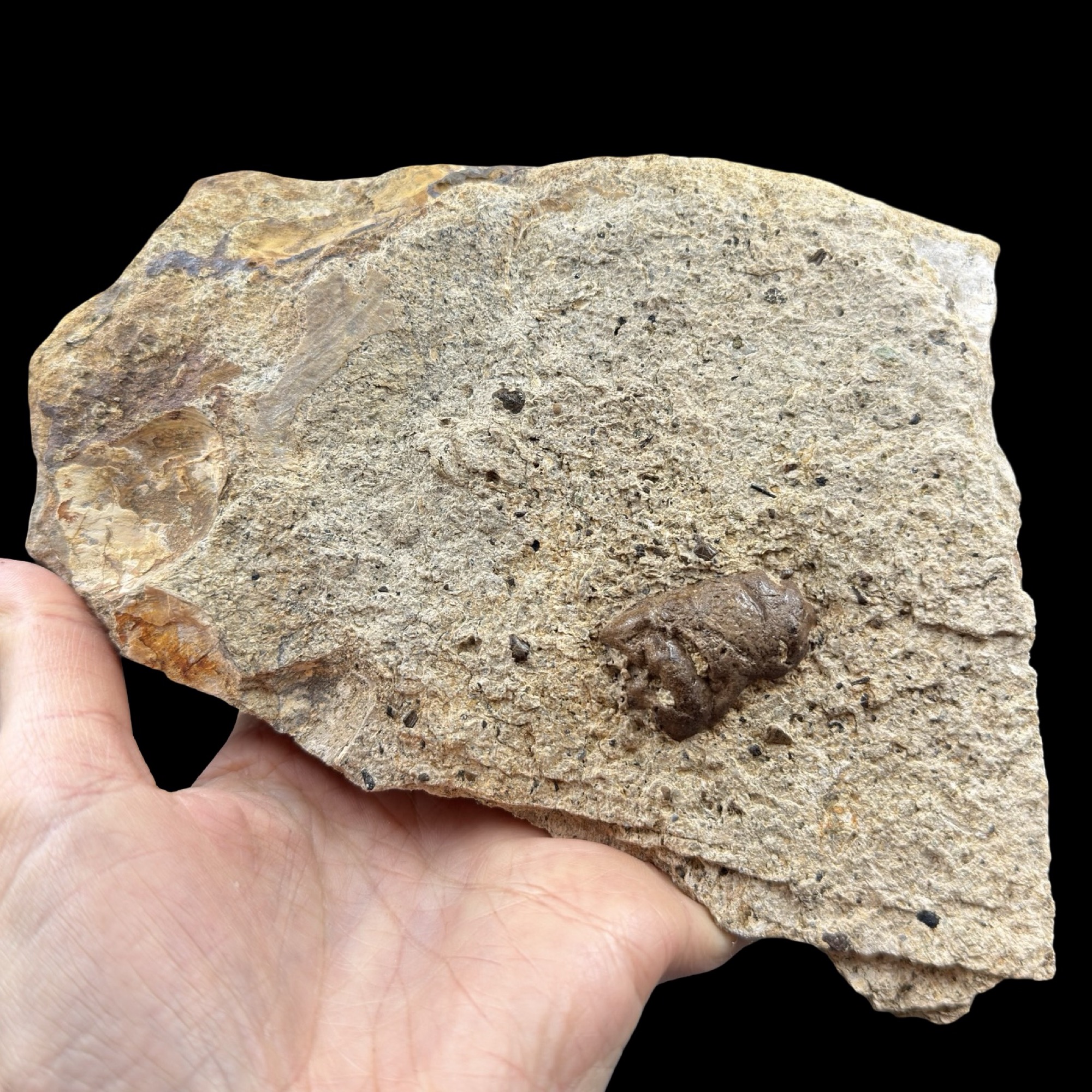
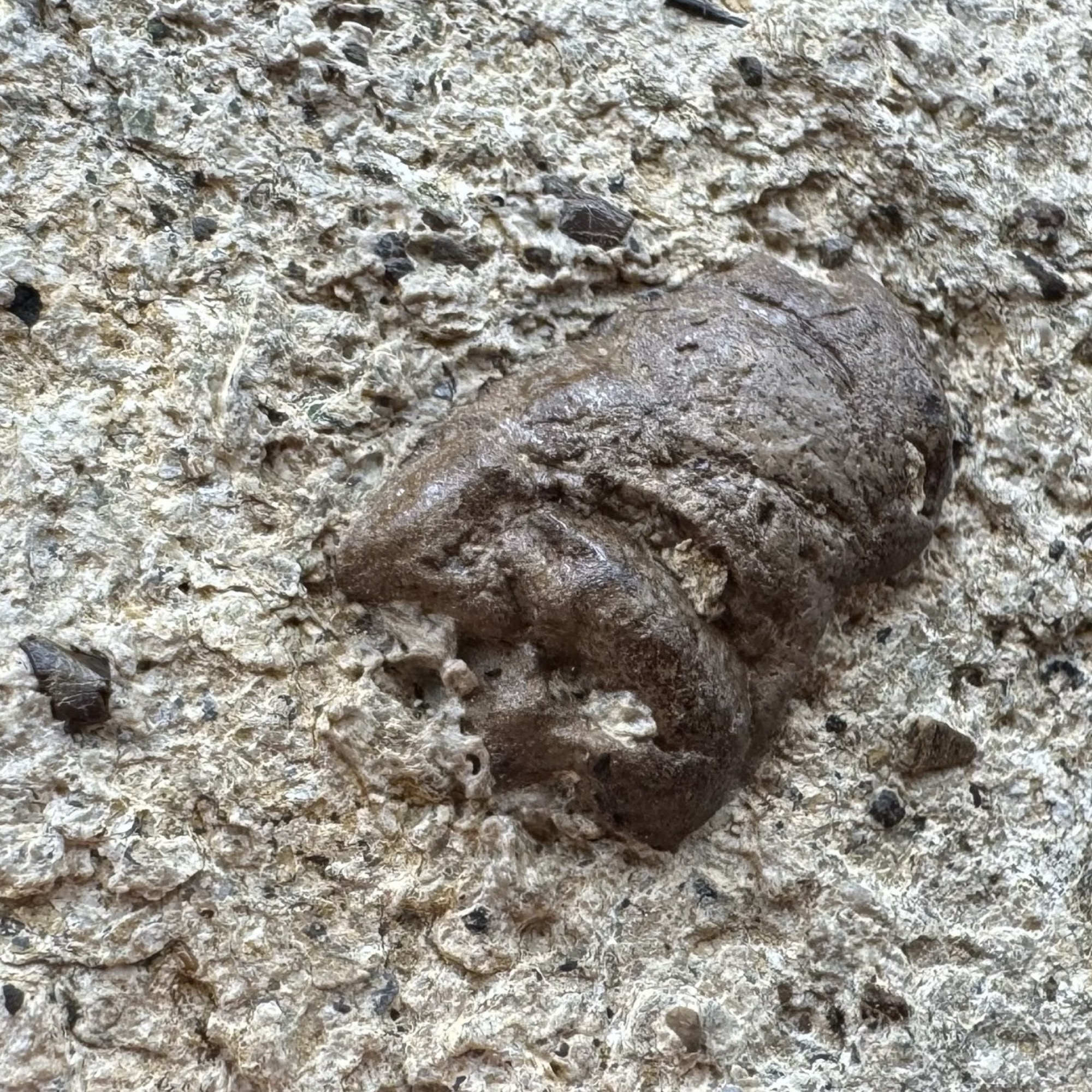
Fossil Shark Coprolite Specimen Jurassic Dorset UK Durlston Bay Swanage Purbeck Beds Durlston Formation Rare Trace Fossil
£ 60.00
GENUINE SHARK COPROLITE FOSSIL FROM THE DORSET PURBECK COASTOffered here is a fascinating and highly collectible fossil shark coprolite, a
rare trace fossil preserved from the renowned Durlston Formation (Purbeck Beds) at Durlston Bay, Swanage, Dorset, UK. Coprolites are fossilised droppings, providing an extraordinary and direct glimpse into the feeding behaviour and marine ecosystems of the prehistoric world.This is a carefully selected specimen, with the photographs showing the exact fossil you will receive. Full sizing and scale can be seen clearly in the images.The specimen was discovered by our own team members, Alister and Alison, on 17 January 2026, and has been professionally cleaned, prepared, and treated by Alison to ensure long-term stability and display quality. It is supplied with a lifetime Certificate of Authenticity on a generic card, confirming it as a genuine natural fossil. WHAT IS A SHARK COPROLITE?A coprolite is fossilised animal waste, classified as a trace fossil rather than a body fossil. Unlike teeth or bones, coprolites preserve evidence of behaviour, diet, and ecological interaction.Shark coprolites are particularly significant because sharks were active apex predators in Jurassic and Early Cretaceous seas. These fossils can sometimes contain inclusions such as:
• Fragmented fish scales
• Bone debris
• Shell materialEven without visible inclusions, the form and mineralisation of the coprolite provide valuable evidence of ancient marine food chains. MORPHOLOGY AND PRESERVATIONThis specimen shows the characteristic compact, mineralised structure typical of marine coprolites. Over millions of years, the original organic material was replaced by minerals within the sediment, allowing the coprolite to fossilise in three-dimensional form.The texture and surface detail reflect the natural depositional process, making each coprolite a unique specimen. Fossil coprolites are prized because no two are ever identical, and each represents a real biological moment frozen in deep time. GEOLOGICAL SETTING – THE DURLSTON FORMATION, PURBECK BEDSThe Durlston Formation, part of the famous Purbeck Group, dates to the latest Jurassic to earliest Cretaceous interval. These sediments were deposited in a complex environment of:
• Coastal lagoons
• Shallow marine waters
• Brackish and freshwater systems
• Periodic marine incursionsDurlston Bay is internationally recognised for preserving a rare mixture of marine and terrestrial fossils, offering an exceptional window into ecosystems during the Jurassic–Cretaceous transition.Coprolites from this formation are especially desirable, as they are far less common than ammonites or shell fossils and represent rare evidence of predator activity. SCIENTIFIC AND COLLECTOR VALUEShark coprolites are sought after by collectors because they combine rarity with strong educational significance. They are excellent conversation pieces and are frequently used in:
• Teaching collections
• Museum-style displays
• Trace fossil research
• Unique fossil cabinetsAs a trace fossil, this coprolite provides a different kind of connection to prehistoric life, preserving not the animal itself, but its ecological role and daily activity. AUTHENTICITY, PROVENANCE, AND DISPLAY
• Fossil type: Shark coprolite (trace fossil)
• Formation: Durlston Formation, Purbeck Beds
• Locality: Durlston Bay, Swanage, Dorset, UK
• Discovery date: 17 January 2026
• Prepared by: Alison
• Certificate: Lifetime Certificate of Authenticity includedThis genuine Dorset shark coprolite is a remarkable piece of ancient marine history, formed nearly 145 million years ago, and offers collectors a rare opportunity to own an unusual and scientifically meaningful fossil from one of Britain’s most famous fossil localities.
rare trace fossil preserved from the renowned Durlston Formation (Purbeck Beds) at Durlston Bay, Swanage, Dorset, UK. Coprolites are fossilised droppings, providing an extraordinary and direct glimpse into the feeding behaviour and marine ecosystems of the prehistoric world.This is a carefully selected specimen, with the photographs showing the exact fossil you will receive. Full sizing and scale can be seen clearly in the images.The specimen was discovered by our own team members, Alister and Alison, on 17 January 2026, and has been professionally cleaned, prepared, and treated by Alison to ensure long-term stability and display quality. It is supplied with a lifetime Certificate of Authenticity on a generic card, confirming it as a genuine natural fossil. WHAT IS A SHARK COPROLITE?A coprolite is fossilised animal waste, classified as a trace fossil rather than a body fossil. Unlike teeth or bones, coprolites preserve evidence of behaviour, diet, and ecological interaction.Shark coprolites are particularly significant because sharks were active apex predators in Jurassic and Early Cretaceous seas. These fossils can sometimes contain inclusions such as:
• Fragmented fish scales
• Bone debris
• Shell materialEven without visible inclusions, the form and mineralisation of the coprolite provide valuable evidence of ancient marine food chains. MORPHOLOGY AND PRESERVATIONThis specimen shows the characteristic compact, mineralised structure typical of marine coprolites. Over millions of years, the original organic material was replaced by minerals within the sediment, allowing the coprolite to fossilise in three-dimensional form.The texture and surface detail reflect the natural depositional process, making each coprolite a unique specimen. Fossil coprolites are prized because no two are ever identical, and each represents a real biological moment frozen in deep time. GEOLOGICAL SETTING – THE DURLSTON FORMATION, PURBECK BEDSThe Durlston Formation, part of the famous Purbeck Group, dates to the latest Jurassic to earliest Cretaceous interval. These sediments were deposited in a complex environment of:
• Coastal lagoons
• Shallow marine waters
• Brackish and freshwater systems
• Periodic marine incursionsDurlston Bay is internationally recognised for preserving a rare mixture of marine and terrestrial fossils, offering an exceptional window into ecosystems during the Jurassic–Cretaceous transition.Coprolites from this formation are especially desirable, as they are far less common than ammonites or shell fossils and represent rare evidence of predator activity. SCIENTIFIC AND COLLECTOR VALUEShark coprolites are sought after by collectors because they combine rarity with strong educational significance. They are excellent conversation pieces and are frequently used in:
• Teaching collections
• Museum-style displays
• Trace fossil research
• Unique fossil cabinetsAs a trace fossil, this coprolite provides a different kind of connection to prehistoric life, preserving not the animal itself, but its ecological role and daily activity. AUTHENTICITY, PROVENANCE, AND DISPLAY
• Fossil type: Shark coprolite (trace fossil)
• Formation: Durlston Formation, Purbeck Beds
• Locality: Durlston Bay, Swanage, Dorset, UK
• Discovery date: 17 January 2026
• Prepared by: Alison
• Certificate: Lifetime Certificate of Authenticity includedThis genuine Dorset shark coprolite is a remarkable piece of ancient marine history, formed nearly 145 million years ago, and offers collectors a rare opportunity to own an unusual and scientifically meaningful fossil from one of Britain’s most famous fossil localities.
Other Products