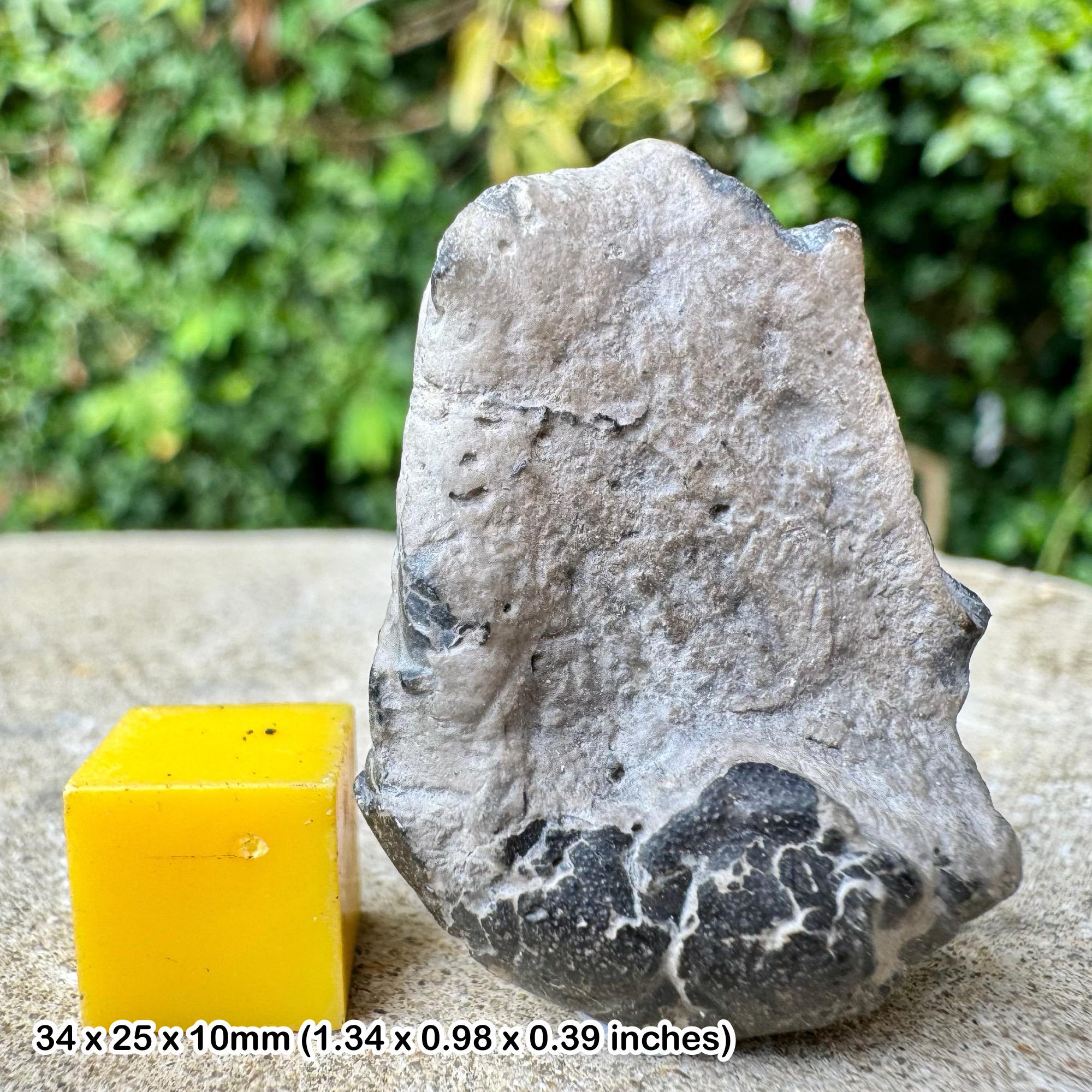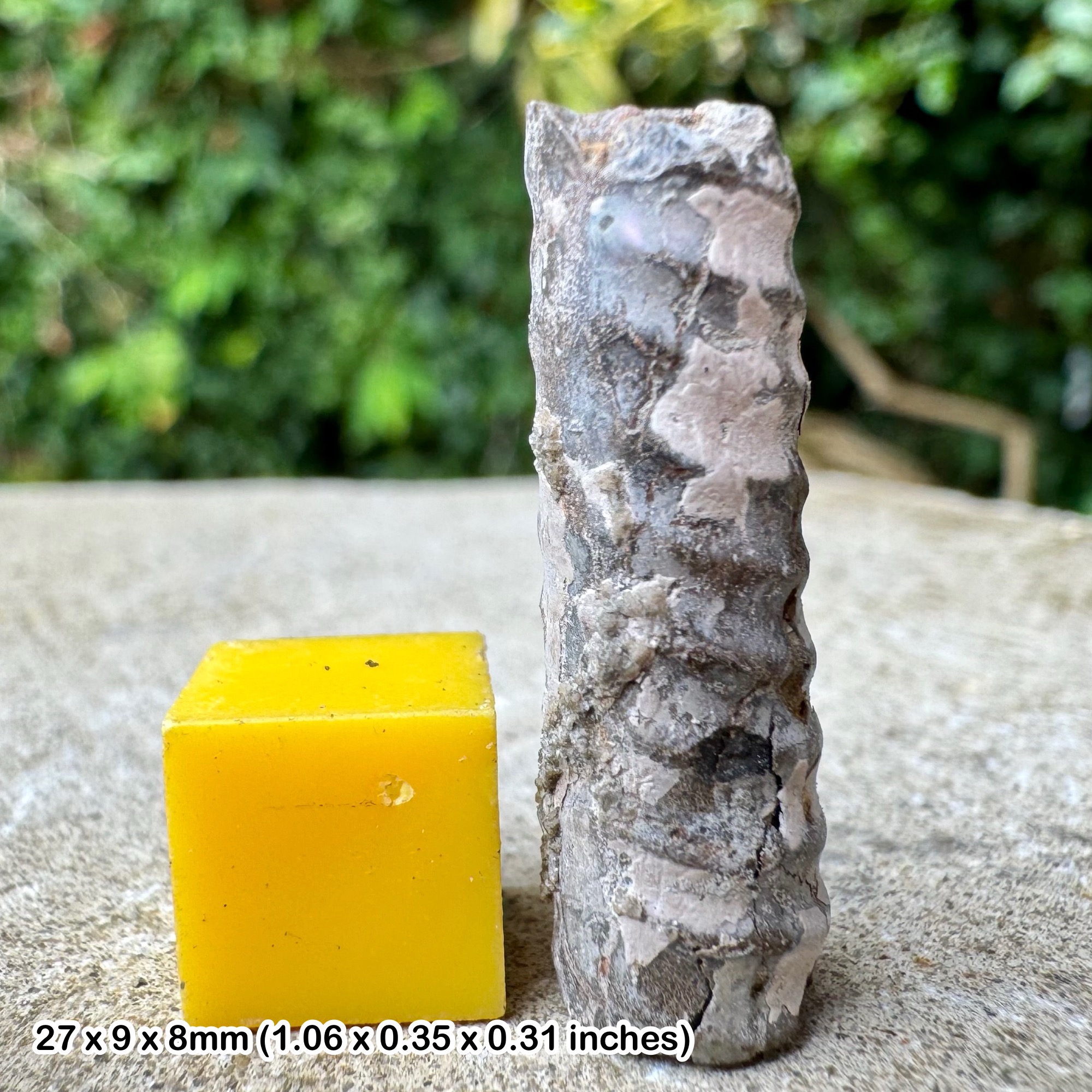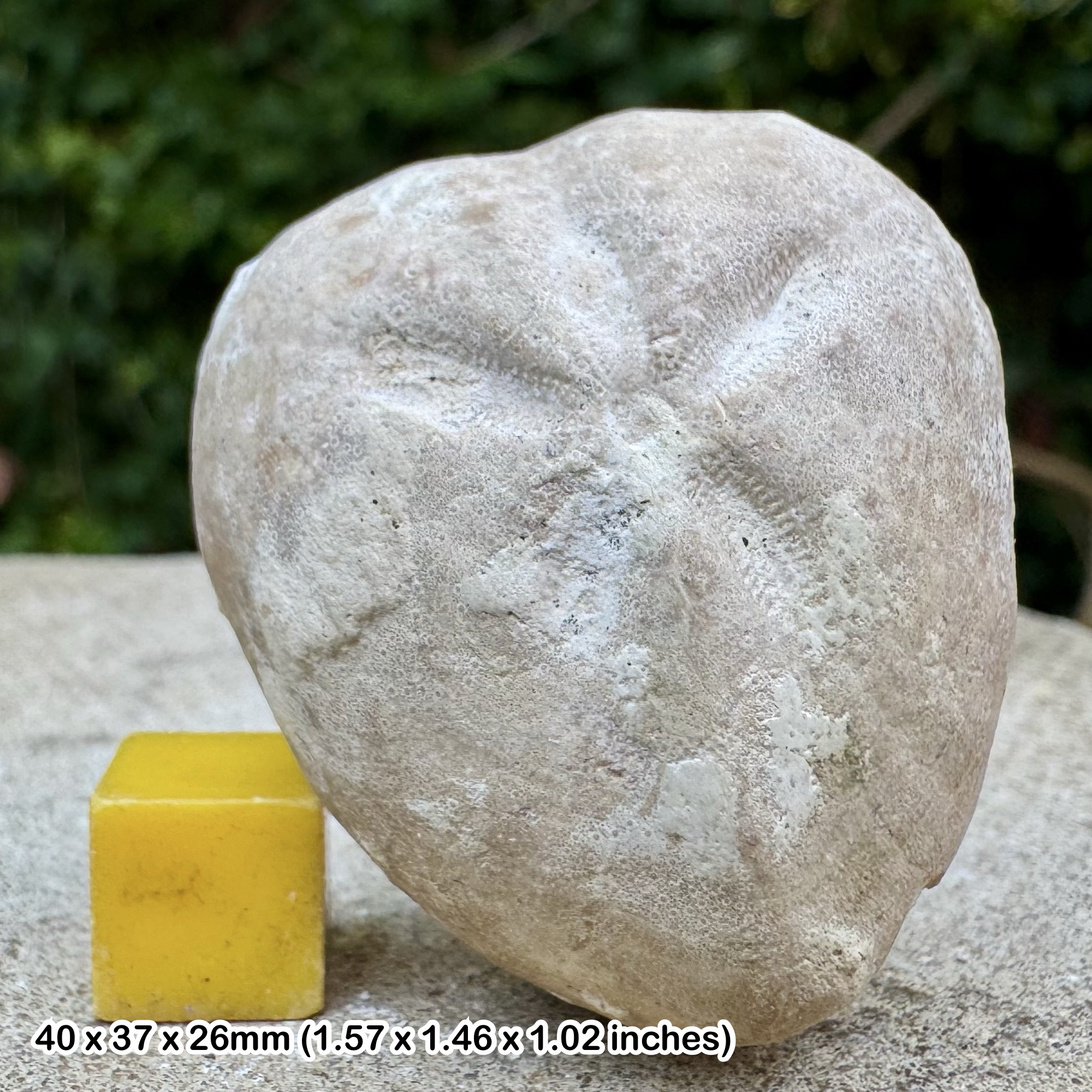
Micraster Fossil Echinoid Chalk Cretaceous Lewes Kent UK Genuine Sea Urchin Fossil
£ 7.20
AUTHENTIC MICRASTER FOSSIL ECHINOID FROM LEWES, KENTThis listing presents a genuine Micraster Fossil Echinoid from the Chalk
deposits of the Cretaceous Period, found near Lewes in Kent, United Kingdom. Fossil echinoids such as Micraster are among the most scientifically significant and highly collectible fossils from the English Chalk, renowned for their preservation and their use as index fossils in biostratigraphy. This specimen has been carefully chosen for its clarity and detail, photographed with a 1 cm scale cube for size reference, and will be accompanied by a Certificate of Authenticity. GEOLOGICAL CONTEXTThe Cretaceous Period (approximately 145–66 million years ago) saw the development of vast chalk seas across southern England. The Lewes area is part of the famous Chalk Group, which preserves a wealth of marine fossils, particularly echinoids. These chalk deposits were formed in warm, shallow seas dominated by microscopic coccolithophore algae, whose remains compacted over millions of years into the white chalk cliffs and layers visible today. SCIENTIFIC CLASSIFICATION
• Kingdom: Animalia
• Phylum: Echinodermata
• Class: Echinoidea
• Order: Spatangoida
• Family: Micrasteridae
• Genus: Micraster MORPHOLOGICAL FEATURESThe Micraster echinoid is distinguished by its heart-shaped body, with a slightly elongated anterior groove that helped guide sediment towards its mouth. The specimen exhibits the characteristic petaloid ambulacra, which are star-like pore patterns across the surface of the test. These served as channels for tube feet used in respiration and locomotion. Its bilateral symmetry and flattened base reflect its adaptation to a semi-infaunal lifestyle, living partially buried within the soft seabed sediments. PALEOECOLOGICAL SIGNIFICANCEMicraster was a deposit feeder, extracting organic matter from marine sediments. Its presence in abundance within the chalk indicates stable, low-energy marine environments rich in nutrients. Importantly, species of Micraster evolved rapidly and are used by paleontologists as biozone markers, helping to divide the Cretaceous Chalk into distinct stratigraphic intervals. For this reason, Micraster is one of the most iconic fossils of the English Chalk, offering both scientific and historical value. THE LEWES CHALK DEPOSITSLewes in Kent is a classic locality for Chalk fossils, historically studied since the early days of paleontology in Britain. The chalk exposures here have yielded countless Micraster specimens, many of which have been studied in detail for their role in understanding Cretaceous stratigraphy. Collectors especially prize examples from Lewes because of the fine preservation and their connection to one of the most scientifically important fossiliferous chalk localities in the world. COLLECTABILITY AND DISPLAYThis Micraster fossil is a timeless piece of natural history, ideal for both beginners and advanced fossil enthusiasts. Its elegant form makes it suitable for display, while its geological and paleontological context adds depth and meaning to any collection. The specimen also serves as a valuable educational piece, illustrating the adaptation of echinoids to life in the chalk seas of the Cretaceous. AUTHENTICITY GUARANTEEDAll of our fossils are 100% genuine specimens and come with a Certificate of Authenticity. The fossil you see in the photographs is the exact specimen you will receive. This Micraster echinoid from Lewes, Kent, is not only a collector’s item but also a tangible connection to the marine life of the Cretaceous chalk seas of southern England.
deposits of the Cretaceous Period, found near Lewes in Kent, United Kingdom. Fossil echinoids such as Micraster are among the most scientifically significant and highly collectible fossils from the English Chalk, renowned for their preservation and their use as index fossils in biostratigraphy. This specimen has been carefully chosen for its clarity and detail, photographed with a 1 cm scale cube for size reference, and will be accompanied by a Certificate of Authenticity. GEOLOGICAL CONTEXTThe Cretaceous Period (approximately 145–66 million years ago) saw the development of vast chalk seas across southern England. The Lewes area is part of the famous Chalk Group, which preserves a wealth of marine fossils, particularly echinoids. These chalk deposits were formed in warm, shallow seas dominated by microscopic coccolithophore algae, whose remains compacted over millions of years into the white chalk cliffs and layers visible today. SCIENTIFIC CLASSIFICATION
• Kingdom: Animalia
• Phylum: Echinodermata
• Class: Echinoidea
• Order: Spatangoida
• Family: Micrasteridae
• Genus: Micraster MORPHOLOGICAL FEATURESThe Micraster echinoid is distinguished by its heart-shaped body, with a slightly elongated anterior groove that helped guide sediment towards its mouth. The specimen exhibits the characteristic petaloid ambulacra, which are star-like pore patterns across the surface of the test. These served as channels for tube feet used in respiration and locomotion. Its bilateral symmetry and flattened base reflect its adaptation to a semi-infaunal lifestyle, living partially buried within the soft seabed sediments. PALEOECOLOGICAL SIGNIFICANCEMicraster was a deposit feeder, extracting organic matter from marine sediments. Its presence in abundance within the chalk indicates stable, low-energy marine environments rich in nutrients. Importantly, species of Micraster evolved rapidly and are used by paleontologists as biozone markers, helping to divide the Cretaceous Chalk into distinct stratigraphic intervals. For this reason, Micraster is one of the most iconic fossils of the English Chalk, offering both scientific and historical value. THE LEWES CHALK DEPOSITSLewes in Kent is a classic locality for Chalk fossils, historically studied since the early days of paleontology in Britain. The chalk exposures here have yielded countless Micraster specimens, many of which have been studied in detail for their role in understanding Cretaceous stratigraphy. Collectors especially prize examples from Lewes because of the fine preservation and their connection to one of the most scientifically important fossiliferous chalk localities in the world. COLLECTABILITY AND DISPLAYThis Micraster fossil is a timeless piece of natural history, ideal for both beginners and advanced fossil enthusiasts. Its elegant form makes it suitable for display, while its geological and paleontological context adds depth and meaning to any collection. The specimen also serves as a valuable educational piece, illustrating the adaptation of echinoids to life in the chalk seas of the Cretaceous. AUTHENTICITY GUARANTEEDAll of our fossils are 100% genuine specimens and come with a Certificate of Authenticity. The fossil you see in the photographs is the exact specimen you will receive. This Micraster echinoid from Lewes, Kent, is not only a collector’s item but also a tangible connection to the marine life of the Cretaceous chalk seas of southern England.
Other Products