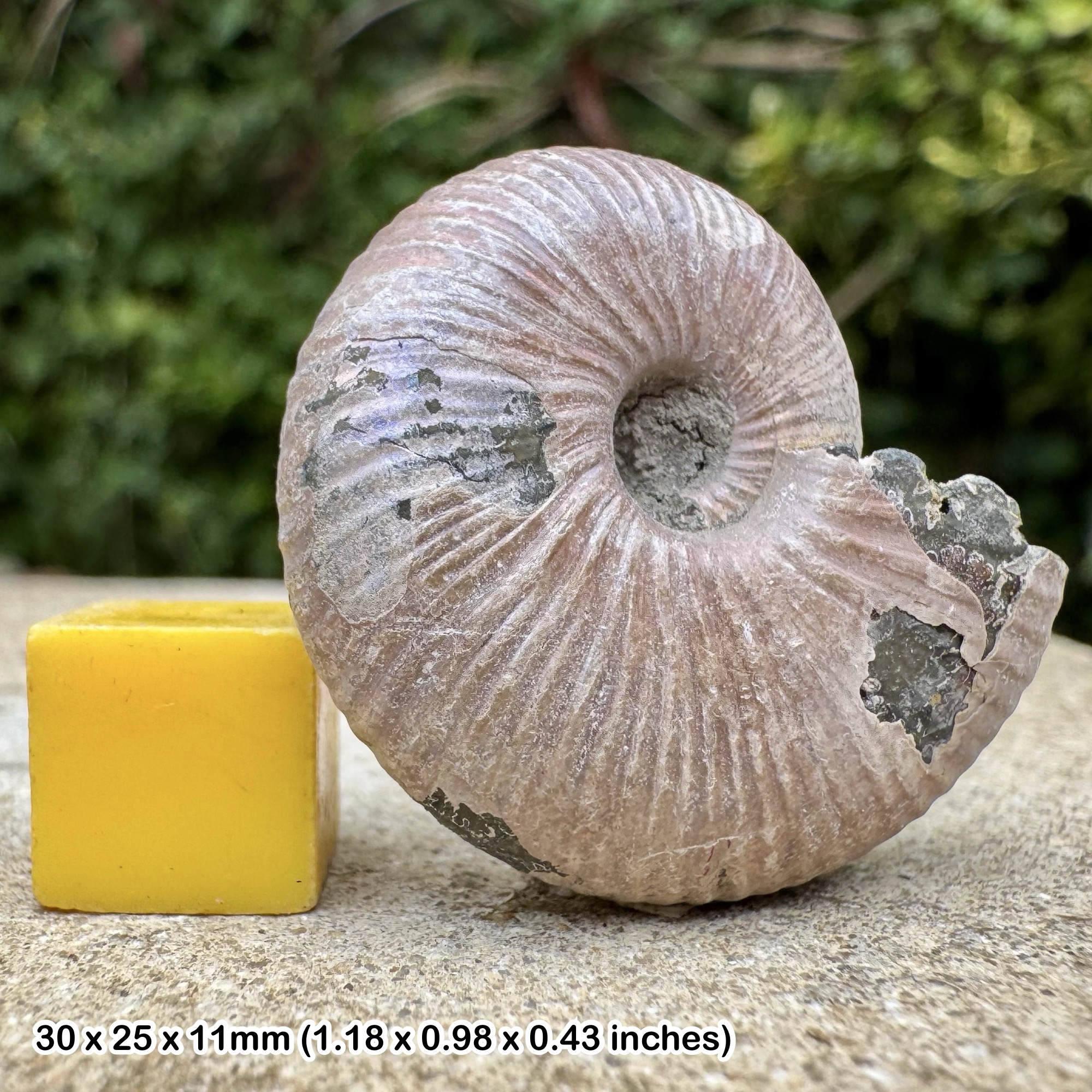
RARE Rondiceras milaschevici iridescent Fossil Ammonite Middle Callovian Jurassic Russia
£ 36.00
RARE RONDICERAS MILASCHEVICI IRIDESCENT FOSSIL AMMONITE FROM RUSSIAThis is a rare Rondiceras milaschevici iridescent ammonite fossil from the
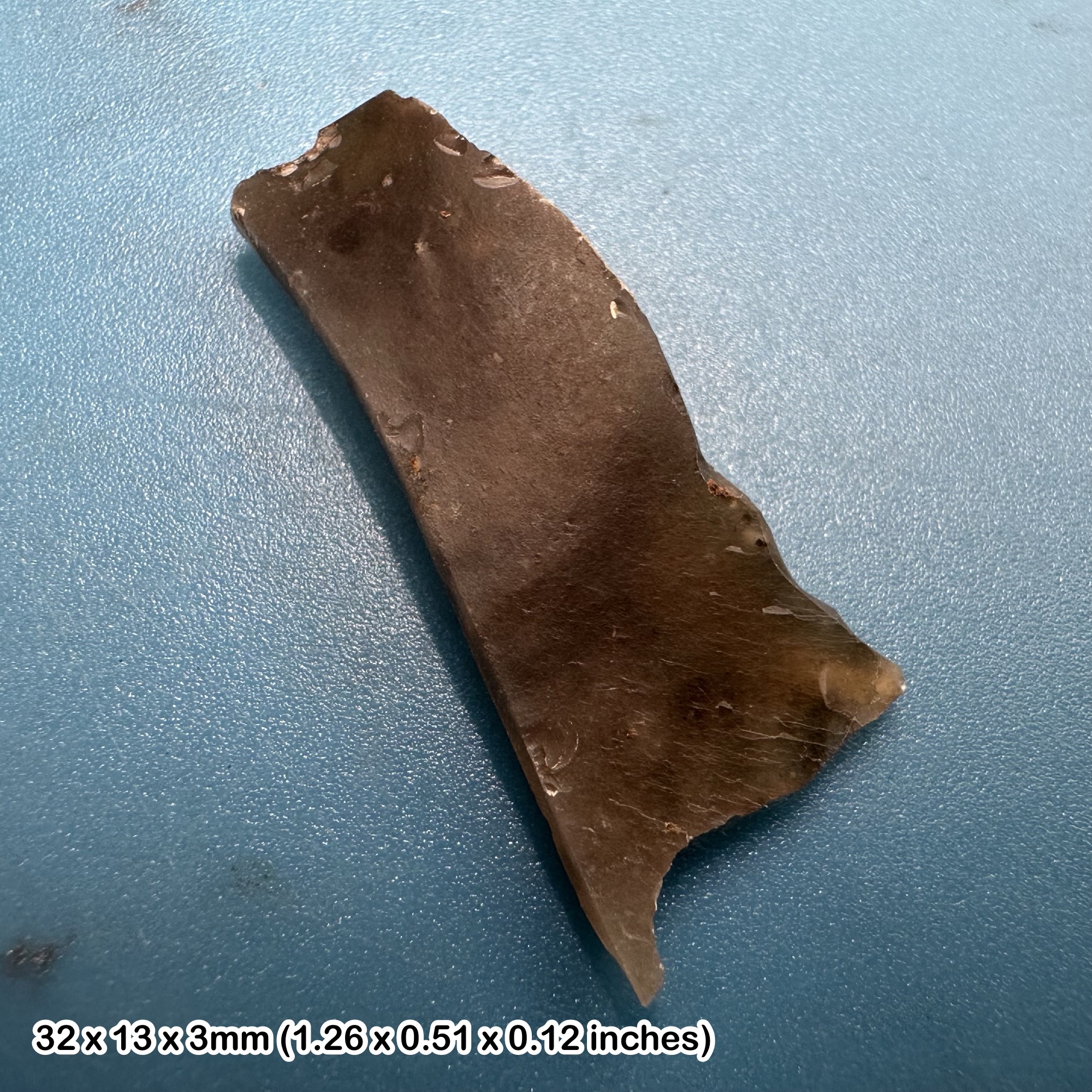
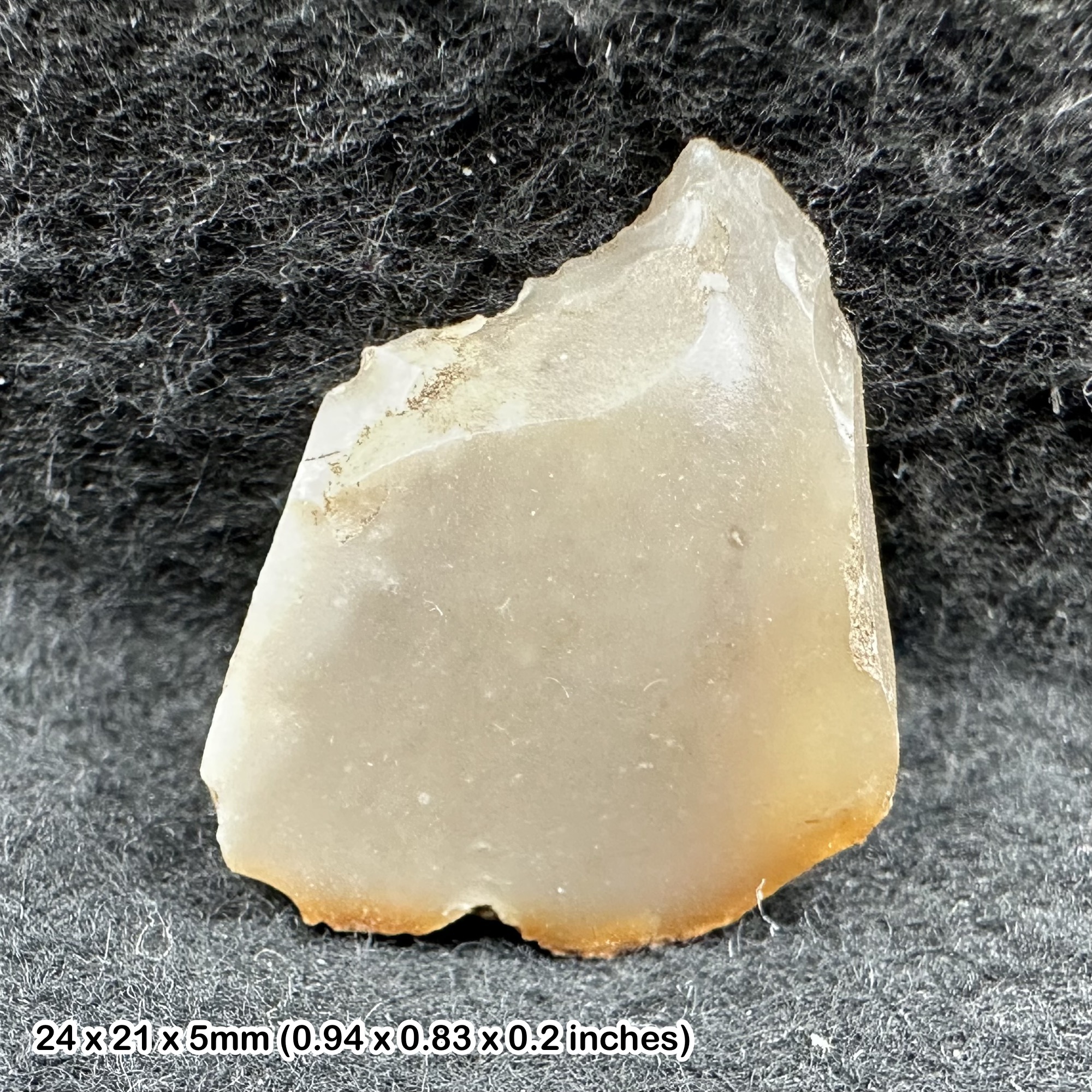
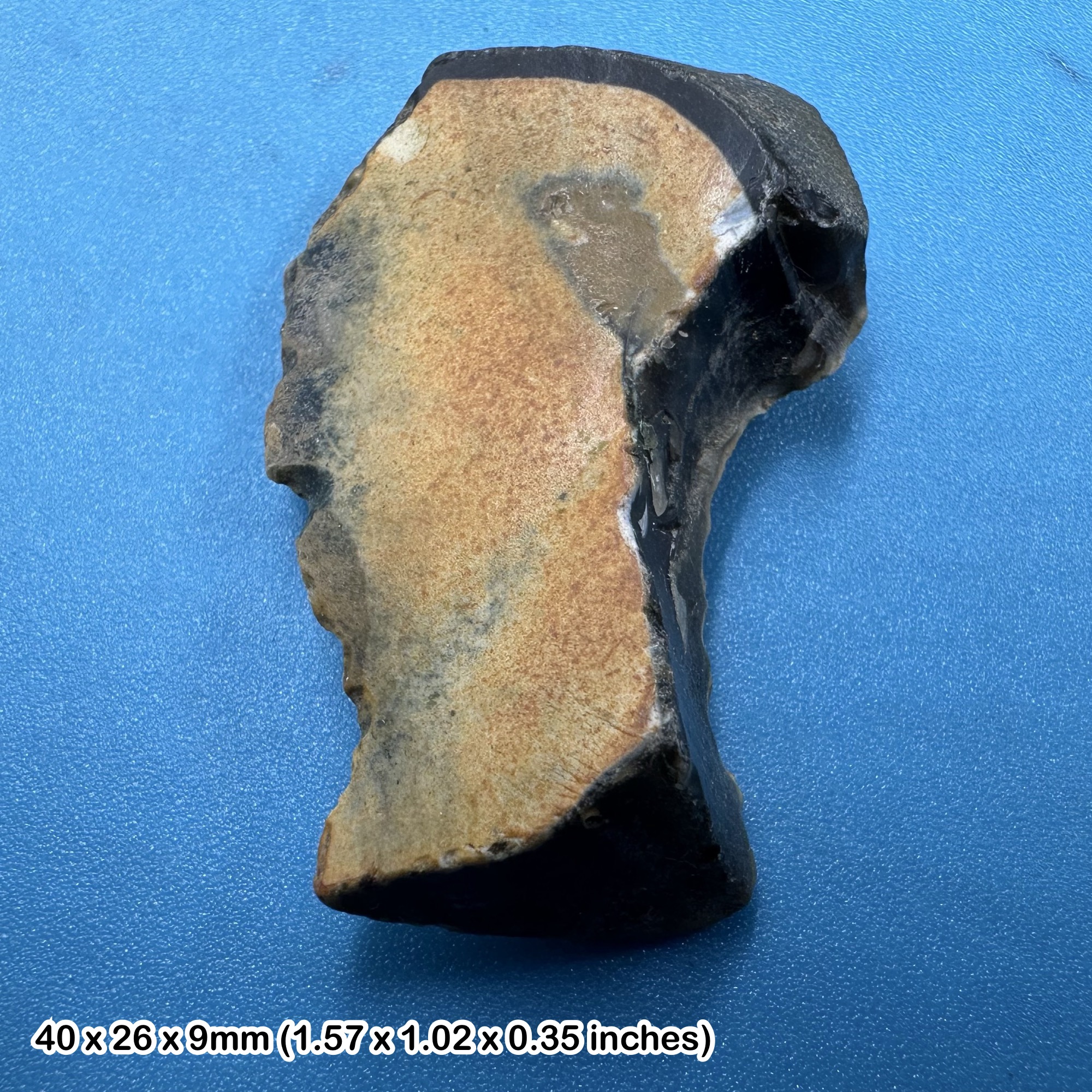
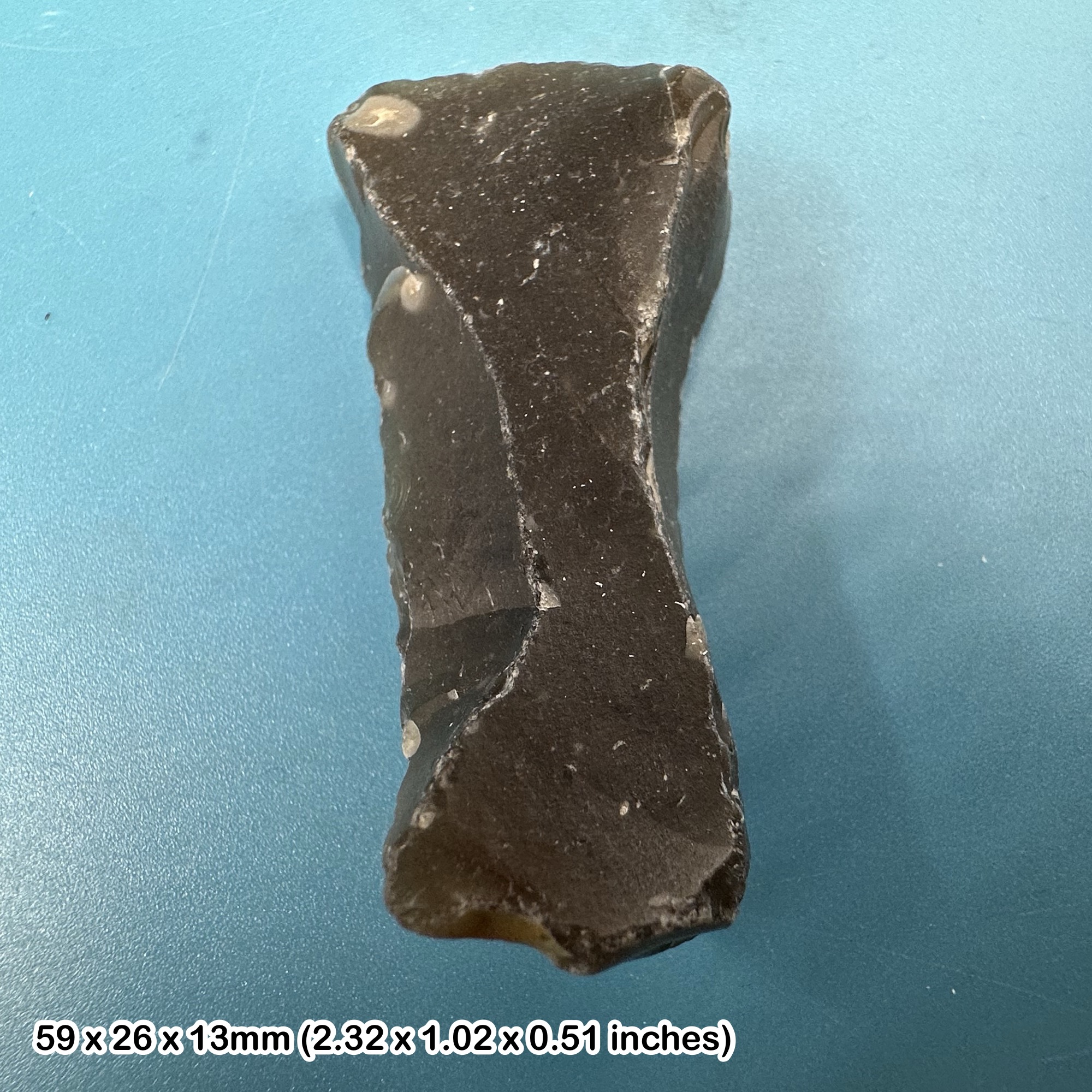
Middle Callovian stage of the Jurassic period, discovered in Michailov, Russia. Dating back approximately 165 – 161 million years, this specimen represents one of the most remarkable ammonites from Jurassic deposits in Russia. Its natural preservation reveals exquisite surface detail and a shimmering iridescence that makes it highly sought after by both collectors and researchers.The specimen is shown with a 1 cm scale cube for accurate sizing. The fossil pictured is the exact piece you will receive, carefully selected for its beauty, quality, and authenticity. As with all our fossils, this ammonite comes with a Certificate of Authenticity. GEOLOGICAL SETTING AND AGEThis ammonite originates from the Middle Callovian stage, a key division of the Jurassic period that spanned between 165 and 161 million years ago. The Callovian was characterised by widespread shallow seas across what is now Europe and Russia, creating rich marine ecosystems where ammonites thrived.The Michailov region of Russia is world-renowned for its fossil-bearing strata, where layers of fine sediment captured and preserved marine organisms in remarkable detail. These deposits provide invaluable insights into the paleoenvironments of the Jurassic seas and often yield ammonites with stunning nacreous preservation. SCIENTIFIC CLASSIFICATION
• Species: Rondiceras milaschevici
• Order: Ammonitida
• Superfamily: Perisphinctoidea
• Family: AspidoceratidaeThis species is part of the ammonite lineage within the Aspidoceratidae, a family known for producing large, ornate shells with distinctive ribbing and whorl patterns. Such ammonites are often used as biostratigraphic markers, helping paleontologists date and correlate Jurassic marine sediments worldwide. MORPHOLOGICAL FEATURESThe specimen displays several diagnostic traits characteristic of Rondiceras milaschevici:
• Planispiral coiling, where the whorls form a flat spiral with visible outer whorls.
• Strong, well-developed ribbing across the shell surface.
• A moderately compressed shell with distinctive growth lines.
• Areas of natural iridescence, where nacre has been preserved, producing striking rainbow-like colours when viewed under light.These features highlight the evolutionary adaptations of Jurassic ammonites and make this piece both scientifically valuable and visually appealing. DEPOSITIONAL ENVIRONMENTThe fossil formed in a marine shelf environment, part of a shallow sea that once covered large portions of Russia. Sediment deposition was rapid, allowing ammonite shells to be buried before decomposition or destruction by marine activity. The geochemical conditions of the Michailov beds often led to the preservation of shell nacre, giving certain specimens their remarkable iridescent sheen.Ammonites such as Rondiceras played a critical role in Jurassic ecosystems as active predators and prey. They likely fed on smaller marine creatures such as plankton, crustaceans, and fish larvae, while serving as food for marine reptiles and larger cephalopods. COLLECTOR AND DISPLAY VALUEThis Rondiceras milaschevici iridescent ammonite is a fossil of both scientific and aesthetic importance. Its rarity, provenance, and natural beauty make it a prized addition for serious fossil collectors. The preserved iridescence enhances its display value, making it a striking piece suitable for private collections, educational institutions, or museum displays.Owning such a fossil not only provides a tangible connection to the Jurassic seas of 165 million years ago but also offers an appreciation of the intricate natural artistry preserved in stone. KEY FEATURES
• Species: Rondiceras milaschevici
• Geological Stage: Middle Callovian, Jurassic (165 – 161 million years old)
• Location: Michailov, Russia
• Family: Aspidoceratidae, Superfamily Perisphinctoidea
• Distinctive ribbed planispiral shell form
• Rare iridescent preservation with natural rainbow shimmer
• Supplied with a Certificate of Authenticity
• Exact specimen pictured is the one you will receiveThis is a rare opportunity to acquire a genuine Rondiceras milaschevici iridescent ammonite fossil from Russia—an extraordinary specimen that unites geological history, scientific importance, and natural beauty.
Middle Callovian stage of the Jurassic period, discovered in Michailov, Russia. Dating back approximately 165 – 161 million years, this specimen represents one of the most remarkable ammonites from Jurassic deposits in Russia. Its natural preservation reveals exquisite surface detail and a shimmering iridescence that makes it highly sought after by both collectors and researchers.The specimen is shown with a 1 cm scale cube for accurate sizing. The fossil pictured is the exact piece you will receive, carefully selected for its beauty, quality, and authenticity. As with all our fossils, this ammonite comes with a Certificate of Authenticity. GEOLOGICAL SETTING AND AGEThis ammonite originates from the Middle Callovian stage, a key division of the Jurassic period that spanned between 165 and 161 million years ago. The Callovian was characterised by widespread shallow seas across what is now Europe and Russia, creating rich marine ecosystems where ammonites thrived.The Michailov region of Russia is world-renowned for its fossil-bearing strata, where layers of fine sediment captured and preserved marine organisms in remarkable detail. These deposits provide invaluable insights into the paleoenvironments of the Jurassic seas and often yield ammonites with stunning nacreous preservation. SCIENTIFIC CLASSIFICATION
• Species: Rondiceras milaschevici
• Order: Ammonitida
• Superfamily: Perisphinctoidea
• Family: AspidoceratidaeThis species is part of the ammonite lineage within the Aspidoceratidae, a family known for producing large, ornate shells with distinctive ribbing and whorl patterns. Such ammonites are often used as biostratigraphic markers, helping paleontologists date and correlate Jurassic marine sediments worldwide. MORPHOLOGICAL FEATURESThe specimen displays several diagnostic traits characteristic of Rondiceras milaschevici:
• Planispiral coiling, where the whorls form a flat spiral with visible outer whorls.
• Strong, well-developed ribbing across the shell surface.
• A moderately compressed shell with distinctive growth lines.
• Areas of natural iridescence, where nacre has been preserved, producing striking rainbow-like colours when viewed under light.These features highlight the evolutionary adaptations of Jurassic ammonites and make this piece both scientifically valuable and visually appealing. DEPOSITIONAL ENVIRONMENTThe fossil formed in a marine shelf environment, part of a shallow sea that once covered large portions of Russia. Sediment deposition was rapid, allowing ammonite shells to be buried before decomposition or destruction by marine activity. The geochemical conditions of the Michailov beds often led to the preservation of shell nacre, giving certain specimens their remarkable iridescent sheen.Ammonites such as Rondiceras played a critical role in Jurassic ecosystems as active predators and prey. They likely fed on smaller marine creatures such as plankton, crustaceans, and fish larvae, while serving as food for marine reptiles and larger cephalopods. COLLECTOR AND DISPLAY VALUEThis Rondiceras milaschevici iridescent ammonite is a fossil of both scientific and aesthetic importance. Its rarity, provenance, and natural beauty make it a prized addition for serious fossil collectors. The preserved iridescence enhances its display value, making it a striking piece suitable for private collections, educational institutions, or museum displays.Owning such a fossil not only provides a tangible connection to the Jurassic seas of 165 million years ago but also offers an appreciation of the intricate natural artistry preserved in stone. KEY FEATURES
• Species: Rondiceras milaschevici
• Geological Stage: Middle Callovian, Jurassic (165 – 161 million years old)
• Location: Michailov, Russia
• Family: Aspidoceratidae, Superfamily Perisphinctoidea
• Distinctive ribbed planispiral shell form
• Rare iridescent preservation with natural rainbow shimmer
• Supplied with a Certificate of Authenticity
• Exact specimen pictured is the one you will receiveThis is a rare opportunity to acquire a genuine Rondiceras milaschevici iridescent ammonite fossil from Russia—an extraordinary specimen that unites geological history, scientific importance, and natural beauty.
Other Products