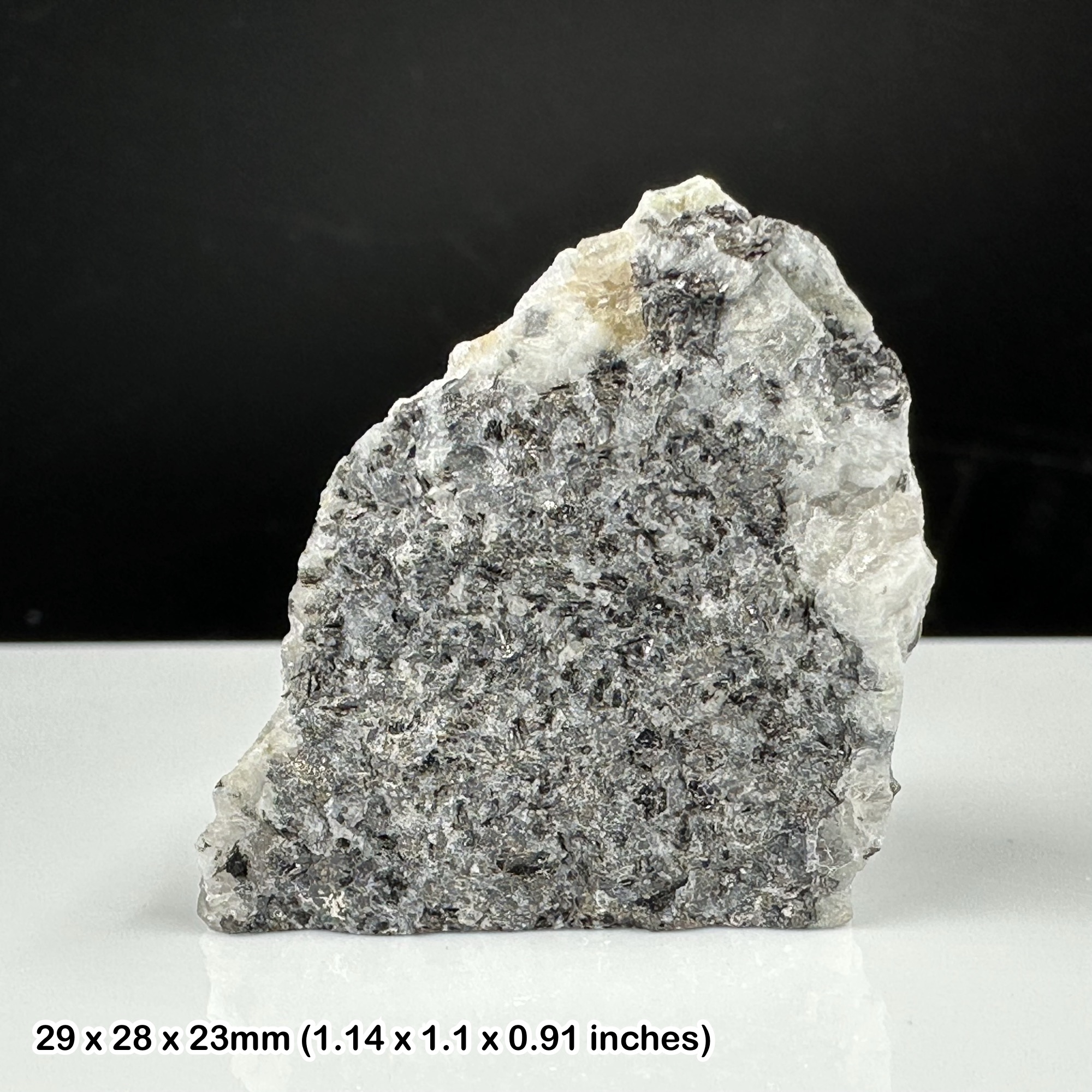
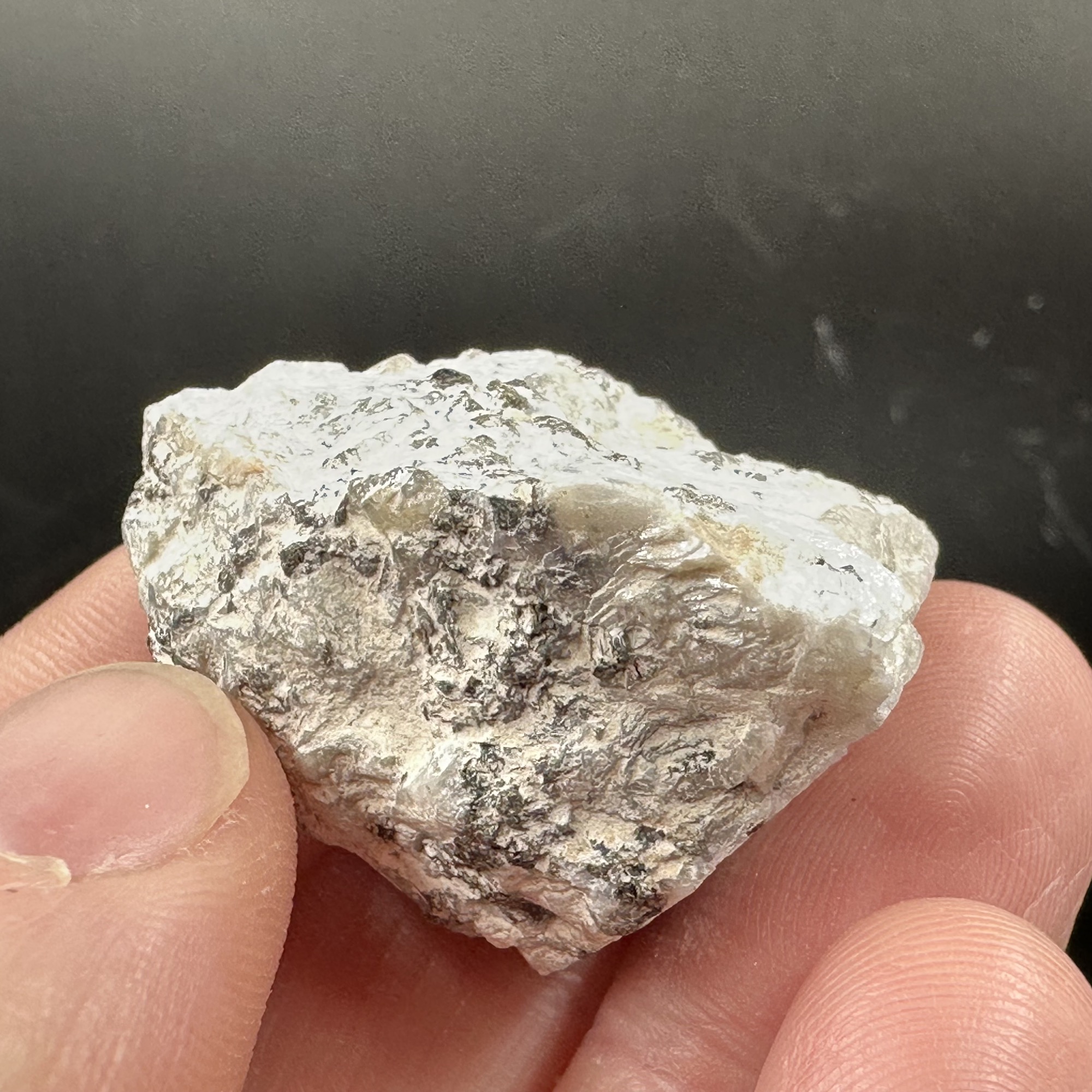
Rainbow Moonstone Rough Natural Feldspar Mineral Specimen India Raw White Labradorite Crystal Collector Stone
£ 9.00
Natural Rough Rainbow Moonstone Mineral Specimen from IndiaThis genuine Rainbow Moonstone rough mineral specimen originates from India, one
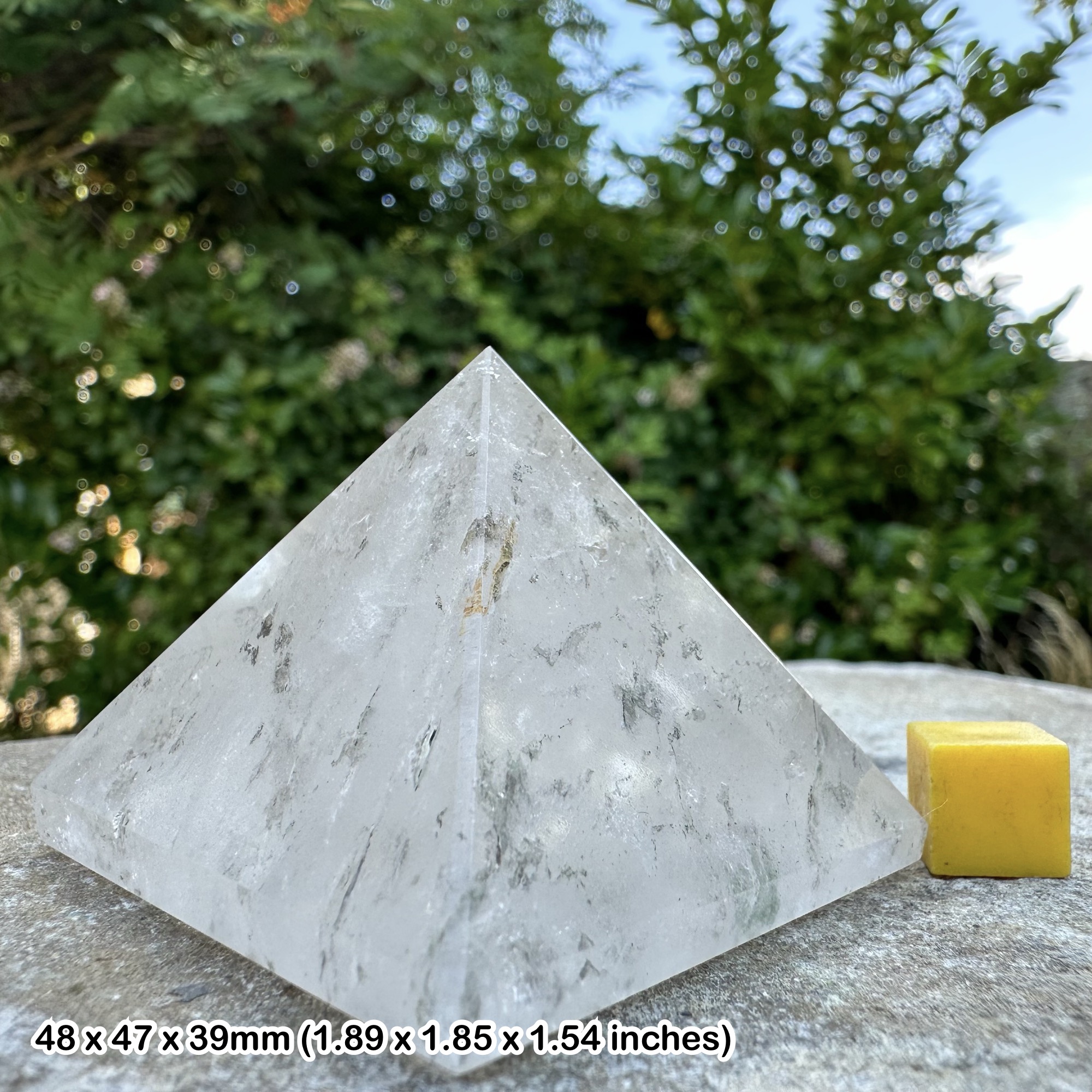
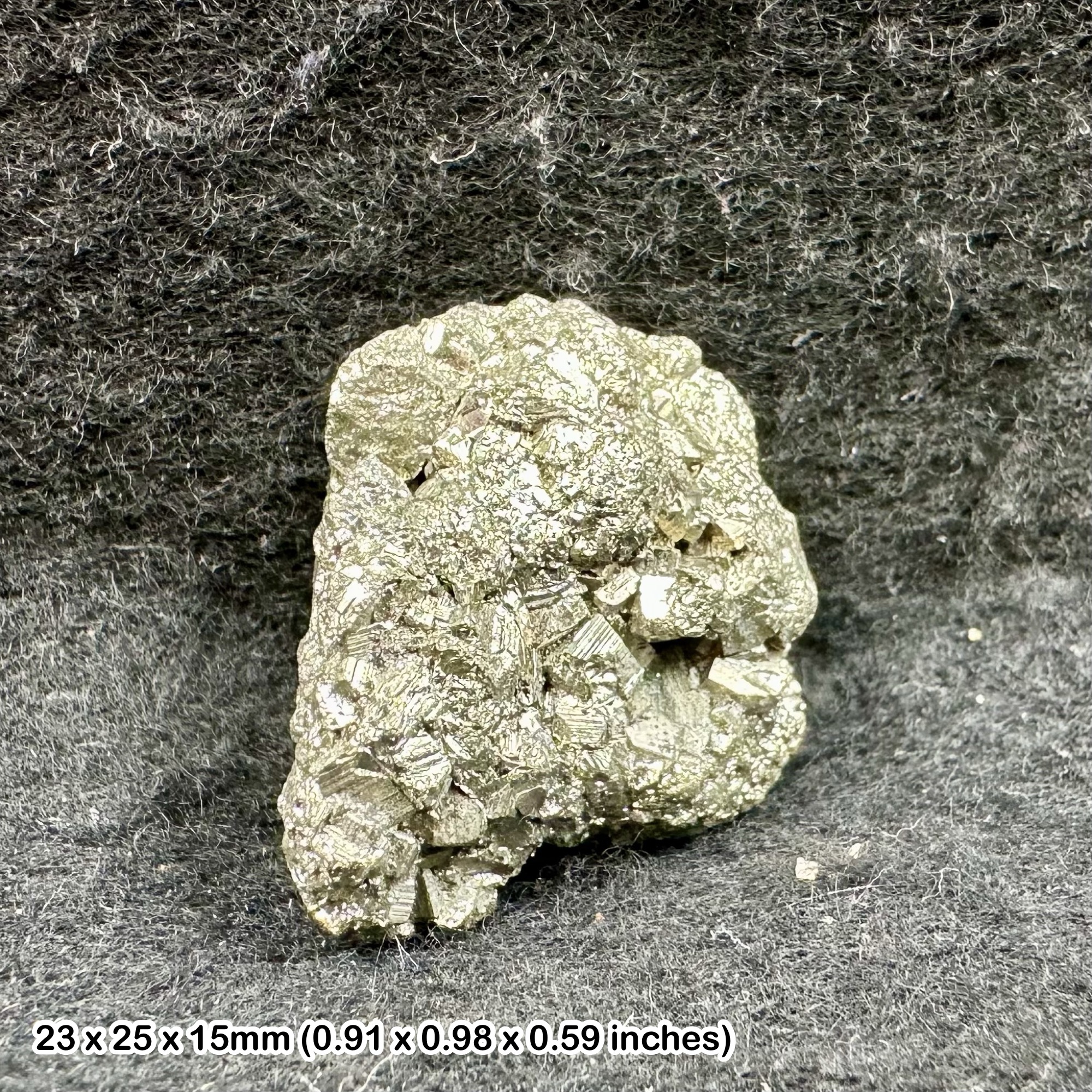
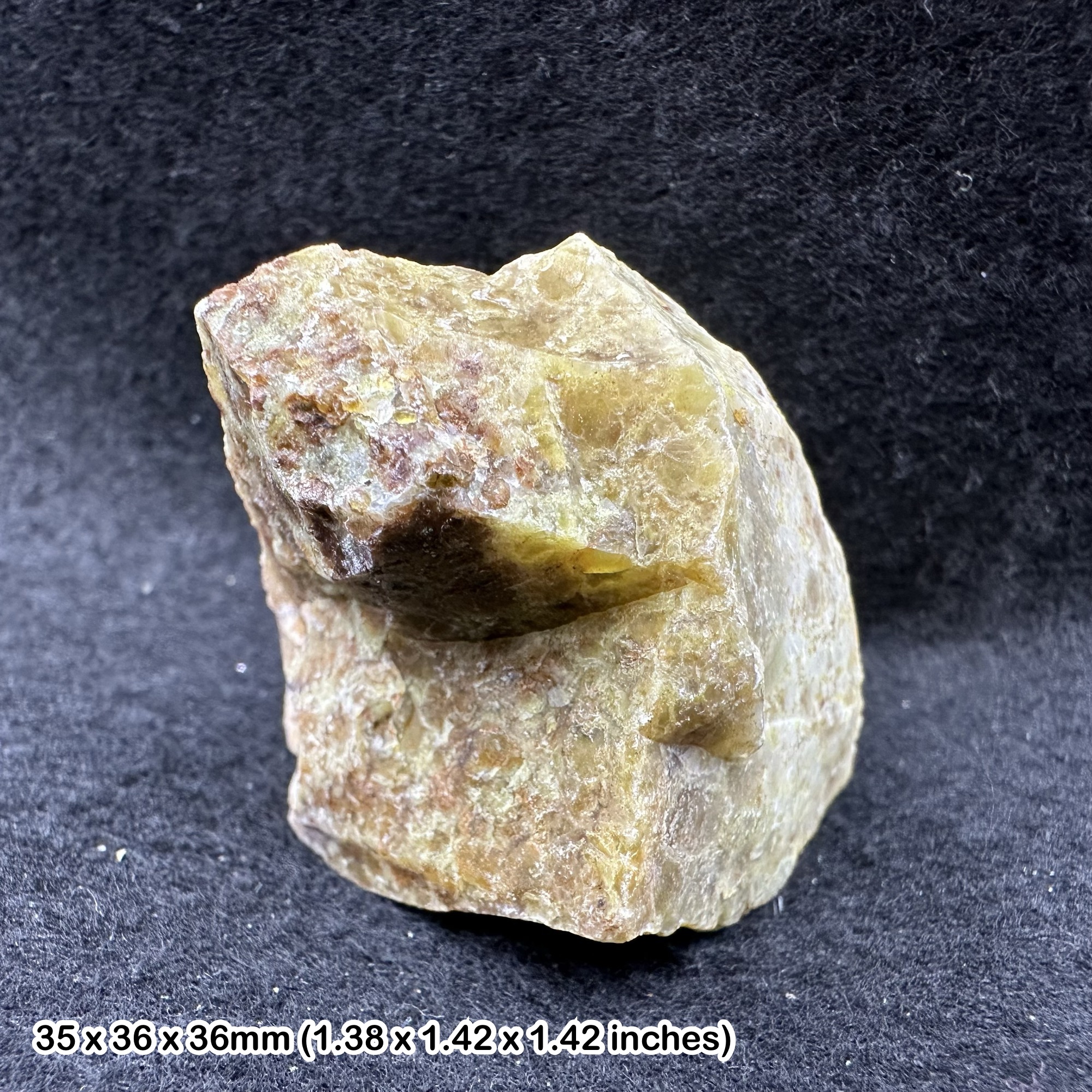
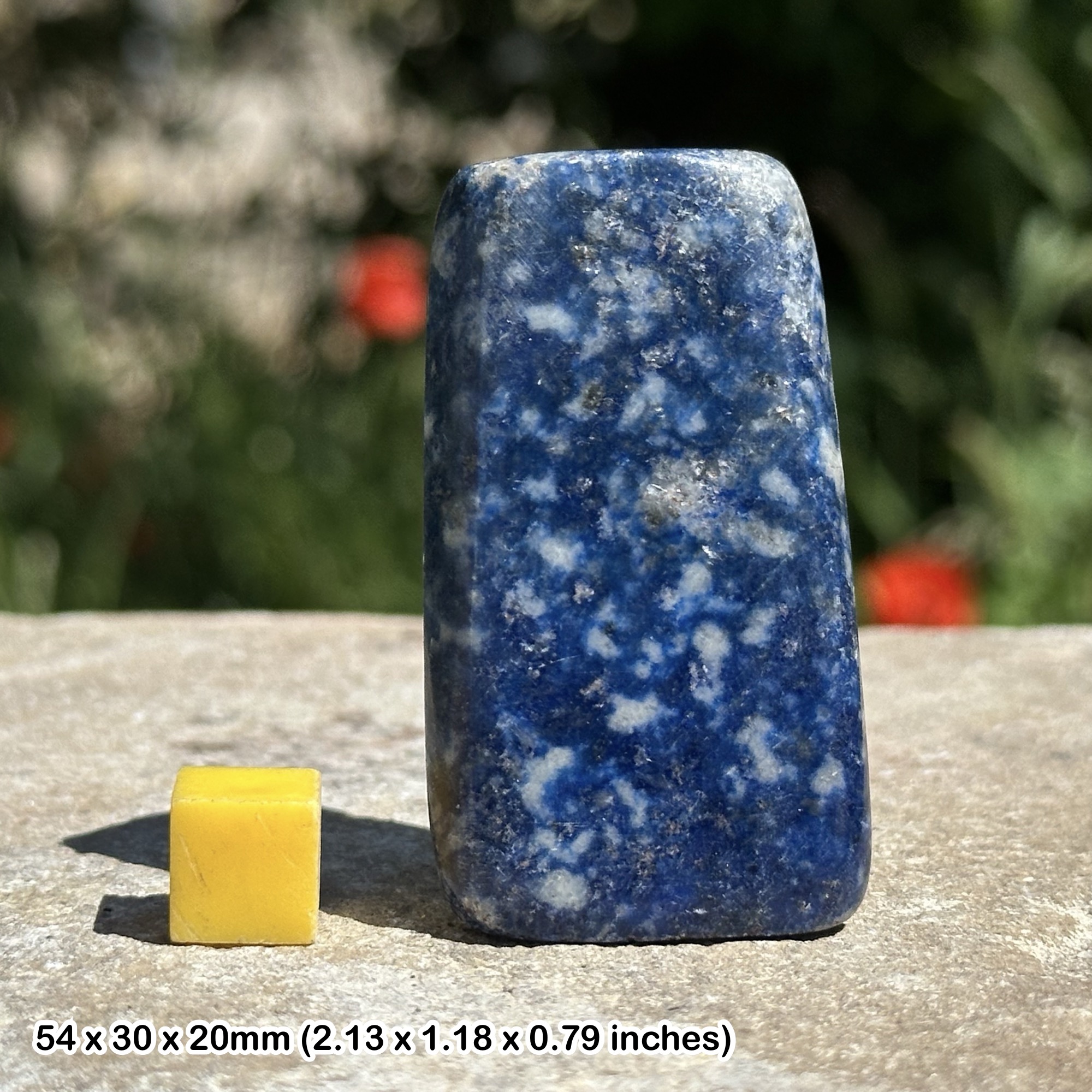
of the most recognised sources of this striking feldspar mineral. Presented in its natural unpolished state, the stone displays the characteristic white to translucent body colour with flashes of iridescent blue or rainbow sheen that make Rainbow Moonstone visually distinctive.The listing photographs show the exact specimen you will receive, allowing collectors and buyers to examine the raw surface textures, natural colour variation, and internal reflective effects. Each piece is carefully chosen for its visible mineral features and overall display quality.This specimen includes a Certificate of Authenticity lifetime guarantee generic card, confirming the mineral as a genuine natural stone.Full sizing and scale can be viewed in the listing photographs.Mineral Type and Scientific ClassificationRainbow Moonstone belongs to the feldspar mineral group, specifically a variety of labradorite, which is part of the plagioclase feldspar series. Although commonly referred to as moonstone in the gemstone trade, Rainbow Moonstone differs mineralogically from classic orthoclase moonstone and instead derives its optical effect from labradorite-type feldspar structures.Key mineralogical properties include:Mineral Group: FeldsparMineral Species: Labradorite (plagioclase feldspar)Mineral Class: TectosilicateChemical Formula: (Ca,Na)(Al,Si)₄O₈Crystal System: TriclinicMohs Hardness: Approximately 6–6.5Lustre: Vitreous to pearlyTransparency: Translucent to opaqueRainbow Moonstone forms primarily as massive feldspar aggregates rather than as individual well-defined crystals.Geological Formation of Rainbow MoonstoneRainbow Moonstone develops within igneous rocks and pegmatite deposits, where feldspar minerals crystallise from slowly cooling magma. During crystallisation, microscopic layers of different feldspar compositions form within the mineral.These layered structures interact with light, producing optical effects known as labradorescence. This phenomenon causes flashes of blue, silver, or subtle rainbow tones to appear across the stone’s surface when viewed from different angles.The formation environment typically involves:Granitic pegmatitesIgneous intrusive rocksHigh-temperature crystallisation zones rich in silica and aluminiumThe layered feldspar structure responsible for this optical effect is a result of internal exsolution between different feldspar components during cooling.Colour Characteristics and Optical EffectsRainbow Moonstone is known for its distinctive optical effect and soft colour palette. Rough specimens often display a pale or milky base colour with flashes of iridescent light.Common visual characteristics include:White to milky translucent body colourBlue flashes or iridescent reflectionsOccasional rainbow-toned optical effectsNatural surface fractures and cleavage typical of feldspar mineralsIn rough form, these flashes may appear intermittently across broken surfaces or along internal planes where light interacts with the mineral structure.Rough Specimen Texture and Natural FormThis specimen is presented in natural rough form, meaning the stone has not been polished or shaped. The raw surface preserves the geological character of the mineral and reveals natural fracture patterns associated with feldspar cleavage.Typical features of rough Rainbow Moonstone include:Irregular natural edgesCleavage planes characteristic of feldsparSubtle internal layeringAreas where light reflection reveals iridescent flashesCollectors often appreciate rough material because it shows the mineral in its natural geological state prior to cutting or polishing.Indian Rainbow Moonstone DepositsIndia is one of the most important global sources for Rainbow Moonstone. The mineral commonly occurs within pegmatite-rich regions where feldspar minerals crystallise under favourable geological conditions.These deposits produce a wide range of feldspar minerals including labradorite, orthoclase, and related varieties. Rainbow Moonstone specimens from India are widely recognised for their attractive blue flashes and milky white matrix.Mineral Collecting and Geological InterestRainbow Moonstone is widely collected due to its optical effects and its place within the feldspar mineral family, which forms a major portion of Earth’s crust.Rough specimens such as this are often included in:Feldspar mineral collectionsOptical mineral displaysIgneous rock and pegmatite collectionsEducational geology setsThe combination of feldspar structure and visible labradorescence makes it an interesting example of mineral optical phenomena.Cultural and Traditional AssociationsThroughout history, moonstone varieties have appeared in decorative carvings and jewellery due to their reflective optical qualities. In various traditions, stones displaying luminous flashes have been traditionally associated with symbolism connected to reflection, cycles, or intuition, interpretations rooted in cultural beliefs rather than scientific mineral properties.Authenticity and Exact SpecimenThis listing features a genuine rough Rainbow Moonstone mineral specimen from India. The photographs clearly show the exact stone you will receive, allowing you to inspect the natural textures and internal flashes before purchase.Each purchase includes a Certificate of Authenticity lifetime guarantee generic card confirming the authenticity of the mineral.Please refer to the photographs for full sizing and scale. The specimen shown is the exact Rainbow Moonstone rough mineral that will be shipped.
of the most recognised sources of this striking feldspar mineral. Presented in its natural unpolished state, the stone displays the characteristic white to translucent body colour with flashes of iridescent blue or rainbow sheen that make Rainbow Moonstone visually distinctive.The listing photographs show the exact specimen you will receive, allowing collectors and buyers to examine the raw surface textures, natural colour variation, and internal reflective effects. Each piece is carefully chosen for its visible mineral features and overall display quality.This specimen includes a Certificate of Authenticity lifetime guarantee generic card, confirming the mineral as a genuine natural stone.Full sizing and scale can be viewed in the listing photographs.Mineral Type and Scientific ClassificationRainbow Moonstone belongs to the feldspar mineral group, specifically a variety of labradorite, which is part of the plagioclase feldspar series. Although commonly referred to as moonstone in the gemstone trade, Rainbow Moonstone differs mineralogically from classic orthoclase moonstone and instead derives its optical effect from labradorite-type feldspar structures.Key mineralogical properties include:Mineral Group: FeldsparMineral Species: Labradorite (plagioclase feldspar)Mineral Class: TectosilicateChemical Formula: (Ca,Na)(Al,Si)₄O₈Crystal System: TriclinicMohs Hardness: Approximately 6–6.5Lustre: Vitreous to pearlyTransparency: Translucent to opaqueRainbow Moonstone forms primarily as massive feldspar aggregates rather than as individual well-defined crystals.Geological Formation of Rainbow MoonstoneRainbow Moonstone develops within igneous rocks and pegmatite deposits, where feldspar minerals crystallise from slowly cooling magma. During crystallisation, microscopic layers of different feldspar compositions form within the mineral.These layered structures interact with light, producing optical effects known as labradorescence. This phenomenon causes flashes of blue, silver, or subtle rainbow tones to appear across the stone’s surface when viewed from different angles.The formation environment typically involves:Granitic pegmatitesIgneous intrusive rocksHigh-temperature crystallisation zones rich in silica and aluminiumThe layered feldspar structure responsible for this optical effect is a result of internal exsolution between different feldspar components during cooling.Colour Characteristics and Optical EffectsRainbow Moonstone is known for its distinctive optical effect and soft colour palette. Rough specimens often display a pale or milky base colour with flashes of iridescent light.Common visual characteristics include:White to milky translucent body colourBlue flashes or iridescent reflectionsOccasional rainbow-toned optical effectsNatural surface fractures and cleavage typical of feldspar mineralsIn rough form, these flashes may appear intermittently across broken surfaces or along internal planes where light interacts with the mineral structure.Rough Specimen Texture and Natural FormThis specimen is presented in natural rough form, meaning the stone has not been polished or shaped. The raw surface preserves the geological character of the mineral and reveals natural fracture patterns associated with feldspar cleavage.Typical features of rough Rainbow Moonstone include:Irregular natural edgesCleavage planes characteristic of feldsparSubtle internal layeringAreas where light reflection reveals iridescent flashesCollectors often appreciate rough material because it shows the mineral in its natural geological state prior to cutting or polishing.Indian Rainbow Moonstone DepositsIndia is one of the most important global sources for Rainbow Moonstone. The mineral commonly occurs within pegmatite-rich regions where feldspar minerals crystallise under favourable geological conditions.These deposits produce a wide range of feldspar minerals including labradorite, orthoclase, and related varieties. Rainbow Moonstone specimens from India are widely recognised for their attractive blue flashes and milky white matrix.Mineral Collecting and Geological InterestRainbow Moonstone is widely collected due to its optical effects and its place within the feldspar mineral family, which forms a major portion of Earth’s crust.Rough specimens such as this are often included in:Feldspar mineral collectionsOptical mineral displaysIgneous rock and pegmatite collectionsEducational geology setsThe combination of feldspar structure and visible labradorescence makes it an interesting example of mineral optical phenomena.Cultural and Traditional AssociationsThroughout history, moonstone varieties have appeared in decorative carvings and jewellery due to their reflective optical qualities. In various traditions, stones displaying luminous flashes have been traditionally associated with symbolism connected to reflection, cycles, or intuition, interpretations rooted in cultural beliefs rather than scientific mineral properties.Authenticity and Exact SpecimenThis listing features a genuine rough Rainbow Moonstone mineral specimen from India. The photographs clearly show the exact stone you will receive, allowing you to inspect the natural textures and internal flashes before purchase.Each purchase includes a Certificate of Authenticity lifetime guarantee generic card confirming the authenticity of the mineral.Please refer to the photographs for full sizing and scale. The specimen shown is the exact Rainbow Moonstone rough mineral that will be shipped.
Other Products