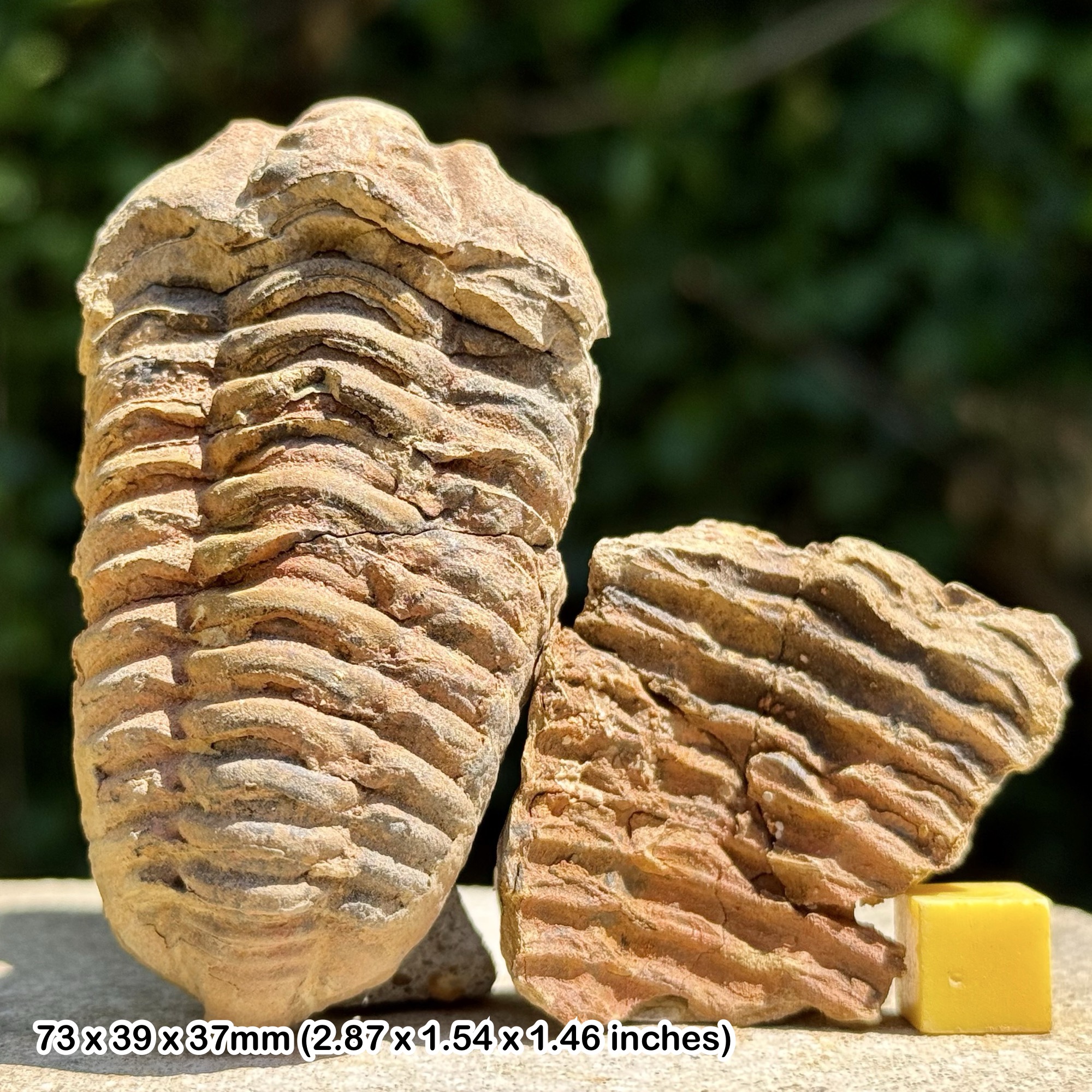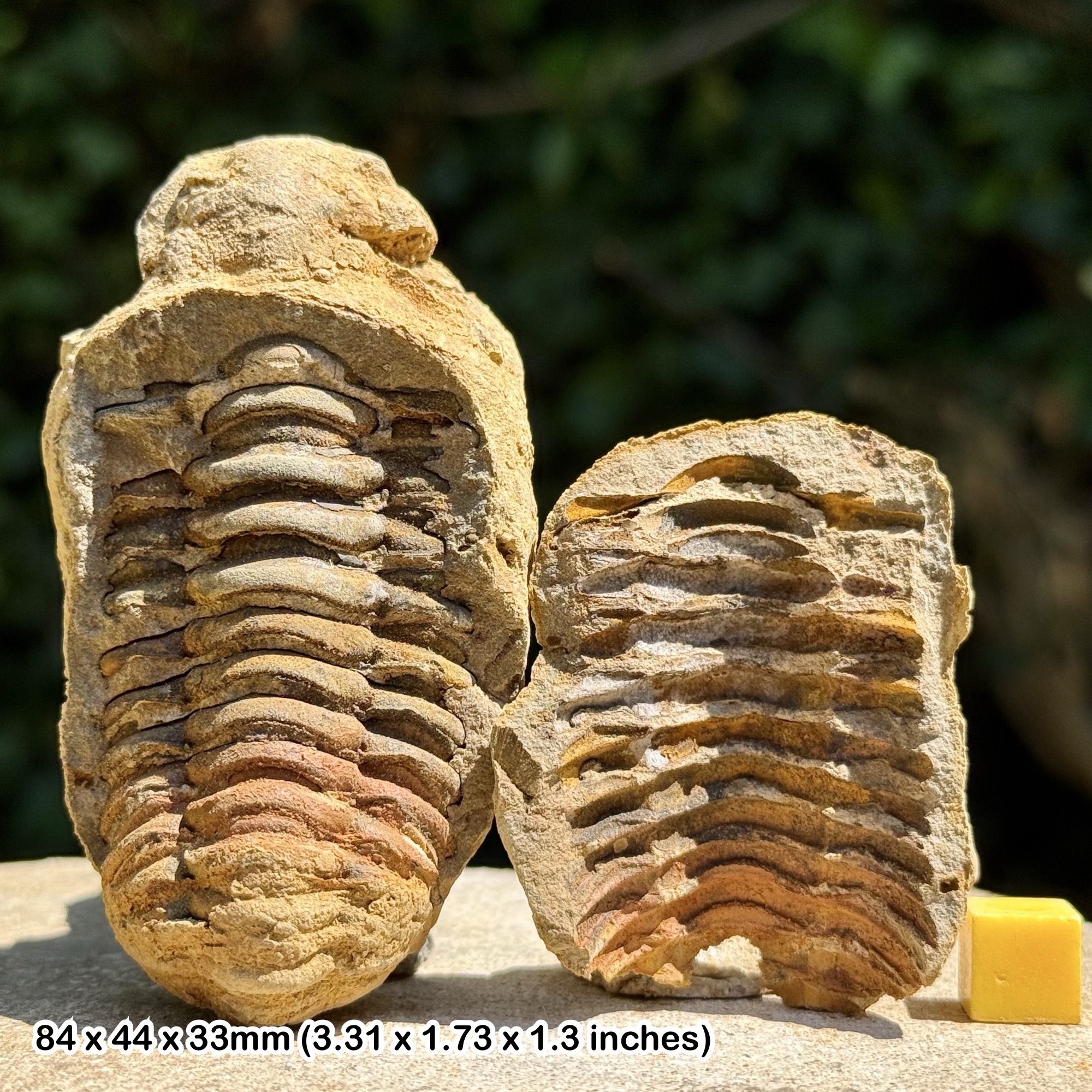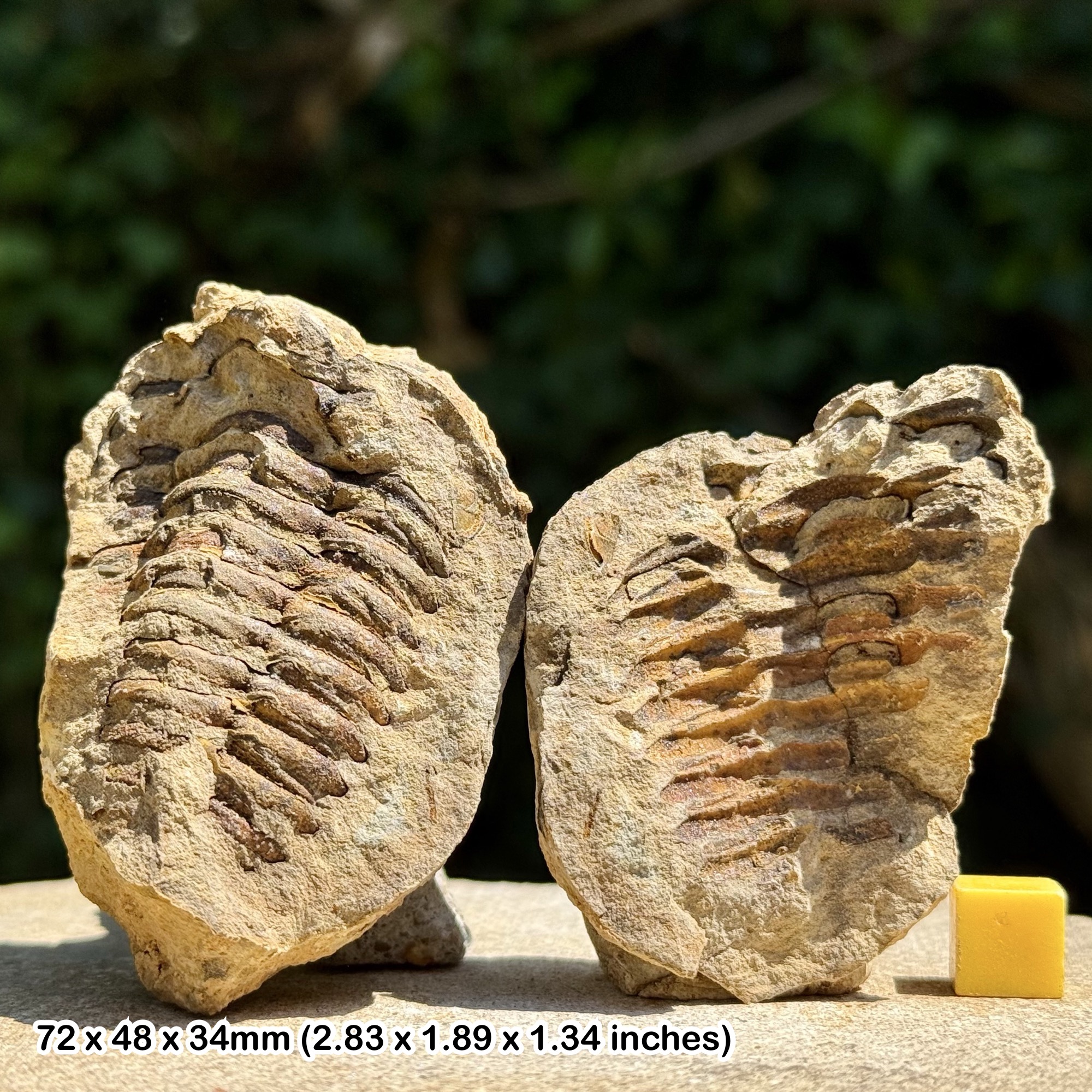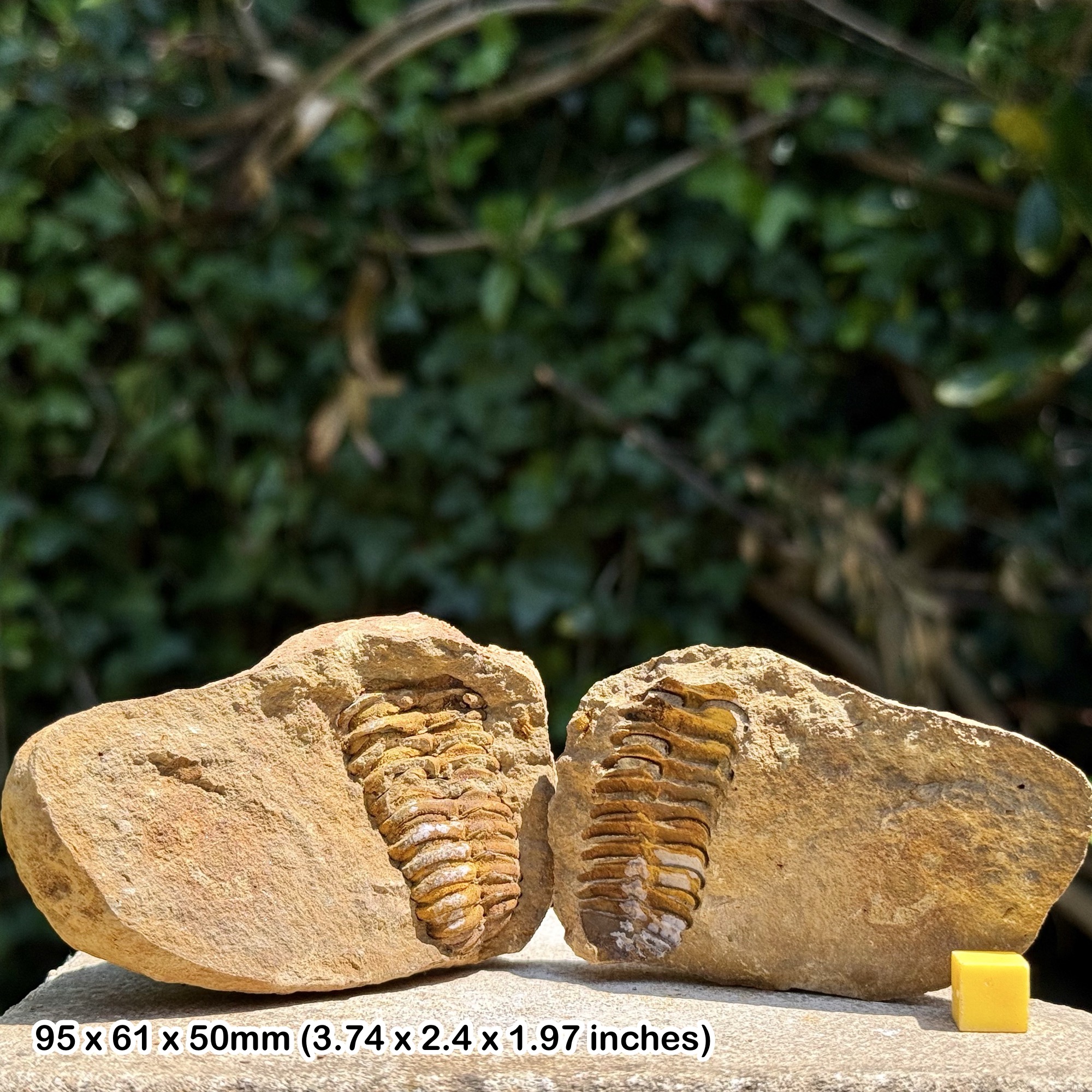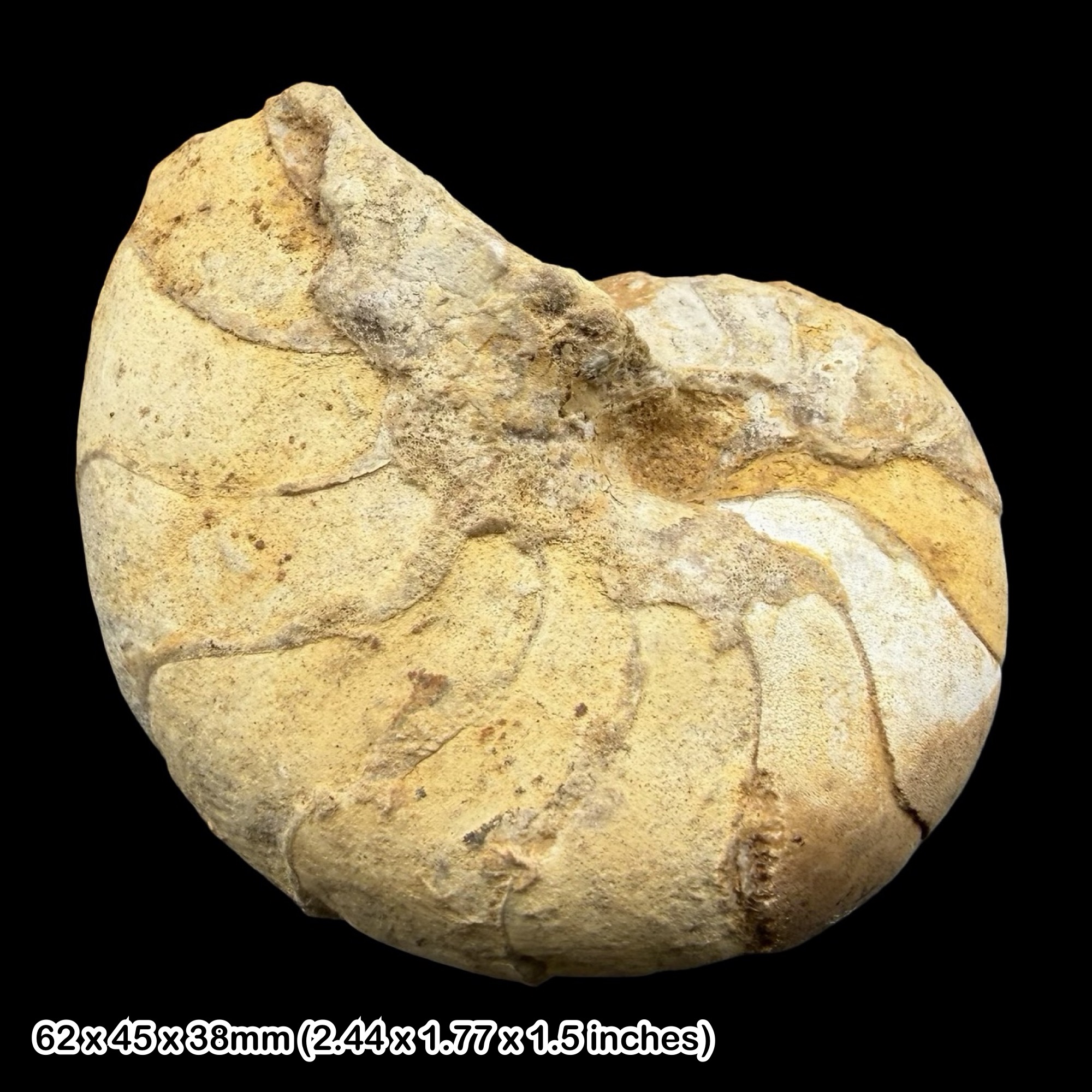
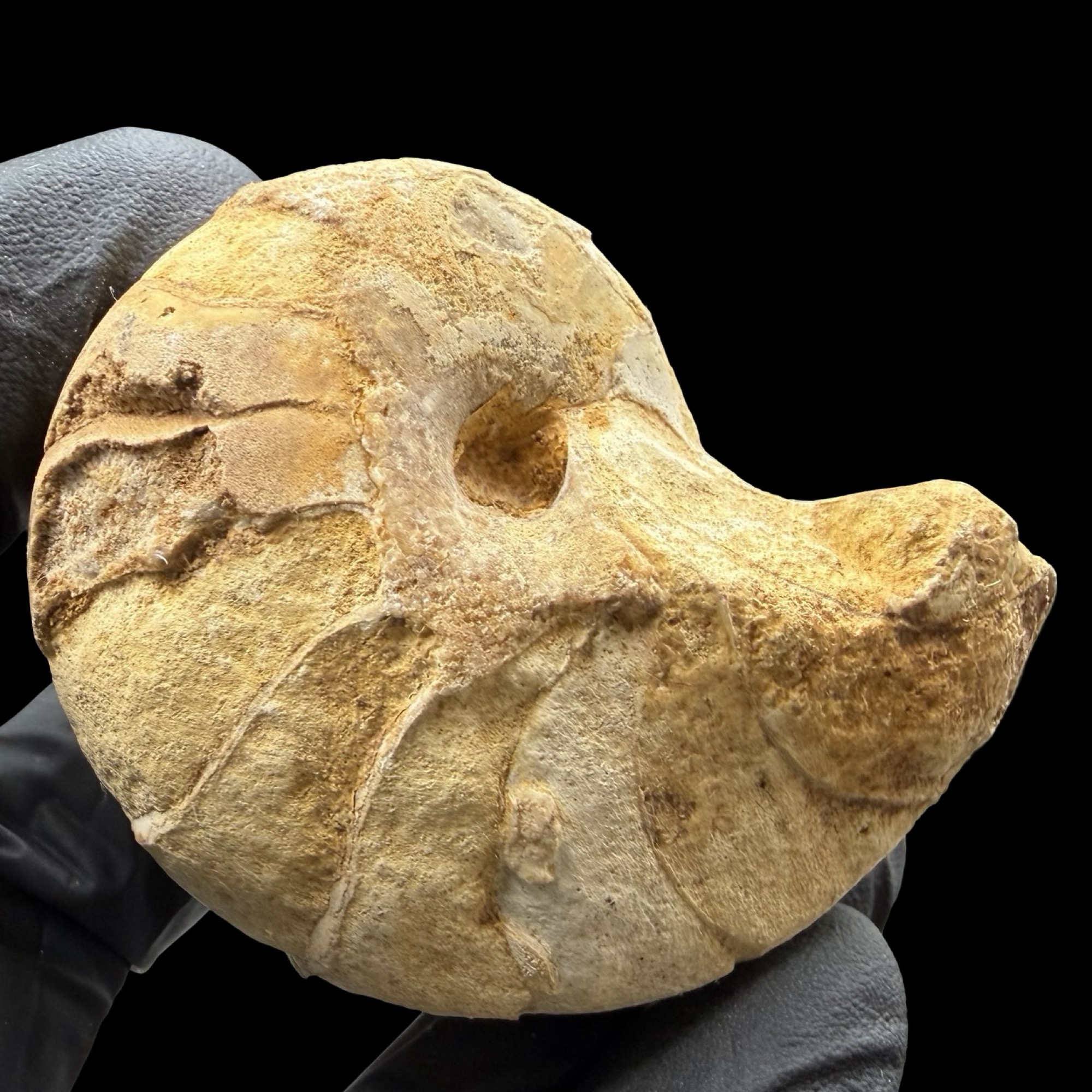
Cenoceras lineatum Nautiloid Fossil Jurassic France COA Genuine Rare Bajocian, Calvados Normandy Marine Cephalopod Collectable
£ 36.00
Genuine Cenoceras lineatum Nautiloid FossilThis listing is for a genuine Cenoceras lineatum nautiloid fossil from Calvados,
Normandy, France, dating to the Middle Jurassic, Bajocian stage. This carefully chosen fossil is an authentic natural specimen and includes a Certificate of Authenticity lifetime guarantee generic card. The photograph shows the actual fossil you will receive, so the piece pictured is the exact specimen supplied. Full sizing details can be seen in the photo.Nautiloids are classic prehistoric marine cephalopods and are closely related to the modern chambered nautilus. While ammonites are often more widely recognised, fossil nautiloids are highly desirable in their own right because they represent a long-lived and ancient branch of cephalopod evolution. This Cenoceras lineatum fossil is an excellent specimen for fossil collectors, Jurassic fossil enthusiasts, natural history displays, educational collections, and anyone interested in genuine marine fossils from Europe.Fossil Type and SpeciesCenoceras lineatum is a nautiloid, a type of shelled cephalopod with a coiled, chambered shell. The living animal occupied the outer body chamber, while the older inner chambers helped regulate buoyancy. These chambers were connected by a tube-like structure called the siphuncle, which allowed the animal to control gas and fluid within the shell and move through the water column.Unlike many ammonites, which often display complex ribbing and highly decorative sutures, nautiloids such as Cenoceras are generally known for a smoother, more robust shell form. Cenoceras typically has a planispiral coiled shell, rounded whorls, and a strong, elegant profile. The species name lineatum reflects the lined or striated character associated with the shell surface, depending on preservation. This gives the fossil a refined and natural appearance that appeals to collectors of both ammonites and nautiloids.Middle Jurassic Bajocian AgeThis fossil dates to the Bajocian stage of the Middle Jurassic Period, a time when warm shallow seas covered many parts of Europe. During the Bajocian, marine ecosystems were rich and diverse, supporting nautiloids, ammonites, belemnites, bivalves, brachiopods, gastropods, echinoids, crinoids, fish, and marine reptiles.Nautiloids were successful marine predators and scavengers, using their buoyant shells and tentacles to move through ancient seas in search of food. While ammonites evolved rapidly and became important index fossils, nautiloids followed a more conservative evolutionary path, retaining a shell structure that remained broadly similar over very long spans of geological time. This makes a Cenoceras fossil a fascinating link between ancient Jurassic seas and the living nautilus of today.Calvados, Normandy Fossil LocalityThis specimen comes from Calvados in Normandy, France, a region well known for Jurassic marine sediments and fossil-bearing deposits. Normandy’s Jurassic rocks preserve evidence of the warm seas that once covered this part of western Europe. Fossils from this region are popular with collectors because they combine attractive preservation, classic European provenance, and strong geological interest.The marine sediments of Calvados record ancient sea-floor environments where shells and skeletal remains accumulated, were buried by sediment, and gradually mineralised over millions of years. Nautiloids such as Cenoceras would have lived in these marine settings alongside other Jurassic cephalopods and invertebrates, forming part of a complex prehistoric ecosystem.Morphology and Collectable FeaturesCenoceras lineatum is appreciated for its classic coiled nautiloid form and natural Jurassic character. Depending on preservation, the fossil may show rounded whorls, a visible body chamber, chamber divisions, subtle shell lines, natural mineralisation, and matrix from the surrounding rock. Its robust shell shape gives it a strong display presence and makes it a distinctive alternative to more common ammonite fossils.As a genuine natural fossil, this specimen may show normal signs of age and preservation, including surface texture, mineral replacement, matrix attachment, small chips, repairs, weathering, compression, or natural colour variation. These features are typical of authentic fossils and form part of the individual character of the piece. This is not a modern replica, cast, or decorative imitation.Provenance and AuthenticityFossil type: NautiloidSpecies: Cenoceras lineatumAge: Middle Jurassic, BajocianLocality: Calvados, Normandy, FranceCertificate: Includes a Certificate of Authenticity lifetime guarantee generic cardSpecimen shown: The photo shows the actual fossil you will receiveSize: Full sizing shown in the photoThis Cenoceras lineatum nautiloid fossil is a carefully selected genuine specimen with excellent appeal for collectors of Jurassic fossils, French fossils, marine cephalopods, nautiloids, ammonites, and prehistoric natural history. Its Bajocian age, Normandy provenance, classic coiled shell form, and included Certificate of Authenticity make it a desirable addition to any fossil collection, display cabinet, teaching set, or geology-themed gift.
Normandy, France, dating to the Middle Jurassic, Bajocian stage. This carefully chosen fossil is an authentic natural specimen and includes a Certificate of Authenticity lifetime guarantee generic card. The photograph shows the actual fossil you will receive, so the piece pictured is the exact specimen supplied. Full sizing details can be seen in the photo.Nautiloids are classic prehistoric marine cephalopods and are closely related to the modern chambered nautilus. While ammonites are often more widely recognised, fossil nautiloids are highly desirable in their own right because they represent a long-lived and ancient branch of cephalopod evolution. This Cenoceras lineatum fossil is an excellent specimen for fossil collectors, Jurassic fossil enthusiasts, natural history displays, educational collections, and anyone interested in genuine marine fossils from Europe.Fossil Type and SpeciesCenoceras lineatum is a nautiloid, a type of shelled cephalopod with a coiled, chambered shell. The living animal occupied the outer body chamber, while the older inner chambers helped regulate buoyancy. These chambers were connected by a tube-like structure called the siphuncle, which allowed the animal to control gas and fluid within the shell and move through the water column.Unlike many ammonites, which often display complex ribbing and highly decorative sutures, nautiloids such as Cenoceras are generally known for a smoother, more robust shell form. Cenoceras typically has a planispiral coiled shell, rounded whorls, and a strong, elegant profile. The species name lineatum reflects the lined or striated character associated with the shell surface, depending on preservation. This gives the fossil a refined and natural appearance that appeals to collectors of both ammonites and nautiloids.Middle Jurassic Bajocian AgeThis fossil dates to the Bajocian stage of the Middle Jurassic Period, a time when warm shallow seas covered many parts of Europe. During the Bajocian, marine ecosystems were rich and diverse, supporting nautiloids, ammonites, belemnites, bivalves, brachiopods, gastropods, echinoids, crinoids, fish, and marine reptiles.Nautiloids were successful marine predators and scavengers, using their buoyant shells and tentacles to move through ancient seas in search of food. While ammonites evolved rapidly and became important index fossils, nautiloids followed a more conservative evolutionary path, retaining a shell structure that remained broadly similar over very long spans of geological time. This makes a Cenoceras fossil a fascinating link between ancient Jurassic seas and the living nautilus of today.Calvados, Normandy Fossil LocalityThis specimen comes from Calvados in Normandy, France, a region well known for Jurassic marine sediments and fossil-bearing deposits. Normandy’s Jurassic rocks preserve evidence of the warm seas that once covered this part of western Europe. Fossils from this region are popular with collectors because they combine attractive preservation, classic European provenance, and strong geological interest.The marine sediments of Calvados record ancient sea-floor environments where shells and skeletal remains accumulated, were buried by sediment, and gradually mineralised over millions of years. Nautiloids such as Cenoceras would have lived in these marine settings alongside other Jurassic cephalopods and invertebrates, forming part of a complex prehistoric ecosystem.Morphology and Collectable FeaturesCenoceras lineatum is appreciated for its classic coiled nautiloid form and natural Jurassic character. Depending on preservation, the fossil may show rounded whorls, a visible body chamber, chamber divisions, subtle shell lines, natural mineralisation, and matrix from the surrounding rock. Its robust shell shape gives it a strong display presence and makes it a distinctive alternative to more common ammonite fossils.As a genuine natural fossil, this specimen may show normal signs of age and preservation, including surface texture, mineral replacement, matrix attachment, small chips, repairs, weathering, compression, or natural colour variation. These features are typical of authentic fossils and form part of the individual character of the piece. This is not a modern replica, cast, or decorative imitation.Provenance and AuthenticityFossil type: NautiloidSpecies: Cenoceras lineatumAge: Middle Jurassic, BajocianLocality: Calvados, Normandy, FranceCertificate: Includes a Certificate of Authenticity lifetime guarantee generic cardSpecimen shown: The photo shows the actual fossil you will receiveSize: Full sizing shown in the photoThis Cenoceras lineatum nautiloid fossil is a carefully selected genuine specimen with excellent appeal for collectors of Jurassic fossils, French fossils, marine cephalopods, nautiloids, ammonites, and prehistoric natural history. Its Bajocian age, Normandy provenance, classic coiled shell form, and included Certificate of Authenticity make it a desirable addition to any fossil collection, display cabinet, teaching set, or geology-themed gift.
Other Products