Mantelliceras lymense Ammonite Fossil Lower Chalk Cretaceous UK COA Card Genuine - Cenomanian Steyning Sussex Collector Specimen
£ 10.20
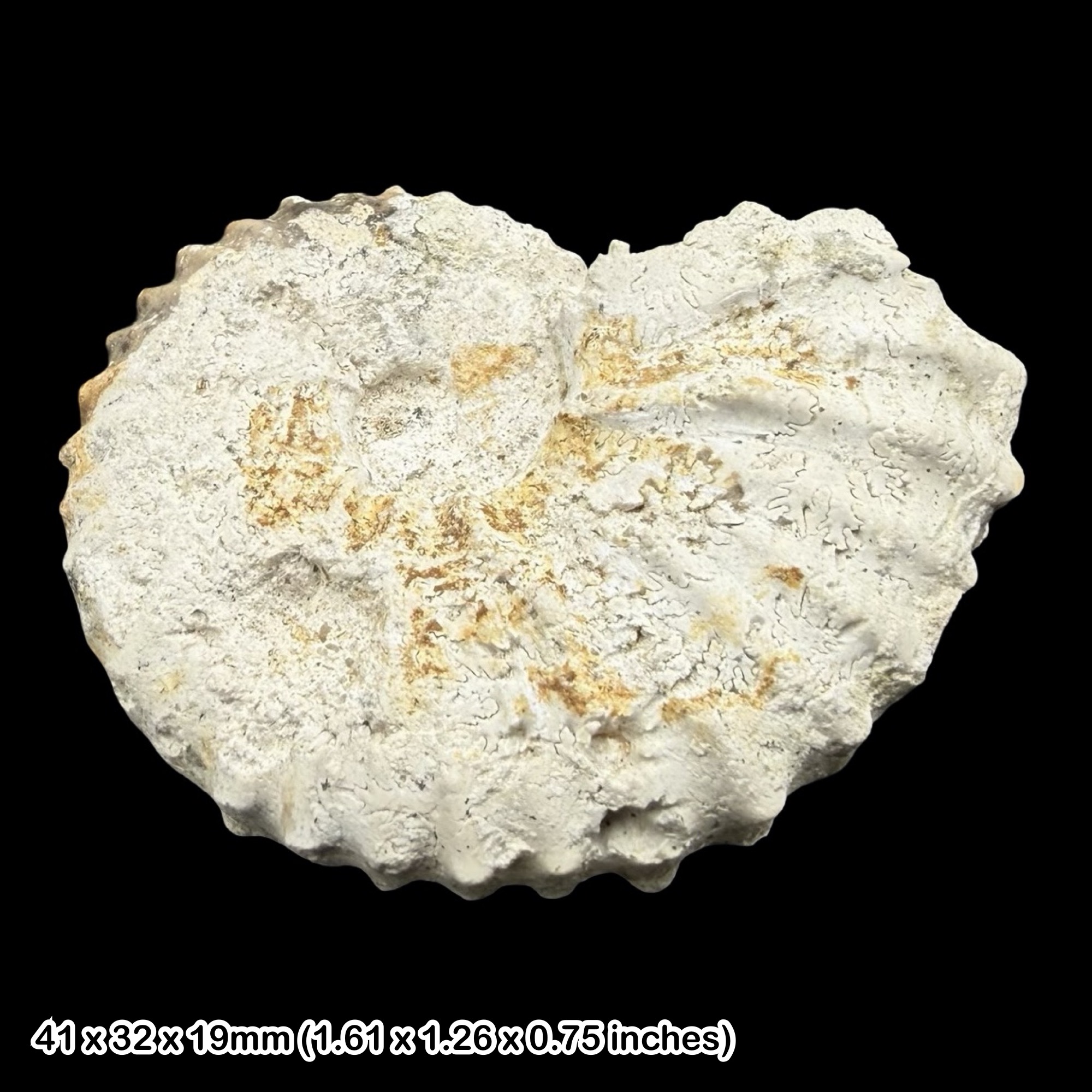
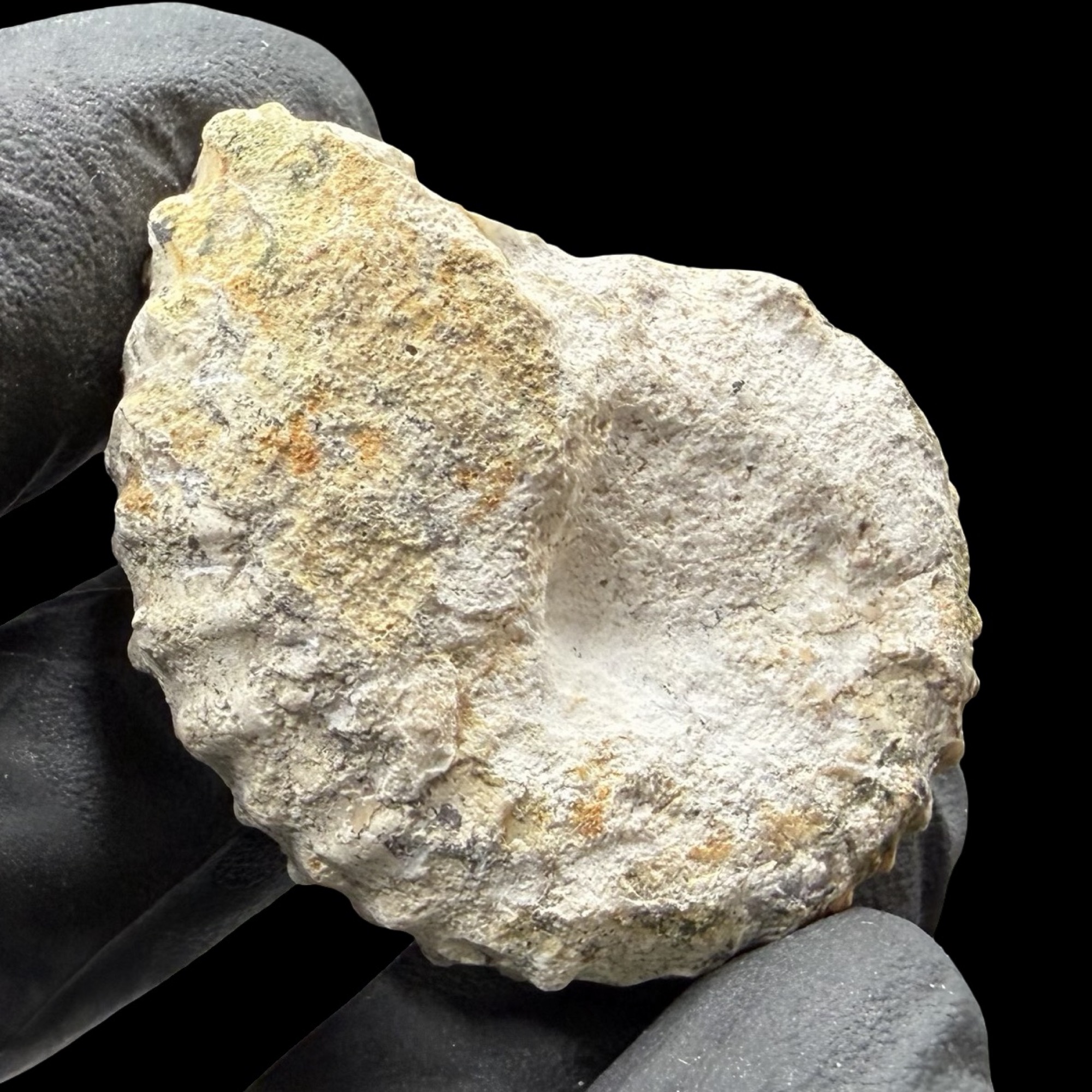
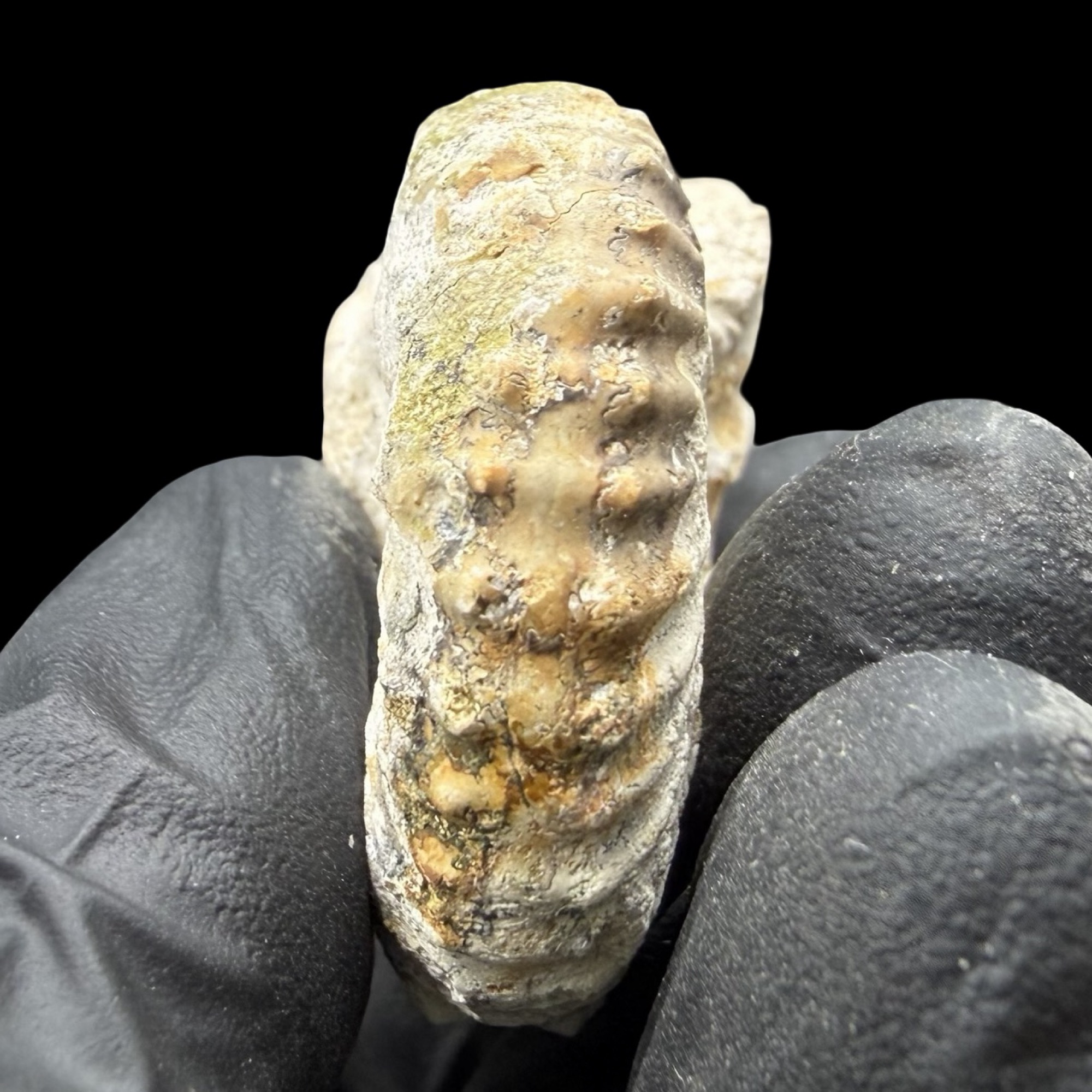
Mantelliceras lymense Ammonite Fossil from Steyning, West SussexThis is a genuine Mantelliceras lymense ammonite fossil from the Lower Chalk,
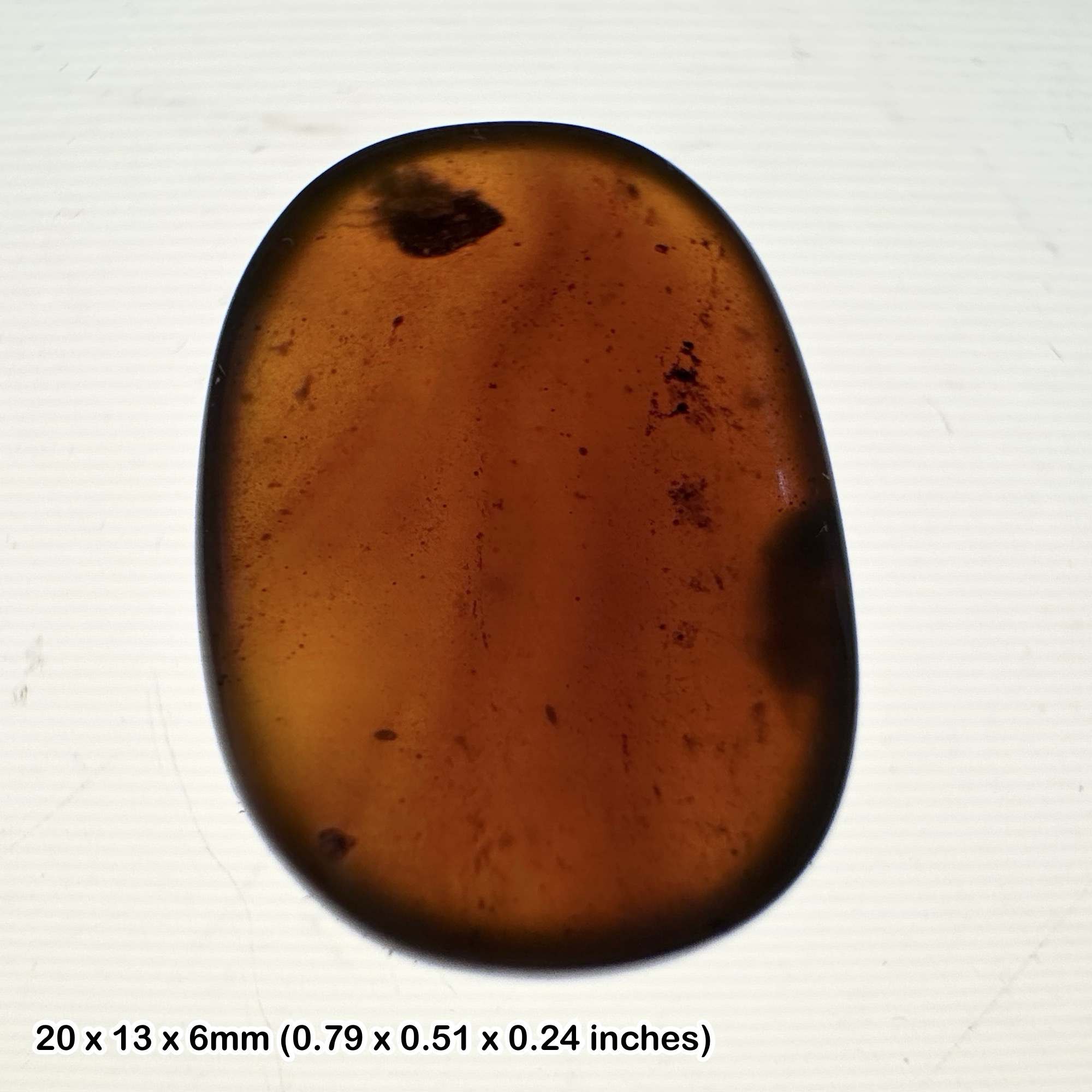
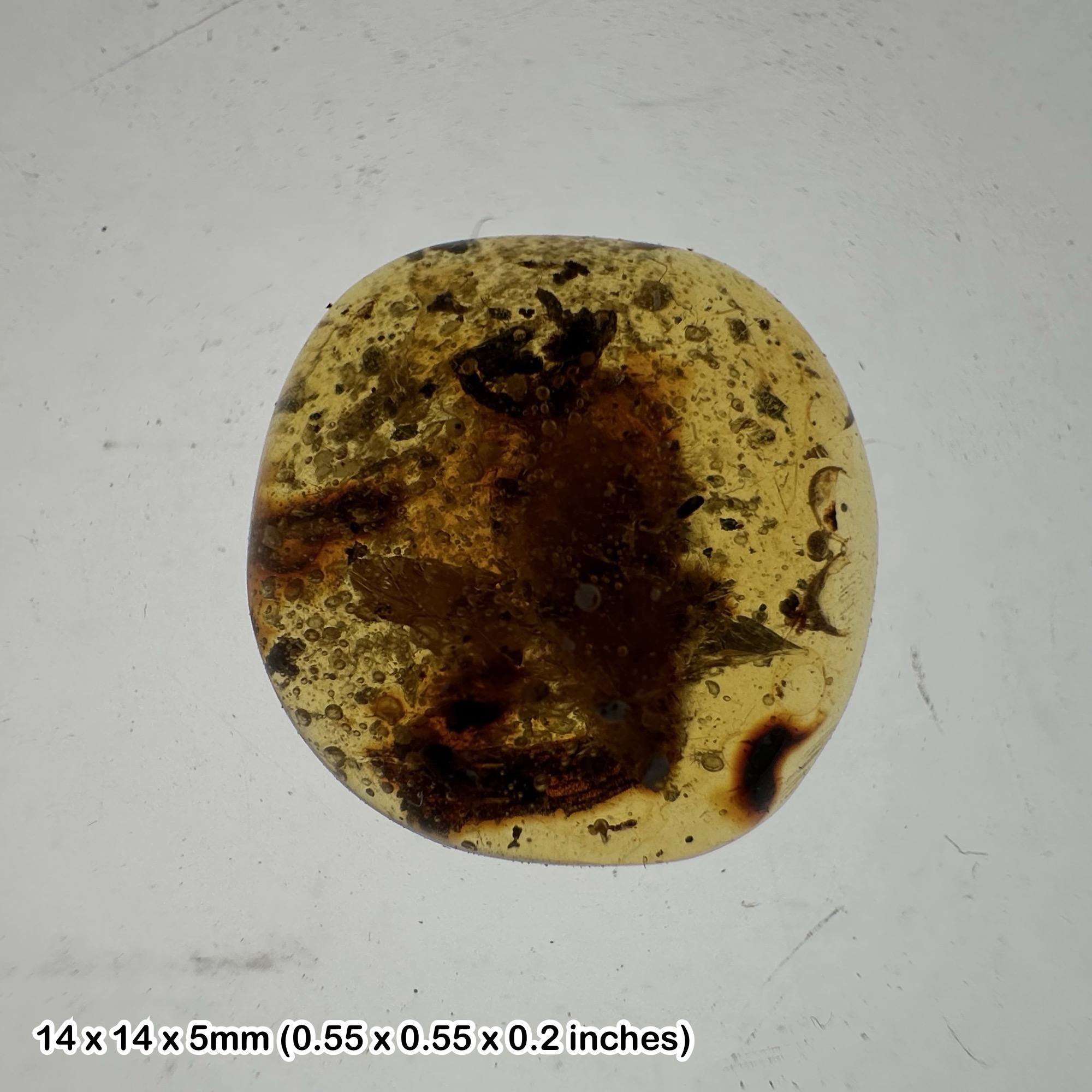
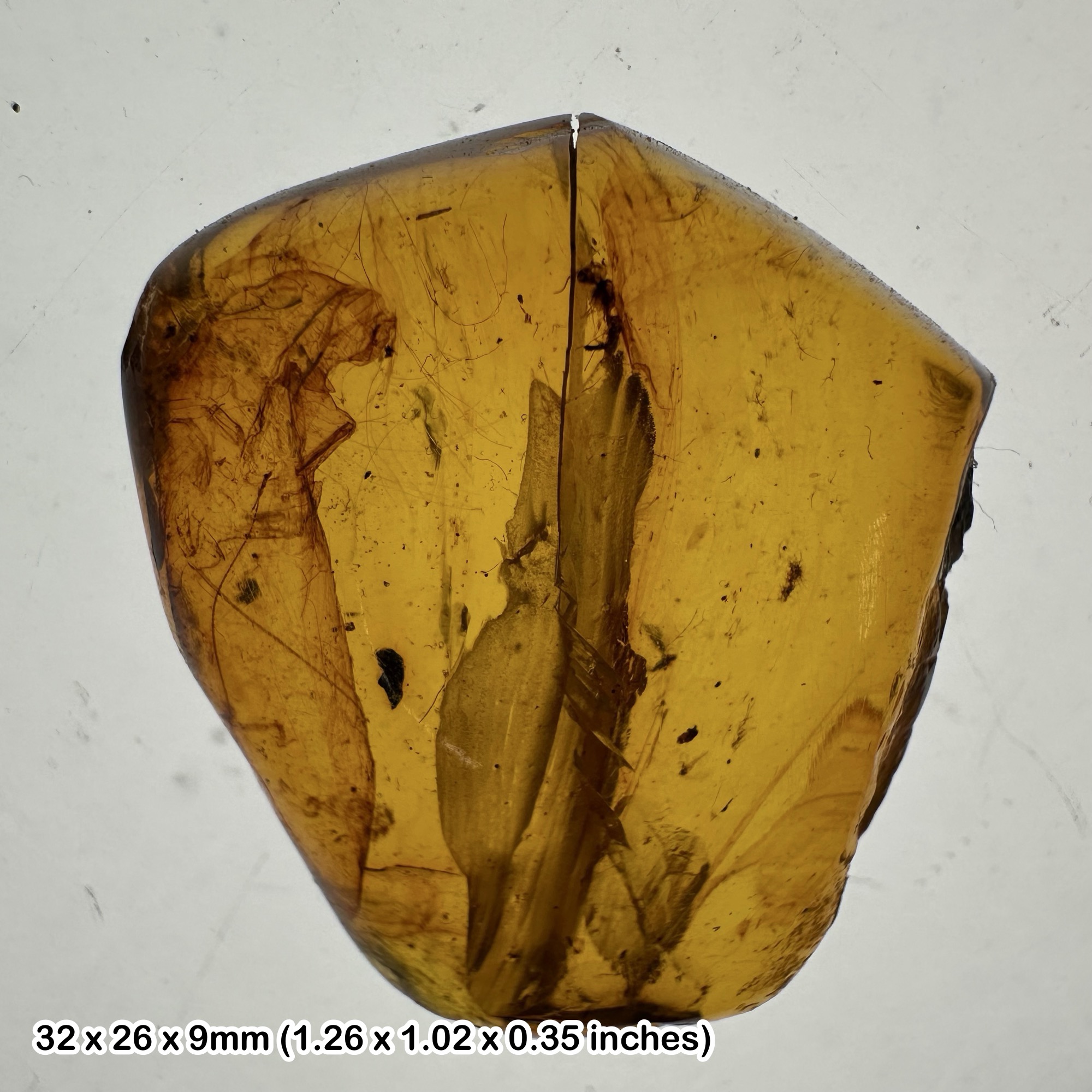
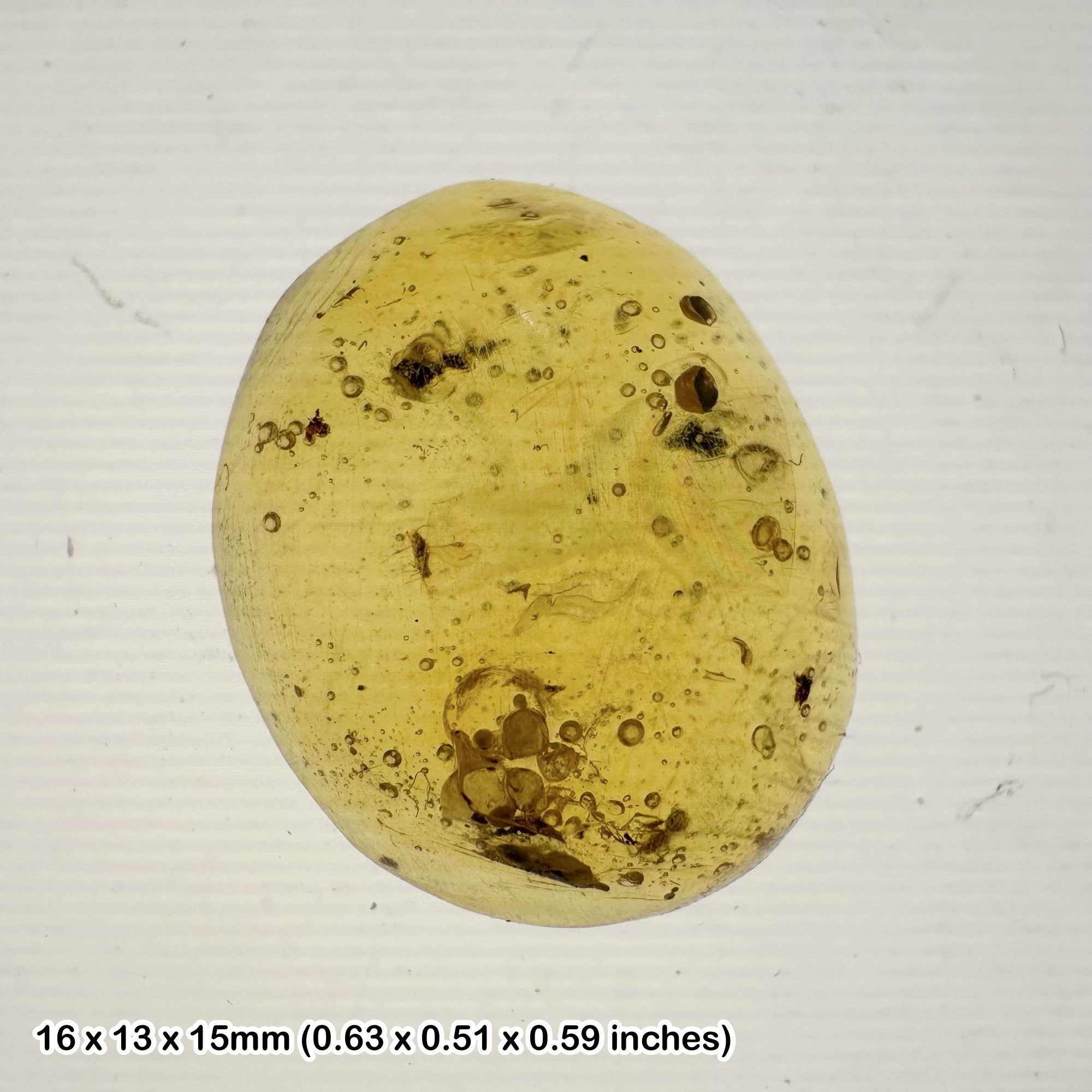
dating to the Lower Cenomanian stage of the Upper Cretaceous, collected from Steyning, West Sussex, UK. This carefully chosen fossil is a desirable British Cretaceous ammonite specimen and is supplied with a Certificate of Authenticity lifetime guarantee generic card. The photograph shows the actual fossil specimen you will receive, making it ideal for collectors, fossil displays, geology education, natural history collections, or as a thoughtful gift for anyone interested in prehistoric marine life.Full sizing and scale can be seen in the photo.Geological Age and FormationThis ammonite comes from the Lower Chalk, part of the famous Chalk Group that forms many of the classic white cliffs, downlands, and fossil-bearing Cretaceous deposits of southern England. It dates to the Lower Cenomanian, an early stage of the Late Cretaceous, approximately 100 million years old. During this time, much of Britain was covered by warm, shallow epicontinental seas, rich in plankton and marine life.The Chalk was formed mainly from the microscopic calcareous plates of marine algae known as coccolithophores, which settled to the sea floor over millions of years. Within this soft carbonate mud, ammonites, bivalves, echinoids, sponges, fish remains, and other marine fossils could become preserved. Fossils from the Lower Chalk are highly collectable because they represent the beginning of the great Late Cretaceous chalk seas that once covered large parts of Europe.Fossil Type and SpeciesThis specimen is identified as Mantelliceras lymense, an extinct ammonite species from the Lower Cenomanian. Ammonites were marine cephalopods related to modern squid, cuttlefish, and nautilus. They possessed coiled, chambered shells, with the animal living in the outer body chamber while the internal chambers helped regulate buoyancy.Mantelliceras is an important Cretaceous ammonite genus and belongs to the ammonoid group widely used in biostratigraphy. Ammonites evolved rapidly and had wide geographic distribution, making them especially useful for dating and correlating Cretaceous rock layers. Mantelliceras species are particularly associated with the Cenomanian and are well known from British and European chalk and marl deposits.Morphology and Notable FeaturesMantelliceras ammonites are recognised for their strongly ribbed, coiled shells. Typical features of the genus include a moderately involute shell, a visible umbilicus, rounded whorl section, and pronounced ribs that pass across the flanks and over the venter. These ribs helped strengthen the shell and are one of the key visual features that make Mantelliceras fossils attractive to collectors.As a genuine fossil, this specimen may show natural surface texture, chalk matrix, mineral staining, shell detail, weathering, or small areas of wear caused by fossilisation and geological history. These natural characteristics are part of the fossil’s authenticity and individual appeal. The photo shows the actual ammonite being offered, so the buyer can clearly view the condition, preservation, shape, and overall display quality before purchase.Cretaceous Marine EnvironmentThis Mantelliceras lymense lived in the warm Cretaceous seas that covered southern Britain during the Lower Cenomanian. These seas supported a diverse marine ecosystem, including ammonites, belemnites, inoceramid bivalves, sea urchins, brachiopods, sponges, fish, and marine reptiles. Ammonites were active swimming predators or opportunistic feeders, using their tentacles to capture small prey in the water column.The Steyning area of West Sussex lies within a region famous for chalk downland geology, where Cretaceous marine deposits record the ancient seaway that once stretched across much of Europe. Fossils from these deposits offer a direct connection to a vanished marine world from the age of dinosaurs.Authenticity and CollectabilityThis Mantelliceras lymense ammonite fossil is a genuine specimen from Steyning, West Sussex, UK, and includes a Certificate of Authenticity lifetime guarantee generic card. It is a carefully selected fossil suitable for collectors of British fossils, chalk fossils, ammonites, Cretaceous marine fossils, natural history specimens, and educational geology displays.The fossil shown in the photo is the actual specimen you will receive.
dating to the Lower Cenomanian stage of the Upper Cretaceous, collected from Steyning, West Sussex, UK. This carefully chosen fossil is a desirable British Cretaceous ammonite specimen and is supplied with a Certificate of Authenticity lifetime guarantee generic card. The photograph shows the actual fossil specimen you will receive, making it ideal for collectors, fossil displays, geology education, natural history collections, or as a thoughtful gift for anyone interested in prehistoric marine life.Full sizing and scale can be seen in the photo.Geological Age and FormationThis ammonite comes from the Lower Chalk, part of the famous Chalk Group that forms many of the classic white cliffs, downlands, and fossil-bearing Cretaceous deposits of southern England. It dates to the Lower Cenomanian, an early stage of the Late Cretaceous, approximately 100 million years old. During this time, much of Britain was covered by warm, shallow epicontinental seas, rich in plankton and marine life.The Chalk was formed mainly from the microscopic calcareous plates of marine algae known as coccolithophores, which settled to the sea floor over millions of years. Within this soft carbonate mud, ammonites, bivalves, echinoids, sponges, fish remains, and other marine fossils could become preserved. Fossils from the Lower Chalk are highly collectable because they represent the beginning of the great Late Cretaceous chalk seas that once covered large parts of Europe.Fossil Type and SpeciesThis specimen is identified as Mantelliceras lymense, an extinct ammonite species from the Lower Cenomanian. Ammonites were marine cephalopods related to modern squid, cuttlefish, and nautilus. They possessed coiled, chambered shells, with the animal living in the outer body chamber while the internal chambers helped regulate buoyancy.Mantelliceras is an important Cretaceous ammonite genus and belongs to the ammonoid group widely used in biostratigraphy. Ammonites evolved rapidly and had wide geographic distribution, making them especially useful for dating and correlating Cretaceous rock layers. Mantelliceras species are particularly associated with the Cenomanian and are well known from British and European chalk and marl deposits.Morphology and Notable FeaturesMantelliceras ammonites are recognised for their strongly ribbed, coiled shells. Typical features of the genus include a moderately involute shell, a visible umbilicus, rounded whorl section, and pronounced ribs that pass across the flanks and over the venter. These ribs helped strengthen the shell and are one of the key visual features that make Mantelliceras fossils attractive to collectors.As a genuine fossil, this specimen may show natural surface texture, chalk matrix, mineral staining, shell detail, weathering, or small areas of wear caused by fossilisation and geological history. These natural characteristics are part of the fossil’s authenticity and individual appeal. The photo shows the actual ammonite being offered, so the buyer can clearly view the condition, preservation, shape, and overall display quality before purchase.Cretaceous Marine EnvironmentThis Mantelliceras lymense lived in the warm Cretaceous seas that covered southern Britain during the Lower Cenomanian. These seas supported a diverse marine ecosystem, including ammonites, belemnites, inoceramid bivalves, sea urchins, brachiopods, sponges, fish, and marine reptiles. Ammonites were active swimming predators or opportunistic feeders, using their tentacles to capture small prey in the water column.The Steyning area of West Sussex lies within a region famous for chalk downland geology, where Cretaceous marine deposits record the ancient seaway that once stretched across much of Europe. Fossils from these deposits offer a direct connection to a vanished marine world from the age of dinosaurs.Authenticity and CollectabilityThis Mantelliceras lymense ammonite fossil is a genuine specimen from Steyning, West Sussex, UK, and includes a Certificate of Authenticity lifetime guarantee generic card. It is a carefully selected fossil suitable for collectors of British fossils, chalk fossils, ammonites, Cretaceous marine fossils, natural history specimens, and educational geology displays.The fossil shown in the photo is the actual specimen you will receive.
Other Products