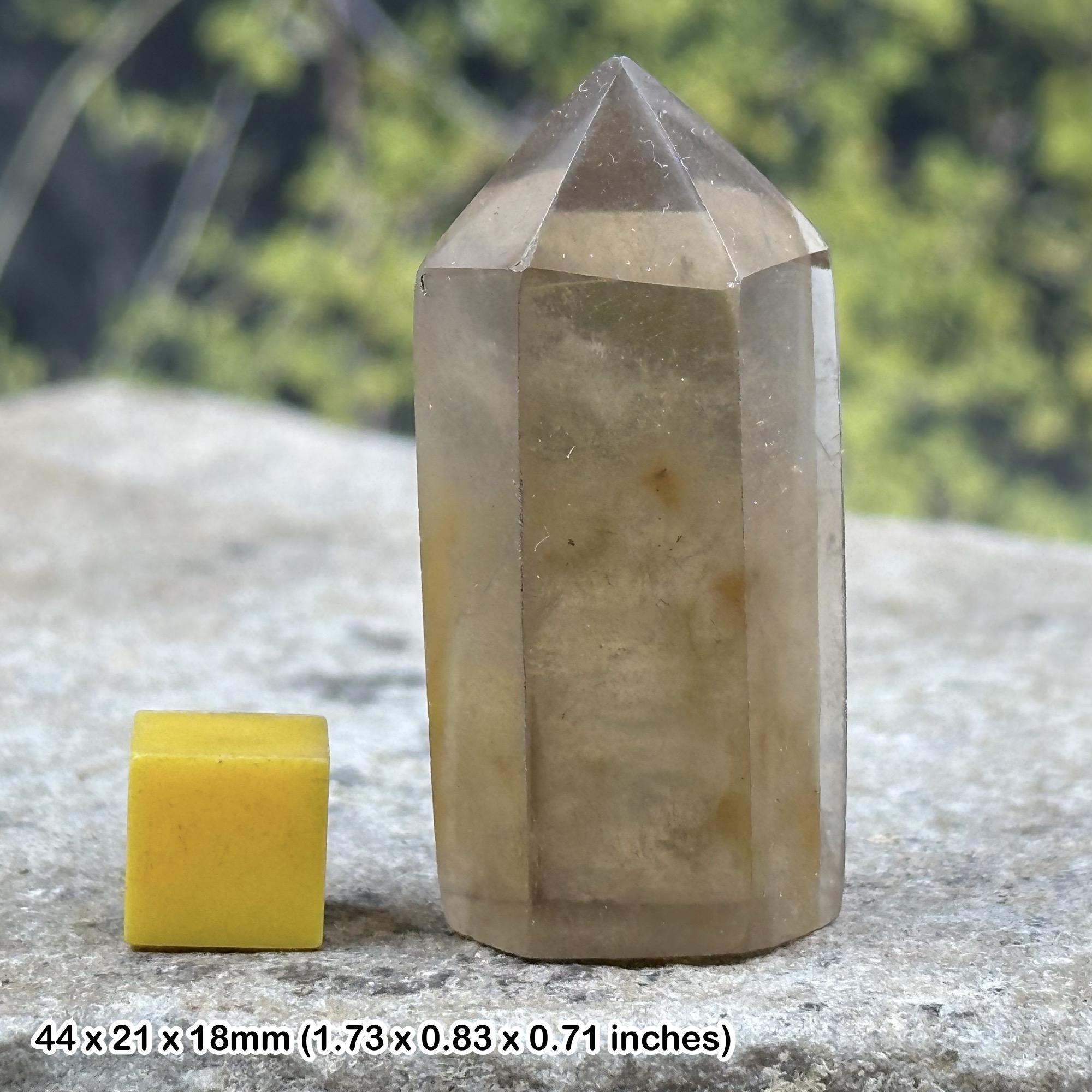
Natural Citrine Polished Quartz Crystal Congo Mineral Specimen Genuine Collector Stone Display Piece
£ 24.00
NATURAL CITRINE QUARTZ CRYSTAL – POLISHED MINERAL SPECIMEN FROM CONGOThis Natural Citrine polished quartz crystal from the Democratic Republic of
Congo is a genuine mineral specimen chosen for its colour, clarity, and natural mineral character. The specimen shown in the photographs is the exact crystal you will receive, ensuring that each purchase is a unique individual mineral piece rather than a generic stock example.The crystal is supplied with a Certificate of Authenticity lifetime guarantee generic card, confirming that the specimen is a genuine natural mineral. The polishing process enhances the crystal’s natural appearance while preserving the original mineral composition and geological features formed within the Earth.Citrine quartz is widely recognised among mineral collectors for its warm golden tones and its classification within the quartz mineral family, one of the most studied mineral groups in geology. MINERAL SPECIES AND CRYSTAL STRUCTURECitrine is a variety of Quartz, composed of silicon dioxide (SiO₂) and belonging to the silicate mineral group, which represents the most abundant mineral class in the Earth's crust. Quartz forms in the trigonal crystal system, typically producing hexagonal prismatic crystals when allowed to grow naturally within cavities or fractures in rock.The yellow to amber colouration associated with citrine is linked to trace amounts of iron within the crystal lattice. Geological heating processes influence the oxidation state of this iron, producing colours that can range from pale yellow through honey tones to deeper golden hues.Quartz is notable for its durability and stability, with a Mohs hardness of 7, making it resistant to scratching and weathering. These physical properties contribute to its preservation within many geological environments and its popularity among mineral collectors. GEOLOGICAL FORMATION AND CONGO QUARTZ DEPOSITSQuartz crystals form in a wide range of geological settings. In the Democratic Republic of Congo, quartz deposits are commonly associated with hydrothermal vein systems and pegmatitic environments within ancient Precambrian rock formations.In these geological environments, silica-rich fluids circulate through fractures in the host rock. Over long periods of geological time, dissolved silica gradually crystallises to form quartz crystals. The chemical composition of the surrounding rocks can influence the development of colour variations within the crystal.The presence of iron-bearing minerals within the surrounding geological environment contributes to the development of the golden colour seen in citrine quartz.Quartz specimens from Central Africa are often valued for their attractive colour and clarity, making them desirable additions to mineral collections. POLISHED SURFACE AND CRYSTAL APPEARANCEThis specimen has been carefully polished, a process that enhances the crystal’s natural visual qualities while retaining its original mineral composition. Polishing smooths the surface and allows light to interact with the internal structure of the quartz.Common characteristics visible in citrine quartz include:
• Golden yellow to amber colour tones
• Transparent to translucent crystal clarity
• Internal mineral inclusions or natural growth veils
• Subtle colour zoning created during crystal formation
• Natural internal fractures formed during geological growthThese features are typical of natural quartz crystals and provide insight into the geological conditions present during the crystal’s formation.The polished finish highlights the internal depth and colour distribution, making the specimen suitable for display. NATURAL MINERAL CHARACTERISTICSAs a naturally formed mineral, each citrine crystal develops under unique geological conditions. Variations in colour intensity, internal structures, and inclusions occur naturally and contribute to the individuality of every specimen.Quartz crystals grow over long geological timescales through slow mineral deposition from silica-rich fluids. Internal growth patterns and inclusions within the crystal often record aspects of the environment present during formation.The polishing process enhances visibility of these natural features while maintaining the authentic geological composition of the mineral. COLLECTING AND DISPLAY APPEALNatural citrine quartz is widely appreciated by mineral collectors, crystal enthusiasts, and geology students due to its distinctive colour and durable mineral structure.A polished citrine specimen can be displayed as:
• A mineral cabinet specimen
• A geological study piece
• A decorative natural crystal display
• A thoughtful gift for collectors and natural history enthusiastsCitrine is also traditionally associated with prosperity and positive symbolism in certain spiritual traditions, though the crystal is presented here primarily as a natural geological specimen. AUTHENTICITY AND SPECIMEN DETAILSThis listing is for one Natural Citrine polished quartz crystal from Congo.Specimen information:
• Mineral species: Quartz (SiO₂)
• Variety: Citrine
• Origin: Democratic Republic of Congo
• Finish: Polished natural mineral specimen
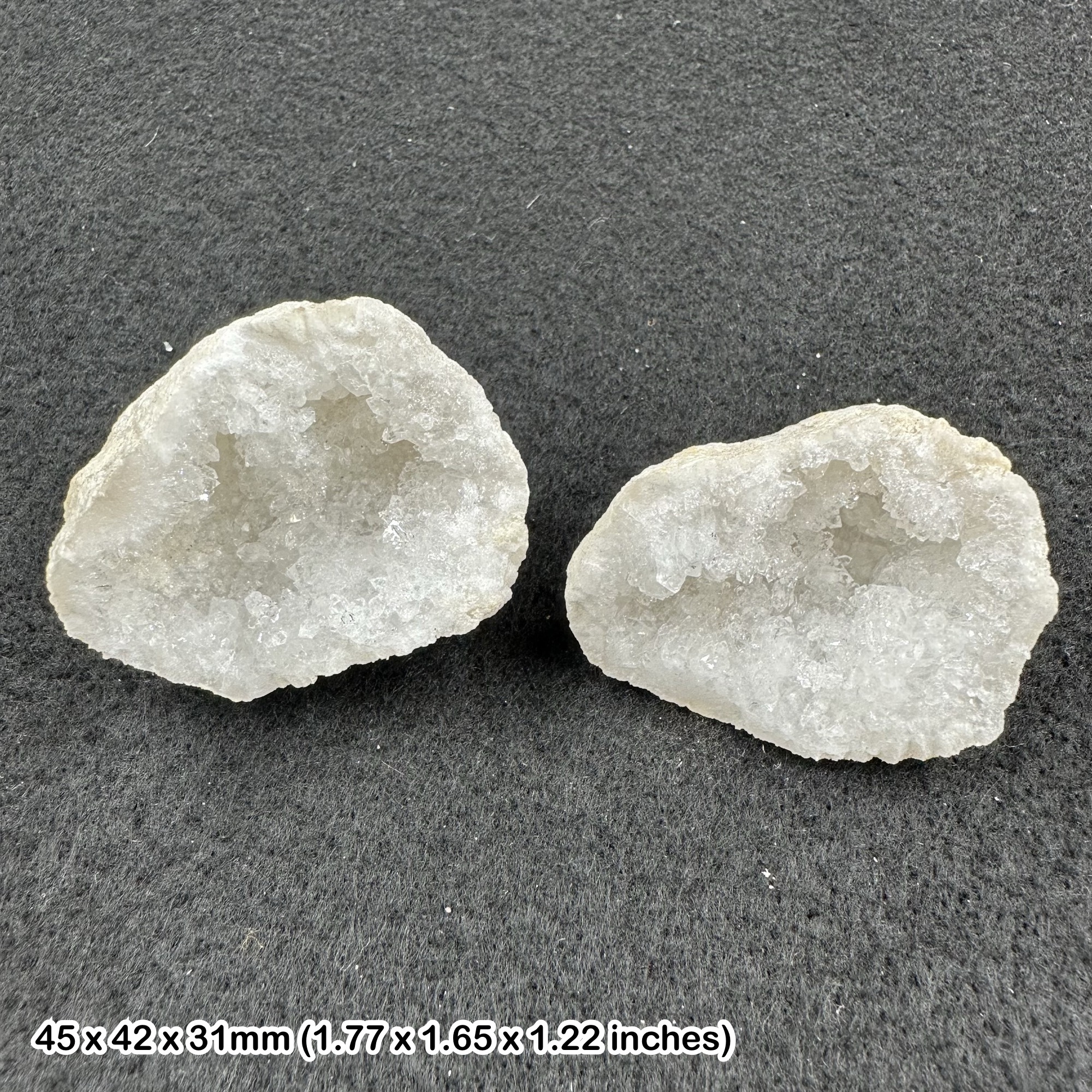
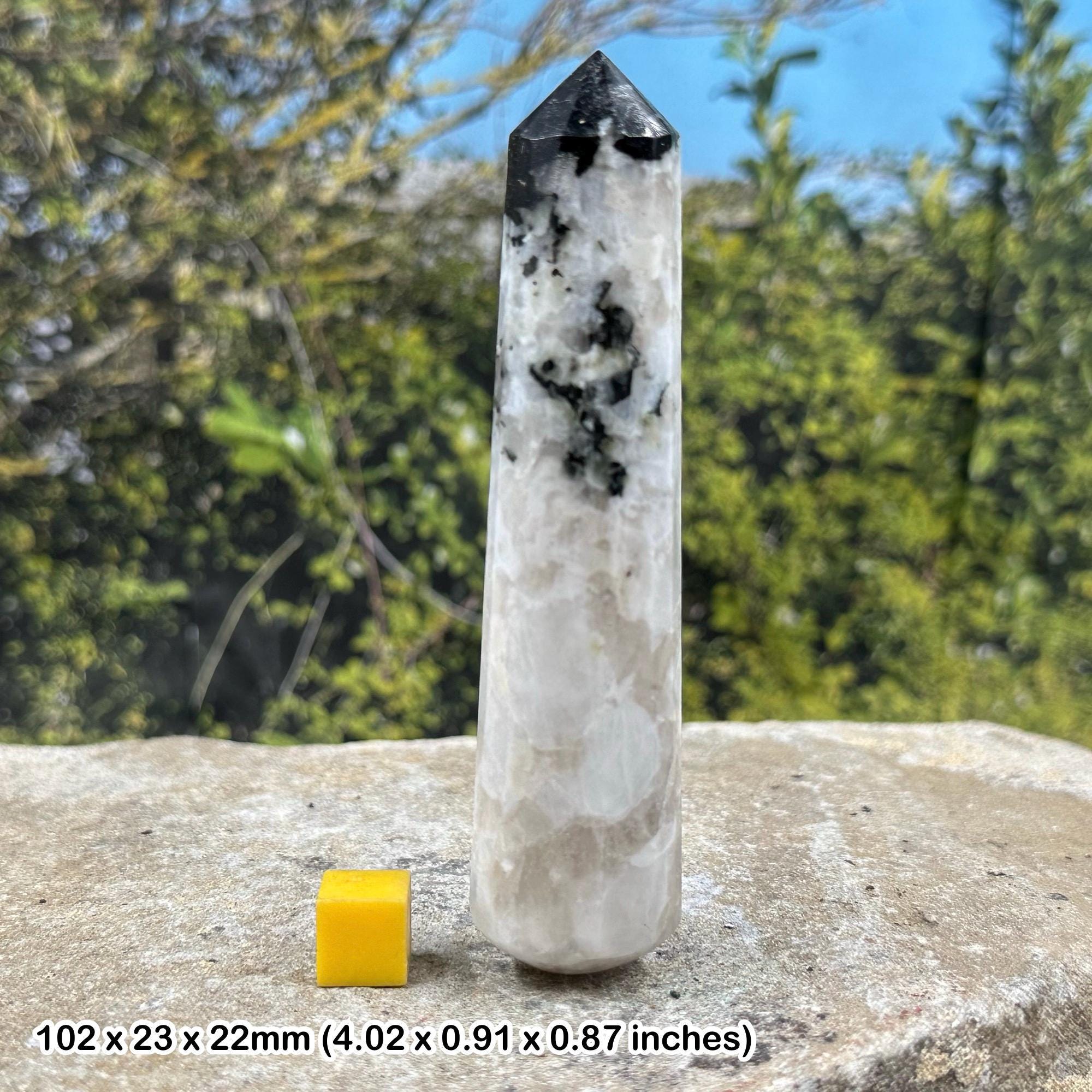
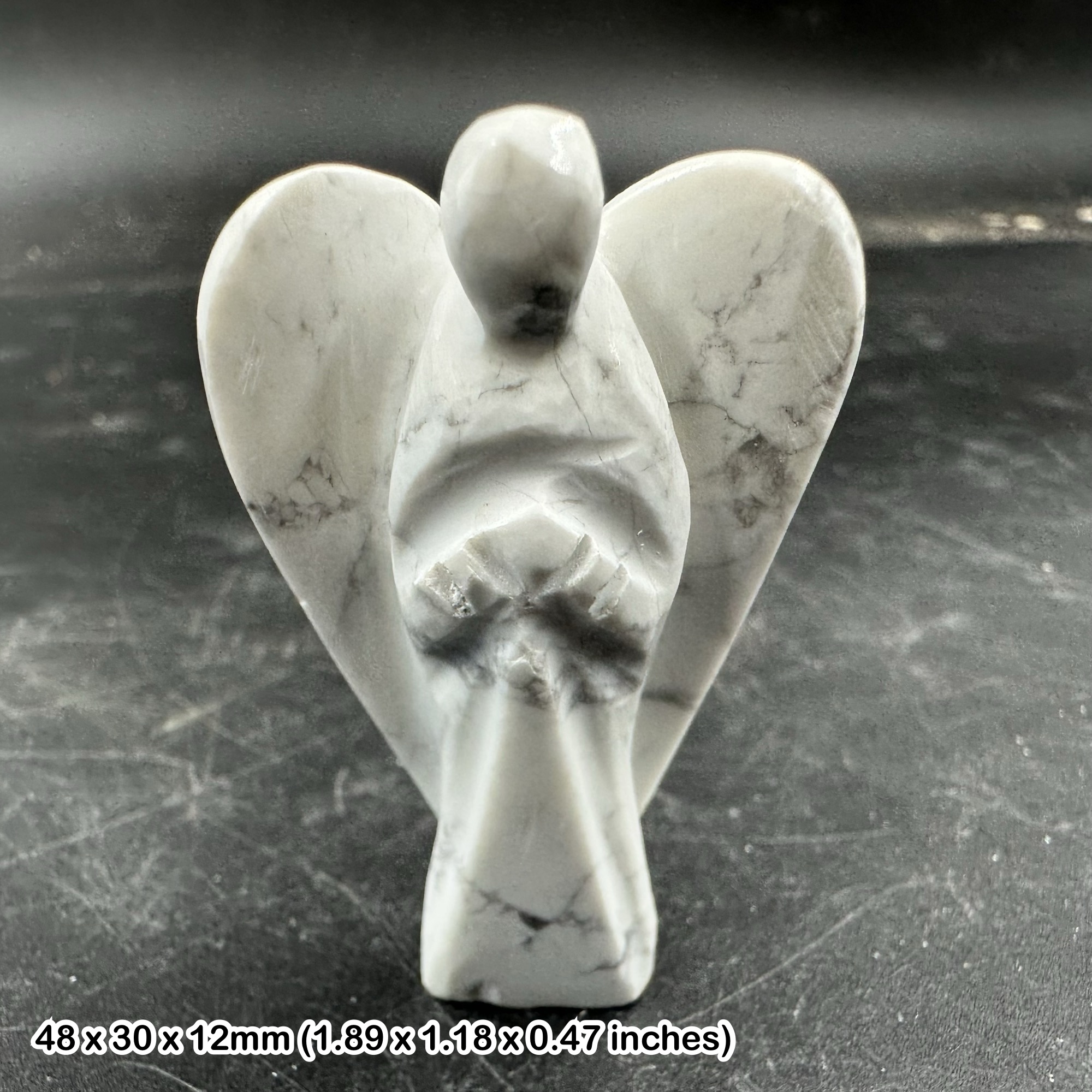
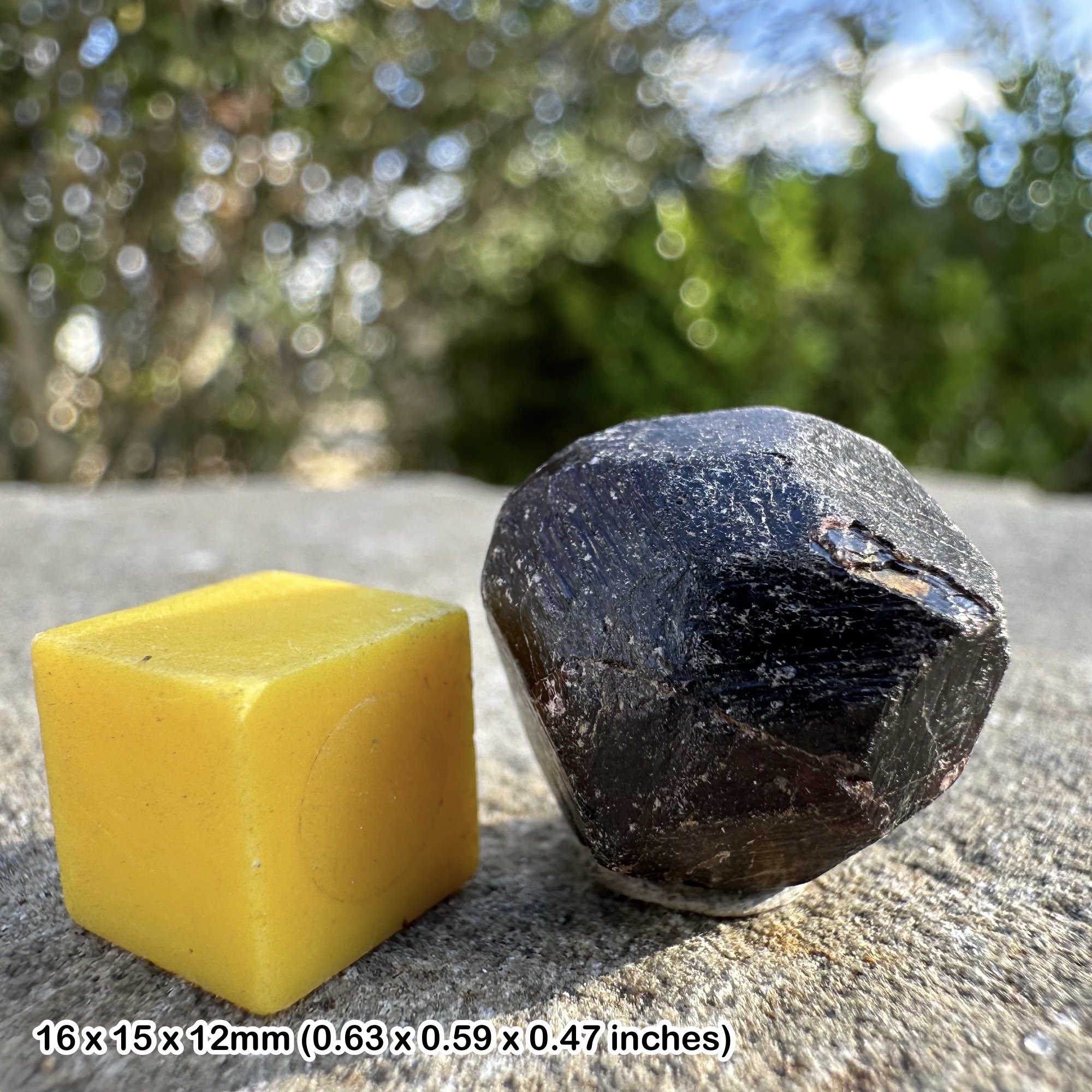
• The photograph shows the exact crystal you will receive
• Includes Certificate of Authenticity lifetime guarantee generic card
• Full sizing information is available in the listing photographsBecause this is a natural mineral specimen, each crystal contains unique internal features and colour variations formed during its geological development. These characteristics make every piece an individual example of natural quartz crystallisation created by Earth’s geological processes.
Congo is a genuine mineral specimen chosen for its colour, clarity, and natural mineral character. The specimen shown in the photographs is the exact crystal you will receive, ensuring that each purchase is a unique individual mineral piece rather than a generic stock example.The crystal is supplied with a Certificate of Authenticity lifetime guarantee generic card, confirming that the specimen is a genuine natural mineral. The polishing process enhances the crystal’s natural appearance while preserving the original mineral composition and geological features formed within the Earth.Citrine quartz is widely recognised among mineral collectors for its warm golden tones and its classification within the quartz mineral family, one of the most studied mineral groups in geology. MINERAL SPECIES AND CRYSTAL STRUCTURECitrine is a variety of Quartz, composed of silicon dioxide (SiO₂) and belonging to the silicate mineral group, which represents the most abundant mineral class in the Earth's crust. Quartz forms in the trigonal crystal system, typically producing hexagonal prismatic crystals when allowed to grow naturally within cavities or fractures in rock.The yellow to amber colouration associated with citrine is linked to trace amounts of iron within the crystal lattice. Geological heating processes influence the oxidation state of this iron, producing colours that can range from pale yellow through honey tones to deeper golden hues.Quartz is notable for its durability and stability, with a Mohs hardness of 7, making it resistant to scratching and weathering. These physical properties contribute to its preservation within many geological environments and its popularity among mineral collectors. GEOLOGICAL FORMATION AND CONGO QUARTZ DEPOSITSQuartz crystals form in a wide range of geological settings. In the Democratic Republic of Congo, quartz deposits are commonly associated with hydrothermal vein systems and pegmatitic environments within ancient Precambrian rock formations.In these geological environments, silica-rich fluids circulate through fractures in the host rock. Over long periods of geological time, dissolved silica gradually crystallises to form quartz crystals. The chemical composition of the surrounding rocks can influence the development of colour variations within the crystal.The presence of iron-bearing minerals within the surrounding geological environment contributes to the development of the golden colour seen in citrine quartz.Quartz specimens from Central Africa are often valued for their attractive colour and clarity, making them desirable additions to mineral collections. POLISHED SURFACE AND CRYSTAL APPEARANCEThis specimen has been carefully polished, a process that enhances the crystal’s natural visual qualities while retaining its original mineral composition. Polishing smooths the surface and allows light to interact with the internal structure of the quartz.Common characteristics visible in citrine quartz include:
• Golden yellow to amber colour tones
• Transparent to translucent crystal clarity
• Internal mineral inclusions or natural growth veils
• Subtle colour zoning created during crystal formation
• Natural internal fractures formed during geological growthThese features are typical of natural quartz crystals and provide insight into the geological conditions present during the crystal’s formation.The polished finish highlights the internal depth and colour distribution, making the specimen suitable for display. NATURAL MINERAL CHARACTERISTICSAs a naturally formed mineral, each citrine crystal develops under unique geological conditions. Variations in colour intensity, internal structures, and inclusions occur naturally and contribute to the individuality of every specimen.Quartz crystals grow over long geological timescales through slow mineral deposition from silica-rich fluids. Internal growth patterns and inclusions within the crystal often record aspects of the environment present during formation.The polishing process enhances visibility of these natural features while maintaining the authentic geological composition of the mineral. COLLECTING AND DISPLAY APPEALNatural citrine quartz is widely appreciated by mineral collectors, crystal enthusiasts, and geology students due to its distinctive colour and durable mineral structure.A polished citrine specimen can be displayed as:
• A mineral cabinet specimen
• A geological study piece
• A decorative natural crystal display
• A thoughtful gift for collectors and natural history enthusiastsCitrine is also traditionally associated with prosperity and positive symbolism in certain spiritual traditions, though the crystal is presented here primarily as a natural geological specimen. AUTHENTICITY AND SPECIMEN DETAILSThis listing is for one Natural Citrine polished quartz crystal from Congo.Specimen information:
• Mineral species: Quartz (SiO₂)
• Variety: Citrine
• Origin: Democratic Republic of Congo
• Finish: Polished natural mineral specimen
• The photograph shows the exact crystal you will receive
• Includes Certificate of Authenticity lifetime guarantee generic card
• Full sizing information is available in the listing photographsBecause this is a natural mineral specimen, each crystal contains unique internal features and colour variations formed during its geological development. These characteristics make every piece an individual example of natural quartz crystallisation created by Earth’s geological processes.