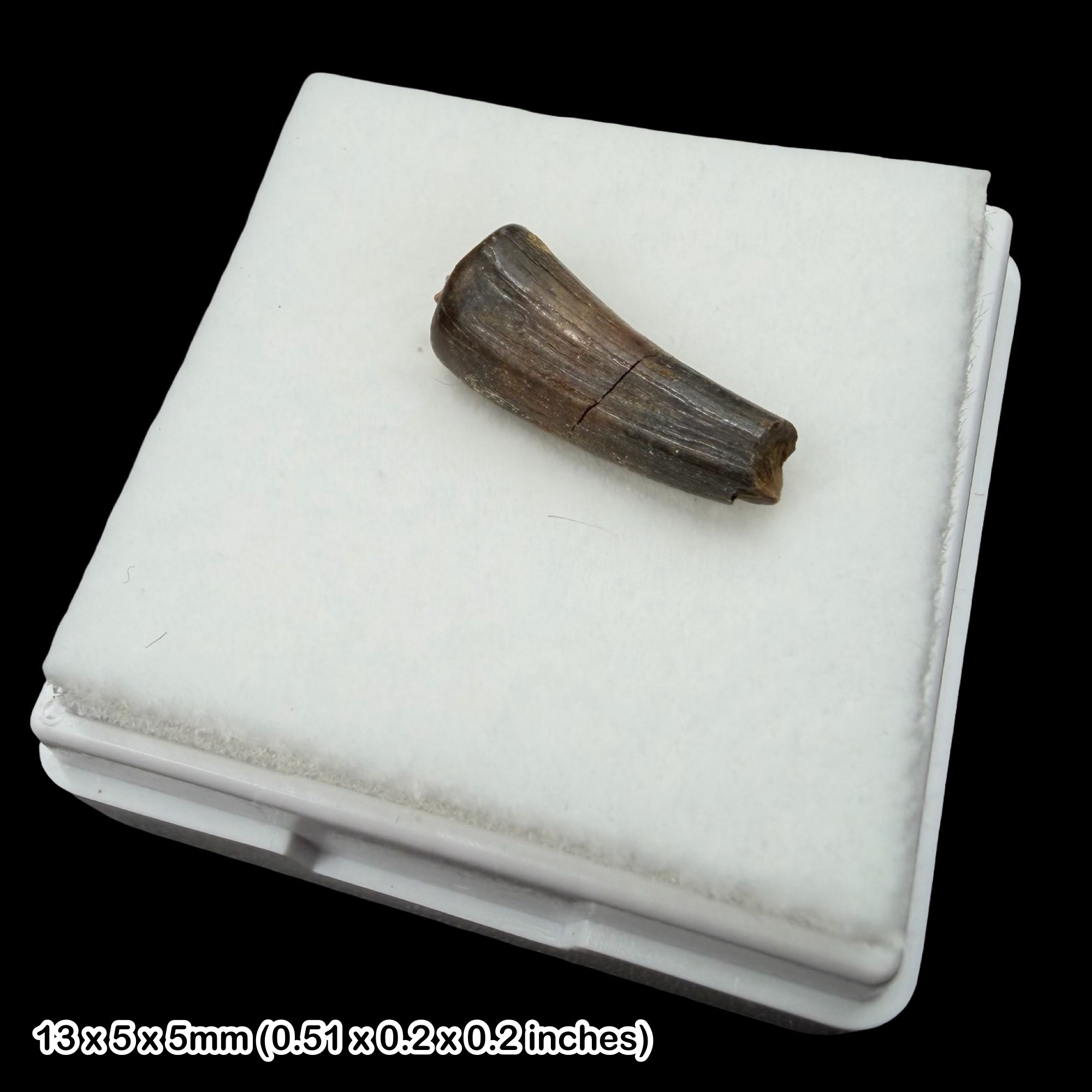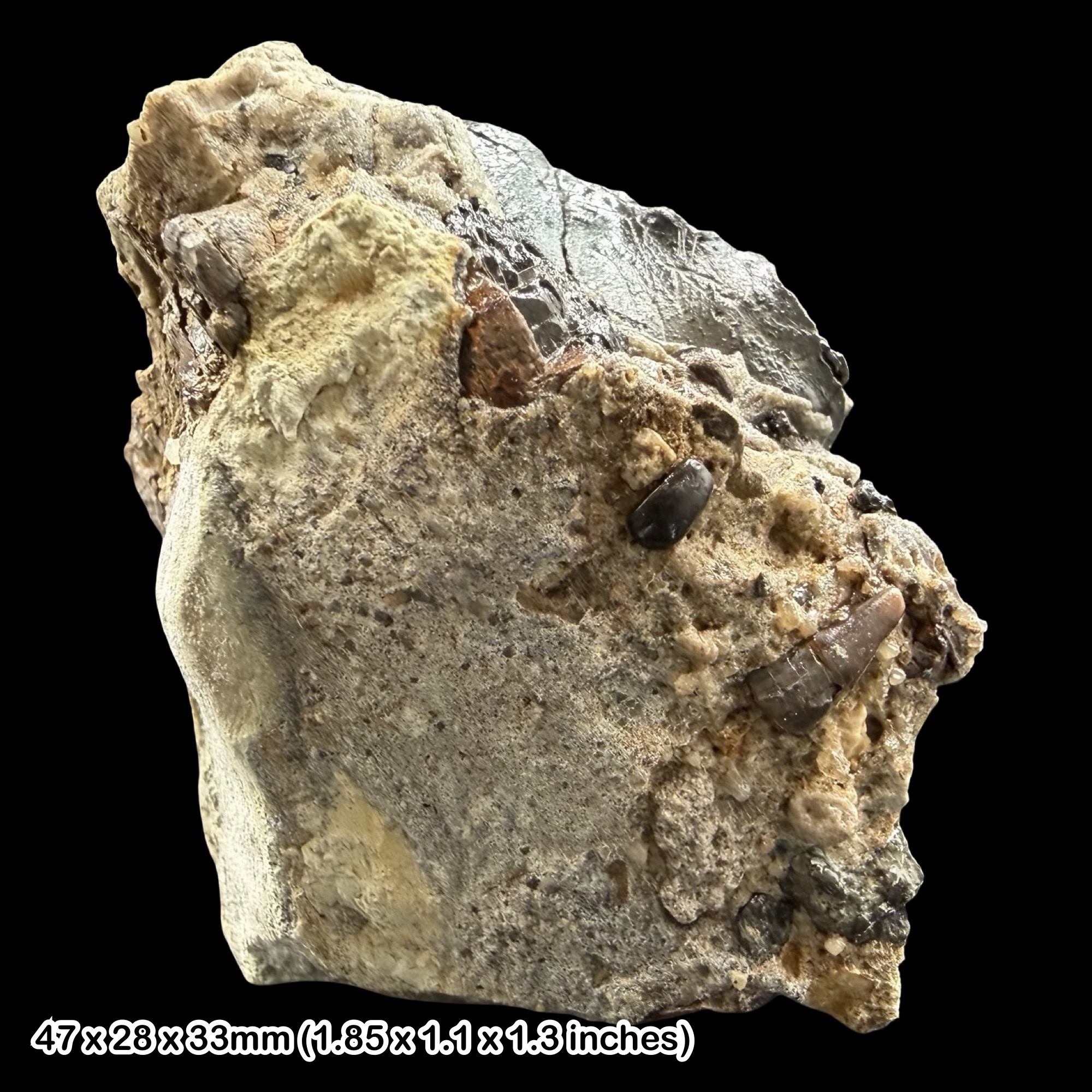
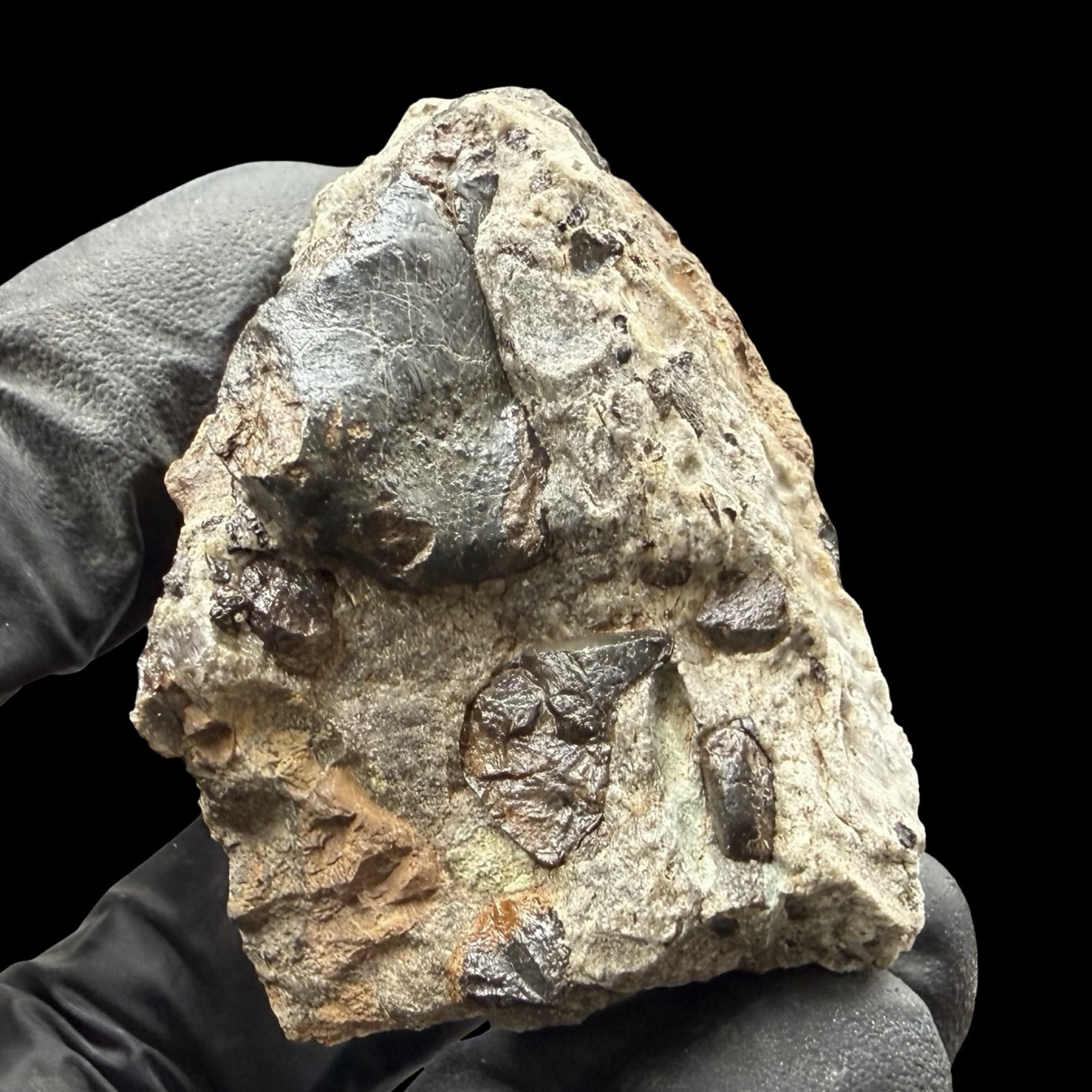
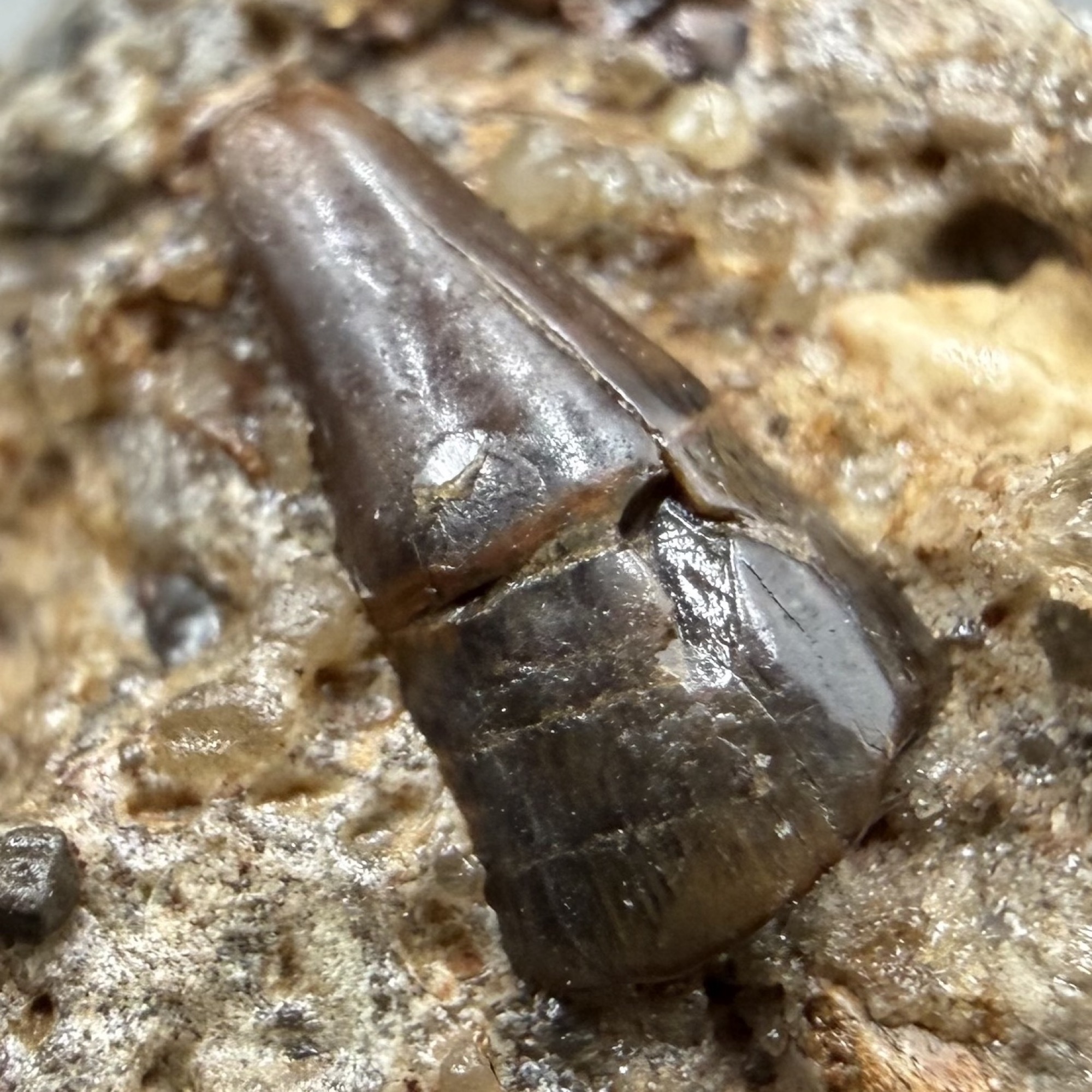
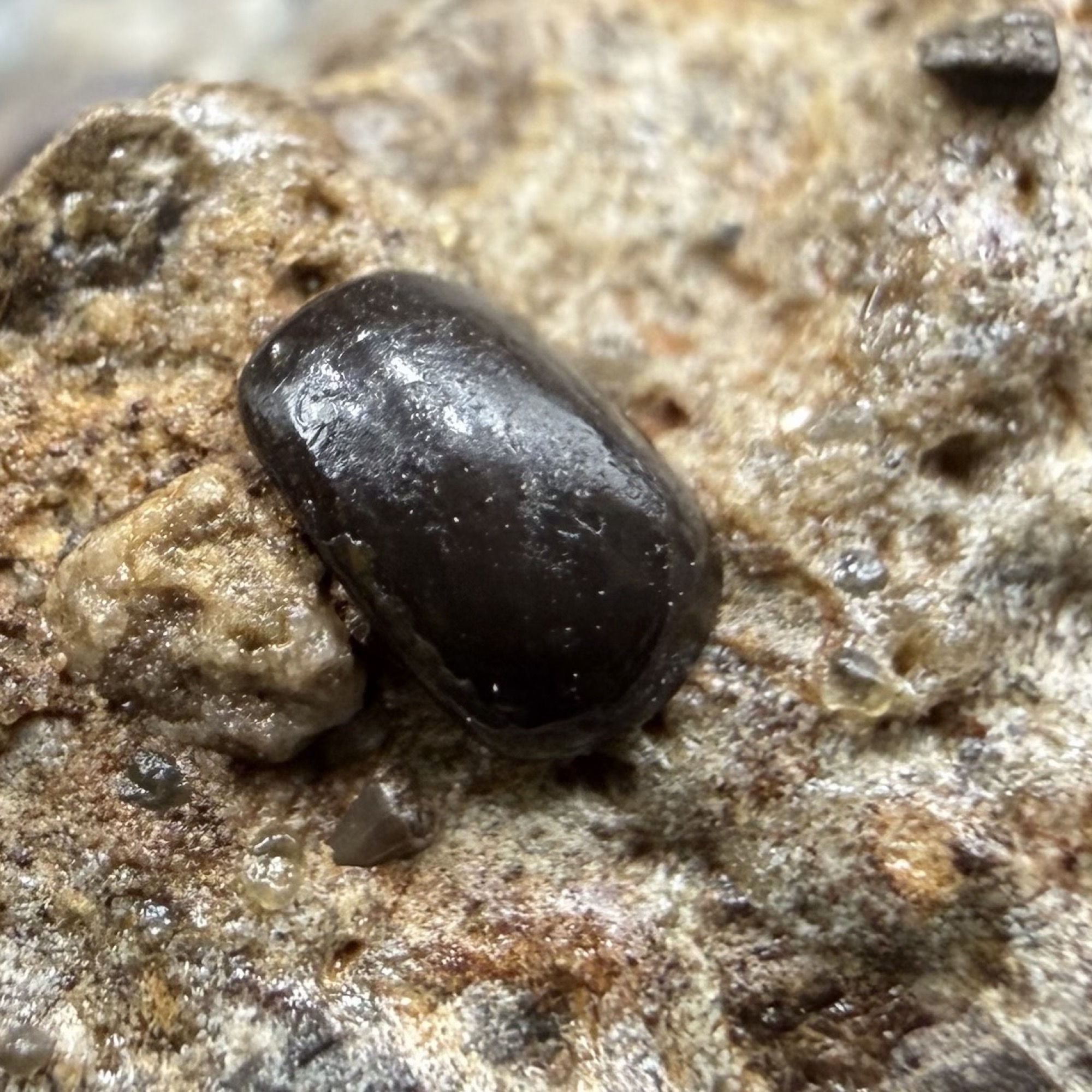
Severnichthys Fish Tooth Fossil Triassic Bristol UK COA Genuine Aust Cliff Bone Bed Penarth Group Westbury Formation Specimen
£ 14.40
Genuine Severnichthys Fish Tooth Fossil from Aust Cliff, BristolThis Severnichthys fish tooth fossil is a genuine Triassic specimen from the
famous fish, reptile and coprolite bone bed at Aust Cliff, Bristol, UK. It comes from the Westbury Formation of the Penarth Group, a highly important British fossil-bearing deposit known for Late Triassic vertebrate remains, including fish teeth, reptile bones, scales, coprolites and other concentrated fossil material.The photograph shows the actual fossil you will receive, making this a carefully chosen individual specimen rather than a stock image or representative example. For full sizing and visible condition, please see the listing photo. This fossil includes a Certificate of Authenticity lifetime guarantee generic card.Fossil Type and Species InterestSevernichthys is an extinct fish known from the Late Triassic bone beds of Britain. Fossil fish teeth are highly collectable because they preserve direct evidence of feeding behaviour, predator-prey relationships and the structure of ancient marine ecosystems. Teeth are among the most durable parts of a vertebrate skeleton, so they are often preserved in bone bed deposits where bones, teeth, scales and coprolites became concentrated together.Severnichthys is associated with predatory fish from the Rhaetian-aged deposits of the UK. Its teeth would have formed part of a feeding apparatus suited to catching, gripping or processing prey in a dynamic marine environment. Fossil teeth from this group are especially interesting because they represent vertebrate life from a time close to the end of the Triassic Period, just before the beginning of the Jurassic.This specimen is particularly appealing because it comes from one of Britain’s classic fossil bone beds. Rather than representing an isolated fossil from an ordinary sediment layer, the Aust Cliff bone bed preserves a concentrated record of ancient life, with remains from fish, reptiles and other animals gathered together by natural marine processes.Geology, Age and Westbury FormationThis fossil comes from the Westbury Formation of the Penarth Group, dating to the Late Triassic. The Penarth Group records an important environmental transition in Britain, as marine conditions expanded across areas that had previously experienced more coastal, lagoonal or marginal environments.The Westbury Formation is especially famous for its dark shales and fossil-rich bone beds exposed around the Severn Estuary, including the Aust Cliff locality near Bristol. These bone beds formed when durable remains such as teeth, bones, scales and coprolites were concentrated on the ancient sea floor. Waves, currents and storm events could rework and sort these hard remains before they were buried in sediment and preserved over millions of years.This type of deposit is scientifically important because it captures evidence of a rich and active ecosystem. The fossils from the bed include remains of fish, sharks, marine reptiles and coprolites, helping to show the variety of life present in Late Triassic coastal and shallow marine settings.Aust Cliff Bone Bed LocalityAust Cliff is one of the best-known British localities for Late Triassic vertebrate fossils. The cliffs along the Severn Estuary have long been recognised by collectors, geologists and palaeontologists for their fossil-bearing bone beds. Material from this site is popular with collectors because it combines classic British geology, historic fossil interest and a strong connection to the ancient ecosystems that existed before the Jurassic Period.A Severnichthys fish tooth from Aust Cliff is ideal for anyone interested in fossil fish, prehistoric predators, Triassic fossils, bone bed specimens, British vertebrate fossils and the geology of the Bristol and Severn Estuary region.Authenticity and PresentationThis Severnichthys fish tooth fossil is a genuine specimen selected for its natural character, geological interest and collector appeal. It is supplied exactly as shown in the listing photograph, so the fossil pictured is the actual piece you will receive.The included Certificate of Authenticity lifetime guarantee generic card provides reassurance for collectors, educators, gift buyers and natural history enthusiasts. This makes the fossil suitable for a serious fossil collection, educational use or display in a cabinet, study, classroom, office or geology-themed room.Display, Collecting and Educational ValueThis Triassic Severnichthys fish tooth fossil is ideal for collectors of British fossils, fossil fish teeth, vertebrate fossils and bone bed material. Its Aust Cliff locality, Westbury Formation origin and Penarth Group geology give it strong appeal as both a display fossil and an educational specimen.As a genuine fossil from the famous Aust Cliff fish, reptile and coprolite bone bed, this specimen offers a direct connection to the ancient ecosystems of Late Triassic Britain. It would make an excellent fossil gift, collector’s item, teaching specimen or display piece for anyone interested in fossil fish, prehistoric marine life, British geology, Triassic fossils and the remarkable vertebrate remains of the Severn Estuary.
famous fish, reptile and coprolite bone bed at Aust Cliff, Bristol, UK. It comes from the Westbury Formation of the Penarth Group, a highly important British fossil-bearing deposit known for Late Triassic vertebrate remains, including fish teeth, reptile bones, scales, coprolites and other concentrated fossil material.The photograph shows the actual fossil you will receive, making this a carefully chosen individual specimen rather than a stock image or representative example. For full sizing and visible condition, please see the listing photo. This fossil includes a Certificate of Authenticity lifetime guarantee generic card.Fossil Type and Species InterestSevernichthys is an extinct fish known from the Late Triassic bone beds of Britain. Fossil fish teeth are highly collectable because they preserve direct evidence of feeding behaviour, predator-prey relationships and the structure of ancient marine ecosystems. Teeth are among the most durable parts of a vertebrate skeleton, so they are often preserved in bone bed deposits where bones, teeth, scales and coprolites became concentrated together.Severnichthys is associated with predatory fish from the Rhaetian-aged deposits of the UK. Its teeth would have formed part of a feeding apparatus suited to catching, gripping or processing prey in a dynamic marine environment. Fossil teeth from this group are especially interesting because they represent vertebrate life from a time close to the end of the Triassic Period, just before the beginning of the Jurassic.This specimen is particularly appealing because it comes from one of Britain’s classic fossil bone beds. Rather than representing an isolated fossil from an ordinary sediment layer, the Aust Cliff bone bed preserves a concentrated record of ancient life, with remains from fish, reptiles and other animals gathered together by natural marine processes.Geology, Age and Westbury FormationThis fossil comes from the Westbury Formation of the Penarth Group, dating to the Late Triassic. The Penarth Group records an important environmental transition in Britain, as marine conditions expanded across areas that had previously experienced more coastal, lagoonal or marginal environments.The Westbury Formation is especially famous for its dark shales and fossil-rich bone beds exposed around the Severn Estuary, including the Aust Cliff locality near Bristol. These bone beds formed when durable remains such as teeth, bones, scales and coprolites were concentrated on the ancient sea floor. Waves, currents and storm events could rework and sort these hard remains before they were buried in sediment and preserved over millions of years.This type of deposit is scientifically important because it captures evidence of a rich and active ecosystem. The fossils from the bed include remains of fish, sharks, marine reptiles and coprolites, helping to show the variety of life present in Late Triassic coastal and shallow marine settings.Aust Cliff Bone Bed LocalityAust Cliff is one of the best-known British localities for Late Triassic vertebrate fossils. The cliffs along the Severn Estuary have long been recognised by collectors, geologists and palaeontologists for their fossil-bearing bone beds. Material from this site is popular with collectors because it combines classic British geology, historic fossil interest and a strong connection to the ancient ecosystems that existed before the Jurassic Period.A Severnichthys fish tooth from Aust Cliff is ideal for anyone interested in fossil fish, prehistoric predators, Triassic fossils, bone bed specimens, British vertebrate fossils and the geology of the Bristol and Severn Estuary region.Authenticity and PresentationThis Severnichthys fish tooth fossil is a genuine specimen selected for its natural character, geological interest and collector appeal. It is supplied exactly as shown in the listing photograph, so the fossil pictured is the actual piece you will receive.The included Certificate of Authenticity lifetime guarantee generic card provides reassurance for collectors, educators, gift buyers and natural history enthusiasts. This makes the fossil suitable for a serious fossil collection, educational use or display in a cabinet, study, classroom, office or geology-themed room.Display, Collecting and Educational ValueThis Triassic Severnichthys fish tooth fossil is ideal for collectors of British fossils, fossil fish teeth, vertebrate fossils and bone bed material. Its Aust Cliff locality, Westbury Formation origin and Penarth Group geology give it strong appeal as both a display fossil and an educational specimen.As a genuine fossil from the famous Aust Cliff fish, reptile and coprolite bone bed, this specimen offers a direct connection to the ancient ecosystems of Late Triassic Britain. It would make an excellent fossil gift, collector’s item, teaching specimen or display piece for anyone interested in fossil fish, prehistoric marine life, British geology, Triassic fossils and the remarkable vertebrate remains of the Severn Estuary.
Other Products