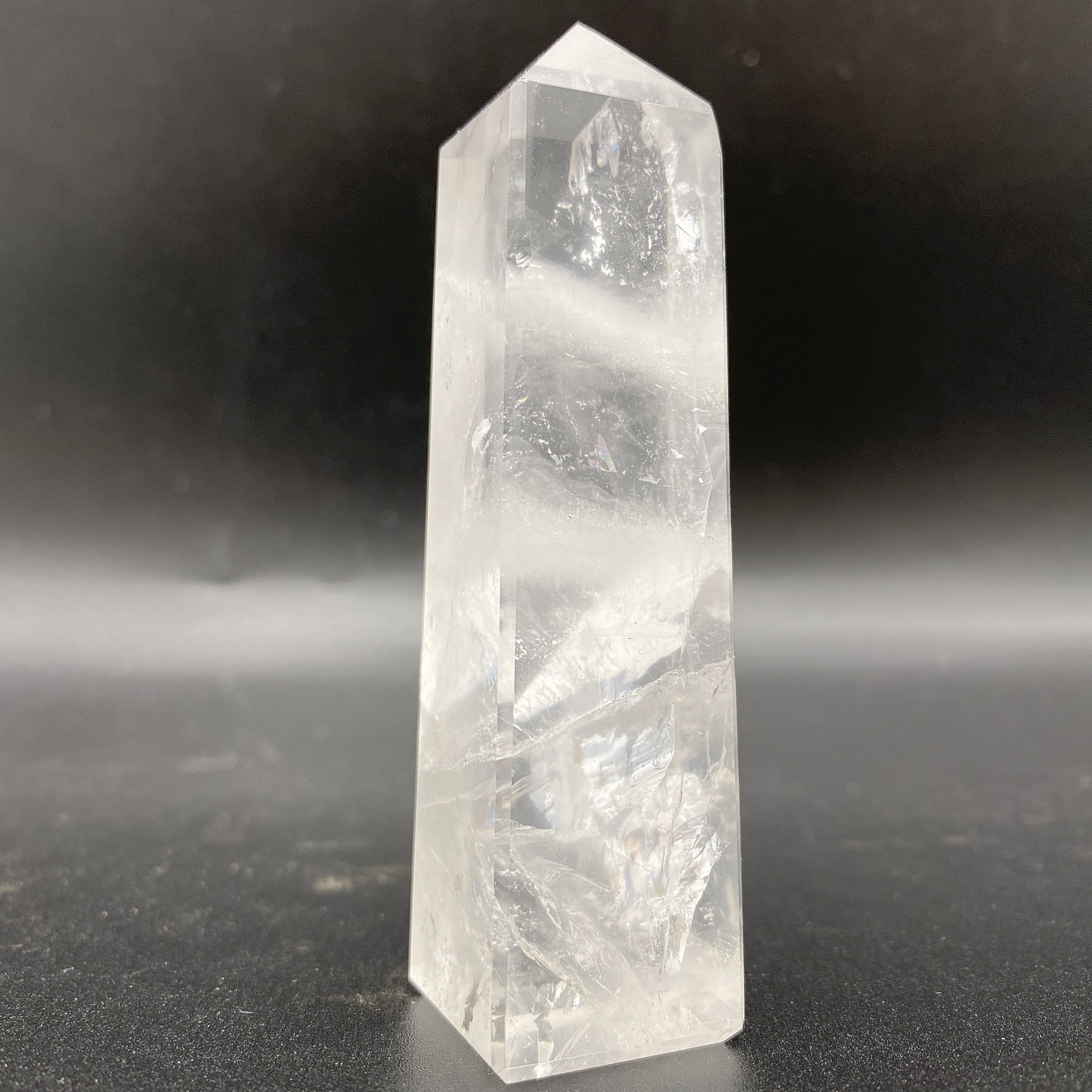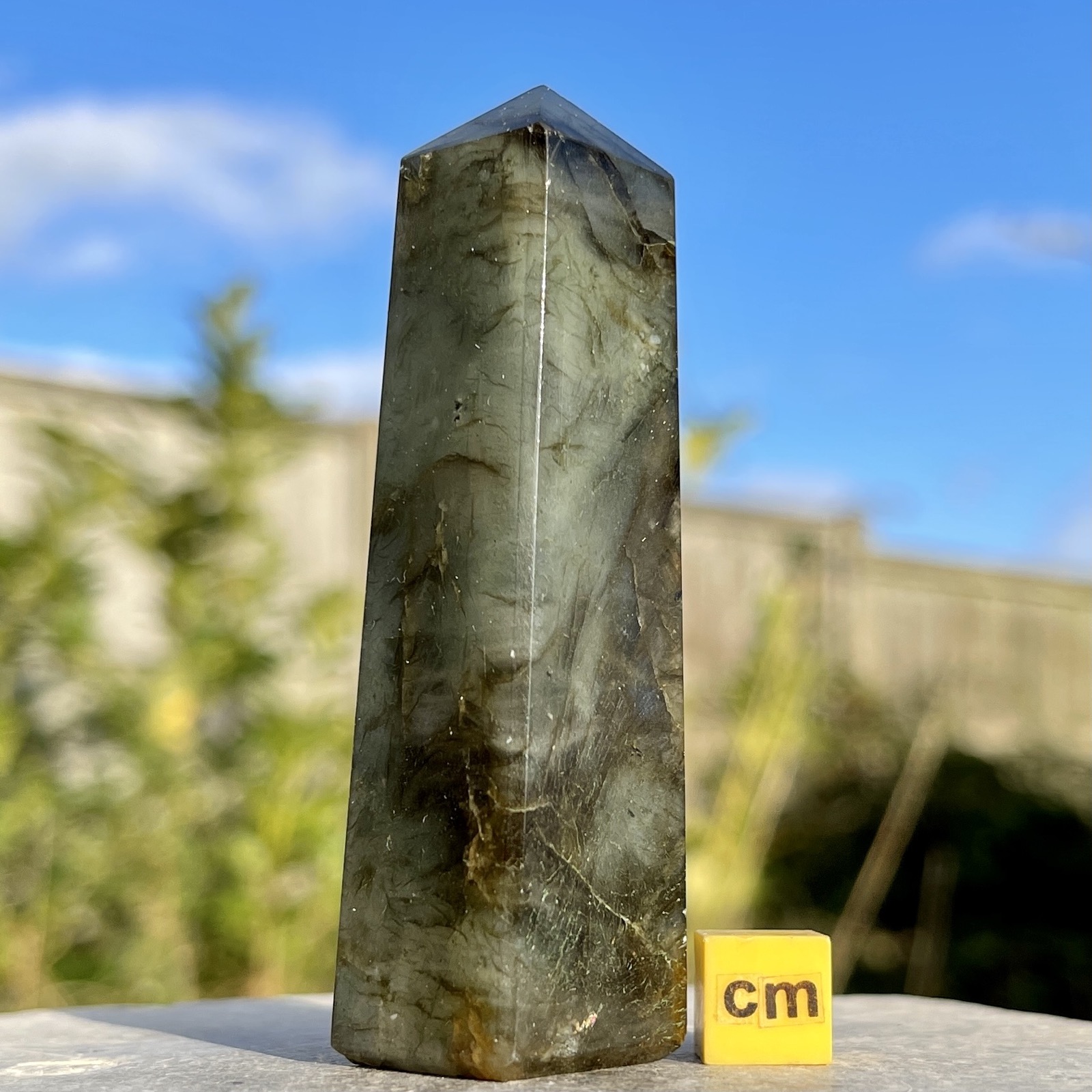
Labradorite Tower Natural Feldspar Crystal Point Mineral Obelisk 85-125mm Polished Labradorite Display Stone with Certificate
£ 11.52
Labradorite Tower – Natural Feldspar Mineral ObeliskThis listing features a genuine Labradorite Tower, carved and polished from
natural labradorite feldspar. The obelisk tower shape highlights the stone’s distinctive reflective optical effect known as labradorescence, where flashes of blue, gold, and iridescent tones appear when light moves across the surface.Each tower has been carefully selected for its mineral character and natural reflective features. The photographs show an example of the actual specimen you will receive, with every piece displaying unique colour flashes and mineral patterns. The tower height ranges approximately 85–125mm, and full sizing details can be viewed in the listing photographs.This crystal includes a Certificate of Authenticity lifetime guarantee generic card, confirming that the specimen is a genuine natural mineral.Mineral Identification and Scientific ClassificationLabradorite is a member of the plagioclase feldspar mineral group, which forms a major component of many igneous and metamorphic rocks. Its chemical composition is a calcium-sodium aluminium silicate.Key mineralogical characteristics include:
• Mineral group: Feldspar (Plagioclase series)
• Mineral species: Labradorite
• Chemical composition: (Ca,Na)(Al,Si)₄O₈
• Crystal system: Triclinic
• Hardness: 6–6.5 on the Mohs scale
• Lustre: Vitreous to pearly
• Transparency: Opaque to translucent in thinner sections
• Crystal habit: Tabular crystals or massive granular structureLabradorite is widely recognised for its distinctive optical phenomenon known as labradorescence, which produces vibrant flashes of colour within the stone.Geological Formation of LabradoriteLabradorite forms primarily within igneous rocks, particularly basalt, gabbro, and anorthosite formations. These rocks crystallise from slowly cooling magma beneath the Earth's surface, allowing feldspar minerals to develop within the molten material.During the cooling process, layers within the feldspar crystal structure form extremely thin internal lamellae composed of slightly different mineral compositions. These internal layers interact with light, producing the characteristic iridescent reflections seen in labradorite.The geological conditions responsible for labradorite formation include:
• Slow cooling of magma deep within the crust
• Crystallisation within feldspar-rich igneous rocks
• Development of internal crystal lamellae structures
• Subsequent exposure through geological uplift and erosionThese processes create the internal structure necessary for labradorescence to occur.Labradorescence and Optical CharacteristicsThe most distinctive feature of labradorite is its labradorescence, a phenomenon where light reflects and refracts through the mineral’s internal layers, producing flashes of colour across the surface.Common reflective colours include:
• Electric blue
• Golden yellow
• Green
• Copper or bronze tones
• Occasional purple or multicolour flashesThese colours appear and shift depending on the angle of light and viewing position. When polished into flat surfaces such as those found on tower carvings, the reflective layers become easier to observe.Because the internal crystal structure varies from piece to piece, each labradorite specimen displays a unique pattern of colour flashes.Tower Shape and Lapidary CraftsmanshipThe stone has been shaped into a polished obelisk tower, a geometric form that highlights the mineral’s reflective qualities while providing a stable display piece. Skilled lapidary cutting and polishing techniques expose the internal feldspar layers responsible for the iridescent effect.Typical features of the tower design include:
• Multiple polished faces
• A pointed apex
• Smooth reflective surfaces
• Flat base suitable for displayThe polished surfaces allow light to interact with the internal crystal structure, enhancing the labradorescent flashes visible across the stone.Geological Occurrence and LocalitiesLabradorite occurs in several geological environments worldwide, often within feldspar-rich igneous rock formations. The mineral was originally identified in Labrador, Canada, which is how it received its name.Significant labradorite deposits are found in:
• Canada
• Madagascar
• Finland
• Russia
• NorwayMany of the most visually striking labradorite specimens originate from anorthosite rock bodies, where feldspar minerals dominate the rock composition.Collecting and Display AppealLabradorite is widely appreciated by mineral collectors due to its distinctive optical properties and geological significance. When polished into tower shapes, the reflective surfaces can reveal strong colour flashes that change as lighting conditions shift.Collectors value labradorite towers for:
• Their vibrant labradorescent reflections
• Durable feldspar composition
• Natural geological origin
• Polished forms suitable for decorative displayThe obelisk tower form makes this specimen well suited for display in mineral cabinets, desks, shelves, or decorative interiors.Cultural and Traditional ContextIn some cultural traditions and crystal collecting communities, labradorite is traditionally associated with transformation and insight, and may appear in decorative arrangements or symbolic displays. These interpretations reflect cultural traditions rather than scientifically established mineral properties.Authenticity and Specimen Details
• Genuine Labradorite mineral tower
• Mineral species: Plagioclase feldspar (Labradorite)
• Height: Approximately 85–125mm
• Polished obelisk point carving
• Natural labradorescent reflective patterns
• Carefully selected display specimen
• Photographs show an example of the actual specimen you will receive
• Full sizing reference available in listing images
• Includes Certificate of Authenticity lifetime guarantee generic cardEach Labradorite tower displays natural variations in reflective colour flashes and feldspar crystal structure, making every specimen a distinctive example of this remarkable mineral.
natural labradorite feldspar. The obelisk tower shape highlights the stone’s distinctive reflective optical effect known as labradorescence, where flashes of blue, gold, and iridescent tones appear when light moves across the surface.Each tower has been carefully selected for its mineral character and natural reflective features. The photographs show an example of the actual specimen you will receive, with every piece displaying unique colour flashes and mineral patterns. The tower height ranges approximately 85–125mm, and full sizing details can be viewed in the listing photographs.This crystal includes a Certificate of Authenticity lifetime guarantee generic card, confirming that the specimen is a genuine natural mineral.Mineral Identification and Scientific ClassificationLabradorite is a member of the plagioclase feldspar mineral group, which forms a major component of many igneous and metamorphic rocks. Its chemical composition is a calcium-sodium aluminium silicate.Key mineralogical characteristics include:
• Mineral group: Feldspar (Plagioclase series)
• Mineral species: Labradorite
• Chemical composition: (Ca,Na)(Al,Si)₄O₈
• Crystal system: Triclinic
• Hardness: 6–6.5 on the Mohs scale
• Lustre: Vitreous to pearly
• Transparency: Opaque to translucent in thinner sections
• Crystal habit: Tabular crystals or massive granular structureLabradorite is widely recognised for its distinctive optical phenomenon known as labradorescence, which produces vibrant flashes of colour within the stone.Geological Formation of LabradoriteLabradorite forms primarily within igneous rocks, particularly basalt, gabbro, and anorthosite formations. These rocks crystallise from slowly cooling magma beneath the Earth's surface, allowing feldspar minerals to develop within the molten material.During the cooling process, layers within the feldspar crystal structure form extremely thin internal lamellae composed of slightly different mineral compositions. These internal layers interact with light, producing the characteristic iridescent reflections seen in labradorite.The geological conditions responsible for labradorite formation include:
• Slow cooling of magma deep within the crust
• Crystallisation within feldspar-rich igneous rocks
• Development of internal crystal lamellae structures
• Subsequent exposure through geological uplift and erosionThese processes create the internal structure necessary for labradorescence to occur.Labradorescence and Optical CharacteristicsThe most distinctive feature of labradorite is its labradorescence, a phenomenon where light reflects and refracts through the mineral’s internal layers, producing flashes of colour across the surface.Common reflective colours include:
• Electric blue
• Golden yellow
• Green
• Copper or bronze tones
• Occasional purple or multicolour flashesThese colours appear and shift depending on the angle of light and viewing position. When polished into flat surfaces such as those found on tower carvings, the reflective layers become easier to observe.Because the internal crystal structure varies from piece to piece, each labradorite specimen displays a unique pattern of colour flashes.Tower Shape and Lapidary CraftsmanshipThe stone has been shaped into a polished obelisk tower, a geometric form that highlights the mineral’s reflective qualities while providing a stable display piece. Skilled lapidary cutting and polishing techniques expose the internal feldspar layers responsible for the iridescent effect.Typical features of the tower design include:
• Multiple polished faces
• A pointed apex
• Smooth reflective surfaces
• Flat base suitable for displayThe polished surfaces allow light to interact with the internal crystal structure, enhancing the labradorescent flashes visible across the stone.Geological Occurrence and LocalitiesLabradorite occurs in several geological environments worldwide, often within feldspar-rich igneous rock formations. The mineral was originally identified in Labrador, Canada, which is how it received its name.Significant labradorite deposits are found in:
• Canada
• Madagascar
• Finland
• Russia
• NorwayMany of the most visually striking labradorite specimens originate from anorthosite rock bodies, where feldspar minerals dominate the rock composition.Collecting and Display AppealLabradorite is widely appreciated by mineral collectors due to its distinctive optical properties and geological significance. When polished into tower shapes, the reflective surfaces can reveal strong colour flashes that change as lighting conditions shift.Collectors value labradorite towers for:
• Their vibrant labradorescent reflections
• Durable feldspar composition
• Natural geological origin
• Polished forms suitable for decorative displayThe obelisk tower form makes this specimen well suited for display in mineral cabinets, desks, shelves, or decorative interiors.Cultural and Traditional ContextIn some cultural traditions and crystal collecting communities, labradorite is traditionally associated with transformation and insight, and may appear in decorative arrangements or symbolic displays. These interpretations reflect cultural traditions rather than scientifically established mineral properties.Authenticity and Specimen Details
• Genuine Labradorite mineral tower
• Mineral species: Plagioclase feldspar (Labradorite)
• Height: Approximately 85–125mm
• Polished obelisk point carving
• Natural labradorescent reflective patterns
• Carefully selected display specimen
• Photographs show an example of the actual specimen you will receive
• Full sizing reference available in listing images
• Includes Certificate of Authenticity lifetime guarantee generic cardEach Labradorite tower displays natural variations in reflective colour flashes and feldspar crystal structure, making every specimen a distinctive example of this remarkable mineral.