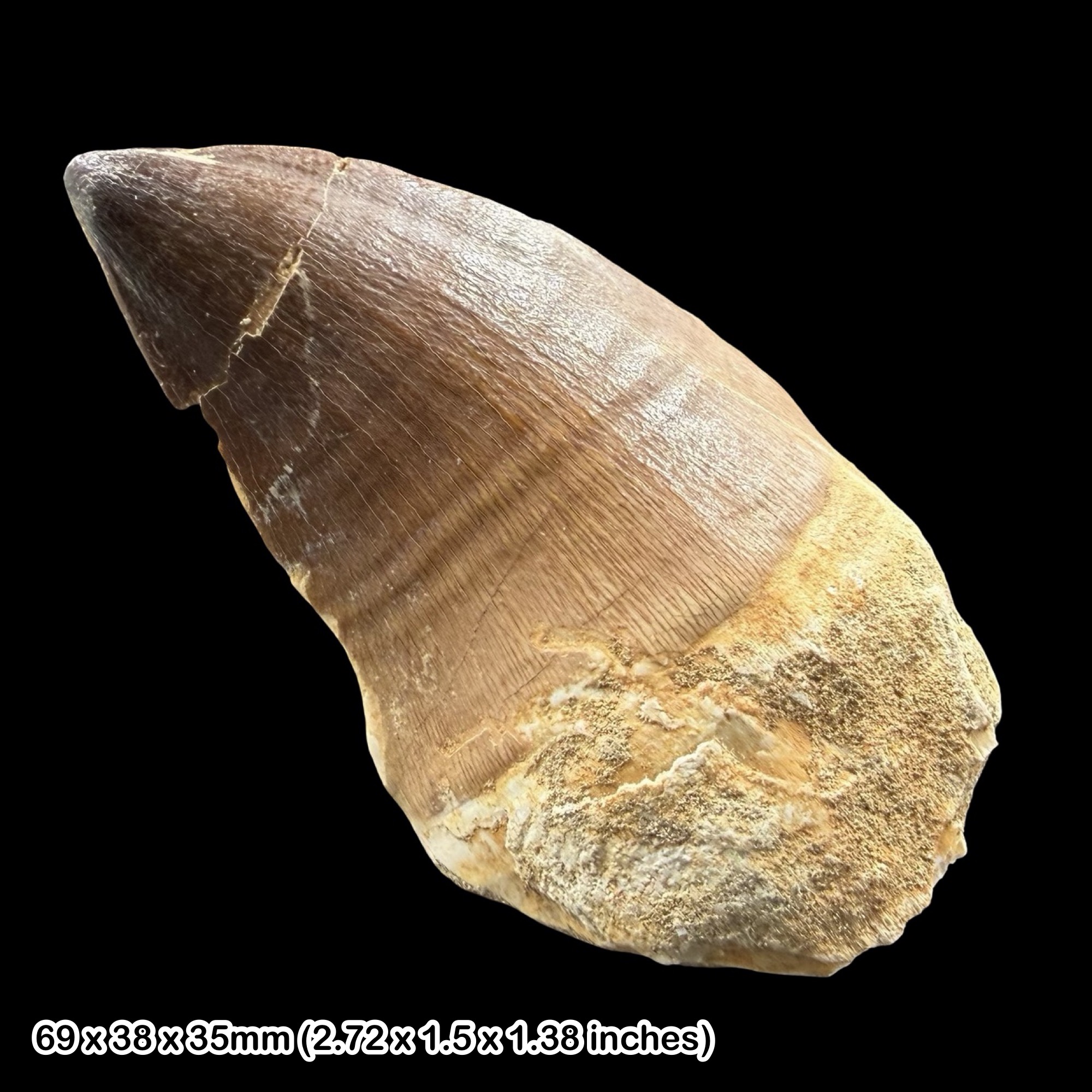
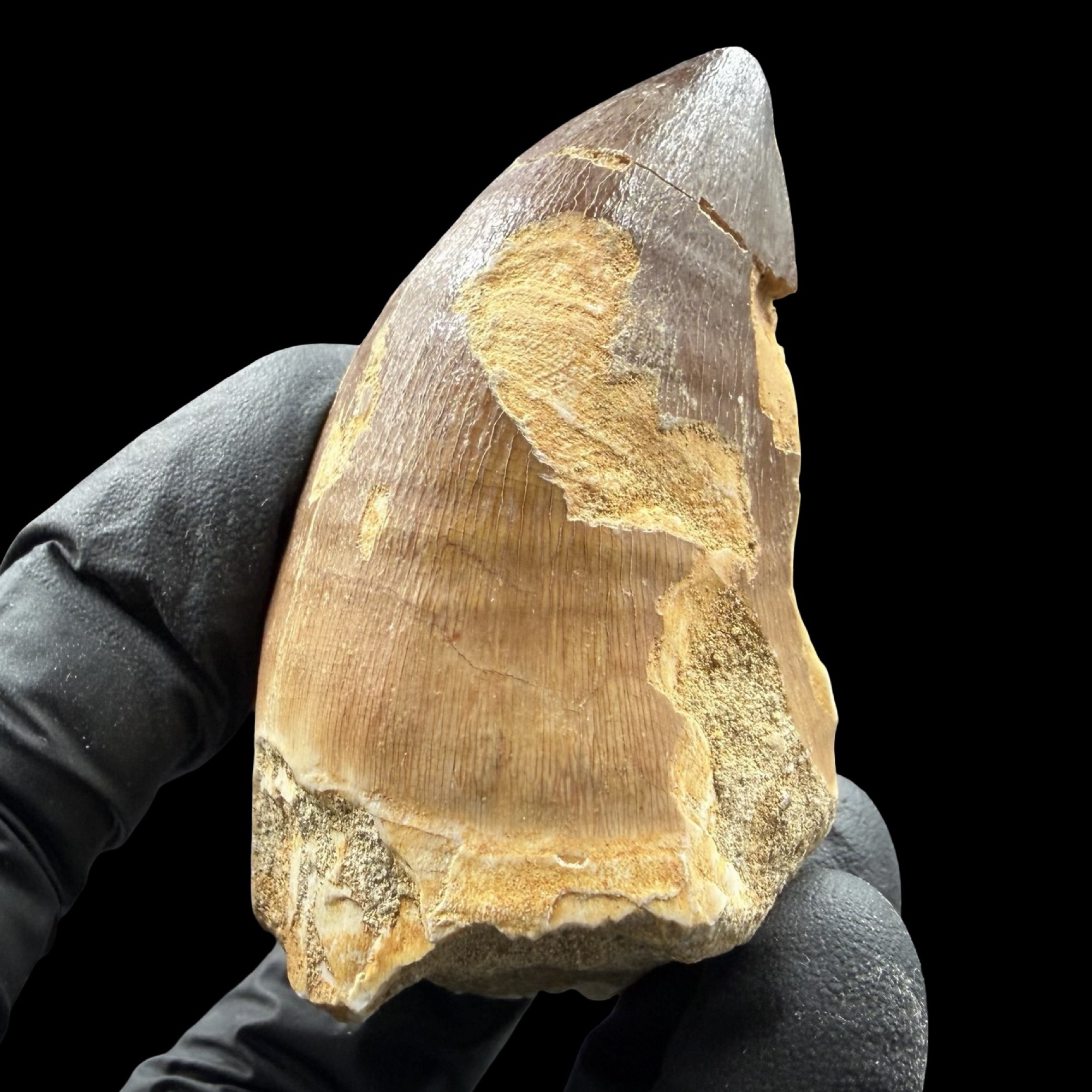
Giant Mosasaur Tooth Fossil Cretaceous Morocco Marine Reptile Genuine Specimen with Certificate
£ 60.00
GENUINE GIANT MOSASAUR TOOTH FOSSIL FROM THE KEM KEM BASIN OF MOROCCOThis genuine Giant Mosasaur Tooth fossil is an impressive prehistoric marine
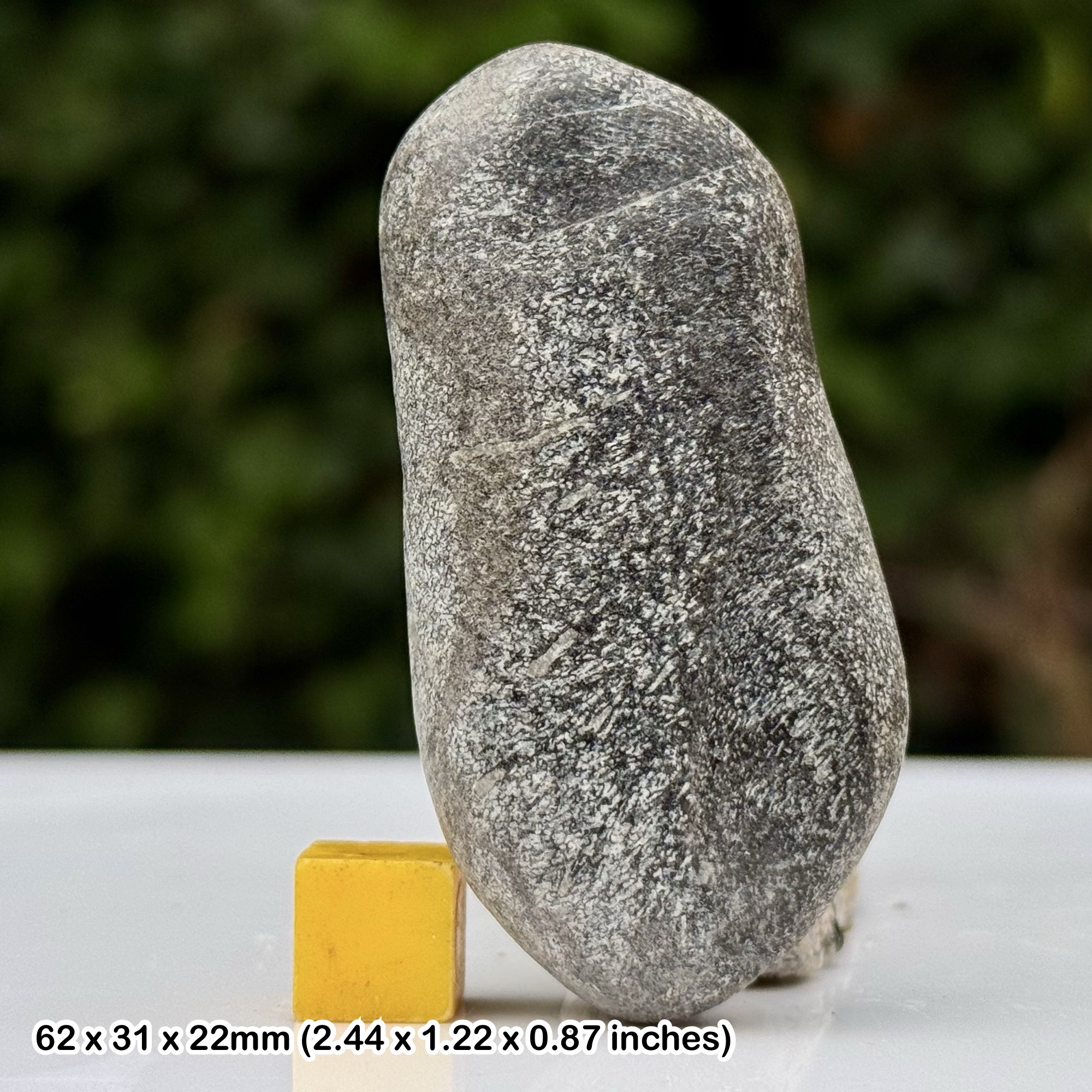
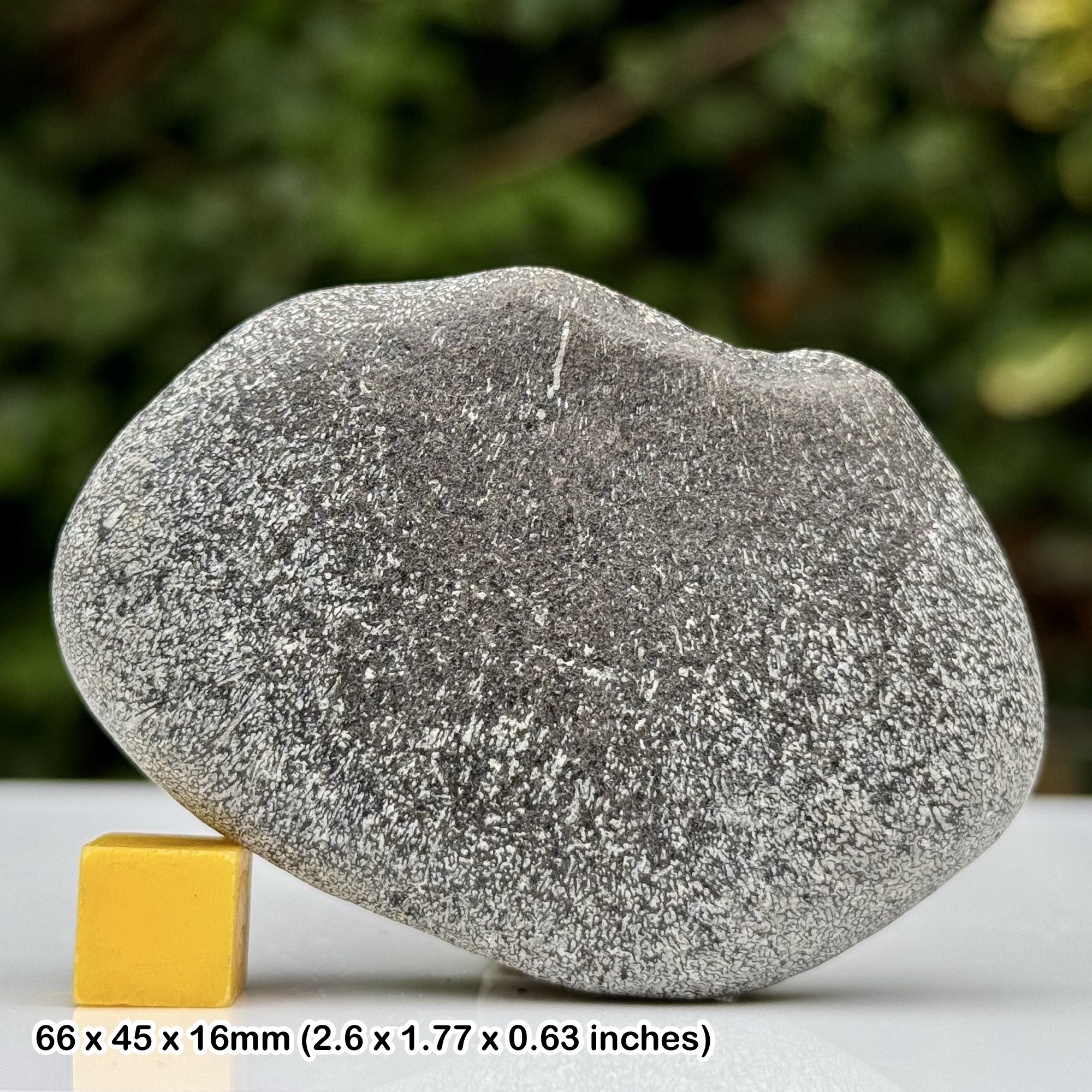
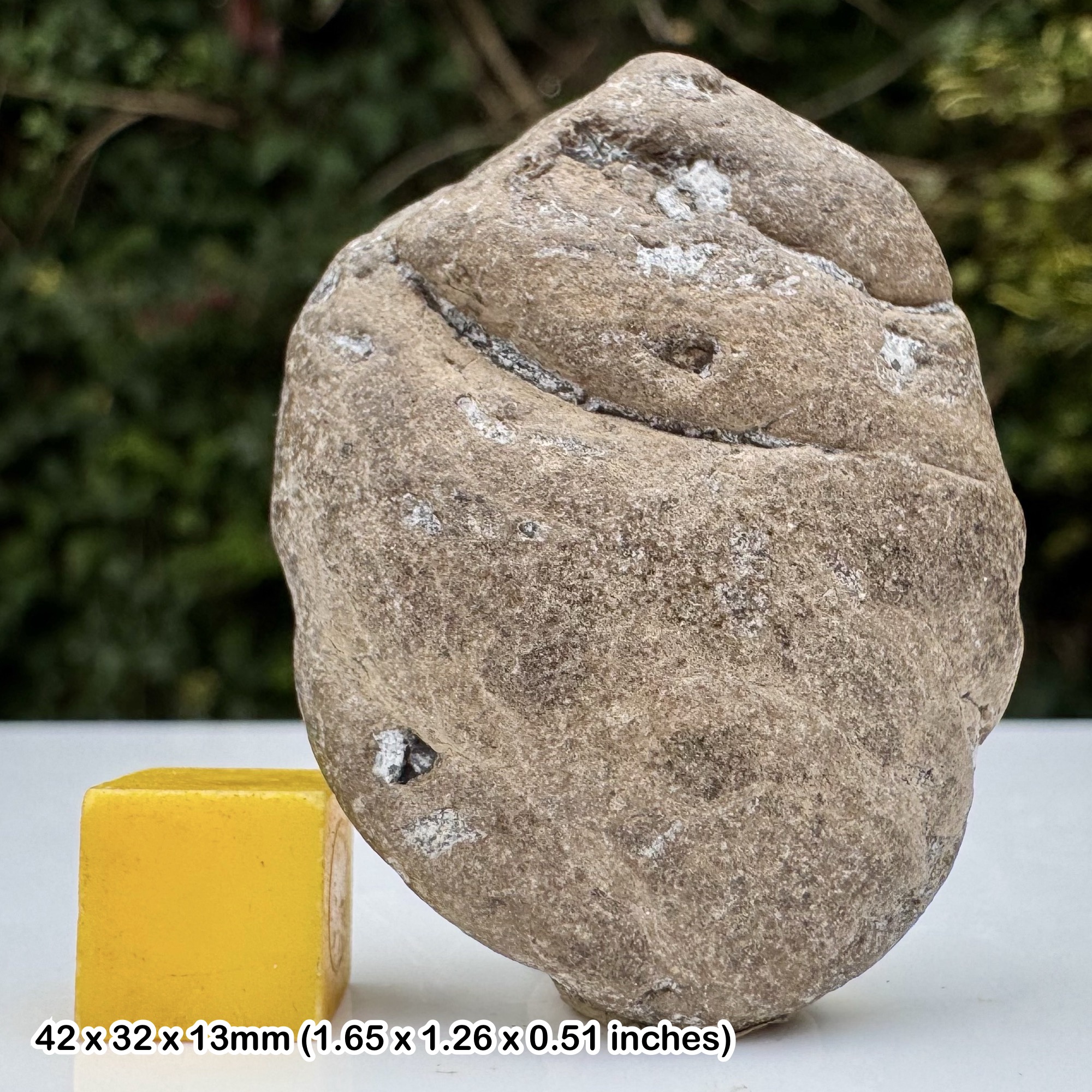
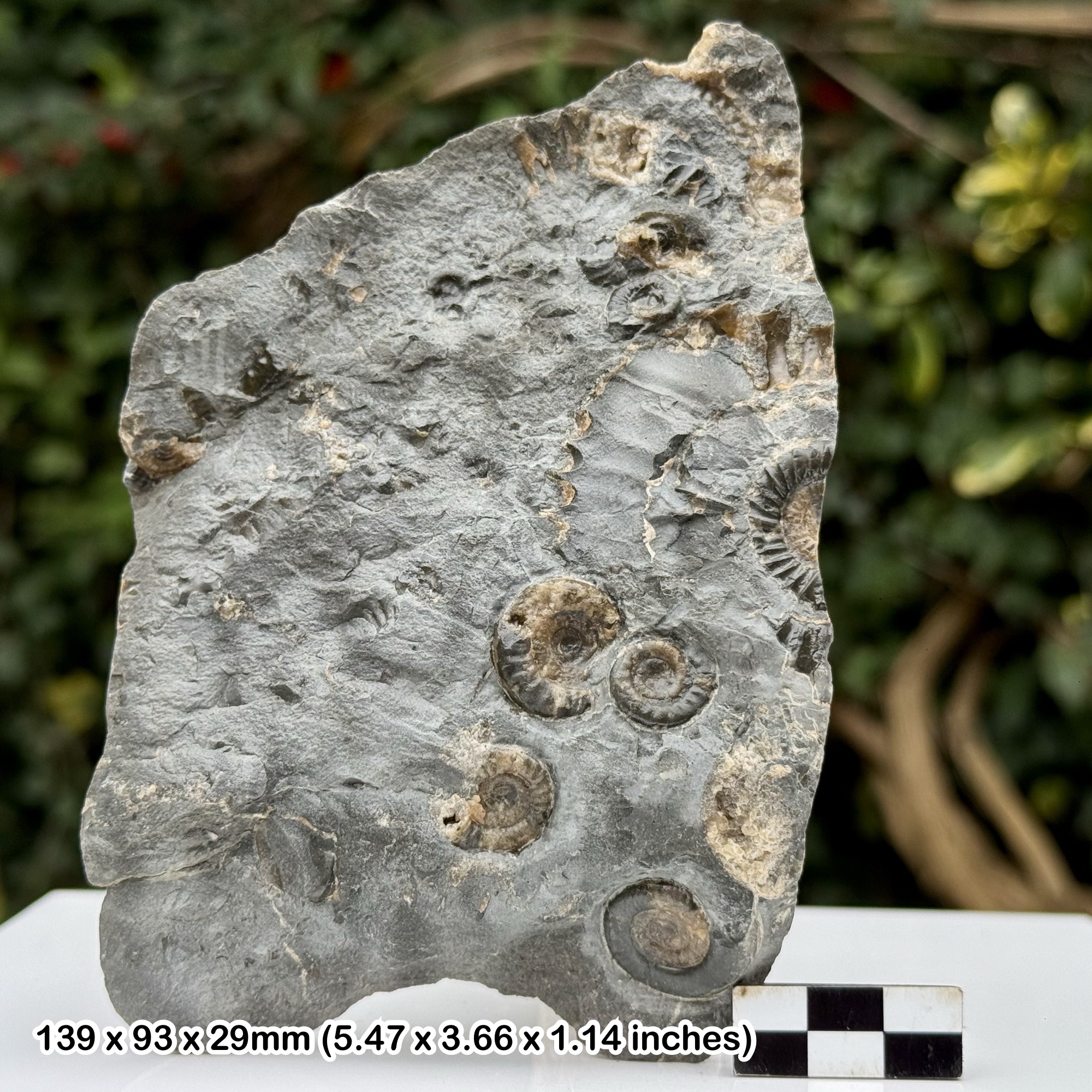
reptile specimen recovered from the famous Kem Kem Beds of the Tegana Formation in the Kem Kem Basin, Morocco. Dating to the Cretaceous period, this remarkable fossil originates from one of the world’s most important fossil-producing regions and represents one of the dominant marine predators of the Late Mesozoic seas.The fossil shown in the photographs is the exact specimen you will receive. Carefully selected for its size, preservation and visual impact, this authentic mosasaur tooth displays the powerful anatomical features that made these enormous marine reptiles apex predators of prehistoric oceans.This fossil includes a Certificate of Authenticity lifetime guarantee generic card confirming the specimen is 100% genuine.Full sizing please see photo. ABOUT MOSASAURSMosasaurs were massive marine reptiles belonging to the order Squamata, making them distant relatives of modern monitor lizards and snakes. These highly specialised predators evolved to dominate marine ecosystems during the Cretaceous period and occupied ecological roles similar to modern sharks and orcas.Equipped with streamlined bodies, paddle-like limbs and powerful tails, mosasaurs were superb swimmers capable of pursuing prey through ancient seas and coastal waterways. Their jaws were lined with large conical teeth perfectly adapted for gripping fish, ammonites, marine reptiles and other prey.Mosasaur teeth are highly recognisable due to their elongated shape, robust enamel and curved profile. Many specimens display fine longitudinal ridges and naturally polished enamel surfaces formed through fossilisation. The strong tooth structure allowed mosasaurs to seize and hold struggling prey with immense force.This giant specimen preserves the classic morphology associated with large mosasaur teeth, including the durable conical crown and naturally fossilised surface texture. Fossils of this size are highly sought after by collectors due to their striking appearance and association with giant marine predators. GEOLOGICAL BACKGROUND OF THE KEM KEM BEDSThe Kem Kem Beds of southeastern Morocco are among the most famous fossil-bearing deposits in the world. These sedimentary rocks formed during the Cretaceous period within extensive river systems, coastal floodplains and shallow marine environments that supported a rich diversity of prehistoric life.The Tegana Formation preserves evidence of complex ecosystems populated by giant predatory dinosaurs, crocodilians, fish, pterosaurs and marine reptiles. Periodic flooding and sediment deposition helped bury and preserve skeletal remains, teeth and other biological material within iron-rich sandstones and mudstones.Although the Kem Kem Beds are most famous for dinosaurs such as Spinosaurus and Carcharodontosaurus, marine and aquatic fossils are also abundant due to the interconnected river and coastal systems that existed across the region during the Cretaceous. NATURAL FOSSIL PRESERVATIONThis mosasaur tooth fossil retains authentic natural preservation and has not been artificially replicated or cast. The visible enamel texture, colouration and mineralisation developed naturally during millions of years of geological fossilisation.The specimen displays genuine fossil characteristics including natural wear patterns, mineral deposits and preserved structural detail. Variations in colour and texture are entirely natural and reflect the chemical conditions present during fossilisation within the Kem Kem sediments.Large mosasaur teeth are particularly desirable due to their robust appearance and excellent display quality. Their recognisable shape and association with giant marine predators make them standout pieces in fossil collections and natural history displays. SCIENTIFIC AND COLLECTABLE IMPORTANCEMosasaur fossils provide important evidence of marine reptile evolution during the Late Mesozoic Era. These animals became dominant ocean predators shortly before the end-Cretaceous extinction event that marked the end of the Age of Dinosaurs.Teeth are among the most commonly preserved mosasaur fossils because enamel fossilises exceptionally well and can survive transport within sedimentary environments. Large well-preserved specimens such as this are especially valued by collectors of marine reptile fossils and prehistoric vertebrates.This fossil is ideal for collectors of mosasaur remains, marine reptile fossils, Moroccan fossils, Cretaceous fossils, prehistoric predator specimens and genuine natural history artefacts. CERTIFICATE OF AUTHENTICITYIncluded with the fossil is a Certificate of Authenticity lifetime guarantee generic card confirming that the specimen is genuine. The photographs provided show the exact fossil you will receive, ensuring complete confidence in the authenticity and individuality of the piece.
reptile specimen recovered from the famous Kem Kem Beds of the Tegana Formation in the Kem Kem Basin, Morocco. Dating to the Cretaceous period, this remarkable fossil originates from one of the world’s most important fossil-producing regions and represents one of the dominant marine predators of the Late Mesozoic seas.The fossil shown in the photographs is the exact specimen you will receive. Carefully selected for its size, preservation and visual impact, this authentic mosasaur tooth displays the powerful anatomical features that made these enormous marine reptiles apex predators of prehistoric oceans.This fossil includes a Certificate of Authenticity lifetime guarantee generic card confirming the specimen is 100% genuine.Full sizing please see photo. ABOUT MOSASAURSMosasaurs were massive marine reptiles belonging to the order Squamata, making them distant relatives of modern monitor lizards and snakes. These highly specialised predators evolved to dominate marine ecosystems during the Cretaceous period and occupied ecological roles similar to modern sharks and orcas.Equipped with streamlined bodies, paddle-like limbs and powerful tails, mosasaurs were superb swimmers capable of pursuing prey through ancient seas and coastal waterways. Their jaws were lined with large conical teeth perfectly adapted for gripping fish, ammonites, marine reptiles and other prey.Mosasaur teeth are highly recognisable due to their elongated shape, robust enamel and curved profile. Many specimens display fine longitudinal ridges and naturally polished enamel surfaces formed through fossilisation. The strong tooth structure allowed mosasaurs to seize and hold struggling prey with immense force.This giant specimen preserves the classic morphology associated with large mosasaur teeth, including the durable conical crown and naturally fossilised surface texture. Fossils of this size are highly sought after by collectors due to their striking appearance and association with giant marine predators. GEOLOGICAL BACKGROUND OF THE KEM KEM BEDSThe Kem Kem Beds of southeastern Morocco are among the most famous fossil-bearing deposits in the world. These sedimentary rocks formed during the Cretaceous period within extensive river systems, coastal floodplains and shallow marine environments that supported a rich diversity of prehistoric life.The Tegana Formation preserves evidence of complex ecosystems populated by giant predatory dinosaurs, crocodilians, fish, pterosaurs and marine reptiles. Periodic flooding and sediment deposition helped bury and preserve skeletal remains, teeth and other biological material within iron-rich sandstones and mudstones.Although the Kem Kem Beds are most famous for dinosaurs such as Spinosaurus and Carcharodontosaurus, marine and aquatic fossils are also abundant due to the interconnected river and coastal systems that existed across the region during the Cretaceous. NATURAL FOSSIL PRESERVATIONThis mosasaur tooth fossil retains authentic natural preservation and has not been artificially replicated or cast. The visible enamel texture, colouration and mineralisation developed naturally during millions of years of geological fossilisation.The specimen displays genuine fossil characteristics including natural wear patterns, mineral deposits and preserved structural detail. Variations in colour and texture are entirely natural and reflect the chemical conditions present during fossilisation within the Kem Kem sediments.Large mosasaur teeth are particularly desirable due to their robust appearance and excellent display quality. Their recognisable shape and association with giant marine predators make them standout pieces in fossil collections and natural history displays. SCIENTIFIC AND COLLECTABLE IMPORTANCEMosasaur fossils provide important evidence of marine reptile evolution during the Late Mesozoic Era. These animals became dominant ocean predators shortly before the end-Cretaceous extinction event that marked the end of the Age of Dinosaurs.Teeth are among the most commonly preserved mosasaur fossils because enamel fossilises exceptionally well and can survive transport within sedimentary environments. Large well-preserved specimens such as this are especially valued by collectors of marine reptile fossils and prehistoric vertebrates.This fossil is ideal for collectors of mosasaur remains, marine reptile fossils, Moroccan fossils, Cretaceous fossils, prehistoric predator specimens and genuine natural history artefacts. CERTIFICATE OF AUTHENTICITYIncluded with the fossil is a Certificate of Authenticity lifetime guarantee generic card confirming that the specimen is genuine. The photographs provided show the exact fossil you will receive, ensuring complete confidence in the authenticity and individuality of the piece.
Other Products