Smithsonite Blue Green Mineral Specimen Large Natural Zinc Carbonate Crystal Collectors Display Stone with Certificate Authenticity
£ 36.00
Product OverviewThis large Blue and Green Smithsonite specimen is a genuine natural mineral,
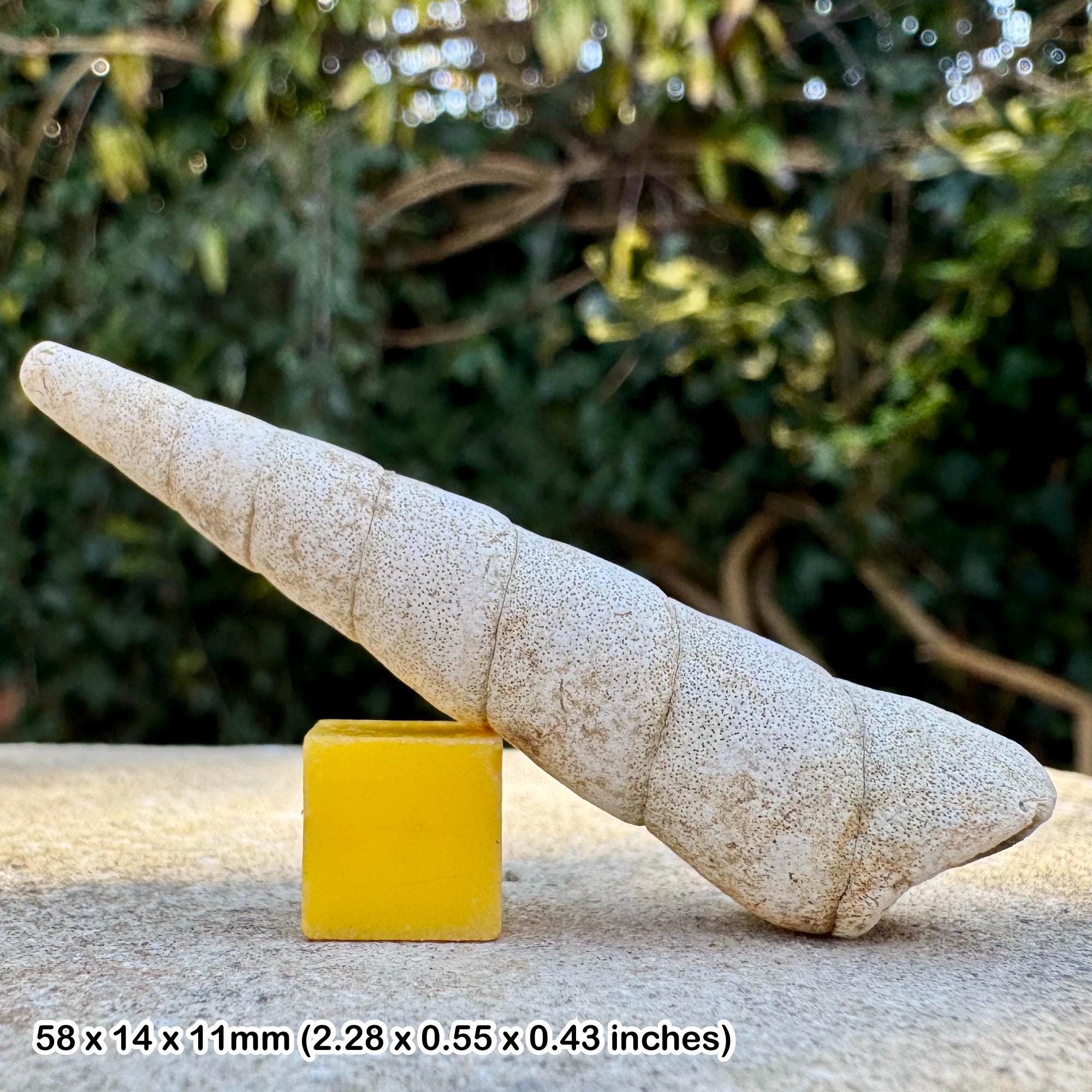
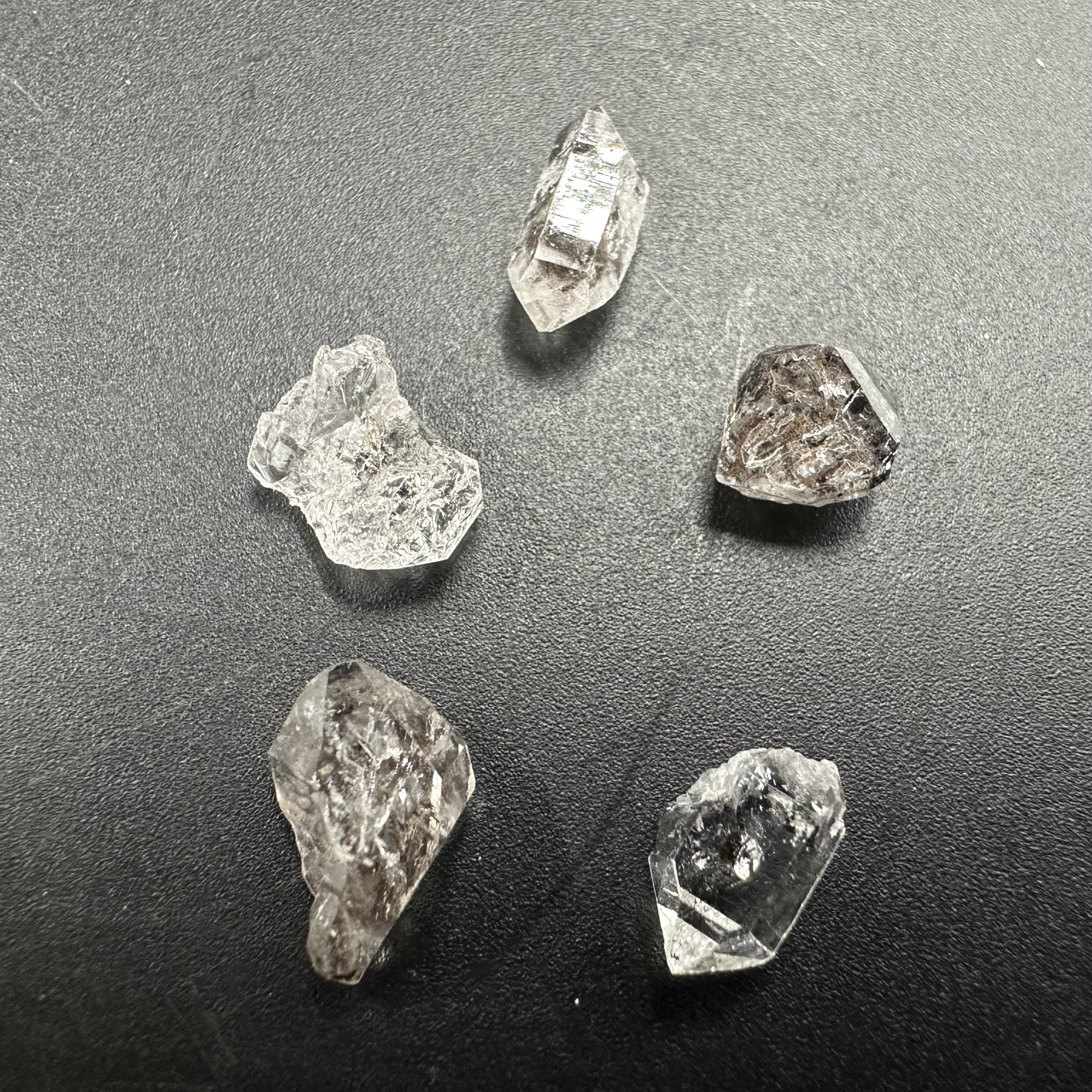
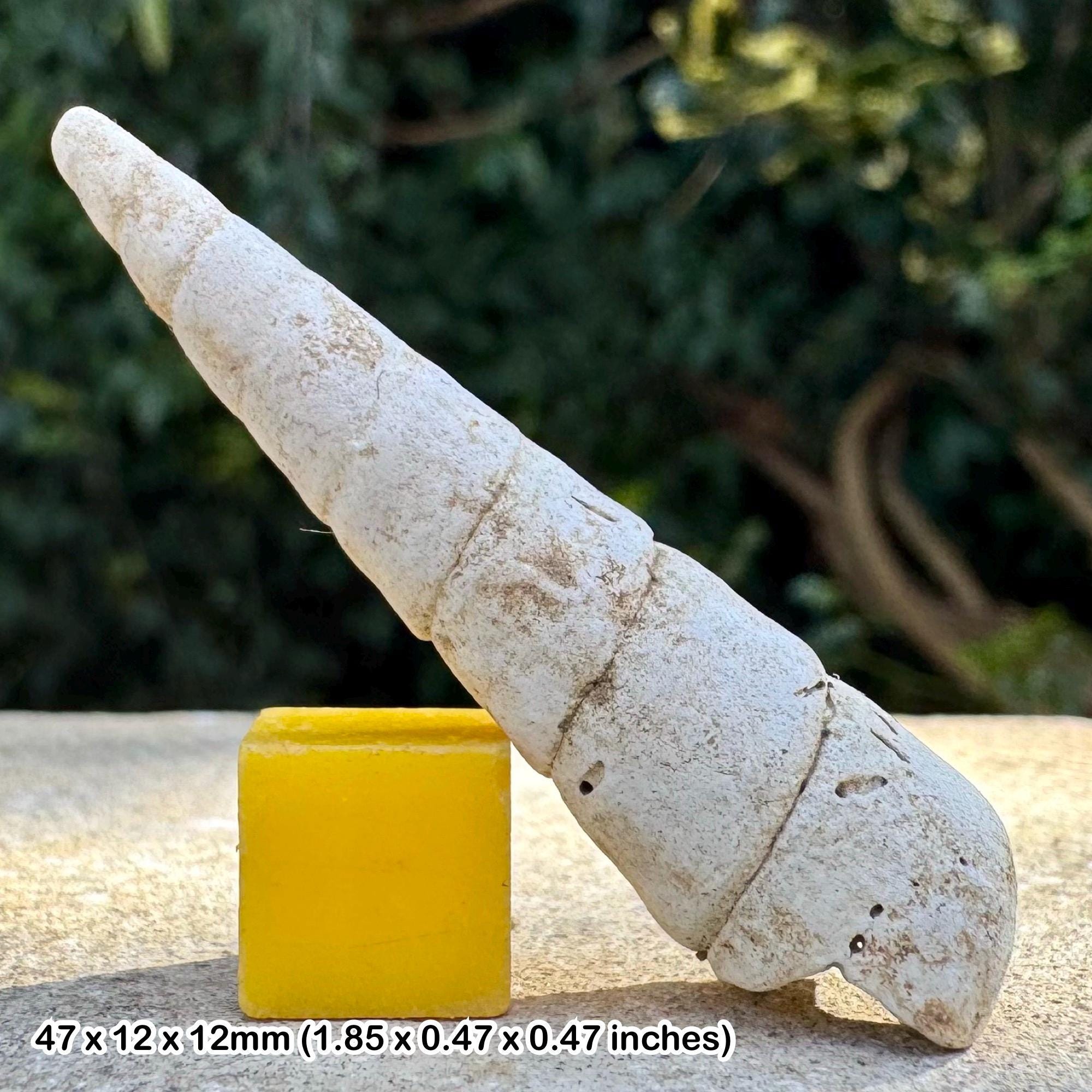
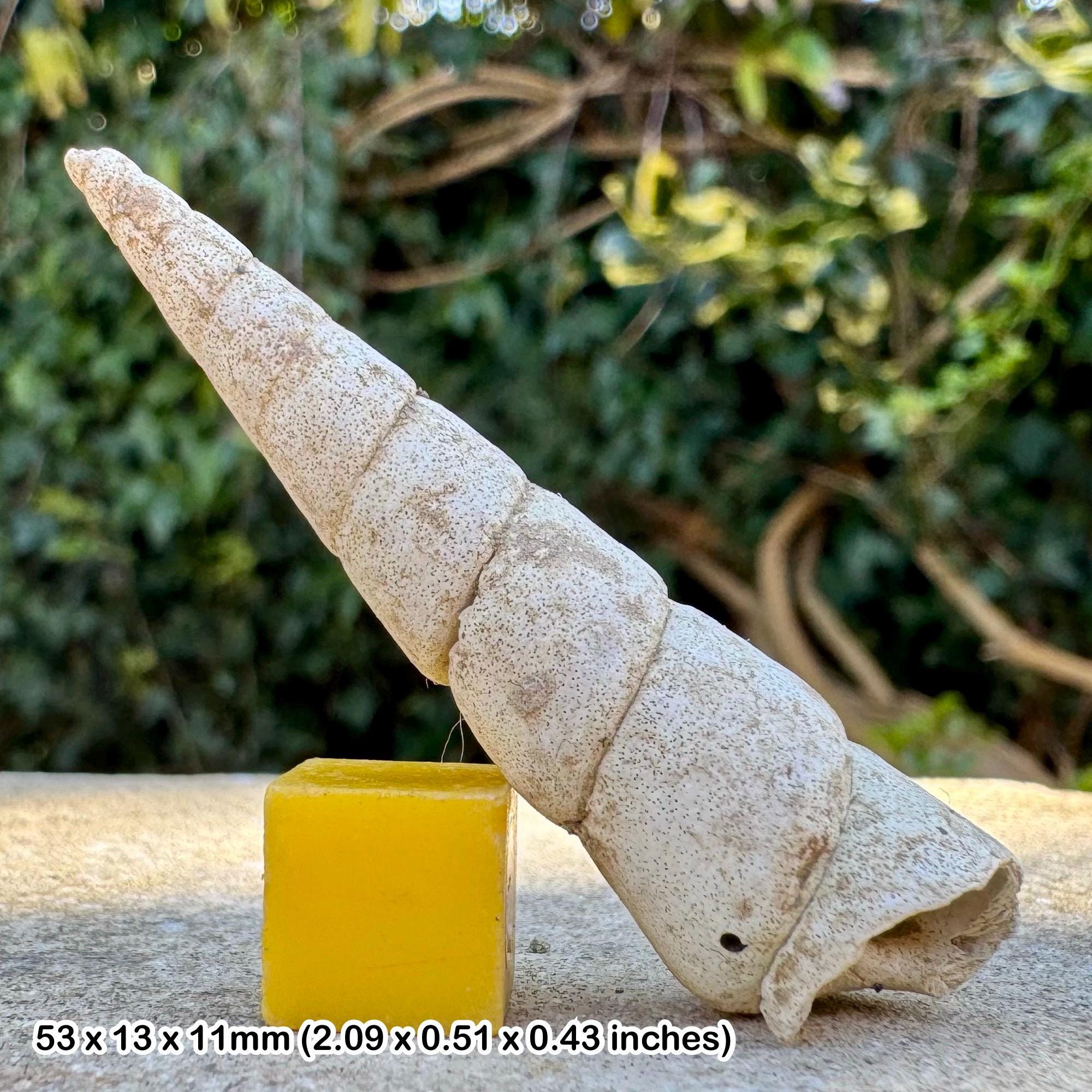
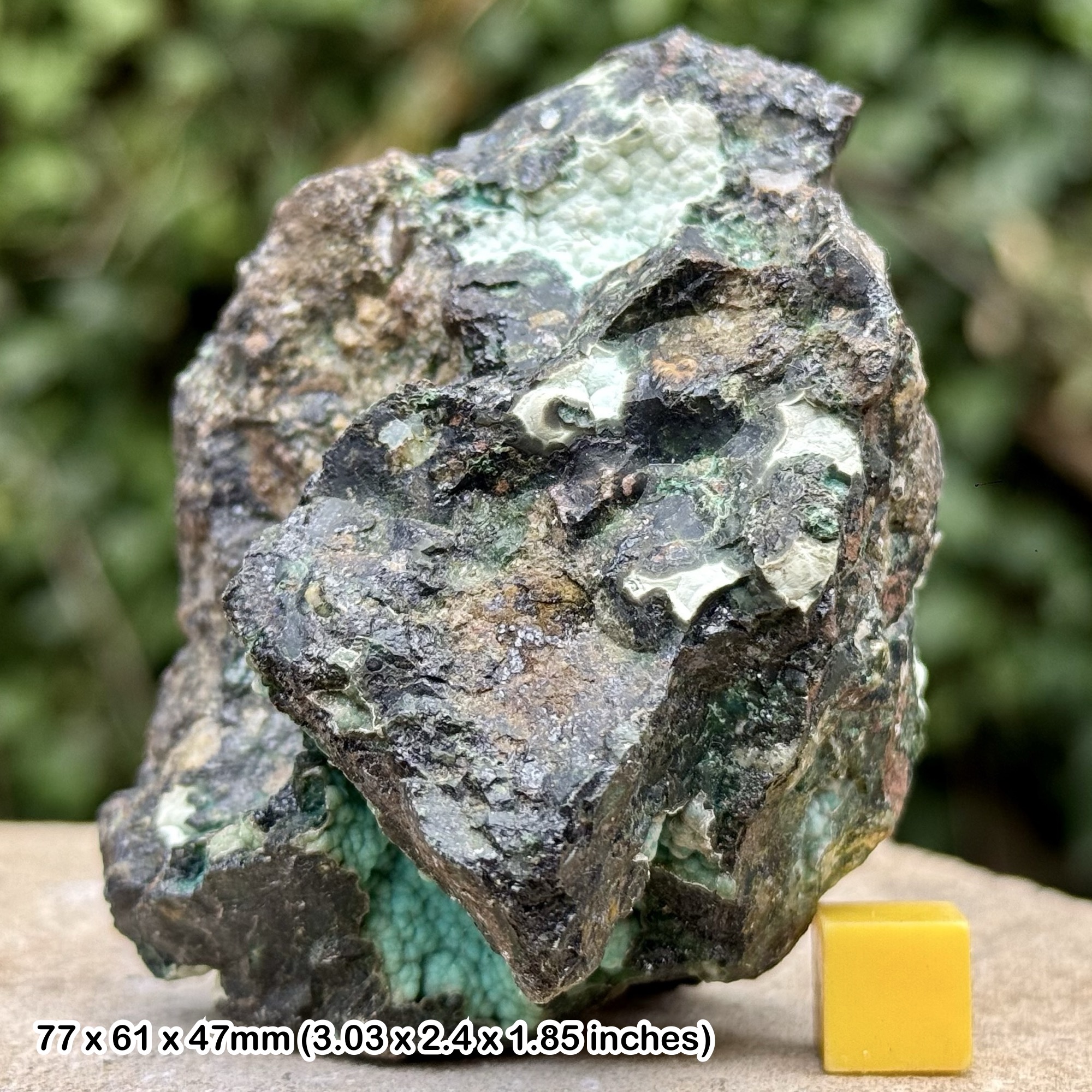
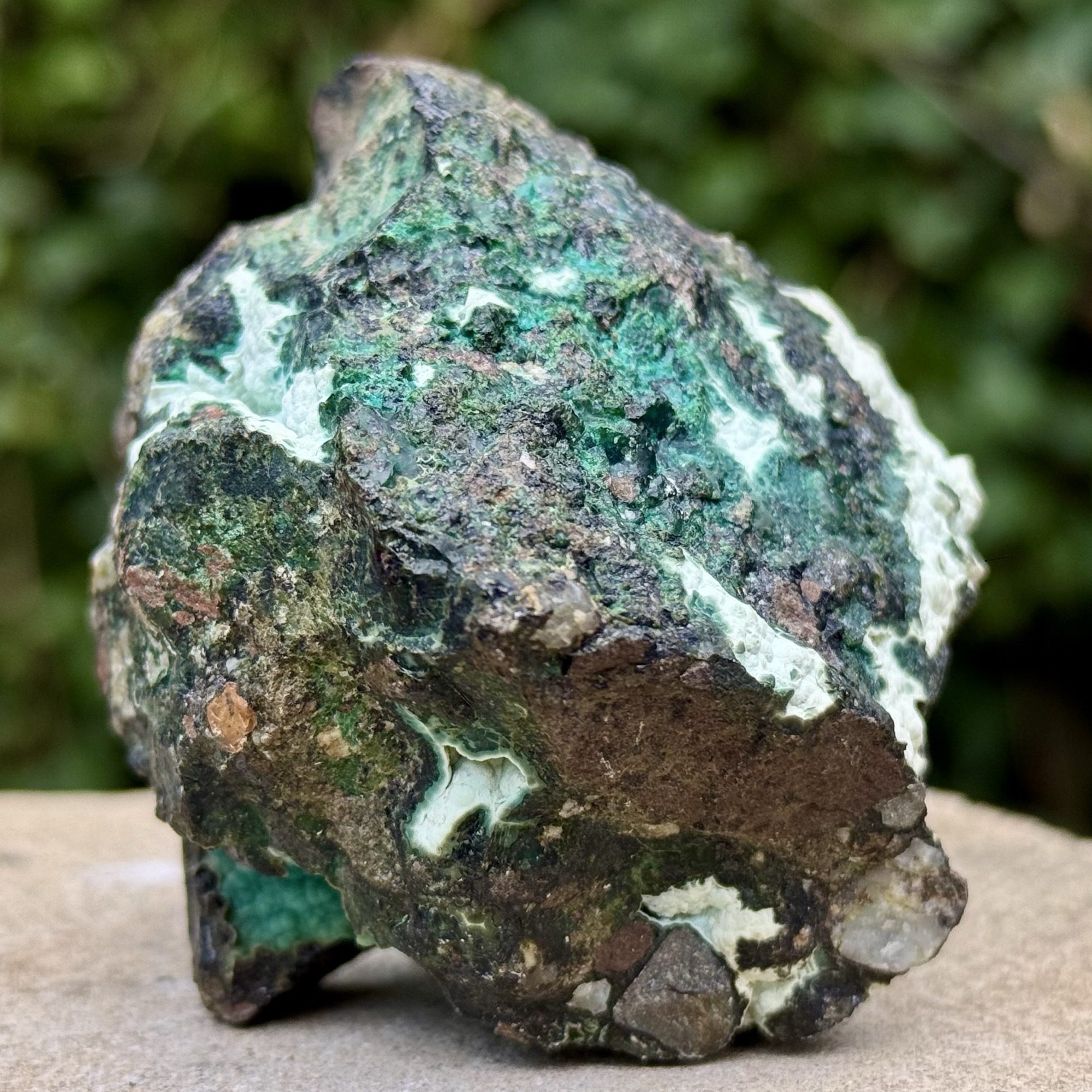
selected for its attractive colouration and smooth botryoidal surface. The exact specimen shown in the photograph is the one you will receive, offering complete confidence in its appearance and quality. Supplied with a Certificate of Authenticity lifetime guarantee card, this piece is ideal for collectors, display, or as a distinctive natural décor item. Please refer to the image for full sizing and proportions.Mineral Identification and CompositionSmithsonite is a zinc carbonate mineral with the chemical formula ZnCO₃. It belongs to the carbonate mineral group and is an important ore of zinc. Known for its wide range of colours, Smithsonite can occur in shades of blue, green, pink, yellow, and grey, depending on trace elements present during formation.The blue and green tones in this specimen are typically influenced by the presence of copper or other trace elements, giving the mineral its distinctive and highly sought-after colour variations.Crystal Structure and Physical PropertiesSmithsonite crystallises in the trigonal crystal system, although it most commonly occurs in massive or botryoidal (grape-like) forms rather than as well-defined crystals. These rounded formations create smooth, layered surfaces that are often polished naturally by geological processes.Typical properties include:
• Colour: Blue, green, or a blend of both tones
• Lustre: Vitreous to pearly, sometimes silky on curved surfaces
• Transparency: Translucent to opaque
• Hardness: 4–4.5 on the Mohs scaleThe botryoidal structure gives Smithsonite a distinctive texture, with subtle banding and curvature visible across the surface.Geological Formation and OccurrenceSmithsonite forms as a secondary mineral in the oxidation zones of zinc ore deposits. It develops when zinc-bearing minerals such as sphalerite are exposed to weathering processes and react with carbonate-rich solutions.These conditions often occur in limestone-hosted deposits, where mineral-rich fluids circulate and deposit zinc carbonate over time. Smithsonite is found in various locations worldwide, including Mexico, Namibia, Greece, and parts of the United States, with each locality producing slightly different colour characteristics.Appearance and Natural VariationEach Smithsonite specimen is unique, with variations in colour intensity, patterning, and surface texture. Some pieces may display soft pastel blue tones, while others exhibit richer green hues or a combination of both in layered or mottled patterns.The smooth, rounded botryoidal surface often reflects light gently, enhancing the natural lustre and giving the piece a visually appealing finish. Subtle banding or zoning may be visible, reflecting the mineral’s growth over time.Uses and Collecting AppealSmithsonite is highly valued among mineral collectors due to its varied colours, distinctive formations, and geological significance as a zinc ore mineral. Larger specimens such as this are particularly desirable for display, offering both aesthetic appeal and educational interest.In non-scientific and cultural contexts, Smithsonite is traditionally associated with calm and balance and is often appreciated in spiritual or decorative settings. These interpretations are based on cultural traditions rather than scientific properties.Authenticity and Presentation
• Genuine Smithsonite (ZnCO₃) mineral specimen
• Natural blue and green colouration
• Botryoidal formation with smooth, rounded surfaces
• Exact specimen shown in the photograph is the one you will receive
• Supplied with a Certificate of Authenticity lifetime guarantee cardThis Smithsonite specimen combines natural geological formation, attractive colour variation, and collectible appeal, making it a standout addition to any mineral collection or display.
selected for its attractive colouration and smooth botryoidal surface. The exact specimen shown in the photograph is the one you will receive, offering complete confidence in its appearance and quality. Supplied with a Certificate of Authenticity lifetime guarantee card, this piece is ideal for collectors, display, or as a distinctive natural décor item. Please refer to the image for full sizing and proportions.Mineral Identification and CompositionSmithsonite is a zinc carbonate mineral with the chemical formula ZnCO₃. It belongs to the carbonate mineral group and is an important ore of zinc. Known for its wide range of colours, Smithsonite can occur in shades of blue, green, pink, yellow, and grey, depending on trace elements present during formation.The blue and green tones in this specimen are typically influenced by the presence of copper or other trace elements, giving the mineral its distinctive and highly sought-after colour variations.Crystal Structure and Physical PropertiesSmithsonite crystallises in the trigonal crystal system, although it most commonly occurs in massive or botryoidal (grape-like) forms rather than as well-defined crystals. These rounded formations create smooth, layered surfaces that are often polished naturally by geological processes.Typical properties include:
• Colour: Blue, green, or a blend of both tones
• Lustre: Vitreous to pearly, sometimes silky on curved surfaces
• Transparency: Translucent to opaque
• Hardness: 4–4.5 on the Mohs scaleThe botryoidal structure gives Smithsonite a distinctive texture, with subtle banding and curvature visible across the surface.Geological Formation and OccurrenceSmithsonite forms as a secondary mineral in the oxidation zones of zinc ore deposits. It develops when zinc-bearing minerals such as sphalerite are exposed to weathering processes and react with carbonate-rich solutions.These conditions often occur in limestone-hosted deposits, where mineral-rich fluids circulate and deposit zinc carbonate over time. Smithsonite is found in various locations worldwide, including Mexico, Namibia, Greece, and parts of the United States, with each locality producing slightly different colour characteristics.Appearance and Natural VariationEach Smithsonite specimen is unique, with variations in colour intensity, patterning, and surface texture. Some pieces may display soft pastel blue tones, while others exhibit richer green hues or a combination of both in layered or mottled patterns.The smooth, rounded botryoidal surface often reflects light gently, enhancing the natural lustre and giving the piece a visually appealing finish. Subtle banding or zoning may be visible, reflecting the mineral’s growth over time.Uses and Collecting AppealSmithsonite is highly valued among mineral collectors due to its varied colours, distinctive formations, and geological significance as a zinc ore mineral. Larger specimens such as this are particularly desirable for display, offering both aesthetic appeal and educational interest.In non-scientific and cultural contexts, Smithsonite is traditionally associated with calm and balance and is often appreciated in spiritual or decorative settings. These interpretations are based on cultural traditions rather than scientific properties.Authenticity and Presentation
• Genuine Smithsonite (ZnCO₃) mineral specimen
• Natural blue and green colouration
• Botryoidal formation with smooth, rounded surfaces
• Exact specimen shown in the photograph is the one you will receive
• Supplied with a Certificate of Authenticity lifetime guarantee cardThis Smithsonite specimen combines natural geological formation, attractive colour variation, and collectible appeal, making it a standout addition to any mineral collection or display.
Other Products