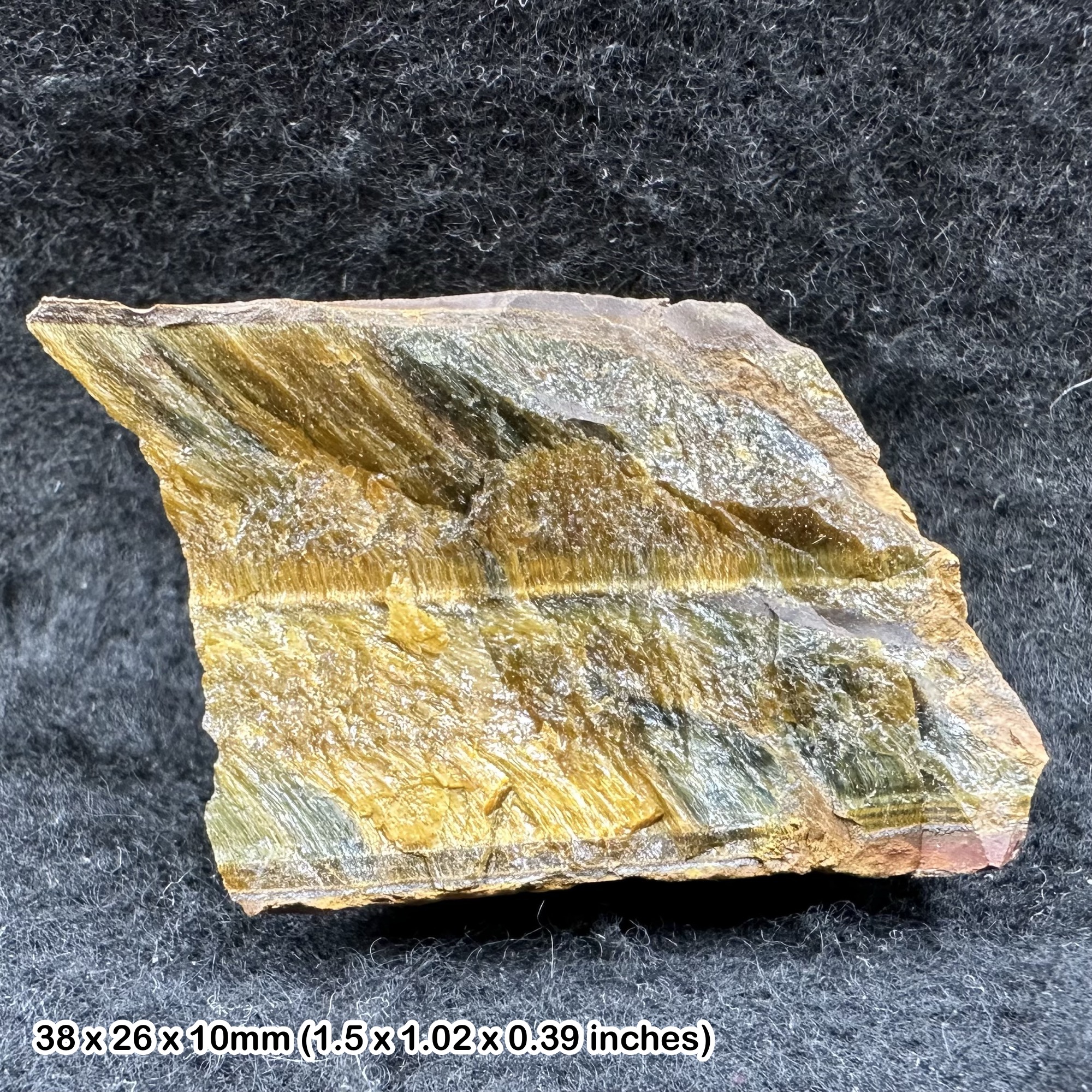
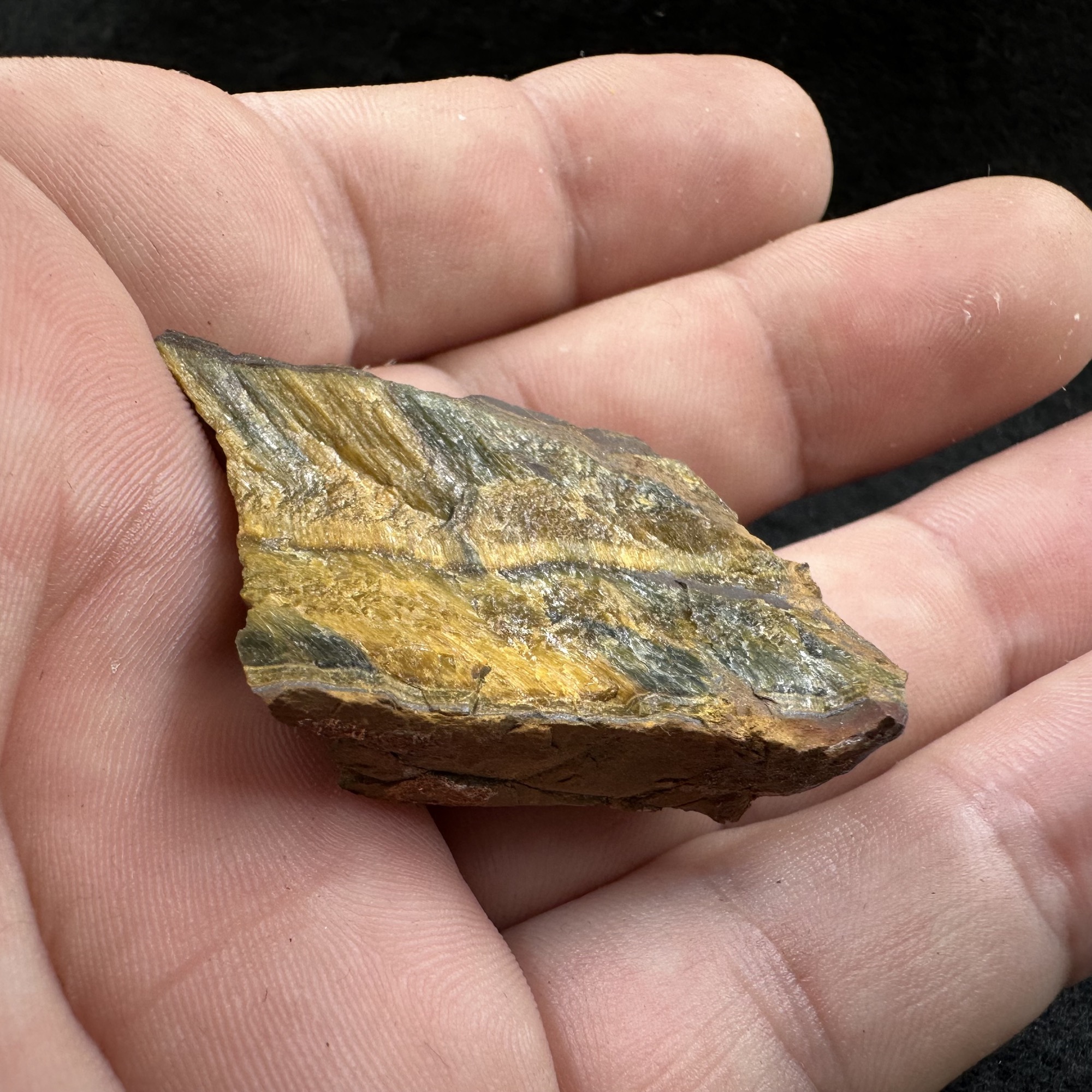
Tiger Eye Crystal South Africa Natural Golden Brown Chatoyant Quartz Mineral Specimen Genuine with Certificate of Authenticity
£ 9.00
NATURAL TIGER EYE MINERAL SPECIMEN FROM SOUTH AFRICAThis genuine Tiger Eye mineral specimen from South Africa displays the
distinctive golden-brown banding and reflective optical effect that make this quartz variety instantly recognisable. Carefully selected for its natural colour patterns and mineral texture, this specimen highlights the fibrous internal structure responsible for the stone’s characteristic appearance.The photographs in this listing show the exact specimen you will receive, allowing collectors and buyers to closely examine the natural banding, colour variation, and surface texture before purchase. Each Tiger Eye specimen forms under unique geological conditions, resulting in subtle differences in pattern, colour intensity, and mineral structure. MINERAL IDENTIFICATION AND SCIENTIFIC CLASSIFICATIONTiger Eye is a fibrous variety of quartz, a silicon dioxide mineral belonging to the tectosilicate mineral group. It forms through a natural geological process in which quartz gradually replaces earlier fibrous minerals while preserving their structure.Key mineralogical properties include:
• Mineral Species: Quartz (Tiger Eye variety)
• Chemical Formula: SiO₂ (Silicon Dioxide)
• Mineral Group: Tectosilicates
• Crystal System: Trigonal
• Mohs Hardness: 7
• Lustre: Silky to vitreous
• Transparency: Opaque to translucent
• Crystal Habit: Massive fibrous structureUnlike many quartz varieties that form visible crystal points, Tiger Eye typically occurs in massive fibrous formations rather than distinct crystal shapes. GEOLOGICAL FORMATION OF TIGER EYETiger Eye forms through a geological process known as pseudomorphic replacement, where one mineral gradually replaces another while maintaining the original structure of the earlier mineral.In the case of Tiger Eye, the mineral originates from fibrous crocidolite, a type of blue amphibole mineral. Over time, silica-rich fluids permeate the rock and replace the crocidolite fibres with quartz while preserving the original fibrous structure.During this transformation, iron within the mineral oxidises, producing the distinctive golden brown colouration associated with Tiger Eye.The preserved fibrous structure within the quartz produces the well-known optical effect seen in polished specimens. SOUTH AFRICAN MINERAL DEPOSITSSouth Africa is one of the most important global sources of Tiger Eye. Large deposits occur in regions where ancient geological processes allowed crocidolite-bearing rock formations to undergo silica replacement.These deposits developed within sedimentary rock sequences that experienced mineralisation and chemical alteration over millions of years. The result is extensive formations of Tiger Eye that are often mined and processed into decorative and collector mineral pieces.South African Tiger Eye is particularly valued for its strong colour contrast, well-defined banding, and pronounced optical effects. OPTICAL EFFECT AND CHATOYANCYOne of the most distinctive characteristics of Tiger Eye is its chatoyancy, often referred to as the “cat’s eye effect.” This optical phenomenon occurs when light reflects from the parallel fibrous structures inside the stone.As light moves across the surface of the mineral, the fibres reflect light in narrow bands, creating the illusion of shifting lines of brightness. This effect is especially noticeable when the stone is polished or viewed under directional lighting.Typical visual characteristics include:
• Golden brown to honey-coloured bands
• Parallel fibrous internal structure
• Silky reflective surface
• Distinctive chatoyant optical effectThese natural features make Tiger Eye particularly striking when displayed. MINERAL COLLECTING AND GEOLOGICAL INTERESTTiger Eye is widely collected due to its distinctive optical properties, geological formation process, and attractive natural banding. It is a notable example of mineral replacement and preservation of fibrous structures within quartz.Collectors appreciate Tiger Eye specimens for:
• Unique chatoyant optical effect
• Natural golden and brown banding patterns
• Geological significance as a pseudomorphic quartz mineral
• Strong association with South African mineral depositsSpecimens such as this are well suited for mineral collections, geological displays, decorative stone arrangements, or natural history cabinets. CULTURAL AND TRADITIONAL ASSOCIATIONSThroughout history, Tiger Eye has appeared in decorative objects and ornamental carvings across many cultures. In some traditions, the stone is traditionally associated with symbolic themes of awareness and observation, interpretations based on cultural symbolism connected to its cat-like reflective appearance rather than scientific properties. AUTHENTICITY AND CERTIFICATE OF AUTHENTICITYThis Tiger Eye mineral specimen from South Africa is a genuine natural mineral. Each purchase includes a Certificate of Authenticity lifetime guarantee generic card, confirming the authenticity of the specimen.The listing photographs clearly show the exact specimen you will receive, ensuring collectors and buyers know precisely which piece they are purchasing. SIZE AND SPECIMEN DETAILSPlease refer to the listing photographs for full sizing and scale of the specimen. Images clearly display the colour banding, surface features, and natural mineral texture so buyers can accurately evaluate the piece before purchase.This Tiger Eye mineral specimen from South Africa represents a classic example of quartz replacement mineral formation and offers a visually striking addition to any mineral collection, geological display, or natural crystal cabinet.
distinctive golden-brown banding and reflective optical effect that make this quartz variety instantly recognisable. Carefully selected for its natural colour patterns and mineral texture, this specimen highlights the fibrous internal structure responsible for the stone’s characteristic appearance.The photographs in this listing show the exact specimen you will receive, allowing collectors and buyers to closely examine the natural banding, colour variation, and surface texture before purchase. Each Tiger Eye specimen forms under unique geological conditions, resulting in subtle differences in pattern, colour intensity, and mineral structure. MINERAL IDENTIFICATION AND SCIENTIFIC CLASSIFICATIONTiger Eye is a fibrous variety of quartz, a silicon dioxide mineral belonging to the tectosilicate mineral group. It forms through a natural geological process in which quartz gradually replaces earlier fibrous minerals while preserving their structure.Key mineralogical properties include:
• Mineral Species: Quartz (Tiger Eye variety)
• Chemical Formula: SiO₂ (Silicon Dioxide)
• Mineral Group: Tectosilicates
• Crystal System: Trigonal
• Mohs Hardness: 7
• Lustre: Silky to vitreous
• Transparency: Opaque to translucent
• Crystal Habit: Massive fibrous structureUnlike many quartz varieties that form visible crystal points, Tiger Eye typically occurs in massive fibrous formations rather than distinct crystal shapes. GEOLOGICAL FORMATION OF TIGER EYETiger Eye forms through a geological process known as pseudomorphic replacement, where one mineral gradually replaces another while maintaining the original structure of the earlier mineral.In the case of Tiger Eye, the mineral originates from fibrous crocidolite, a type of blue amphibole mineral. Over time, silica-rich fluids permeate the rock and replace the crocidolite fibres with quartz while preserving the original fibrous structure.During this transformation, iron within the mineral oxidises, producing the distinctive golden brown colouration associated with Tiger Eye.The preserved fibrous structure within the quartz produces the well-known optical effect seen in polished specimens. SOUTH AFRICAN MINERAL DEPOSITSSouth Africa is one of the most important global sources of Tiger Eye. Large deposits occur in regions where ancient geological processes allowed crocidolite-bearing rock formations to undergo silica replacement.These deposits developed within sedimentary rock sequences that experienced mineralisation and chemical alteration over millions of years. The result is extensive formations of Tiger Eye that are often mined and processed into decorative and collector mineral pieces.South African Tiger Eye is particularly valued for its strong colour contrast, well-defined banding, and pronounced optical effects. OPTICAL EFFECT AND CHATOYANCYOne of the most distinctive characteristics of Tiger Eye is its chatoyancy, often referred to as the “cat’s eye effect.” This optical phenomenon occurs when light reflects from the parallel fibrous structures inside the stone.As light moves across the surface of the mineral, the fibres reflect light in narrow bands, creating the illusion of shifting lines of brightness. This effect is especially noticeable when the stone is polished or viewed under directional lighting.Typical visual characteristics include:
• Golden brown to honey-coloured bands
• Parallel fibrous internal structure
• Silky reflective surface
• Distinctive chatoyant optical effectThese natural features make Tiger Eye particularly striking when displayed. MINERAL COLLECTING AND GEOLOGICAL INTERESTTiger Eye is widely collected due to its distinctive optical properties, geological formation process, and attractive natural banding. It is a notable example of mineral replacement and preservation of fibrous structures within quartz.Collectors appreciate Tiger Eye specimens for:
• Unique chatoyant optical effect
• Natural golden and brown banding patterns
• Geological significance as a pseudomorphic quartz mineral
• Strong association with South African mineral depositsSpecimens such as this are well suited for mineral collections, geological displays, decorative stone arrangements, or natural history cabinets. CULTURAL AND TRADITIONAL ASSOCIATIONSThroughout history, Tiger Eye has appeared in decorative objects and ornamental carvings across many cultures. In some traditions, the stone is traditionally associated with symbolic themes of awareness and observation, interpretations based on cultural symbolism connected to its cat-like reflective appearance rather than scientific properties. AUTHENTICITY AND CERTIFICATE OF AUTHENTICITYThis Tiger Eye mineral specimen from South Africa is a genuine natural mineral. Each purchase includes a Certificate of Authenticity lifetime guarantee generic card, confirming the authenticity of the specimen.The listing photographs clearly show the exact specimen you will receive, ensuring collectors and buyers know precisely which piece they are purchasing. SIZE AND SPECIMEN DETAILSPlease refer to the listing photographs for full sizing and scale of the specimen. Images clearly display the colour banding, surface features, and natural mineral texture so buyers can accurately evaluate the piece before purchase.This Tiger Eye mineral specimen from South Africa represents a classic example of quartz replacement mineral formation and offers a visually striking addition to any mineral collection, geological display, or natural crystal cabinet.