Schloenbachia Ammonite Fossil Lower Cretaceous Isle of Wight UK Genuine COA Card - Lower Greensand Rocken End Bay Specimen
£ 36.00
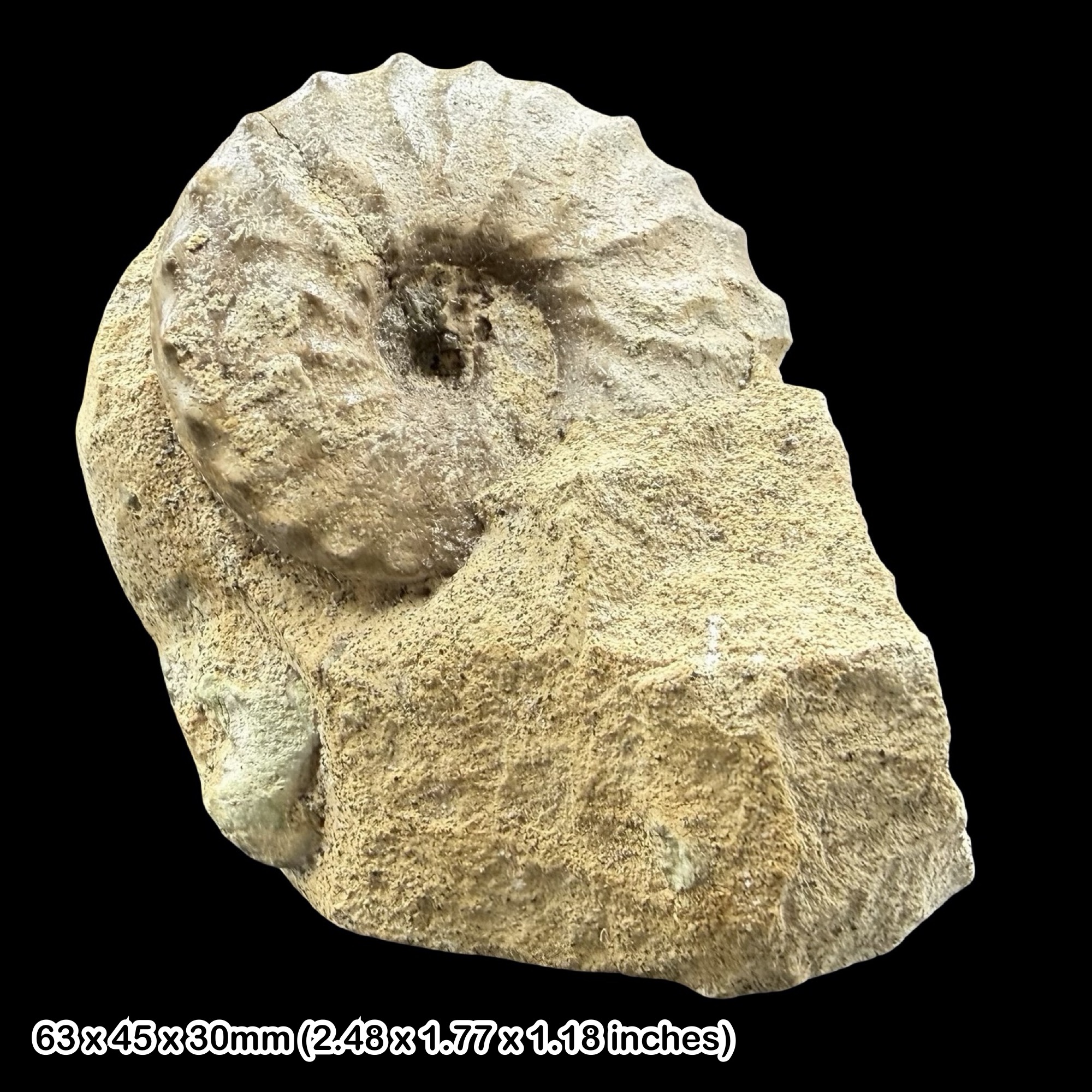
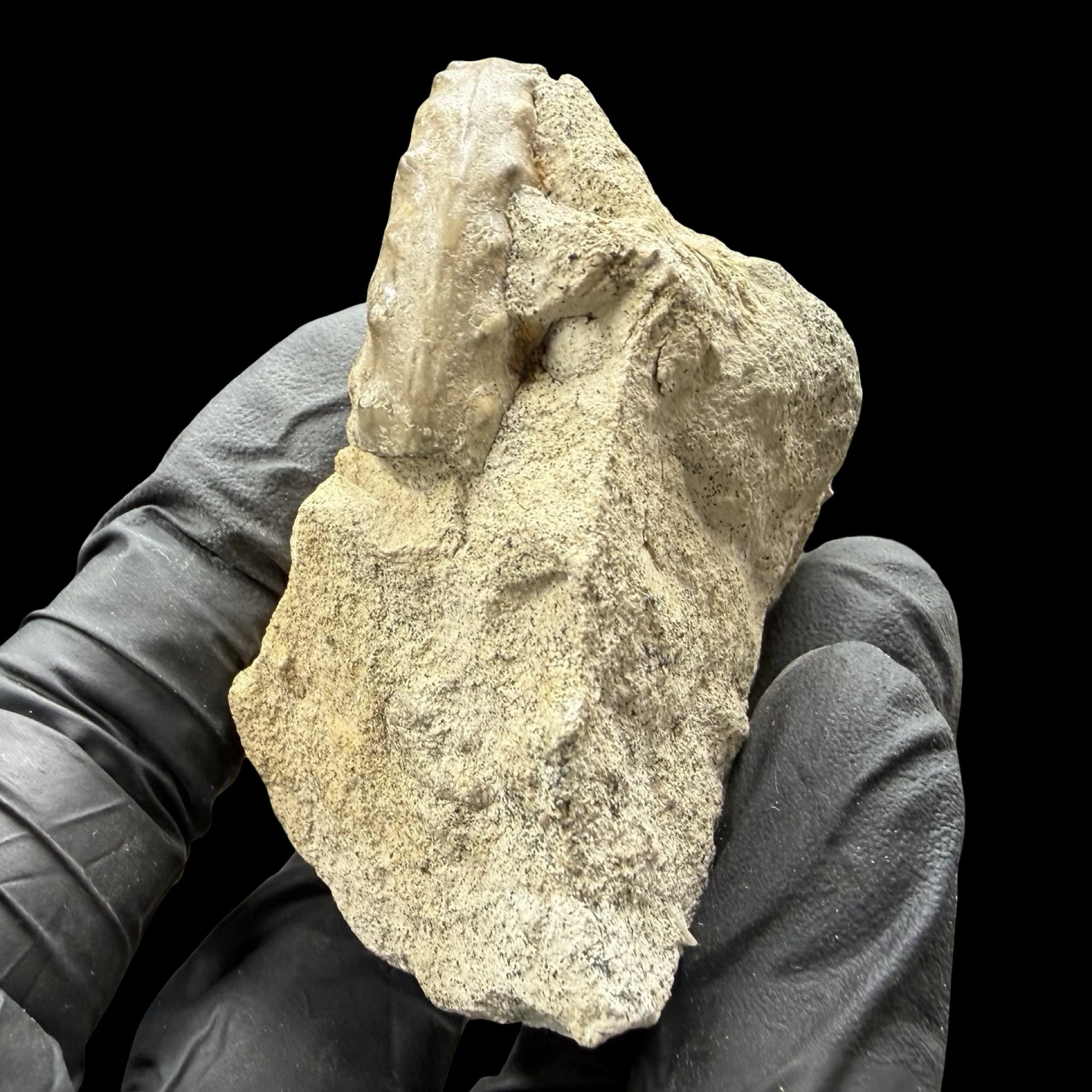
Schloenbachia sp. Ammonite Fossil from Rocken End Bay, Isle of WightThis is a genuine Schloenbachia sp. ammonite fossil from the Lower Greensand
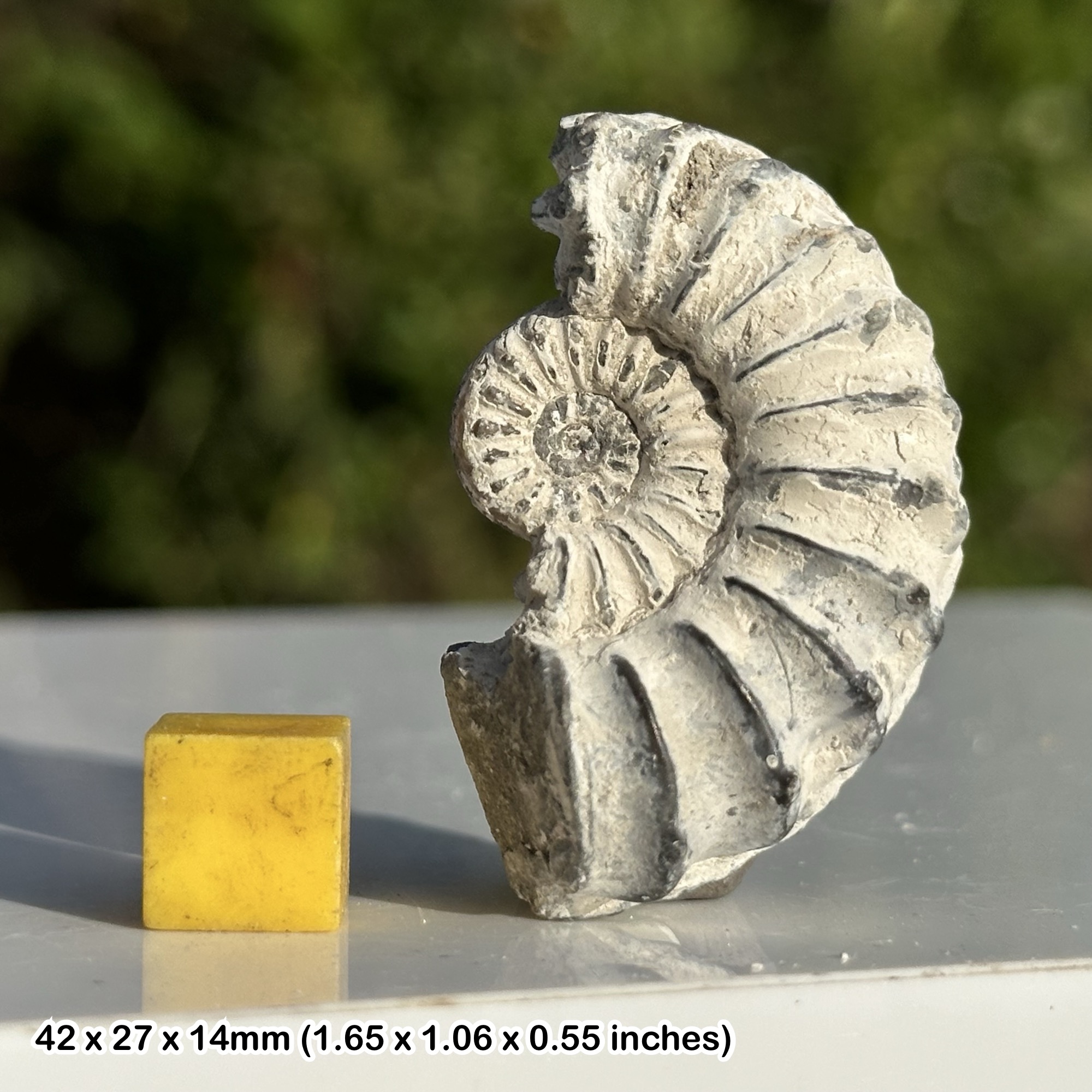
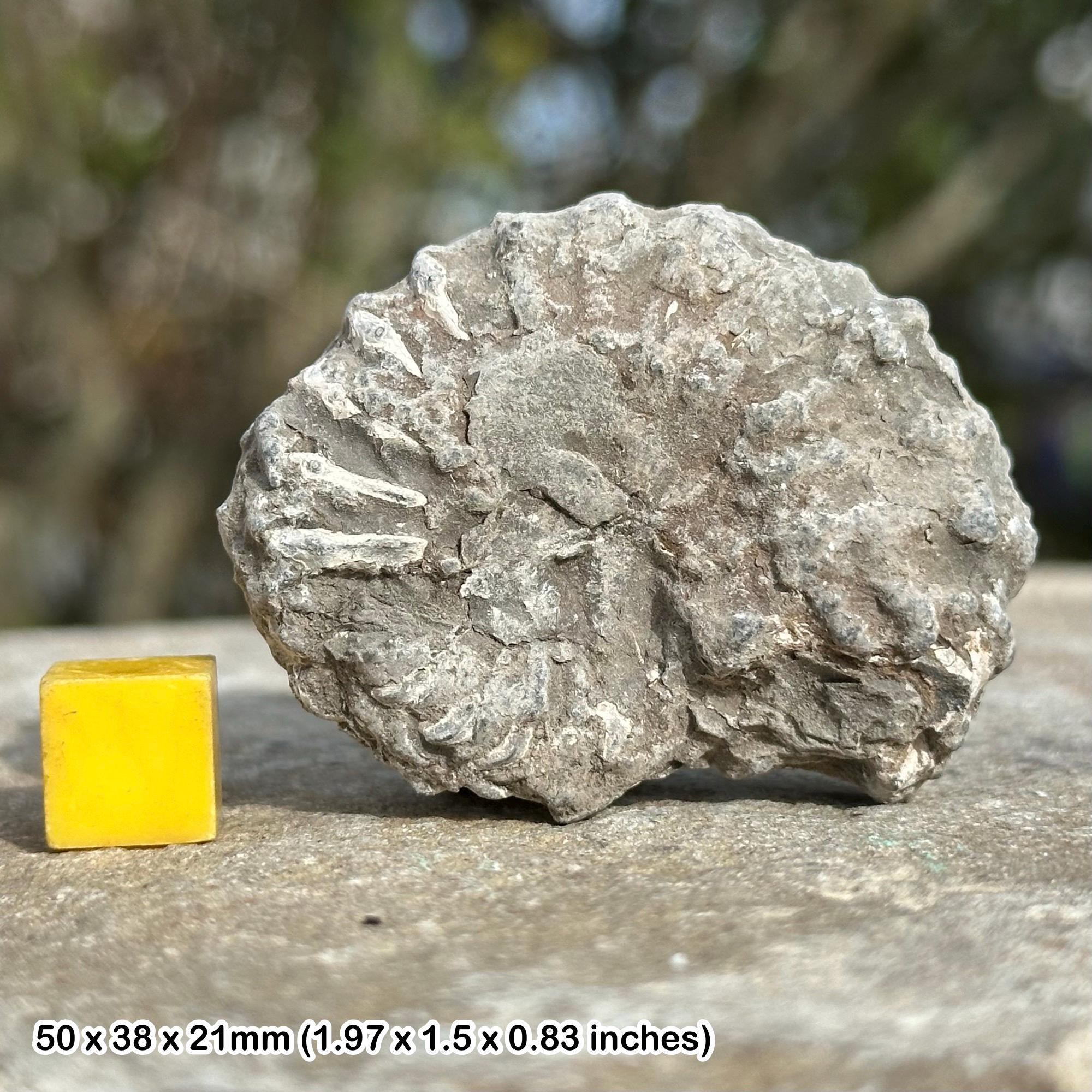
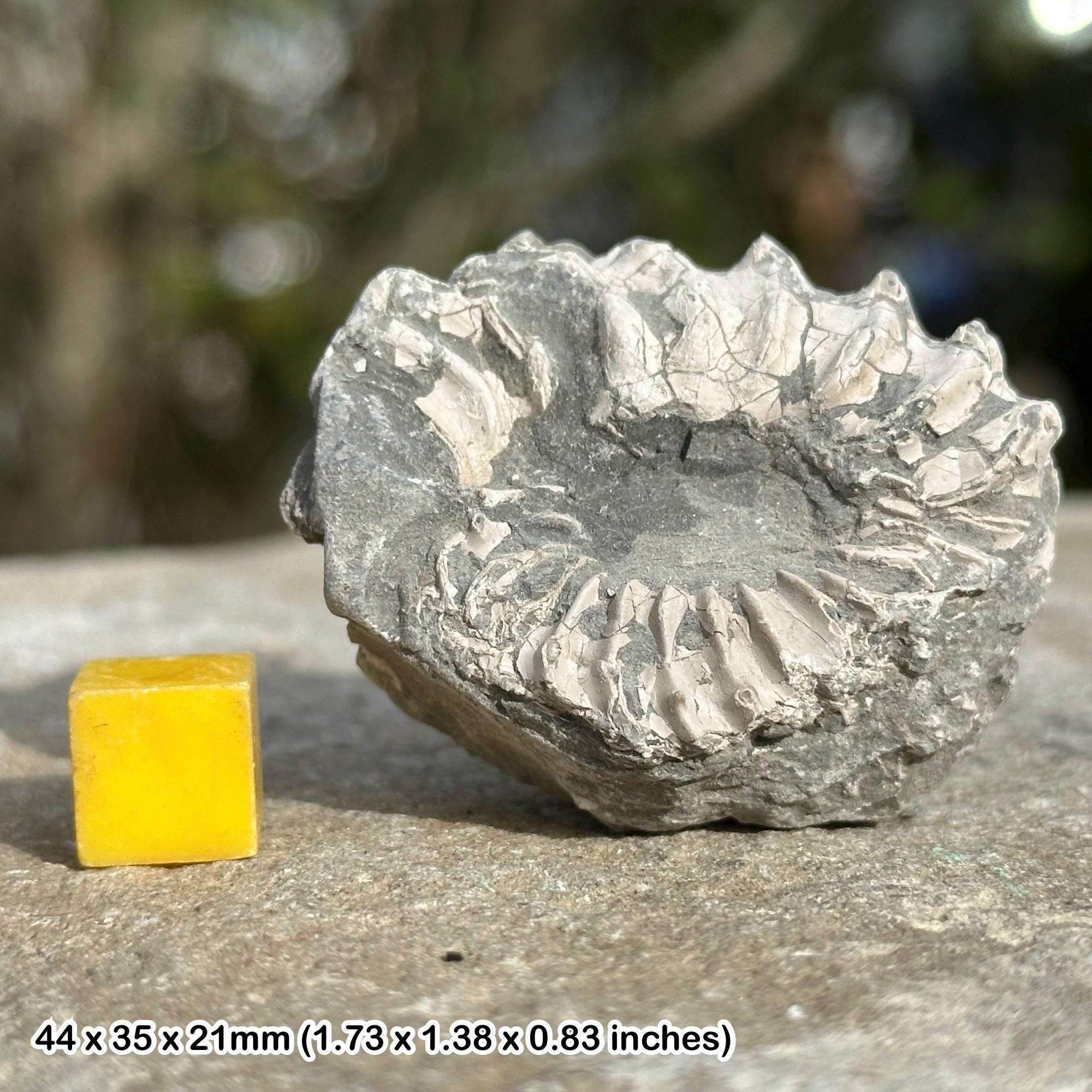
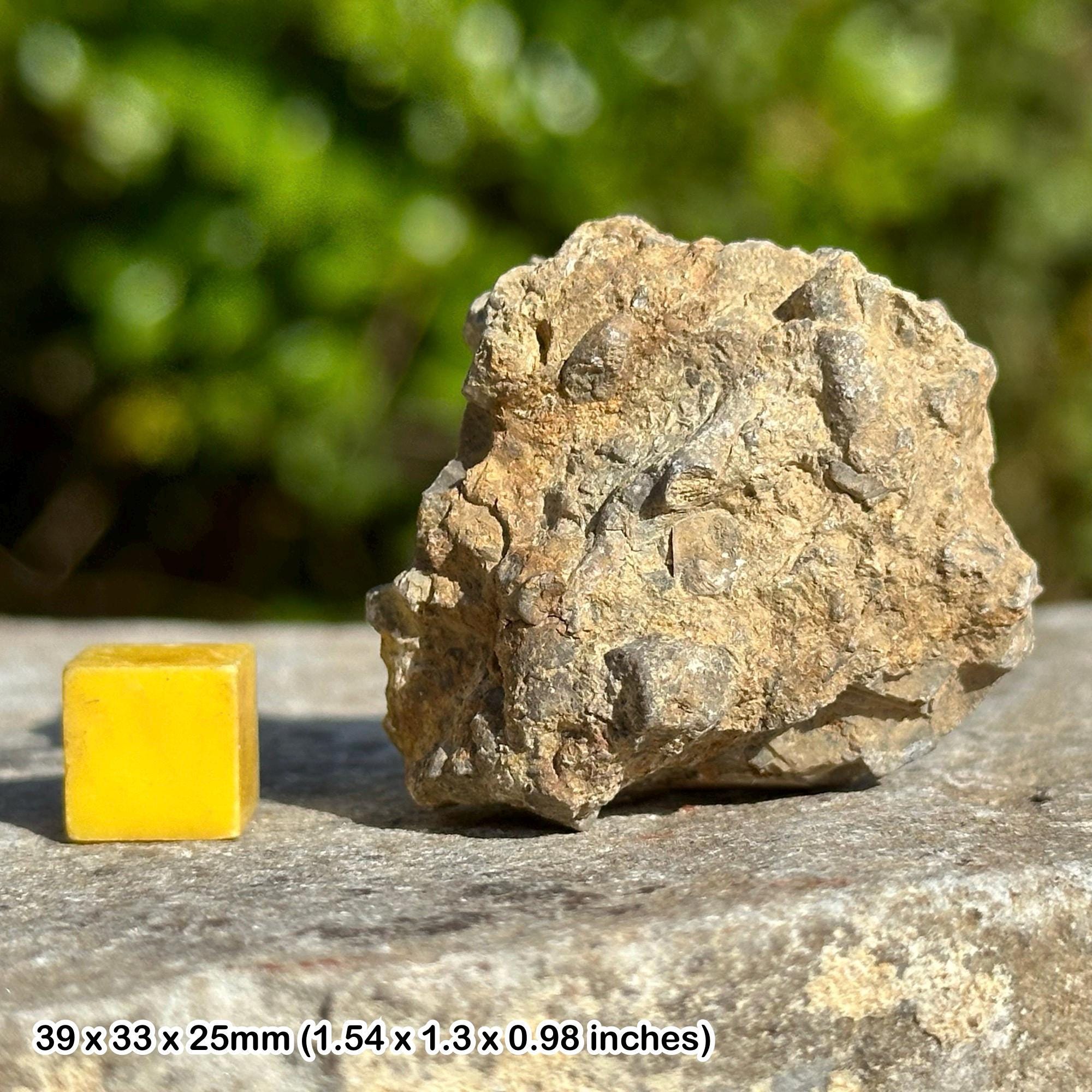
Group, dating to the Lower Cretaceous, collected from Rocken End Bay, Isle of Wight, UK. This carefully chosen fossil is a desirable British Cretaceous marine cephalopod specimen, selected for its natural character, geological interest, and display appeal. It is supplied with a Certificate of Authenticity lifetime guarantee generic card, making it a trusted addition to an ammonite collection, fossil cabinet, educational geology display, natural history collection, or prehistoric gift selection.The photograph shows the actual fossil specimen you will receive. Full sizing and scale can be seen in the photo.Geological Age and FormationThis ammonite comes from the Lower Greensand Group, an important Lower Cretaceous rock unit found across parts of southern England. These sediments were deposited in ancient marine and nearshore environments during the Early Cretaceous, when the region that is now the Isle of Wight was influenced by changing sea levels, coastal conditions, shallow marine waters, and sediment supplied from nearby land areas.The Lower Greensand Group is known for its sandstones, silts, clays, iron-rich beds, and fossiliferous marine horizons. Fossils from this group can include ammonites, bivalves, gastropods, fish remains, plant material, and other traces of ancient life. The sediments record a dynamic coastal and marine setting, very different from the modern coastline but preserved today in the cliffs and bays of the Isle of Wight.Location: Rocken End Bay, Isle of WightThis specimen was collected from Rocken End Bay on the Isle of Wight, a locality associated with the island’s famous Cretaceous geology. The Isle of Wight is one of the UK’s most important fossil regions, known for both its dinosaur-bearing terrestrial deposits and its marine Cretaceous fossil beds. Rocken End Bay exposes part of this rich geological story, with sedimentary rocks that formed in ancient environments long before the English Channel and modern coastline existed.A fossil from this locality is collectable not only for its age and fossil type, but also for its strong British provenance. The Isle of Wight has a long history of palaeontological interest, making specimens from the island especially appealing to collectors of UK fossils and natural history.Fossil Type and IdentificationThis fossil is identified as Schloenbachia sp., an extinct ammonite from the Cretaceous. The “sp.” designation means the specimen has been identified to genus level, while the exact species is left open. This is a common and scientifically appropriate way to describe ammonites when preservation, natural variation, or visible diagnostic features do not allow a precise species-level assignment.Schloenbachia is a well-known Cretaceous ammonite genus and is often associated with strongly ornamented shells. Ammonites were extinct marine molluscs related to modern squid, cuttlefish, octopus, and nautilus. They had coiled external shells divided into internal chambers. The living animal occupied the outer body chamber, while earlier chambers helped regulate buoyancy, allowing the ammonite to move through the water column.Morphology and Notable FeaturesSchloenbachia ammonites are appreciated for their bold Cretaceous appearance. They commonly show a coiled shell with visible whorls, a defined umbilical area, ribbing, and raised ornament such as tubercles or keels in some forms. The shell shape and ornament helped strengthen the shell and are among the features used by palaeontologists when identifying ammonite groups.The shell grew in a spiral through the animal’s life, with each new whorl representing a later stage of growth. Internal walls known as septa divided the shell into chambers, and the lines where these walls met the shell formed suture patterns. These features are part of what makes ammonites scientifically important and highly collectable.As a genuine fossil, this specimen may show natural matrix, fossil shell detail, mineral staining, iron-rich colouration, weathering, small chips, cracks, or areas of natural wear caused by fossilisation and geological history. These characteristics are normal for authentic fossils and add individuality to the piece. The photo shows the exact fossil being offered, allowing the buyer to view its preservation, condition, size, and display quality before purchase.Lower Cretaceous Marine EnvironmentThis Schloenbachia ammonite lived in a Cretaceous marine environment connected to the ancient seas that covered parts of southern Britain. These waters supported a varied ecosystem of swimming cephalopods, fish, bivalves, gastropods, and other marine organisms. Ammonites were active swimming or drifting animals, likely feeding on small prey in the water column using tentacles.After death, the ammonite shell could settle onto the seabed and become buried by sand, silt, or clay. Over millions of years, mineralisation, compaction, and geological change transformed the remains into a fossil. This specimen is a direct link to the Early Cretaceous seas of the Isle of Wight, from a time when dinosaurs lived on land and ammonites flourished in the oceans.Authenticity and CollectabilityThis Schloenbachia sp. ammonite fossil is a genuine specimen from Rocken End Bay, Isle of Wight, UK, dating to the Lower Cretaceous within the Lower Greensand Group. It is suitable for collectors of British fossils, Isle of Wight fossils, Cretaceous ammonites, Lower Greensand fossils, marine cephalopods, natural history specimens, educational geology pieces, and display fossils.This carefully selected fossil includes a Certificate of Authenticity lifetime guarantee generic card, and the fossil shown in the photo is the actual specimen you will receive.
Group, dating to the Lower Cretaceous, collected from Rocken End Bay, Isle of Wight, UK. This carefully chosen fossil is a desirable British Cretaceous marine cephalopod specimen, selected for its natural character, geological interest, and display appeal. It is supplied with a Certificate of Authenticity lifetime guarantee generic card, making it a trusted addition to an ammonite collection, fossil cabinet, educational geology display, natural history collection, or prehistoric gift selection.The photograph shows the actual fossil specimen you will receive. Full sizing and scale can be seen in the photo.Geological Age and FormationThis ammonite comes from the Lower Greensand Group, an important Lower Cretaceous rock unit found across parts of southern England. These sediments were deposited in ancient marine and nearshore environments during the Early Cretaceous, when the region that is now the Isle of Wight was influenced by changing sea levels, coastal conditions, shallow marine waters, and sediment supplied from nearby land areas.The Lower Greensand Group is known for its sandstones, silts, clays, iron-rich beds, and fossiliferous marine horizons. Fossils from this group can include ammonites, bivalves, gastropods, fish remains, plant material, and other traces of ancient life. The sediments record a dynamic coastal and marine setting, very different from the modern coastline but preserved today in the cliffs and bays of the Isle of Wight.Location: Rocken End Bay, Isle of WightThis specimen was collected from Rocken End Bay on the Isle of Wight, a locality associated with the island’s famous Cretaceous geology. The Isle of Wight is one of the UK’s most important fossil regions, known for both its dinosaur-bearing terrestrial deposits and its marine Cretaceous fossil beds. Rocken End Bay exposes part of this rich geological story, with sedimentary rocks that formed in ancient environments long before the English Channel and modern coastline existed.A fossil from this locality is collectable not only for its age and fossil type, but also for its strong British provenance. The Isle of Wight has a long history of palaeontological interest, making specimens from the island especially appealing to collectors of UK fossils and natural history.Fossil Type and IdentificationThis fossil is identified as Schloenbachia sp., an extinct ammonite from the Cretaceous. The “sp.” designation means the specimen has been identified to genus level, while the exact species is left open. This is a common and scientifically appropriate way to describe ammonites when preservation, natural variation, or visible diagnostic features do not allow a precise species-level assignment.Schloenbachia is a well-known Cretaceous ammonite genus and is often associated with strongly ornamented shells. Ammonites were extinct marine molluscs related to modern squid, cuttlefish, octopus, and nautilus. They had coiled external shells divided into internal chambers. The living animal occupied the outer body chamber, while earlier chambers helped regulate buoyancy, allowing the ammonite to move through the water column.Morphology and Notable FeaturesSchloenbachia ammonites are appreciated for their bold Cretaceous appearance. They commonly show a coiled shell with visible whorls, a defined umbilical area, ribbing, and raised ornament such as tubercles or keels in some forms. The shell shape and ornament helped strengthen the shell and are among the features used by palaeontologists when identifying ammonite groups.The shell grew in a spiral through the animal’s life, with each new whorl representing a later stage of growth. Internal walls known as septa divided the shell into chambers, and the lines where these walls met the shell formed suture patterns. These features are part of what makes ammonites scientifically important and highly collectable.As a genuine fossil, this specimen may show natural matrix, fossil shell detail, mineral staining, iron-rich colouration, weathering, small chips, cracks, or areas of natural wear caused by fossilisation and geological history. These characteristics are normal for authentic fossils and add individuality to the piece. The photo shows the exact fossil being offered, allowing the buyer to view its preservation, condition, size, and display quality before purchase.Lower Cretaceous Marine EnvironmentThis Schloenbachia ammonite lived in a Cretaceous marine environment connected to the ancient seas that covered parts of southern Britain. These waters supported a varied ecosystem of swimming cephalopods, fish, bivalves, gastropods, and other marine organisms. Ammonites were active swimming or drifting animals, likely feeding on small prey in the water column using tentacles.After death, the ammonite shell could settle onto the seabed and become buried by sand, silt, or clay. Over millions of years, mineralisation, compaction, and geological change transformed the remains into a fossil. This specimen is a direct link to the Early Cretaceous seas of the Isle of Wight, from a time when dinosaurs lived on land and ammonites flourished in the oceans.Authenticity and CollectabilityThis Schloenbachia sp. ammonite fossil is a genuine specimen from Rocken End Bay, Isle of Wight, UK, dating to the Lower Cretaceous within the Lower Greensand Group. It is suitable for collectors of British fossils, Isle of Wight fossils, Cretaceous ammonites, Lower Greensand fossils, marine cephalopods, natural history specimens, educational geology pieces, and display fossils.This carefully selected fossil includes a Certificate of Authenticity lifetime guarantee generic card, and the fossil shown in the photo is the actual specimen you will receive.
Other Products