Dinosaur Bone Fossil Cretaceous Isle of Wight Brighstone Bay UK Authentic Specimen Certified Rare Wealden
£ 24.00
Dinosaur Bone Fossil – Genuine Cretaceous Specimen from the Isle of WightThis authentic dinosaur bone fossil originates from the Wessex Formation of the
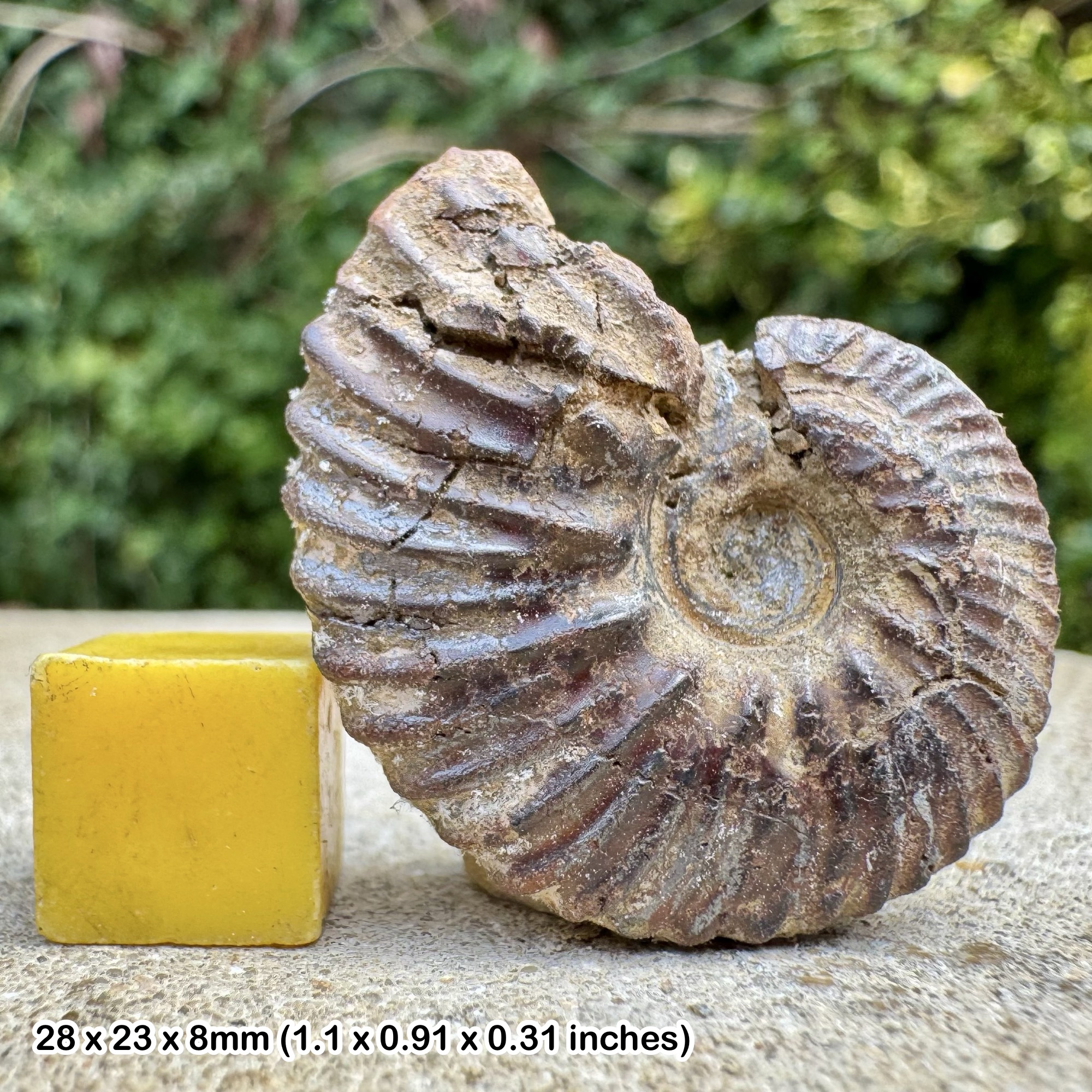
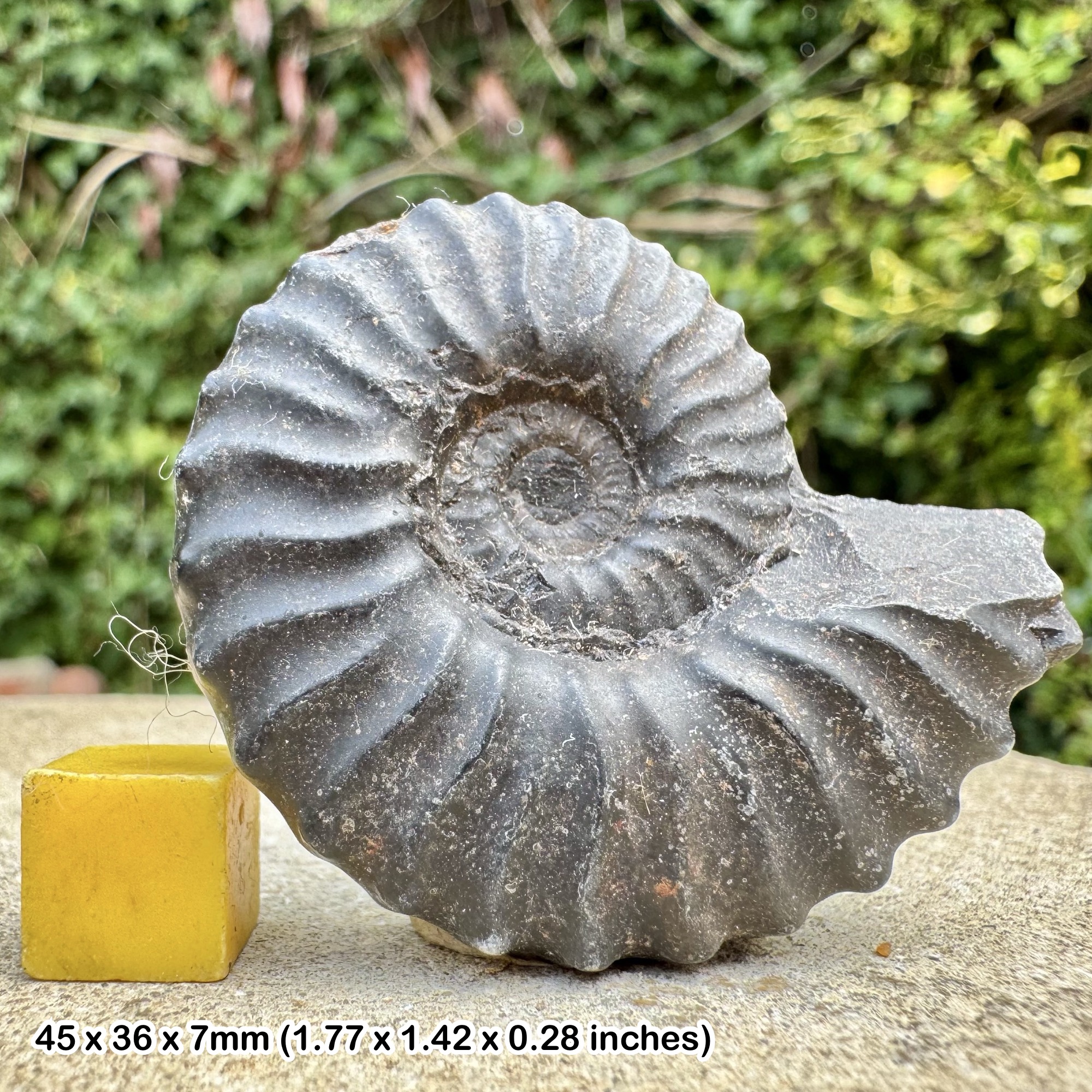
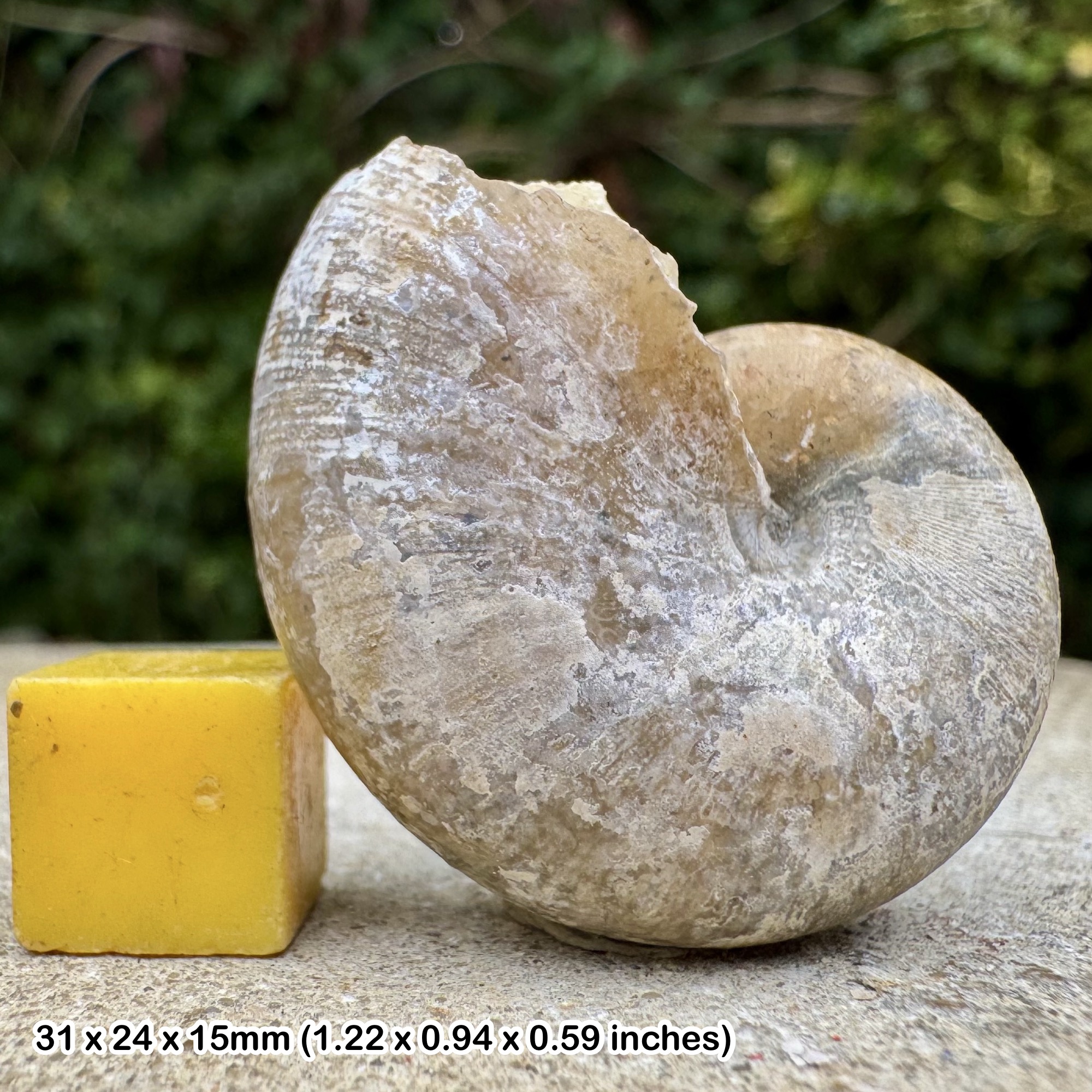
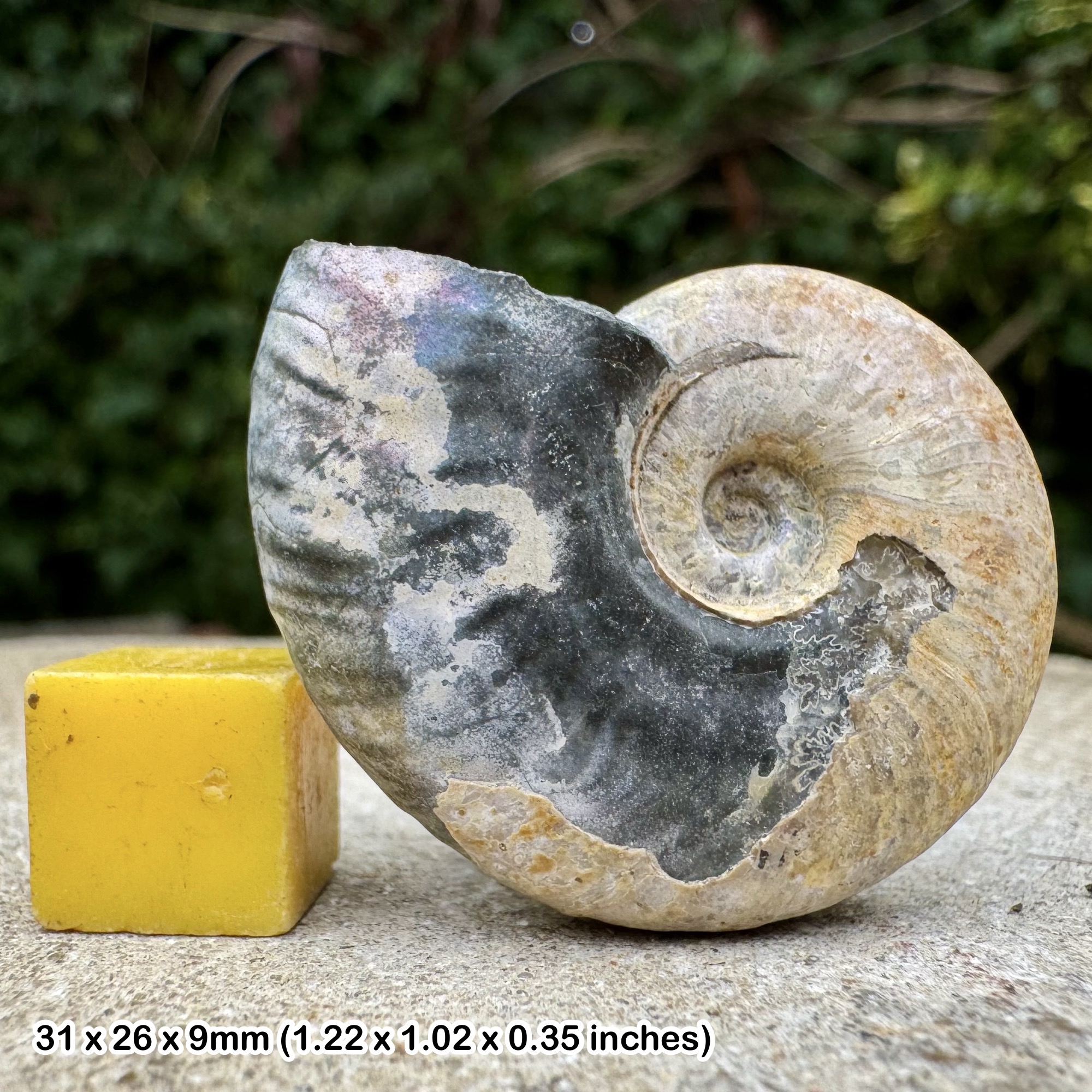
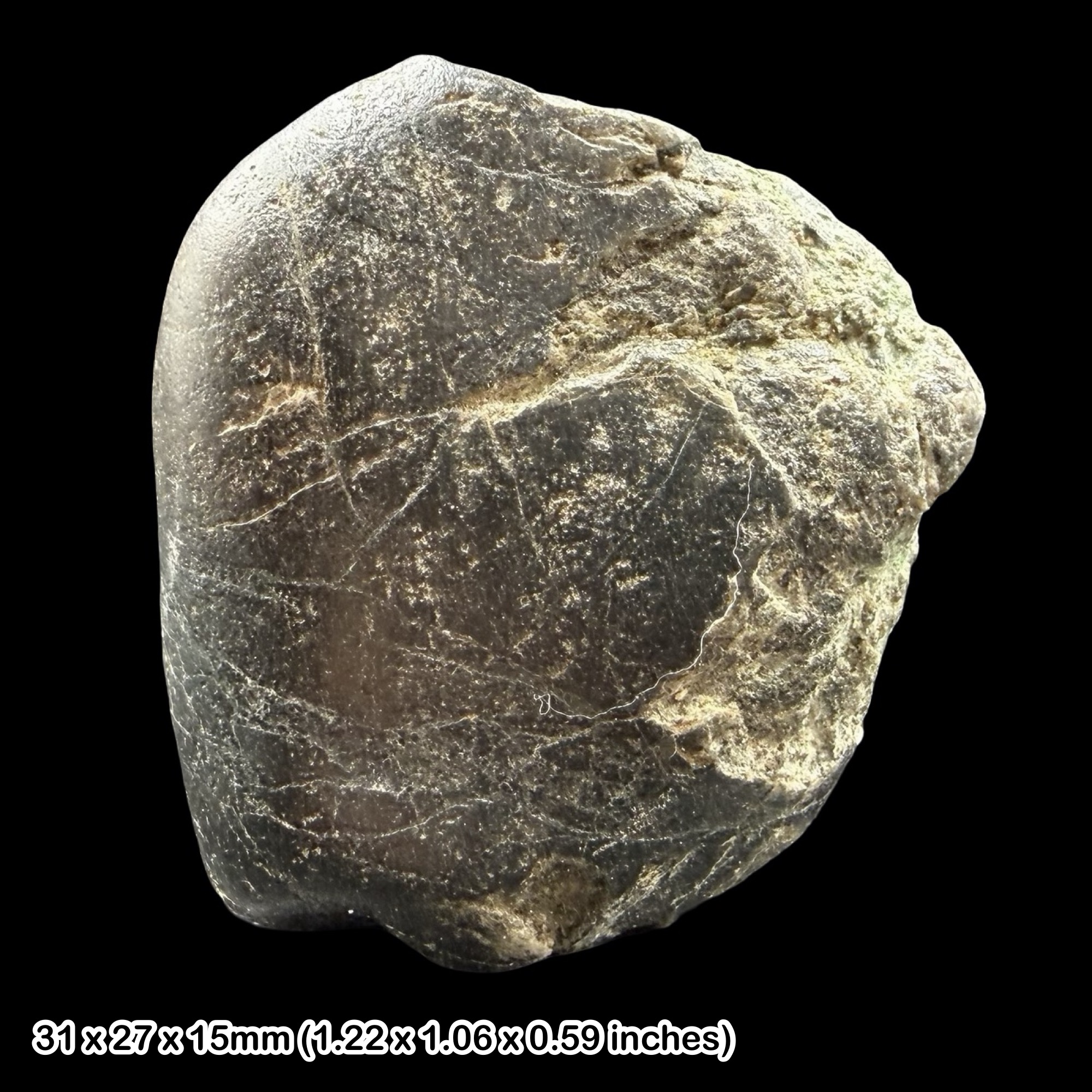
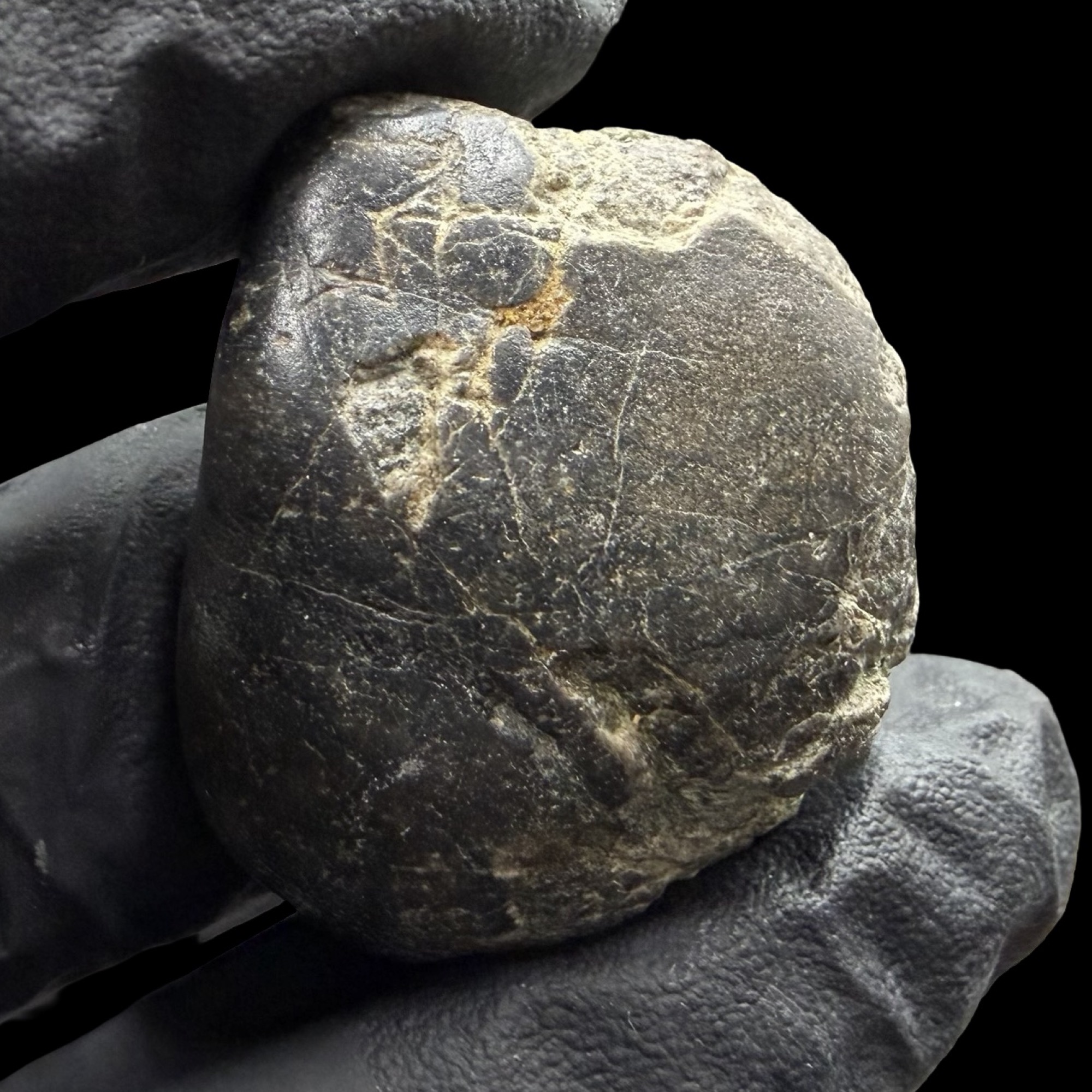
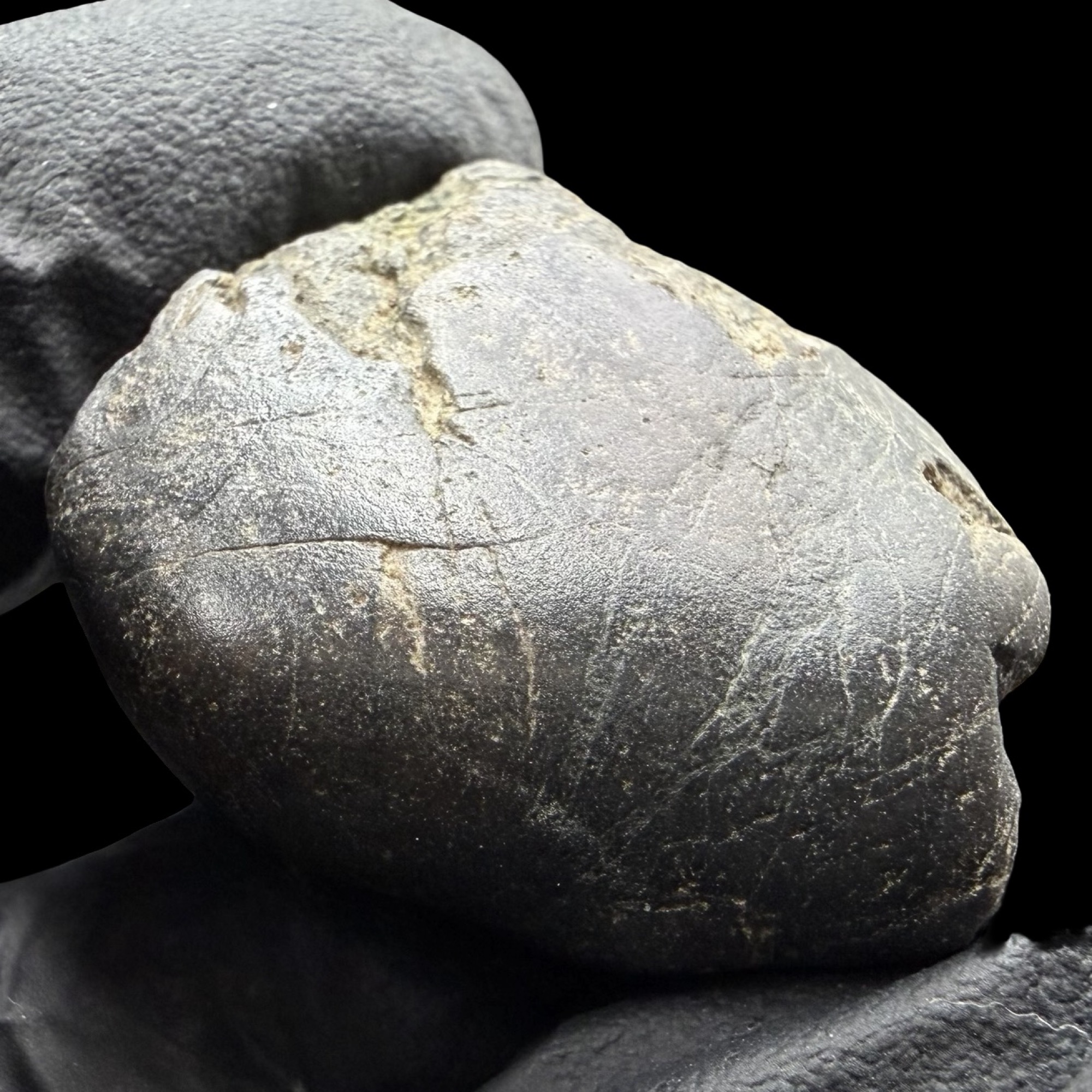
Wealden Group at Brighstone Bay on the Isle of Wight, one of the most important dinosaur-bearing localities in the United Kingdom. The specimen shown in the photographs is the exact fossil you will receive, carefully selected for its preservation, texture, and visual appeal. This is a genuine fossil and includes a Certificate of Authenticity with a lifetime guarantee, ensuring complete confidence in its provenance.Discovery and Professional PreparationYour specimen was discovered by our experienced team members, Alister and Alison, ensuring full traceability from field discovery to final presentation. Following excavation, the fossil was expertly cleaned, stabilised, and prepared by Alison. This careful preparation preserves the natural integrity of the bone while enhancing surface detail, allowing the fossil’s structure to be clearly appreciated for both display and study.Geological Context – Wessex Formation, Wealden GroupThe Wessex Formation forms part of the Wealden Group and dates to the Early Cretaceous period, approximately 125 to 130 million years ago. This formation represents a terrestrial environment dominated by river channels, floodplains, and seasonal wetlands. The sediments at Brighstone Bay were deposited in dynamic fluvial systems, where organic material, including dinosaur remains, was periodically buried and preserved. These conditions make the Isle of Wight one of Europe’s richest sources of dinosaur fossils.Dinosaur Remains and Scientific SignificanceThe Wessex Formation is famous for yielding remains of a wide variety of dinosaurs, including theropods, ornithopods, and sauropods. While isolated bone fragments cannot always be attributed to a specific genus, they represent part of this diverse dinosaur fauna that inhabited ancient floodplains and forests. These fossils provide crucial insight into the anatomy, growth, and ecology of dinosaurs during the Early Cretaceous.Bone Morphology and Preservation FeaturesThis fossil displays the characteristic dense, mineralised structure of dinosaur bone, often showing a porous internal texture typical of vertebrate skeletal material. The surface may exhibit natural weathering patterns, cortical bone texture, and subtle structural features formed during fossilisation. The mineral replacement process has enhanced the durability of the specimen while preserving its original biological form. Each fossil is unique, with variations in colour, density, and texture reflecting both its original composition and geological history.Palaeoenvironment and Ancient EcosystemsDuring the Early Cretaceous, the Isle of Wight was a lush, subtropical environment with rivers, forests, and open floodplains. Dinosaurs roamed these landscapes alongside other reptiles, early mammals, and diverse plant life. Periodic flooding events buried organic remains, allowing them to fossilise over millions of years. This specimen represents a direct connection to that ancient ecosystem, preserving a fragment of life from the age of dinosaurs.Collector Appeal and Display ValueDinosaur bone fossils from the Isle of Wight are highly sought after due to their provenance and connection to a world-famous fossil site. This specimen offers both scientific interest and strong visual appeal, making it an excellent addition to any fossil collection. Its natural texture and recognisable structure make it ideal for display in a home, office, or educational setting.Authenticity, Provenance and PresentationThis fossil has been carefully chosen for its authenticity, quality, and aesthetic presentation. It is a genuine piece of prehistoric history, professionally prepared and ready for display. Full sizing can be confirmed via the provided photographs, ensuring transparency before purchase. Each specimen is entirely unique, preserving a fragment of a dinosaur that once roamed the Early Cretaceous landscapes of the Isle of Wight.
Wealden Group at Brighstone Bay on the Isle of Wight, one of the most important dinosaur-bearing localities in the United Kingdom. The specimen shown in the photographs is the exact fossil you will receive, carefully selected for its preservation, texture, and visual appeal. This is a genuine fossil and includes a Certificate of Authenticity with a lifetime guarantee, ensuring complete confidence in its provenance.Discovery and Professional PreparationYour specimen was discovered by our experienced team members, Alister and Alison, ensuring full traceability from field discovery to final presentation. Following excavation, the fossil was expertly cleaned, stabilised, and prepared by Alison. This careful preparation preserves the natural integrity of the bone while enhancing surface detail, allowing the fossil’s structure to be clearly appreciated for both display and study.Geological Context – Wessex Formation, Wealden GroupThe Wessex Formation forms part of the Wealden Group and dates to the Early Cretaceous period, approximately 125 to 130 million years ago. This formation represents a terrestrial environment dominated by river channels, floodplains, and seasonal wetlands. The sediments at Brighstone Bay were deposited in dynamic fluvial systems, where organic material, including dinosaur remains, was periodically buried and preserved. These conditions make the Isle of Wight one of Europe’s richest sources of dinosaur fossils.Dinosaur Remains and Scientific SignificanceThe Wessex Formation is famous for yielding remains of a wide variety of dinosaurs, including theropods, ornithopods, and sauropods. While isolated bone fragments cannot always be attributed to a specific genus, they represent part of this diverse dinosaur fauna that inhabited ancient floodplains and forests. These fossils provide crucial insight into the anatomy, growth, and ecology of dinosaurs during the Early Cretaceous.Bone Morphology and Preservation FeaturesThis fossil displays the characteristic dense, mineralised structure of dinosaur bone, often showing a porous internal texture typical of vertebrate skeletal material. The surface may exhibit natural weathering patterns, cortical bone texture, and subtle structural features formed during fossilisation. The mineral replacement process has enhanced the durability of the specimen while preserving its original biological form. Each fossil is unique, with variations in colour, density, and texture reflecting both its original composition and geological history.Palaeoenvironment and Ancient EcosystemsDuring the Early Cretaceous, the Isle of Wight was a lush, subtropical environment with rivers, forests, and open floodplains. Dinosaurs roamed these landscapes alongside other reptiles, early mammals, and diverse plant life. Periodic flooding events buried organic remains, allowing them to fossilise over millions of years. This specimen represents a direct connection to that ancient ecosystem, preserving a fragment of life from the age of dinosaurs.Collector Appeal and Display ValueDinosaur bone fossils from the Isle of Wight are highly sought after due to their provenance and connection to a world-famous fossil site. This specimen offers both scientific interest and strong visual appeal, making it an excellent addition to any fossil collection. Its natural texture and recognisable structure make it ideal for display in a home, office, or educational setting.Authenticity, Provenance and PresentationThis fossil has been carefully chosen for its authenticity, quality, and aesthetic presentation. It is a genuine piece of prehistoric history, professionally prepared and ready for display. Full sizing can be confirmed via the provided photographs, ensuring transparency before purchase. Each specimen is entirely unique, preserving a fragment of a dinosaur that once roamed the Early Cretaceous landscapes of the Isle of Wight.
Other Products