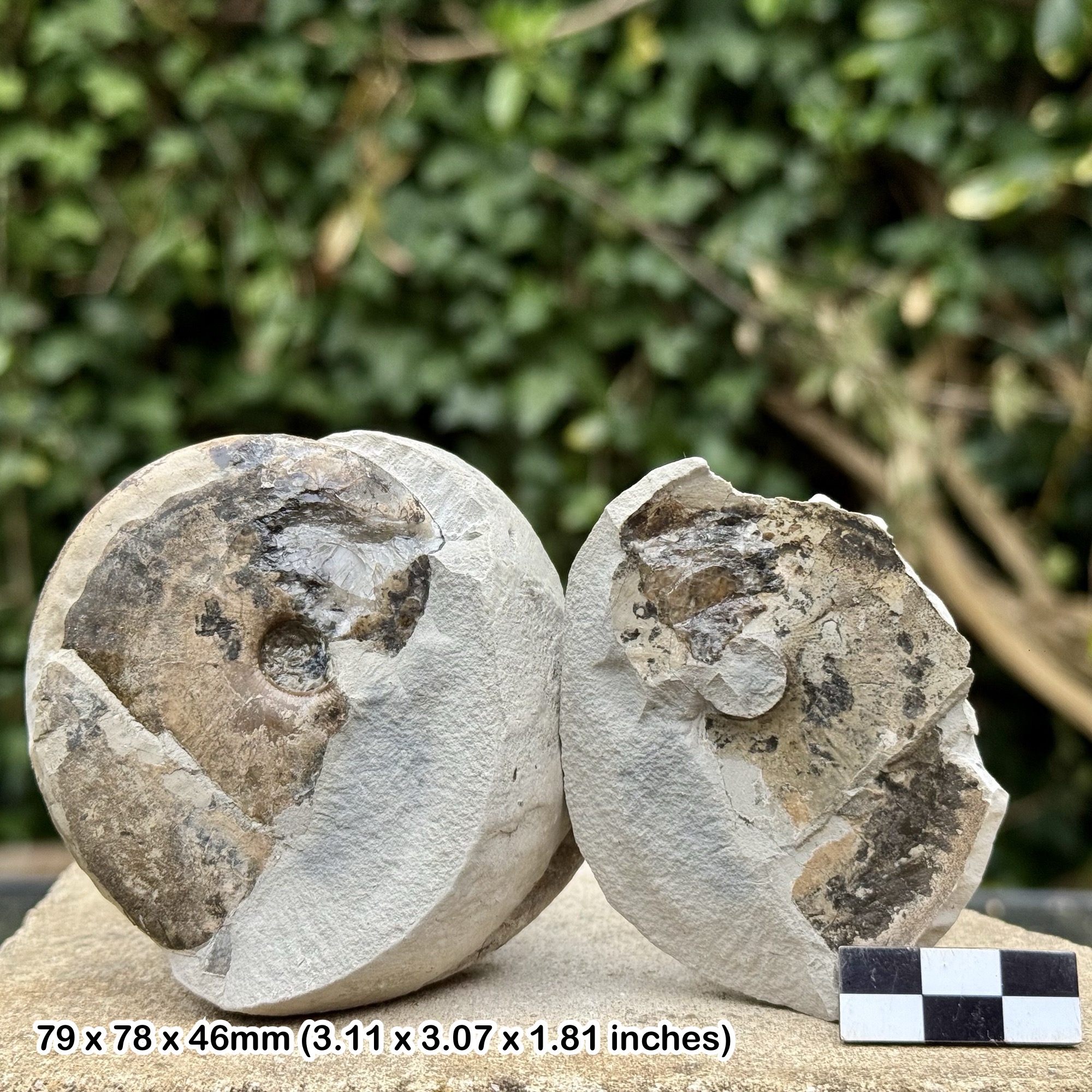
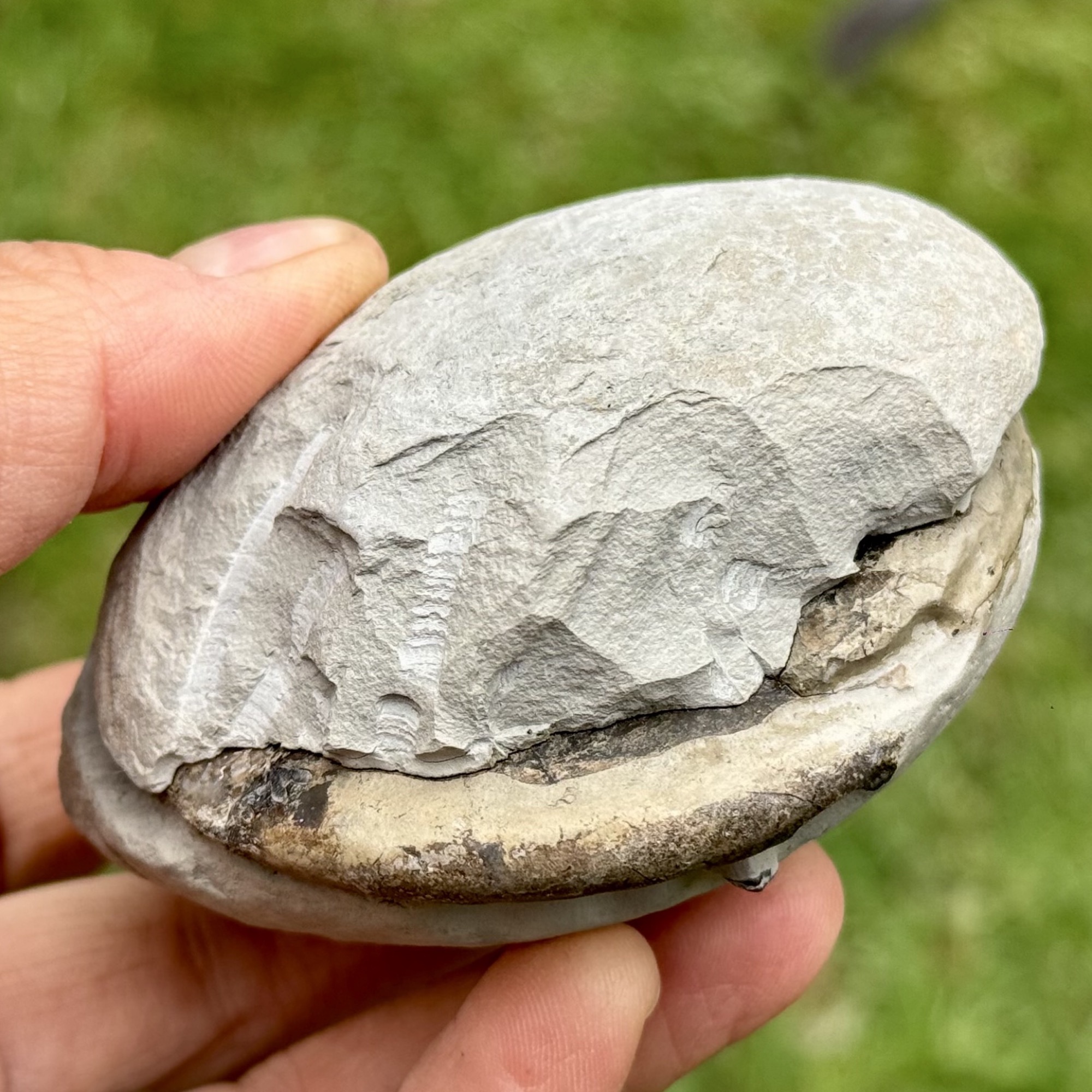
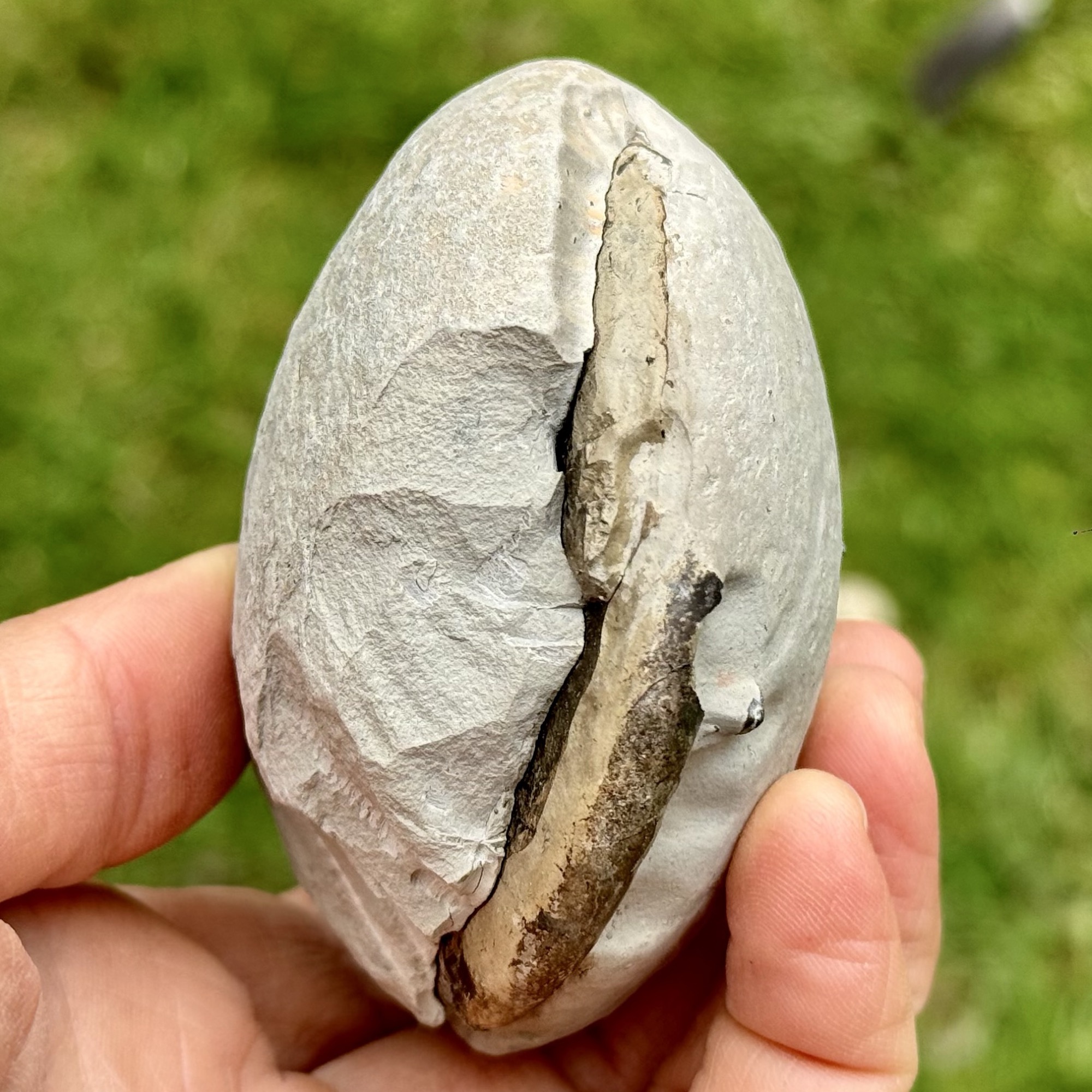
Tragophylloceras Ammonite Fossil Split Nodule – Jurassic Golden Cap Dorset UK, Lower Lias
£ 24.00
A beautifully preserved split nodule containing a positive and negative
impression of the ammonite Tragophylloceras, collected from the Green Ammonite Beds of the Lower Lias at Golden Cap, near Seatown, Dorset, UK. This striking specimen was discovered on 03 May 2025 by our expert fossil team members Alister and Alison and has been meticulously cleaned, prepped, and treated by Alison.Tragophylloceras is an elegant genus of Early Jurassic ammonites within the family Arietitidae, known for its smooth, discoidal form and relatively involute coiling. These ammonites are important biostratigraphic markers for the early Sinemurian and are especially desirable when preserved in natural nodules.Fossil Type: Ammonite (extinct marine cephalopod)Genus: TragophyllocerasGeological Age: Lower Jurassic – Sinemurian StageFormation: Lower Lias Group – Green Ammonite BedsDepositional Environment: Formed in a low-energy offshore marine setting with anoxic bottom conditions, the Green Ammonite Beds allowed for exquisite fossil preservation within concretions (nodules). These nodules often split cleanly to reveal both positive and negative fossil impressions.Morphological Features:
• Involute shell with smooth, rounded flanks
• Subtle growth lines and possible faint ribbing
• Distinct suture lines may be visible in polished or cleaned areasNotable:
• Complete split nodule with both halves (positive and negative)
• Classic ammonite from the world-famous Jurassic Coast
• Discovered and prepared by our in-house team with full provenance
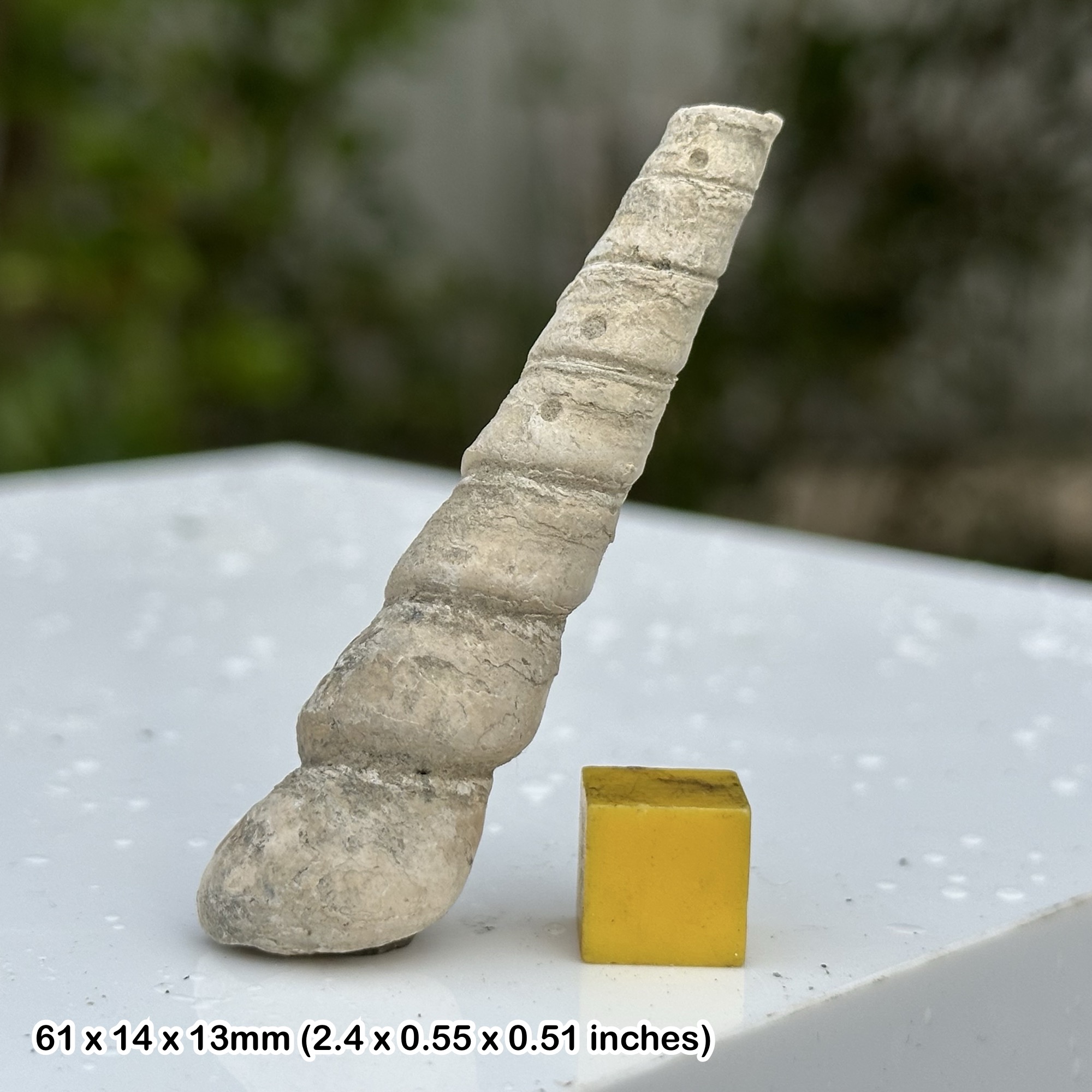
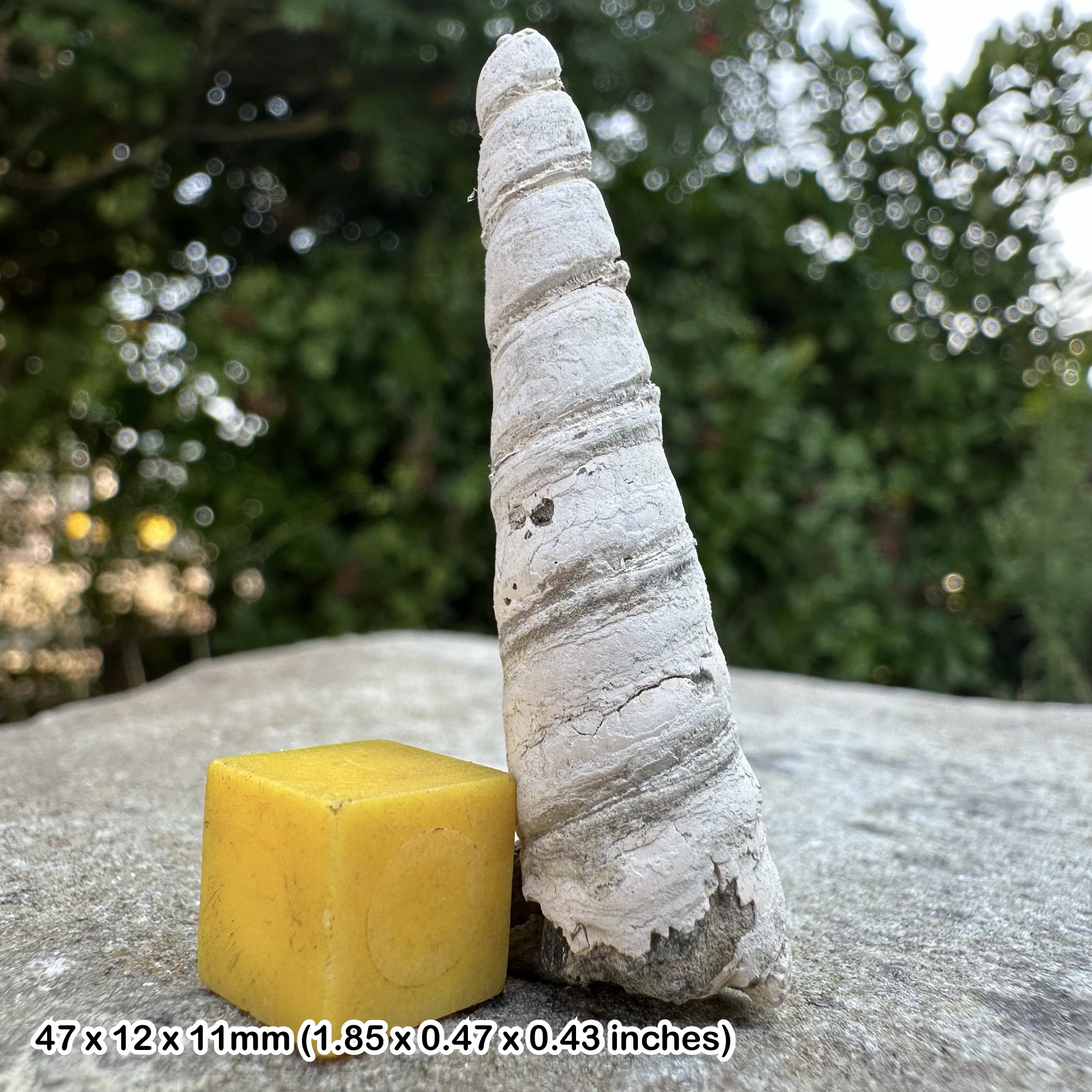
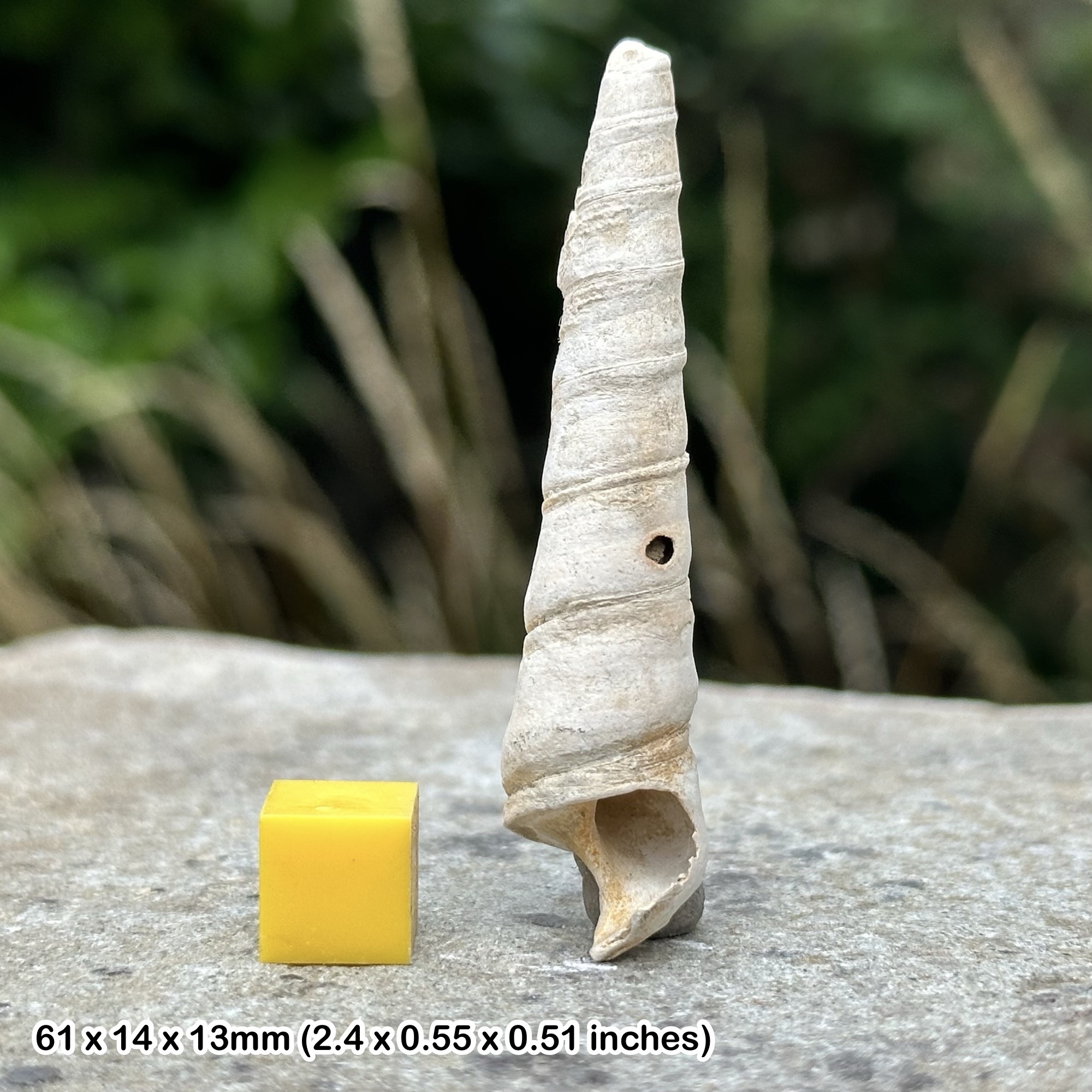
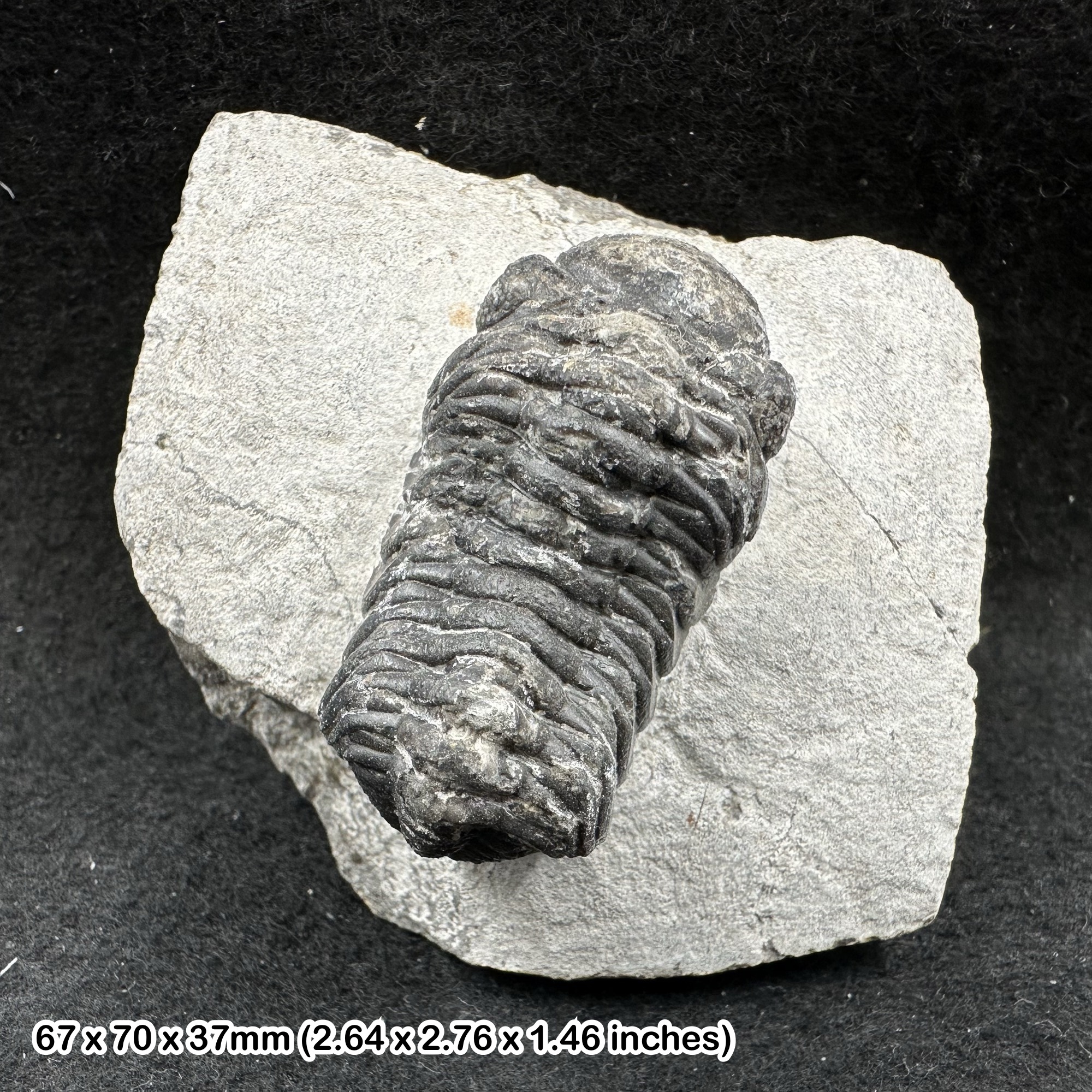
• The exact specimen photographed is the one for saleAuthenticity: All of our fossils are 100% genuine natural specimens and include a Certificate of Authenticity. Please refer to the image provided — the scale cube equals 1cm for accurate sizing. This Tragophylloceras split nodule ammonite fossil from Golden Cap, Dorset is a rare and scientifically valuable specimen that combines educational interest with striking natural form—ideal for collectors and display.
impression of the ammonite Tragophylloceras, collected from the Green Ammonite Beds of the Lower Lias at Golden Cap, near Seatown, Dorset, UK. This striking specimen was discovered on 03 May 2025 by our expert fossil team members Alister and Alison and has been meticulously cleaned, prepped, and treated by Alison.Tragophylloceras is an elegant genus of Early Jurassic ammonites within the family Arietitidae, known for its smooth, discoidal form and relatively involute coiling. These ammonites are important biostratigraphic markers for the early Sinemurian and are especially desirable when preserved in natural nodules.Fossil Type: Ammonite (extinct marine cephalopod)Genus: TragophyllocerasGeological Age: Lower Jurassic – Sinemurian StageFormation: Lower Lias Group – Green Ammonite BedsDepositional Environment: Formed in a low-energy offshore marine setting with anoxic bottom conditions, the Green Ammonite Beds allowed for exquisite fossil preservation within concretions (nodules). These nodules often split cleanly to reveal both positive and negative fossil impressions.Morphological Features:
• Involute shell with smooth, rounded flanks
• Subtle growth lines and possible faint ribbing
• Distinct suture lines may be visible in polished or cleaned areasNotable:
• Complete split nodule with both halves (positive and negative)
• Classic ammonite from the world-famous Jurassic Coast
• Discovered and prepared by our in-house team with full provenance
• The exact specimen photographed is the one for saleAuthenticity: All of our fossils are 100% genuine natural specimens and include a Certificate of Authenticity. Please refer to the image provided — the scale cube equals 1cm for accurate sizing. This Tragophylloceras split nodule ammonite fossil from Golden Cap, Dorset is a rare and scientifically valuable specimen that combines educational interest with striking natural form—ideal for collectors and display.