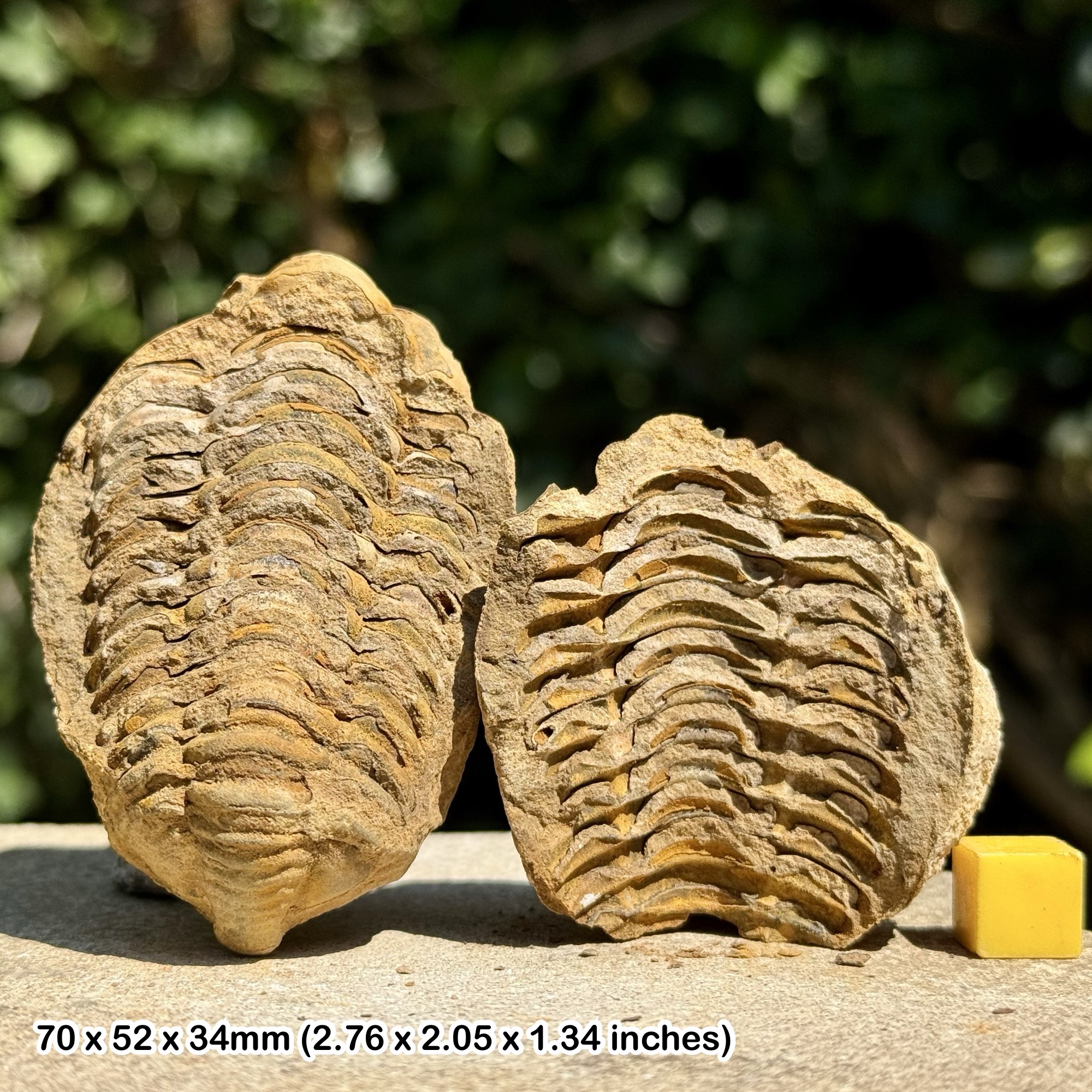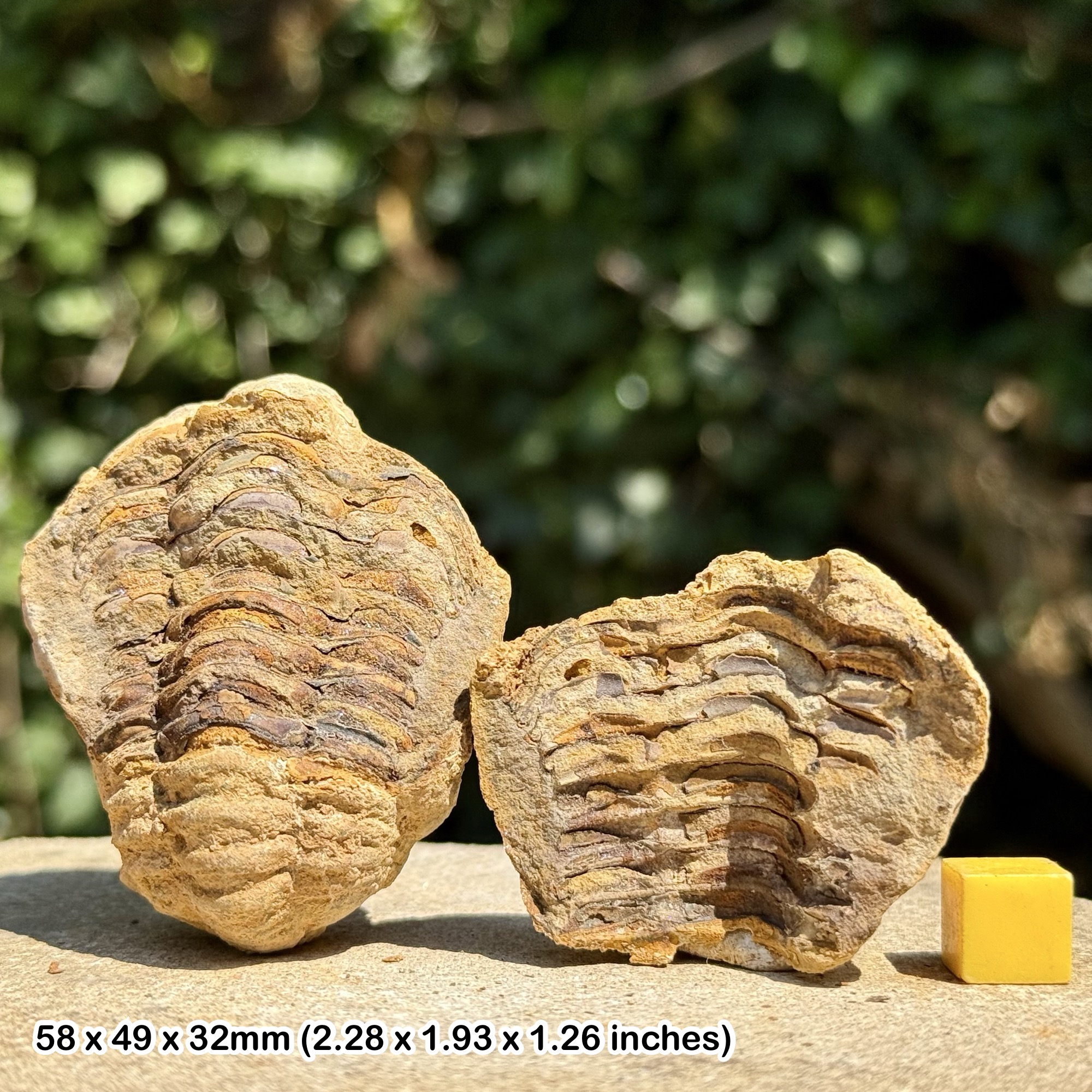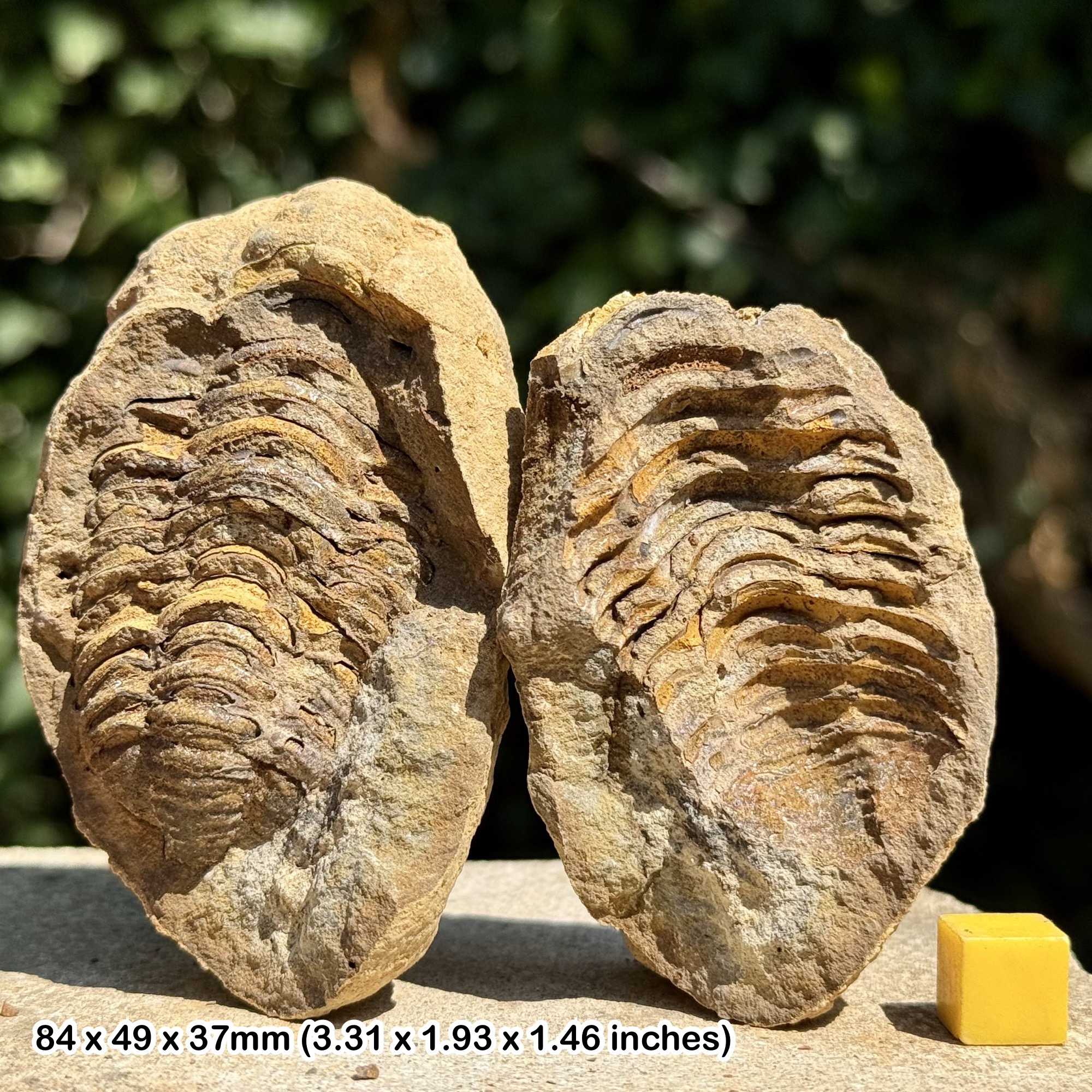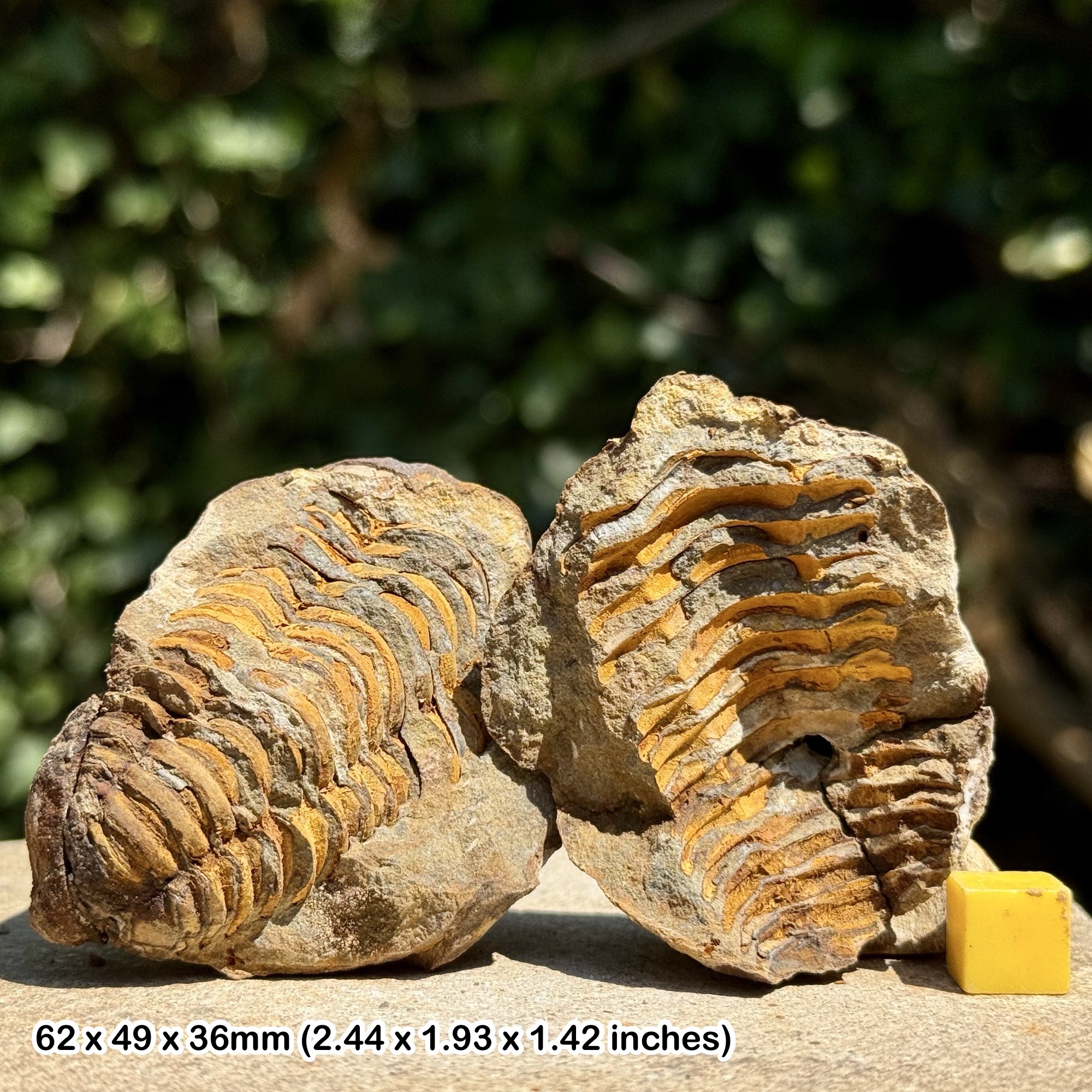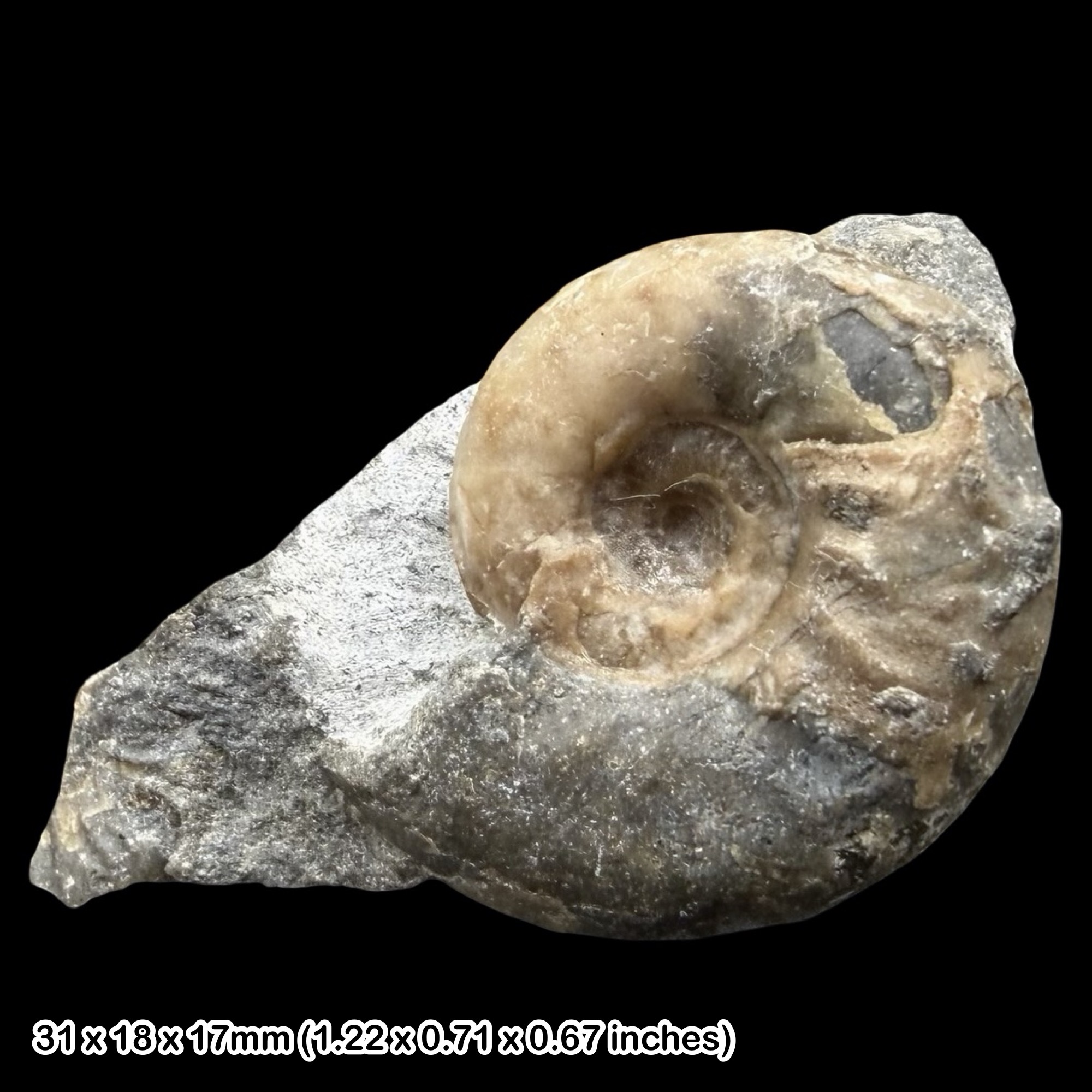
Sonninia Ammonite Fossil Jurassic Isle of Skye Scotland Genuine COA Card - Bearreraig Sandstone Bajocian Collector Specimen
£ 10.20
Sonninia Ammonite Fossil from Bearreraig Bay, Isle of SkyeThis is a genuine Sonninia ammonite fossil from the Bearreraig Sandstone
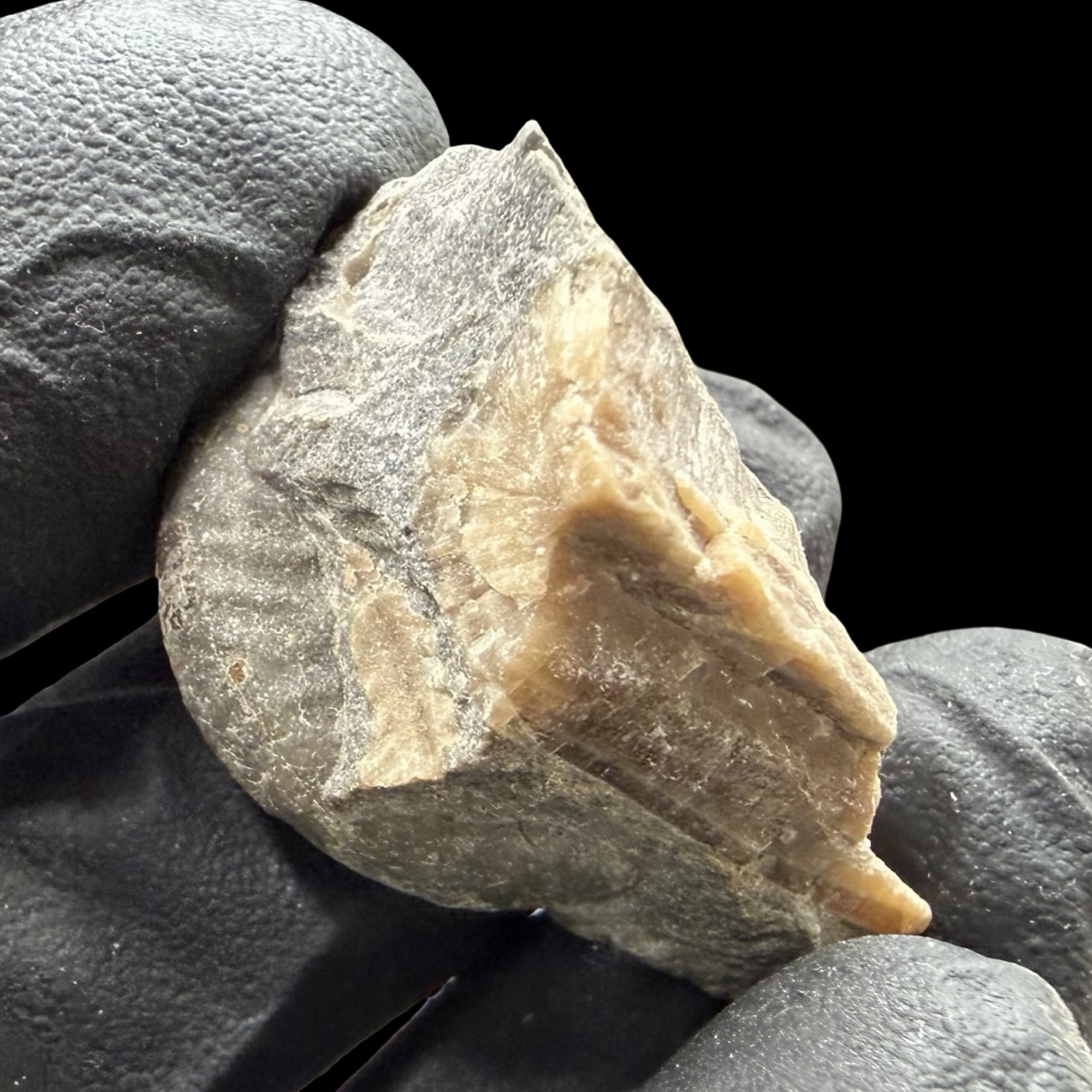
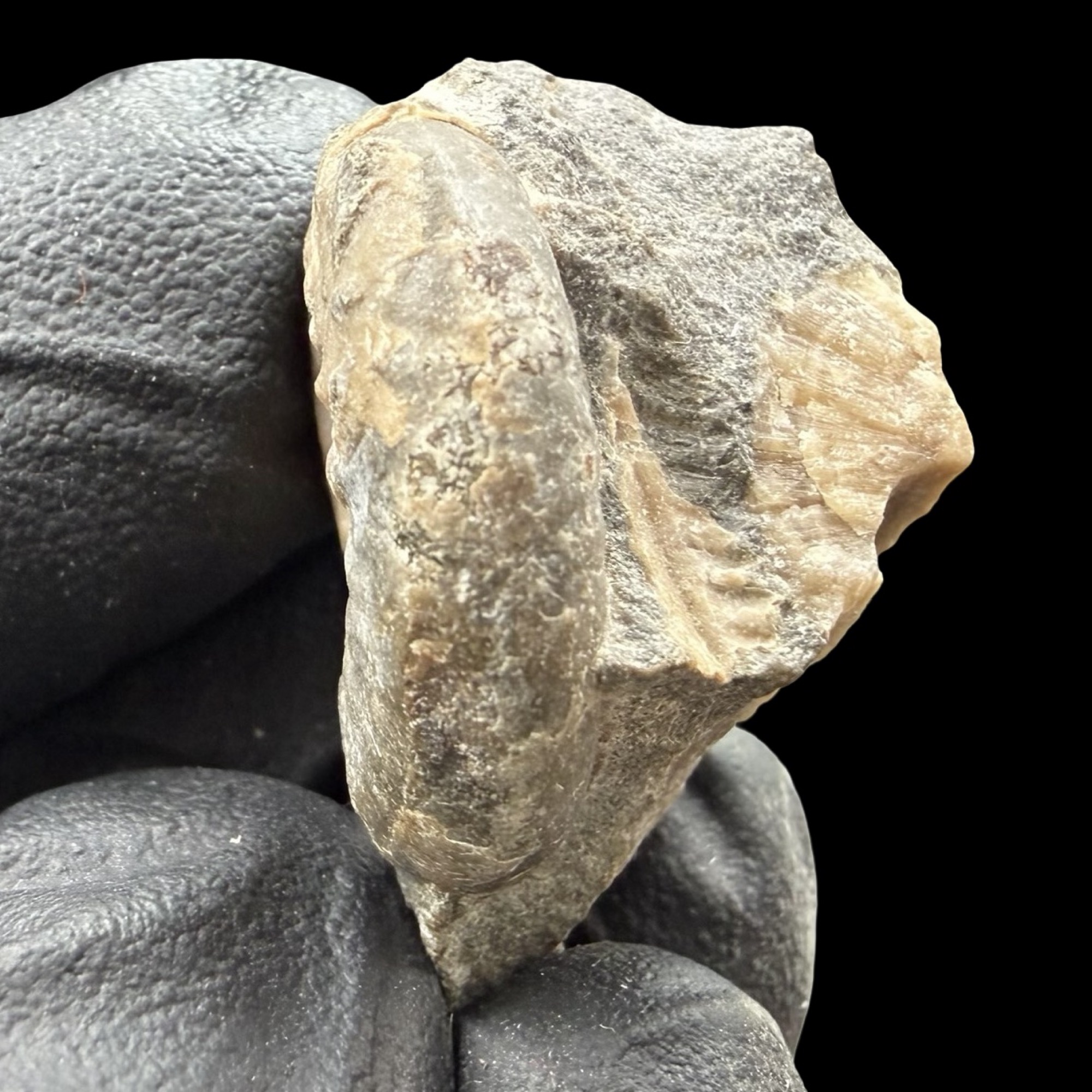
Formation, dating to the Lower Bajocian stage of the Jurassic Period, collected from Bearreraig Bay, Isle of Skye, Scotland, UK. This carefully chosen fossil is a collectable British Jurassic marine specimen, supplied with a Certificate of Authenticity lifetime guarantee generic card. The photograph shows the actual fossil you will receive, making it a desirable piece for ammonite collectors, Scottish fossil enthusiasts, geology displays, natural history collections, educational use, or as a unique prehistoric gift.Full sizing and scale can be seen in the photo.Geological Age and FormationThis ammonite comes from the Bearreraig Sandstone Formation, an important Jurassic fossil-bearing unit exposed on the Isle of Skye. It dates to the Lower Bajocian, part of the Middle Jurassic, approximately 170 million years old. The Bajocian was a time when ammonites were diverse, widespread, and rapidly evolving, making them especially useful for dating and correlating Jurassic marine rocks.The Bearreraig Sandstone Formation is known for its marine sedimentary deposits, including fossiliferous sandstones and associated beds that preserve a rich record of Middle Jurassic life. These rocks were laid down in ancient seas around what is now western Scotland, long before the modern landscape of Skye, with its cliffs, bays, and volcanic scenery, had formed. Fossils from this formation are valued because they represent one of the classic Jurassic marine successions of the Inner Hebrides.Fossil Type and IdentificationThis specimen is identified as Sonninia, an extinct ammonite genus from the Jurassic. Sonninia ammonites are part of the order Ammonitida, a major group of coiled marine cephalopods. Ammonites were related to modern squid, cuttlefish, octopus, and nautilus, but they possessed a hard external shell divided into chambers. The living animal occupied the outer body chamber, while the inner chambers helped control buoyancy as the ammonite moved through the water.Sonninia is a well-known Bajocian ammonite genus and is particularly associated with Middle Jurassic marine deposits in Europe. Ammonites such as Sonninia are important index fossils because their distinctive forms and rapid evolutionary changes allow geologists to identify and compare rock layers of similar age across different regions.Morphology and Display FeaturesSonninia ammonites are often recognised by their coiled shell form, visible whorls, and ornamental ribbing. Many examples show a moderately evolute shell, meaning earlier whorls remain visible around the centre of the shell. Depending on preservation, the fossil may display curved ribs, whorl detail, natural shell texture, and the characteristic spiral form that makes ammonites so popular with collectors.The shell structure of an ammonite was both functional and beautiful. The internal chambers strengthened the shell and allowed buoyancy regulation, while the outer ornamentation may have helped reinforce the shell or influenced movement through the water. Natural fossilisation can produce attractive surface textures, mineral tones, matrix attachment, and weathering patterns, all of which add individuality to the specimen.As a genuine fossil, this piece may show natural wear, matrix, mineralisation, surface texture, fossil colour variation, small chips, or areas of loss caused by preservation and geological history. These features are normal for authentic fossil specimens and form part of the fossil’s natural character. The photo shows the exact fossil being offered, so the buyer can view the preservation, shape, size, and display quality before purchase.Jurassic Marine Environment of SkyeDuring the Lower Bajocian, the area that is now the Isle of Skye was covered by marine environments connected to the ancient Jurassic seas of north-west Europe. The Bearreraig Bay deposits record conditions where sand and sediment accumulated in a shallow to moderately deep marine setting, supporting a diverse ecosystem of ammonites, bivalves, belemnites, gastropods, brachiopods, fish, and other sea life.Sonninia ammonites would have lived as active swimming or drifting marine cephalopods, using tentacles to capture small prey in the water column. Their shells eventually settled into the sediment after death, where some became buried and preserved as fossils. Today, fossils from Bearreraig Bay provide a direct link to this ancient Scottish Jurassic seaway.Authenticity and CollectabilityThis Sonninia ammonite fossil is a genuine specimen from Bearreraig Bay, Isle of Skye, Scotland, UK, and includes a Certificate of Authenticity lifetime guarantee generic card. It is suitable for collectors of British fossils, Scottish fossils, Jurassic ammonites, marine cephalopods, Middle Jurassic fossils, and natural history specimens.The fossil shown in the photo is the actual specimen you will receive.
Formation, dating to the Lower Bajocian stage of the Jurassic Period, collected from Bearreraig Bay, Isle of Skye, Scotland, UK. This carefully chosen fossil is a collectable British Jurassic marine specimen, supplied with a Certificate of Authenticity lifetime guarantee generic card. The photograph shows the actual fossil you will receive, making it a desirable piece for ammonite collectors, Scottish fossil enthusiasts, geology displays, natural history collections, educational use, or as a unique prehistoric gift.Full sizing and scale can be seen in the photo.Geological Age and FormationThis ammonite comes from the Bearreraig Sandstone Formation, an important Jurassic fossil-bearing unit exposed on the Isle of Skye. It dates to the Lower Bajocian, part of the Middle Jurassic, approximately 170 million years old. The Bajocian was a time when ammonites were diverse, widespread, and rapidly evolving, making them especially useful for dating and correlating Jurassic marine rocks.The Bearreraig Sandstone Formation is known for its marine sedimentary deposits, including fossiliferous sandstones and associated beds that preserve a rich record of Middle Jurassic life. These rocks were laid down in ancient seas around what is now western Scotland, long before the modern landscape of Skye, with its cliffs, bays, and volcanic scenery, had formed. Fossils from this formation are valued because they represent one of the classic Jurassic marine successions of the Inner Hebrides.Fossil Type and IdentificationThis specimen is identified as Sonninia, an extinct ammonite genus from the Jurassic. Sonninia ammonites are part of the order Ammonitida, a major group of coiled marine cephalopods. Ammonites were related to modern squid, cuttlefish, octopus, and nautilus, but they possessed a hard external shell divided into chambers. The living animal occupied the outer body chamber, while the inner chambers helped control buoyancy as the ammonite moved through the water.Sonninia is a well-known Bajocian ammonite genus and is particularly associated with Middle Jurassic marine deposits in Europe. Ammonites such as Sonninia are important index fossils because their distinctive forms and rapid evolutionary changes allow geologists to identify and compare rock layers of similar age across different regions.Morphology and Display FeaturesSonninia ammonites are often recognised by their coiled shell form, visible whorls, and ornamental ribbing. Many examples show a moderately evolute shell, meaning earlier whorls remain visible around the centre of the shell. Depending on preservation, the fossil may display curved ribs, whorl detail, natural shell texture, and the characteristic spiral form that makes ammonites so popular with collectors.The shell structure of an ammonite was both functional and beautiful. The internal chambers strengthened the shell and allowed buoyancy regulation, while the outer ornamentation may have helped reinforce the shell or influenced movement through the water. Natural fossilisation can produce attractive surface textures, mineral tones, matrix attachment, and weathering patterns, all of which add individuality to the specimen.As a genuine fossil, this piece may show natural wear, matrix, mineralisation, surface texture, fossil colour variation, small chips, or areas of loss caused by preservation and geological history. These features are normal for authentic fossil specimens and form part of the fossil’s natural character. The photo shows the exact fossil being offered, so the buyer can view the preservation, shape, size, and display quality before purchase.Jurassic Marine Environment of SkyeDuring the Lower Bajocian, the area that is now the Isle of Skye was covered by marine environments connected to the ancient Jurassic seas of north-west Europe. The Bearreraig Bay deposits record conditions where sand and sediment accumulated in a shallow to moderately deep marine setting, supporting a diverse ecosystem of ammonites, bivalves, belemnites, gastropods, brachiopods, fish, and other sea life.Sonninia ammonites would have lived as active swimming or drifting marine cephalopods, using tentacles to capture small prey in the water column. Their shells eventually settled into the sediment after death, where some became buried and preserved as fossils. Today, fossils from Bearreraig Bay provide a direct link to this ancient Scottish Jurassic seaway.Authenticity and CollectabilityThis Sonninia ammonite fossil is a genuine specimen from Bearreraig Bay, Isle of Skye, Scotland, UK, and includes a Certificate of Authenticity lifetime guarantee generic card. It is suitable for collectors of British fossils, Scottish fossils, Jurassic ammonites, marine cephalopods, Middle Jurassic fossils, and natural history specimens.The fossil shown in the photo is the actual specimen you will receive.
Other Products