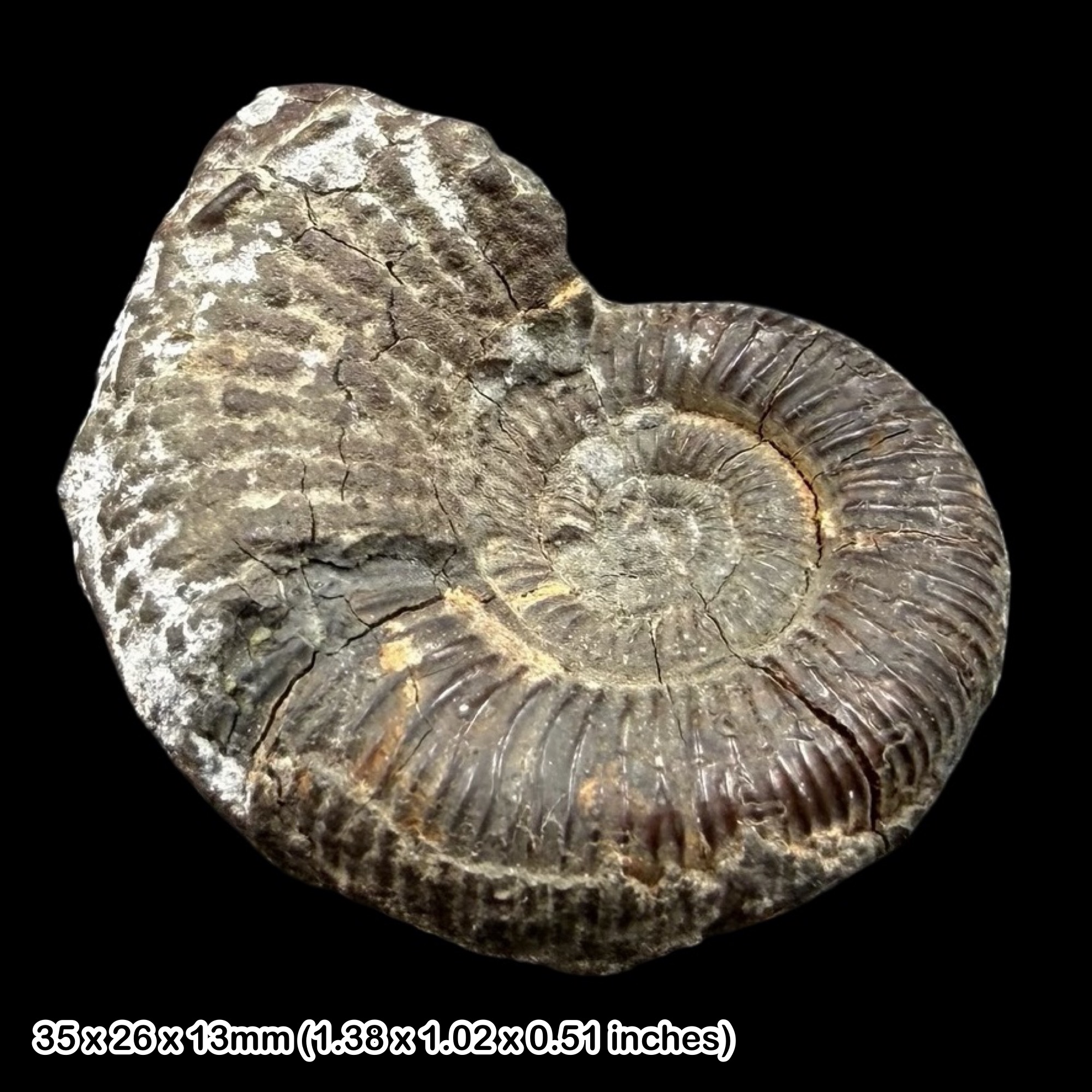
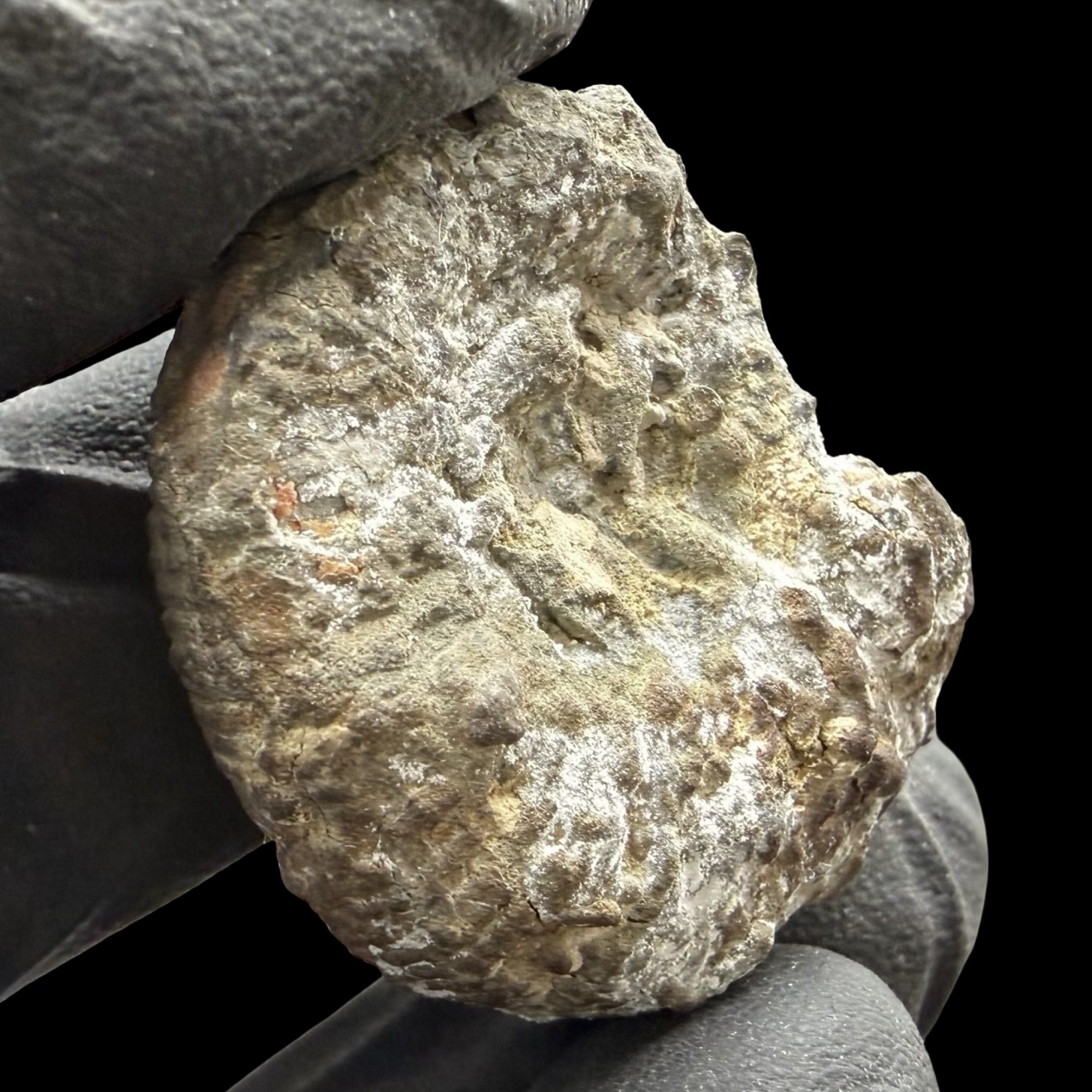
Alligaticeras sp Ammonite Fossils Jurassic Orton Peterborough UK COA Oxford Clay Genuine Callovian Cambridgeshire Collectable
£ 12.60
GENUINE ALLIGATICERAS SP. AMMONITE FOSSILThis listing is for a genuine Alligaticeras sp. ammonite fossil from the Oxford
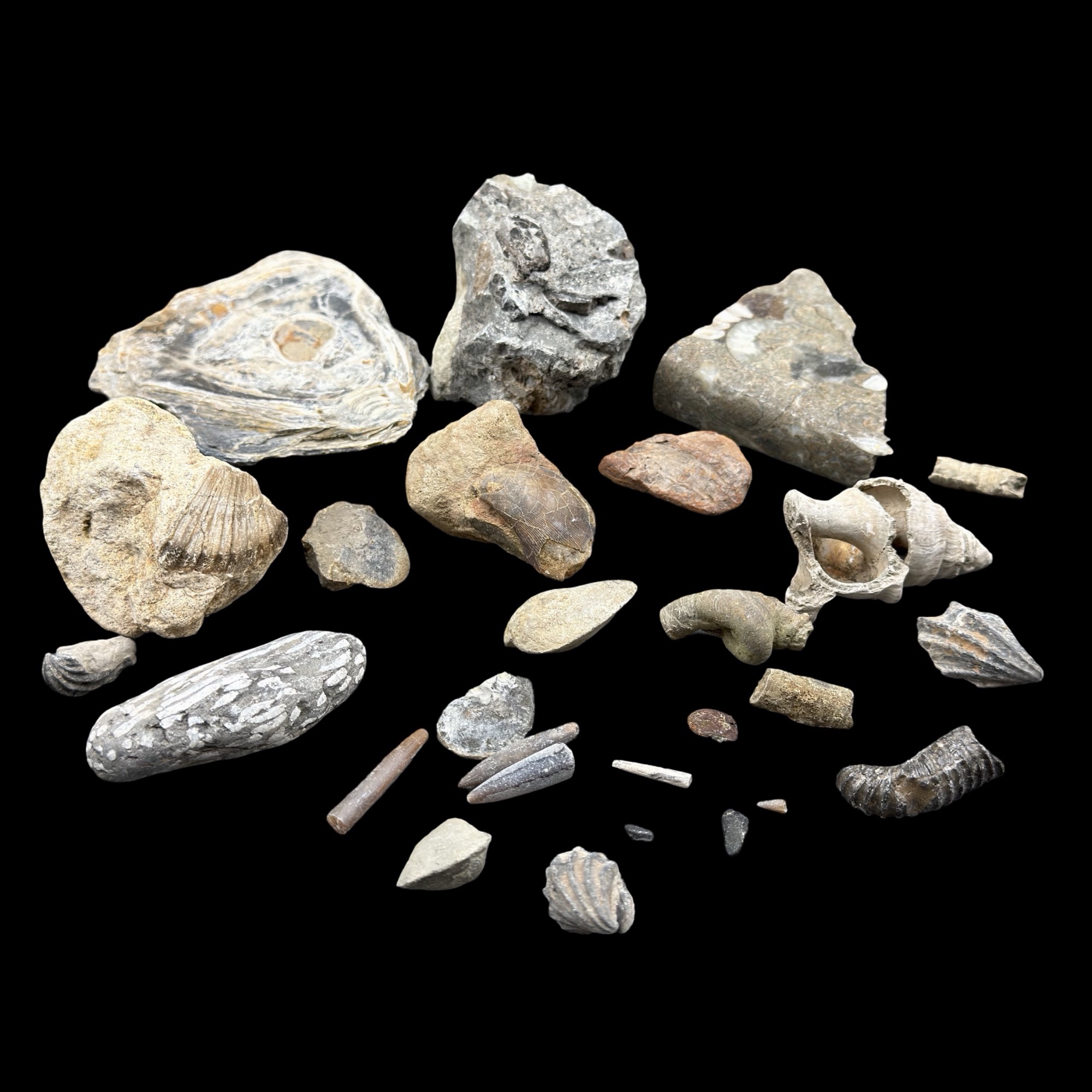
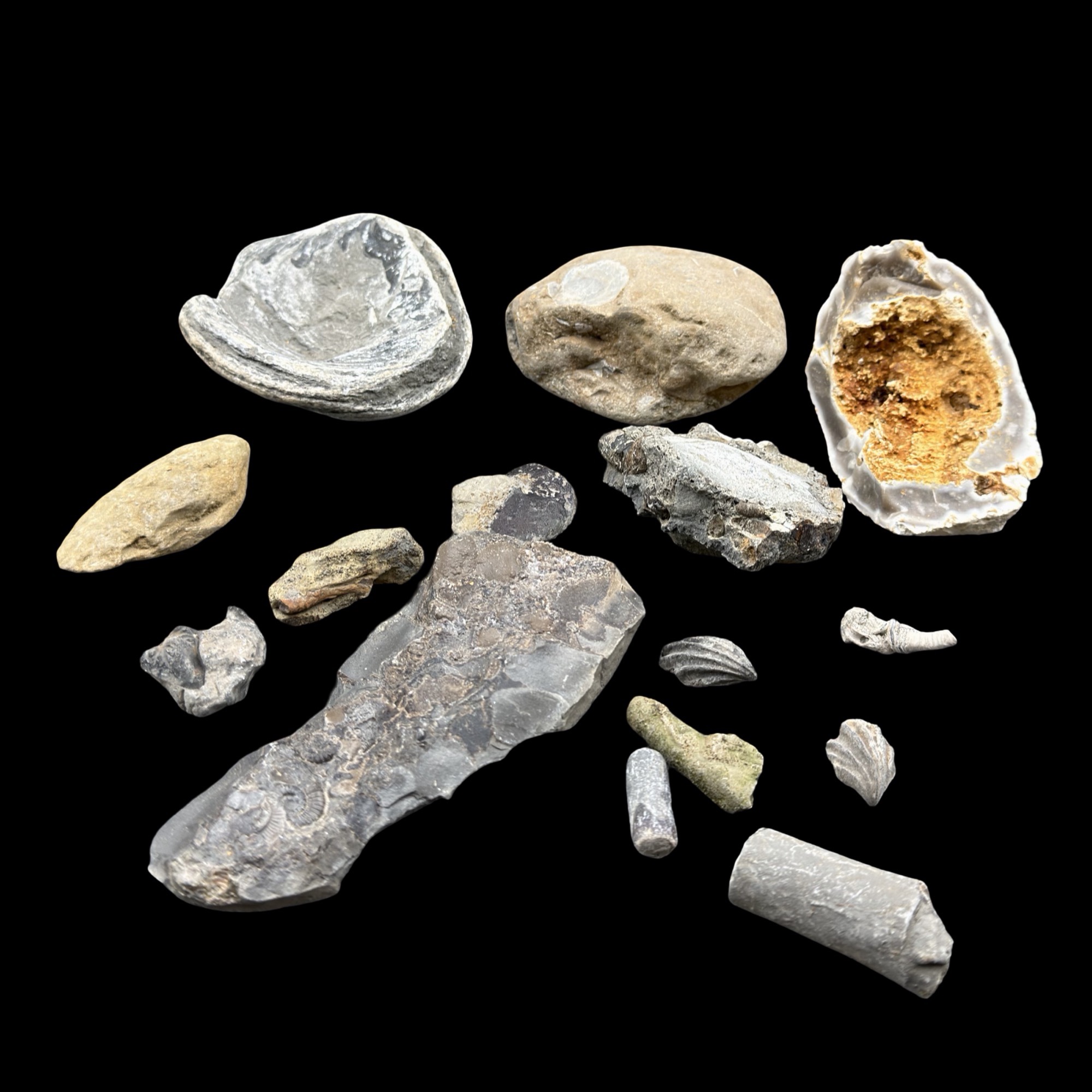
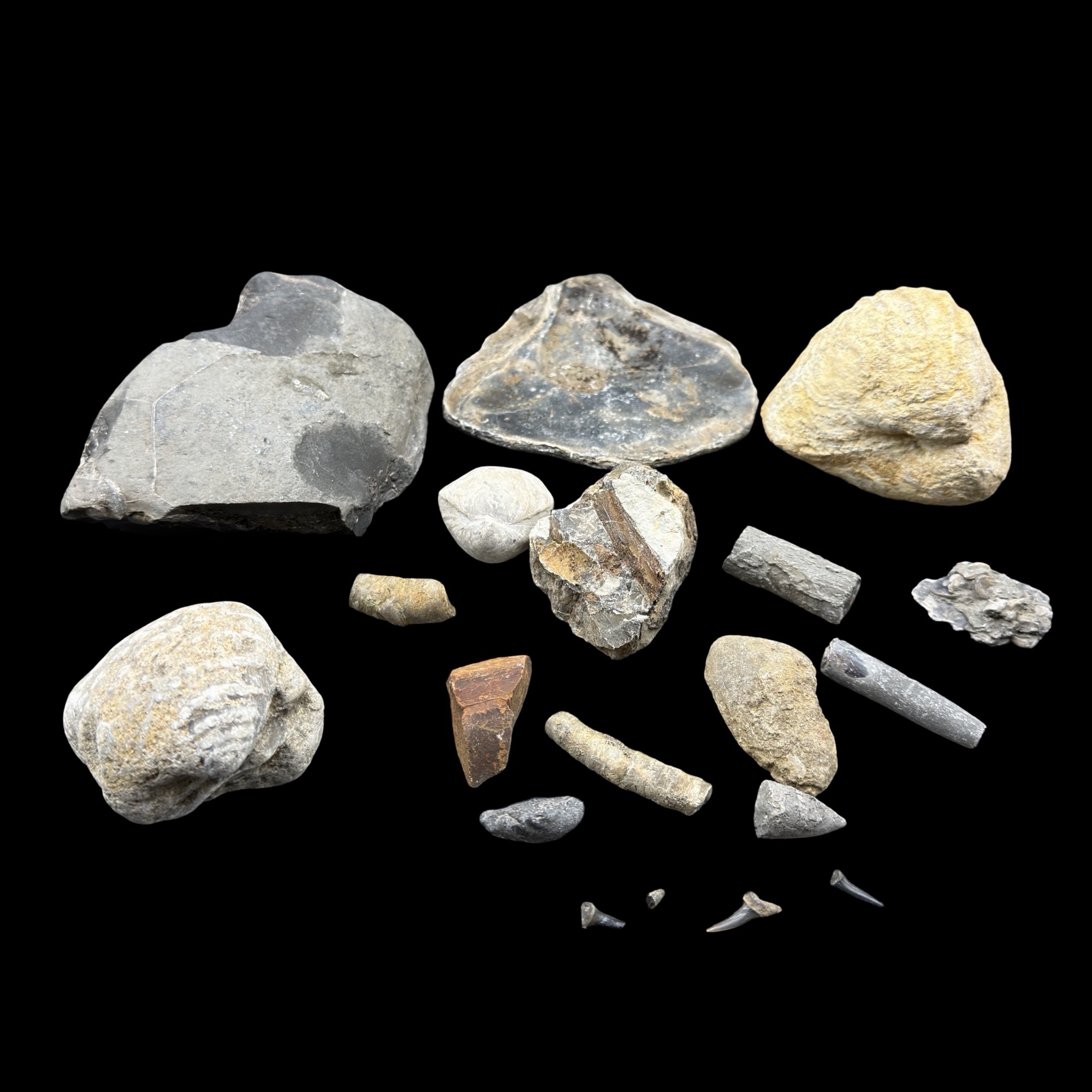
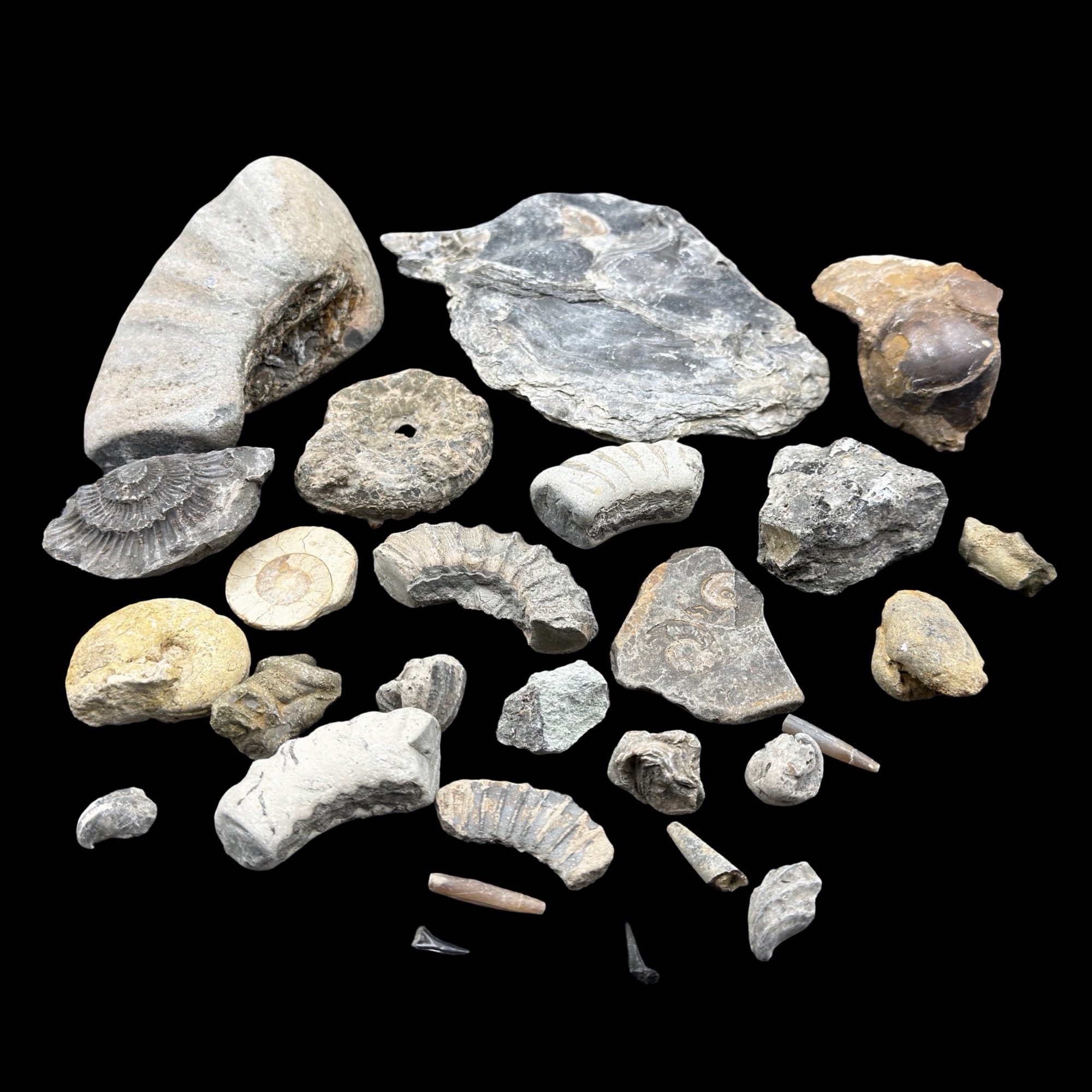
Clay Formation at Orton, Peterborough, Cambridgeshire, UK. Dating to the Middle Jurassic, Callovian Stage, this carefully chosen fossil represents an authentic marine cephalopod from one of Britain’s most famous Jurassic fossil-bearing deposits. The photograph shows the actual specimen you will receive, allowing you to view its natural preservation, surface detail, shape, matrix, colour and overall character before purchase.This fossil is supplied with a Certificate of Authenticity lifetime guarantee generic card, confirming that it is a genuine specimen. Full sizing details can be seen in the photo. FOSSIL TYPE AND AMMONITE SPECIESAlligaticeras sp. is an ammonite, an extinct group of shelled marine cephalopods related to modern squid, octopus and cuttlefish. Ammonites are among the most recognisable and collectable fossils of the Jurassic period, known for their spiral shells and their importance in understanding ancient marine environments.The shell of an ammonite was divided into a series of internal chambers. The living animal occupied the final body chamber, while the earlier chambers helped control buoyancy as it moved through the water. As the ammonite grew, it added new chambers to the shell, creating the coiled form that makes these fossils so distinctive.The “sp.” designation means the fossil has been identified to genus level as Alligaticeras, while the exact species is left open. This is common with fossil ammonites where preservation, natural wear, matrix coverage or variation within the shell makes a precise species-level assignment difficult. As a named genus from a classic British Jurassic locality, this fossil remains highly collectable and scientifically interesting. OXFORD CLAY FORMATION GEOLOGYThis specimen comes from the Oxford Clay Formation, one of the most celebrated Jurassic marine deposits in the United Kingdom. Around Peterborough, the Oxford Clay is especially famous for its fossil-rich lower beds, which have produced ammonites, belemnites, bivalves, gastropods, marine reptiles, fish and other remains from the Jurassic sea.The Oxford Clay was deposited in a warm, shallow to moderately deep marine environment during the Middle Jurassic. Fine muds and organic-rich sediments accumulated on the seabed, preserving the remains of animals that lived in the water column and on the sea floor. Over millions of years, these sediments compacted into clay-rich rock, protecting fossils such as ammonites and creating one of Britain’s classic fossil-bearing formations. MIDDLE JURASSIC CALLOVIAN AGEThis fossil dates from the Callovian Stage of the Middle Jurassic, approximately 166 to 163 million years old. During this time, much of what is now eastern England lay beneath a broad Jurassic sea. Ammonites were abundant and diverse, making them important fossils for dating and correlating the rock layers of this period.Callovian ammonites are especially valued by collectors because they record a highly productive marine ecosystem and are closely linked to Jurassic biostratigraphy. Their rapid evolution and widespread distribution mean they are often used as guide fossils, helping geologists compare deposits from different regions and understand the order in which ancient seabeds were formed. ORTON, PETERBOROUGH, CAMBRIDGESHIRE LOCALITYOrton, Peterborough is a classic fossil locality associated with the famous Oxford Clay exposures of Cambridgeshire. The Peterborough area has long been known for its rich Jurassic fossil record, especially material recovered from clay pits and brickworks that exposed fossil-bearing beds. Fossils from this region are sought after by collectors because they combine strong locality data, classic British geology and excellent Jurassic age context.A fossil from Orton, Peterborough is ideal for collectors interested in Cambridgeshire fossils, Oxford Clay fossils, Jurassic ammonites, Callovian fossils and British natural history specimens. The locality adds historic and geological value to the specimen, making it more meaningful than an unlabelled ammonite. AMMONITE FEATURES AND DISPLAY APPEALAmmonites such as Alligaticeras sp. typically display the classic coiled shell form, with whorls arranged around a central spiral. Depending on preservation, visible features may include ribbing, whorl curvature, shell outline, chamber traces, natural matrix, mineralisation and surface texture. These details are part of the fossil’s natural character and reflect both the original shell structure and the conditions under which it was preserved.As a genuine fossil, each specimen is unique. Natural variations in colour, matrix, surface detail, edge preservation, compression and fossilisation are part of its appeal. This makes the piece suitable for fossil cabinets, educational collections, geology displays, natural history gifts and collectors of British Jurassic ammonites. AUTHENTICITY AND PRESENTATIONThis is a 100% genuine fossil specimen and includes a Certificate of Authenticity lifetime guarantee generic card. The fossil has been carefully chosen and photographed so the buyer can see the actual specimen being supplied. Full sizing can be checked from the photo, and the piece is suitable for display, study, collecting or gifting.
Clay Formation at Orton, Peterborough, Cambridgeshire, UK. Dating to the Middle Jurassic, Callovian Stage, this carefully chosen fossil represents an authentic marine cephalopod from one of Britain’s most famous Jurassic fossil-bearing deposits. The photograph shows the actual specimen you will receive, allowing you to view its natural preservation, surface detail, shape, matrix, colour and overall character before purchase.This fossil is supplied with a Certificate of Authenticity lifetime guarantee generic card, confirming that it is a genuine specimen. Full sizing details can be seen in the photo. FOSSIL TYPE AND AMMONITE SPECIESAlligaticeras sp. is an ammonite, an extinct group of shelled marine cephalopods related to modern squid, octopus and cuttlefish. Ammonites are among the most recognisable and collectable fossils of the Jurassic period, known for their spiral shells and their importance in understanding ancient marine environments.The shell of an ammonite was divided into a series of internal chambers. The living animal occupied the final body chamber, while the earlier chambers helped control buoyancy as it moved through the water. As the ammonite grew, it added new chambers to the shell, creating the coiled form that makes these fossils so distinctive.The “sp.” designation means the fossil has been identified to genus level as Alligaticeras, while the exact species is left open. This is common with fossil ammonites where preservation, natural wear, matrix coverage or variation within the shell makes a precise species-level assignment difficult. As a named genus from a classic British Jurassic locality, this fossil remains highly collectable and scientifically interesting. OXFORD CLAY FORMATION GEOLOGYThis specimen comes from the Oxford Clay Formation, one of the most celebrated Jurassic marine deposits in the United Kingdom. Around Peterborough, the Oxford Clay is especially famous for its fossil-rich lower beds, which have produced ammonites, belemnites, bivalves, gastropods, marine reptiles, fish and other remains from the Jurassic sea.The Oxford Clay was deposited in a warm, shallow to moderately deep marine environment during the Middle Jurassic. Fine muds and organic-rich sediments accumulated on the seabed, preserving the remains of animals that lived in the water column and on the sea floor. Over millions of years, these sediments compacted into clay-rich rock, protecting fossils such as ammonites and creating one of Britain’s classic fossil-bearing formations. MIDDLE JURASSIC CALLOVIAN AGEThis fossil dates from the Callovian Stage of the Middle Jurassic, approximately 166 to 163 million years old. During this time, much of what is now eastern England lay beneath a broad Jurassic sea. Ammonites were abundant and diverse, making them important fossils for dating and correlating the rock layers of this period.Callovian ammonites are especially valued by collectors because they record a highly productive marine ecosystem and are closely linked to Jurassic biostratigraphy. Their rapid evolution and widespread distribution mean they are often used as guide fossils, helping geologists compare deposits from different regions and understand the order in which ancient seabeds were formed. ORTON, PETERBOROUGH, CAMBRIDGESHIRE LOCALITYOrton, Peterborough is a classic fossil locality associated with the famous Oxford Clay exposures of Cambridgeshire. The Peterborough area has long been known for its rich Jurassic fossil record, especially material recovered from clay pits and brickworks that exposed fossil-bearing beds. Fossils from this region are sought after by collectors because they combine strong locality data, classic British geology and excellent Jurassic age context.A fossil from Orton, Peterborough is ideal for collectors interested in Cambridgeshire fossils, Oxford Clay fossils, Jurassic ammonites, Callovian fossils and British natural history specimens. The locality adds historic and geological value to the specimen, making it more meaningful than an unlabelled ammonite. AMMONITE FEATURES AND DISPLAY APPEALAmmonites such as Alligaticeras sp. typically display the classic coiled shell form, with whorls arranged around a central spiral. Depending on preservation, visible features may include ribbing, whorl curvature, shell outline, chamber traces, natural matrix, mineralisation and surface texture. These details are part of the fossil’s natural character and reflect both the original shell structure and the conditions under which it was preserved.As a genuine fossil, each specimen is unique. Natural variations in colour, matrix, surface detail, edge preservation, compression and fossilisation are part of its appeal. This makes the piece suitable for fossil cabinets, educational collections, geology displays, natural history gifts and collectors of British Jurassic ammonites. AUTHENTICITY AND PRESENTATIONThis is a 100% genuine fossil specimen and includes a Certificate of Authenticity lifetime guarantee generic card. The fossil has been carefully chosen and photographed so the buyer can see the actual specimen being supplied. Full sizing can be checked from the photo, and the piece is suitable for display, study, collecting or gifting.
Other Products