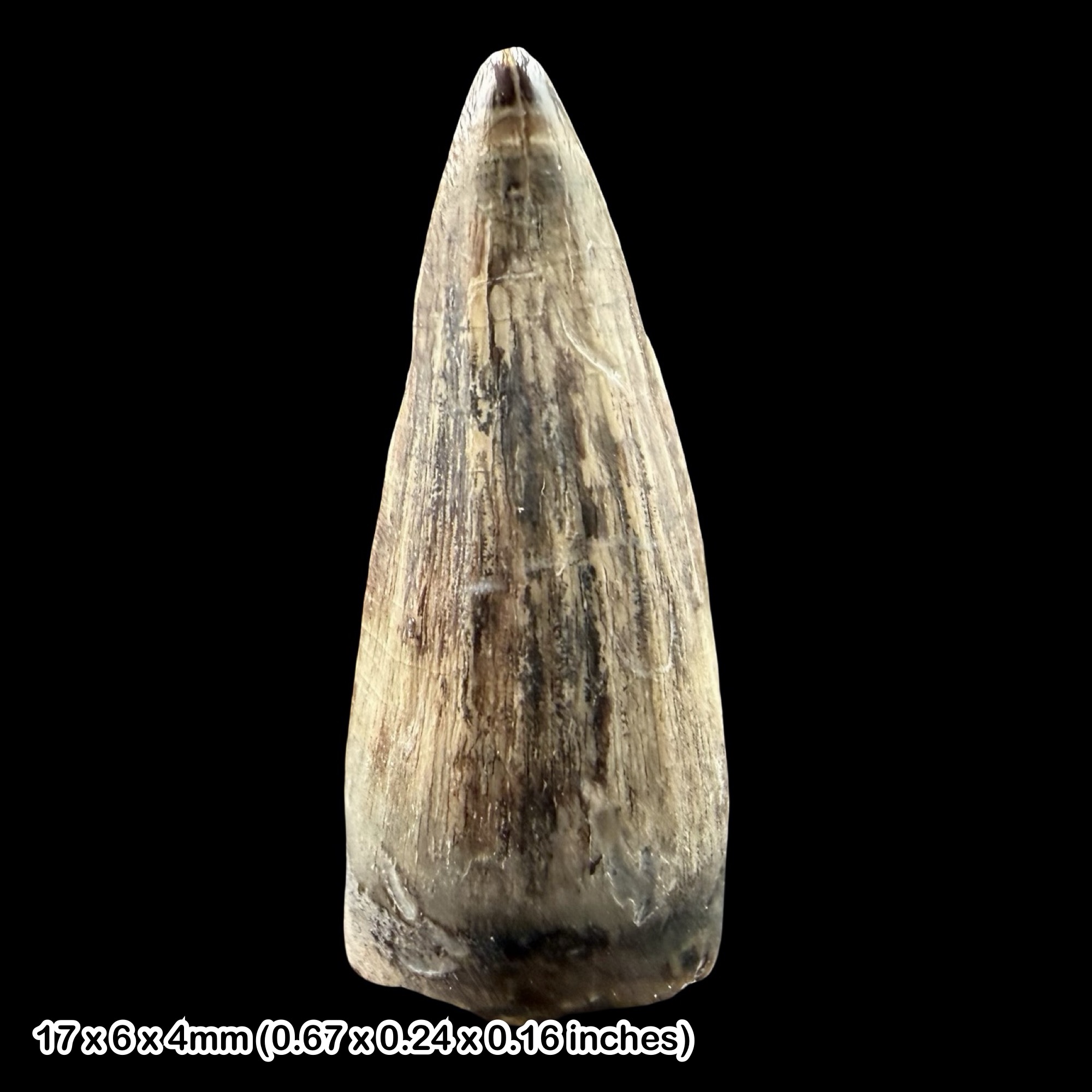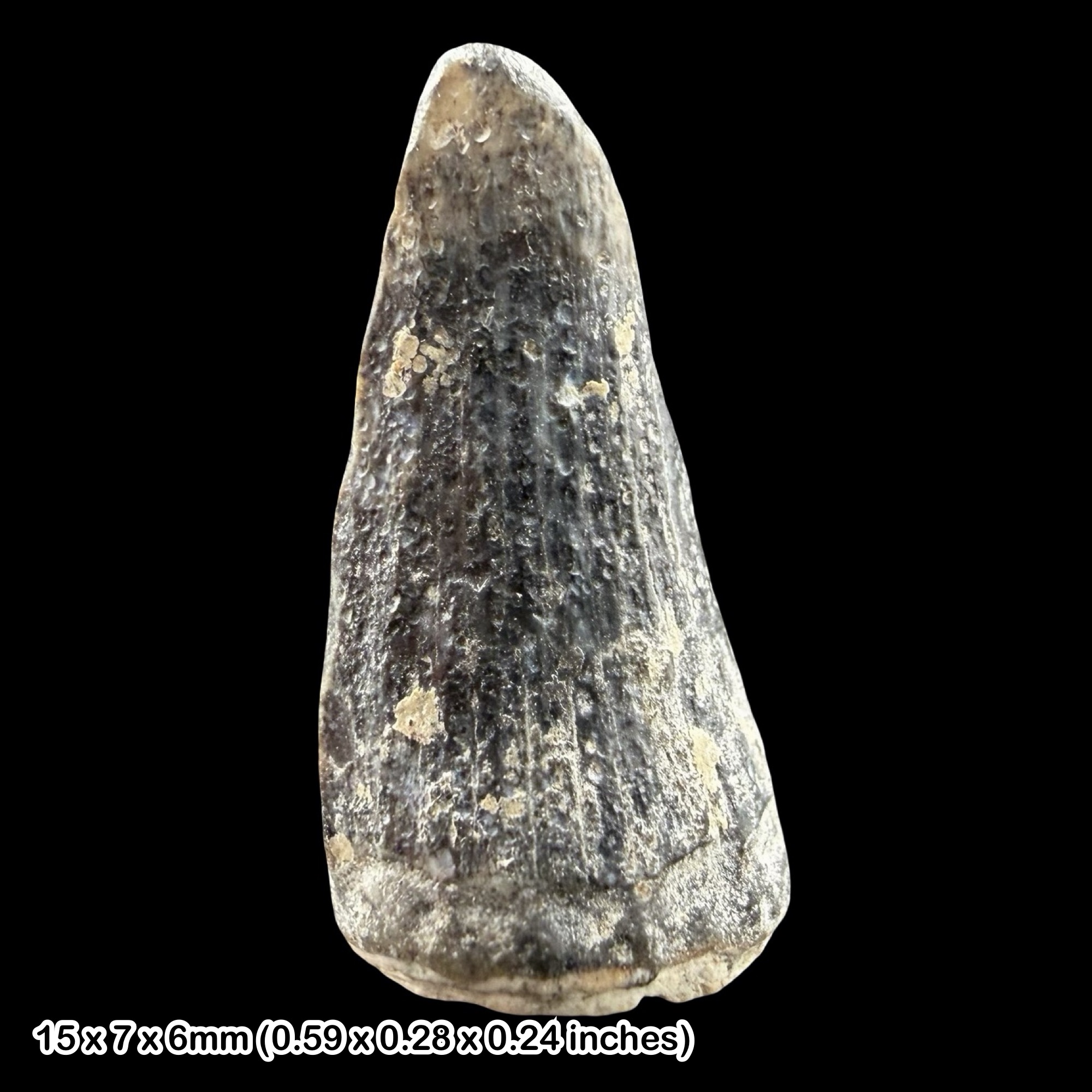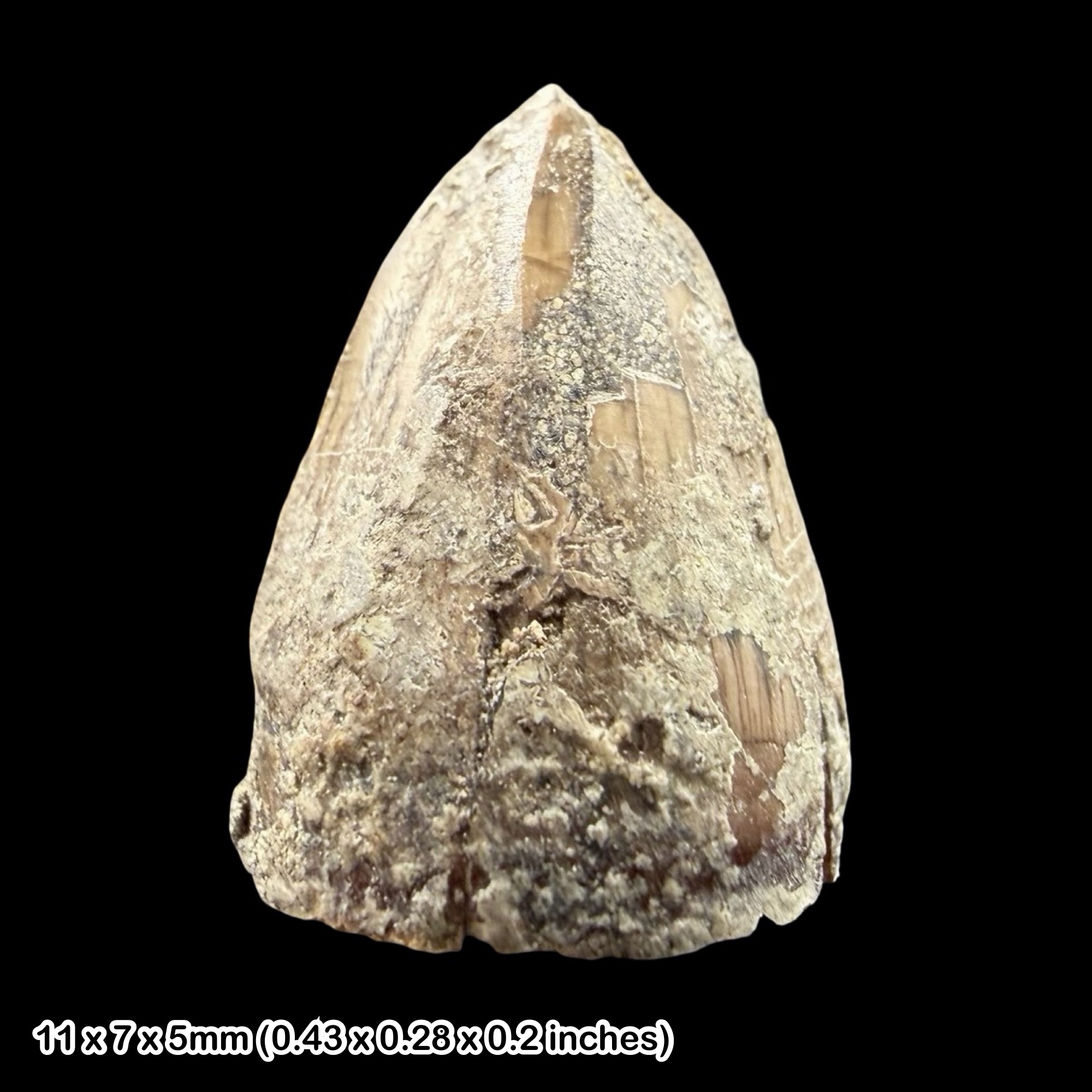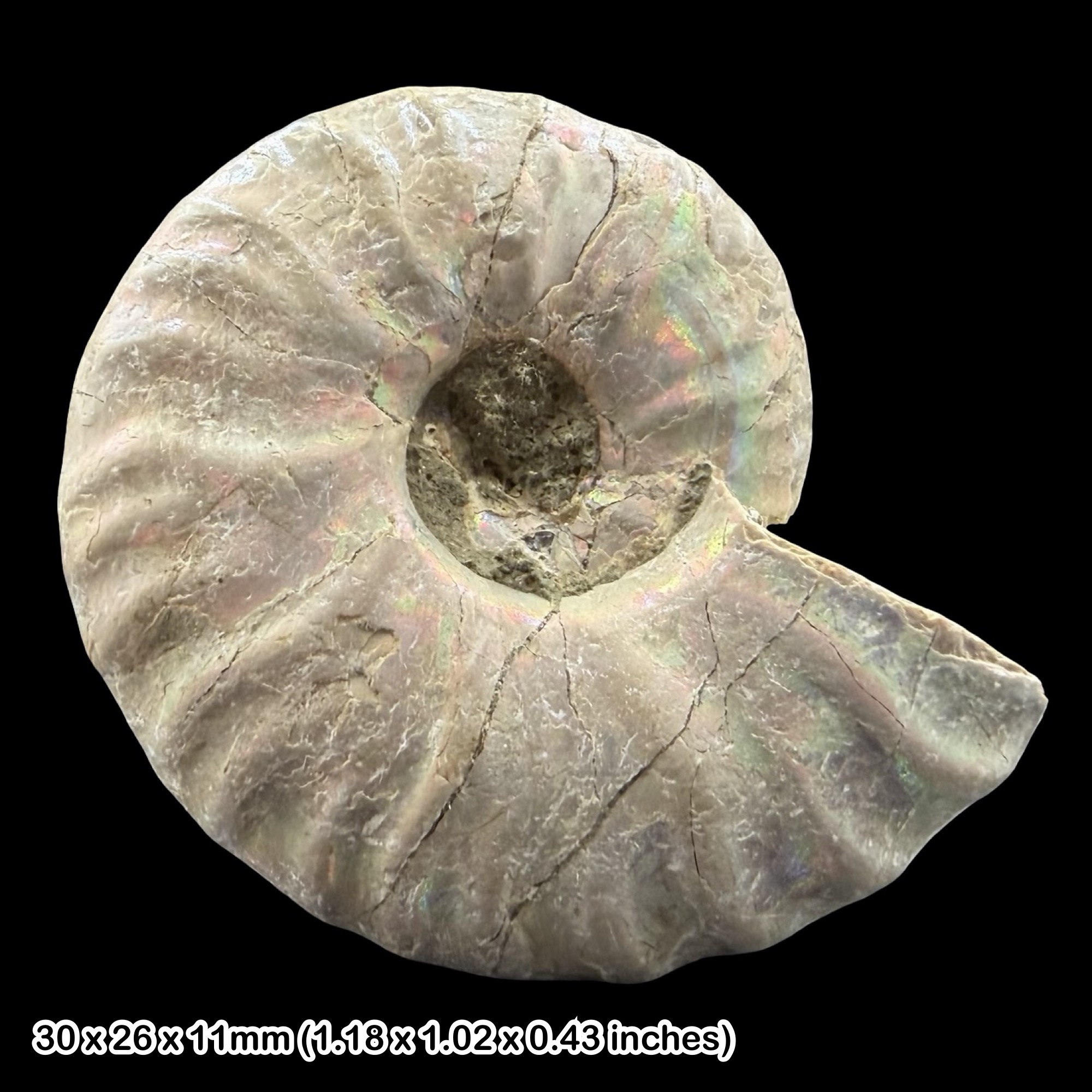
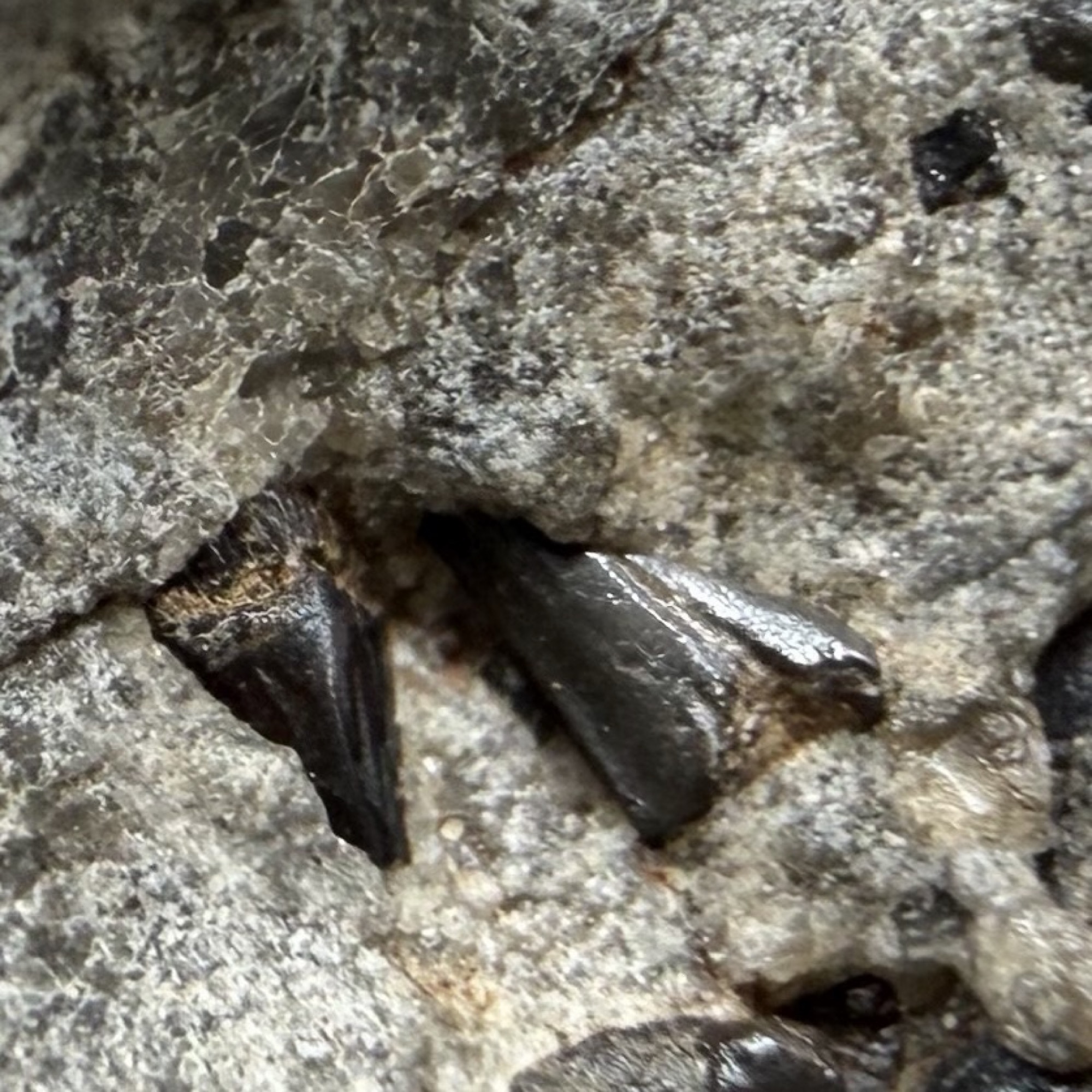
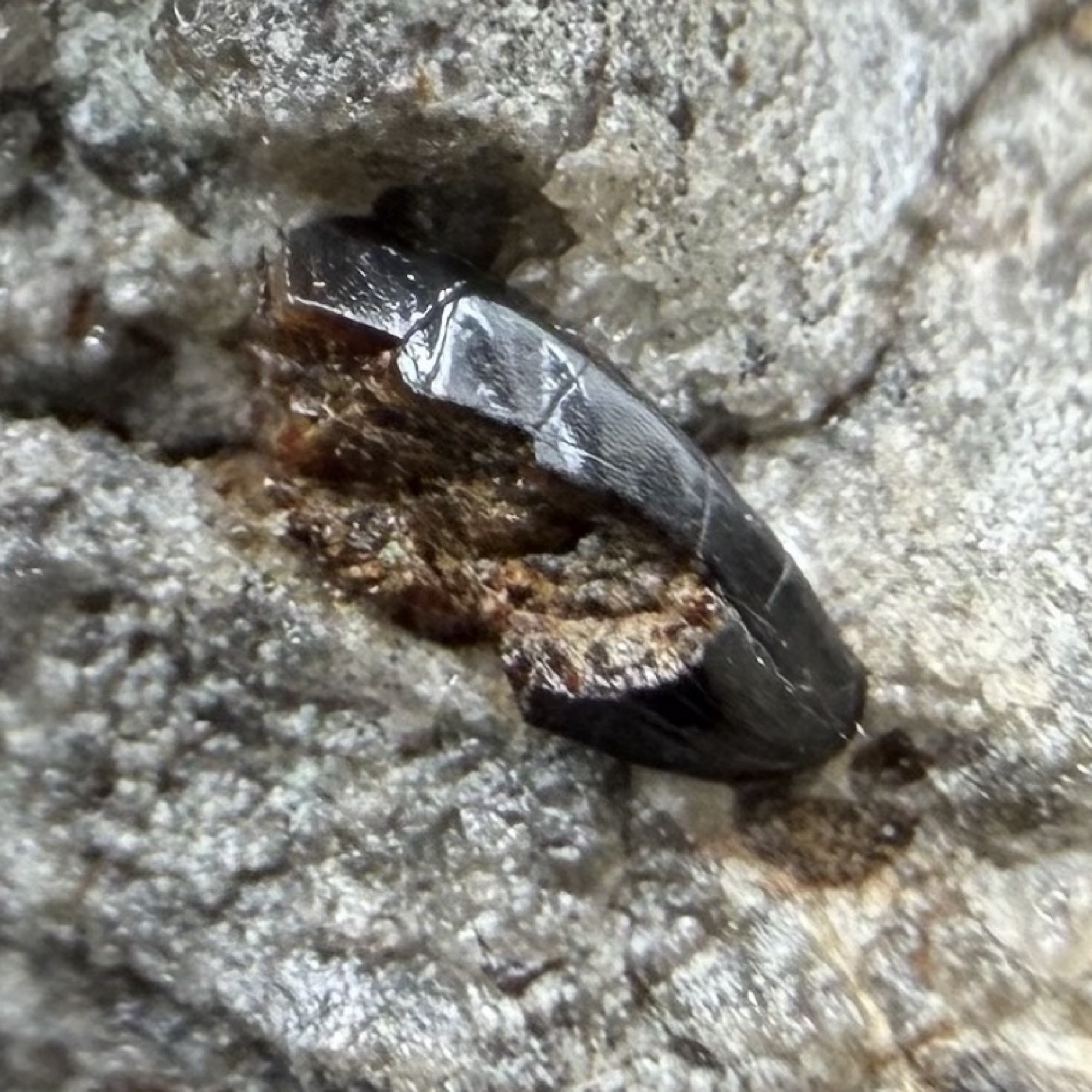
Reptile Bone Fossil Triassic Aust Cliff Bristol UK Genuine COA Westbury Formation Penarth Group Display Specimen
£ 84.00
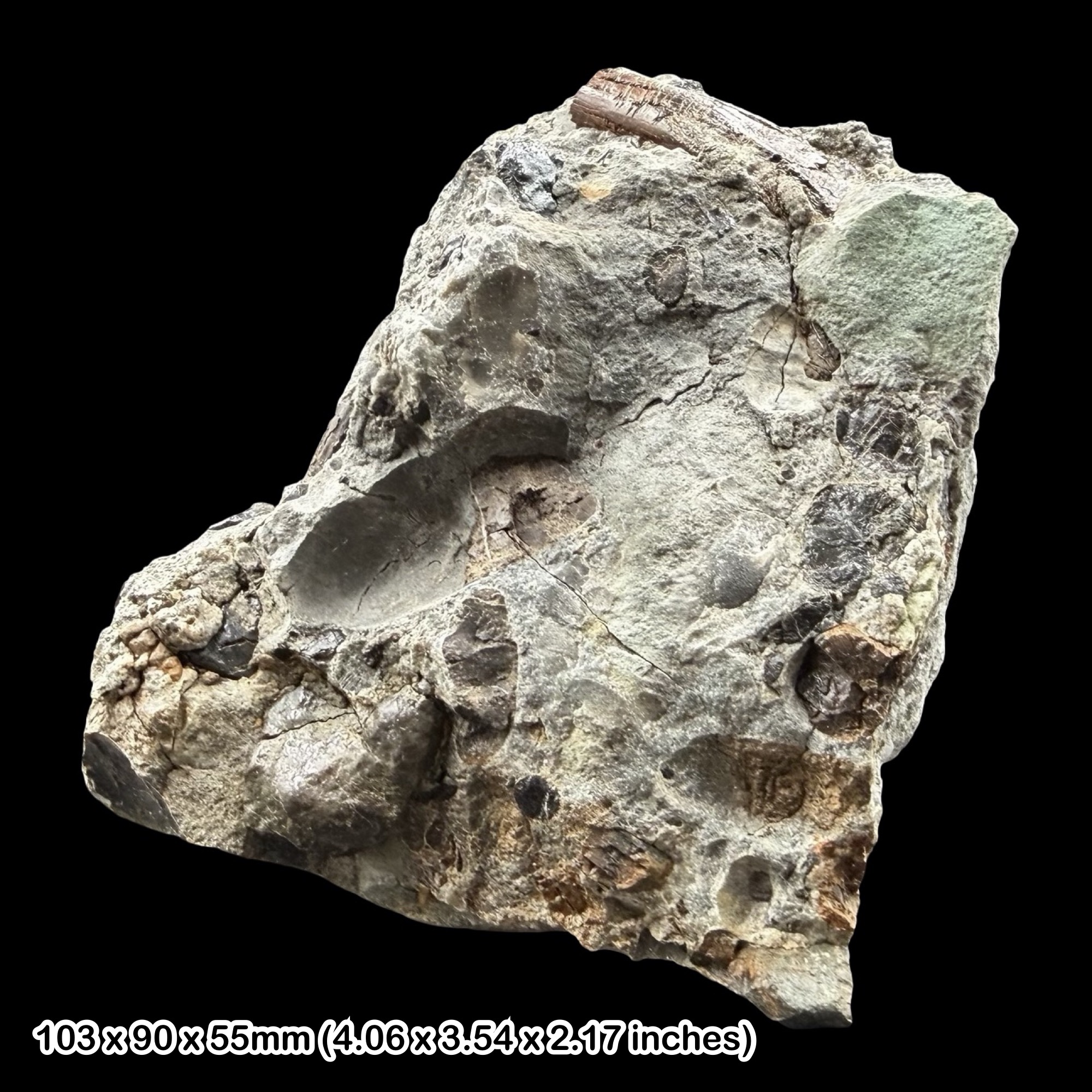
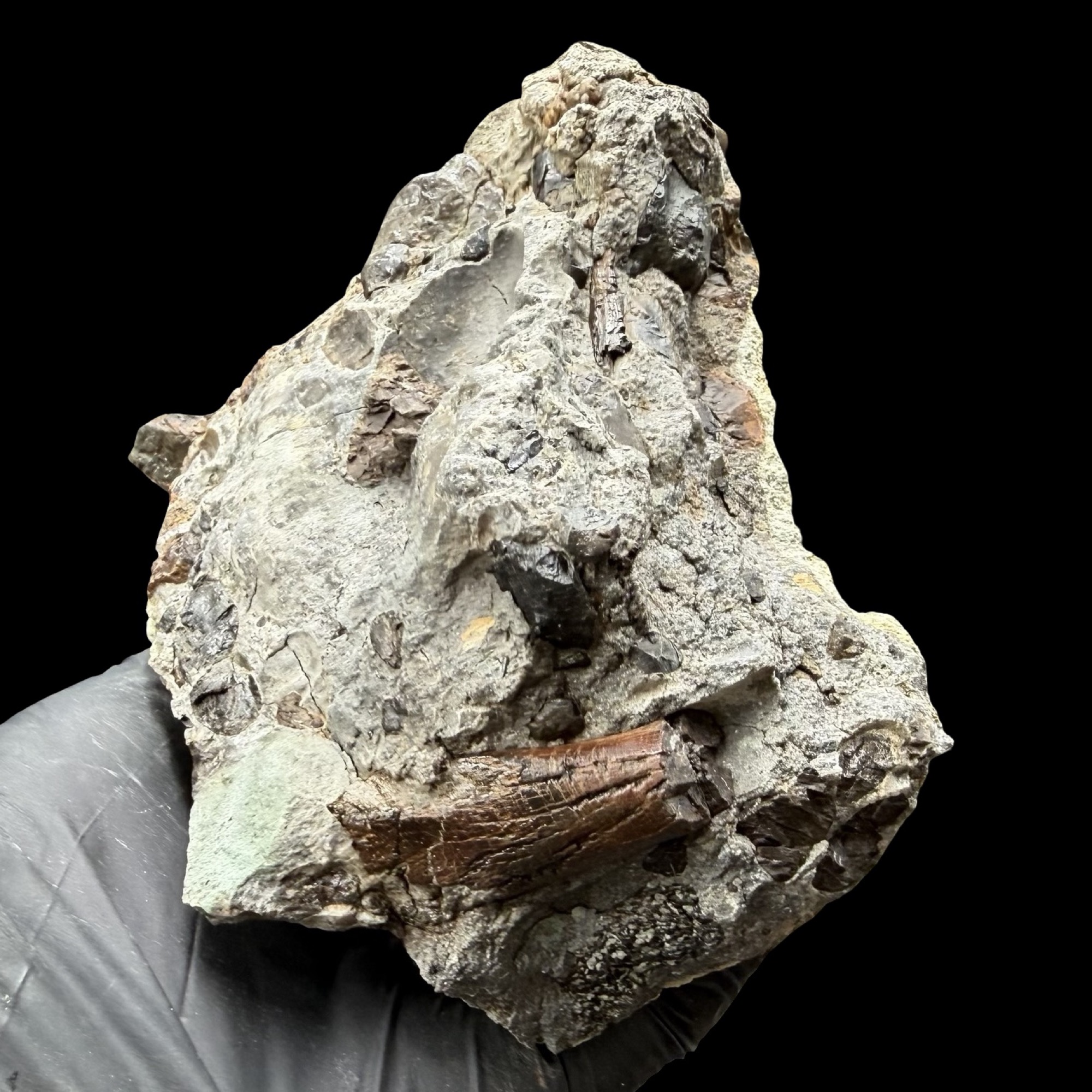
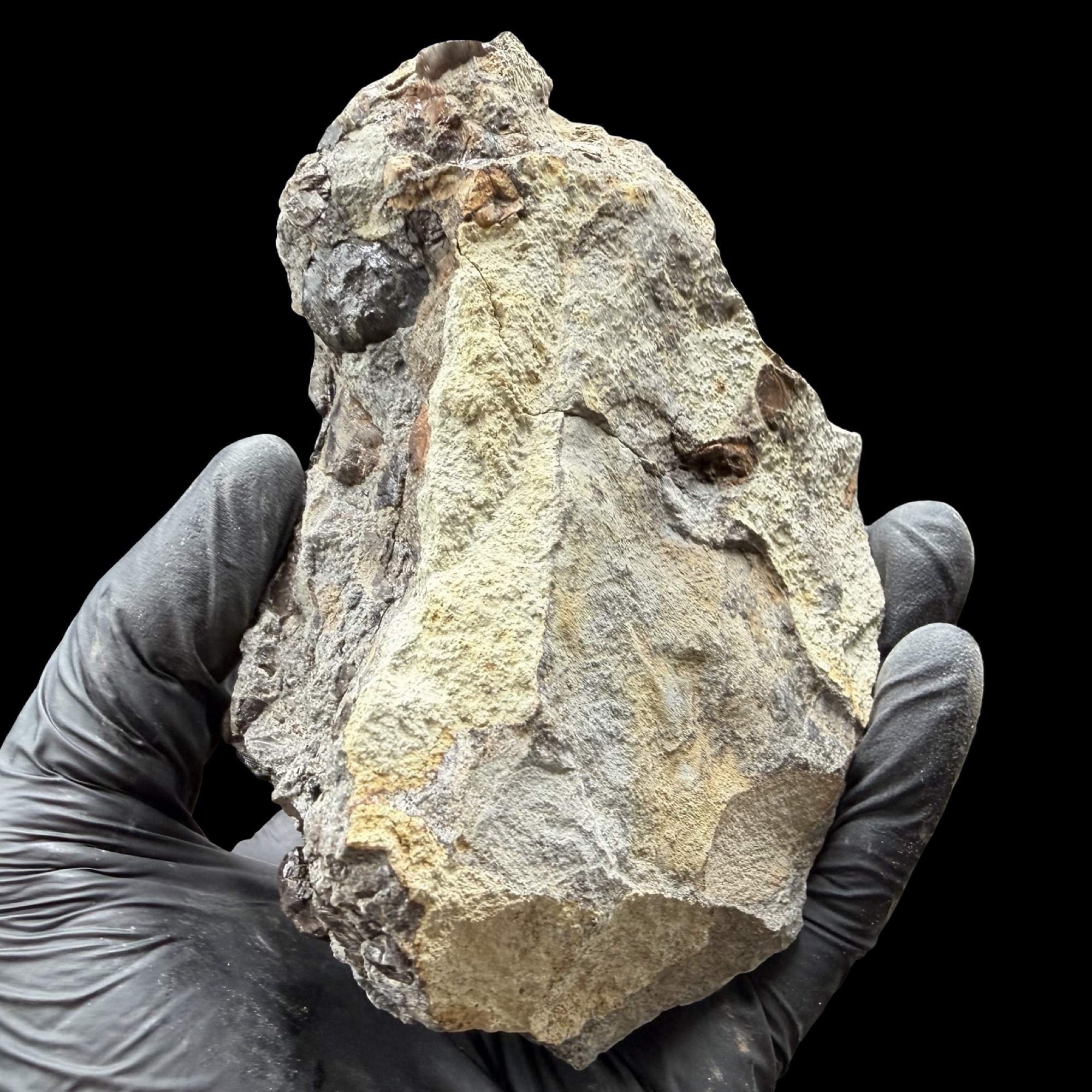
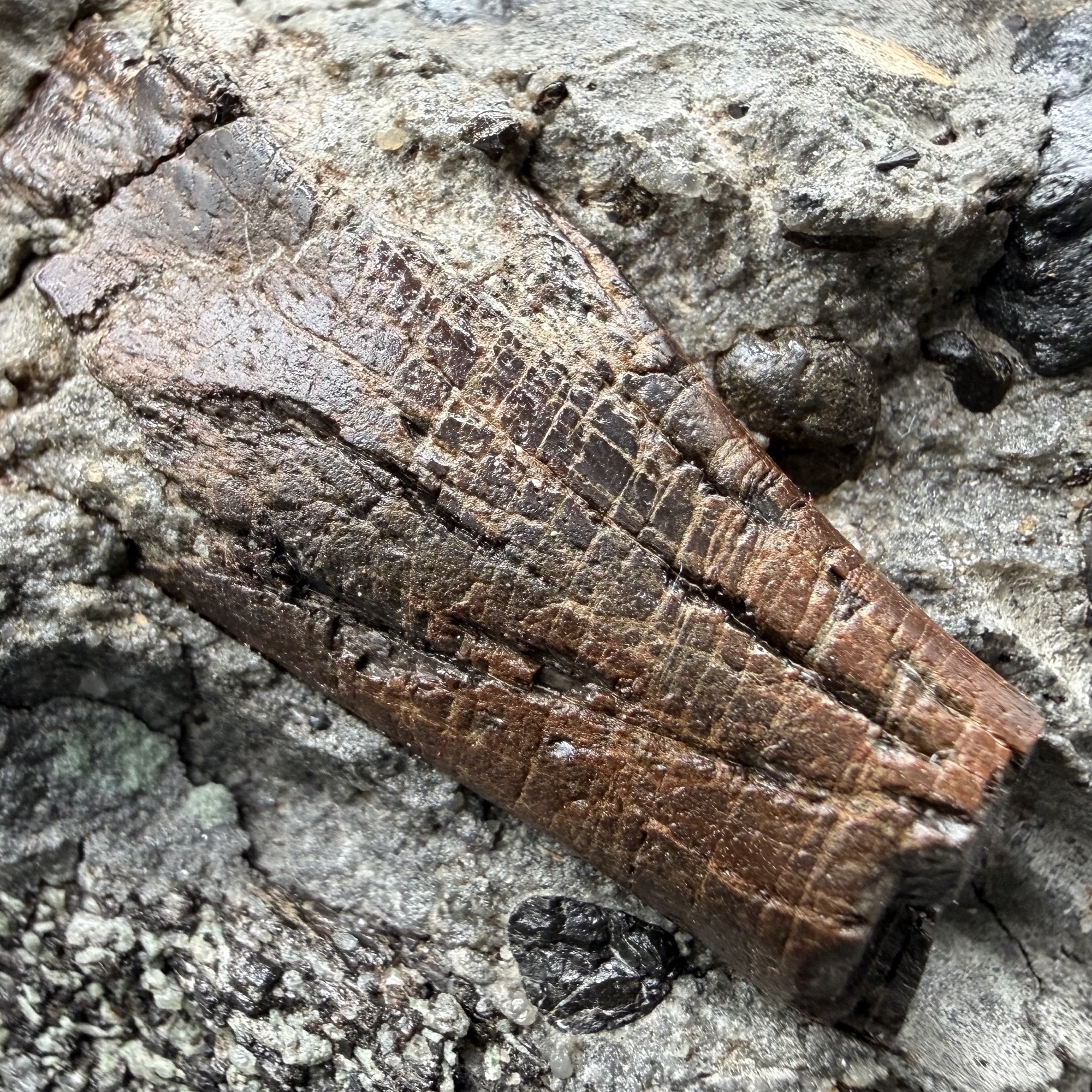
GENUINE TRIASSIC REPTILE BONE FOSSIL BLOCKThis listing is for a genuine reptile fossil bone block from the famous fish,
reptile and coprolite bed at Aust Cliff, Bristol, UK. The specimen comes from the Westbury Formation, part of the Penarth Group, dating to the Upper Triassic. This is a carefully chosen fossil piece, and the photograph shows the actual specimen you will receive. Full sizing and scale details can be seen in the photo.Your specimen was discovered by our own team members, Alister and Alison, and has been carefully cleaned, prepped and treated by Alison. It is supplied with a Certificate of Authenticity lifetime guarantee generic card, confirming that this is a genuine fossil specimen and making it an excellent choice for collectors, fossil displays, educational use, natural history cabinets and anyone interested in prehistoric reptiles. FAMOUS AUST CLIFF BONE BED FOSSILAust Cliff is one of Britain’s classic vertebrate fossil localities and is especially well known for its Upper Triassic bone beds. These fossil-rich layers have produced a wide range of remains from ancient marine and coastal ecosystems, including reptile bones, fish teeth, shark material, coprolites and other fragmentary vertebrate fossils. Blocks from this bed are particularly interesting because they often preserve a mixture of biological remains from an ancient environment where bones, teeth, scales and other hard parts accumulated on the seabed.This specimen comes from a block associated with that famous fish, reptile and coprolite bed, giving it strong geological provenance and a direct connection to one of the most collectable fossil horizons in the Bristol area. Reptile bone material from Aust Cliff is desirable because it represents part of the Late Triassic vertebrate fauna that lived shortly before the beginning of the Jurassic Period. UPPER TRIASSIC GEOLOGICAL SETTINGThe fossil is from the Westbury Formation of the Penarth Group, a unit associated with the latest part of the Triassic Period. This interval is commonly linked with the Rhaetian Stage, a time when changing sea levels created shallow marine and marginal marine environments across parts of what is now southwest Britain.During the Upper Triassic, the Bristol region was very different from today. Instead of cliffs overlooking the Severn Estuary, the area formed part of an ancient coastal and shallow marine setting. Sediments accumulated on the seabed, and over time, remains from reptiles, fish and other animals became concentrated in bone-rich layers. These deposits provide valuable evidence of ancient ecosystems at a major turning point in Earth history, close to the Triassic-Jurassic boundary. REPTILE FOSSIL BONE INTERESTReptile bone fossils from the Aust Cliff bone bed are scientifically and historically interesting because they offer a glimpse into the vertebrate life of Late Triassic Britain. The exact animal represented by isolated bone fragments is often difficult to determine from a single block, but the fossil still preserves genuine reptile material from an important prehistoric environment.Triassic reptile remains from deposits like the Westbury Formation may be associated with marine or semi-marine reptiles that lived in and around shallow seas. These animals formed part of a rich ecosystem alongside fishes, hybodont sharks and other vertebrates. Fossil bone blocks are especially popular with collectors because they preserve the natural character of the bone bed, showing the fossil material in its original matrix rather than as a fully removed specimen. COLLECTABLE BRITISH VERTEBRATE FOSSILThis Triassic reptile fossil bone block is a desirable piece for collectors of British fossils, vertebrate fossils, Triassic fossils, Aust Cliff specimens, bone bed material and natural history display items. Its origin from Aust Cliff, Bristol, together with the Westbury Formation and Penarth Group provenance, gives it excellent geological context and makes it a strong addition to a fossil collection.The specimen has been selected for its natural appearance, collectable value and connection to a famous fossil locality. As the photograph shows the exact fossil supplied, you can buy with confidence knowing precisely which piece will be received. With its genuine Upper Triassic age, classic UK locality and included Certificate of Authenticity lifetime guarantee generic card, this reptile bone fossil block offers a direct connection to the ancient world of prehistoric Britain.
reptile and coprolite bed at Aust Cliff, Bristol, UK. The specimen comes from the Westbury Formation, part of the Penarth Group, dating to the Upper Triassic. This is a carefully chosen fossil piece, and the photograph shows the actual specimen you will receive. Full sizing and scale details can be seen in the photo.Your specimen was discovered by our own team members, Alister and Alison, and has been carefully cleaned, prepped and treated by Alison. It is supplied with a Certificate of Authenticity lifetime guarantee generic card, confirming that this is a genuine fossil specimen and making it an excellent choice for collectors, fossil displays, educational use, natural history cabinets and anyone interested in prehistoric reptiles. FAMOUS AUST CLIFF BONE BED FOSSILAust Cliff is one of Britain’s classic vertebrate fossil localities and is especially well known for its Upper Triassic bone beds. These fossil-rich layers have produced a wide range of remains from ancient marine and coastal ecosystems, including reptile bones, fish teeth, shark material, coprolites and other fragmentary vertebrate fossils. Blocks from this bed are particularly interesting because they often preserve a mixture of biological remains from an ancient environment where bones, teeth, scales and other hard parts accumulated on the seabed.This specimen comes from a block associated with that famous fish, reptile and coprolite bed, giving it strong geological provenance and a direct connection to one of the most collectable fossil horizons in the Bristol area. Reptile bone material from Aust Cliff is desirable because it represents part of the Late Triassic vertebrate fauna that lived shortly before the beginning of the Jurassic Period. UPPER TRIASSIC GEOLOGICAL SETTINGThe fossil is from the Westbury Formation of the Penarth Group, a unit associated with the latest part of the Triassic Period. This interval is commonly linked with the Rhaetian Stage, a time when changing sea levels created shallow marine and marginal marine environments across parts of what is now southwest Britain.During the Upper Triassic, the Bristol region was very different from today. Instead of cliffs overlooking the Severn Estuary, the area formed part of an ancient coastal and shallow marine setting. Sediments accumulated on the seabed, and over time, remains from reptiles, fish and other animals became concentrated in bone-rich layers. These deposits provide valuable evidence of ancient ecosystems at a major turning point in Earth history, close to the Triassic-Jurassic boundary. REPTILE FOSSIL BONE INTERESTReptile bone fossils from the Aust Cliff bone bed are scientifically and historically interesting because they offer a glimpse into the vertebrate life of Late Triassic Britain. The exact animal represented by isolated bone fragments is often difficult to determine from a single block, but the fossil still preserves genuine reptile material from an important prehistoric environment.Triassic reptile remains from deposits like the Westbury Formation may be associated with marine or semi-marine reptiles that lived in and around shallow seas. These animals formed part of a rich ecosystem alongside fishes, hybodont sharks and other vertebrates. Fossil bone blocks are especially popular with collectors because they preserve the natural character of the bone bed, showing the fossil material in its original matrix rather than as a fully removed specimen. COLLECTABLE BRITISH VERTEBRATE FOSSILThis Triassic reptile fossil bone block is a desirable piece for collectors of British fossils, vertebrate fossils, Triassic fossils, Aust Cliff specimens, bone bed material and natural history display items. Its origin from Aust Cliff, Bristol, together with the Westbury Formation and Penarth Group provenance, gives it excellent geological context and makes it a strong addition to a fossil collection.The specimen has been selected for its natural appearance, collectable value and connection to a famous fossil locality. As the photograph shows the exact fossil supplied, you can buy with confidence knowing precisely which piece will be received. With its genuine Upper Triassic age, classic UK locality and included Certificate of Authenticity lifetime guarantee generic card, this reptile bone fossil block offers a direct connection to the ancient world of prehistoric Britain.
Other Products