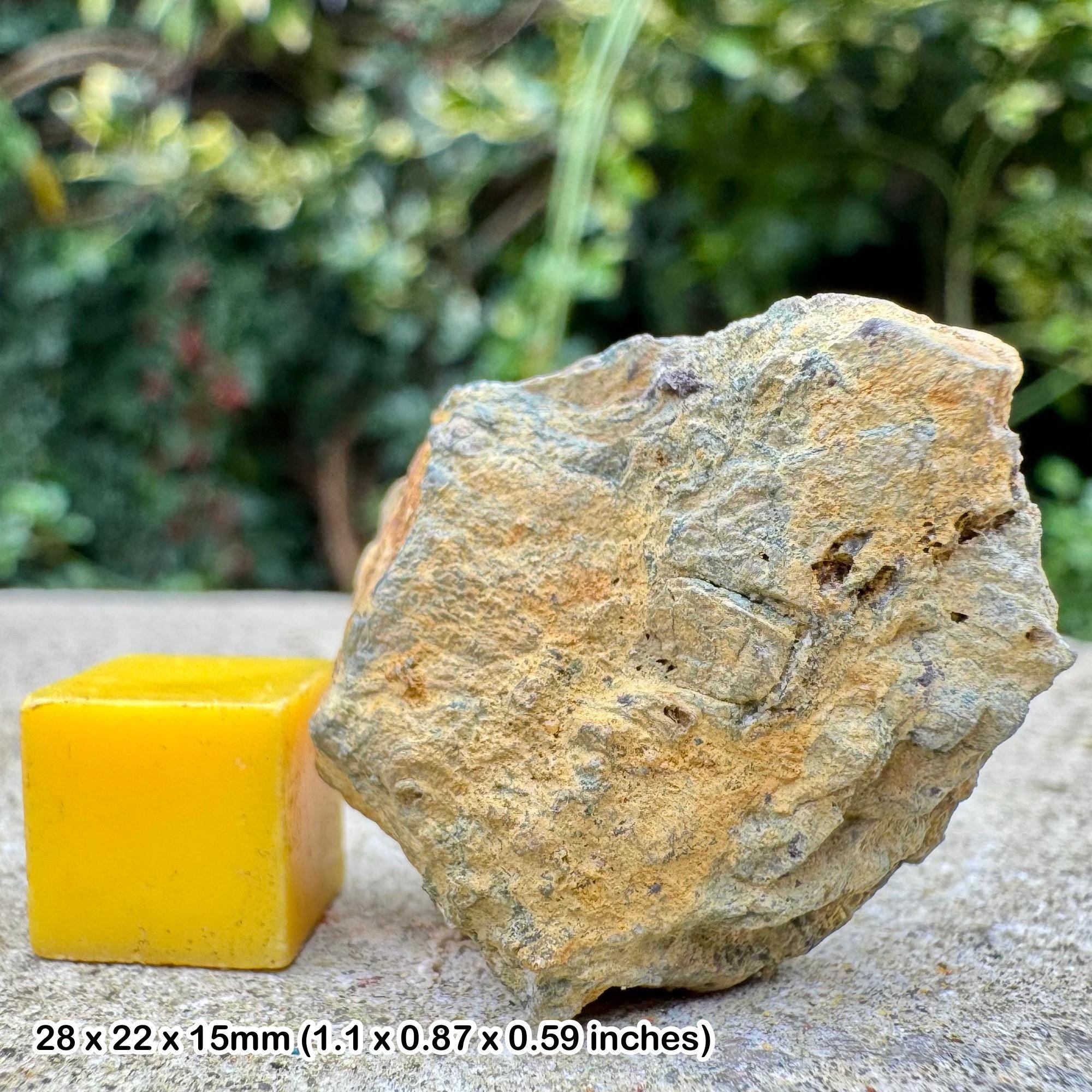
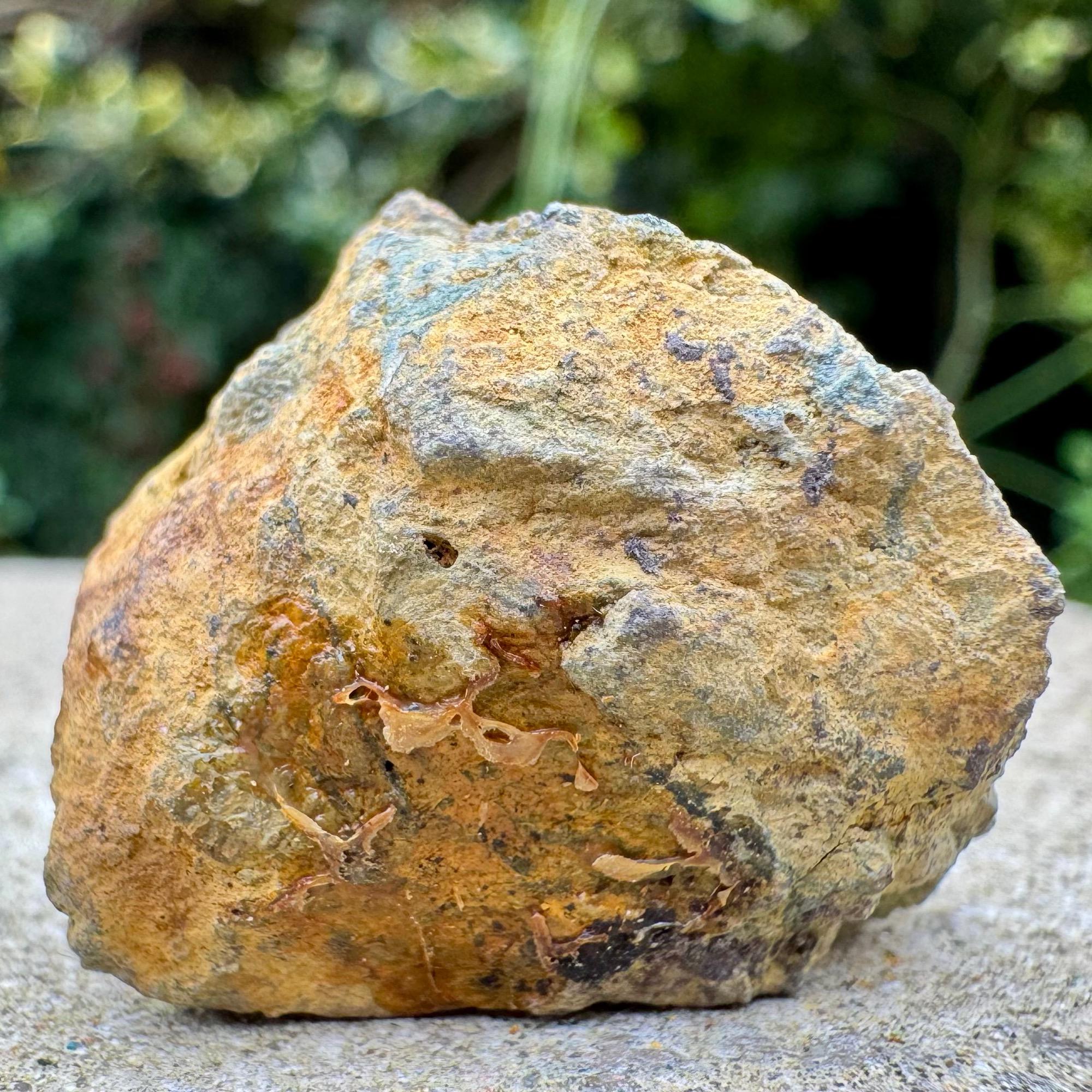
Olivenite and Pyrite Wheal Gorland Cornwall Genuine Mineral Specimen with Certificate of Authenticity
£ 8.40
GENUINE OLIVENITE AND PYRITE – WHEAL GORLAND, ST DAY, CORNWALL, UKThis Olivenite and Pyrite specimen from Wheal Gorland, St Day, Cornwall,
England, is a genuine and carefully selected example of classic Cornish mineralisation. The photograph provided shows the exact specimen you will receive. Please refer to the images for full sizing details and accurate scale.This crystal specimen includes a Certificate of Authenticity lifetime guarantee generic card confirming its genuine origin and mineral identification. MINERAL & GEOLOGICAL CLASSIFICATION – OLIVENITEOlivenite is a copper arsenate hydroxide mineral with the chemical formula Cu₂AsO₄OH. It belongs to the phosphate-arsenate mineral group and crystallises in the monoclinic crystal system.Mineral Name: OliveniteChemical Formula: Cu₂AsO₄OHMineral Group: ArsenateCrystal System: MonoclinicHardness: 3–3.5 on the Mohs scaleLustre: Vitreous to resinousColour: Olive green to dark greenOlivenite is known for its distinctive olive-green colour, from which its name is derived. It typically forms as prismatic crystals, fibrous aggregates or botryoidal coatings within oxidised copper deposits.At Wheal Gorland, olivenite occurs as a secondary mineral formed through the alteration of primary copper and arsenic-bearing minerals in the oxidation zone of the deposit. ASSOCIATED MINERAL – PYRITEPyrite, with the chemical formula FeS₂, is an iron sulfide mineral belonging to the isometric crystal system. Often referred to as “Fool’s Gold” due to its metallic gold-like appearance, pyrite forms cubic or pyritohedral crystals with a strong metallic lustre.Mineral Name: PyriteChemical Formula: FeS₂Crystal System: Isometric (Cubic)Hardness: 6–6.5 on the Mohs scaleLustre: MetallicColour: Brass-yellowIn this specimen, pyrite represents the primary sulfide phase from which secondary minerals such as olivenite developed during weathering and oxidation processes. WHEAL GORLAND LOCALITY – CORNWALL’S MINERAL HERITAGEWheal Gorland, near St Day in Cornwall, is one of the most historically significant mineral localities in the United Kingdom. It is internationally recognised for producing exceptional secondary copper and arsenate minerals, including olivenite.The deposit is associated with the Cornubian granite intrusions formed during the late Carboniferous to early Permian periods. Hydrothermal fluids circulating through fractures in the surrounding rocks deposited primary sulfide minerals such as chalcopyrite, arsenopyrite and pyrite. Subsequent surface oxidation transformed these minerals into a diverse suite of colourful secondary species.Wheal Gorland specimens are highly regarded among collectors due to the locality’s documented mineral diversity and historic mining importance. CRYSTAL CHARACTERISTICS & NOTABLE TRAITSThis specimen may display:
• Olive-green olivenite crystals or coatings
• Vitreous to resinous surface sheen
• Metallic pyrite crystals with cubic forms
• Contrasting textures between secondary and primary mineralsNatural crystal growth patterns, minor oxidation features and matrix attachments are part of the mineral’s geological history and authenticity.The contrast between the deep green olivenite and metallic pyrite enhances the visual appeal and highlights the complex mineralisation processes of the locality. GEOLOGICAL IMPORTANCE & COLLECTIBILITYOlivenite from Wheal Gorland is particularly sought after due to the mine’s reputation for producing high-quality arsenate minerals. The combination with pyrite further reflects the transition from primary hydrothermal sulfide mineralisation to secondary oxidation products.Cornish mineral specimens are prized worldwide for their locality significance and mining heritage. This specimen represents a classic example of British mineralogy and is suitable for mineral cabinets, educational collections or regional displays.Because this is a genuine natural specimen, each piece displays unique structural and surface characteristics. The photograph shows the exact specimen you will receive. AUTHENTICITY & PRESENTATIONThis Olivenite and Pyrite specimen from Wheal Gorland has been carefully chosen for mineral quality and locality significance. Included with your purchase is a Certificate of Authenticity lifetime guarantee generic card confirming its genuine origin from St Day, Cornwall, England, UK.Combining classic Cornish hydrothermal mineralisation with striking secondary arsenate formation, this specimen offers documented locality, geological interest and collector appeal in one carefully selected piece.
England, is a genuine and carefully selected example of classic Cornish mineralisation. The photograph provided shows the exact specimen you will receive. Please refer to the images for full sizing details and accurate scale.This crystal specimen includes a Certificate of Authenticity lifetime guarantee generic card confirming its genuine origin and mineral identification. MINERAL & GEOLOGICAL CLASSIFICATION – OLIVENITEOlivenite is a copper arsenate hydroxide mineral with the chemical formula Cu₂AsO₄OH. It belongs to the phosphate-arsenate mineral group and crystallises in the monoclinic crystal system.Mineral Name: OliveniteChemical Formula: Cu₂AsO₄OHMineral Group: ArsenateCrystal System: MonoclinicHardness: 3–3.5 on the Mohs scaleLustre: Vitreous to resinousColour: Olive green to dark greenOlivenite is known for its distinctive olive-green colour, from which its name is derived. It typically forms as prismatic crystals, fibrous aggregates or botryoidal coatings within oxidised copper deposits.At Wheal Gorland, olivenite occurs as a secondary mineral formed through the alteration of primary copper and arsenic-bearing minerals in the oxidation zone of the deposit. ASSOCIATED MINERAL – PYRITEPyrite, with the chemical formula FeS₂, is an iron sulfide mineral belonging to the isometric crystal system. Often referred to as “Fool’s Gold” due to its metallic gold-like appearance, pyrite forms cubic or pyritohedral crystals with a strong metallic lustre.Mineral Name: PyriteChemical Formula: FeS₂Crystal System: Isometric (Cubic)Hardness: 6–6.5 on the Mohs scaleLustre: MetallicColour: Brass-yellowIn this specimen, pyrite represents the primary sulfide phase from which secondary minerals such as olivenite developed during weathering and oxidation processes. WHEAL GORLAND LOCALITY – CORNWALL’S MINERAL HERITAGEWheal Gorland, near St Day in Cornwall, is one of the most historically significant mineral localities in the United Kingdom. It is internationally recognised for producing exceptional secondary copper and arsenate minerals, including olivenite.The deposit is associated with the Cornubian granite intrusions formed during the late Carboniferous to early Permian periods. Hydrothermal fluids circulating through fractures in the surrounding rocks deposited primary sulfide minerals such as chalcopyrite, arsenopyrite and pyrite. Subsequent surface oxidation transformed these minerals into a diverse suite of colourful secondary species.Wheal Gorland specimens are highly regarded among collectors due to the locality’s documented mineral diversity and historic mining importance. CRYSTAL CHARACTERISTICS & NOTABLE TRAITSThis specimen may display:
• Olive-green olivenite crystals or coatings
• Vitreous to resinous surface sheen
• Metallic pyrite crystals with cubic forms
• Contrasting textures between secondary and primary mineralsNatural crystal growth patterns, minor oxidation features and matrix attachments are part of the mineral’s geological history and authenticity.The contrast between the deep green olivenite and metallic pyrite enhances the visual appeal and highlights the complex mineralisation processes of the locality. GEOLOGICAL IMPORTANCE & COLLECTIBILITYOlivenite from Wheal Gorland is particularly sought after due to the mine’s reputation for producing high-quality arsenate minerals. The combination with pyrite further reflects the transition from primary hydrothermal sulfide mineralisation to secondary oxidation products.Cornish mineral specimens are prized worldwide for their locality significance and mining heritage. This specimen represents a classic example of British mineralogy and is suitable for mineral cabinets, educational collections or regional displays.Because this is a genuine natural specimen, each piece displays unique structural and surface characteristics. The photograph shows the exact specimen you will receive. AUTHENTICITY & PRESENTATIONThis Olivenite and Pyrite specimen from Wheal Gorland has been carefully chosen for mineral quality and locality significance. Included with your purchase is a Certificate of Authenticity lifetime guarantee generic card confirming its genuine origin from St Day, Cornwall, England, UK.Combining classic Cornish hydrothermal mineralisation with striking secondary arsenate formation, this specimen offers documented locality, geological interest and collector appeal in one carefully selected piece.
Other Products