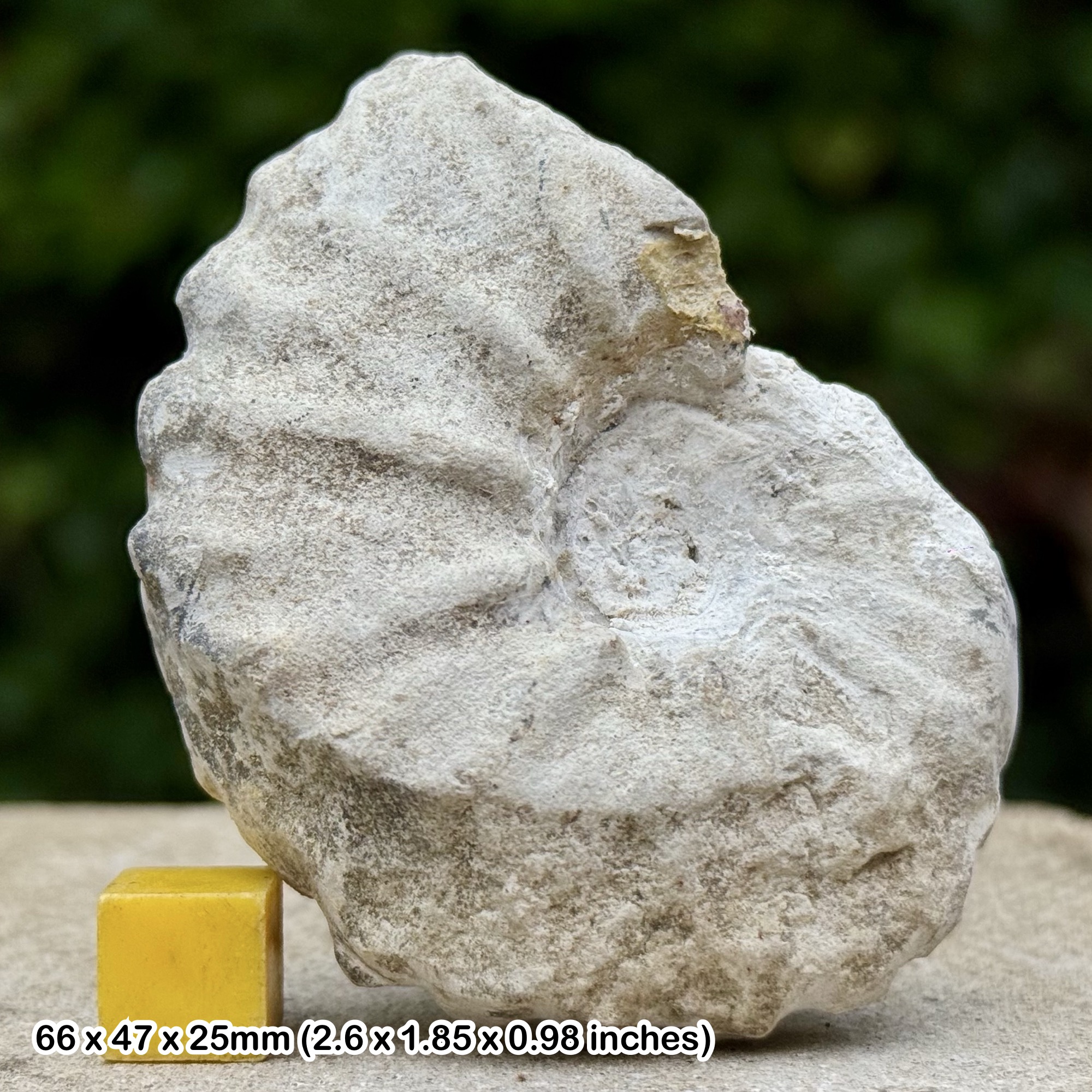
Rare Subprionocyclus branneri Ammonite Fossil from Turonian Cretaceous Pembroke Beach United Kingdom
£ 14.40
GEOLOGICAL CONTEXT AND PROVENANCEThis listing features a genuine Subprionocyclus branneri ammonite fossil,
originating from derived deposits at Pembroke Beach, United Kingdom. The specimen dates to the Turonian Stage of the Late Cretaceous Period, approximately 93.9 – 89.8 million years ago. Derived material from this location often preserves a fascinating glimpse into the marine ecosystems that thrived in warm epicontinental seas covering much of Europe during the mid–Cretaceous.Pembroke Beach derived fossils are of particular scientific and collector interest, as they are eroded from older sedimentary strata and redeposited, giving them a unique patina and preservation character. This makes each piece distinctive and an important addition to any palaeontological or natural history collection. FOSSIL TYPE AND SPECIES INFORMATIONSubprionocyclus branneri belongs to the Order Ammonitida, Superfamily Acanthoceratoidea, and Family Collignoniceratidae. Ammonites of this group were free-swimming marine molluscs, related to modern squids and octopuses, yet bearing a coiled external shell. This species is recognised for its strong ribbing, moderately compressed whorl section, and suture patterns that display the characteristic complexity of ammonites within the Collignoniceratidae lineage.The Turonian ammonites, including Subprionocyclus, are significant biostratigraphic markers. Their distribution across Europe, Africa, and the Americas has been essential in defining zones within the Turonian stage. The presence of S. branneri indicates deposition within the middle Turonian biozones, marking an interval of evolutionary diversification among Cretaceous ammonites. MORPHOLOGICAL FEATURES AND COLLECTING APPEALThis particular specimen shows the diagnostic ribbing that distinguishes Subprionocyclus branneri from similar ammonites. The shell sculpture reflects adaptation to open marine environments, with ribs and ornamentation that likely strengthened the shell while also providing hydrodynamic stability. The fossil’s size and preservation make it an excellent example for study and display.Collectors will appreciate the natural preservation, with details that highlight the ancient craftsmanship of nature. The coiling remains easily recognisable, making this fossil not only a scientific specimen but also a visually striking display piece. DEPOSITIONAL ENVIRONMENTDuring the Turonian, much of the UK was submerged beneath warm, shallow seas, part of the vast Cretaceous Western Interior Seaway system. Ammonites such as Subprionocyclus branneri thrived in these marine environments, predating smaller invertebrates and serving as prey for larger marine reptiles and fish. The Pembroke derived examples are testament to the dynamic geological processes that reworked these sediments and preserved ammonite shells for millions of years. AUTHENTICITY AND COLLECTABILITY
• 100% Genuine Specimen – All of our fossils are carefully selected and come with a Certificate of Authenticity.
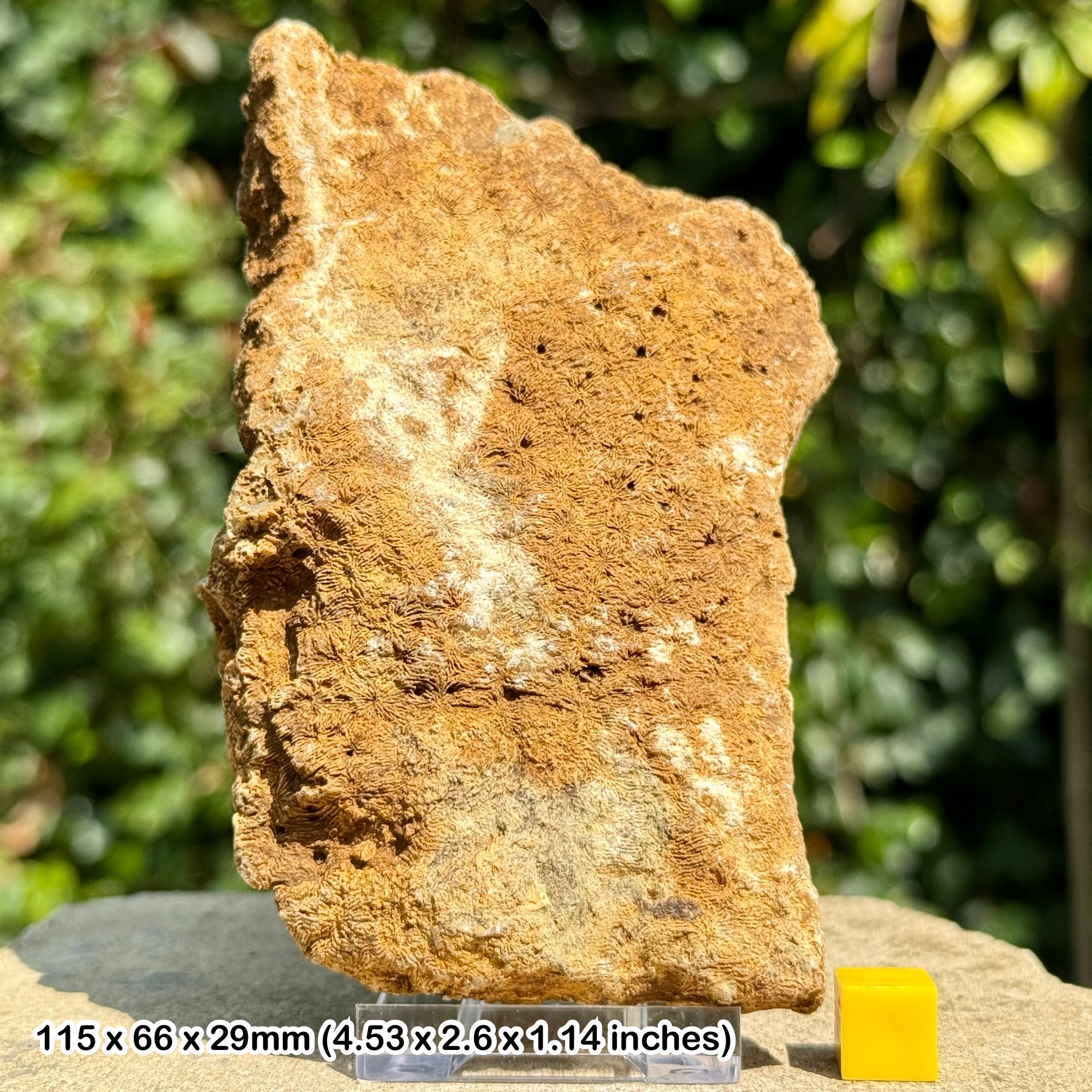
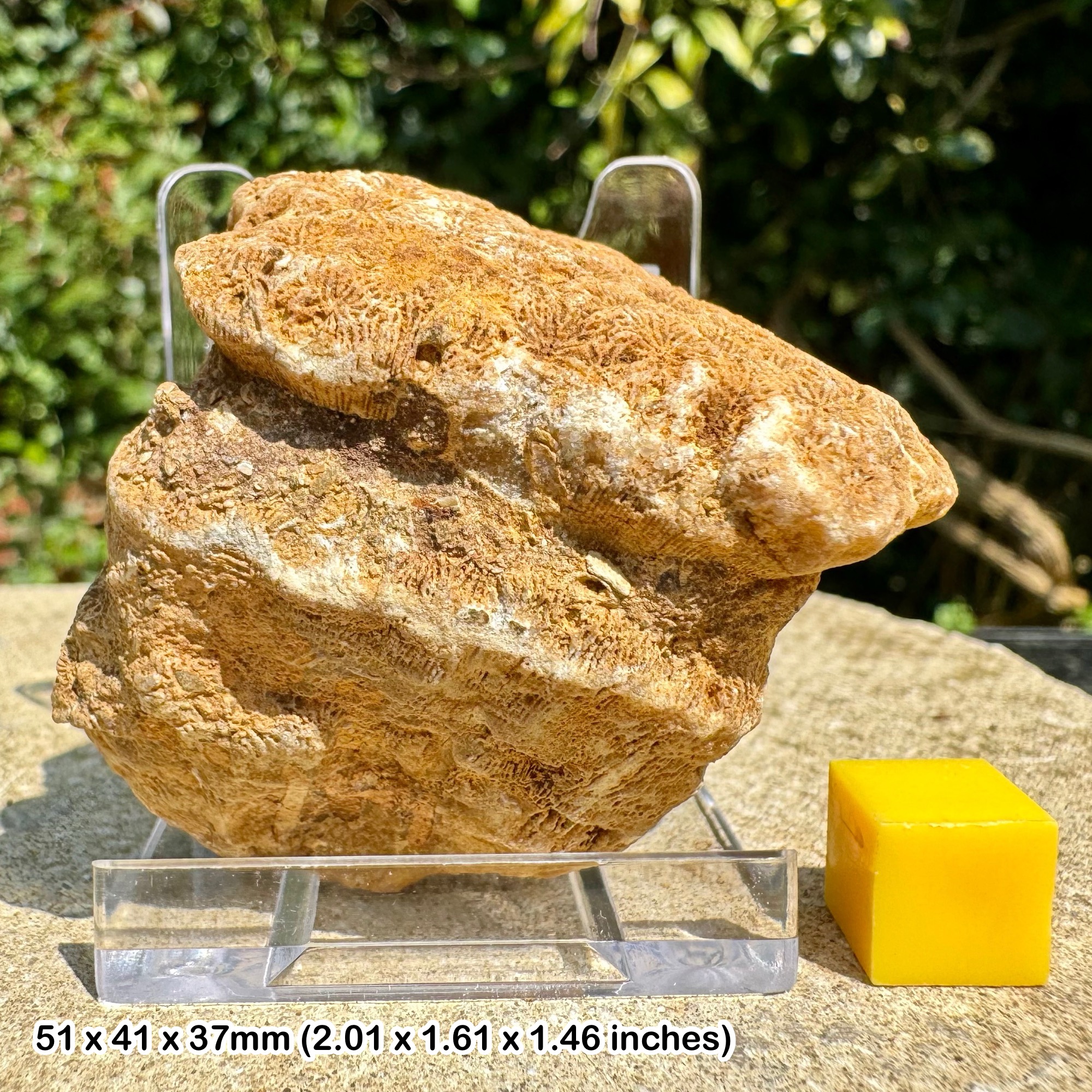
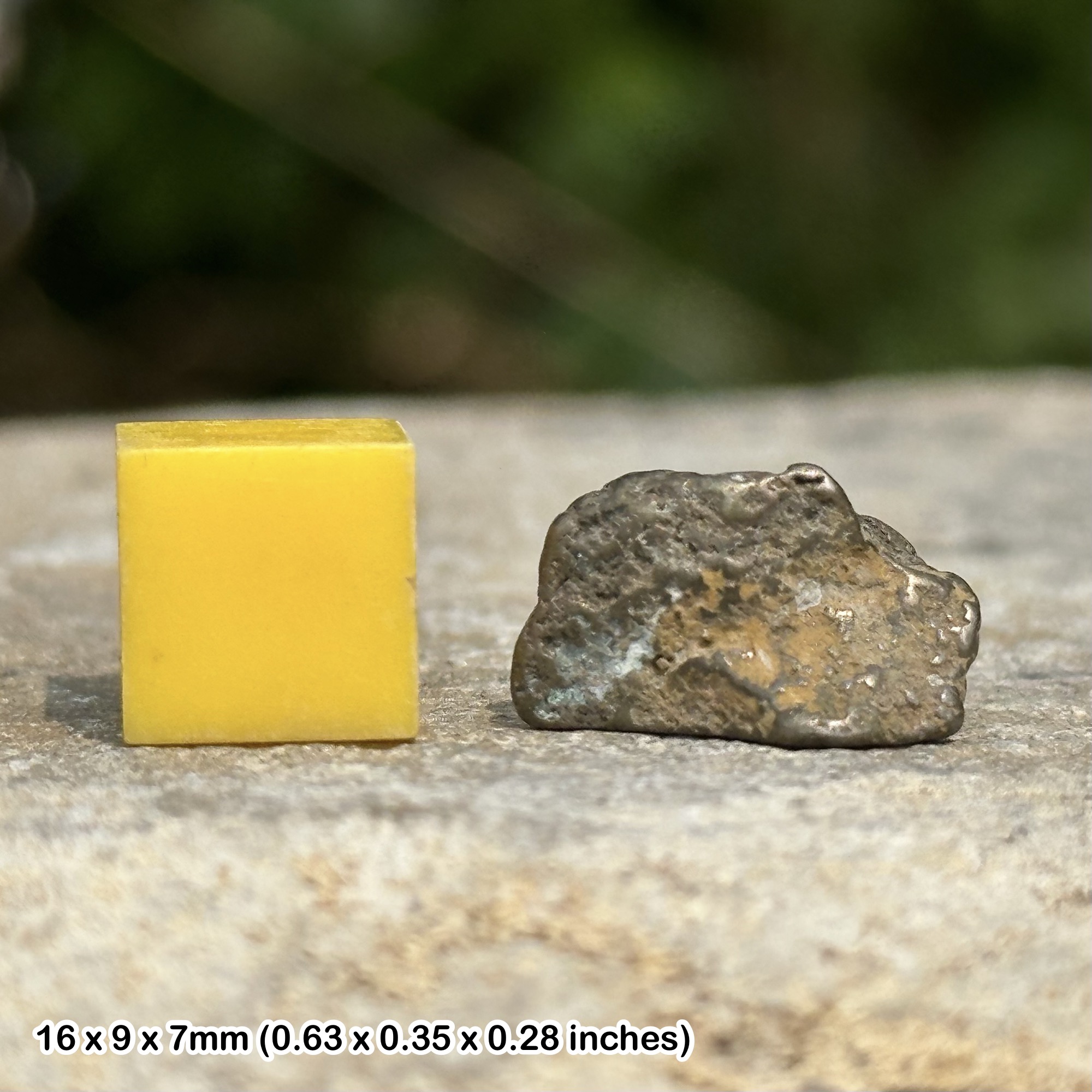
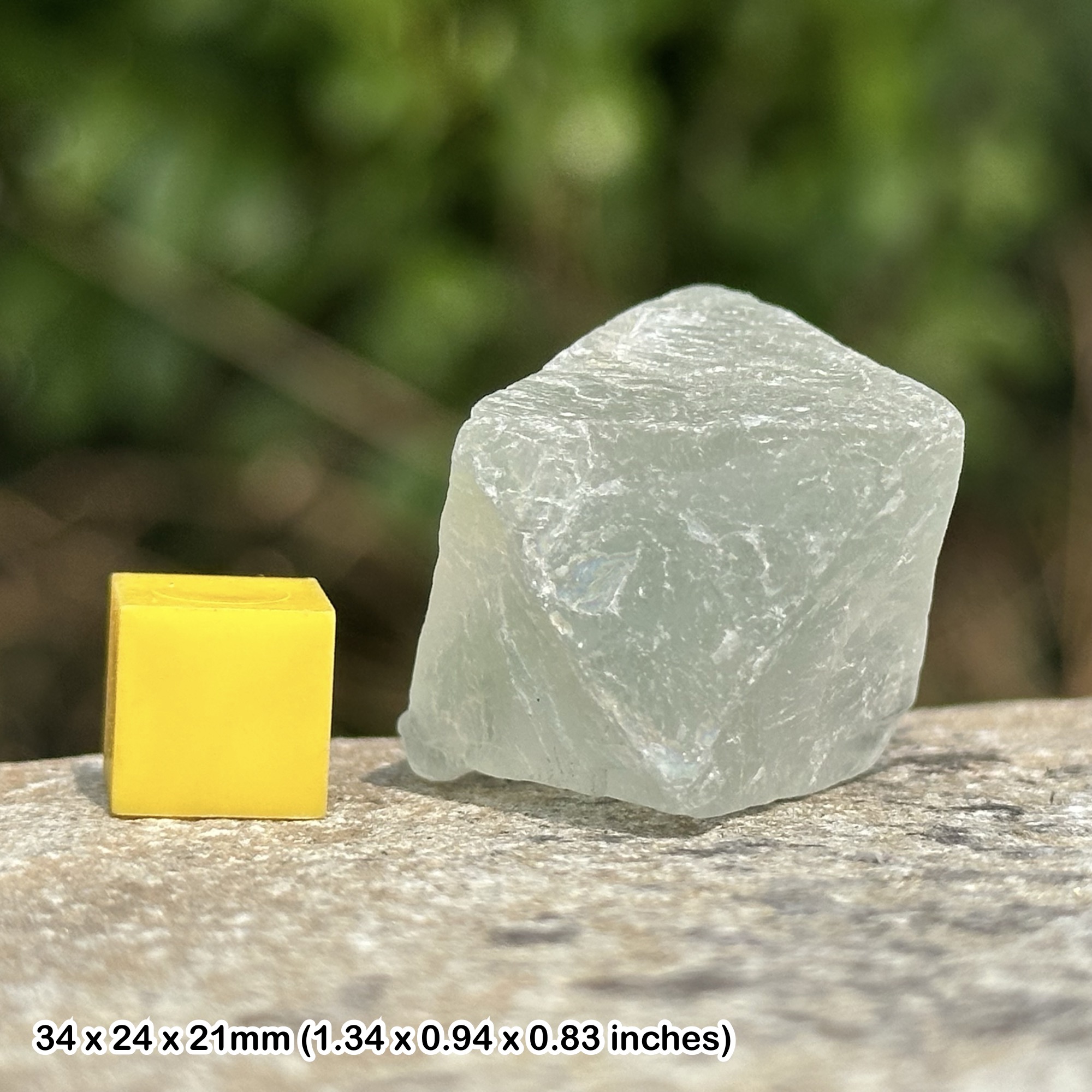
• Exact Specimen Shown – The photos provided are of the actual ammonite you will receive.
• Scale Reference – Scale rule squares / cube = 1 cm. Please see photographs for full sizing and proportion.This Subprionocyclus branneri fossil ammonite represents not only a rare British example of a Turonian ammonite but also a tangible piece of Earth’s evolutionary history. Its scientific value, combined with aesthetic natural beauty, makes it a highly desirable fossil for collectors, educators, and enthusiasts of geology and palaeontology.
originating from derived deposits at Pembroke Beach, United Kingdom. The specimen dates to the Turonian Stage of the Late Cretaceous Period, approximately 93.9 – 89.8 million years ago. Derived material from this location often preserves a fascinating glimpse into the marine ecosystems that thrived in warm epicontinental seas covering much of Europe during the mid–Cretaceous.Pembroke Beach derived fossils are of particular scientific and collector interest, as they are eroded from older sedimentary strata and redeposited, giving them a unique patina and preservation character. This makes each piece distinctive and an important addition to any palaeontological or natural history collection. FOSSIL TYPE AND SPECIES INFORMATIONSubprionocyclus branneri belongs to the Order Ammonitida, Superfamily Acanthoceratoidea, and Family Collignoniceratidae. Ammonites of this group were free-swimming marine molluscs, related to modern squids and octopuses, yet bearing a coiled external shell. This species is recognised for its strong ribbing, moderately compressed whorl section, and suture patterns that display the characteristic complexity of ammonites within the Collignoniceratidae lineage.The Turonian ammonites, including Subprionocyclus, are significant biostratigraphic markers. Their distribution across Europe, Africa, and the Americas has been essential in defining zones within the Turonian stage. The presence of S. branneri indicates deposition within the middle Turonian biozones, marking an interval of evolutionary diversification among Cretaceous ammonites. MORPHOLOGICAL FEATURES AND COLLECTING APPEALThis particular specimen shows the diagnostic ribbing that distinguishes Subprionocyclus branneri from similar ammonites. The shell sculpture reflects adaptation to open marine environments, with ribs and ornamentation that likely strengthened the shell while also providing hydrodynamic stability. The fossil’s size and preservation make it an excellent example for study and display.Collectors will appreciate the natural preservation, with details that highlight the ancient craftsmanship of nature. The coiling remains easily recognisable, making this fossil not only a scientific specimen but also a visually striking display piece. DEPOSITIONAL ENVIRONMENTDuring the Turonian, much of the UK was submerged beneath warm, shallow seas, part of the vast Cretaceous Western Interior Seaway system. Ammonites such as Subprionocyclus branneri thrived in these marine environments, predating smaller invertebrates and serving as prey for larger marine reptiles and fish. The Pembroke derived examples are testament to the dynamic geological processes that reworked these sediments and preserved ammonite shells for millions of years. AUTHENTICITY AND COLLECTABILITY
• 100% Genuine Specimen – All of our fossils are carefully selected and come with a Certificate of Authenticity.
• Exact Specimen Shown – The photos provided are of the actual ammonite you will receive.
• Scale Reference – Scale rule squares / cube = 1 cm. Please see photographs for full sizing and proportion.This Subprionocyclus branneri fossil ammonite represents not only a rare British example of a Turonian ammonite but also a tangible piece of Earth’s evolutionary history. Its scientific value, combined with aesthetic natural beauty, makes it a highly desirable fossil for collectors, educators, and enthusiasts of geology and palaeontology.
Other Products