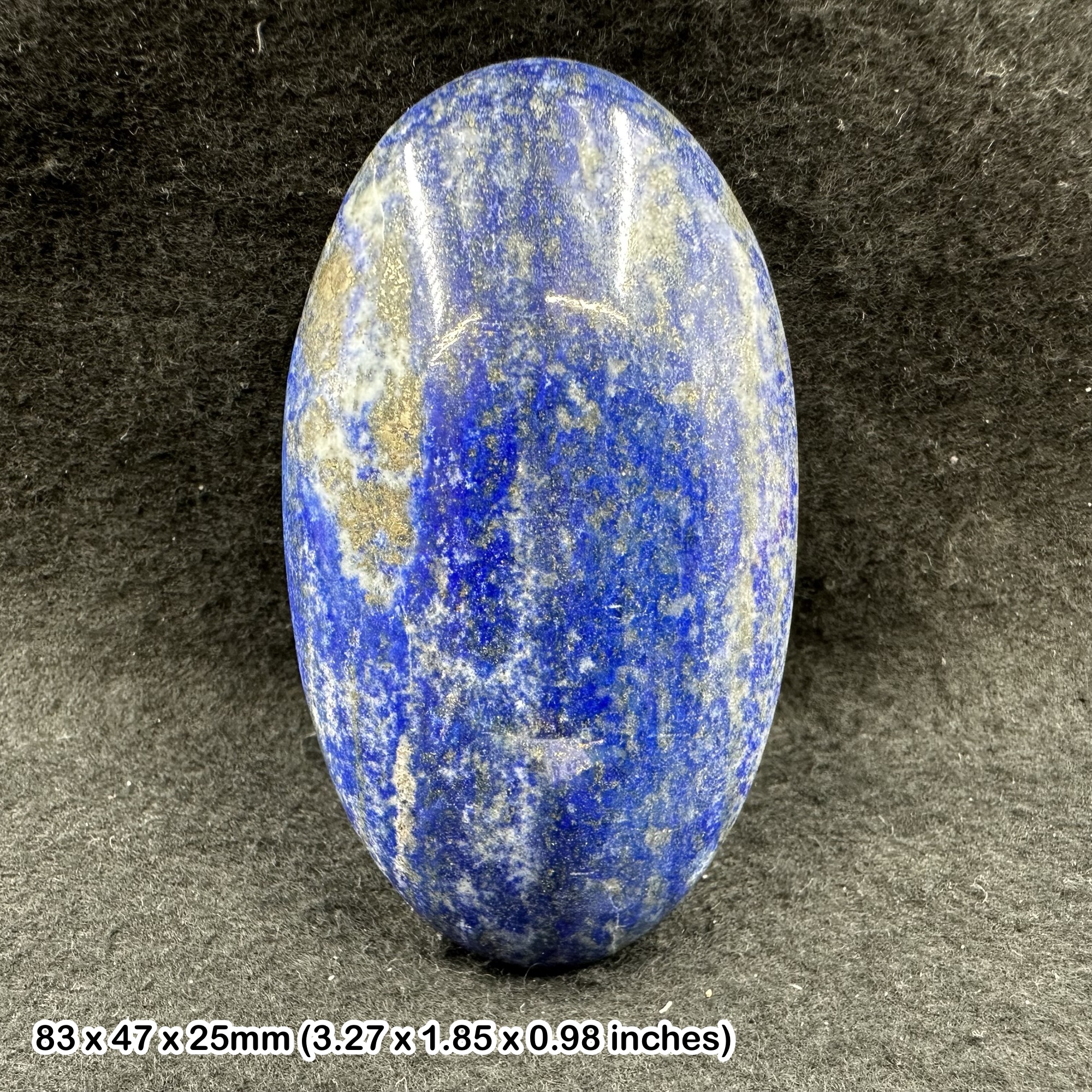
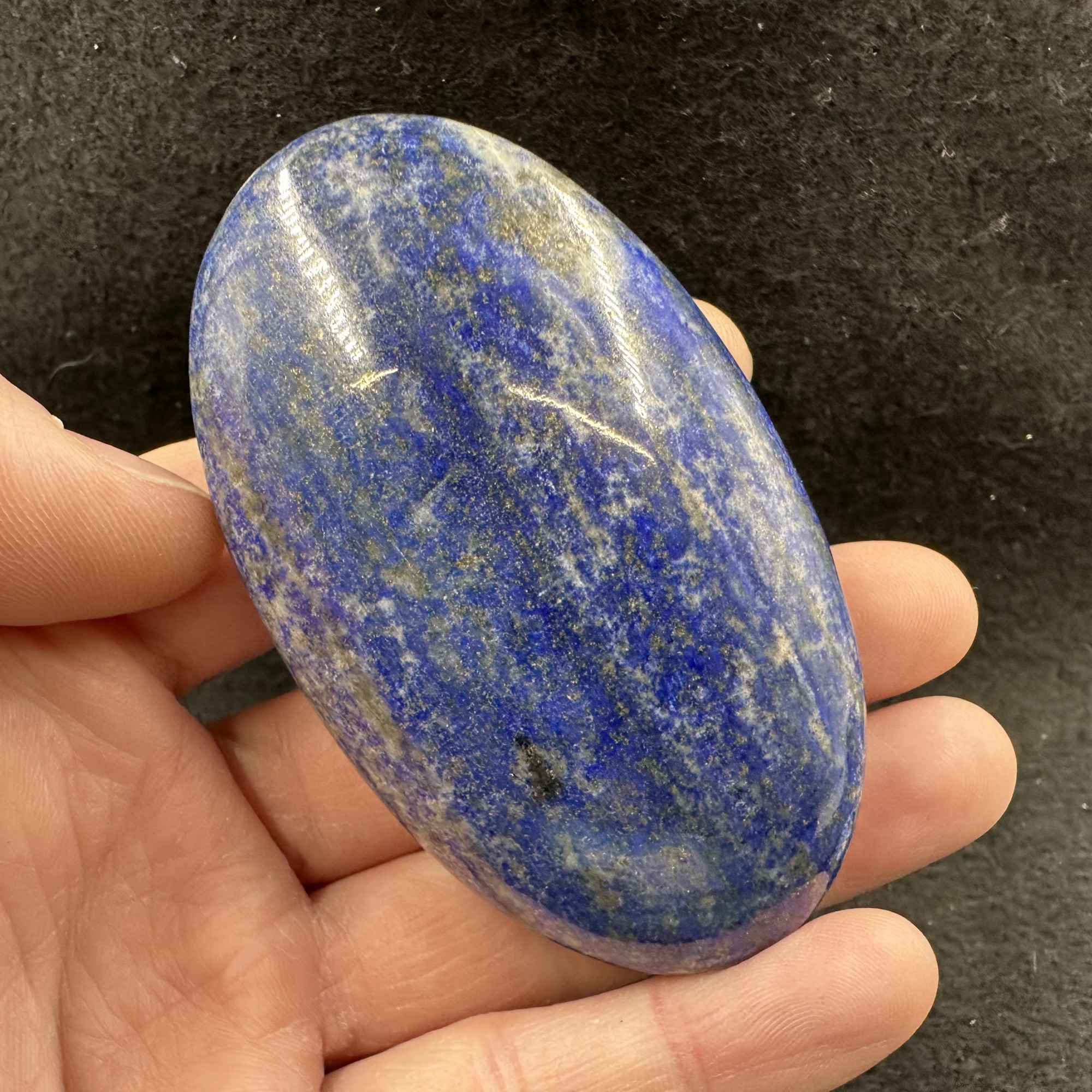
Lapis Lazuli Polished Stone Deep Blue Lazurite Mineral Specimen Natural Collector Display Piece Genuine with Certificate of Authenticity
£ 42.00
NATURAL POLISHED LAPIS LAZULI MINERAL SPECIMENThis genuine polished Lapis Lazuli mineral specimen displays the distinctive
deep blue colour and mineral composition that have made lapis lazuli one of the most recognisable decorative stones throughout history. Carefully shaped and polished to reveal the natural colour patterns within the stone, this specimen highlights the rich blue tones and contrasting mineral inclusions characteristic of lapis lazuli.The photographs in the listing show the exact specimen you will receive, allowing buyers and collectors to clearly see the colour, surface polish, and natural mineral features before purchase. Each piece is unique due to the natural combination of minerals present within lapis lazuli. MINERAL COMPOSITION AND CLASSIFICATIONLapis Lazuli is not a single mineral but a metamorphic rock composed primarily of the mineral lazurite, along with other associated minerals. Its distinctive colour results mainly from lazurite, a complex sodium calcium aluminosilicate sulfate mineral.Typical mineral components of lapis lazuli include:
• Primary Mineral: Lazurite
• Associated Minerals: Calcite, Pyrite, and occasionally sodalite or hauyne
• Rock Type: Metamorphic rock
• Primary Colour: Deep ultramarine blue
• Common Inclusions: Golden pyrite flecks and white calcite veins
• Lustre: Dull to vitreous depending on mineral components
• Transparency: OpaqueThe blue colour in lazurite is produced by sulfur-containing radicals within the mineral structure, giving lapis lazuli its intense ultramarine appearance. GEOLOGICAL FORMATIONLapis lazuli forms in metamorphic geological environments, where limestone or marble deposits undergo chemical and structural changes due to heat and pressure during mountain-building processes.During metamorphism, minerals within the host rock recrystallise and interact with mineral-rich fluids. Under the right conditions, lazurite develops within the rock alongside calcite and other minerals, producing the characteristic mixture that forms lapis lazuli.Pyrite crystals frequently occur within lapis lazuli deposits and appear as small metallic flecks throughout the stone. These golden inclusions create a striking visual contrast against the deep blue background. COLOUR AND NATURAL MINERAL FEATURESOne of the defining characteristics of lapis lazuli is its rich ultramarine blue colour, often described as deep royal blue. High-quality specimens display strong colour saturation with scattered pyrite inclusions and minimal calcite.Typical visual features may include:
• Deep blue to violet-blue tones
• Metallic golden flecks of pyrite
• Occasional white calcite veining
• Subtle colour variations across the stoneThe polished surface of this specimen enhances the visibility of these natural mineral patterns, revealing the internal composition formed during geological processes. POLISHED FINISH AND LAPIDARY WORKThis specimen has been polished to a smooth finish, allowing the natural colours and mineral textures within the lapis lazuli to be clearly visible. The polishing process highlights the contrast between the blue lazurite, metallic pyrite inclusions, and any lighter calcite features present in the stone.Polished lapis lazuli specimens are widely appreciated in mineral collections because the finish reveals the internal structure and colour variations created by the stone’s mixed mineral composition.Despite the polishing process, the specimen remains a natural mineral stone, preserving its geological origin and mineral structure. HISTORICAL AND CULTURAL SIGNIFICANCELapis lazuli has been valued for thousands of years and has appeared in jewellery, carvings, and decorative objects across many ancient cultures. Historically, the stone was highly prized for its deep blue colour and was used as a pigment source for ultramarine, one of the most valued pigments used in historical paintings.In some cultural traditions, lapis lazuli has been traditionally associated with wisdom and symbolic insight, interpretations derived from historical symbolism connected to its deep blue colour. These associations represent cultural perspectives rather than scientific properties. MINERAL COLLECTING AND DISPLAYLapis lazuli specimens are widely collected due to their distinctive colour, mixed mineral composition, and historical significance. Polished examples allow collectors to appreciate the internal structure and mineral patterns within the stone.Collectors often display lapis lazuli specimens in:
• Mineral collections
• Geological displays
• Decorative stone collections
• Natural history cabinetsThe striking contrast between deep blue lazurite and golden pyrite inclusions makes lapis lazuli a visually distinctive mineral specimen. AUTHENTICITY AND CERTIFICATE OF AUTHENTICITYThis polished lapis lazuli stone is a genuine natural mineral specimen. Each purchase includes a Certificate of Authenticity lifetime guarantee generic card, confirming that the specimen is a real mineral.The photographs in the listing clearly show the exact stone you will receive, ensuring transparency for collectors and buyers. SIZE AND SPECIMEN DETAILSPlease refer to the listing photographs for full sizing and scale of the specimen. The images show the polished surface, mineral patterns, and overall appearance of the piece so buyers can clearly evaluate the specimen before purchase.This polished Lapis Lazuli mineral specimen represents a classic example of lazurite-bearing metamorphic rock and offers a striking addition to any mineral collection, decorative stone display, or geological cabinet.
deep blue colour and mineral composition that have made lapis lazuli one of the most recognisable decorative stones throughout history. Carefully shaped and polished to reveal the natural colour patterns within the stone, this specimen highlights the rich blue tones and contrasting mineral inclusions characteristic of lapis lazuli.The photographs in the listing show the exact specimen you will receive, allowing buyers and collectors to clearly see the colour, surface polish, and natural mineral features before purchase. Each piece is unique due to the natural combination of minerals present within lapis lazuli. MINERAL COMPOSITION AND CLASSIFICATIONLapis Lazuli is not a single mineral but a metamorphic rock composed primarily of the mineral lazurite, along with other associated minerals. Its distinctive colour results mainly from lazurite, a complex sodium calcium aluminosilicate sulfate mineral.Typical mineral components of lapis lazuli include:
• Primary Mineral: Lazurite
• Associated Minerals: Calcite, Pyrite, and occasionally sodalite or hauyne
• Rock Type: Metamorphic rock
• Primary Colour: Deep ultramarine blue
• Common Inclusions: Golden pyrite flecks and white calcite veins
• Lustre: Dull to vitreous depending on mineral components
• Transparency: OpaqueThe blue colour in lazurite is produced by sulfur-containing radicals within the mineral structure, giving lapis lazuli its intense ultramarine appearance. GEOLOGICAL FORMATIONLapis lazuli forms in metamorphic geological environments, where limestone or marble deposits undergo chemical and structural changes due to heat and pressure during mountain-building processes.During metamorphism, minerals within the host rock recrystallise and interact with mineral-rich fluids. Under the right conditions, lazurite develops within the rock alongside calcite and other minerals, producing the characteristic mixture that forms lapis lazuli.Pyrite crystals frequently occur within lapis lazuli deposits and appear as small metallic flecks throughout the stone. These golden inclusions create a striking visual contrast against the deep blue background. COLOUR AND NATURAL MINERAL FEATURESOne of the defining characteristics of lapis lazuli is its rich ultramarine blue colour, often described as deep royal blue. High-quality specimens display strong colour saturation with scattered pyrite inclusions and minimal calcite.Typical visual features may include:
• Deep blue to violet-blue tones
• Metallic golden flecks of pyrite
• Occasional white calcite veining
• Subtle colour variations across the stoneThe polished surface of this specimen enhances the visibility of these natural mineral patterns, revealing the internal composition formed during geological processes. POLISHED FINISH AND LAPIDARY WORKThis specimen has been polished to a smooth finish, allowing the natural colours and mineral textures within the lapis lazuli to be clearly visible. The polishing process highlights the contrast between the blue lazurite, metallic pyrite inclusions, and any lighter calcite features present in the stone.Polished lapis lazuli specimens are widely appreciated in mineral collections because the finish reveals the internal structure and colour variations created by the stone’s mixed mineral composition.Despite the polishing process, the specimen remains a natural mineral stone, preserving its geological origin and mineral structure. HISTORICAL AND CULTURAL SIGNIFICANCELapis lazuli has been valued for thousands of years and has appeared in jewellery, carvings, and decorative objects across many ancient cultures. Historically, the stone was highly prized for its deep blue colour and was used as a pigment source for ultramarine, one of the most valued pigments used in historical paintings.In some cultural traditions, lapis lazuli has been traditionally associated with wisdom and symbolic insight, interpretations derived from historical symbolism connected to its deep blue colour. These associations represent cultural perspectives rather than scientific properties. MINERAL COLLECTING AND DISPLAYLapis lazuli specimens are widely collected due to their distinctive colour, mixed mineral composition, and historical significance. Polished examples allow collectors to appreciate the internal structure and mineral patterns within the stone.Collectors often display lapis lazuli specimens in:
• Mineral collections
• Geological displays
• Decorative stone collections
• Natural history cabinetsThe striking contrast between deep blue lazurite and golden pyrite inclusions makes lapis lazuli a visually distinctive mineral specimen. AUTHENTICITY AND CERTIFICATE OF AUTHENTICITYThis polished lapis lazuli stone is a genuine natural mineral specimen. Each purchase includes a Certificate of Authenticity lifetime guarantee generic card, confirming that the specimen is a real mineral.The photographs in the listing clearly show the exact stone you will receive, ensuring transparency for collectors and buyers. SIZE AND SPECIMEN DETAILSPlease refer to the listing photographs for full sizing and scale of the specimen. The images show the polished surface, mineral patterns, and overall appearance of the piece so buyers can clearly evaluate the specimen before purchase.This polished Lapis Lazuli mineral specimen represents a classic example of lazurite-bearing metamorphic rock and offers a striking addition to any mineral collection, decorative stone display, or geological cabinet.
Other Products