Pleuromya Bivalve Fossil Jurassic Whitby Yorkshire UK Specimen with Certificate
£ 14.40
GENUINE PLEUROMYA BIVALVE FOSSIL FROM WHITBY, NORTH YORKSHIREThis genuine Pleuromya sp. bivalve fossil is a beautifully preserved marine
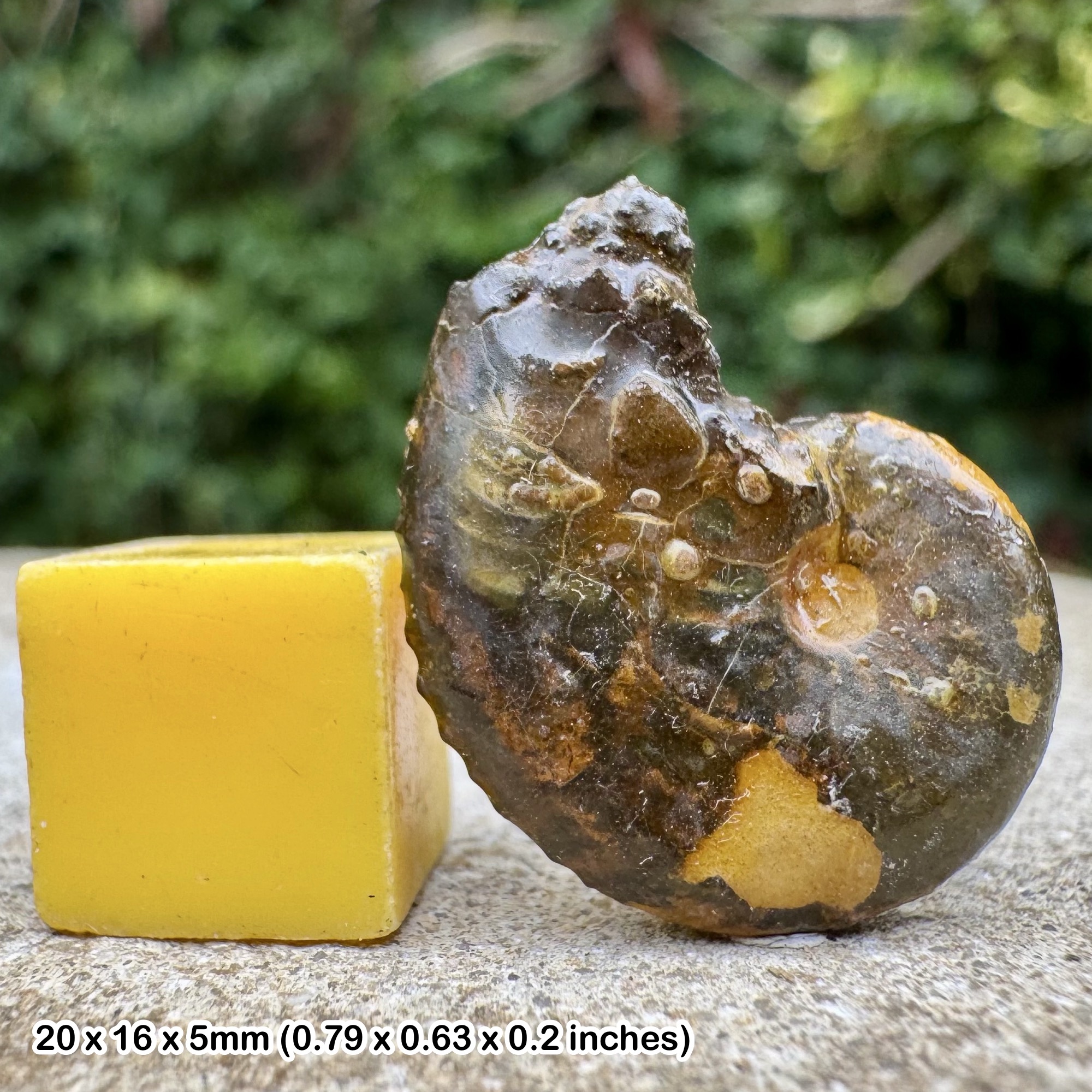
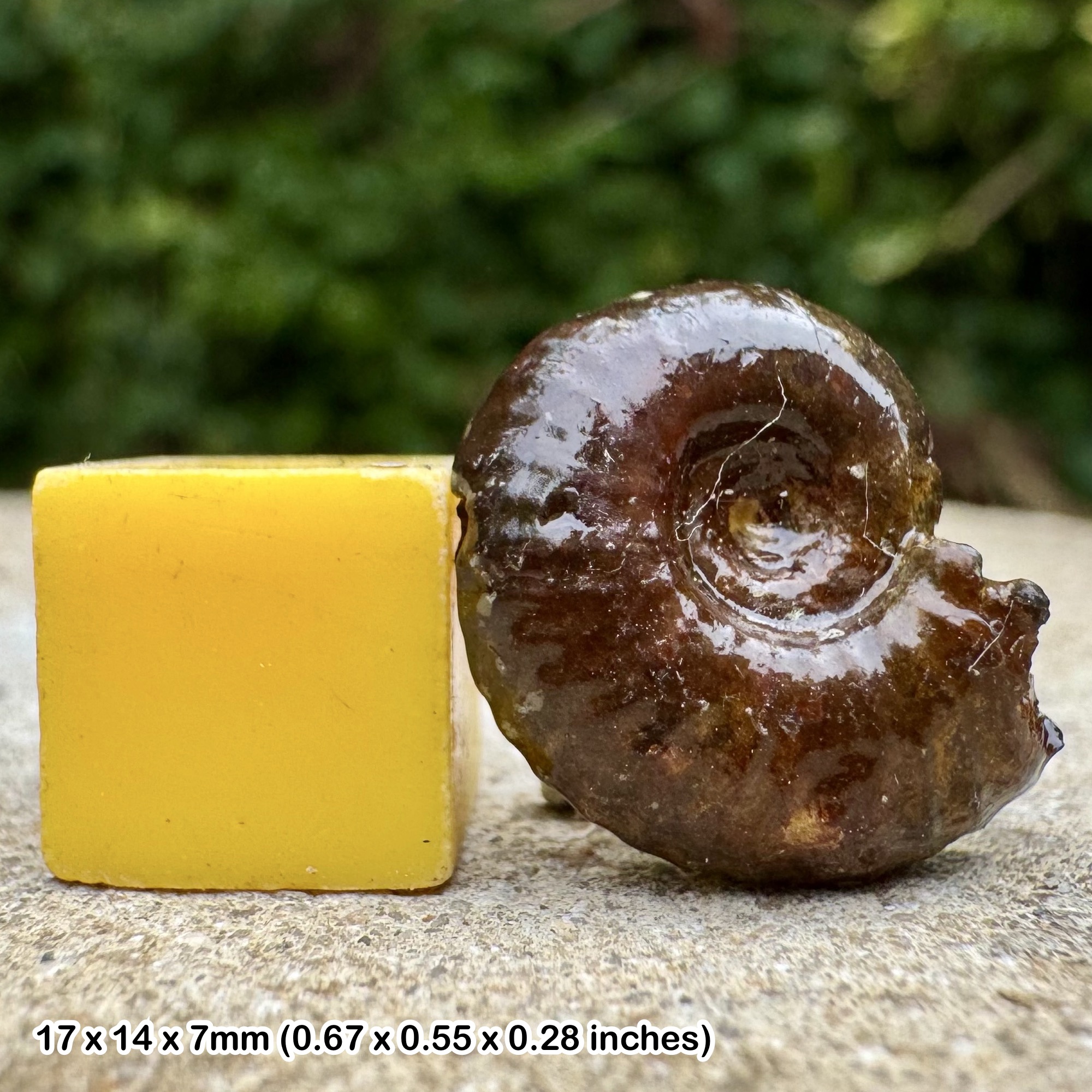
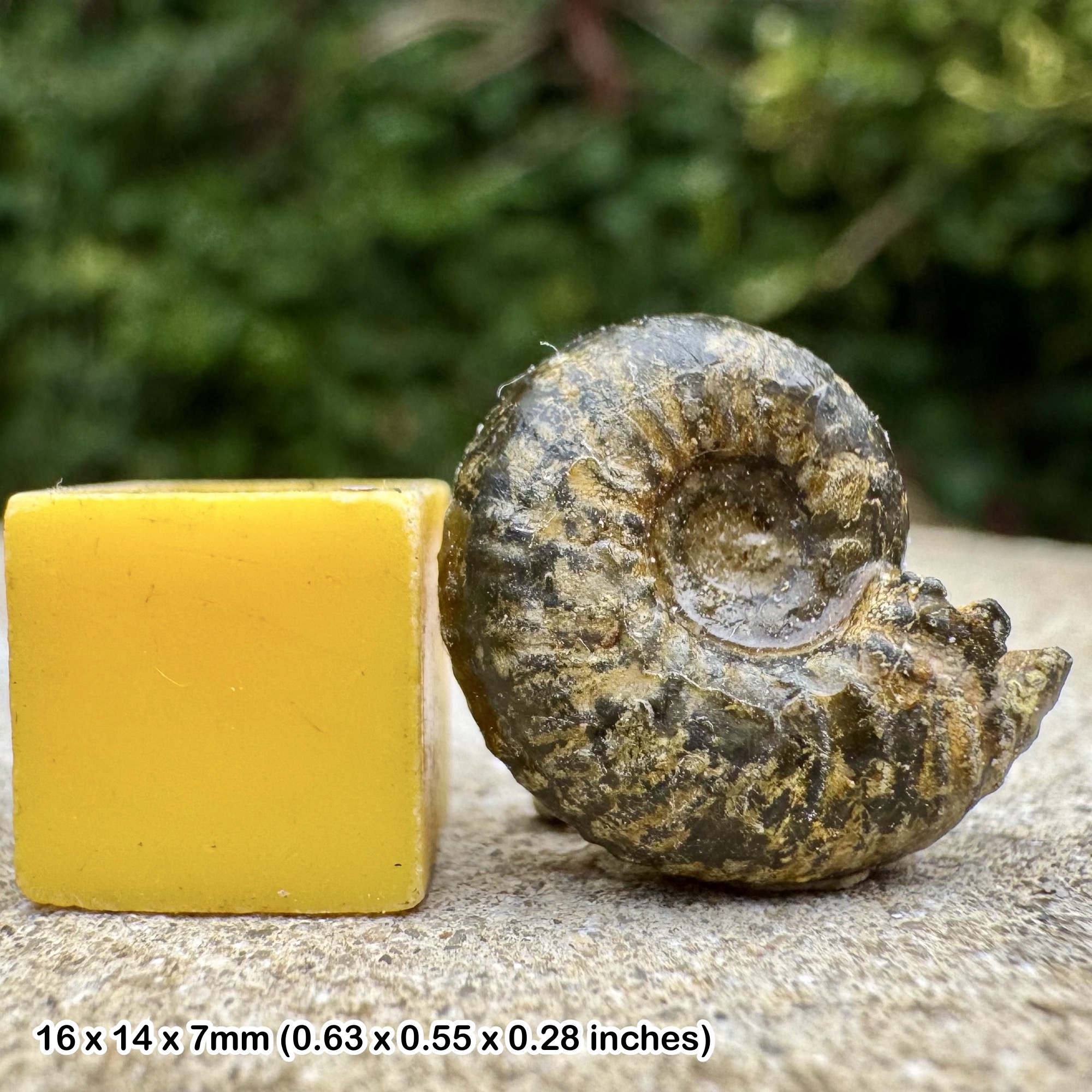
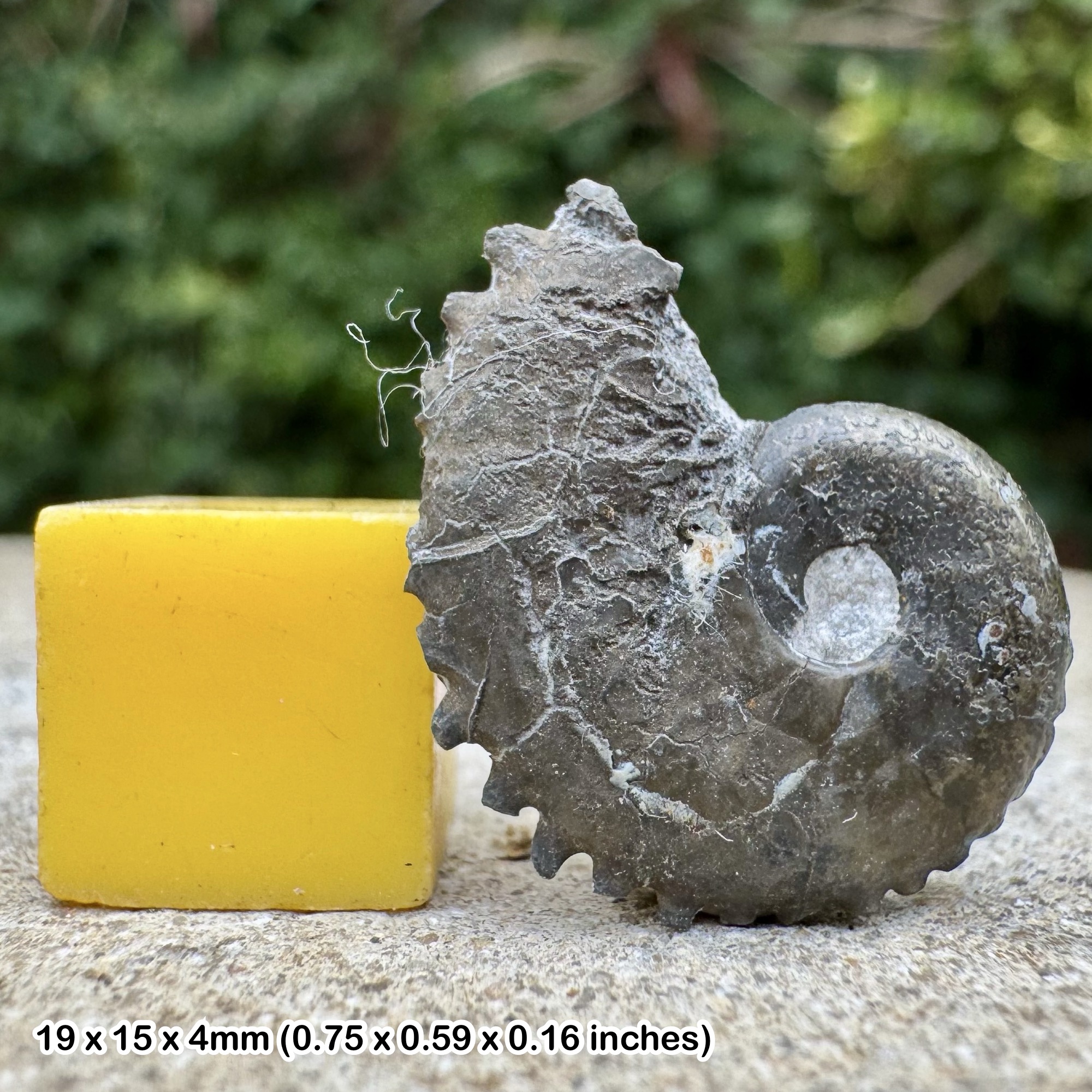
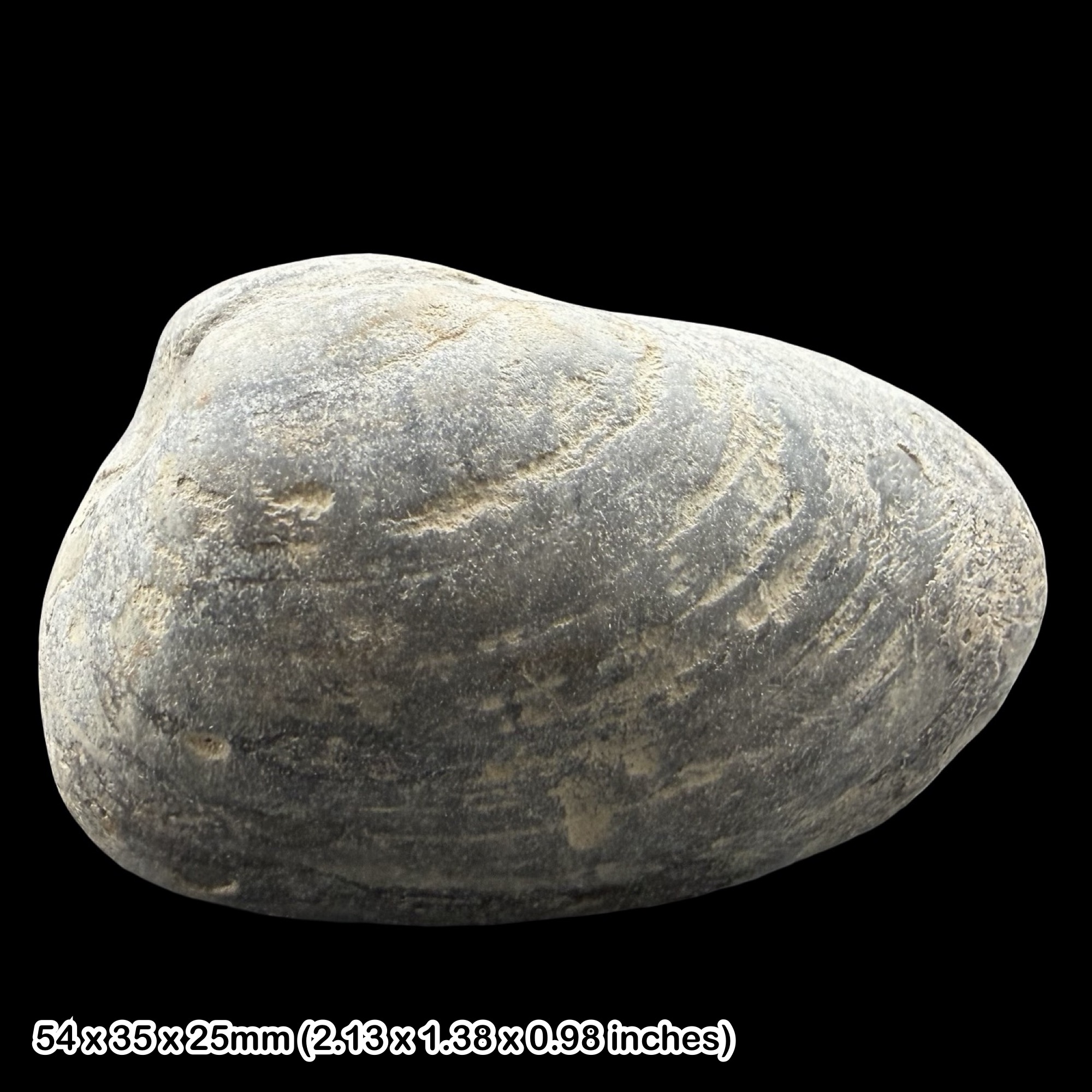
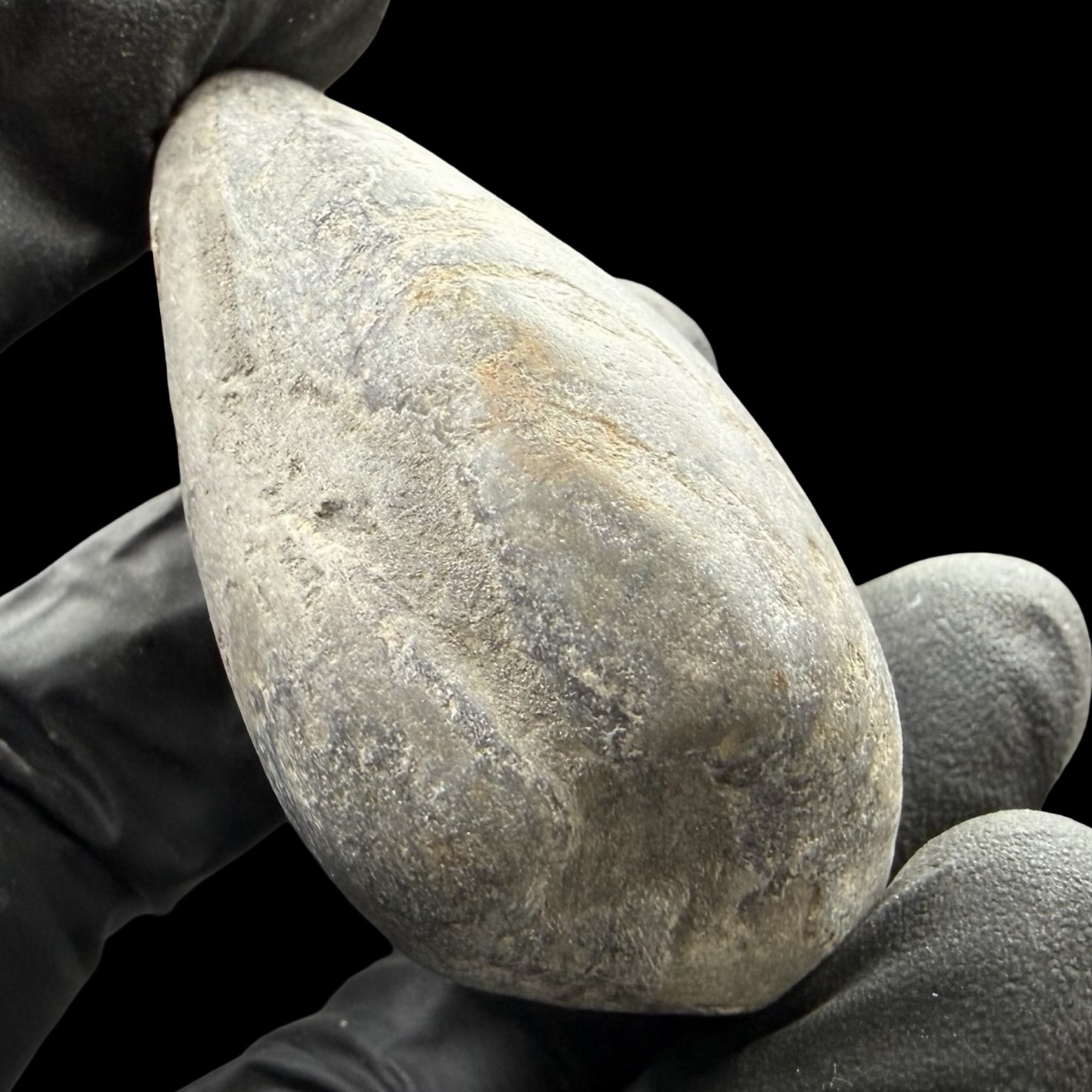
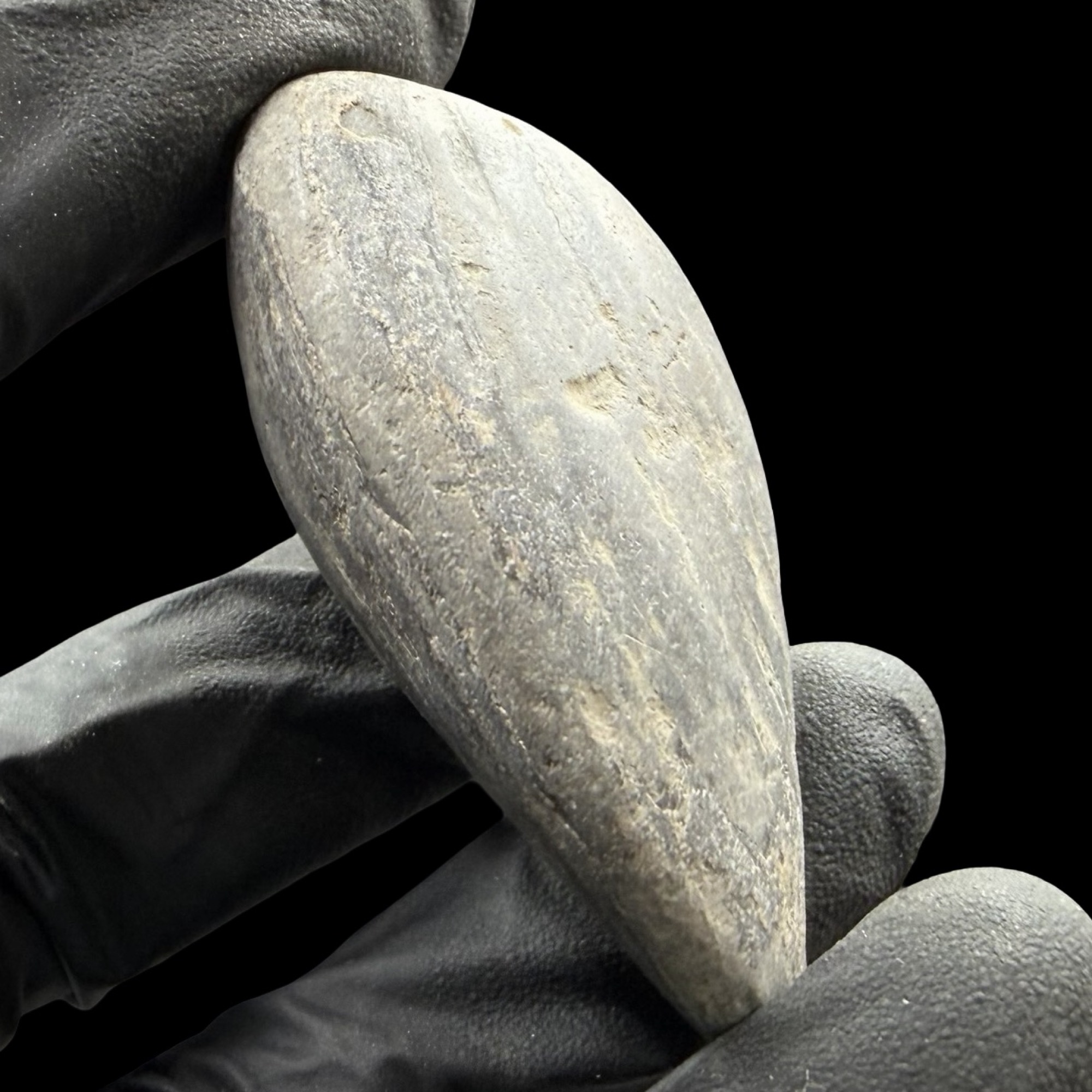
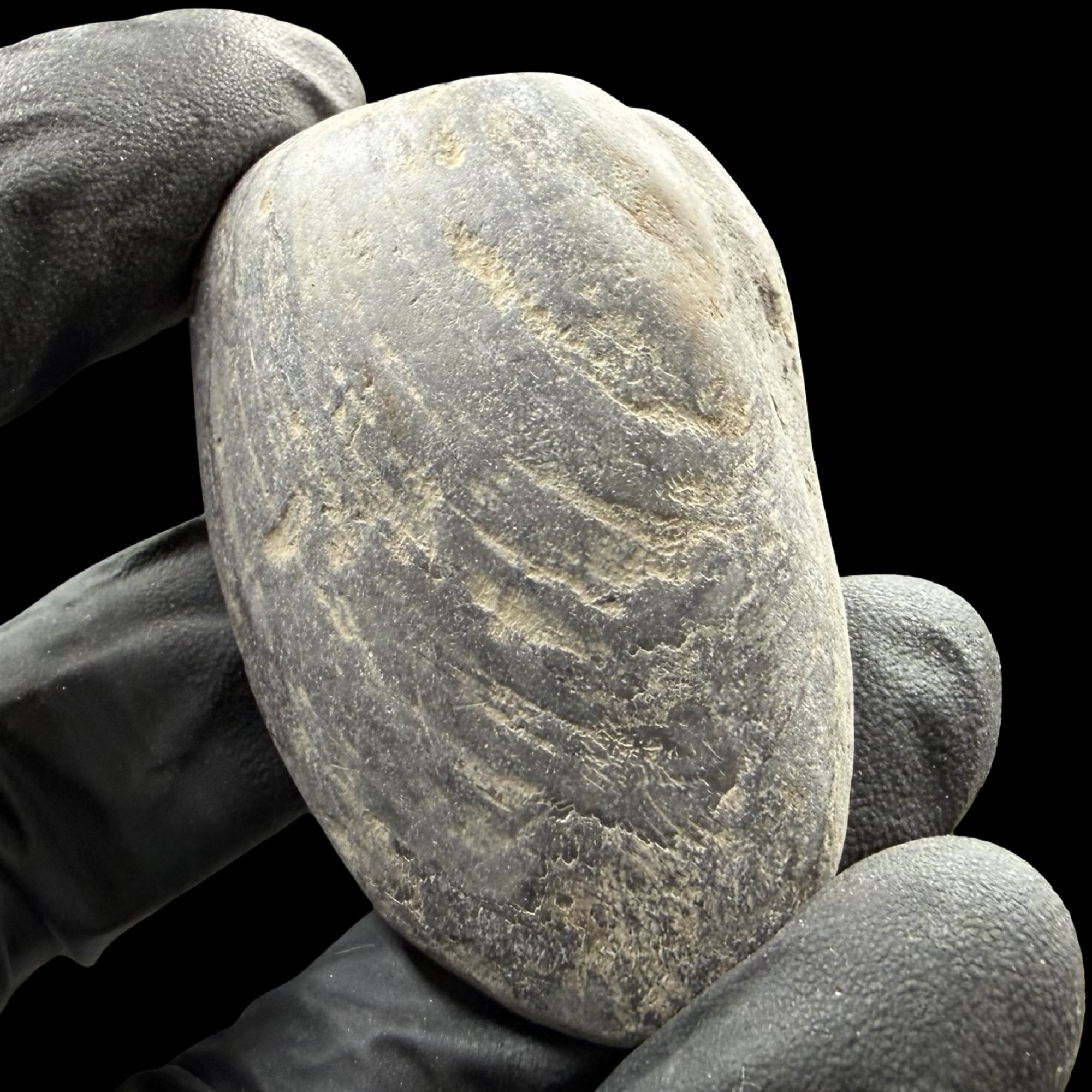
invertebrate specimen originating from the Whitby Mudstone Formation of Whitby, North Yorkshire, United Kingdom. Dating to the Toarcian stage of the Lower Jurassic period, approximately 183 to 174 million years ago, this fossil represents marine life from the ancient seas that once covered much of Britain during the Jurassic Era.The specimen shown in the photographs is the exact fossil you will receive. Carefully selected for its preservation, shell detail and geological significance, this authentic bivalve fossil preserves the elegant elongated shell morphology characteristic of the genus Pleuromya.This fossil includes a Certificate of Authenticity lifetime guarantee generic card confirming the specimen is 100% genuine.Full sizing please see photo. ABOUT PLEUROMYA BIVALVESPleuromya is an extinct genus of marine bivalve mollusc belonging to the class Bivalvia. These organisms were relatives of modern clams and lived buried within soft marine sediments where they fed by filtering microscopic nutrients from seawater.Pleuromya species are recognised for their elongated smooth shells and gently curved valve structure. Their shell morphology suggests adaptation to infaunal life, meaning they spent much of their existence partially buried within muddy seabeds. Long siphons likely allowed the animal to draw water from above the sediment surface while remaining safely concealed beneath the substrate.The shell surface of Pleuromya typically displays subtle growth lines and smooth ornamentation rather than strong ribbing. Their streamlined shape was well suited to stable low-energy marine environments where fine sediment accumulated.This specimen preserves the characteristic morphology associated with Pleuromya, including the elongated shell profile, preserved valve structure and natural surface detail typical of Jurassic marine bivalves. WHITBY MUDSTONE FORMATION AND JURASSIC SEASThe Whitby Mudstone Formation is one of Britain’s most famous Jurassic fossil-bearing formations and is internationally recognised for its exceptionally preserved marine fossils. These dark mudstones accumulated during the Toarcian stage within relatively deep marine environments along the Yorkshire coast.During the Lower Jurassic, the region around Whitby was submerged beneath warm seas rich in marine biodiversity. The seabed supported abundant ammonites, belemnites, crustaceans, marine reptiles and numerous species of bivalves including Pleuromya.Fine-grained marine sediments settled slowly on the seabed and created ideal conditions for preserving shells and organic remains. The Toarcian stage is also associated with important global environmental changes, including marine anoxic events that influenced marine ecosystems and sediment chemistry.Whitby’s fossil-bearing cliffs have been famous for centuries and remain among the most important Jurassic fossil localities in the United Kingdom. NATURAL FOSSIL PRESERVATIONThis fossil retains authentic natural preservation and has not been artificially replicated or reconstructed. The visible shell structure, mineralisation and sediment textures formed naturally through millions of years of geological fossilisation.The specimen displays genuine anatomical detail associated with Pleuromya bivalves, including preserved shell curvature and natural growth structures. Variations in colour and preservation are entirely natural and reflect the mineral-rich marine mudstones in which the fossil formed.Bivalves from the Whitby Mudstone Formation are highly collectable due to their connection with classic British Jurassic geology and their importance in reconstructing ancient marine ecosystems. SCIENTIFIC AND COLLECTABLE IMPORTANCEMarine bivalves such as Pleuromya are important fossils used by palaeontologists to study Jurassic seabed environments, sedimentary conditions and marine biodiversity. Their preserved shell structures provide valuable evidence for interpreting ancient marine habitats and ecological relationships.The Whitby Mudstone Formation is globally significant for Jurassic palaeontology and continues to produce scientifically important fossils from the Lower Jurassic seas of Britain. Fossils from this locality are especially prized among collectors of British marine fossils and Jurassic invertebrates.This specimen is ideal for collectors of bivalve fossils, Jurassic fossils, Whitby fossils, Yorkshire fossils, marine invertebrates and authentic prehistoric natural history specimens. CERTIFICATE OF AUTHENTICITYIncluded with the fossil is a Certificate of Authenticity lifetime guarantee generic card confirming that the specimen is genuine. The photographs provided show the exact fossil you will receive, allowing collectors and buyers to purchase with complete confidence.
invertebrate specimen originating from the Whitby Mudstone Formation of Whitby, North Yorkshire, United Kingdom. Dating to the Toarcian stage of the Lower Jurassic period, approximately 183 to 174 million years ago, this fossil represents marine life from the ancient seas that once covered much of Britain during the Jurassic Era.The specimen shown in the photographs is the exact fossil you will receive. Carefully selected for its preservation, shell detail and geological significance, this authentic bivalve fossil preserves the elegant elongated shell morphology characteristic of the genus Pleuromya.This fossil includes a Certificate of Authenticity lifetime guarantee generic card confirming the specimen is 100% genuine.Full sizing please see photo. ABOUT PLEUROMYA BIVALVESPleuromya is an extinct genus of marine bivalve mollusc belonging to the class Bivalvia. These organisms were relatives of modern clams and lived buried within soft marine sediments where they fed by filtering microscopic nutrients from seawater.Pleuromya species are recognised for their elongated smooth shells and gently curved valve structure. Their shell morphology suggests adaptation to infaunal life, meaning they spent much of their existence partially buried within muddy seabeds. Long siphons likely allowed the animal to draw water from above the sediment surface while remaining safely concealed beneath the substrate.The shell surface of Pleuromya typically displays subtle growth lines and smooth ornamentation rather than strong ribbing. Their streamlined shape was well suited to stable low-energy marine environments where fine sediment accumulated.This specimen preserves the characteristic morphology associated with Pleuromya, including the elongated shell profile, preserved valve structure and natural surface detail typical of Jurassic marine bivalves. WHITBY MUDSTONE FORMATION AND JURASSIC SEASThe Whitby Mudstone Formation is one of Britain’s most famous Jurassic fossil-bearing formations and is internationally recognised for its exceptionally preserved marine fossils. These dark mudstones accumulated during the Toarcian stage within relatively deep marine environments along the Yorkshire coast.During the Lower Jurassic, the region around Whitby was submerged beneath warm seas rich in marine biodiversity. The seabed supported abundant ammonites, belemnites, crustaceans, marine reptiles and numerous species of bivalves including Pleuromya.Fine-grained marine sediments settled slowly on the seabed and created ideal conditions for preserving shells and organic remains. The Toarcian stage is also associated with important global environmental changes, including marine anoxic events that influenced marine ecosystems and sediment chemistry.Whitby’s fossil-bearing cliffs have been famous for centuries and remain among the most important Jurassic fossil localities in the United Kingdom. NATURAL FOSSIL PRESERVATIONThis fossil retains authentic natural preservation and has not been artificially replicated or reconstructed. The visible shell structure, mineralisation and sediment textures formed naturally through millions of years of geological fossilisation.The specimen displays genuine anatomical detail associated with Pleuromya bivalves, including preserved shell curvature and natural growth structures. Variations in colour and preservation are entirely natural and reflect the mineral-rich marine mudstones in which the fossil formed.Bivalves from the Whitby Mudstone Formation are highly collectable due to their connection with classic British Jurassic geology and their importance in reconstructing ancient marine ecosystems. SCIENTIFIC AND COLLECTABLE IMPORTANCEMarine bivalves such as Pleuromya are important fossils used by palaeontologists to study Jurassic seabed environments, sedimentary conditions and marine biodiversity. Their preserved shell structures provide valuable evidence for interpreting ancient marine habitats and ecological relationships.The Whitby Mudstone Formation is globally significant for Jurassic palaeontology and continues to produce scientifically important fossils from the Lower Jurassic seas of Britain. Fossils from this locality are especially prized among collectors of British marine fossils and Jurassic invertebrates.This specimen is ideal for collectors of bivalve fossils, Jurassic fossils, Whitby fossils, Yorkshire fossils, marine invertebrates and authentic prehistoric natural history specimens. CERTIFICATE OF AUTHENTICITYIncluded with the fossil is a Certificate of Authenticity lifetime guarantee generic card confirming that the specimen is genuine. The photographs provided show the exact fossil you will receive, allowing collectors and buyers to purchase with complete confidence.