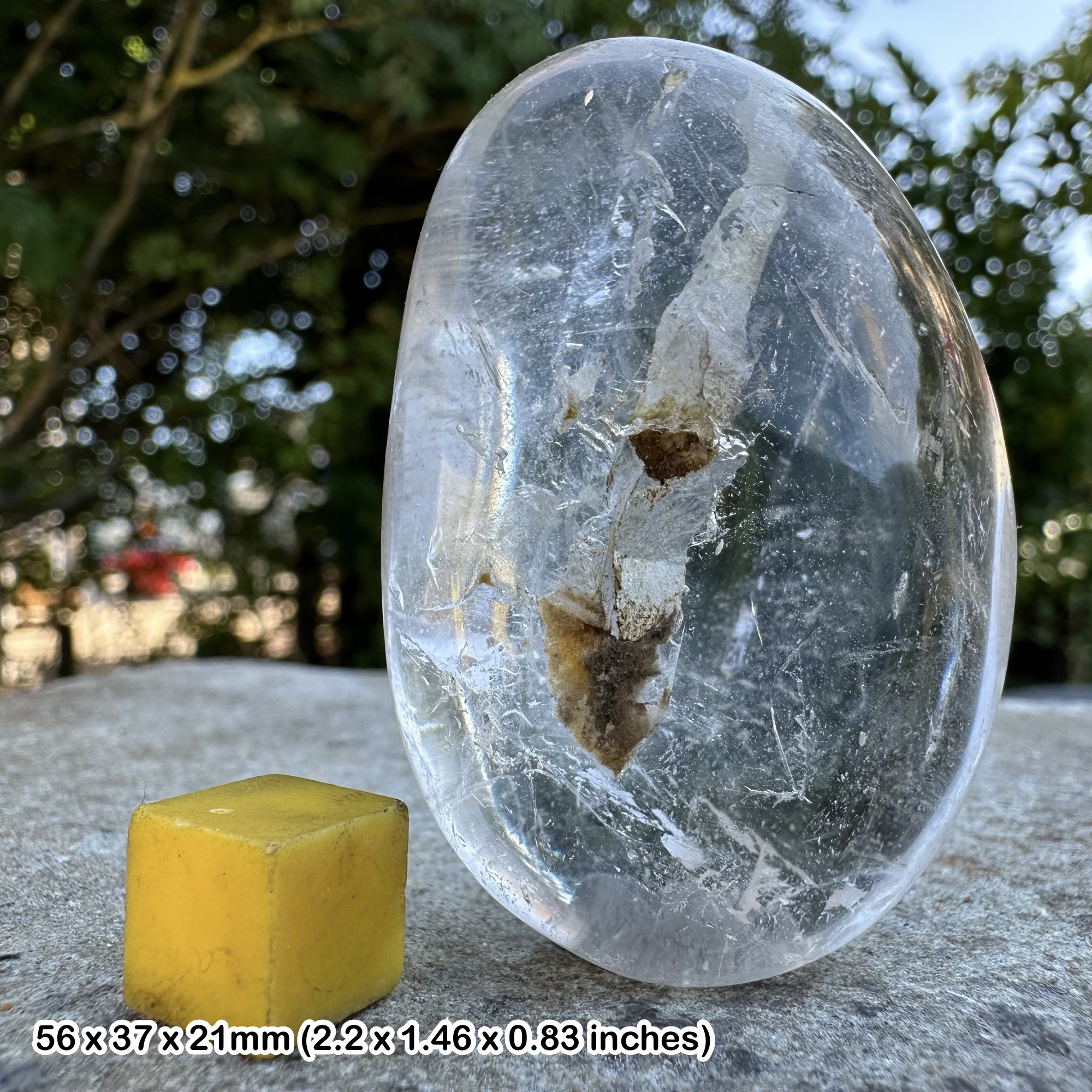
Quartz Pebble Madagascar Natural Quartz Crystal Polished Mineral Stone Specimen
£ 15.00
NATURAL QUARTZ PEBBLE MINERAL FROM MADAGASCARThis Natural Quartz Pebble from Madagascar is a genuine mineral specimen shaped
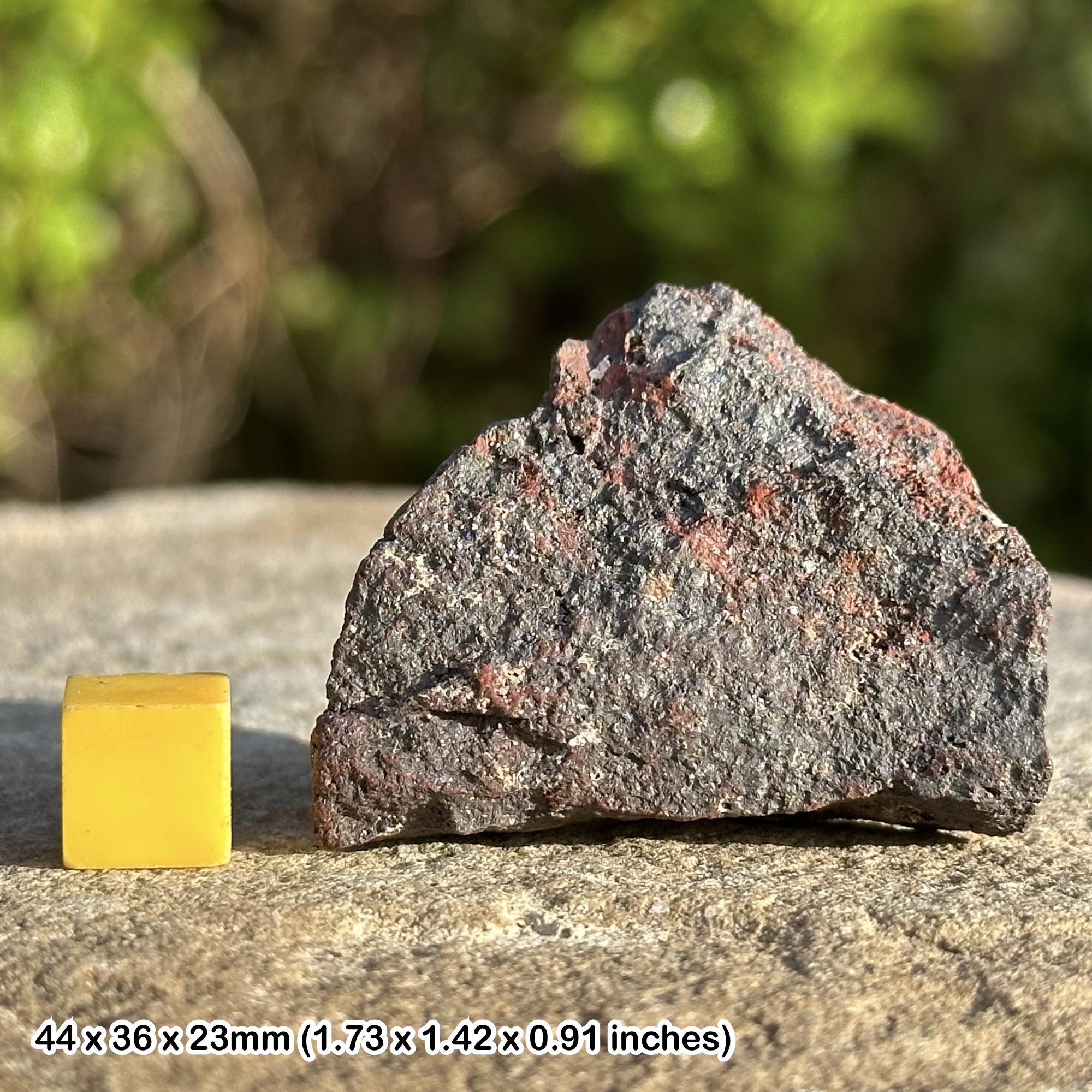
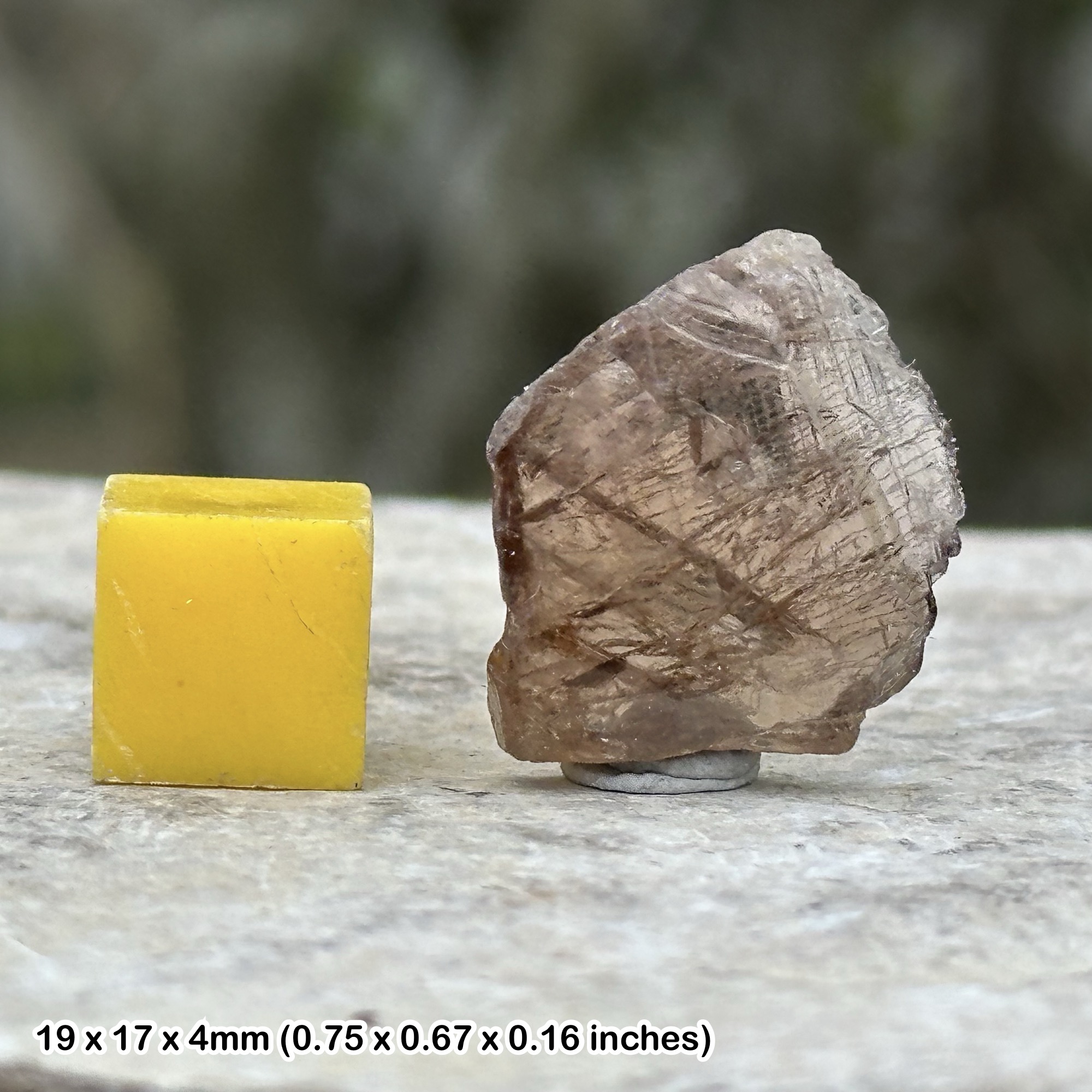
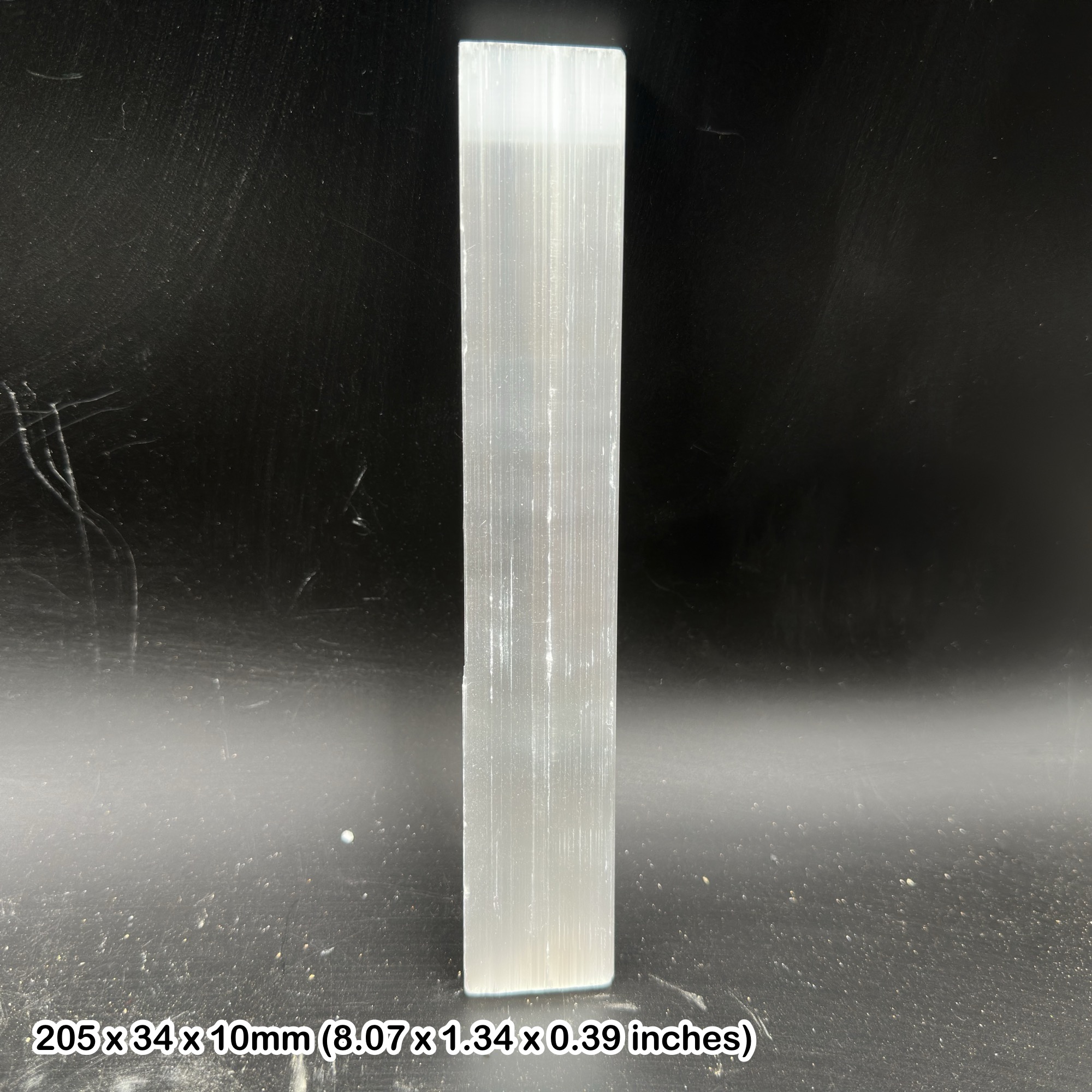
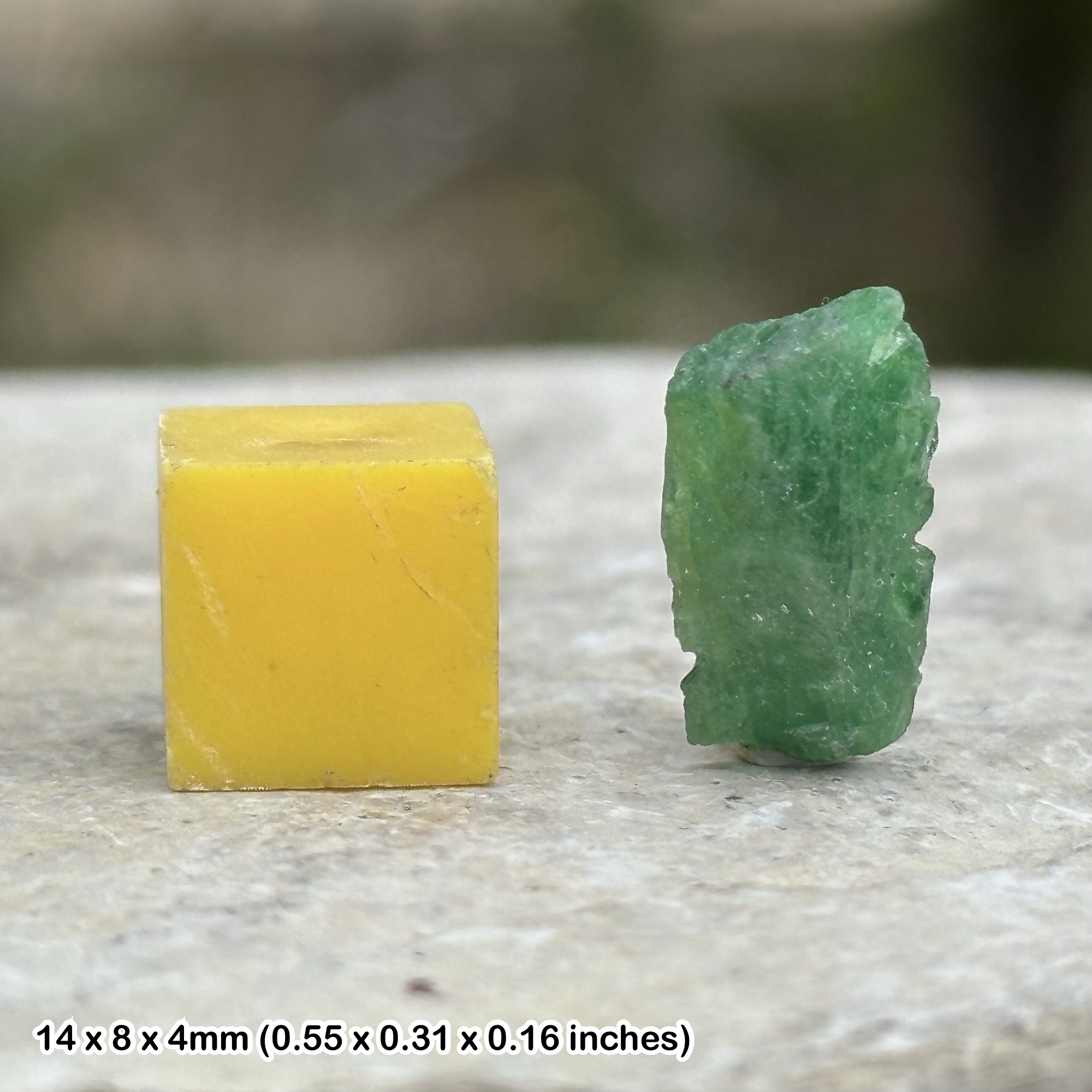
and polished to reveal the clarity, lustre, and internal structures typical of quartz. The smooth pebble form highlights the stone’s natural mineral qualities while providing a refined surface suitable for mineral collections, decorative displays, or geological study.Quartz is one of the most widespread and recognisable minerals on Earth, valued for its durability, crystalline structure, and glass-like appearance. When polished into pebble form, quartz can display subtle translucency, internal textures, and natural inclusions that developed during crystal formation.The photographs included in this listing show the exact specimen you will receive, allowing collectors and buyers to carefully examine the colour, transparency, and polished finish prior to purchase.This crystal is a genuine specimen and includes a Certificate of Authenticity lifetime guarantee generic card.Please refer to the listing photographs for full sizing and scale. MINERAL IDENTIFICATION AND CRYSTAL SYSTEMQuartz is a crystalline form of silicon dioxide (SiO₂) and belongs to the silicate mineral group. It is one of the most abundant minerals within the Earth's continental crust and forms under a wide variety of geological conditions.Key mineralogical characteristics include:
• Mineral Species: Quartz
• Chemical Formula: SiO₂ (Silicon Dioxide)
• Mineral Class: Silicate
• Crystal System: Trigonal
• Mohs Hardness: 7
• Lustre: Vitreous (glass-like)
• Transparency: Transparent to translucent
• Fracture: ConchoidalQuartz crystals naturally develop hexagonal prismatic forms with pointed terminations when they grow freely in open cavities within rock formations. In pebble form, the mineral’s internal structures become more visible through the polished surface. GEOLOGICAL FORMATION OF QUARTZQuartz forms when silica-rich fluids crystallise within geological environments, commonly in hydrothermal systems where heated mineral-rich fluids circulate through cracks and cavities in rock.As the silica solution cools, quartz begins to crystallise, gradually forming crystals over long geological timescales. Quartz can develop in a wide range of geological settings including:
• Hydrothermal veins within metamorphic rocks
• Volcanic rock cavities and geodes
• Pegmatite formations
• Sedimentary deposits containing silica-rich watersQuartz is highly resistant to weathering and erosion due to its hardness. As a result, fragments of quartz often remain intact in sedimentary environments and can become naturally rounded through geological processes before being shaped further through lapidary work. NATURAL COLOUR VARIATIONS AND INTERNAL FEATURESQuartz is most commonly known for its clear or colourless appearance, though it frequently displays internal features created during its growth within the host rock.Natural quartz pebbles may display:
• Clear to slightly cloudy crystal zones
• Milky white internal areas caused by microscopic inclusions
• Internal veils or growth lines
• Natural mineral inclusions from surrounding geological environments
• Slight translucency when light passes through the stoneThese features reflect the geological history of the crystal and are typical characteristics of natural quartz specimens.The polishing process enhances the stone’s reflective surface while allowing the internal mineral structures to remain visible. MADAGASCAR QUARTZ DEPOSITSMadagascar is internationally recognised for producing a wide variety of mineral specimens, particularly quartz crystals. The island’s geological structure includes ancient metamorphic formations and hydrothermal mineral environments that support the development of quartz in many forms.Quartz from Madagascar is often valued for its clarity and the diversity of specimens found across the region. Material from these deposits is widely used in mineral collecting, lapidary work, and decorative stone production.After extraction, quartz may be shaped and polished by lapidary artisans into forms such as pebbles, spheres, carvings, and crystal points for display and collecting. POLISHED PEBBLE LAPIDARY FINISHThis specimen has been shaped into a smooth polished pebble, a style designed to highlight the mineral’s natural clarity and internal structure while creating a comfortable, rounded form.The lapidary process typically involves: 1. Cutting rough quartz from larger mineral deposits 2. Shaping the stone into a rounded pebble form 3. Grinding the surface to refine the shape 4. Polishing the stone through progressively finer stagesThe finished surface enhances the quartz’s vitreous lustre while maintaining the natural features created during crystal formation. MINERAL COLLECTING AND DISPLAYQuartz pebbles are popular among mineral collectors due to their durability, natural beauty, and geological significance. Their simple form and clarity make them suitable for a variety of mineral displays.This specimen may be suitable for:
• Quartz and mineral collections
• Geological display cabinets
• Decorative natural stone arrangements
• Collector specimen displays
• Unique natural gift itemsIn some traditions, quartz crystals are traditionally associated with symbolic or spiritual interpretations, though these interpretations are cultural beliefs rather than scientific explanations. AUTHENTIC NATURAL MINERAL SPECIMENThis Quartz Pebble from Madagascar is a genuine natural mineral specimen selected for its clarity, polished finish, and overall appearance.The stone includes a Certificate of Authenticity lifetime guarantee generic card, confirming the authenticity of the mineral specimen.Please review the photographs carefully for full sizing and scale, as the images clearly show the exact specimen you will receive.
and polished to reveal the clarity, lustre, and internal structures typical of quartz. The smooth pebble form highlights the stone’s natural mineral qualities while providing a refined surface suitable for mineral collections, decorative displays, or geological study.Quartz is one of the most widespread and recognisable minerals on Earth, valued for its durability, crystalline structure, and glass-like appearance. When polished into pebble form, quartz can display subtle translucency, internal textures, and natural inclusions that developed during crystal formation.The photographs included in this listing show the exact specimen you will receive, allowing collectors and buyers to carefully examine the colour, transparency, and polished finish prior to purchase.This crystal is a genuine specimen and includes a Certificate of Authenticity lifetime guarantee generic card.Please refer to the listing photographs for full sizing and scale. MINERAL IDENTIFICATION AND CRYSTAL SYSTEMQuartz is a crystalline form of silicon dioxide (SiO₂) and belongs to the silicate mineral group. It is one of the most abundant minerals within the Earth's continental crust and forms under a wide variety of geological conditions.Key mineralogical characteristics include:
• Mineral Species: Quartz
• Chemical Formula: SiO₂ (Silicon Dioxide)
• Mineral Class: Silicate
• Crystal System: Trigonal
• Mohs Hardness: 7
• Lustre: Vitreous (glass-like)
• Transparency: Transparent to translucent
• Fracture: ConchoidalQuartz crystals naturally develop hexagonal prismatic forms with pointed terminations when they grow freely in open cavities within rock formations. In pebble form, the mineral’s internal structures become more visible through the polished surface. GEOLOGICAL FORMATION OF QUARTZQuartz forms when silica-rich fluids crystallise within geological environments, commonly in hydrothermal systems where heated mineral-rich fluids circulate through cracks and cavities in rock.As the silica solution cools, quartz begins to crystallise, gradually forming crystals over long geological timescales. Quartz can develop in a wide range of geological settings including:
• Hydrothermal veins within metamorphic rocks
• Volcanic rock cavities and geodes
• Pegmatite formations
• Sedimentary deposits containing silica-rich watersQuartz is highly resistant to weathering and erosion due to its hardness. As a result, fragments of quartz often remain intact in sedimentary environments and can become naturally rounded through geological processes before being shaped further through lapidary work. NATURAL COLOUR VARIATIONS AND INTERNAL FEATURESQuartz is most commonly known for its clear or colourless appearance, though it frequently displays internal features created during its growth within the host rock.Natural quartz pebbles may display:
• Clear to slightly cloudy crystal zones
• Milky white internal areas caused by microscopic inclusions
• Internal veils or growth lines
• Natural mineral inclusions from surrounding geological environments
• Slight translucency when light passes through the stoneThese features reflect the geological history of the crystal and are typical characteristics of natural quartz specimens.The polishing process enhances the stone’s reflective surface while allowing the internal mineral structures to remain visible. MADAGASCAR QUARTZ DEPOSITSMadagascar is internationally recognised for producing a wide variety of mineral specimens, particularly quartz crystals. The island’s geological structure includes ancient metamorphic formations and hydrothermal mineral environments that support the development of quartz in many forms.Quartz from Madagascar is often valued for its clarity and the diversity of specimens found across the region. Material from these deposits is widely used in mineral collecting, lapidary work, and decorative stone production.After extraction, quartz may be shaped and polished by lapidary artisans into forms such as pebbles, spheres, carvings, and crystal points for display and collecting. POLISHED PEBBLE LAPIDARY FINISHThis specimen has been shaped into a smooth polished pebble, a style designed to highlight the mineral’s natural clarity and internal structure while creating a comfortable, rounded form.The lapidary process typically involves: 1. Cutting rough quartz from larger mineral deposits 2. Shaping the stone into a rounded pebble form 3. Grinding the surface to refine the shape 4. Polishing the stone through progressively finer stagesThe finished surface enhances the quartz’s vitreous lustre while maintaining the natural features created during crystal formation. MINERAL COLLECTING AND DISPLAYQuartz pebbles are popular among mineral collectors due to their durability, natural beauty, and geological significance. Their simple form and clarity make them suitable for a variety of mineral displays.This specimen may be suitable for:
• Quartz and mineral collections
• Geological display cabinets
• Decorative natural stone arrangements
• Collector specimen displays
• Unique natural gift itemsIn some traditions, quartz crystals are traditionally associated with symbolic or spiritual interpretations, though these interpretations are cultural beliefs rather than scientific explanations. AUTHENTIC NATURAL MINERAL SPECIMENThis Quartz Pebble from Madagascar is a genuine natural mineral specimen selected for its clarity, polished finish, and overall appearance.The stone includes a Certificate of Authenticity lifetime guarantee generic card, confirming the authenticity of the mineral specimen.Please review the photographs carefully for full sizing and scale, as the images clearly show the exact specimen you will receive.
Other Products