Fossil Fish Vertebrae London Clay Eocene Bawdsey Suffolk UK Genuine Bony Fish Bone Specimen with Certificate of Authenticity
£ 36.00
GENUINE EOCENE FOSSIL FISH VERTEBRA FROM THE LONDON CLAYOffered here is a fascinating fossil bony fish vertebra from the famous London
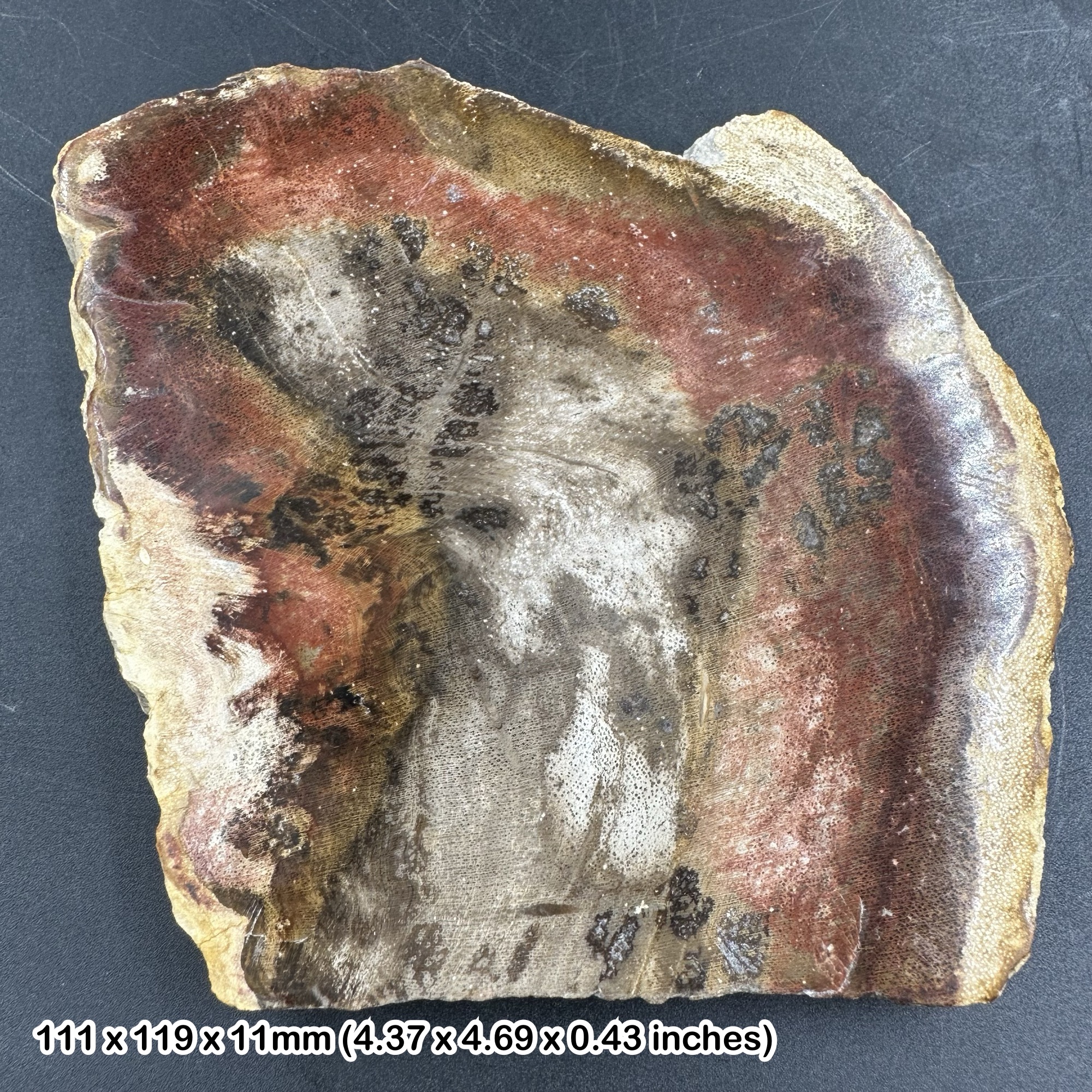
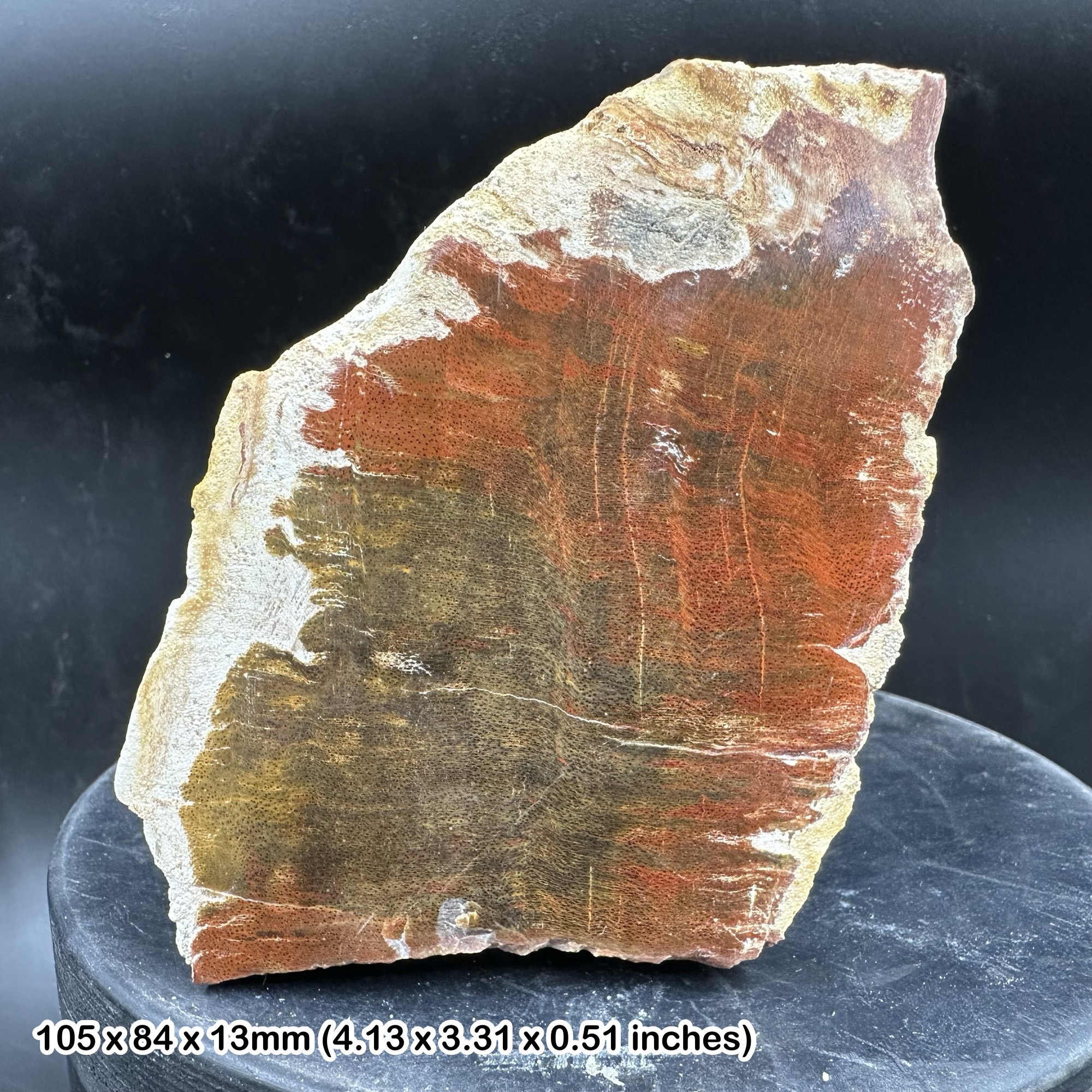
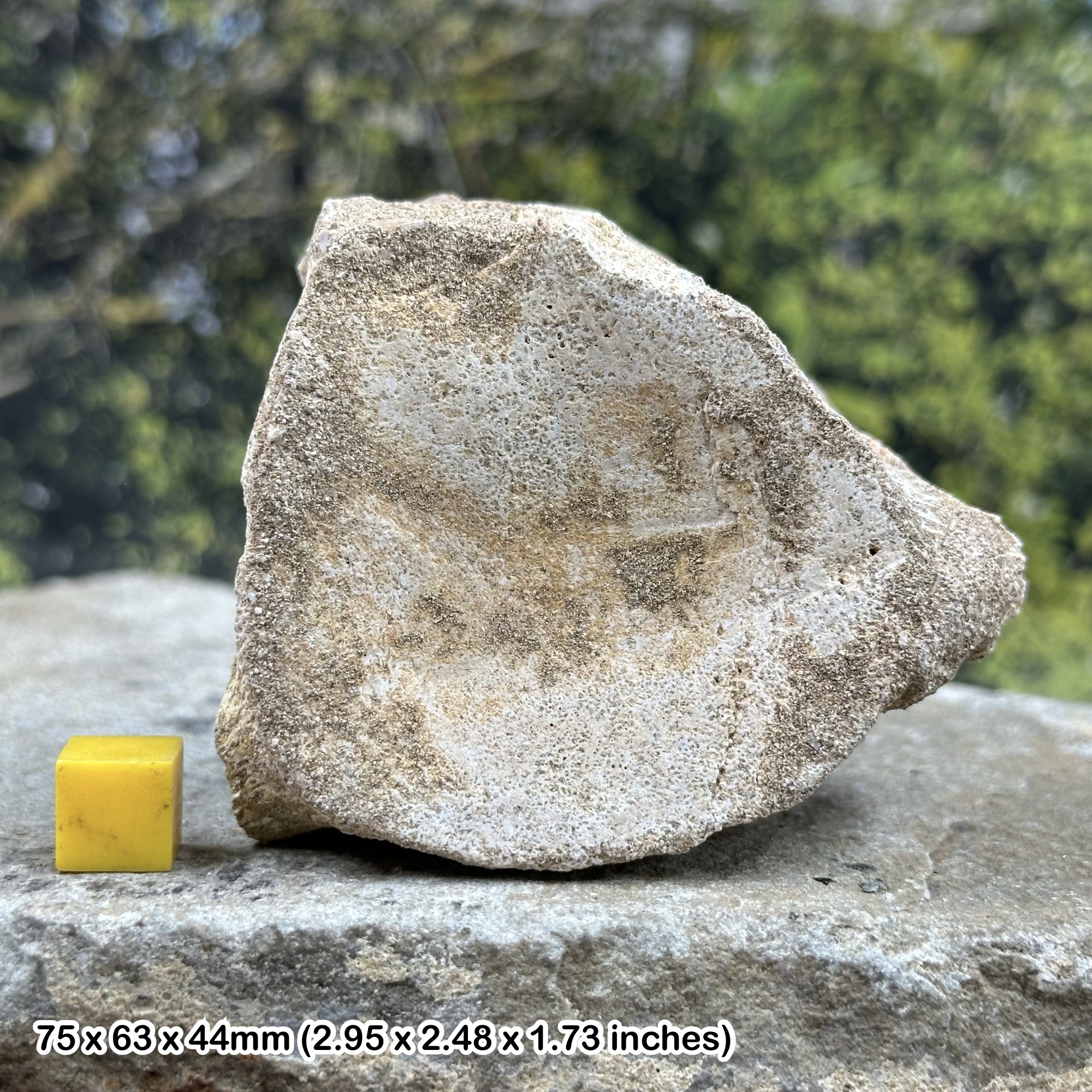
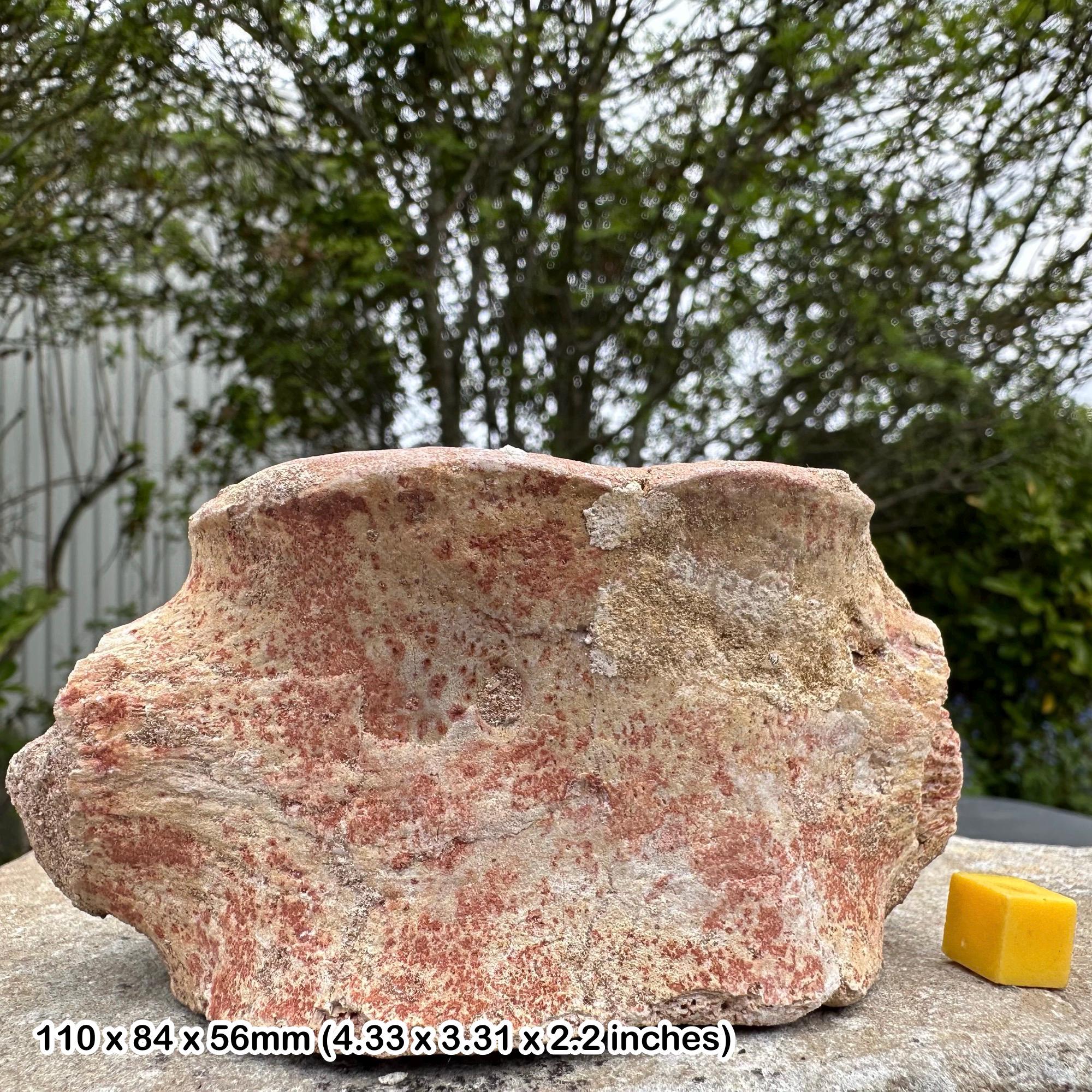
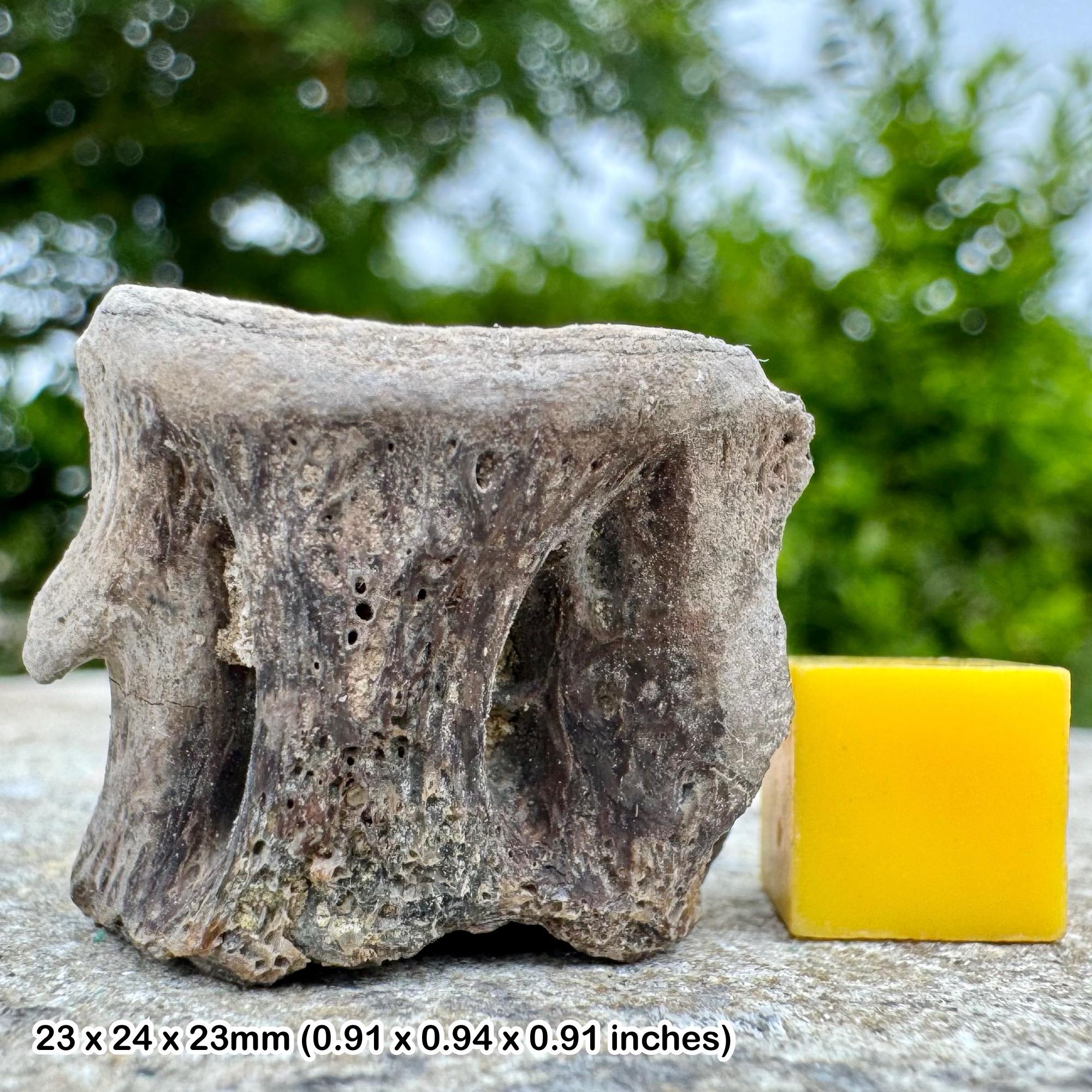
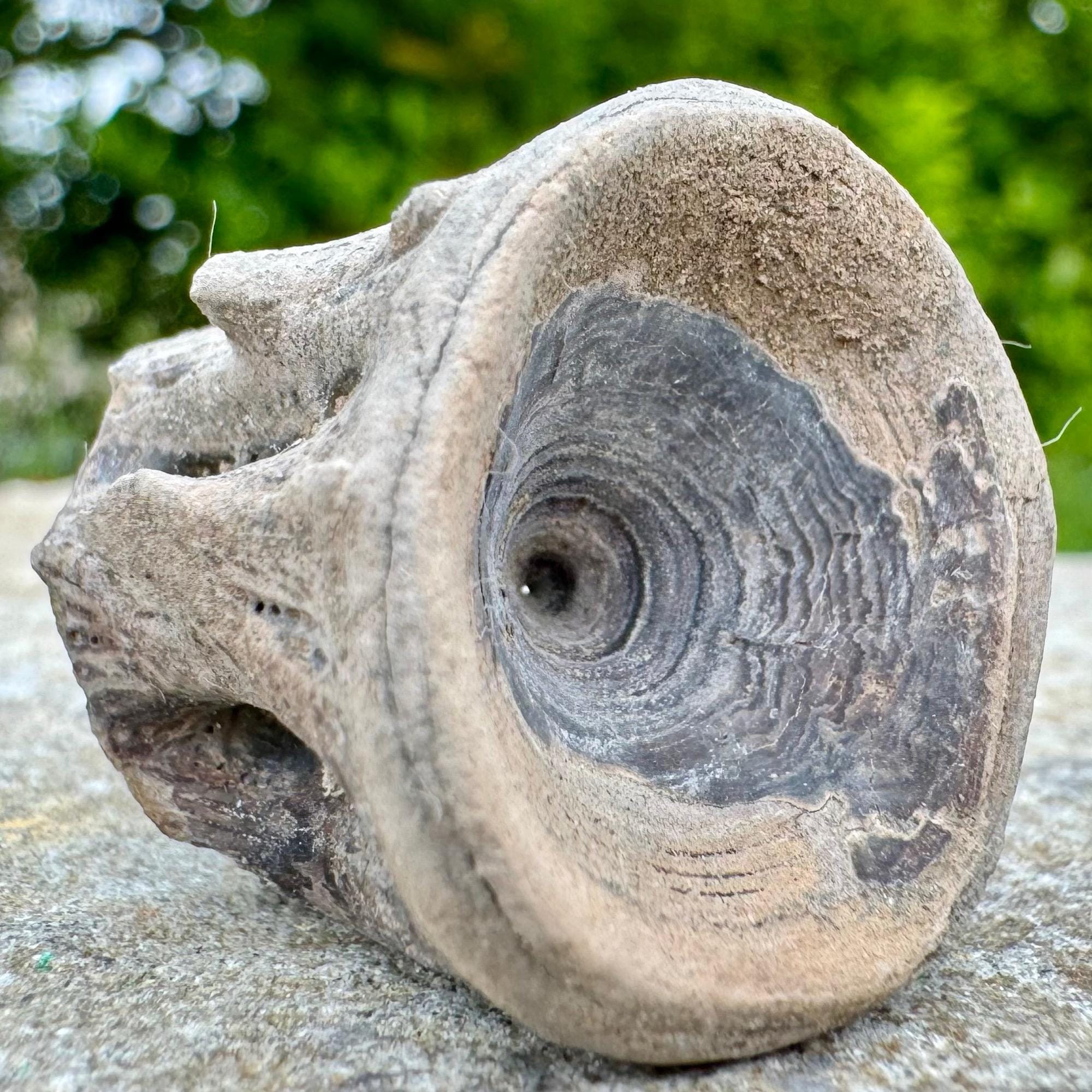
Clay Formation, dating to the Eocene Epoch, discovered at Bawdsey, Suffolk, UK. This is a carefully chosen genuine fossil specimen, and the photographs show the exact piece you will receive. Full sizing details can be clearly seen in the listing images.This specimen includes a Certificate of Authenticity lifetime guarantee generic card, providing long-term reassurance of authenticity and provenance. FOSSIL IDENTIFICATION: BONY FISH VERTEBRAEThis fossil represents the vertebral bone of an ancient bony fish (Osteichthyes), a diverse group that includes the vast majority of modern fish species. Fossil fish vertebrae are important remains that provide direct evidence of prehistoric marine life, preserving anatomical detail from animals that lived millions of years ago.Although small, vertebrae are highly informative fossils, helping illustrate the structure of ancient fish skeletons and offering insight into the biodiversity of early Cenozoic seas. GEOLOGICAL AGE AND THE EOCENE EPOCHThis specimen dates to the Eocene Epoch, approximately 56–34 million years ago, a period when global climates were significantly warmer than today. The Eocene was a time of flourishing marine ecosystems, with early modern-style fish, sharks, marine reptiles, and abundant invertebrates inhabiting shallow seas around what is now Britain.The London Clay Formation is one of the most important Eocene deposits in Europe, renowned for preserving a wide range of marine fossils in remarkable detail. THE LONDON CLAY FORMATION AND BAWDSEY LOCALITYThe London Clay was deposited in a shallow marine environment that covered much of southern England during the early Eocene. Fine-grained clays accumulated on the seabed, creating ideal conditions for fossil preservation.Bawdsey, on the Suffolk coast, is a classic locality where London Clay exposures yield fossil fish remains, shark teeth, molluscs, and other marine life. Coastal erosion continues to reveal these ancient treasures, making the area an important site for British palaeontology. MORPHOLOGY AND NOTABLE FEATURESFish vertebrae fossils are typically recognised by their compact, disc-like form and central articulation features. This specimen preserves the natural structure of the vertebral centrum, offering a tangible link to the internal skeleton of an ancient marine fish.Notable traits often include:
• Rounded vertebral shape with natural surface texture
• Dense fossilised bone material
• Anatomical features showing articulation points
• Strong preservation due to clay-rich burialEach vertebra fossil is unique, shaped by the fish’s anatomy and the fossilisation process. DEPOSITIONAL ENVIRONMENT AND FOSSIL PRESERVATIONThe London Clay seabed was a low-energy environment where fine sediments rapidly buried organic remains. Low oxygen conditions helped limit decay and scavenging, allowing bones and hard parts to mineralise over time.Over millions of years, the vertebra became fossilised as minerals replaced original bone material, preserving its form within the clay matrix. COLLECTOR, DISPLAY, AND EDUCATIONAL VALUEThis fossil fish vertebra is ideal for:
• Fossil and natural history collections
• Educational study of prehistoric marine life
• Eocene and London Clay fossil assemblages
• Display cabinets and teaching sets
• Unique gifts for fossil and geology enthusiastsVertebra fossils are particularly appealing because they represent real skeletal elements from ancient animals, offering a direct connection to prehistoric ecosystems. CERTIFICATE OF AUTHENTICITY INCLUDEDThis is a genuine fossil specimen and includes a Certificate of Authenticity lifetime guarantee generic card, ensuring peace of mind and long-term collector confidence. A RARE PIECE OF BRITAIN’S ANCIENT SEASThis Eocene bony fish vertebra from Bawdsey, Suffolk, is a remarkable fossil relic from the London Clay seas that covered Britain over 50 million years ago. It offers a meaningful connection to prehistoric marine life and makes an excellent addition to any serious fossil collection or educational display.
Clay Formation, dating to the Eocene Epoch, discovered at Bawdsey, Suffolk, UK. This is a carefully chosen genuine fossil specimen, and the photographs show the exact piece you will receive. Full sizing details can be clearly seen in the listing images.This specimen includes a Certificate of Authenticity lifetime guarantee generic card, providing long-term reassurance of authenticity and provenance. FOSSIL IDENTIFICATION: BONY FISH VERTEBRAEThis fossil represents the vertebral bone of an ancient bony fish (Osteichthyes), a diverse group that includes the vast majority of modern fish species. Fossil fish vertebrae are important remains that provide direct evidence of prehistoric marine life, preserving anatomical detail from animals that lived millions of years ago.Although small, vertebrae are highly informative fossils, helping illustrate the structure of ancient fish skeletons and offering insight into the biodiversity of early Cenozoic seas. GEOLOGICAL AGE AND THE EOCENE EPOCHThis specimen dates to the Eocene Epoch, approximately 56–34 million years ago, a period when global climates were significantly warmer than today. The Eocene was a time of flourishing marine ecosystems, with early modern-style fish, sharks, marine reptiles, and abundant invertebrates inhabiting shallow seas around what is now Britain.The London Clay Formation is one of the most important Eocene deposits in Europe, renowned for preserving a wide range of marine fossils in remarkable detail. THE LONDON CLAY FORMATION AND BAWDSEY LOCALITYThe London Clay was deposited in a shallow marine environment that covered much of southern England during the early Eocene. Fine-grained clays accumulated on the seabed, creating ideal conditions for fossil preservation.Bawdsey, on the Suffolk coast, is a classic locality where London Clay exposures yield fossil fish remains, shark teeth, molluscs, and other marine life. Coastal erosion continues to reveal these ancient treasures, making the area an important site for British palaeontology. MORPHOLOGY AND NOTABLE FEATURESFish vertebrae fossils are typically recognised by their compact, disc-like form and central articulation features. This specimen preserves the natural structure of the vertebral centrum, offering a tangible link to the internal skeleton of an ancient marine fish.Notable traits often include:
• Rounded vertebral shape with natural surface texture
• Dense fossilised bone material
• Anatomical features showing articulation points
• Strong preservation due to clay-rich burialEach vertebra fossil is unique, shaped by the fish’s anatomy and the fossilisation process. DEPOSITIONAL ENVIRONMENT AND FOSSIL PRESERVATIONThe London Clay seabed was a low-energy environment where fine sediments rapidly buried organic remains. Low oxygen conditions helped limit decay and scavenging, allowing bones and hard parts to mineralise over time.Over millions of years, the vertebra became fossilised as minerals replaced original bone material, preserving its form within the clay matrix. COLLECTOR, DISPLAY, AND EDUCATIONAL VALUEThis fossil fish vertebra is ideal for:
• Fossil and natural history collections
• Educational study of prehistoric marine life
• Eocene and London Clay fossil assemblages
• Display cabinets and teaching sets
• Unique gifts for fossil and geology enthusiastsVertebra fossils are particularly appealing because they represent real skeletal elements from ancient animals, offering a direct connection to prehistoric ecosystems. CERTIFICATE OF AUTHENTICITY INCLUDEDThis is a genuine fossil specimen and includes a Certificate of Authenticity lifetime guarantee generic card, ensuring peace of mind and long-term collector confidence. A RARE PIECE OF BRITAIN’S ANCIENT SEASThis Eocene bony fish vertebra from Bawdsey, Suffolk, is a remarkable fossil relic from the London Clay seas that covered Britain over 50 million years ago. It offers a meaningful connection to prehistoric marine life and makes an excellent addition to any serious fossil collection or educational display.
Other Products