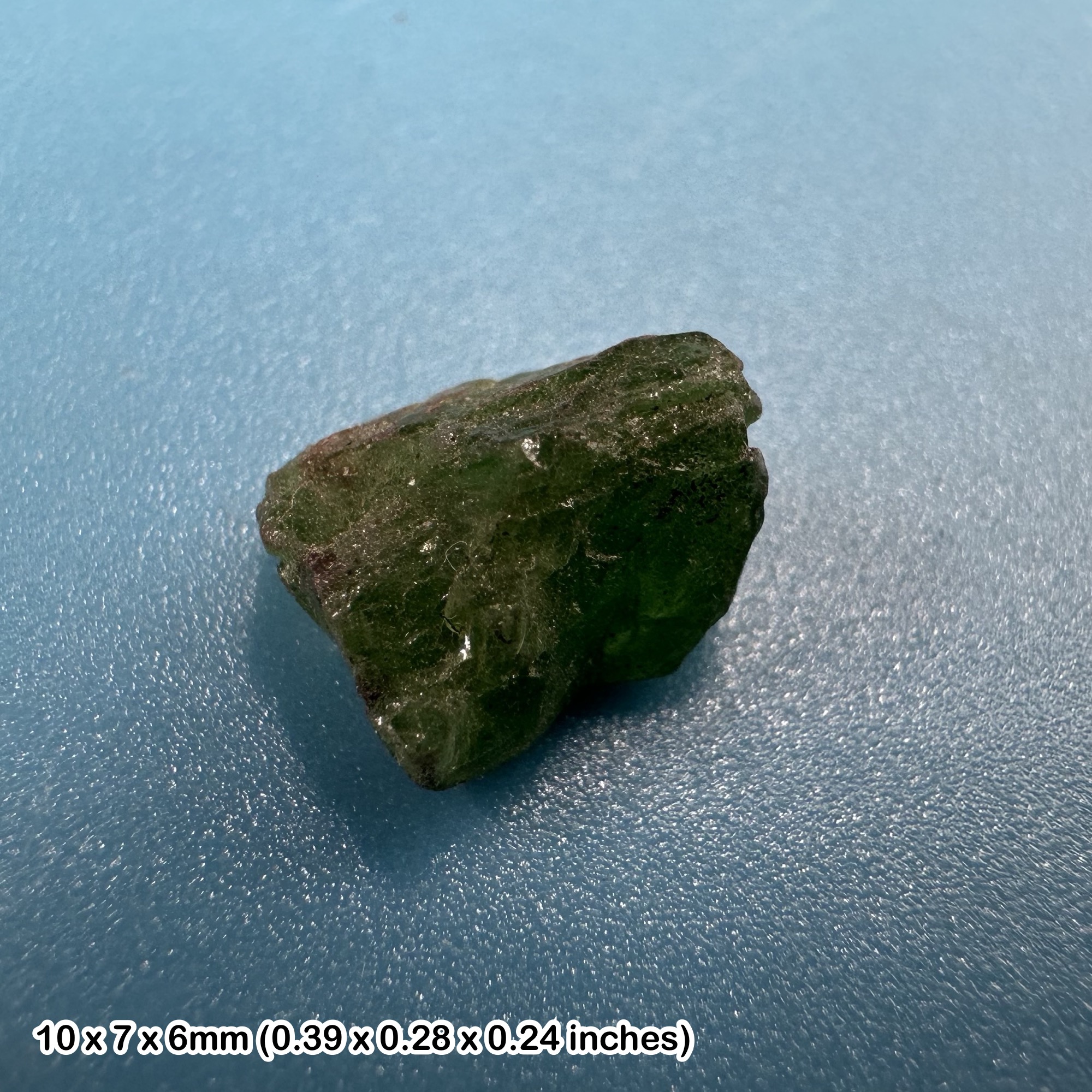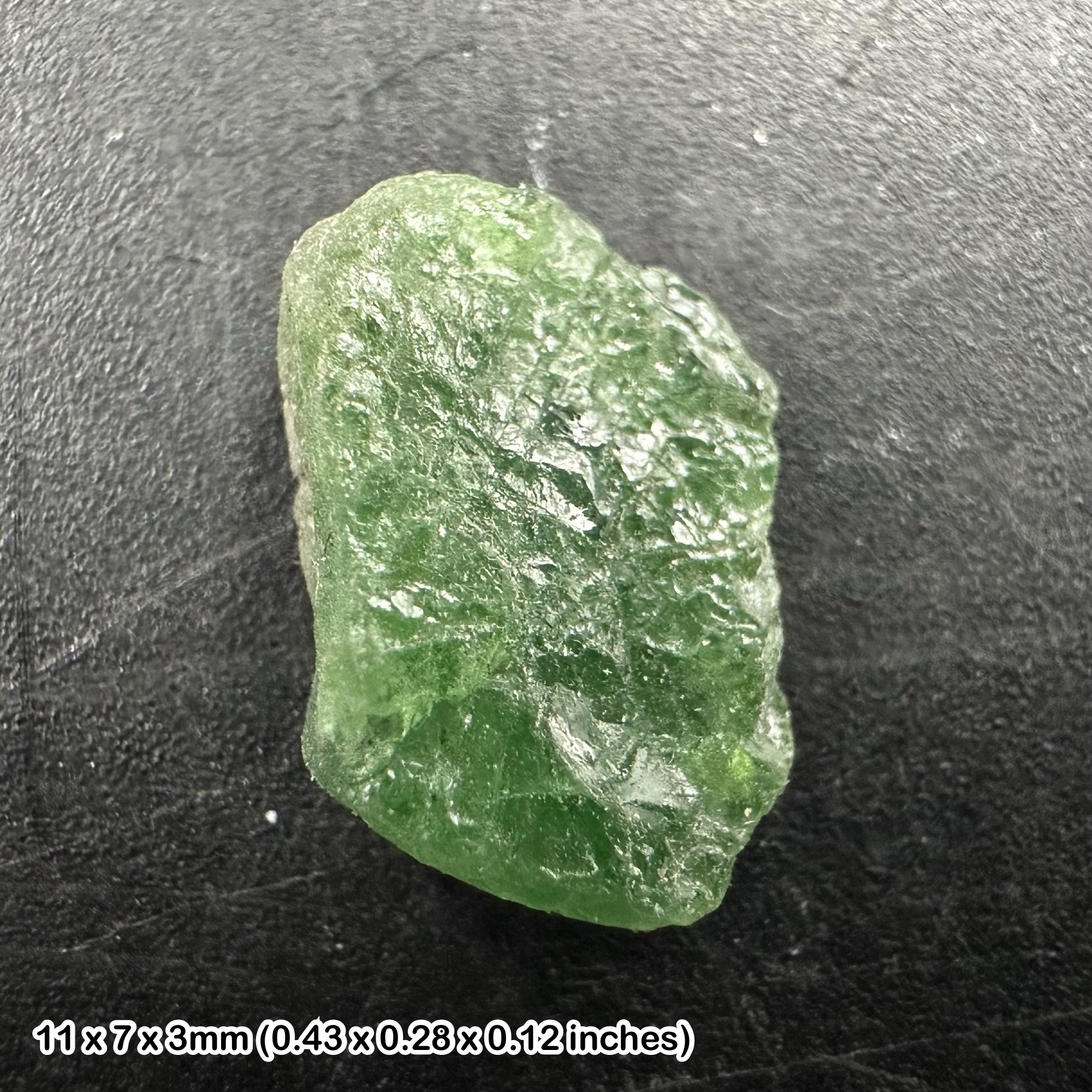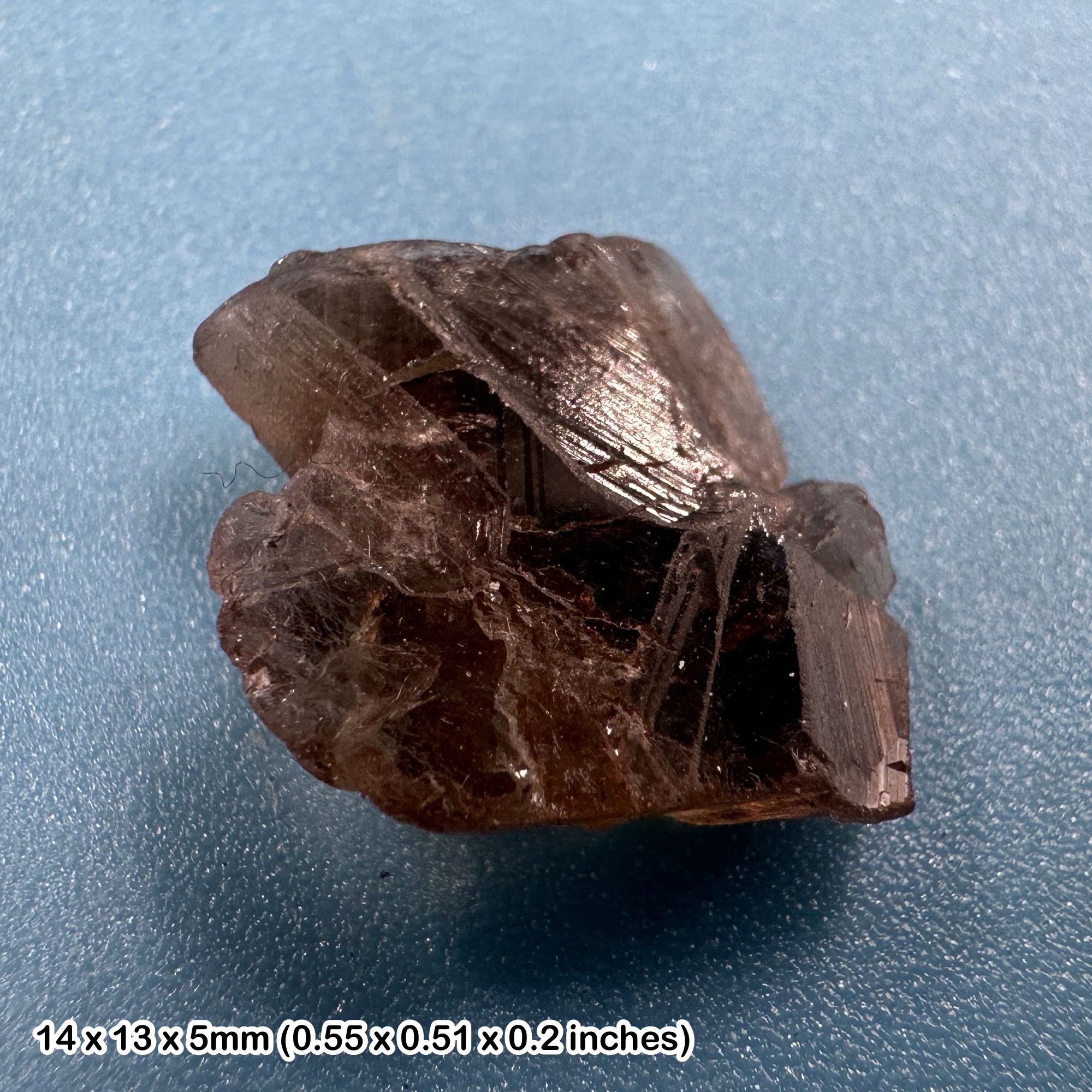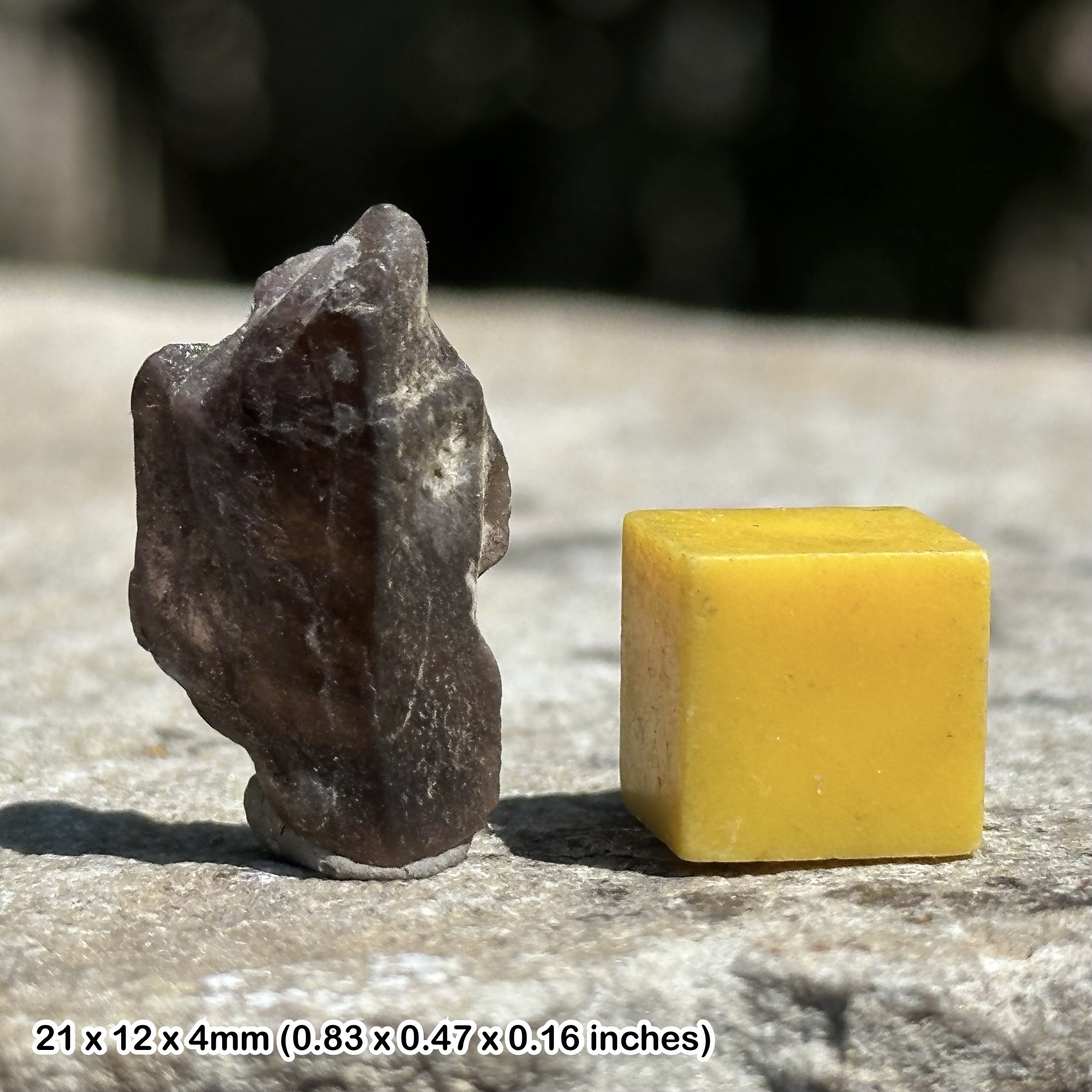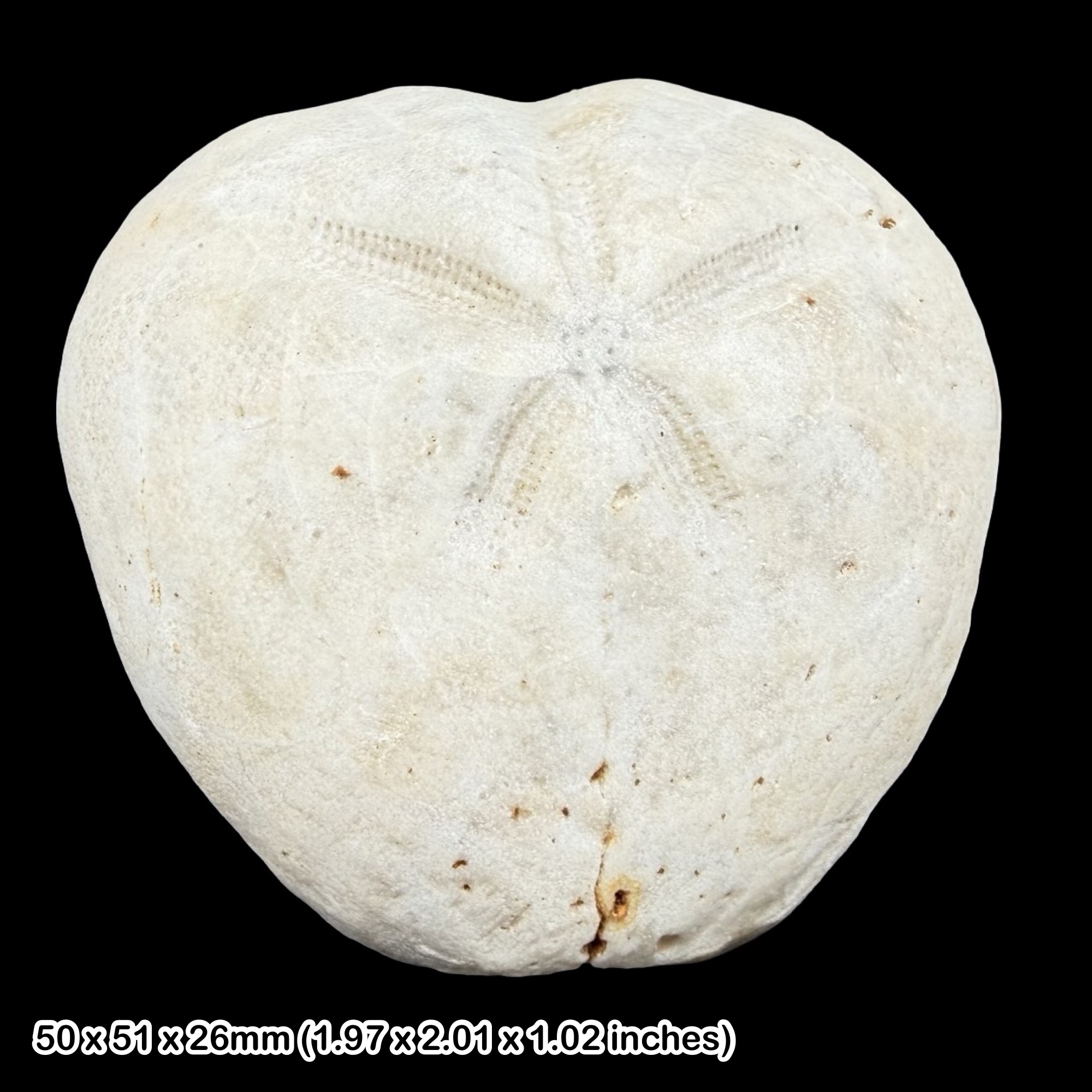
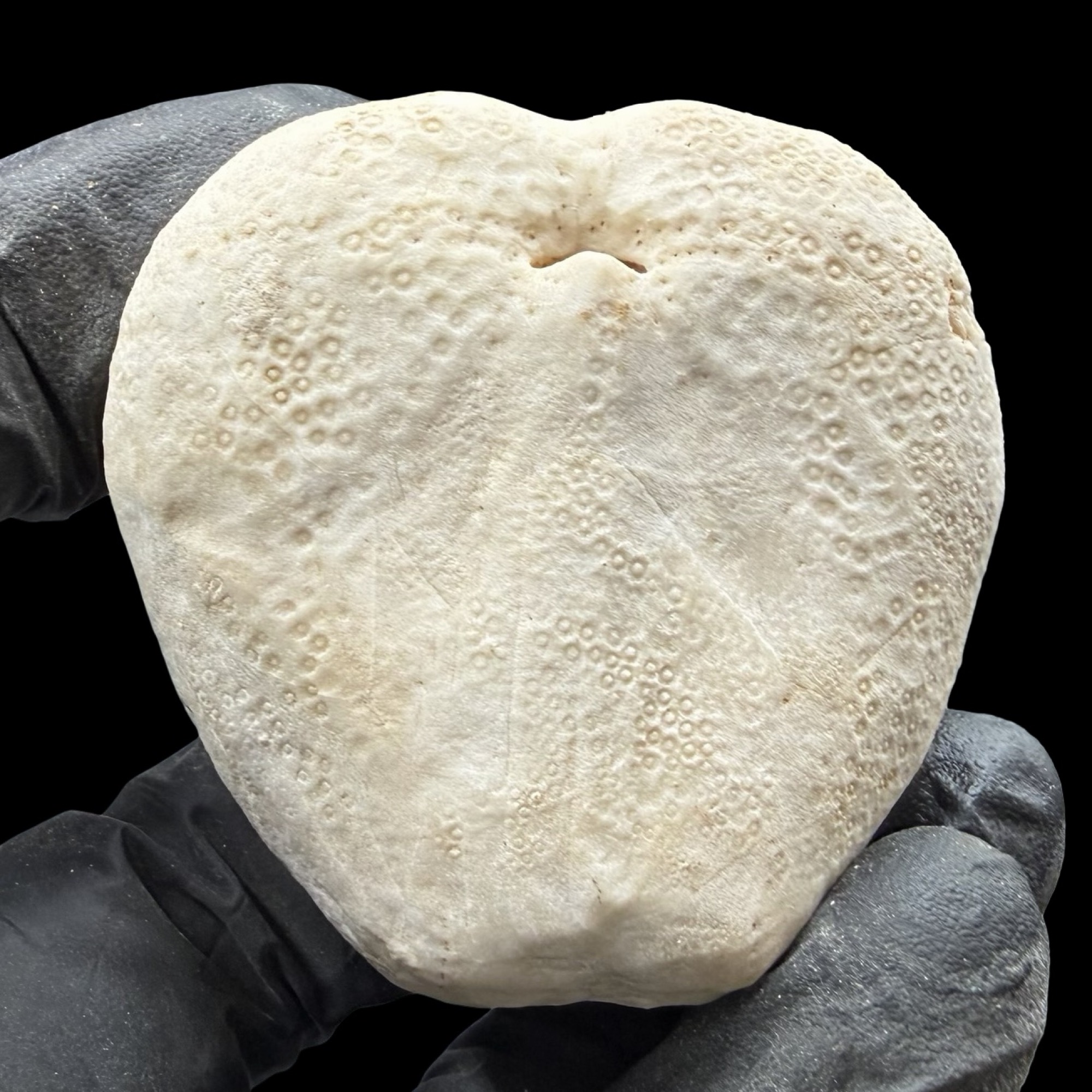
Micraster Heart Echinoid Fossil Charlton Bay Devon UK Cretaceous COA Genuine Sea Urchin Specimen Collectable Display Fossil
£ 24.00
GENUINE MICRASTER HEART ECHINOID FOSSILThis listing is for a genuine Micraster heart fossil echinoid from the
Cretaceous of Charlton Bay, Devon, UK. This carefully chosen fossil specimen includes a Certificate of Authenticity lifetime guarantee generic card. The photo shows the actual fossil you will receive, allowing you to view the natural heart-shaped echinoid form, preservation, surface texture, colour, matrix and overall display character of this individual piece before purchase. Full sizing details can be seen in the photo.Your specimen was discovered by our own team members, Alister and Alison, and has been cleaned, prepped and treated by Alison. This gives the fossil a clear collecting history, from discovery through to careful preparation and presentation, making it an appealing specimen for collectors who value genuine provenance and authentic British fossils. MICRASTER ECHINOID SPECIES INFORMATIONMicraster is a well-known genus of irregular echinoid, commonly described as a heart urchin because of its distinctive heart-like outline. Echinoids are marine animals within the phylum Echinodermata, related to modern sea urchins, sand dollars, starfish and crinoids. The fossilised part most often preserved is the hard external test, made from interlocking calcite plates.Unlike regular sea urchins, which are often rounded and radially symmetrical, Micraster belongs to the irregular echinoids. These animals had a more specialised body shape adapted for life on or within soft seabed sediment. Micraster typically shows a domed upper surface, flatter underside, petal-like ambulacral areas, a forward-facing groove and a heart-shaped test profile. Depending on preservation, specimens may display pore rows, plate structure, tubercle patterns, natural surface markings and the characteristic outline that makes the genus so recognisable.Micraster is especially important in Cretaceous palaeontology because different forms are useful for understanding evolutionary change and for comparing chalk and other marine deposits. Its distinctive shape, clear anatomy and classic British fossil appeal make it a desirable specimen for collectors, educational displays and natural history collections. CRETACEOUS MARINE ENVIRONMENTThis fossil dates from the Cretaceous Period, a time when much of southern England was covered by warm shallow seas. These marine environments supported a wide range of life, including echinoids, sponges, bivalves, brachiopods, belemnites, ammonites, fish and marine reptiles. Heart urchins such as Micraster lived as part of the seabed community, moving through soft sediment and feeding within or near the sea floor.The form of Micraster reflects this lifestyle. Its streamlined, heart-shaped test and specialised ambulacral areas helped it live in sediment-rich marine settings. After death, the hard calcite test could become buried and preserved within the surrounding sediment, creating the fossil specimens now collected from Cretaceous coastal deposits. CHARLTON BAY, DEVON LOCALITYCharlton Bay in Devon is a distinctive British fossil locality with Cretaceous geological interest. Fossils from this area are collectable because they combine strong locality appeal with the natural history of southern England’s ancient marine environments. A Micraster echinoid from Charlton Bay is especially suitable for collectors interested in Devon fossils, British echinoids, Cretaceous sea urchins and classic marine invertebrate specimens.Devon’s coastline is well known for its varied geology, and Cretaceous fossils from the region offer an appealing contrast to the Jurassic ammonites and marine reptiles often associated with nearby coastal collecting areas. This Micraster fossil provides a clear example of ancient echinoderm life preserved from a later chapter of the Mesozoic Era. PREPARATION, AUTHENTICITY AND DISPLAY APPEALThis Micraster heart echinoid fossil has been cleaned, prepped and treated by Alison to help present the specimen clearly while retaining its natural geological character. Careful preparation is important with echinoids, as it helps reveal the test shape, surface texture, ambulacral detail and natural fossil form while preserving the authentic appearance of the specimen.The fossil is suitable for echinoid collectors, fossil enthusiasts, geology students, natural history displays, educational collections, cabinet displays or as a distinctive gift for someone interested in British palaeontology. Its recognisable heart-shaped form, Cretaceous age, Charlton Bay locality and team-discovered provenance make it a desirable addition to a carefully documented fossil collection. CERTIFICATE OF AUTHENTICITY INCLUDEDThis fossil is supplied with a Certificate of Authenticity lifetime guarantee generic card, confirming that it is a genuine specimen. The fossil shown in the photo is the exact piece you will receive, making this Micraster heart echinoid an authentic and attractive Cretaceous fossil from Devon, UK.
Cretaceous of Charlton Bay, Devon, UK. This carefully chosen fossil specimen includes a Certificate of Authenticity lifetime guarantee generic card. The photo shows the actual fossil you will receive, allowing you to view the natural heart-shaped echinoid form, preservation, surface texture, colour, matrix and overall display character of this individual piece before purchase. Full sizing details can be seen in the photo.Your specimen was discovered by our own team members, Alister and Alison, and has been cleaned, prepped and treated by Alison. This gives the fossil a clear collecting history, from discovery through to careful preparation and presentation, making it an appealing specimen for collectors who value genuine provenance and authentic British fossils. MICRASTER ECHINOID SPECIES INFORMATIONMicraster is a well-known genus of irregular echinoid, commonly described as a heart urchin because of its distinctive heart-like outline. Echinoids are marine animals within the phylum Echinodermata, related to modern sea urchins, sand dollars, starfish and crinoids. The fossilised part most often preserved is the hard external test, made from interlocking calcite plates.Unlike regular sea urchins, which are often rounded and radially symmetrical, Micraster belongs to the irregular echinoids. These animals had a more specialised body shape adapted for life on or within soft seabed sediment. Micraster typically shows a domed upper surface, flatter underside, petal-like ambulacral areas, a forward-facing groove and a heart-shaped test profile. Depending on preservation, specimens may display pore rows, plate structure, tubercle patterns, natural surface markings and the characteristic outline that makes the genus so recognisable.Micraster is especially important in Cretaceous palaeontology because different forms are useful for understanding evolutionary change and for comparing chalk and other marine deposits. Its distinctive shape, clear anatomy and classic British fossil appeal make it a desirable specimen for collectors, educational displays and natural history collections. CRETACEOUS MARINE ENVIRONMENTThis fossil dates from the Cretaceous Period, a time when much of southern England was covered by warm shallow seas. These marine environments supported a wide range of life, including echinoids, sponges, bivalves, brachiopods, belemnites, ammonites, fish and marine reptiles. Heart urchins such as Micraster lived as part of the seabed community, moving through soft sediment and feeding within or near the sea floor.The form of Micraster reflects this lifestyle. Its streamlined, heart-shaped test and specialised ambulacral areas helped it live in sediment-rich marine settings. After death, the hard calcite test could become buried and preserved within the surrounding sediment, creating the fossil specimens now collected from Cretaceous coastal deposits. CHARLTON BAY, DEVON LOCALITYCharlton Bay in Devon is a distinctive British fossil locality with Cretaceous geological interest. Fossils from this area are collectable because they combine strong locality appeal with the natural history of southern England’s ancient marine environments. A Micraster echinoid from Charlton Bay is especially suitable for collectors interested in Devon fossils, British echinoids, Cretaceous sea urchins and classic marine invertebrate specimens.Devon’s coastline is well known for its varied geology, and Cretaceous fossils from the region offer an appealing contrast to the Jurassic ammonites and marine reptiles often associated with nearby coastal collecting areas. This Micraster fossil provides a clear example of ancient echinoderm life preserved from a later chapter of the Mesozoic Era. PREPARATION, AUTHENTICITY AND DISPLAY APPEALThis Micraster heart echinoid fossil has been cleaned, prepped and treated by Alison to help present the specimen clearly while retaining its natural geological character. Careful preparation is important with echinoids, as it helps reveal the test shape, surface texture, ambulacral detail and natural fossil form while preserving the authentic appearance of the specimen.The fossil is suitable for echinoid collectors, fossil enthusiasts, geology students, natural history displays, educational collections, cabinet displays or as a distinctive gift for someone interested in British palaeontology. Its recognisable heart-shaped form, Cretaceous age, Charlton Bay locality and team-discovered provenance make it a desirable addition to a carefully documented fossil collection. CERTIFICATE OF AUTHENTICITY INCLUDEDThis fossil is supplied with a Certificate of Authenticity lifetime guarantee generic card, confirming that it is a genuine specimen. The fossil shown in the photo is the exact piece you will receive, making this Micraster heart echinoid an authentic and attractive Cretaceous fossil from Devon, UK.
Other Products