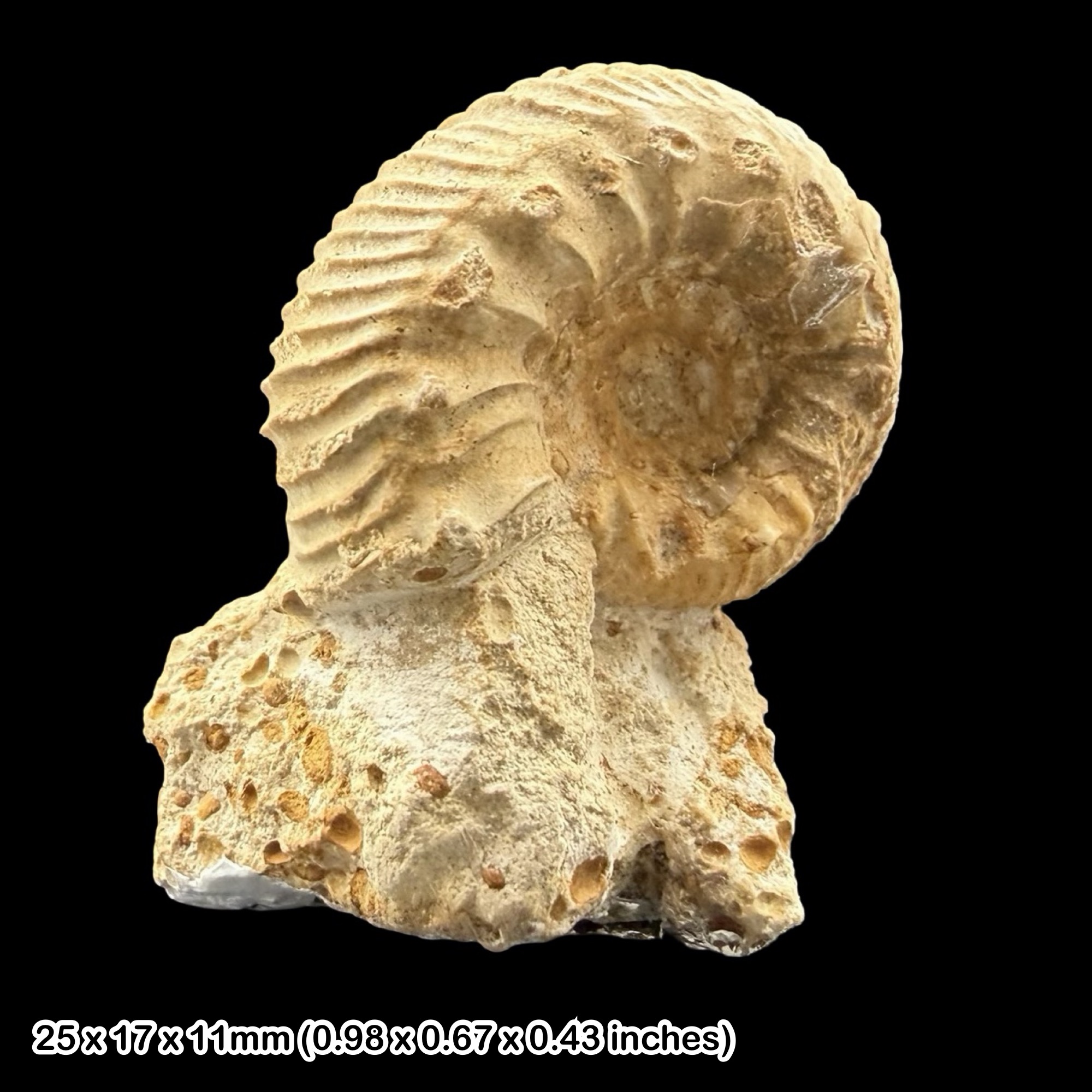
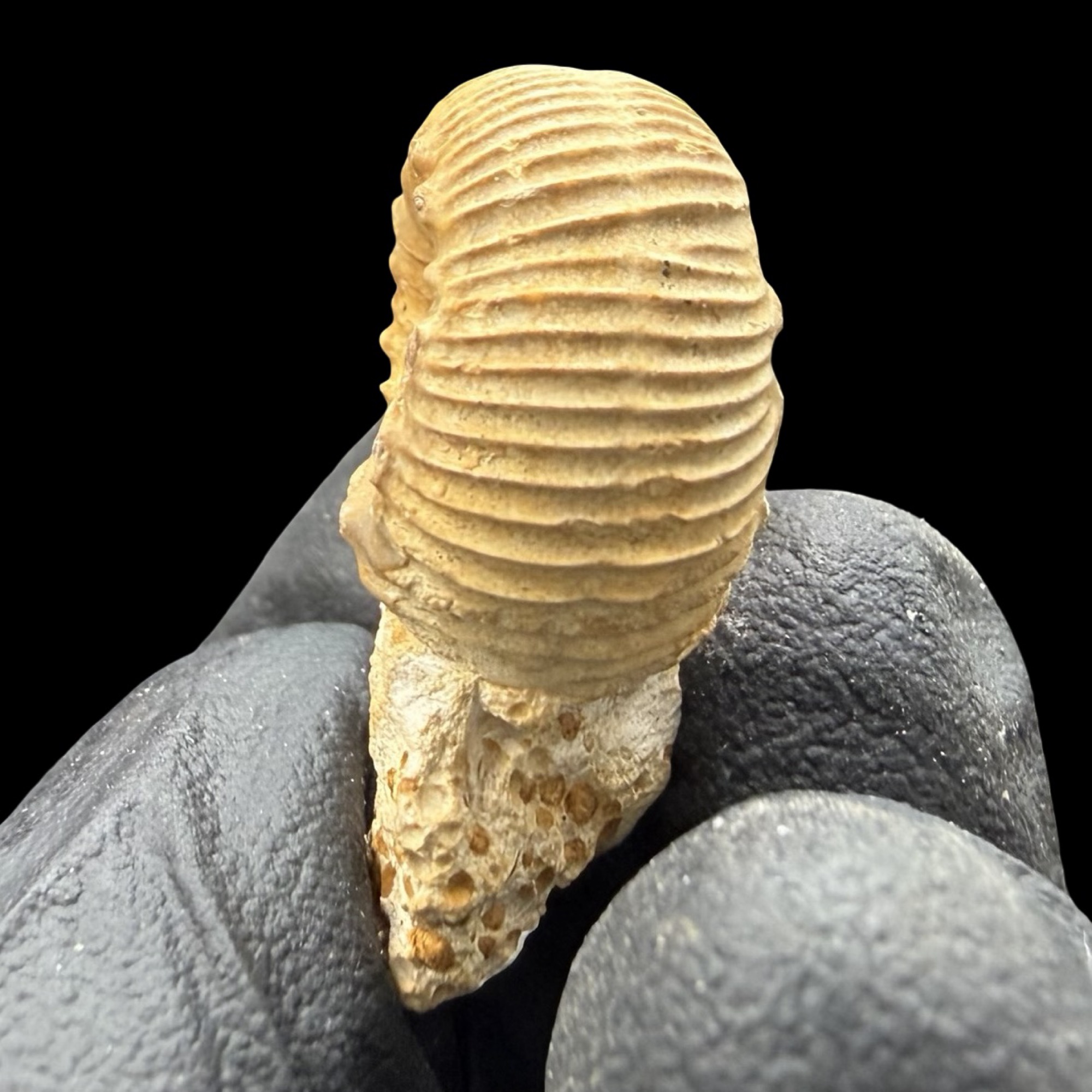
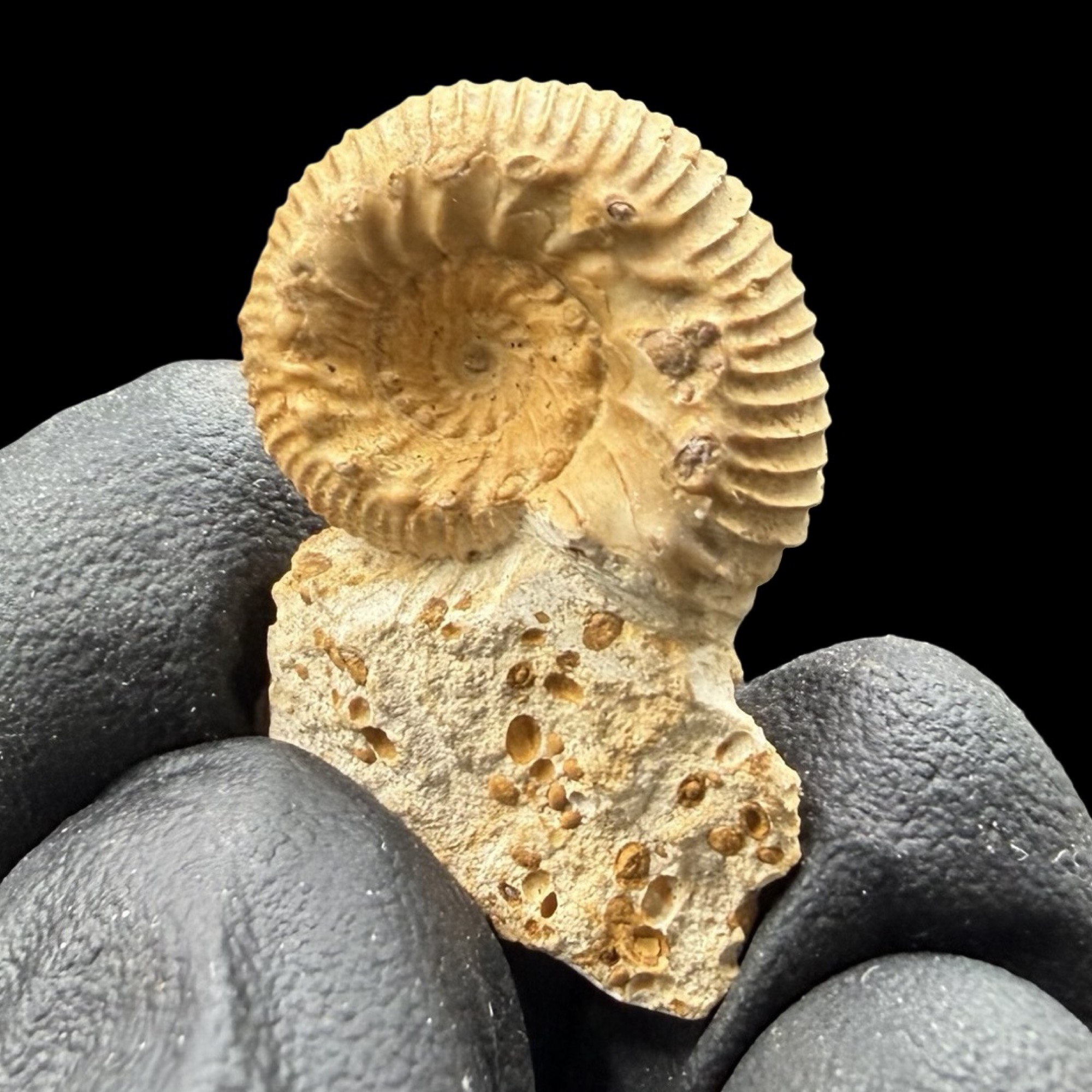
Cadomites psilacanthus Ammonite Fossil Upper Bajocian France Genuine COA Évrecy Normandy Jurassic Specimen
£ 18.00
GENUINE CADOMITES PSILACANTHUS AMMONITE FOSSILThis is a genuine Cadomites psilacanthus ammonite fossil from the Middle
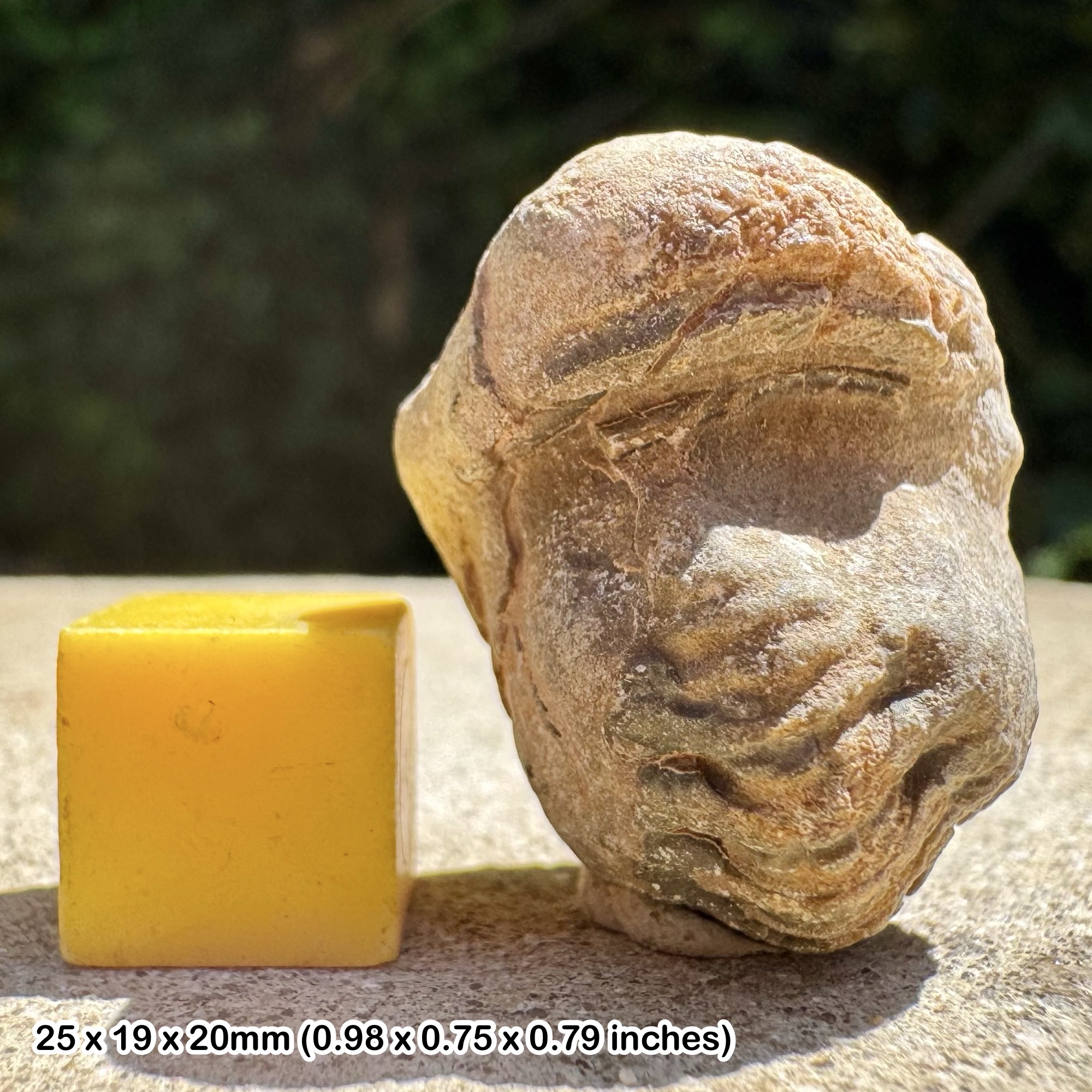
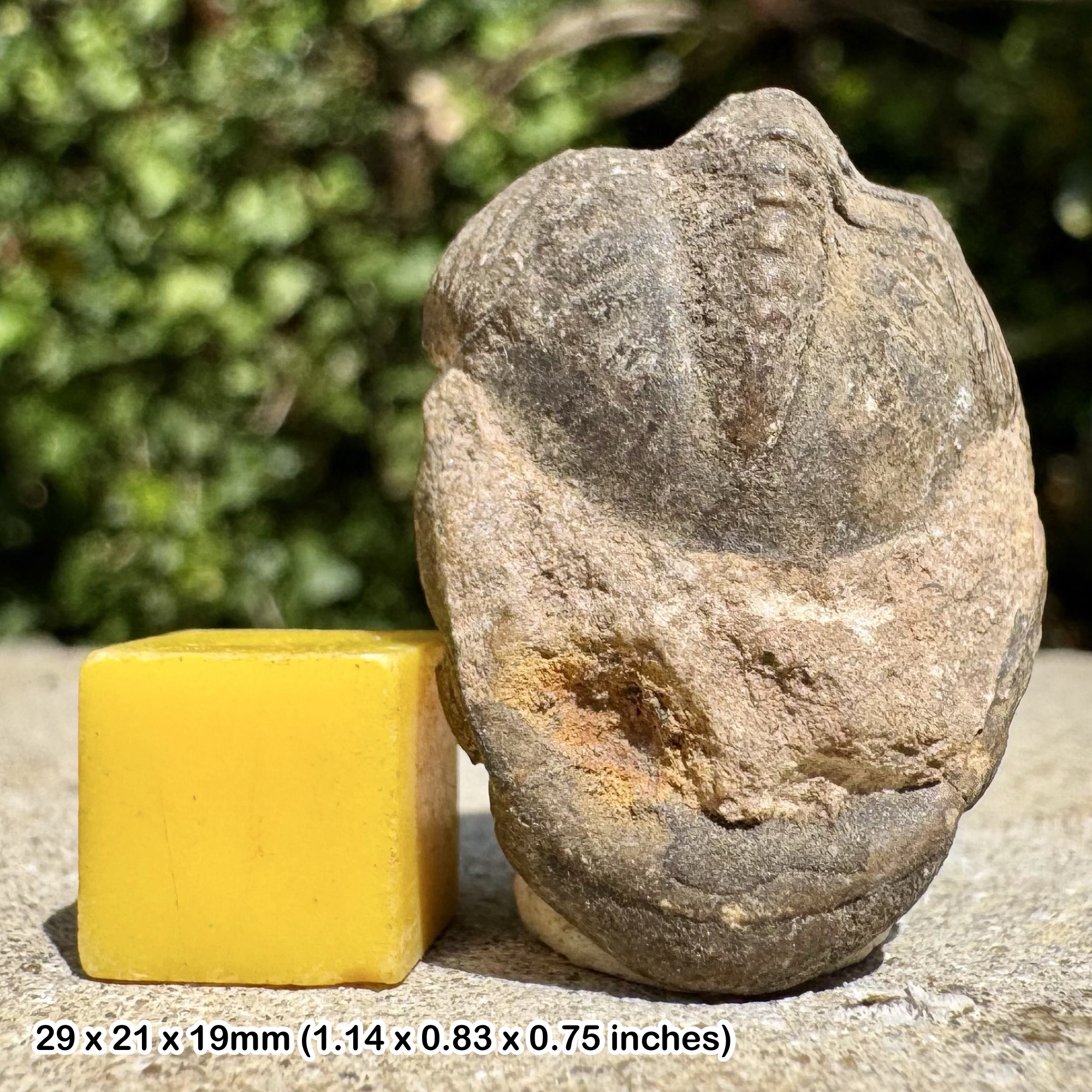
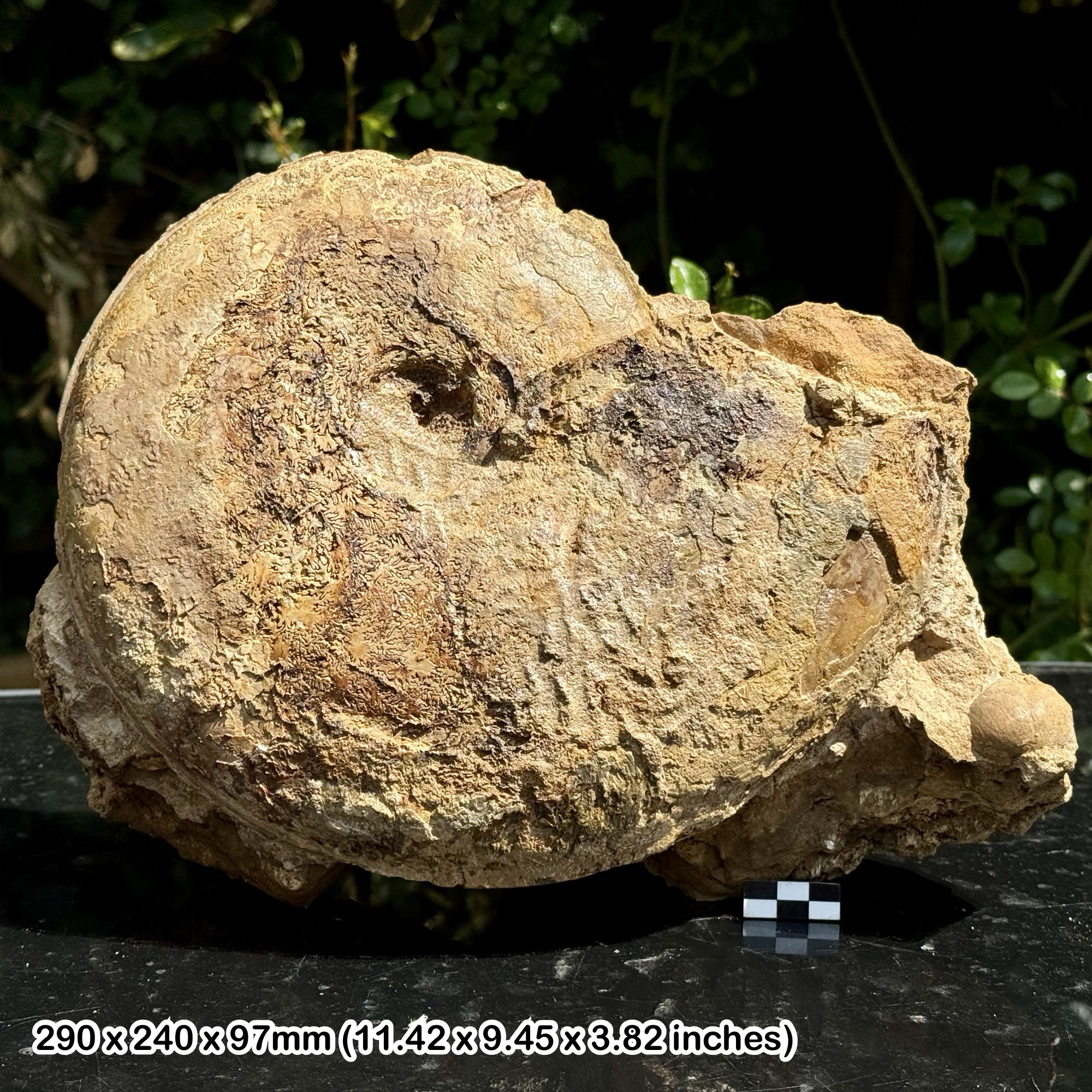
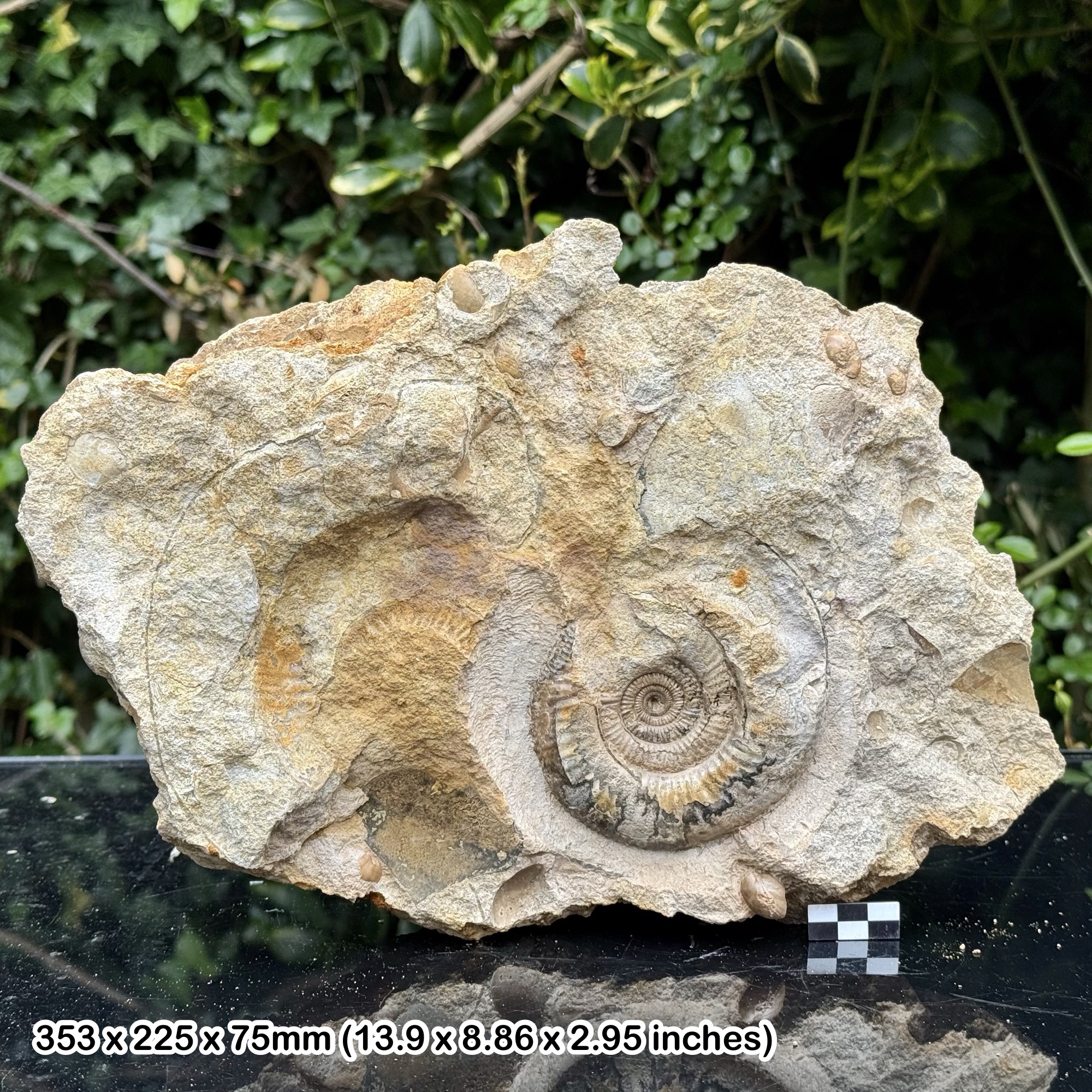
Jurassic, Upper Bajocian, collected from Évrecy, Calvados, Normandy, France. This carefully chosen fossil specimen is an excellent piece for collectors of French ammonites, Jurassic fossils, extinct marine cephalopods, natural history specimens, and scientifically labelled palaeontological display fossils.The photograph shows the actual fossil you will receive, allowing you to view the individual preservation, shell form, surface detail, colour, matrix, and natural character of this specific specimen before purchase. Full sizing details can be seen in the photo. This fossil includes a Certificate of Authenticity lifetime guarantee generic card, confirming it as a genuine specimen. FOSSIL TYPE, SPECIES AND SCIENTIFIC CLASSIFICATIONCadomites psilacanthus is an ammonite, an extinct marine cephalopod belonging to the order Ammonitida. Ammonites were related to modern squid, cuttlefish, octopus, and nautilus, and are among the most recognisable fossils of the Jurassic Period. Their coiled shells, chambered internal structure, varied ornamentation, and rapid evolutionary development make them highly valued by collectors and important in palaeontology.This specimen belongs to the genus Cadomites and the species Cadomites psilacanthus. Cadomites is commonly associated with the family Stephanoceratidae, a notable Middle Jurassic ammonite family often recognised for rounded whorls, compact coiling, strong ribbing, and a sculptural three-dimensional appearance. Stephanoceratid ammonites are especially important in Bajocian biostratigraphy because their shell features help geologists compare and date marine sedimentary rocks. GEOLOGICAL AGE AND UPPER BAJOCIAN CONTEXTThis fossil dates from the Upper Bajocian, the later part of the Bajocian Stage within the Middle Jurassic. The Bajocian occurred approximately 170 to 168 million years ago and was a time of widespread shallow marine environments across western Europe. Ammonites were abundant and diverse during this interval, making them important fossils for understanding Jurassic sea life and the relative age of fossil-bearing strata.During the Upper Bajocian, ammonites such as Cadomites psilacanthus lived as active swimming marine animals. Their chambered shells helped regulate buoyancy in the water column, while the living animal occupied the outer body chamber. After death, the shell could settle onto the sea floor, become buried by sediment, and eventually fossilise through mineralisation, compaction, and natural geological alteration. ÉVRECY, CALVADOS, NORMANDY LOCALITYThis specimen comes from Évrecy in Calvados, Normandy, France, a region well known for Jurassic sedimentary rocks and fossil-bearing marine deposits. Normandy has long been valued by fossil collectors for its classic European ammonites, belemnites, bivalves, brachiopods, echinoids, gastropods, and other marine fossils.During the Middle Jurassic, the Normandy region formed part of a shallow marine environment connected to wider European seas. Warm, carbonate-rich waters and sea-floor sediments helped create conditions in which ammonite shells could be buried and preserved. Over millions of years, these sediments became fossiliferous rock layers, recording the marine life that once inhabited the area. AMMONITE MORPHOLOGY AND NATURAL FEATURESCadomites psilacanthus displays the classic planispiral ammonite shell form, with the shell coiled in a flat spiral. Ammonites of this group are often appreciated for their rounded whorls, visible umbilicus, compact outline, and ribbed ornamentation. Depending on preservation, this fossil may show rib detail, whorl shape, coiling pattern, shell ornament, mineral staining, matrix attachment, surface wear, or fossilisation texture.The whorls represent successive growth stages of the ammonite as the shell expanded during life. The outer shell shape, ribbing style, whorl proportions, and umbilical structure are important features used in ammonite comparison and identification. Natural details such as small fractures, weathered surfaces, sedimentary contact marks, worn areas, colour variation, mineral deposits, and matrix are part of the fossil’s geological history and add individuality to the specimen. COLLECTING, DISPLAY AND EDUCATIONAL INTERESTThis Cadomites psilacanthus ammonite fossil is well suited for display in a fossil cabinet, study, classroom, office, collection drawer, natural history arrangement, or Jurassic fossil collection. Its named species identification, Middle Jurassic Upper Bajocian age, French origin, and classic ammonite form give it strong collecting appeal.It is suitable for collectors interested in French fossils, Jurassic ammonites, extinct cephalopods, marine invertebrates, palaeontology, geology, educational fossil specimens, and natural history display pieces. The natural coiled shell form gives the fossil immediate visual impact, while the species name and Évrecy locality provide valuable scientific context for anyone interested in prehistoric marine environments. AUTHENTICITY AND SPECIMEN DETAILSThis is a genuine Cadomites psilacanthus ammonite fossil from the Middle Jurassic, Upper Bajocian, Évrecy, Calvados, Normandy, France. It includes a Certificate of Authenticity lifetime guarantee generic card. The photo shows the actual fossil you will receive, and full sizing information can be seen in the photo.
Jurassic, Upper Bajocian, collected from Évrecy, Calvados, Normandy, France. This carefully chosen fossil specimen is an excellent piece for collectors of French ammonites, Jurassic fossils, extinct marine cephalopods, natural history specimens, and scientifically labelled palaeontological display fossils.The photograph shows the actual fossil you will receive, allowing you to view the individual preservation, shell form, surface detail, colour, matrix, and natural character of this specific specimen before purchase. Full sizing details can be seen in the photo. This fossil includes a Certificate of Authenticity lifetime guarantee generic card, confirming it as a genuine specimen. FOSSIL TYPE, SPECIES AND SCIENTIFIC CLASSIFICATIONCadomites psilacanthus is an ammonite, an extinct marine cephalopod belonging to the order Ammonitida. Ammonites were related to modern squid, cuttlefish, octopus, and nautilus, and are among the most recognisable fossils of the Jurassic Period. Their coiled shells, chambered internal structure, varied ornamentation, and rapid evolutionary development make them highly valued by collectors and important in palaeontology.This specimen belongs to the genus Cadomites and the species Cadomites psilacanthus. Cadomites is commonly associated with the family Stephanoceratidae, a notable Middle Jurassic ammonite family often recognised for rounded whorls, compact coiling, strong ribbing, and a sculptural three-dimensional appearance. Stephanoceratid ammonites are especially important in Bajocian biostratigraphy because their shell features help geologists compare and date marine sedimentary rocks. GEOLOGICAL AGE AND UPPER BAJOCIAN CONTEXTThis fossil dates from the Upper Bajocian, the later part of the Bajocian Stage within the Middle Jurassic. The Bajocian occurred approximately 170 to 168 million years ago and was a time of widespread shallow marine environments across western Europe. Ammonites were abundant and diverse during this interval, making them important fossils for understanding Jurassic sea life and the relative age of fossil-bearing strata.During the Upper Bajocian, ammonites such as Cadomites psilacanthus lived as active swimming marine animals. Their chambered shells helped regulate buoyancy in the water column, while the living animal occupied the outer body chamber. After death, the shell could settle onto the sea floor, become buried by sediment, and eventually fossilise through mineralisation, compaction, and natural geological alteration. ÉVRECY, CALVADOS, NORMANDY LOCALITYThis specimen comes from Évrecy in Calvados, Normandy, France, a region well known for Jurassic sedimentary rocks and fossil-bearing marine deposits. Normandy has long been valued by fossil collectors for its classic European ammonites, belemnites, bivalves, brachiopods, echinoids, gastropods, and other marine fossils.During the Middle Jurassic, the Normandy region formed part of a shallow marine environment connected to wider European seas. Warm, carbonate-rich waters and sea-floor sediments helped create conditions in which ammonite shells could be buried and preserved. Over millions of years, these sediments became fossiliferous rock layers, recording the marine life that once inhabited the area. AMMONITE MORPHOLOGY AND NATURAL FEATURESCadomites psilacanthus displays the classic planispiral ammonite shell form, with the shell coiled in a flat spiral. Ammonites of this group are often appreciated for their rounded whorls, visible umbilicus, compact outline, and ribbed ornamentation. Depending on preservation, this fossil may show rib detail, whorl shape, coiling pattern, shell ornament, mineral staining, matrix attachment, surface wear, or fossilisation texture.The whorls represent successive growth stages of the ammonite as the shell expanded during life. The outer shell shape, ribbing style, whorl proportions, and umbilical structure are important features used in ammonite comparison and identification. Natural details such as small fractures, weathered surfaces, sedimentary contact marks, worn areas, colour variation, mineral deposits, and matrix are part of the fossil’s geological history and add individuality to the specimen. COLLECTING, DISPLAY AND EDUCATIONAL INTERESTThis Cadomites psilacanthus ammonite fossil is well suited for display in a fossil cabinet, study, classroom, office, collection drawer, natural history arrangement, or Jurassic fossil collection. Its named species identification, Middle Jurassic Upper Bajocian age, French origin, and classic ammonite form give it strong collecting appeal.It is suitable for collectors interested in French fossils, Jurassic ammonites, extinct cephalopods, marine invertebrates, palaeontology, geology, educational fossil specimens, and natural history display pieces. The natural coiled shell form gives the fossil immediate visual impact, while the species name and Évrecy locality provide valuable scientific context for anyone interested in prehistoric marine environments. AUTHENTICITY AND SPECIMEN DETAILSThis is a genuine Cadomites psilacanthus ammonite fossil from the Middle Jurassic, Upper Bajocian, Évrecy, Calvados, Normandy, France. It includes a Certificate of Authenticity lifetime guarantee generic card. The photo shows the actual fossil you will receive, and full sizing information can be seen in the photo.
Other Products