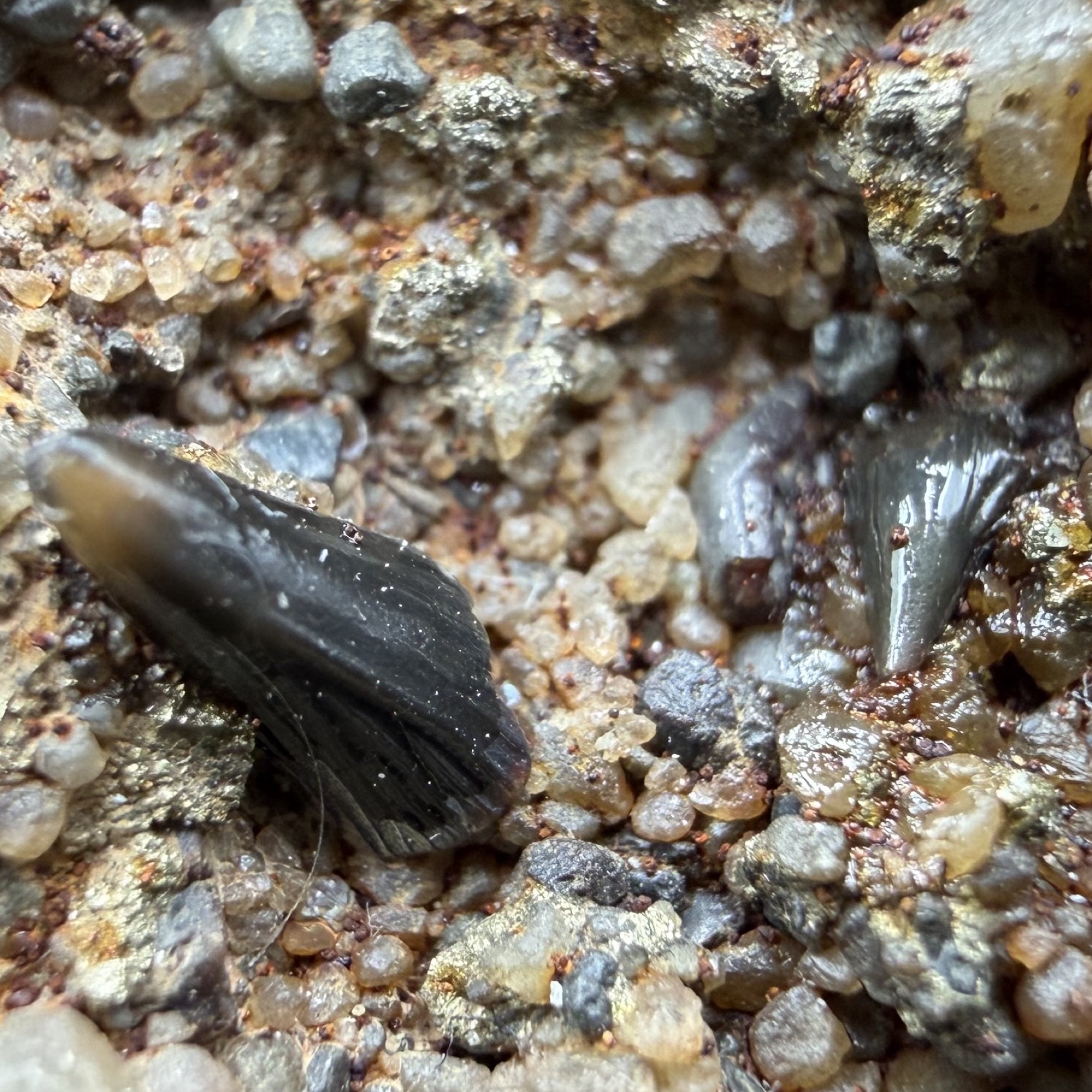
Severnichthys Fish Tooth Fossil Aust Cliff Triassic UK Bone Bed Specimen with Fish Scale Penarth Group Bristol Certificate
£ 14.40
GENUINE SEVERNICHTHYS FISH TOOTH AND FISH SCALE FOSSIL BLOCKThis genuine fossil block contains a Severnichthys fish tooth together with a
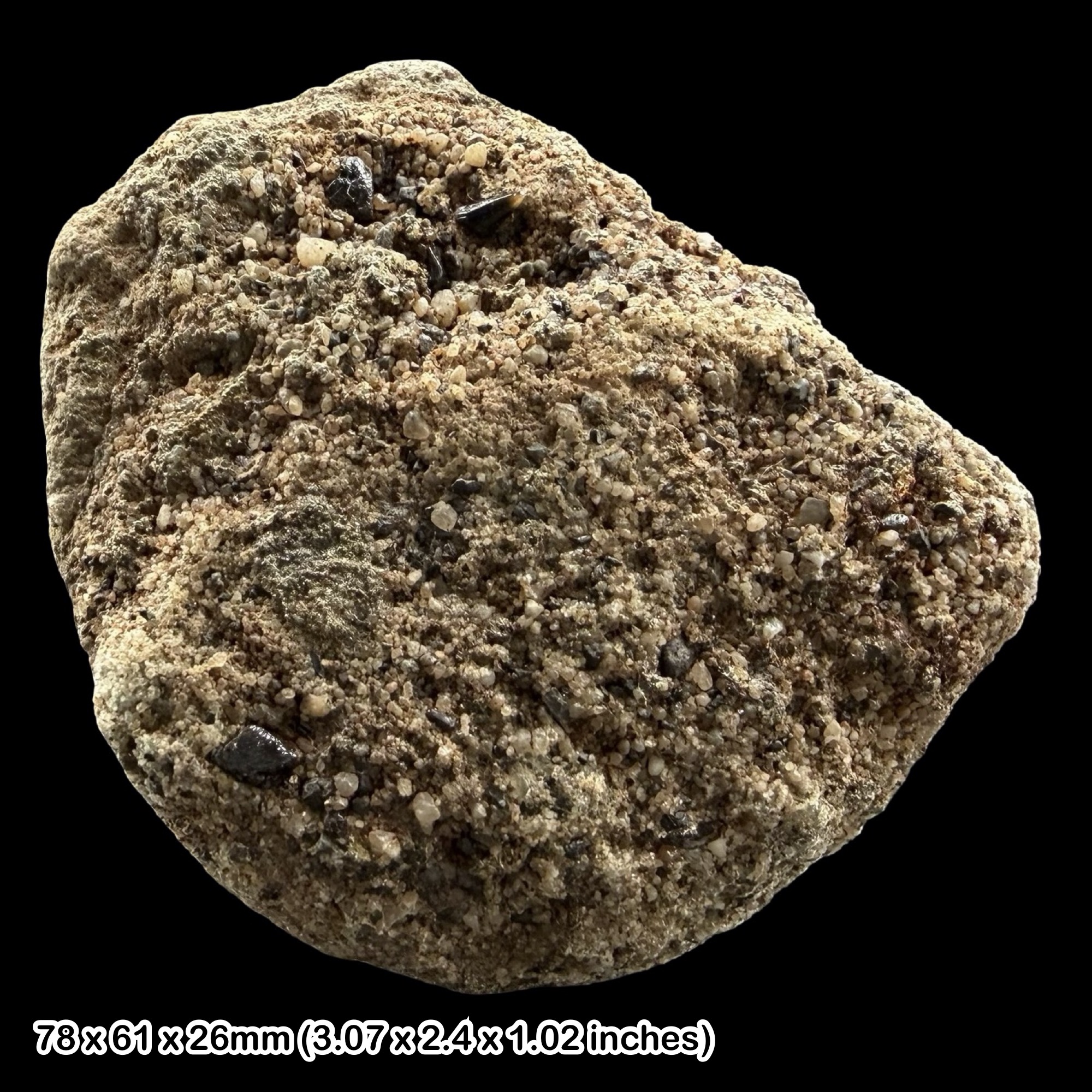
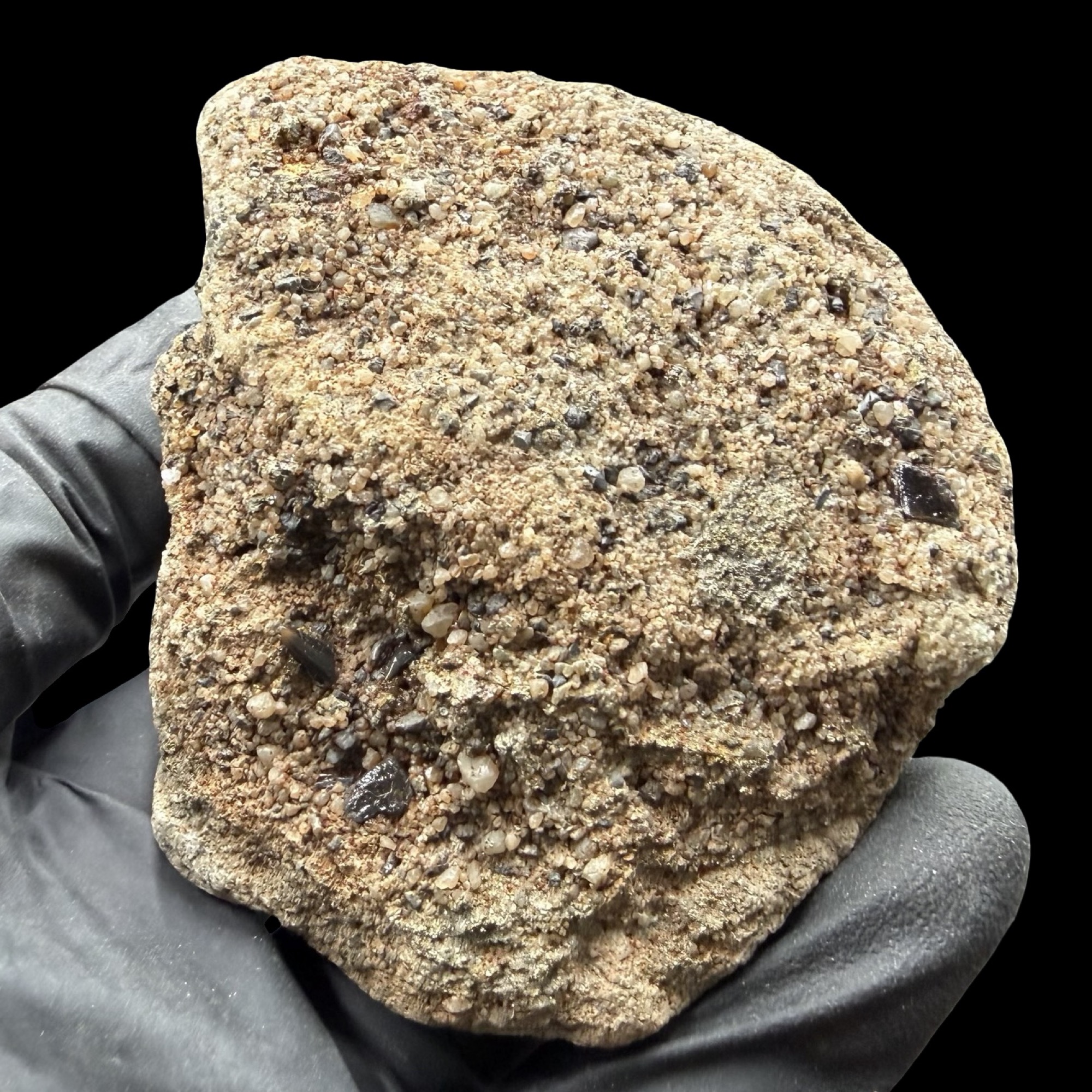
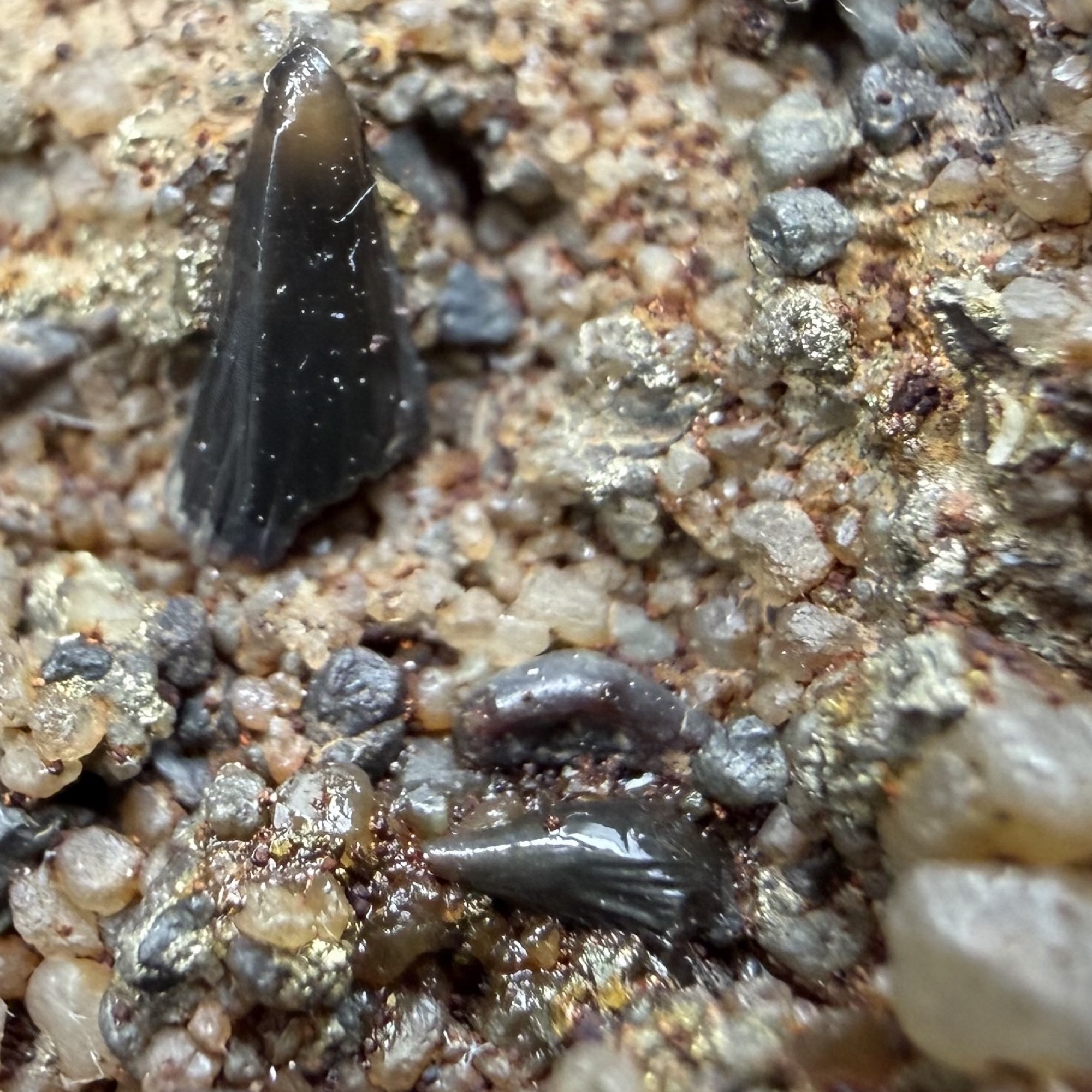
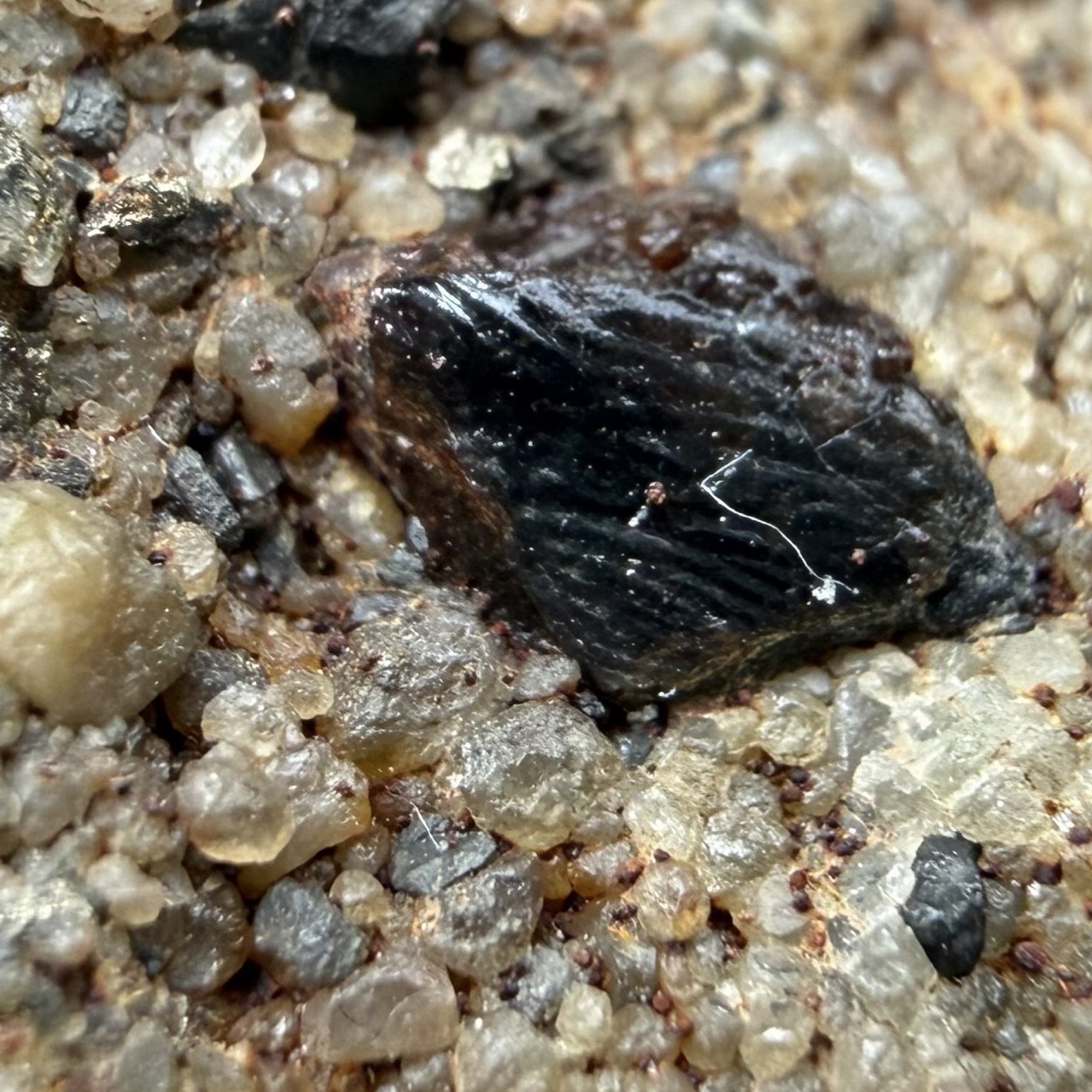
fish scale, preserved in matrix from the famous fish, reptile and coprolite bed at Aust Cliff, Bristol. The specimen comes from the Westbury Formation of the Penarth Group, Upper Triassic, making it an excellent British fossil from one of the most important Late Triassic vertebrate localities in the UK.This carefully chosen fossil has strong display, collecting, and educational appeal. The photograph shows the actual specimen you will receive, allowing you to view the real tooth, scale, matrix, surface detail, colour, and preservation before purchase. Full sizing can be seen in the photo, making it easy to assess the scale of the block for a fossil cabinet, collector’s tray, desk display, teaching collection, or natural history gift. SPECIES AND SCIENTIFIC INTERESTSevernichthys is an extinct fossil fish known from Late Triassic deposits in the Bristol Channel region and associated Rhaetian bone bed material. It represents part of the diverse vertebrate fauna that lived in and around the shallow marine environments of Britain near the end of the Triassic Period.The fossil tooth in this block is especially interesting because fish teeth are among the most recognisable and durable remains found in bone bed deposits. Teeth were naturally resistant compared with many lighter skeletal elements, so they are frequently preserved where currents concentrated harder biological material. The accompanying fish scale adds extra scientific and display interest, showing more than one type of vertebrate fossil material within the same natural block. AUST CLIFF, WESTBURY FORMATION AND PENARTH GROUP GEOLOGYAust Cliff, near Bristol, is a classic British fossil locality famous for its Upper Triassic bone beds. The Westbury Formation, part of the Penarth Group, includes dark shales, mudstones, limestones, and fossil-rich horizons that preserve the remains of fish, reptiles, coprolites, and shell material from ancient marine and coastal environments.The fish, reptile and coprolite bed is particularly well known because it contains a concentrated mixture of fossil remains. These deposits formed in a shallow marine to marginal marine setting, where bones, teeth, scales, coprolites, and other hard parts were transported, sorted, and buried within sediment. Over millions of years, the sediment hardened into rock, preserving these remains as part of a natural fossil bone bed. UPPER TRIASSIC AGE AND ANCIENT ENVIRONMENTThis specimen dates from the Upper Triassic, close to the Triassic-Jurassic boundary. During this time, the area now forming Aust Cliff and the Bristol region was not the modern landscape seen today, but part of an ancient coastal and marine system. Fish, marine reptiles, invertebrates, and other organisms lived in these waters, while their remains could be buried and preserved in sediment after death.The Penarth Group is valued by fossil collectors and palaeontologists because it records an important interval in Earth history, shortly before the major end-Triassic extinction event. Fossils from these beds provide a glimpse into the vertebrate communities that existed before Jurassic marine ecosystems became more widespread. FOSSIL TOOTH, SCALE AND NATURAL PRESERVATIONThis fossil block contains a Severnichthys fish tooth and fish scale preserved within natural matrix. The tooth represents feeding anatomy from an ancient fish, while the scale provides evidence of the body covering that protected these animals in life. Together, they make the specimen more varied and interesting than a single isolated fossil.Bone bed blocks may display mineralised fossil surfaces, small fossil fragments, dark matrix, sediment texture, natural breaks, colour contrasts, and compacted fossil material. These features are part of the specimen’s authentic geological character and help show how the fossil was preserved within its original deposit. DISCOVERED AND PREPARED BY OUR TEAMThis fossil was discovered by our own team members, Alister and Alison, and has been cleaned, prepped, and treated by Alison. This gives the specimen a direct and traceable connection from discovery through preparation, adding provenance and confidence for collectors.This Severnichthys fish tooth and fish scale fossil block is a genuine specimen and includes a Certificate of Authenticity lifetime guarantee generic card. The certificate provides added assurance for collectors, schools, gift buyers, and anyone building a verified fossil or natural history collection. COLLECTING, DISPLAY AND EDUCATIONAL APPEALA Severnichthys fish tooth fossil block from Aust Cliff is an excellent addition to a British fossil collection, especially for collectors interested in Triassic fish, Rhaetian bone beds, vertebrate fossils, coprolite beds, or the geology of southwest England. It pairs well with fossil reptile bone, fish scales, fish teeth, coprolites, marine reptile remains, and other Penarth Group specimens.With its Aust Cliff locality, Upper Triassic age, Westbury Formation origin, fish tooth and scale association, and genuine team-discovered provenance, this fossil offers strong scientific, educational, and display value.
fish scale, preserved in matrix from the famous fish, reptile and coprolite bed at Aust Cliff, Bristol. The specimen comes from the Westbury Formation of the Penarth Group, Upper Triassic, making it an excellent British fossil from one of the most important Late Triassic vertebrate localities in the UK.This carefully chosen fossil has strong display, collecting, and educational appeal. The photograph shows the actual specimen you will receive, allowing you to view the real tooth, scale, matrix, surface detail, colour, and preservation before purchase. Full sizing can be seen in the photo, making it easy to assess the scale of the block for a fossil cabinet, collector’s tray, desk display, teaching collection, or natural history gift. SPECIES AND SCIENTIFIC INTERESTSevernichthys is an extinct fossil fish known from Late Triassic deposits in the Bristol Channel region and associated Rhaetian bone bed material. It represents part of the diverse vertebrate fauna that lived in and around the shallow marine environments of Britain near the end of the Triassic Period.The fossil tooth in this block is especially interesting because fish teeth are among the most recognisable and durable remains found in bone bed deposits. Teeth were naturally resistant compared with many lighter skeletal elements, so they are frequently preserved where currents concentrated harder biological material. The accompanying fish scale adds extra scientific and display interest, showing more than one type of vertebrate fossil material within the same natural block. AUST CLIFF, WESTBURY FORMATION AND PENARTH GROUP GEOLOGYAust Cliff, near Bristol, is a classic British fossil locality famous for its Upper Triassic bone beds. The Westbury Formation, part of the Penarth Group, includes dark shales, mudstones, limestones, and fossil-rich horizons that preserve the remains of fish, reptiles, coprolites, and shell material from ancient marine and coastal environments.The fish, reptile and coprolite bed is particularly well known because it contains a concentrated mixture of fossil remains. These deposits formed in a shallow marine to marginal marine setting, where bones, teeth, scales, coprolites, and other hard parts were transported, sorted, and buried within sediment. Over millions of years, the sediment hardened into rock, preserving these remains as part of a natural fossil bone bed. UPPER TRIASSIC AGE AND ANCIENT ENVIRONMENTThis specimen dates from the Upper Triassic, close to the Triassic-Jurassic boundary. During this time, the area now forming Aust Cliff and the Bristol region was not the modern landscape seen today, but part of an ancient coastal and marine system. Fish, marine reptiles, invertebrates, and other organisms lived in these waters, while their remains could be buried and preserved in sediment after death.The Penarth Group is valued by fossil collectors and palaeontologists because it records an important interval in Earth history, shortly before the major end-Triassic extinction event. Fossils from these beds provide a glimpse into the vertebrate communities that existed before Jurassic marine ecosystems became more widespread. FOSSIL TOOTH, SCALE AND NATURAL PRESERVATIONThis fossil block contains a Severnichthys fish tooth and fish scale preserved within natural matrix. The tooth represents feeding anatomy from an ancient fish, while the scale provides evidence of the body covering that protected these animals in life. Together, they make the specimen more varied and interesting than a single isolated fossil.Bone bed blocks may display mineralised fossil surfaces, small fossil fragments, dark matrix, sediment texture, natural breaks, colour contrasts, and compacted fossil material. These features are part of the specimen’s authentic geological character and help show how the fossil was preserved within its original deposit. DISCOVERED AND PREPARED BY OUR TEAMThis fossil was discovered by our own team members, Alister and Alison, and has been cleaned, prepped, and treated by Alison. This gives the specimen a direct and traceable connection from discovery through preparation, adding provenance and confidence for collectors.This Severnichthys fish tooth and fish scale fossil block is a genuine specimen and includes a Certificate of Authenticity lifetime guarantee generic card. The certificate provides added assurance for collectors, schools, gift buyers, and anyone building a verified fossil or natural history collection. COLLECTING, DISPLAY AND EDUCATIONAL APPEALA Severnichthys fish tooth fossil block from Aust Cliff is an excellent addition to a British fossil collection, especially for collectors interested in Triassic fish, Rhaetian bone beds, vertebrate fossils, coprolite beds, or the geology of southwest England. It pairs well with fossil reptile bone, fish scales, fish teeth, coprolites, marine reptile remains, and other Penarth Group specimens.With its Aust Cliff locality, Upper Triassic age, Westbury Formation origin, fish tooth and scale association, and genuine team-discovered provenance, this fossil offers strong scientific, educational, and display value.
Other Products