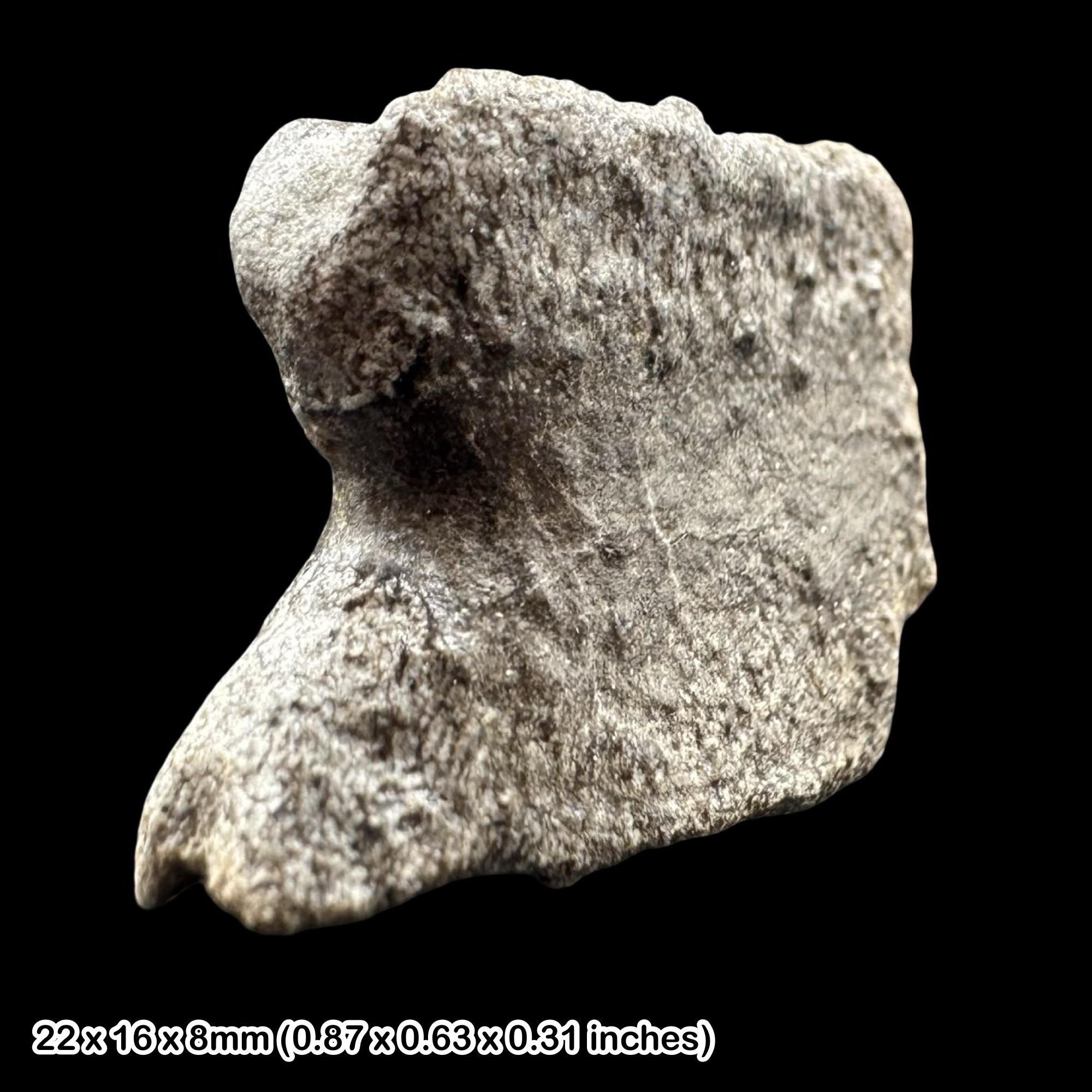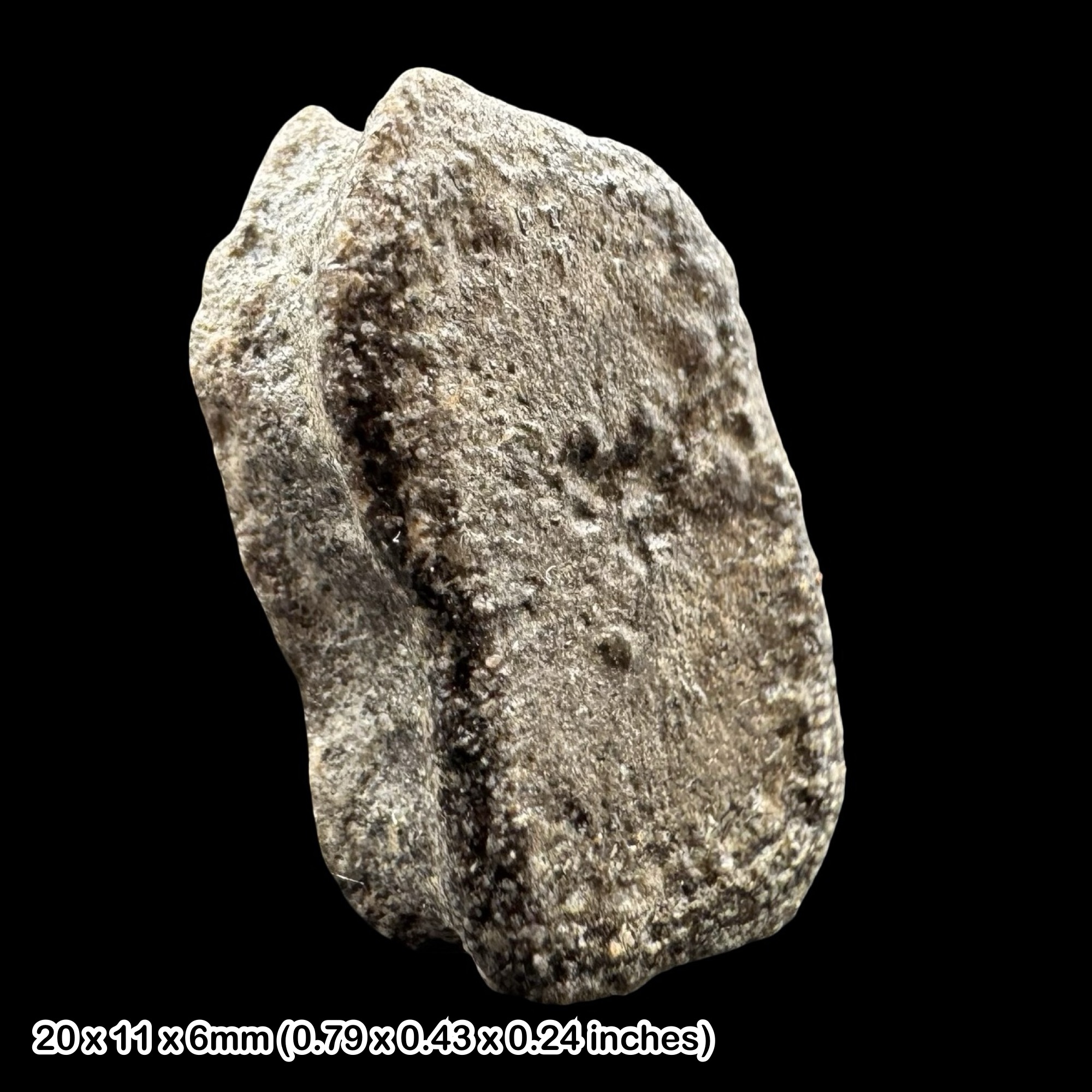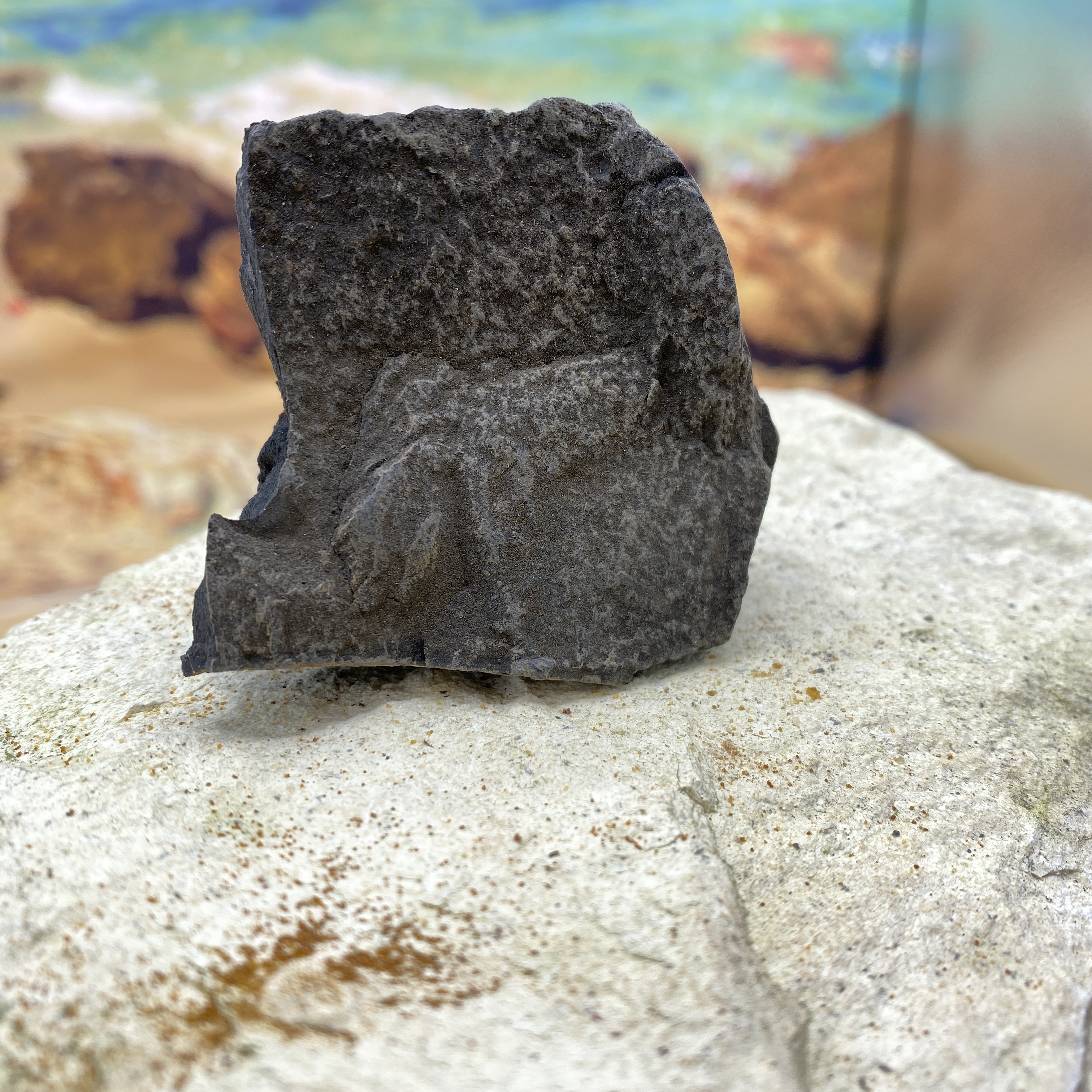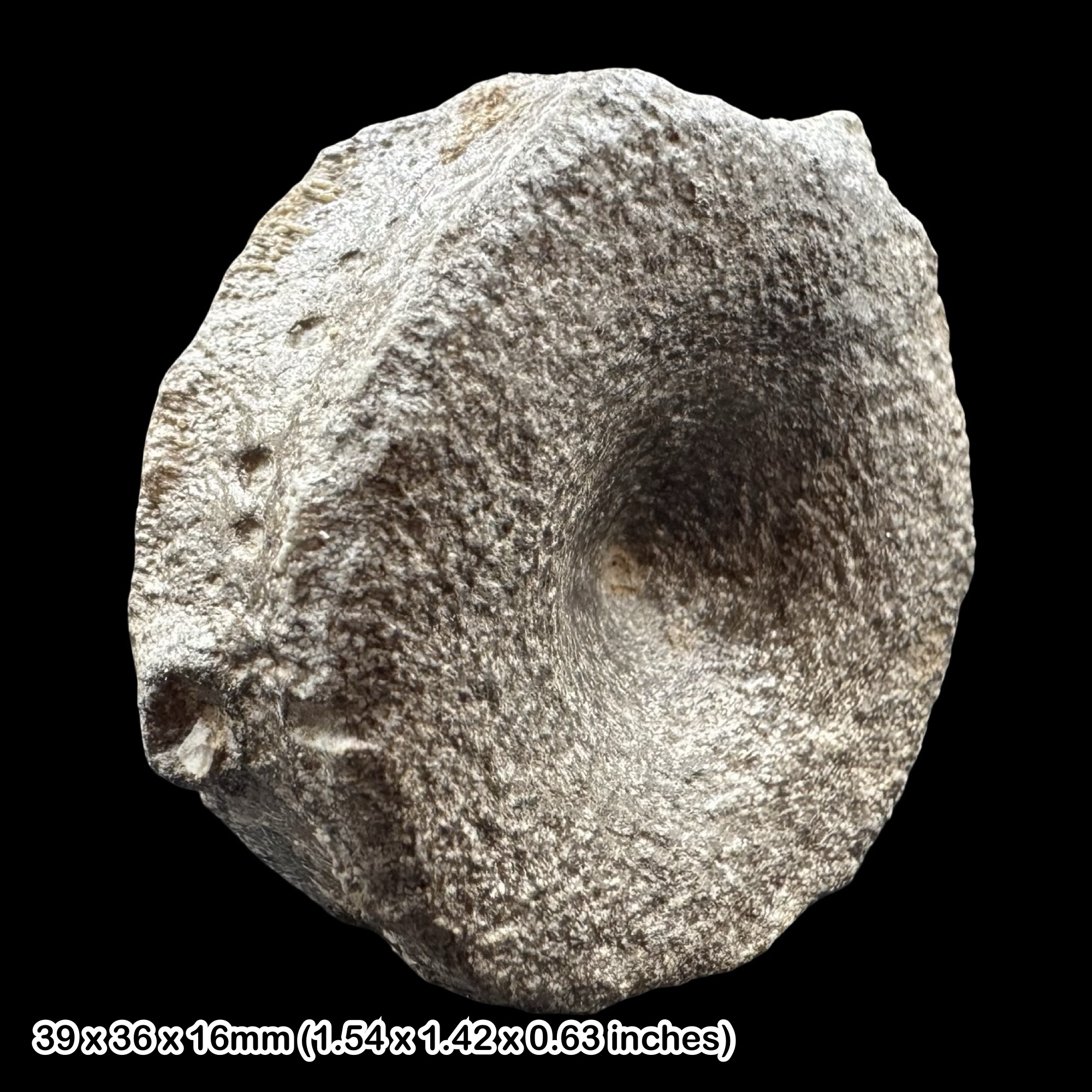
Becheiceras gallicum Ammonite Fossil Lower Jurassic Gloucestershire UK Genuine Display Specimen COA Pliensbachian Collectable British Fossil
£ 60.00
GENUINE BECHEICERAS GALLICUM AMMONITE FOSSILThis listing is for a genuine Becheiceras gallicum ammonite fossil from the
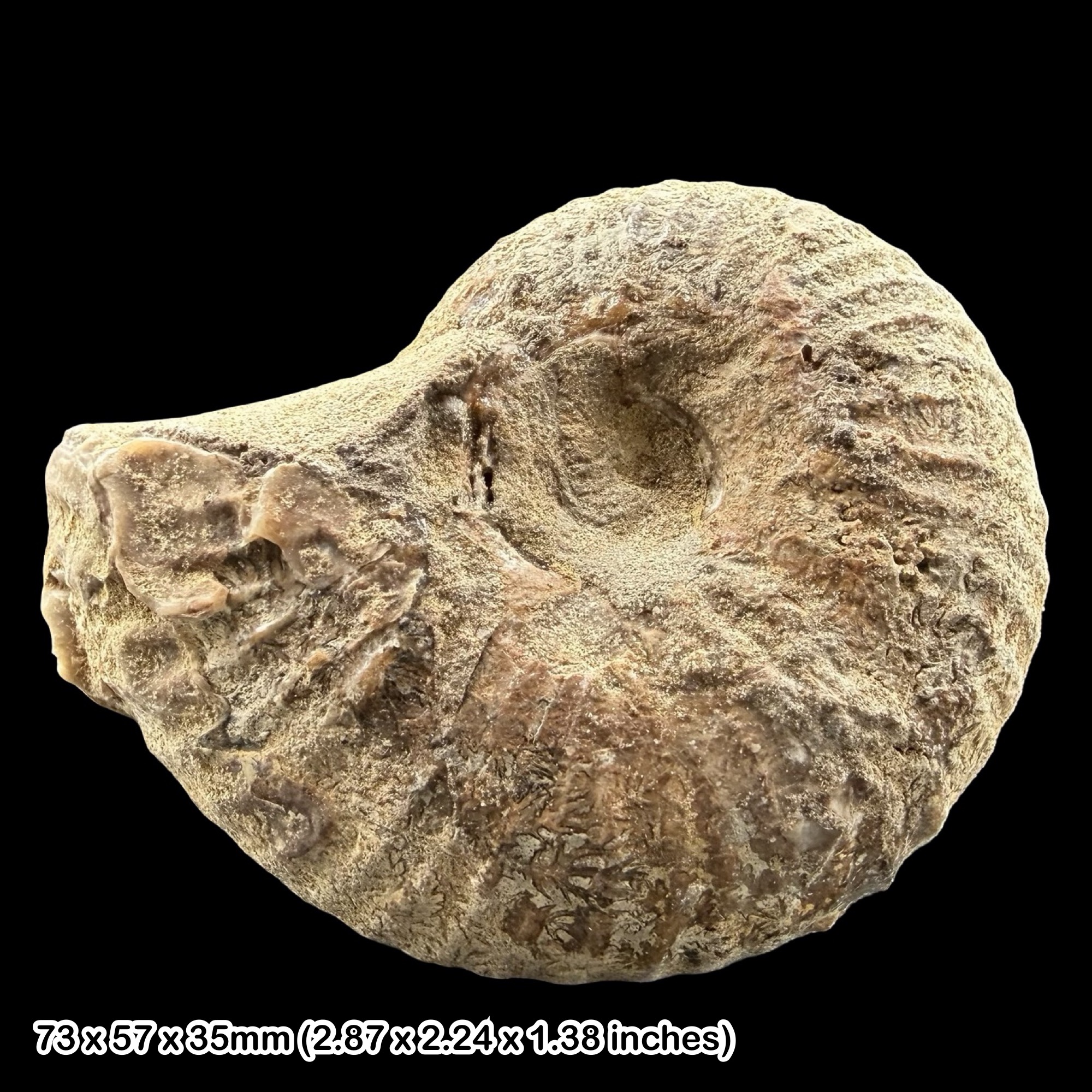
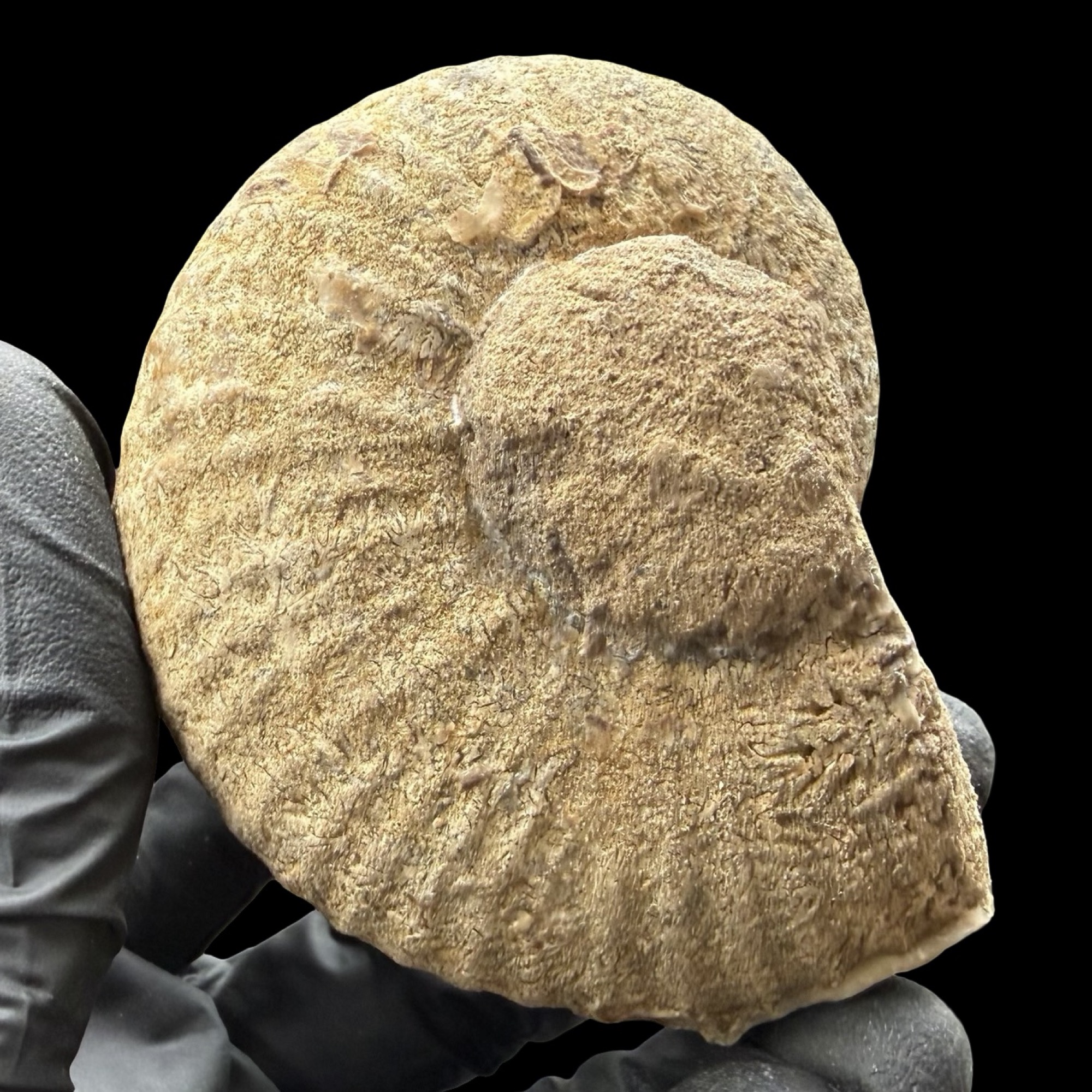
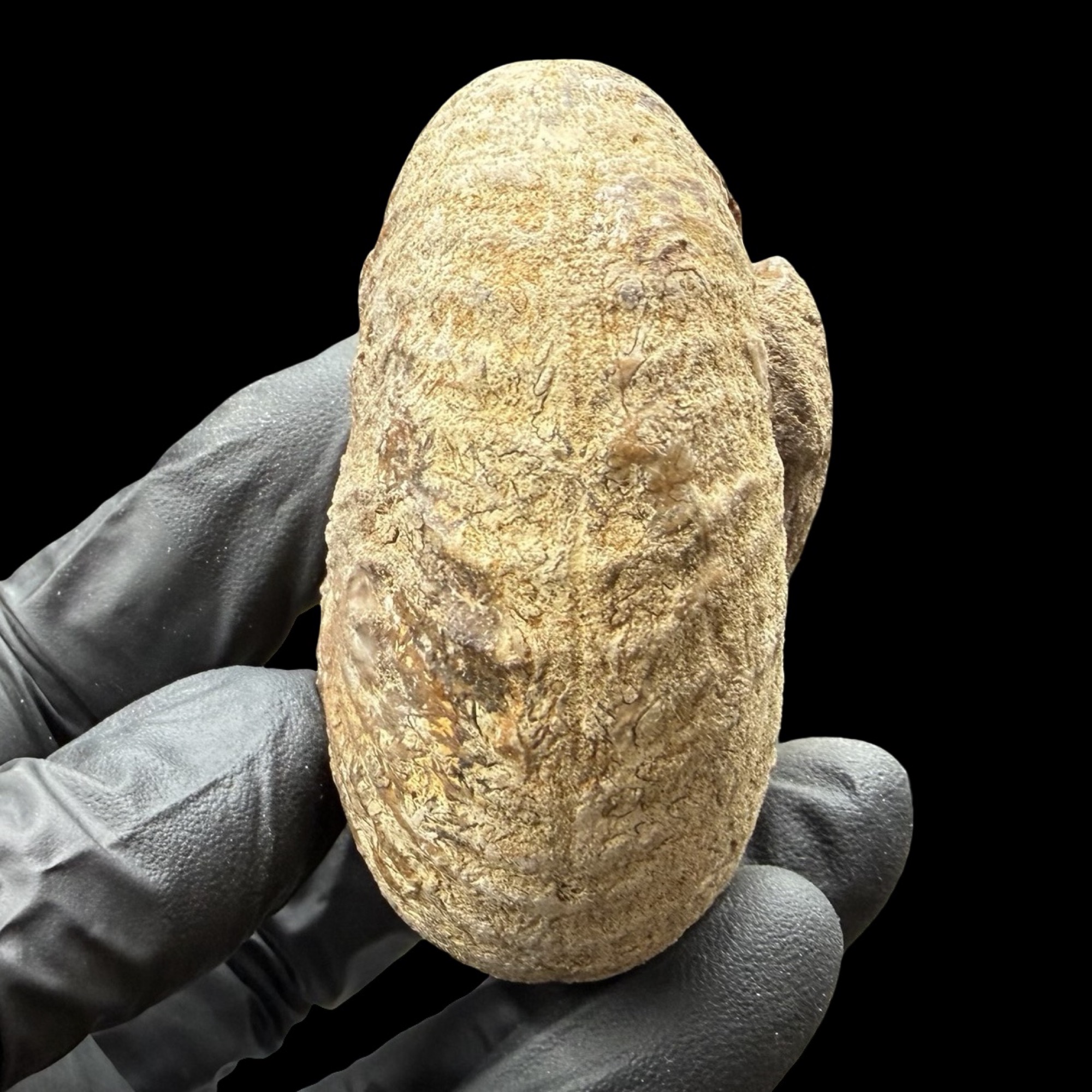
Lower Jurassic, Lower Pliensbachian, collected from Gloucestershire, UK. This is a carefully chosen natural fossil specimen, selected for its scientific interest, classic British Jurassic provenance, and appeal as a collectable ammonite display piece. The photograph shows the actual specimen you will receive, allowing you to view the fossil’s preservation, natural shape, colour, matrix, surface detail, and overall appearance before purchase. For full sizing, please see the photo.This fossil is supplied with a Certificate of Authenticity lifetime guarantee generic card, confirming that it is a genuine specimen. FOSSIL TYPE AND SPECIESBecheiceras gallicum is an ammonite, an extinct marine cephalopod related to modern squid, octopus, and cuttlefish. Ammonites lived in coiled, chambered shells and were among the most successful marine animals of the Mesozoic Era. The shell was divided internally into chambers, while the living animal occupied the final body chamber. These chambers helped control buoyancy, allowing the ammonite to move through the ancient Jurassic seas.Ammonites are highly valued by collectors and palaeontologists because many species evolved rapidly and were widely distributed in marine environments. This makes them important fossils for dating and comparing Jurassic rock layers. A well-labelled Becheiceras gallicum from the Lower Pliensbachian is therefore both an attractive natural history display specimen and a fossil with genuine geological significance. LOWER JURASSIC GEOLOGICAL AGEThis ammonite dates from the Lower Jurassic Period, specifically the Lower Pliensbachian Stage, making it approximately 190 million years old. During the Early Jurassic, much of what is now Britain was covered by warm, shallow marine seas. These environments supported a rich range of marine life, including ammonites, belemnites, bivalves, brachiopods, fish, and marine reptiles.The sediments that preserved ammonites such as Becheiceras gallicum were deposited on ancient sea floors. After death, ammonite shells could settle into soft muds and calcareous sediment, where burial helped protect them from complete destruction. Over millions of years, pressure, mineral-rich groundwater, compaction, and natural chemical processes transformed these shells into the fossils collected from Jurassic rocks today. GLOUCESTERSHIRE JURASSIC FOSSIL LOCALITYThis specimen comes from Gloucestershire, UK, an area with an important Lower Jurassic fossil record. The county is well known for Jurassic marine deposits that preserve ammonites and other fossil remains from the ancient seas that once covered the region. British ammonites from Gloucestershire are popular with collectors because they combine attractive fossil preservation with a classic UK geological setting.A fossil from Gloucestershire offers a direct connection to Britain’s Early Jurassic marine history. It is especially suitable for collectors of UK fossils, Lower Jurassic ammonites, Pliensbachian specimens, educational geology collections, and natural history displays. SHELL FORM AND NATURAL FEATURESBecheiceras ammonites display the classic planispiral coiled shell form typical of Jurassic ammonites. The shell grew by adding new material around a central coil, with each whorl recording part of the animal’s life history. Features such as the whorl shape, shell compression, ribbing, and overall coiling are important in ammonite identification and give each specimen its distinctive natural appearance.As a genuine fossil, this specimen may show natural features such as mineral staining, matrix attachment, ancient surface wear, slight compression, small chips, weathered areas, or partial preservation. These characteristics are normal for authentic fossil material and form part of the specimen’s geological history. The photo shows the exact fossil being offered, so all visible details can be viewed before purchase. COLLECTABLE BRITISH JURASSIC DISPLAY SPECIMENThis Becheiceras gallicum ammonite fossil is ideal for fossil collectors, geology students, educational collections, school teaching resources, natural history displays, or anyone interested in genuine Jurassic marine fossils. Its combination of Lower Jurassic age, Lower Pliensbachian geological setting, British locality, and scientifically labelled ammonite identification makes it a strong addition to any fossil cabinet or display collection.The fossil comes exactly as shown in the photo and includes a Certificate of Authenticity lifetime guarantee generic card, making it a reliable choice for collectors seeking a genuine Becheiceras ammonite, Gloucestershire fossil, British Jurassic specimen, or authentic natural history display piece.
Lower Jurassic, Lower Pliensbachian, collected from Gloucestershire, UK. This is a carefully chosen natural fossil specimen, selected for its scientific interest, classic British Jurassic provenance, and appeal as a collectable ammonite display piece. The photograph shows the actual specimen you will receive, allowing you to view the fossil’s preservation, natural shape, colour, matrix, surface detail, and overall appearance before purchase. For full sizing, please see the photo.This fossil is supplied with a Certificate of Authenticity lifetime guarantee generic card, confirming that it is a genuine specimen. FOSSIL TYPE AND SPECIESBecheiceras gallicum is an ammonite, an extinct marine cephalopod related to modern squid, octopus, and cuttlefish. Ammonites lived in coiled, chambered shells and were among the most successful marine animals of the Mesozoic Era. The shell was divided internally into chambers, while the living animal occupied the final body chamber. These chambers helped control buoyancy, allowing the ammonite to move through the ancient Jurassic seas.Ammonites are highly valued by collectors and palaeontologists because many species evolved rapidly and were widely distributed in marine environments. This makes them important fossils for dating and comparing Jurassic rock layers. A well-labelled Becheiceras gallicum from the Lower Pliensbachian is therefore both an attractive natural history display specimen and a fossil with genuine geological significance. LOWER JURASSIC GEOLOGICAL AGEThis ammonite dates from the Lower Jurassic Period, specifically the Lower Pliensbachian Stage, making it approximately 190 million years old. During the Early Jurassic, much of what is now Britain was covered by warm, shallow marine seas. These environments supported a rich range of marine life, including ammonites, belemnites, bivalves, brachiopods, fish, and marine reptiles.The sediments that preserved ammonites such as Becheiceras gallicum were deposited on ancient sea floors. After death, ammonite shells could settle into soft muds and calcareous sediment, where burial helped protect them from complete destruction. Over millions of years, pressure, mineral-rich groundwater, compaction, and natural chemical processes transformed these shells into the fossils collected from Jurassic rocks today. GLOUCESTERSHIRE JURASSIC FOSSIL LOCALITYThis specimen comes from Gloucestershire, UK, an area with an important Lower Jurassic fossil record. The county is well known for Jurassic marine deposits that preserve ammonites and other fossil remains from the ancient seas that once covered the region. British ammonites from Gloucestershire are popular with collectors because they combine attractive fossil preservation with a classic UK geological setting.A fossil from Gloucestershire offers a direct connection to Britain’s Early Jurassic marine history. It is especially suitable for collectors of UK fossils, Lower Jurassic ammonites, Pliensbachian specimens, educational geology collections, and natural history displays. SHELL FORM AND NATURAL FEATURESBecheiceras ammonites display the classic planispiral coiled shell form typical of Jurassic ammonites. The shell grew by adding new material around a central coil, with each whorl recording part of the animal’s life history. Features such as the whorl shape, shell compression, ribbing, and overall coiling are important in ammonite identification and give each specimen its distinctive natural appearance.As a genuine fossil, this specimen may show natural features such as mineral staining, matrix attachment, ancient surface wear, slight compression, small chips, weathered areas, or partial preservation. These characteristics are normal for authentic fossil material and form part of the specimen’s geological history. The photo shows the exact fossil being offered, so all visible details can be viewed before purchase. COLLECTABLE BRITISH JURASSIC DISPLAY SPECIMENThis Becheiceras gallicum ammonite fossil is ideal for fossil collectors, geology students, educational collections, school teaching resources, natural history displays, or anyone interested in genuine Jurassic marine fossils. Its combination of Lower Jurassic age, Lower Pliensbachian geological setting, British locality, and scientifically labelled ammonite identification makes it a strong addition to any fossil cabinet or display collection.The fossil comes exactly as shown in the photo and includes a Certificate of Authenticity lifetime guarantee generic card, making it a reliable choice for collectors seeking a genuine Becheiceras ammonite, Gloucestershire fossil, British Jurassic specimen, or authentic natural history display piece.
Other Products