Calymene blumenbachii Trilobite Fossil Dudley Silurian UK Specimen – Wren’s Nest Much Wenlock Limestone Homerian Trilobite Impression
£ 36.00
CALYMENE BLUMENBACHII TRILOBITE FOSSIL FROM WREN’S NEST, DUDLEYThis genuine Calymene blumenbachii trilobite fossil impression originates from
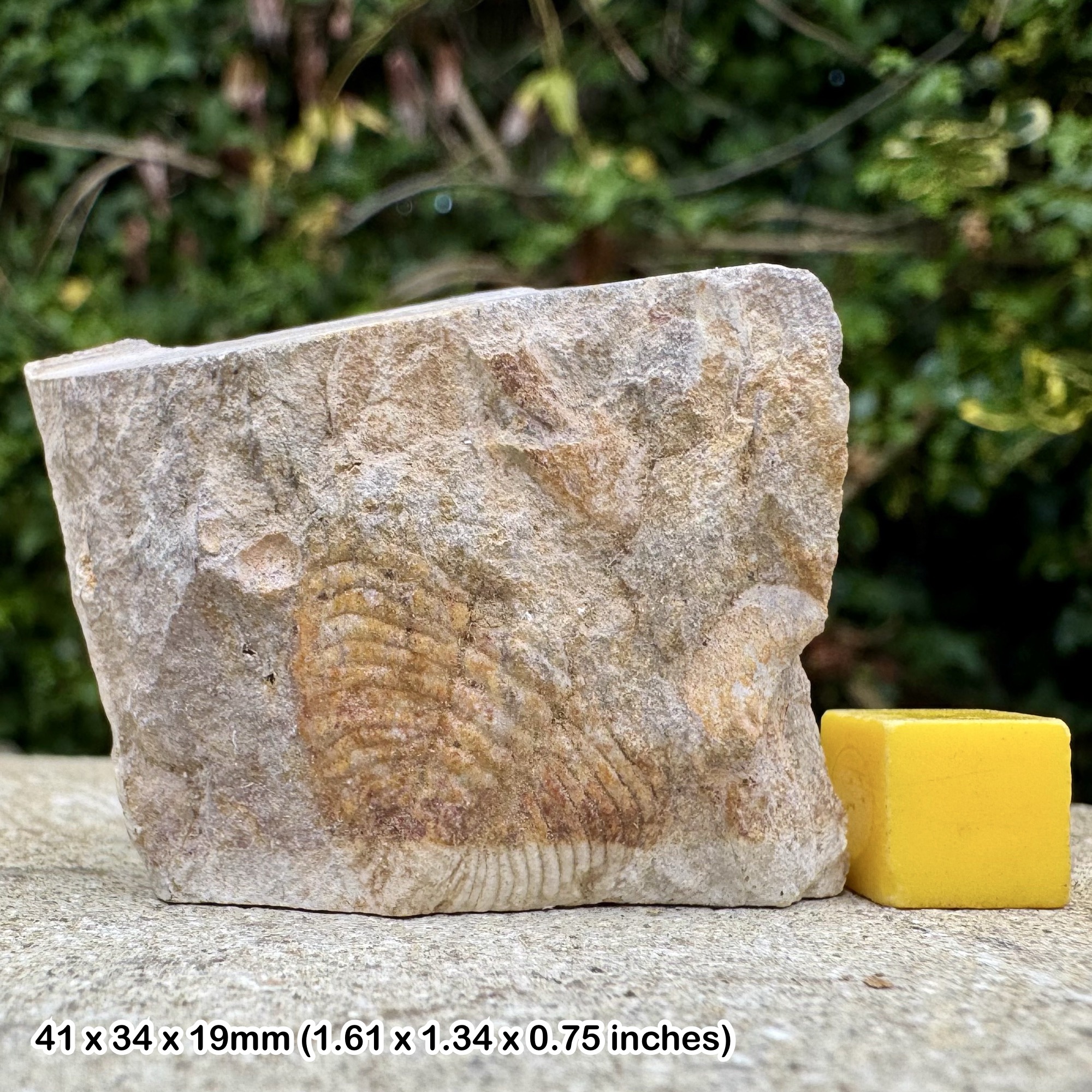
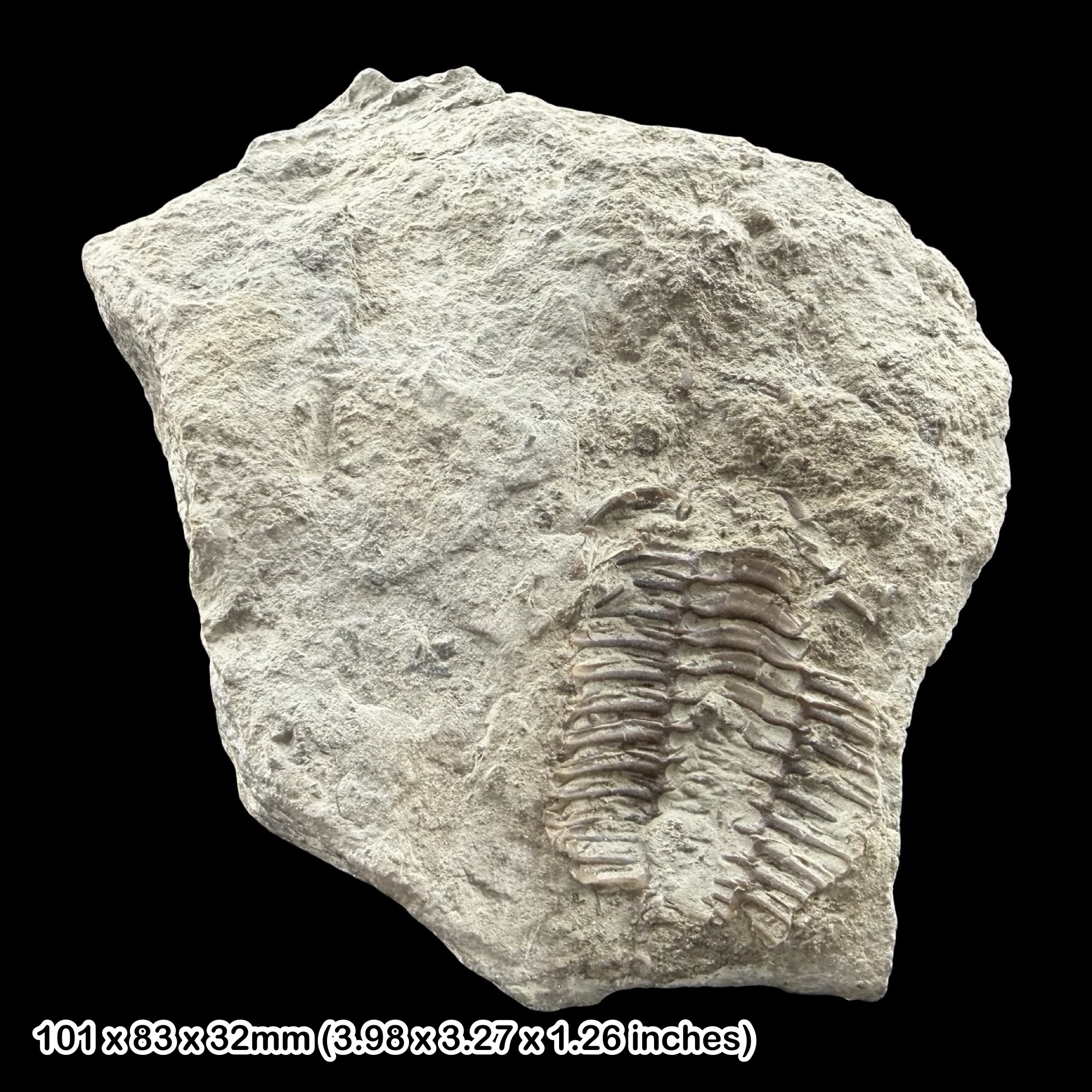
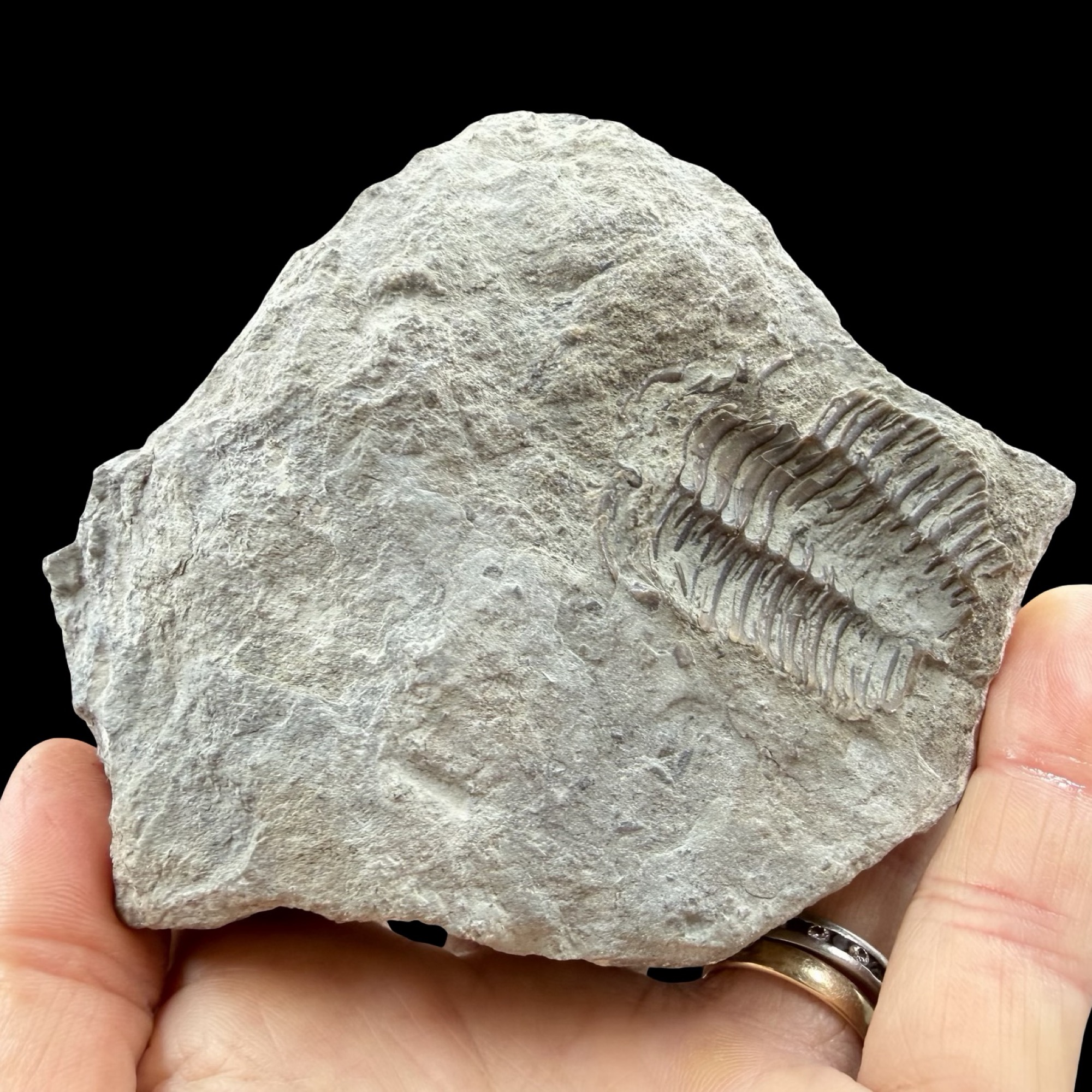
the famous Much Wenlock Limestone Formation at Wren’s Nest, Dudley, West Midlands, United Kingdom, dating to the Silurian Period during the Homerian Stage, approximately 430 million years ago. Trilobites from this classic locality are among the most historically important fossils in British paleontology and have been collected and studied for over two centuries.Calymene blumenbachii is one of the most iconic trilobite species ever discovered and is commonly referred to as the “Dudley Bug.” This species became emblematic of the Dudley limestone quarries and is strongly associated with the rich fossil heritage of the West Midlands. Specimens from Wren’s Nest are highly prized by collectors due to their scientific significance and connection to one of the most important Silurian fossil sites in Europe.This fossil is preserved as a natural impression within the limestone matrix, capturing the distinctive body structure of this famous trilobite species. GEOLOGICAL SETTING OF THE MUCH WENLOCK LIMESTONE FORMATIONThe fossil originates from the Much Wenlock Limestone Formation, part of the Wenlock Series of the Silurian System. These rocks were deposited in warm tropical seas that covered much of what is now central England during the Silurian Period.At that time, the region lay close to the equator and formed part of a shallow marine carbonate platform where reefs and marine communities flourished. The limestone deposits consist primarily of bioclastic carbonate sediments, formed from the accumulation of shells, skeletal fragments, and other marine debris.The exposures at Wren’s Nest Hill in Dudley are internationally recognised for their exceptional fossil content and are now protected as a National Nature Reserve due to their geological importance. CLASSIFICATION AND SCIENTIFIC HISTORYCalymene blumenbachii belongs to the phylum Arthropoda, class Trilobita, and the order Phacopida. Trilobites were marine arthropods that thrived in oceans for more than 250 million years before becoming extinct at the end of the Permian Period.Within trilobite classification, Calymene blumenbachii is placed in the family Calymenidae, a group of trilobites characterised by well-defined body segmentation and the ability to enroll their bodies for protection.The species was formally described by the German paleontologist Johann Friedrich Blumenbach, after whom the species name blumenbachii is derived. TRILOBITE ANATOMY AND MORPHOLOGICAL FEATURESTrilobites possessed a distinctive three-lobed body structure that gives the group its name. The body was divided into three main sections:
• Cephalon (head) containing compound eyes and sensory structures
• Thorax composed of articulated segments allowing flexibility
• Pygidium (tail section) formed from fused segmentsIn Calymene blumenbachii, the thorax typically consists of 13 articulated segments, allowing the animal to curl into a protective ball when threatened. This defensive behaviour is known as enrollment and is commonly preserved in trilobite fossils.Typical identifying features of this species include:
• Prominent segmented thorax
• Distinct glabella on the head shield
• Oval body outline
• Fine surface detail preserved in limestone impressionsImpression fossils capture the shape and surface structure of the trilobite as it was pressed into the sediment before burial. SILURIAN MARINE ENVIRONMENTDuring the Homerian Stage of the Silurian, the seas covering central England were warm, shallow, and teeming with life. Coral reefs, crinoids, brachiopods, trilobites, and other marine organisms formed diverse reef ecosystems.Trilobites such as Calymene lived on the seabed, where they likely scavenged organic material or preyed on small organisms. Their articulated bodies allowed them to crawl along the sea floor, while their compound eyes provided wide visual coverage in the marine environment.The carbonate sediments that formed the Much Wenlock Limestone eventually lithified into the rock layers now exposed at Wren’s Nest, preserving a remarkable fossil record of Silurian marine life. AUTHENTIC FOSSIL SPECIMENThis fossil is a genuine Calymene blumenbachii trilobite impression from the Much Wenlock Limestone Formation at Wren’s Nest, Dudley, UK. The specimen has been carefully selected for quality and display appeal.The photograph shows the actual fossil specimen you will receive, allowing collectors to clearly view the preserved trilobite impression within the limestone matrix.Full sizing please see photo. CERTIFICATE OF AUTHENTICITYThis fossil includes a Certificate of Authenticity lifetime guarantee generic card, confirming that the specimen is a genuine natural fossil.Calymene blumenbachii fossils from Dudley are among the most historically significant trilobites in the world. Known as the “Dudley Bug,” this species represents a classic fossil from the Silurian seas of Britain and remains a highly desirable addition to any fossil collection, geological display, or educational exhibit.
the famous Much Wenlock Limestone Formation at Wren’s Nest, Dudley, West Midlands, United Kingdom, dating to the Silurian Period during the Homerian Stage, approximately 430 million years ago. Trilobites from this classic locality are among the most historically important fossils in British paleontology and have been collected and studied for over two centuries.Calymene blumenbachii is one of the most iconic trilobite species ever discovered and is commonly referred to as the “Dudley Bug.” This species became emblematic of the Dudley limestone quarries and is strongly associated with the rich fossil heritage of the West Midlands. Specimens from Wren’s Nest are highly prized by collectors due to their scientific significance and connection to one of the most important Silurian fossil sites in Europe.This fossil is preserved as a natural impression within the limestone matrix, capturing the distinctive body structure of this famous trilobite species. GEOLOGICAL SETTING OF THE MUCH WENLOCK LIMESTONE FORMATIONThe fossil originates from the Much Wenlock Limestone Formation, part of the Wenlock Series of the Silurian System. These rocks were deposited in warm tropical seas that covered much of what is now central England during the Silurian Period.At that time, the region lay close to the equator and formed part of a shallow marine carbonate platform where reefs and marine communities flourished. The limestone deposits consist primarily of bioclastic carbonate sediments, formed from the accumulation of shells, skeletal fragments, and other marine debris.The exposures at Wren’s Nest Hill in Dudley are internationally recognised for their exceptional fossil content and are now protected as a National Nature Reserve due to their geological importance. CLASSIFICATION AND SCIENTIFIC HISTORYCalymene blumenbachii belongs to the phylum Arthropoda, class Trilobita, and the order Phacopida. Trilobites were marine arthropods that thrived in oceans for more than 250 million years before becoming extinct at the end of the Permian Period.Within trilobite classification, Calymene blumenbachii is placed in the family Calymenidae, a group of trilobites characterised by well-defined body segmentation and the ability to enroll their bodies for protection.The species was formally described by the German paleontologist Johann Friedrich Blumenbach, after whom the species name blumenbachii is derived. TRILOBITE ANATOMY AND MORPHOLOGICAL FEATURESTrilobites possessed a distinctive three-lobed body structure that gives the group its name. The body was divided into three main sections:
• Cephalon (head) containing compound eyes and sensory structures
• Thorax composed of articulated segments allowing flexibility
• Pygidium (tail section) formed from fused segmentsIn Calymene blumenbachii, the thorax typically consists of 13 articulated segments, allowing the animal to curl into a protective ball when threatened. This defensive behaviour is known as enrollment and is commonly preserved in trilobite fossils.Typical identifying features of this species include:
• Prominent segmented thorax
• Distinct glabella on the head shield
• Oval body outline
• Fine surface detail preserved in limestone impressionsImpression fossils capture the shape and surface structure of the trilobite as it was pressed into the sediment before burial. SILURIAN MARINE ENVIRONMENTDuring the Homerian Stage of the Silurian, the seas covering central England were warm, shallow, and teeming with life. Coral reefs, crinoids, brachiopods, trilobites, and other marine organisms formed diverse reef ecosystems.Trilobites such as Calymene lived on the seabed, where they likely scavenged organic material or preyed on small organisms. Their articulated bodies allowed them to crawl along the sea floor, while their compound eyes provided wide visual coverage in the marine environment.The carbonate sediments that formed the Much Wenlock Limestone eventually lithified into the rock layers now exposed at Wren’s Nest, preserving a remarkable fossil record of Silurian marine life. AUTHENTIC FOSSIL SPECIMENThis fossil is a genuine Calymene blumenbachii trilobite impression from the Much Wenlock Limestone Formation at Wren’s Nest, Dudley, UK. The specimen has been carefully selected for quality and display appeal.The photograph shows the actual fossil specimen you will receive, allowing collectors to clearly view the preserved trilobite impression within the limestone matrix.Full sizing please see photo. CERTIFICATE OF AUTHENTICITYThis fossil includes a Certificate of Authenticity lifetime guarantee generic card, confirming that the specimen is a genuine natural fossil.Calymene blumenbachii fossils from Dudley are among the most historically significant trilobites in the world. Known as the “Dudley Bug,” this species represents a classic fossil from the Silurian seas of Britain and remains a highly desirable addition to any fossil collection, geological display, or educational exhibit.
Other Products