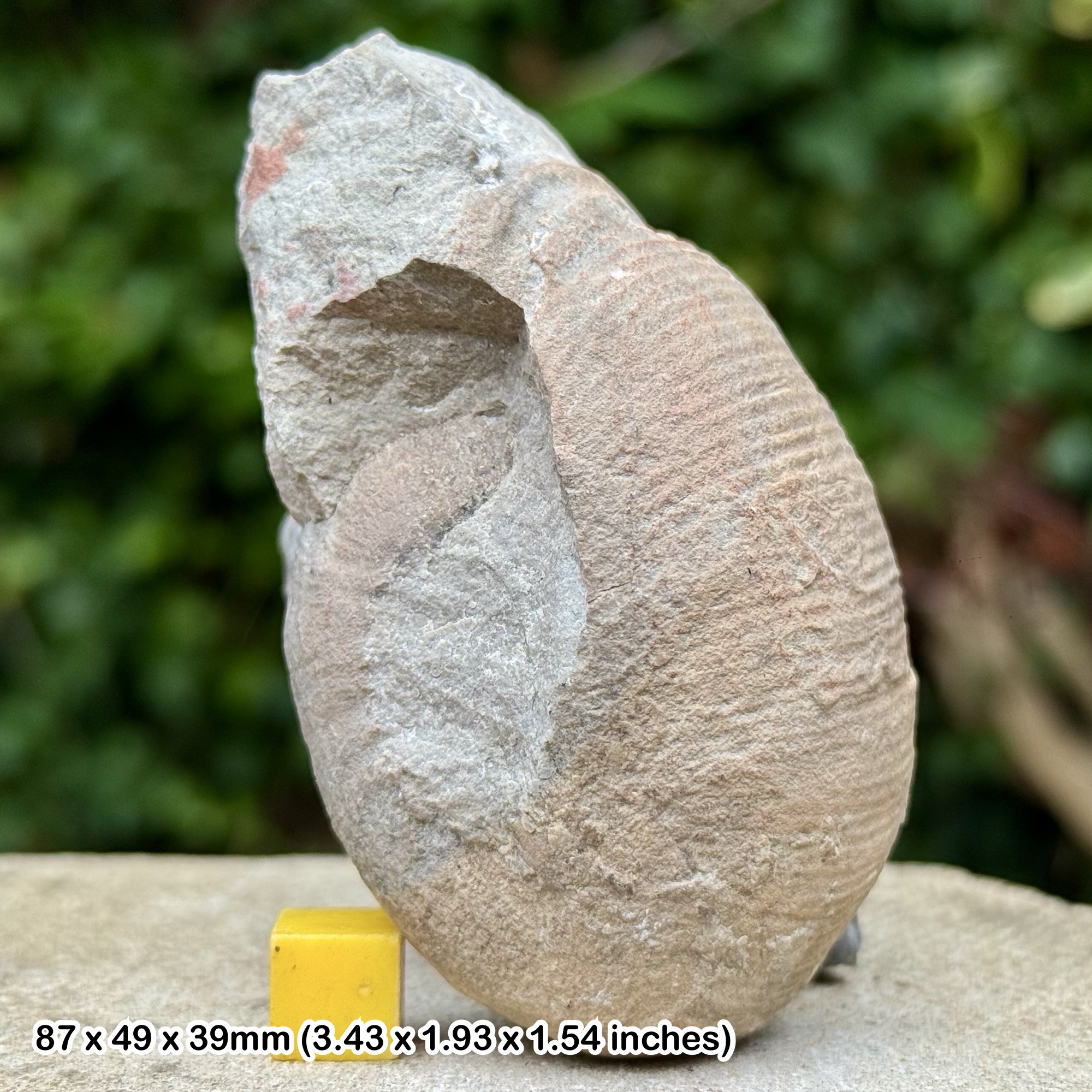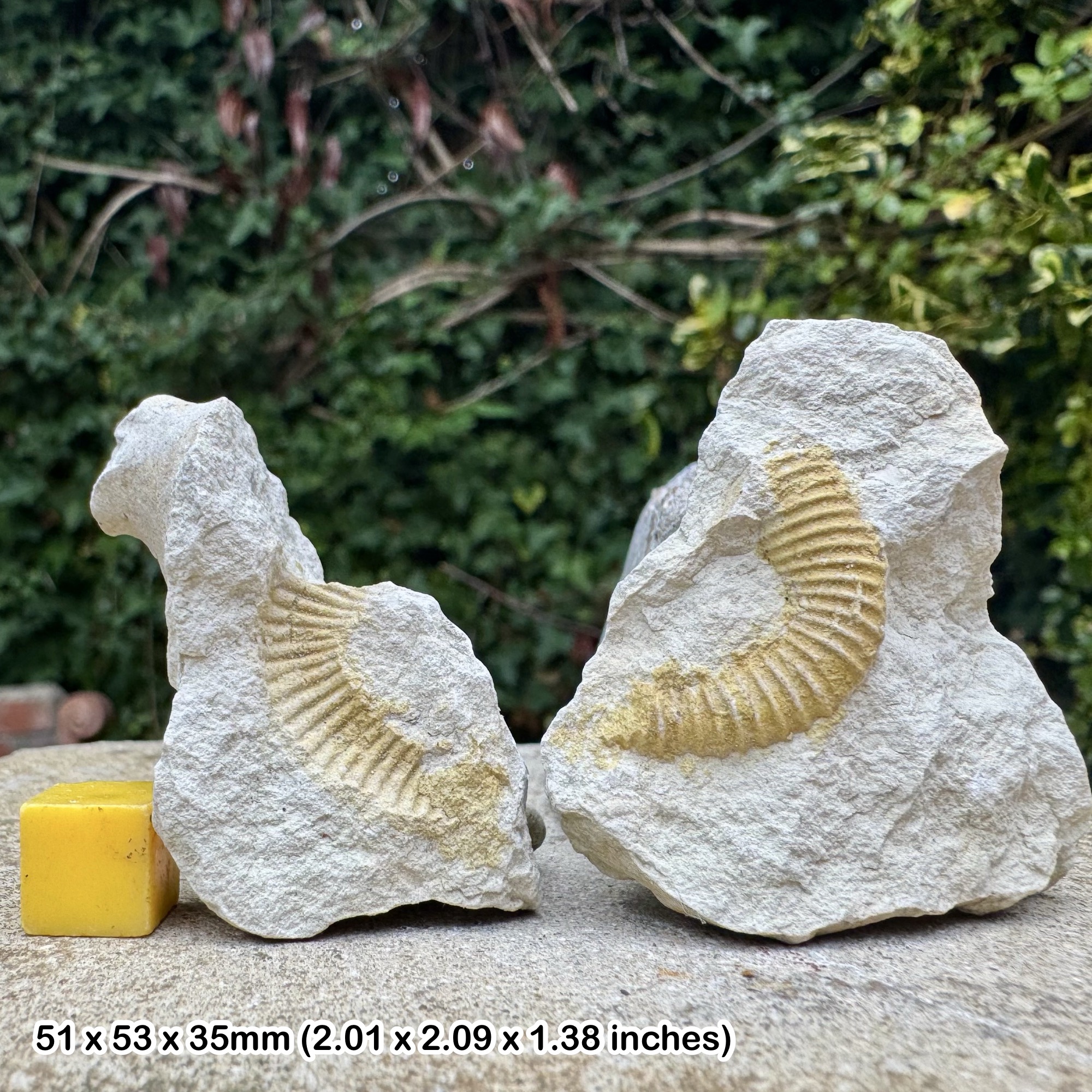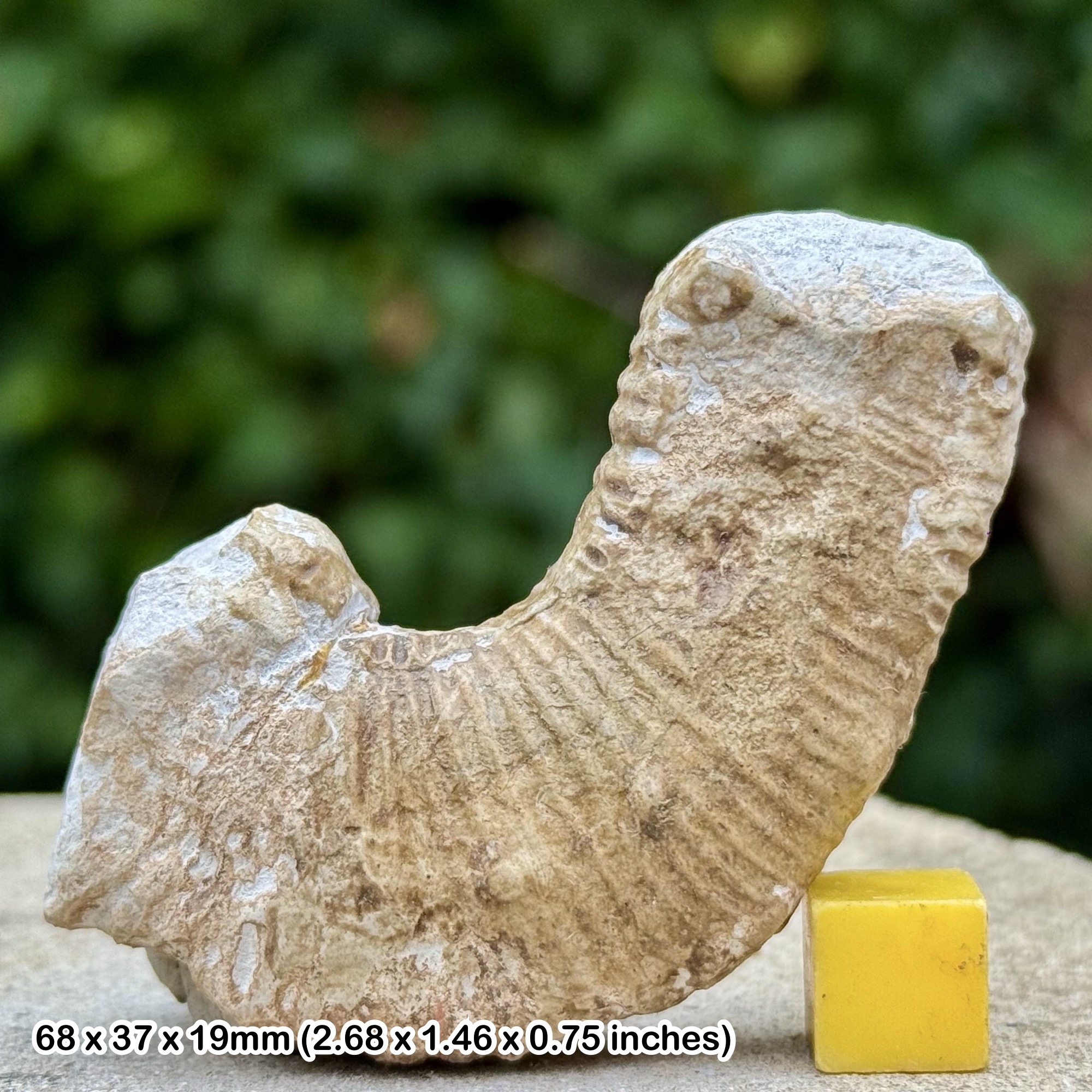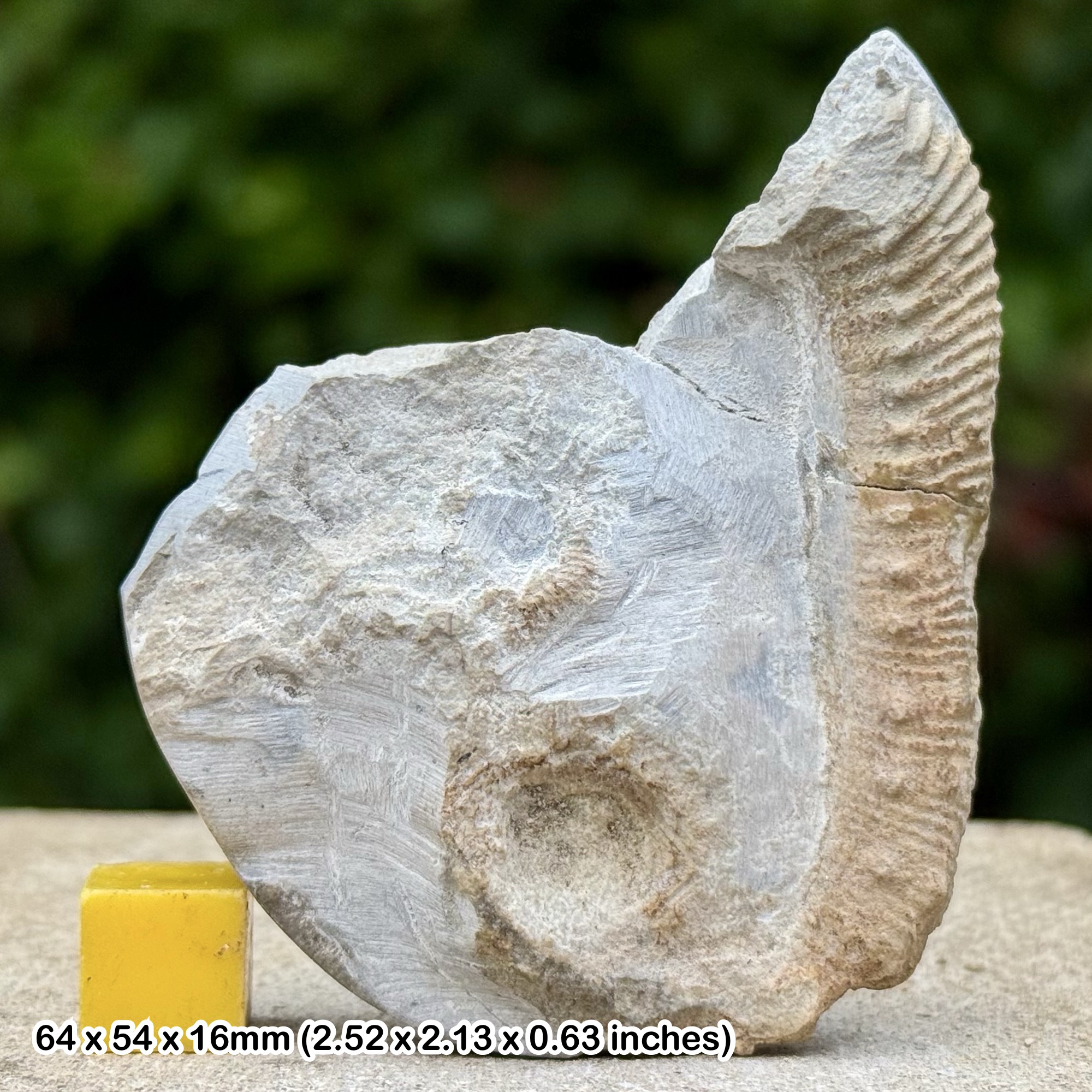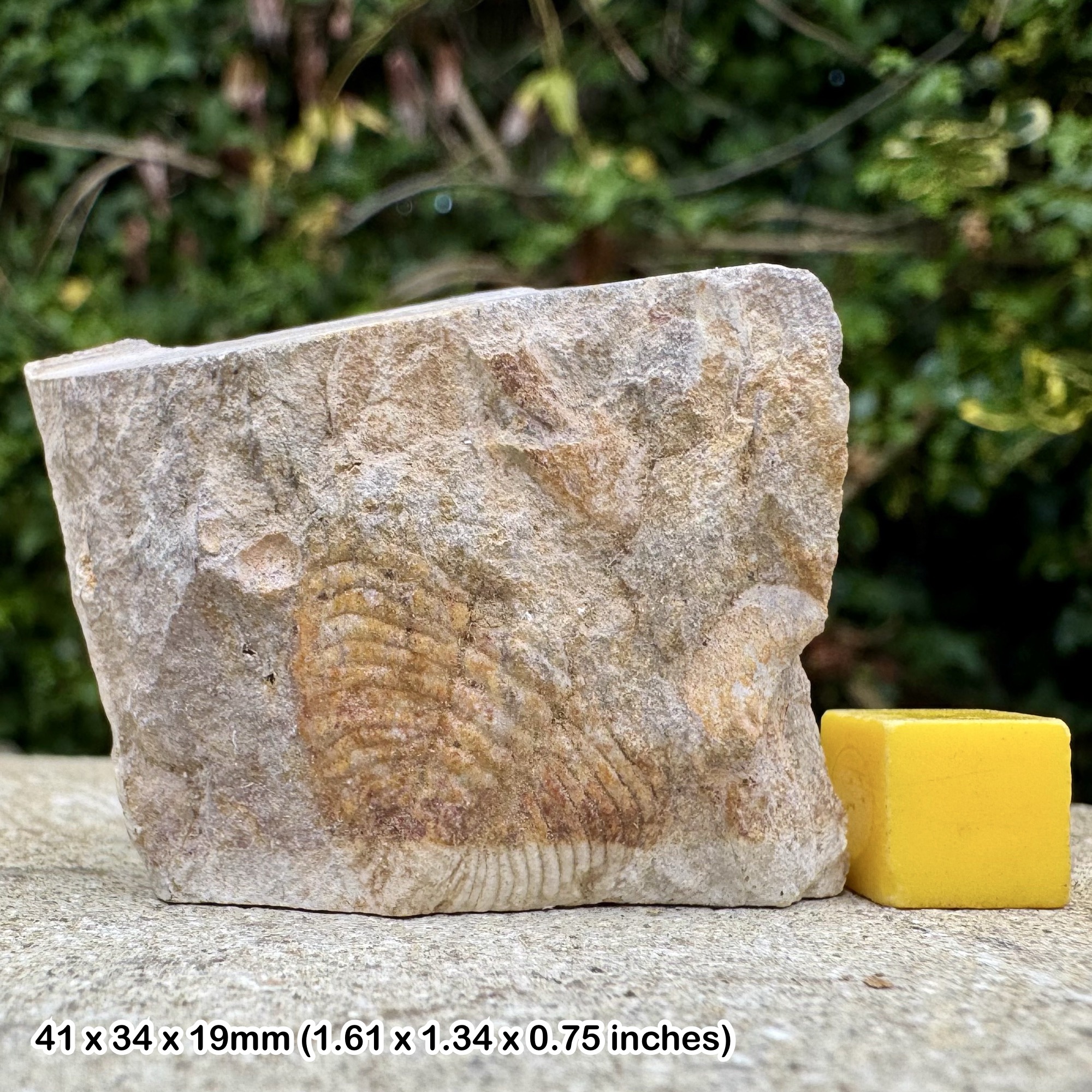
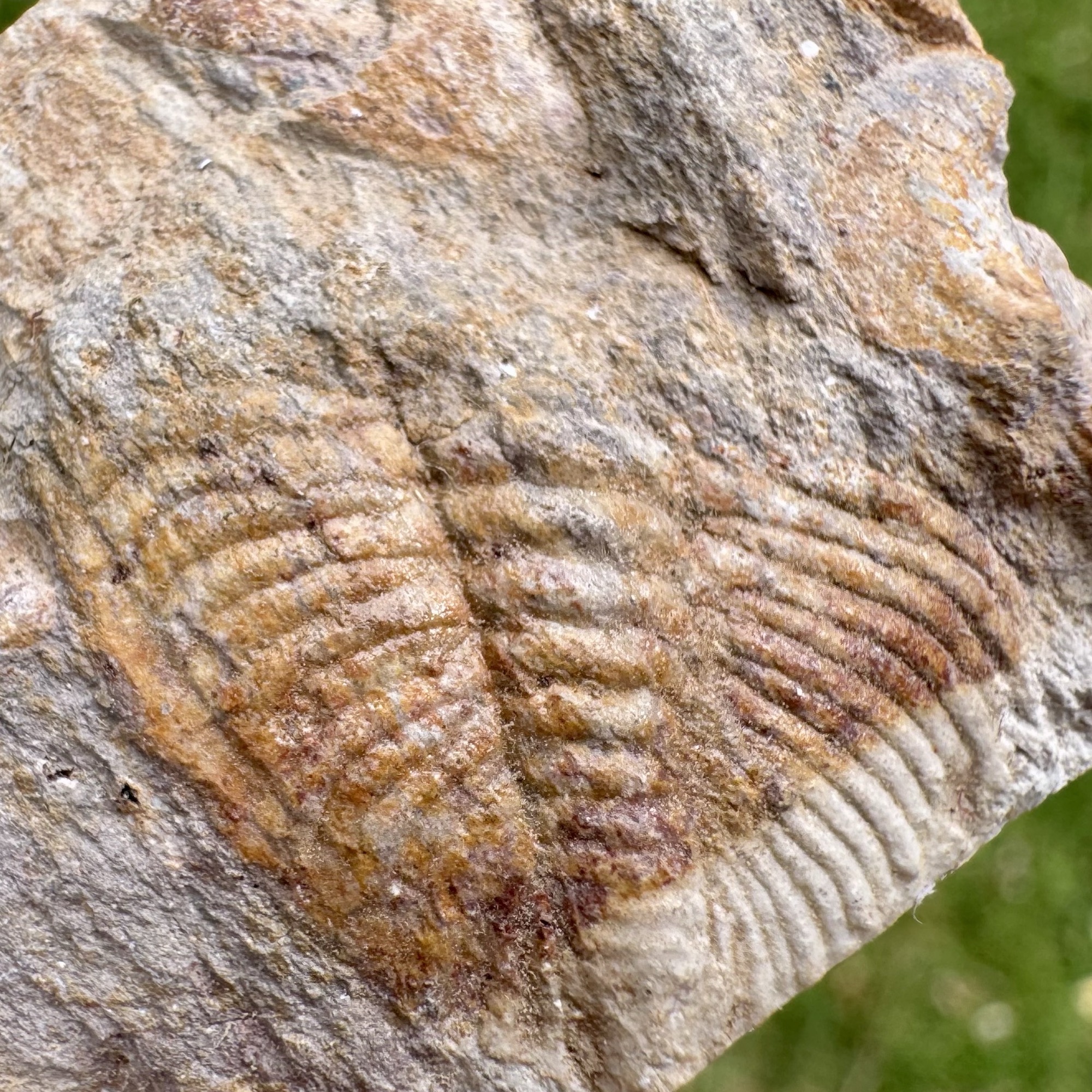
RARE Mucronaspis mucronatus Trilobite Fossil (Partial) – Ordovician, Hirnantian Stage – Pak Bara, Southern Thailand – Certified Genuine
£ 48.00
RARE Mucronaspis mucronatus Partial Trilobite FossilHirnantian Stage, Upper Ordovician – Pak Bara, Langu Province, Southern ThailandThis listing features a rare partial fossil of the trilobite species Mucronaspis
mucronatus from the Hirnantian Stage of the Upper Ordovician, approximately 445 million years old. Discovered in the region of Pak Bara, Langu Province, in southern Thailand, this fossil is a striking and scientifically significant specimen from a globally recognized Late Ordovician trilobite assemblage.It is an authentic representative of the last major trilobite radiation before the end-Ordovician mass extinction event.
• All our Fossils are 100% Genuine Specimens
• Comes with a Certificate of Authenticity
• The photograph shows the actual specimen you will receive
• Scale cube = 1cm — see photo for full sizingGeological & Stratigraphic Details
• Location: Pak Bara, Langu Province, Satun region, Southern Thailand
• Formation: Unnamed Hirnantian marine sedimentary beds
• Geological Stage: Hirnantian Stage (Upper Ordovician, ~445–443 million years ago)
• Depositional Environment:
• Outer shelf to upper slope marine environment
• Fine siliciclastic sediments such as shales and siltstones
• Deposited during the Hirnantian glacial interval
• Lithology: Silty mudstone matrix, typical of deep-water offshore conditions during glaciationTaxonomy & Systematics
• Kingdom: Animalia
• Phylum: Arthropoda
• Class: Trilobita
• Order: Asaphida
• Family: Asaphidae
• Genus: Mucronaspis
• Species: Mucronaspis mucronatus
• Described by: Barrande, 1846Morphology & Diagnostic Features (Partial Specimen)
• Characterised by a long pygidial spine (not always preserved) and mucronate (pointed) posterior margin
• Thoracic segments typically well-defined with axial lobes, although this partial may show only pygidium and lower thoracic features
• Smooth glabella and crescentic eyes in complete forms
• Posterior tapering of the cephalon and pygidium is diagnostic of MucronaspisNotable Context
• This genus is a hallmark of Hirnantian trilobite faunas across the globe
• Commonly used as a biostratigraphic marker in correlating uppermost Ordovician marine strata
• Represents one of the last surviving trilobites prior to the Late Ordovician mass extinction
• Rarely found in the fossil trade from ThailandWhat’s Included
• The exact fossil pictured
• Certificate of Authenticity
• Secure packaging for safe deliveryIdeal For:
• Fossil and trilobite collectors
• Students and educators in geology and paleontology
• Museum study/reference material
• Scientific and historical fossil enthusiasts
mucronatus from the Hirnantian Stage of the Upper Ordovician, approximately 445 million years old. Discovered in the region of Pak Bara, Langu Province, in southern Thailand, this fossil is a striking and scientifically significant specimen from a globally recognized Late Ordovician trilobite assemblage.It is an authentic representative of the last major trilobite radiation before the end-Ordovician mass extinction event.
• All our Fossils are 100% Genuine Specimens
• Comes with a Certificate of Authenticity
• The photograph shows the actual specimen you will receive
• Scale cube = 1cm — see photo for full sizingGeological & Stratigraphic Details
• Location: Pak Bara, Langu Province, Satun region, Southern Thailand
• Formation: Unnamed Hirnantian marine sedimentary beds
• Geological Stage: Hirnantian Stage (Upper Ordovician, ~445–443 million years ago)
• Depositional Environment:
• Outer shelf to upper slope marine environment
• Fine siliciclastic sediments such as shales and siltstones
• Deposited during the Hirnantian glacial interval
• Lithology: Silty mudstone matrix, typical of deep-water offshore conditions during glaciationTaxonomy & Systematics
• Kingdom: Animalia
• Phylum: Arthropoda
• Class: Trilobita
• Order: Asaphida
• Family: Asaphidae
• Genus: Mucronaspis
• Species: Mucronaspis mucronatus
• Described by: Barrande, 1846Morphology & Diagnostic Features (Partial Specimen)
• Characterised by a long pygidial spine (not always preserved) and mucronate (pointed) posterior margin
• Thoracic segments typically well-defined with axial lobes, although this partial may show only pygidium and lower thoracic features
• Smooth glabella and crescentic eyes in complete forms
• Posterior tapering of the cephalon and pygidium is diagnostic of MucronaspisNotable Context
• This genus is a hallmark of Hirnantian trilobite faunas across the globe
• Commonly used as a biostratigraphic marker in correlating uppermost Ordovician marine strata
• Represents one of the last surviving trilobites prior to the Late Ordovician mass extinction
• Rarely found in the fossil trade from ThailandWhat’s Included
• The exact fossil pictured
• Certificate of Authenticity
• Secure packaging for safe deliveryIdeal For:
• Fossil and trilobite collectors
• Students and educators in geology and paleontology
• Museum study/reference material
• Scientific and historical fossil enthusiasts
Other Products