Rare NWA 5343 CK3 Carbonaceous Chondrite Meteorite Slice Sahara Genuine Space Rock
£ 390.00
RARE GENUINE NWA 5343 CK3 CARBONACEOUS CHONDRITE METEORITE SLICEThis rare genuine NWA 5343 CK3 Carbonaceous Chondrite Meteorite Slice is an
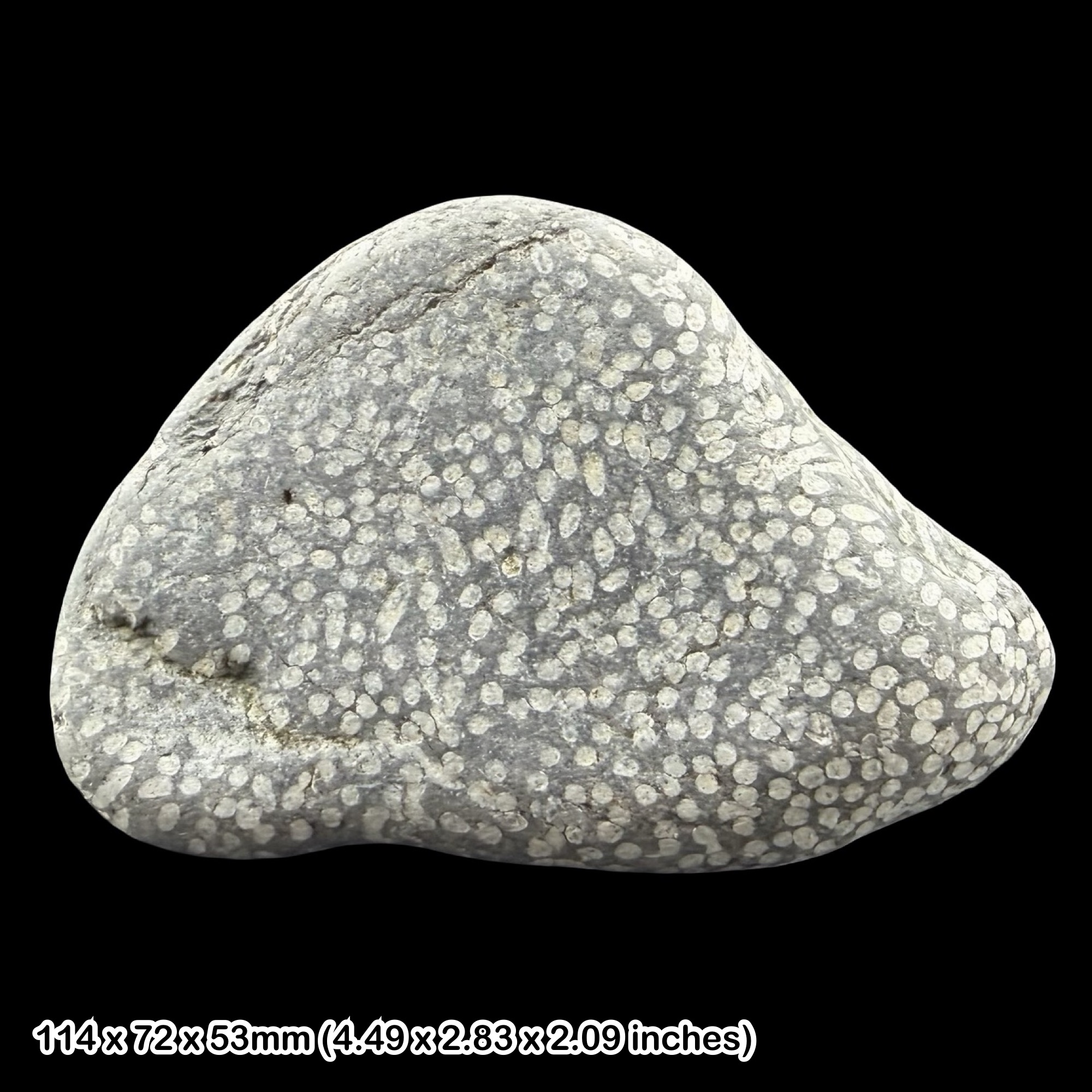
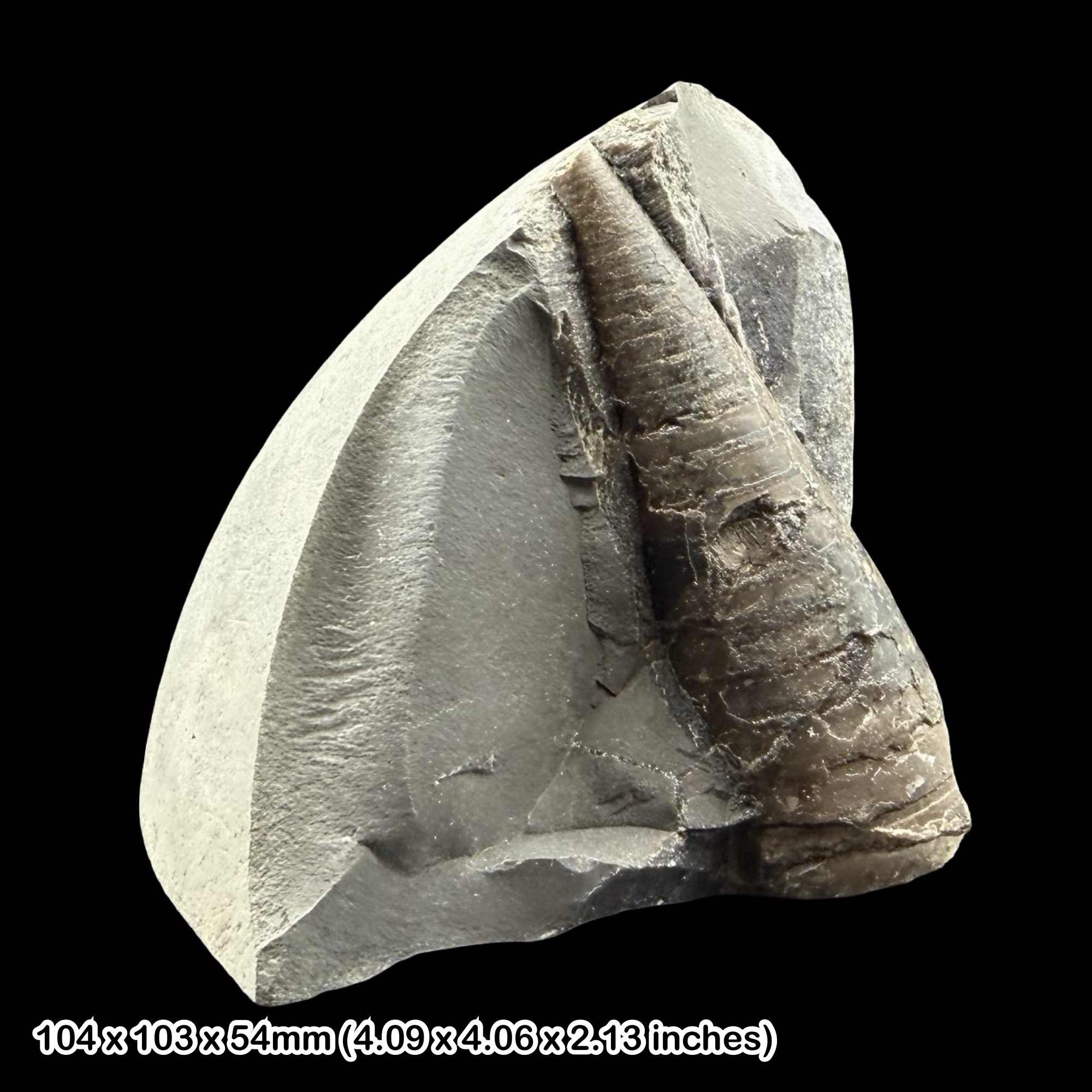
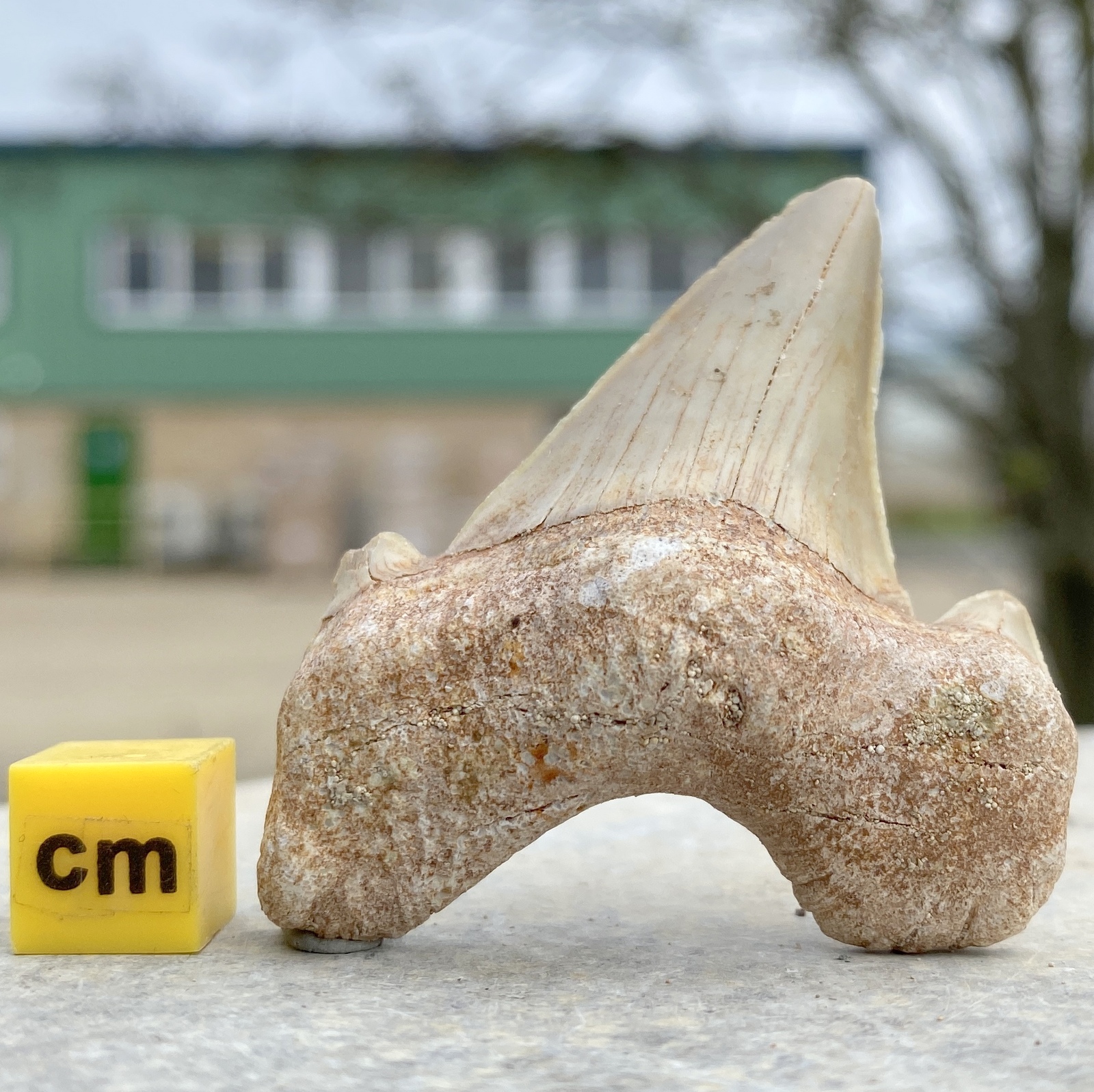
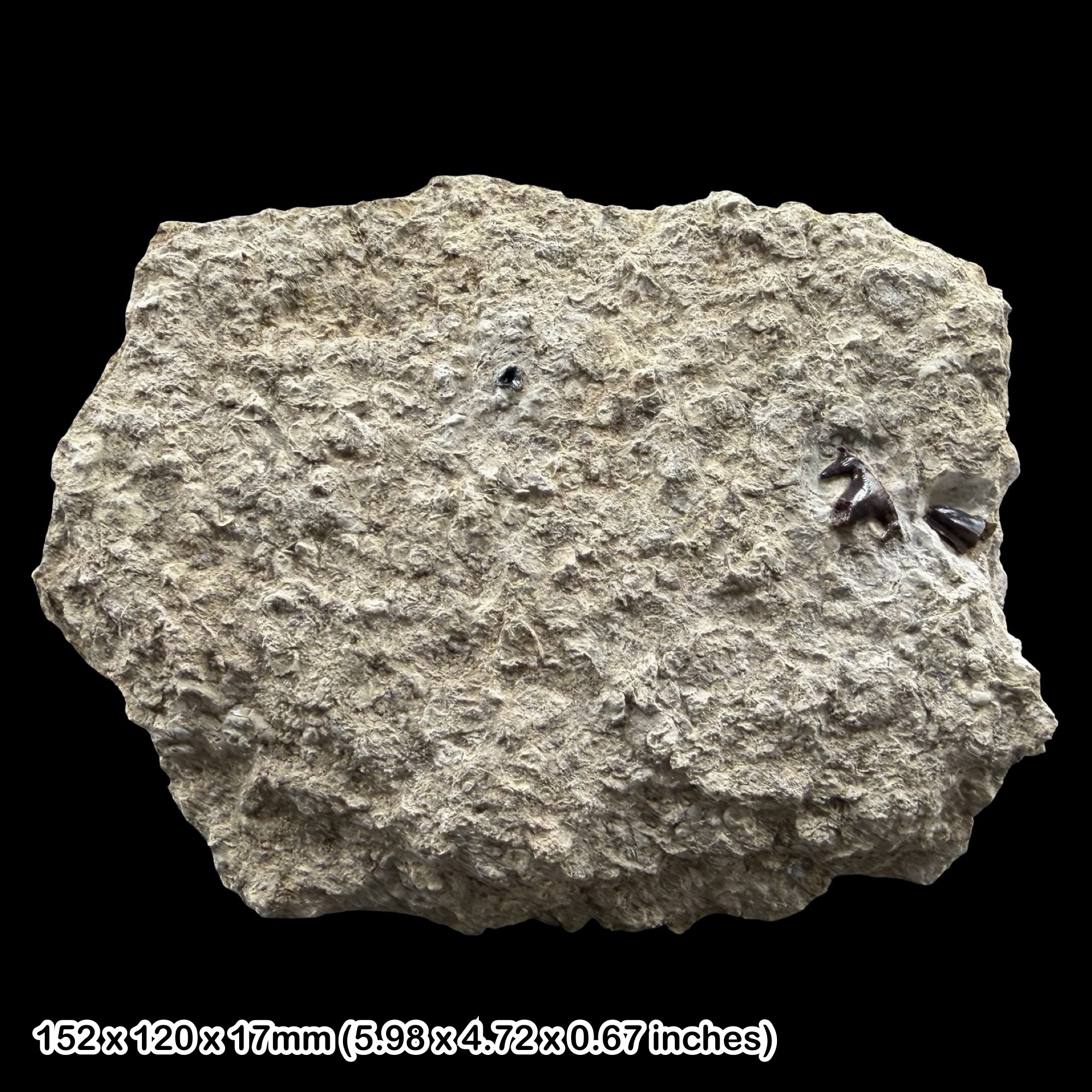
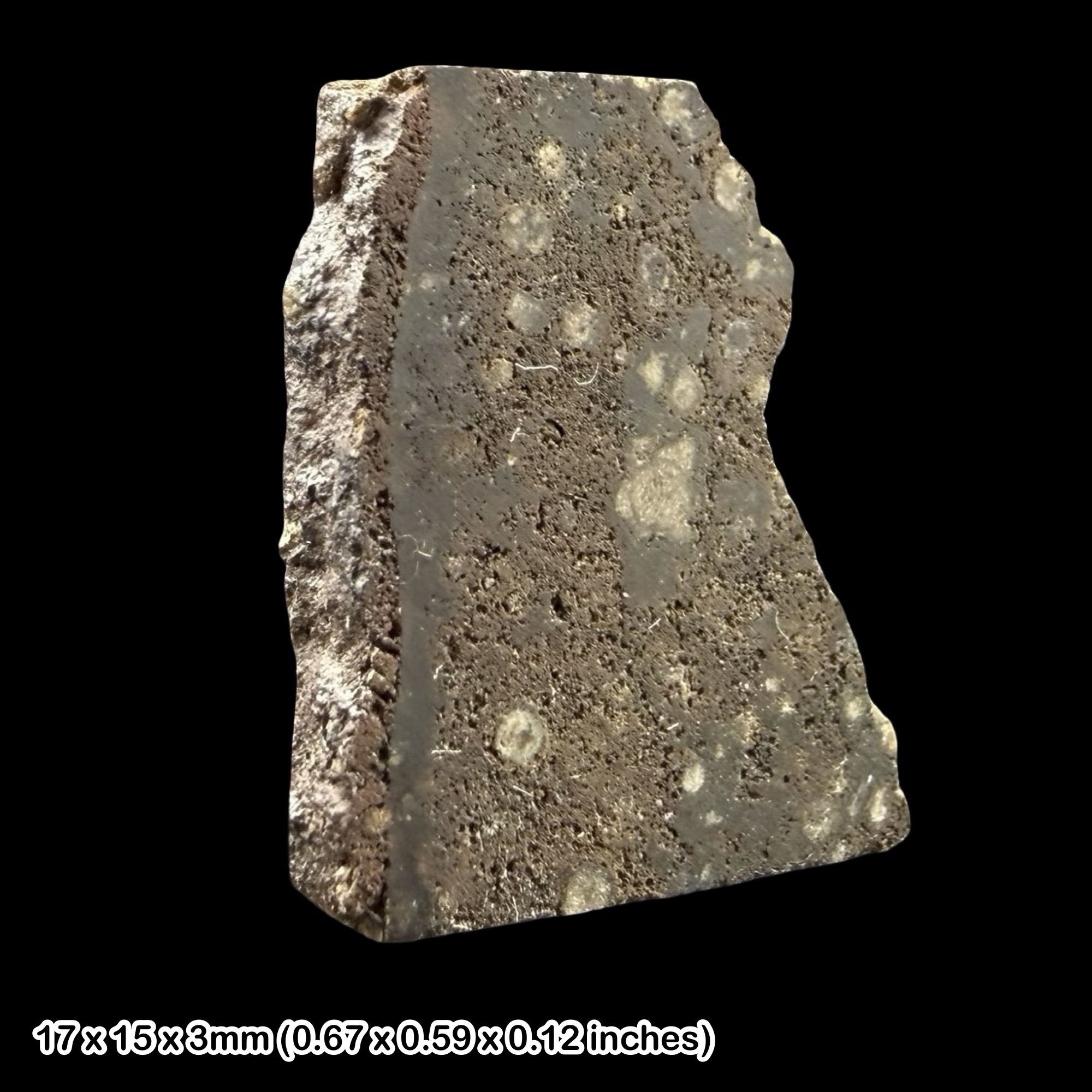
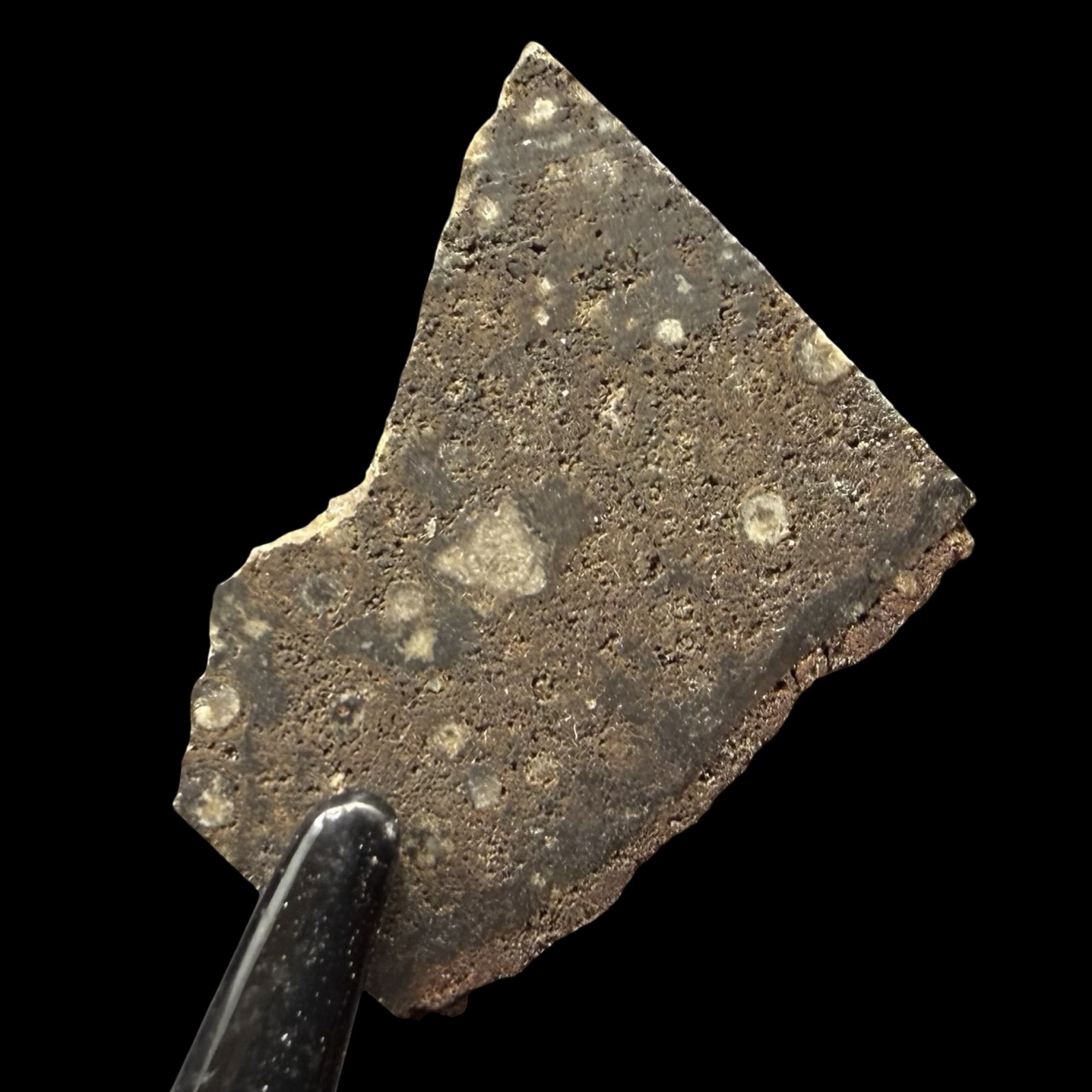
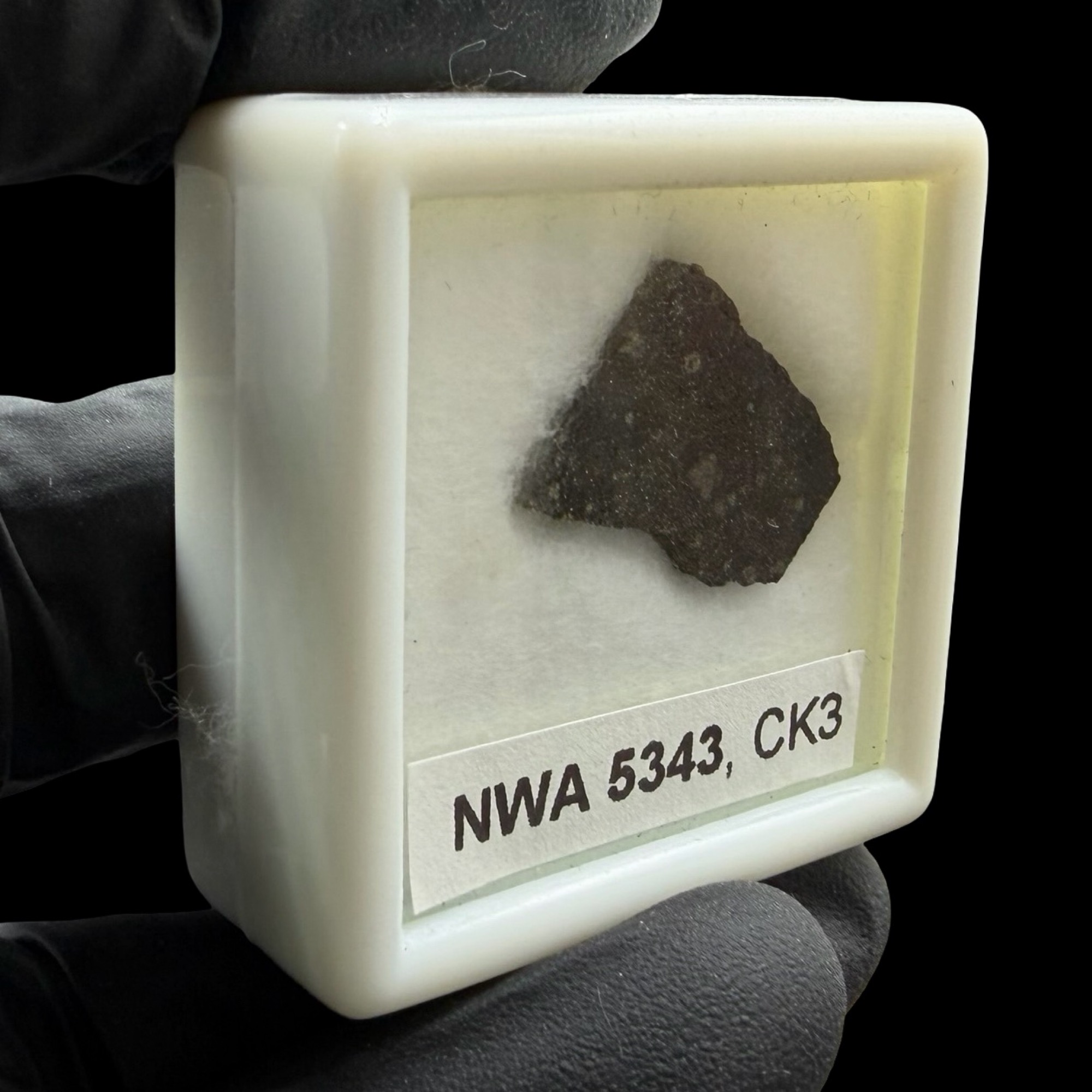
authentic extraterrestrial specimen recovered from the Sahara Desert of Northwest Africa. Weighing 1.55 grams, this highly collectable meteorite slice represents primitive material formed during the earliest history of the solar system over 4.5 billion years ago.The exact meteorite shown in the photographs is the specimen you will receive. This carefully selected space rock includes a fully hand-signed Premium Certificate of Authenticity confirming the meteorite is completely genuine.Please refer to the photographs for full sizing and scale. ABOUT NWA 5343 CK3 CARBONACEOUS CHONDRITESNWA 5343 is classified as a CK3 Carbonaceous Chondrite, a rare subgroup of primitive stony meteorites known for their distinctive mineralogy, dark matrix, and thermally altered carbonaceous composition. Carbonaceous chondrites are among the oldest and most scientifically important meteorites ever discovered, preserving primitive solar system material that predates the formation of Earth itself.The CK classification refers to the Karoonda-type carbonaceous chondrite group, first defined from the Karoonda meteorite that fell in South Australia in 1930. CK chondrites are recognised for their oxidised mineralogy, abundant silicates, and dark appearance caused by fine-grained matrix material and metamorphic alteration processes occurring within their parent asteroid.The petrologic type 3 designation indicates that this meteorite retains relatively primitive characteristics and preserved chondrule structures compared to more heavily altered meteorites. These ancient components formed within the early solar nebula before planetary bodies fully developed.CK carbonaceous chondrites are significantly rarer than ordinary chondrites and remain highly sought after by collectors and researchers due to their unusual mineral composition and evolutionary significance. METEORITE COMPOSITION AND INTERNAL STRUCTURENWA 5343 contains a complex mixture of primitive silicate minerals, oxidised iron-bearing phases, chondrules, and fine-grained carbonaceous matrix material. Common mineral components within CK chondrites include olivine, pyroxene, magnetite, feldspar, sulphides, and minor metallic phases.Polished slices frequently reveal rounded or partially recrystallised chondrules embedded within darker matrix material. Chondrules are ancient silicate droplets formed within the solar nebula over 4.5 billion years ago and represent some of the earliest solid matter created during solar system formation.CK meteorites are particularly notable for their oxidised mineralogy and darker appearance compared to many other carbonaceous groups. The matrix may display subtle textural variation, contrasting mineral grains, fine inclusions, and primitive structural features preserved from the meteorite’s parent asteroid.Natural colouration can include dark charcoal grey, black, brown, reddish oxidation tones, and lighter silicate inclusions depending on mineral distribution and weathering characteristics. SAHARA RECOVERY AND METEORITE PROVENANCENWA meteorites are recovered from the deserts of Northwest Africa, where arid conditions greatly improve the preservation and visibility of extraterrestrial material. The Sahara Desert has become one of the most important meteorite recovery regions in the world due to its dry climate and extensive exposed desert surfaces.NWA 5343 was scientifically classified following mineralogical and petrographic examination confirming its status as a CK3 Carbonaceous Chondrite. Carbonaceous meteorites from the Sahara are highly desirable because they preserve primitive solar system chemistry and ancient asteroid material unavailable in terrestrial rocks.These meteorites provide researchers with valuable insight into asteroid evolution, early solar system chemistry, and the processes involved in planetary accretion during the formation of the inner solar system. APPEARANCE AND NATURAL FEATURESThis polished meteorite slice displays the characteristic appearance associated with CK carbonaceous chondrites, including dark matrix material, visible chondrules, silicate inclusions, and subtle mineral contrast throughout the specimen.The polished surface enhances visibility of the meteorite’s internal textures and primitive extraterrestrial structures while preserving the authentic composition of the material. Depending on cut orientation and preservation, rounded chondrules and mineral clasts may be visible distributed throughout the slice.As a genuine meteorite formed naturally within the early solar system, every specimen is completely unique in structure, mineral arrangement, and appearance. EXCEPTIONAL COLLECTOR METEORITECK3 Carbonaceous Chondrites are highly sought after due to their rarity, scientific importance, and primitive composition. Their ancient origin and preserved solar system textures make them particularly attractive to advanced meteorite collectors and planetary science enthusiasts.This specimen is ideal for:
• Meteorite and space rock collections
• Carbonaceous chondrite collections
• Planetary science displays
• Educational geological collections
• Museum-style displays
• Astronomy and astrophysics enthusiasts
• Natural history collections
• Gifts for serious meteorite collectorsThe polished slice presentation allows the internal extraterrestrial structure to be appreciated clearly, creating a scientifically important and visually fascinating display specimen. GENUINE EXTRATERRESTRIAL SPECIMENThis RARE NWA 5343 CK3 Carbonaceous Chondrite Meteorite Slice from the Sahara Desert is a genuine carefully selected specimen chosen for its authenticity, rarity, and display appeal.The exact meteorite shown in the photographs is the specimen you will receive. Every meteorite supplied by us is 100% genuine and includes a fully hand-signed Premium Certificate of Authenticity, providing confidence in the authenticity and extraterrestrial origin of this remarkable primitive meteorite from the earliest history of the solar system.
authentic extraterrestrial specimen recovered from the Sahara Desert of Northwest Africa. Weighing 1.55 grams, this highly collectable meteorite slice represents primitive material formed during the earliest history of the solar system over 4.5 billion years ago.The exact meteorite shown in the photographs is the specimen you will receive. This carefully selected space rock includes a fully hand-signed Premium Certificate of Authenticity confirming the meteorite is completely genuine.Please refer to the photographs for full sizing and scale. ABOUT NWA 5343 CK3 CARBONACEOUS CHONDRITESNWA 5343 is classified as a CK3 Carbonaceous Chondrite, a rare subgroup of primitive stony meteorites known for their distinctive mineralogy, dark matrix, and thermally altered carbonaceous composition. Carbonaceous chondrites are among the oldest and most scientifically important meteorites ever discovered, preserving primitive solar system material that predates the formation of Earth itself.The CK classification refers to the Karoonda-type carbonaceous chondrite group, first defined from the Karoonda meteorite that fell in South Australia in 1930. CK chondrites are recognised for their oxidised mineralogy, abundant silicates, and dark appearance caused by fine-grained matrix material and metamorphic alteration processes occurring within their parent asteroid.The petrologic type 3 designation indicates that this meteorite retains relatively primitive characteristics and preserved chondrule structures compared to more heavily altered meteorites. These ancient components formed within the early solar nebula before planetary bodies fully developed.CK carbonaceous chondrites are significantly rarer than ordinary chondrites and remain highly sought after by collectors and researchers due to their unusual mineral composition and evolutionary significance. METEORITE COMPOSITION AND INTERNAL STRUCTURENWA 5343 contains a complex mixture of primitive silicate minerals, oxidised iron-bearing phases, chondrules, and fine-grained carbonaceous matrix material. Common mineral components within CK chondrites include olivine, pyroxene, magnetite, feldspar, sulphides, and minor metallic phases.Polished slices frequently reveal rounded or partially recrystallised chondrules embedded within darker matrix material. Chondrules are ancient silicate droplets formed within the solar nebula over 4.5 billion years ago and represent some of the earliest solid matter created during solar system formation.CK meteorites are particularly notable for their oxidised mineralogy and darker appearance compared to many other carbonaceous groups. The matrix may display subtle textural variation, contrasting mineral grains, fine inclusions, and primitive structural features preserved from the meteorite’s parent asteroid.Natural colouration can include dark charcoal grey, black, brown, reddish oxidation tones, and lighter silicate inclusions depending on mineral distribution and weathering characteristics. SAHARA RECOVERY AND METEORITE PROVENANCENWA meteorites are recovered from the deserts of Northwest Africa, where arid conditions greatly improve the preservation and visibility of extraterrestrial material. The Sahara Desert has become one of the most important meteorite recovery regions in the world due to its dry climate and extensive exposed desert surfaces.NWA 5343 was scientifically classified following mineralogical and petrographic examination confirming its status as a CK3 Carbonaceous Chondrite. Carbonaceous meteorites from the Sahara are highly desirable because they preserve primitive solar system chemistry and ancient asteroid material unavailable in terrestrial rocks.These meteorites provide researchers with valuable insight into asteroid evolution, early solar system chemistry, and the processes involved in planetary accretion during the formation of the inner solar system. APPEARANCE AND NATURAL FEATURESThis polished meteorite slice displays the characteristic appearance associated with CK carbonaceous chondrites, including dark matrix material, visible chondrules, silicate inclusions, and subtle mineral contrast throughout the specimen.The polished surface enhances visibility of the meteorite’s internal textures and primitive extraterrestrial structures while preserving the authentic composition of the material. Depending on cut orientation and preservation, rounded chondrules and mineral clasts may be visible distributed throughout the slice.As a genuine meteorite formed naturally within the early solar system, every specimen is completely unique in structure, mineral arrangement, and appearance. EXCEPTIONAL COLLECTOR METEORITECK3 Carbonaceous Chondrites are highly sought after due to their rarity, scientific importance, and primitive composition. Their ancient origin and preserved solar system textures make them particularly attractive to advanced meteorite collectors and planetary science enthusiasts.This specimen is ideal for:
• Meteorite and space rock collections
• Carbonaceous chondrite collections
• Planetary science displays
• Educational geological collections
• Museum-style displays
• Astronomy and astrophysics enthusiasts
• Natural history collections
• Gifts for serious meteorite collectorsThe polished slice presentation allows the internal extraterrestrial structure to be appreciated clearly, creating a scientifically important and visually fascinating display specimen. GENUINE EXTRATERRESTRIAL SPECIMENThis RARE NWA 5343 CK3 Carbonaceous Chondrite Meteorite Slice from the Sahara Desert is a genuine carefully selected specimen chosen for its authenticity, rarity, and display appeal.The exact meteorite shown in the photographs is the specimen you will receive. Every meteorite supplied by us is 100% genuine and includes a fully hand-signed Premium Certificate of Authenticity, providing confidence in the authenticity and extraterrestrial origin of this remarkable primitive meteorite from the earliest history of the solar system.
Other Products