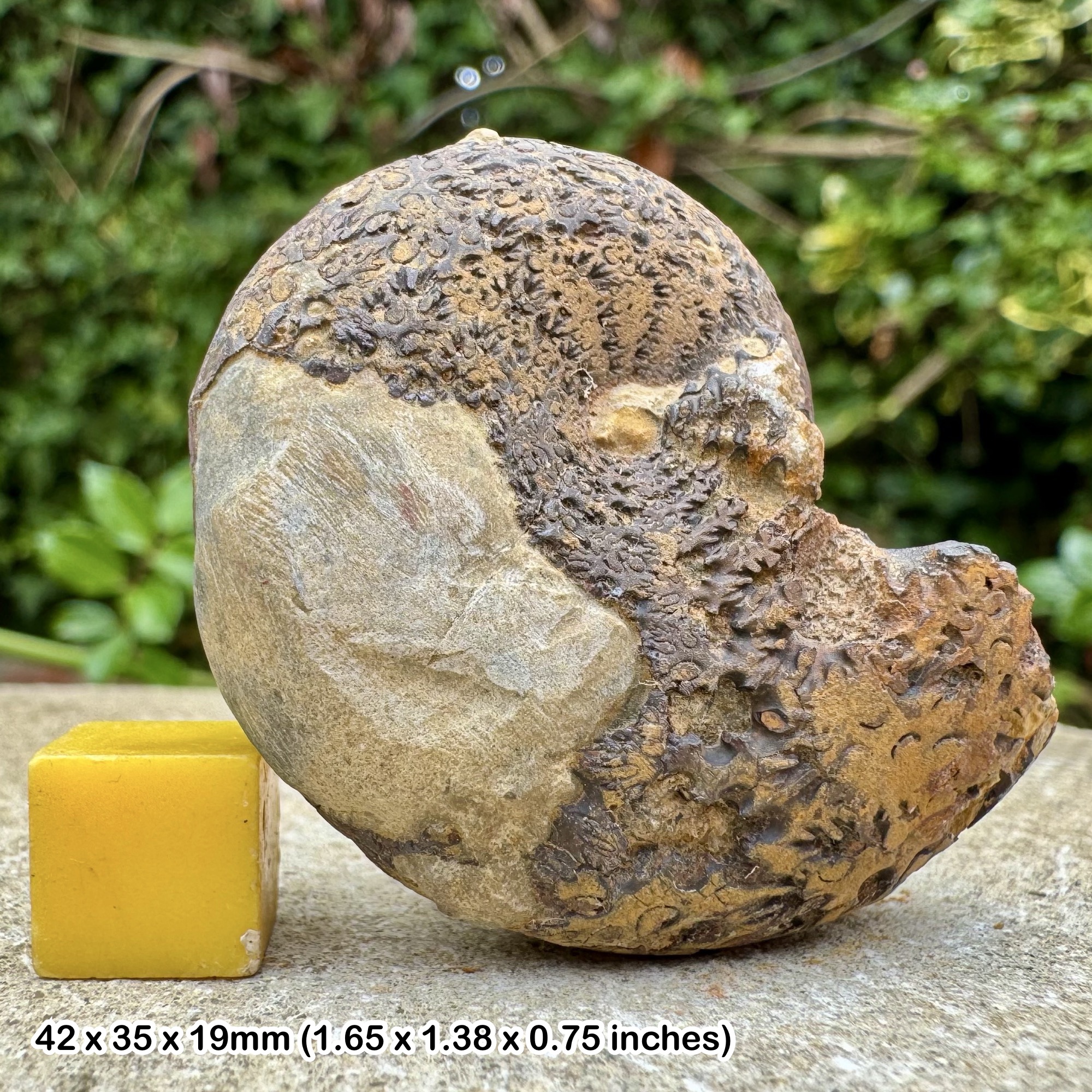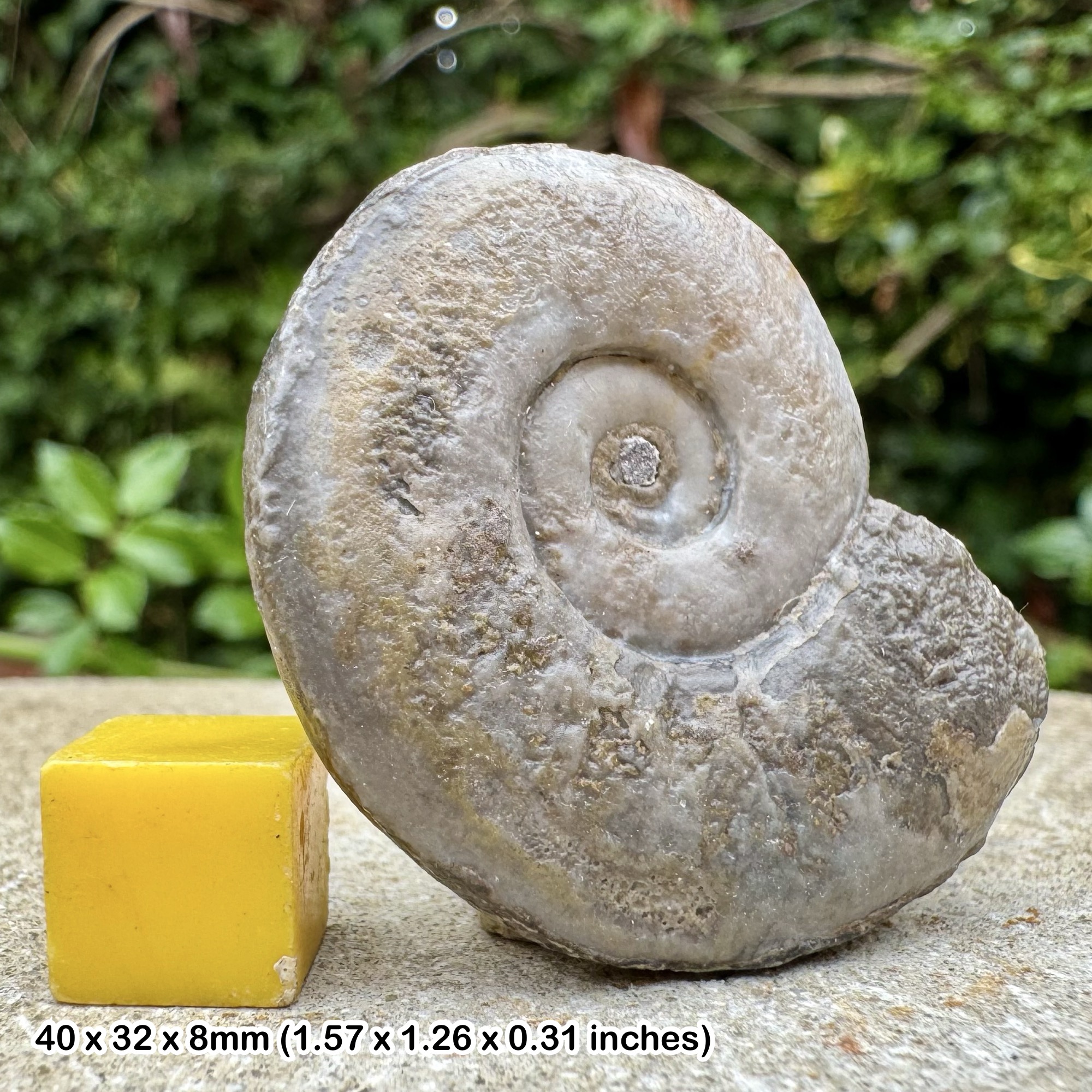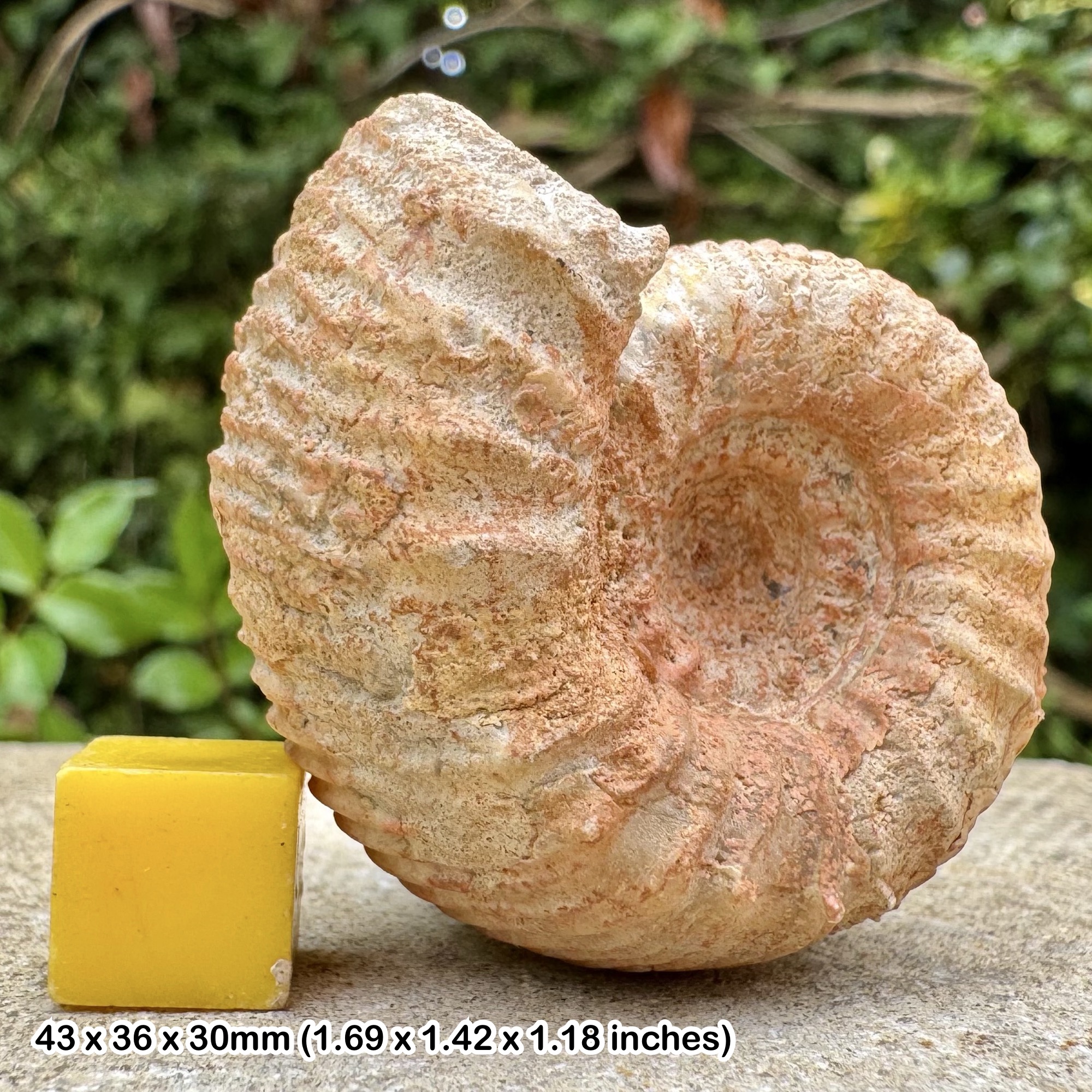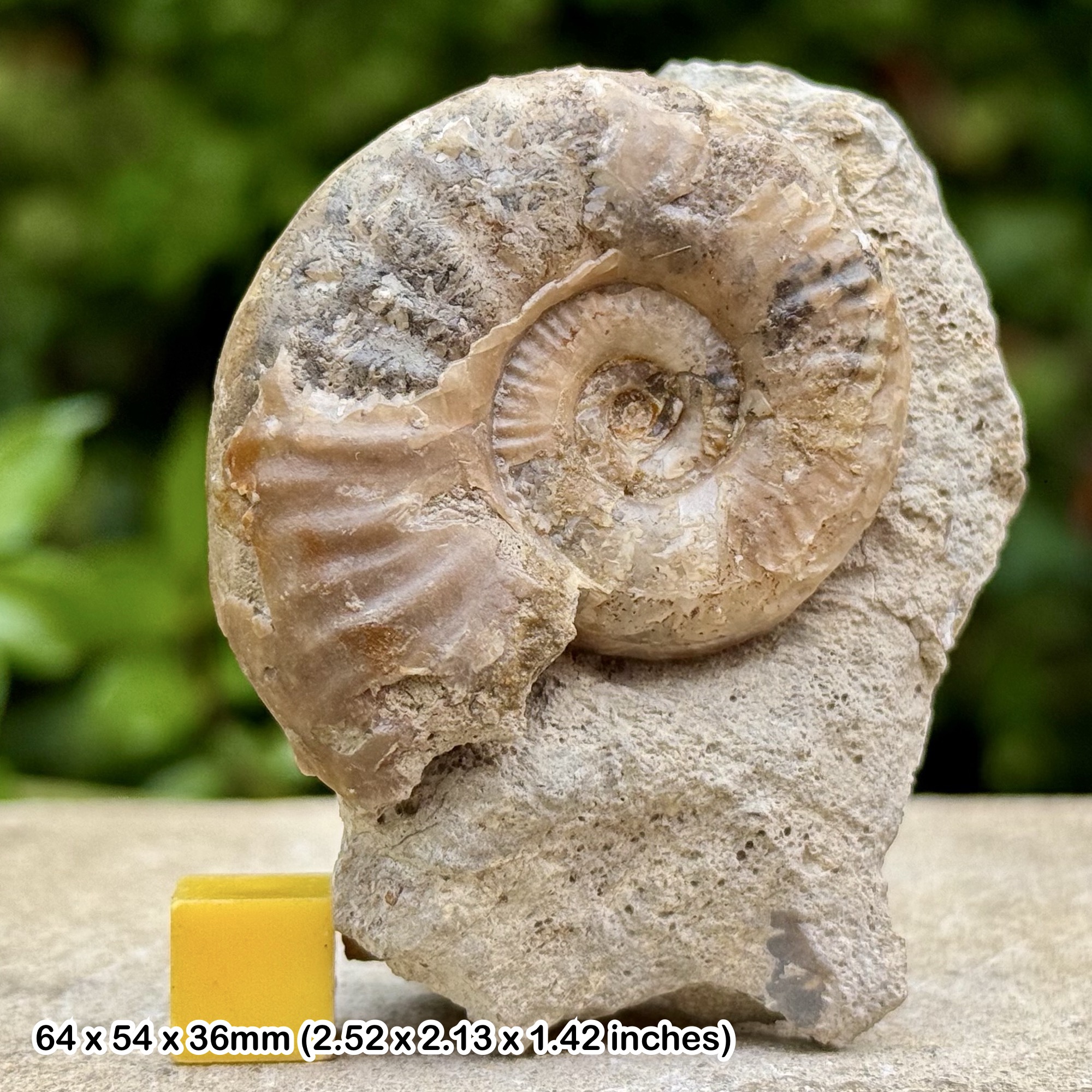
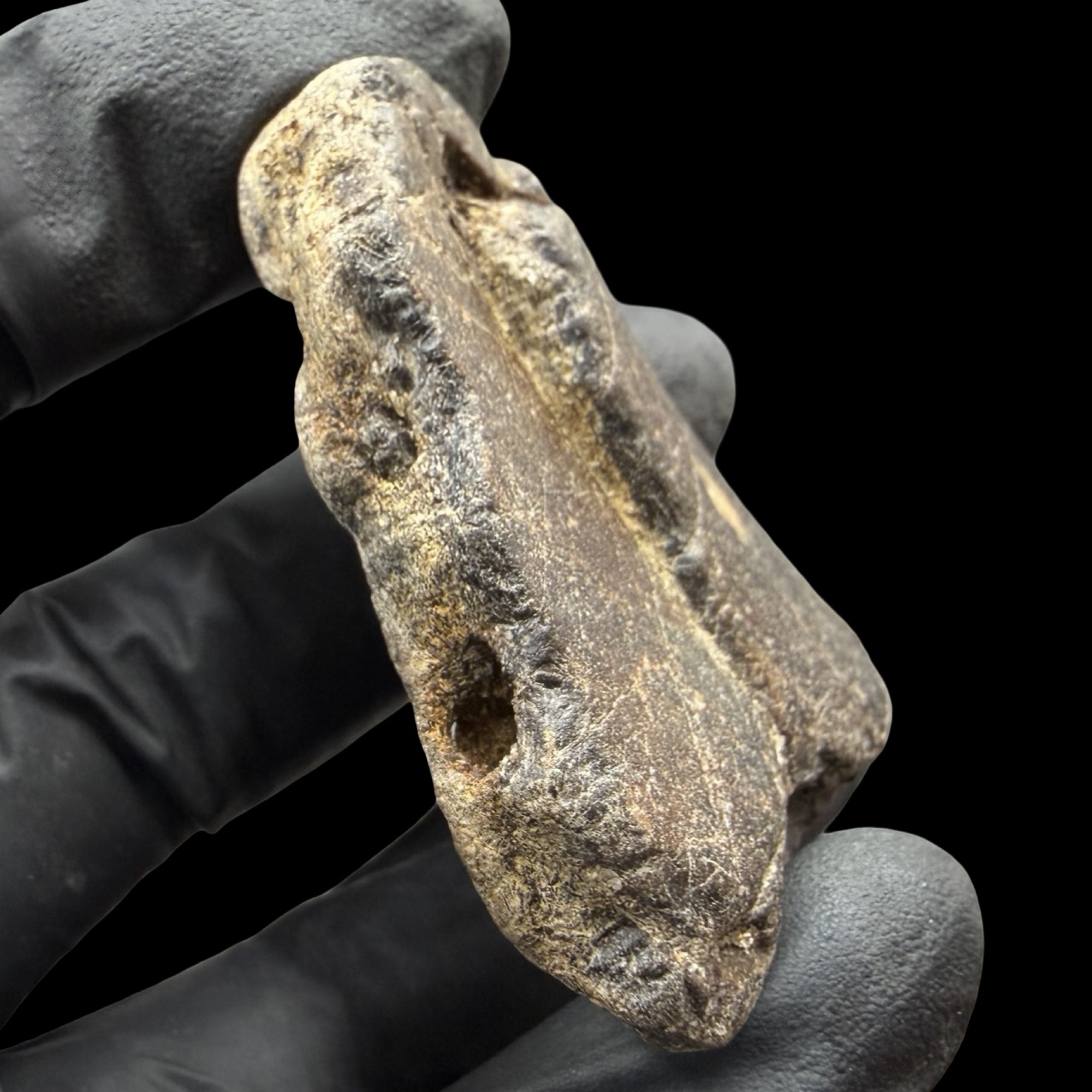
Rare Iguanodon Jaw Fossil with Tooth Isle of Wight Dinosaur Cretaceous Genuine Specimen Certificate Authenticity Collector Display
£ 480.00
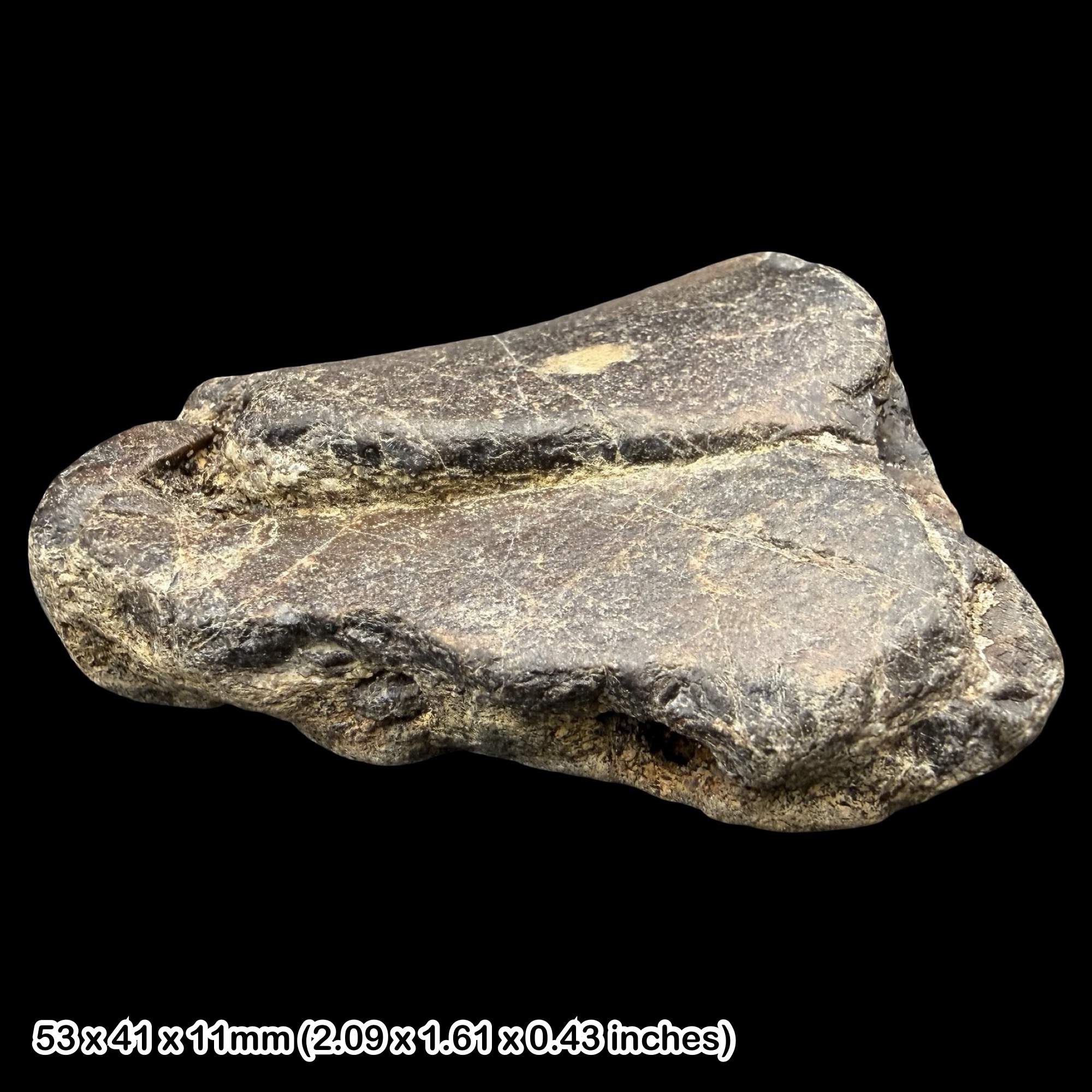
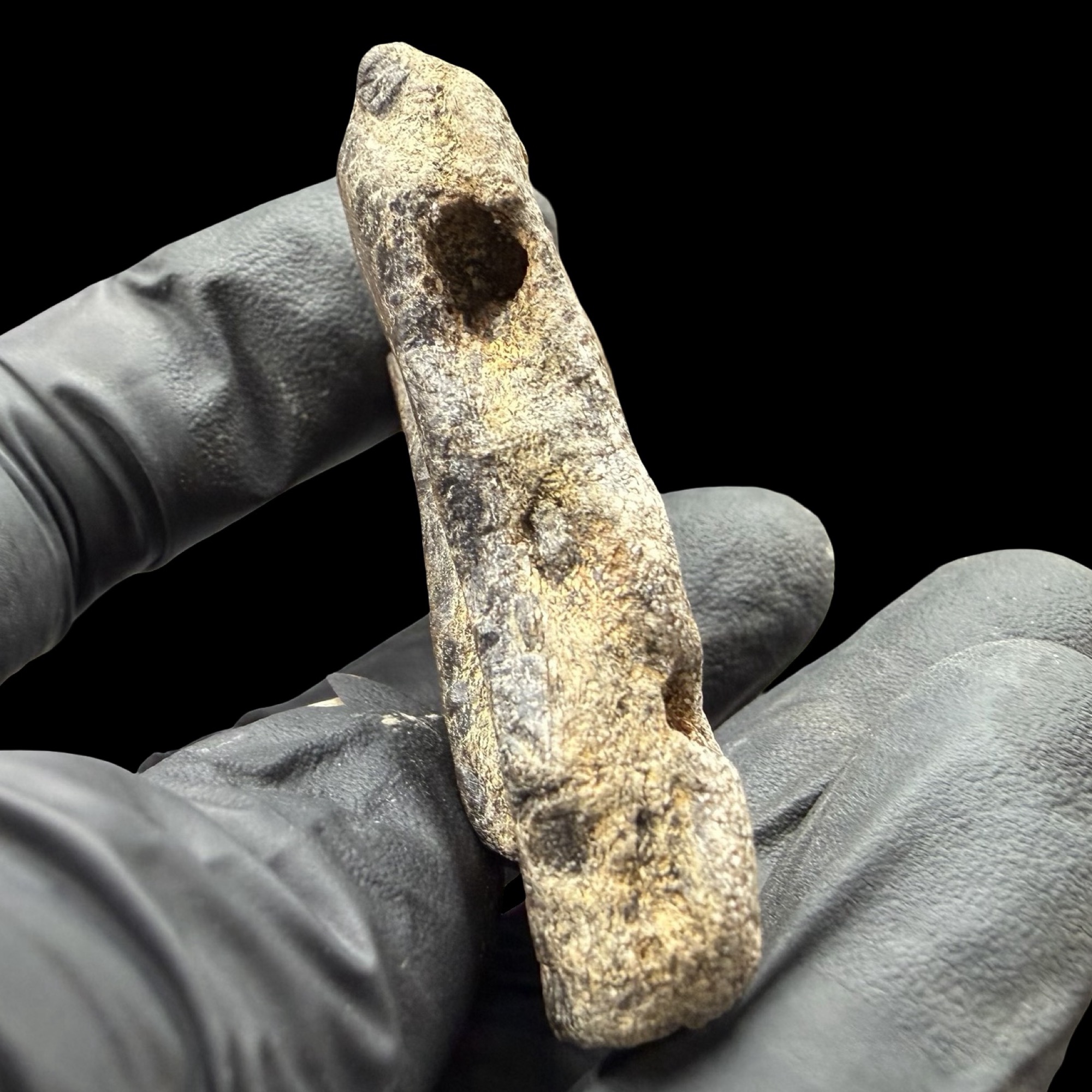
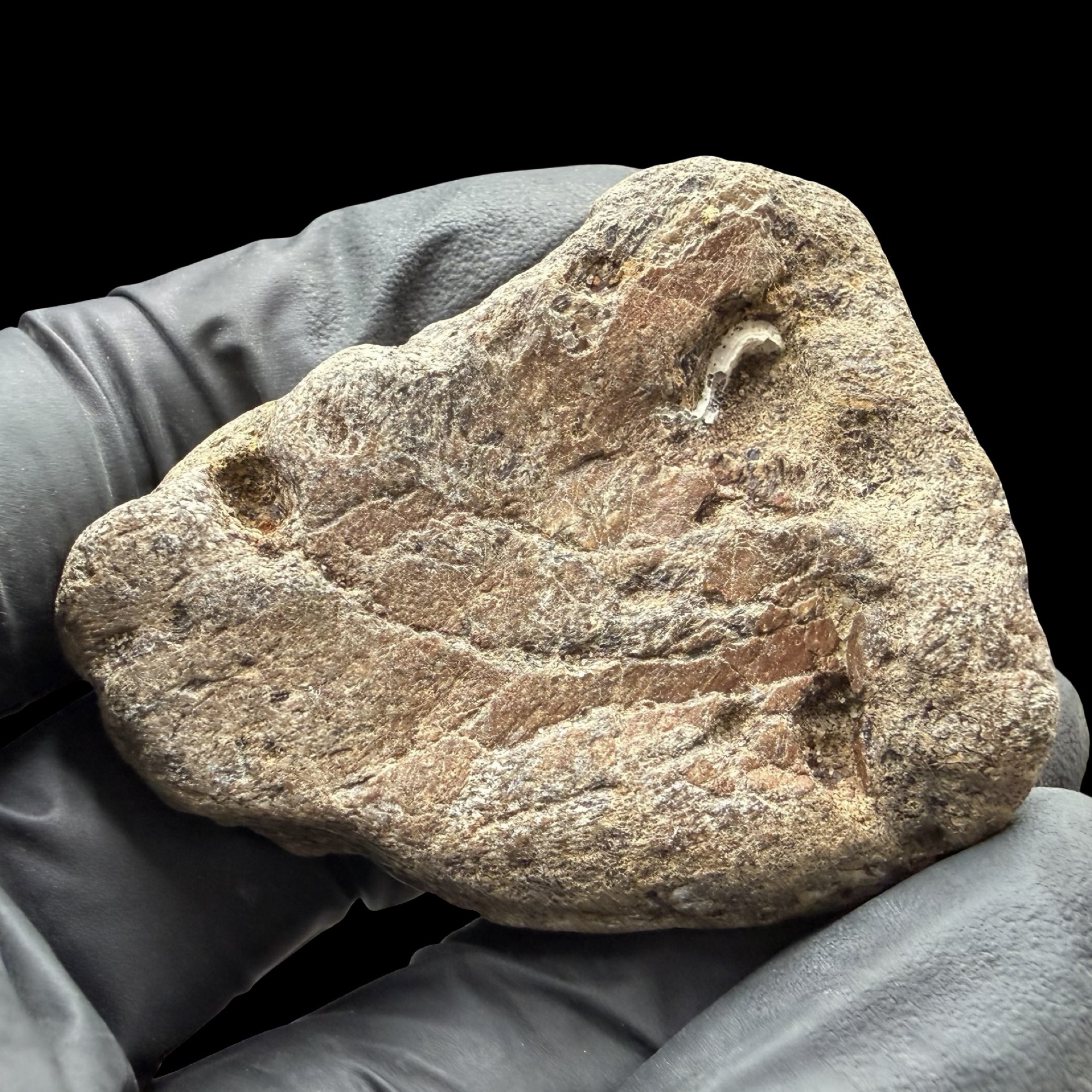
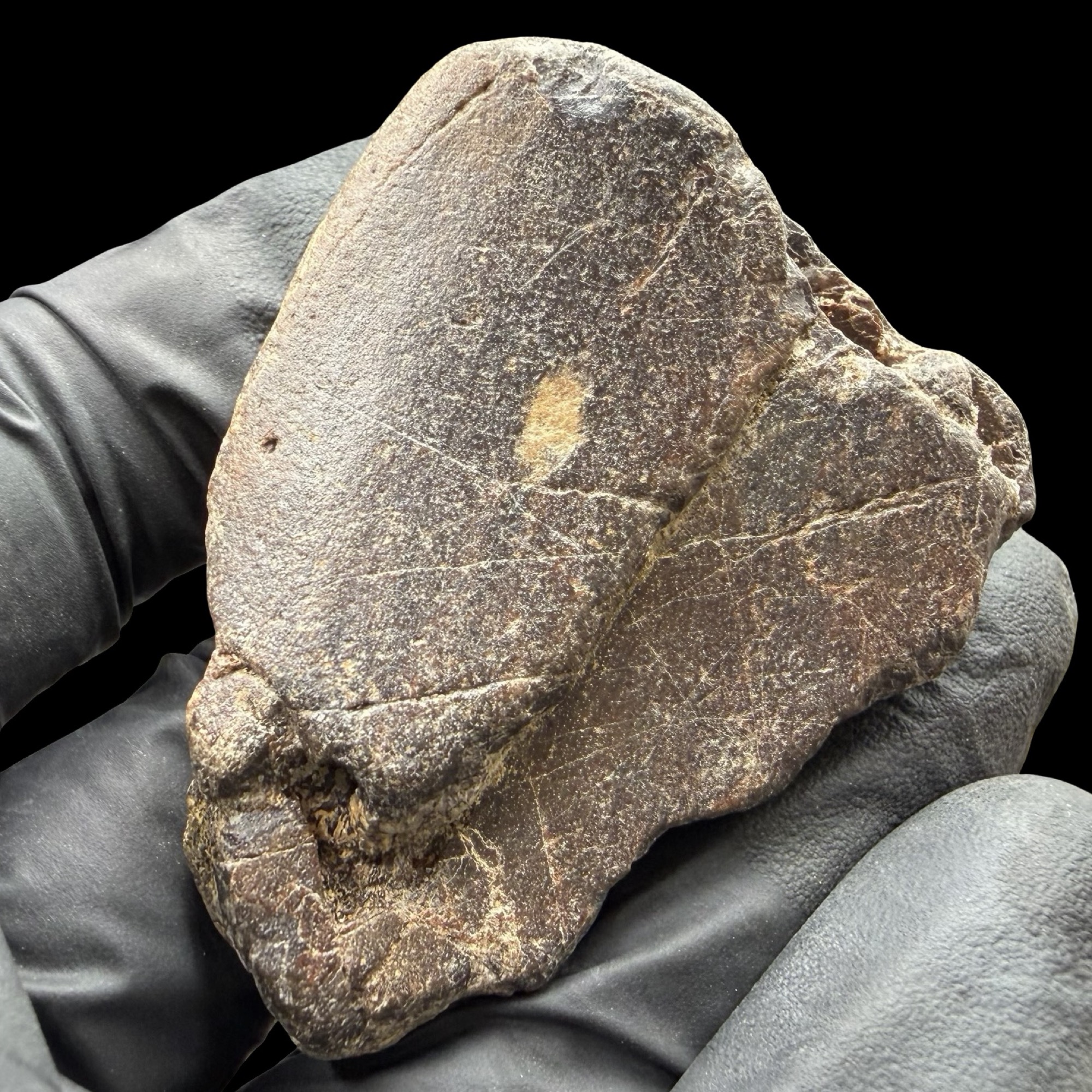
Rare Iguanodon Jaw Section with Partial Tooth – Isle of Wight DiscoveryThis remarkable fossil specimen represents a genuine section of Iguanodon jaw
with a preserved partial tooth, recovered from the Wessex Formation at Compton Bay on the Isle of Wight. Dating to the Early Cretaceous period within the Wealden Group, approximately 125 million years ago, this piece offers a rare and highly desirable insight into one of Britain’s most iconic dinosaurs.Discovered by our experienced team members, Alister and Alison, this fossil has been carefully cleaned, expertly prepared, and stabilised by Alison to preserve its delicate structure and reveal its defining anatomical features. The specimen shown in the photographs is the exact piece you will receive, making it a unique and investment-grade collector’s item.Geological Context and Depositional EnvironmentThe Wessex Formation is one of the most significant dinosaur-bearing units in the UK, representing a terrestrial floodplain environment with rivers, lakes, and seasonal wetlands. Sediments were deposited through a combination of fluvial processes and overbank flooding, creating conditions that occasionally allowed for the preservation of vertebrate remains.Compton Bay is particularly well known for yielding dinosaur fossils, including bones, teeth, and trackways. The preservation of a jaw section within this formation reflects rapid burial in sediment-rich environments, protecting it from scavenging and decay.Taxonomy and Scientific SignificanceIguanodon belongs to the order Ornithischia and the family Iguanodontidae, a group of large herbivorous dinosaurs that were among the dominant terrestrial animals of the Early Cretaceous. First described by Gideon Mantell in the early 19th century, Iguanodon was one of the first dinosaurs ever scientifically recognised, making it historically significant in the development of palaeontology.These dinosaurs were primarily herbivorous, using specialised teeth and jaws to process plant material efficiently, and are known for their adaptability and widespread distribution.Morphology and Jaw FeaturesThis specimen preserves a section of the jaw, including a partial tooth, offering a direct view into the feeding anatomy of Iguanodon. The jawbone shows natural curvature and structural density typical of ornithopod dinosaurs, with visible surface texture that reflects its original biological composition.The preserved tooth fragment is particularly significant, as Iguanodon teeth are adapted for grinding vegetation. They are typically leaf-shaped with ridged surfaces, designed to break down tough plant fibres. Even in partial form, the tooth provides valuable insight into the diet and feeding mechanisms of this dinosaur.The combination of bone and tooth within a single specimen enhances both its scientific importance and visual appeal.Preservation and PreparationFossil dinosaur jaw material is relatively rare, especially when associated with dental elements, making this specimen particularly desirable. Alison’s careful preparation has ensured that the fossil is clearly visible while maintaining its natural integrity and matrix support.The fossil retains its authentic mineralisation and texture, with subtle contrasts that highlight the bone and tooth structures. Full sizing details can be confirmed via the accompanying photographs.Authenticity and ProvenanceThis fossil is a genuine specimen and includes a fully hand-signed Premium Certificate of Authenticity, providing complete assurance of its origin, identification, and preparation. Each piece is responsibly sourced and handled directly by our team, ensuring full traceability from discovery through to final presentation.Collector Appeal and Display ValueIguanodon fossils from the Isle of Wight are among the most sought-after dinosaur specimens in the UK, valued for their rarity, historical significance, and connection to early palaeontological discoveries. A jaw section with an associated tooth is especially desirable due to its anatomical and educational importance.This specimen is ideal for collectors of dinosaur fossils, vertebrate material, or British geological specimens. Whether displayed in a cabinet, study, or gallery, it serves as a powerful and tangible connection to the prehistoric landscapes of the Early Cretaceous, offering both scientific depth and striking visual presence.
with a preserved partial tooth, recovered from the Wessex Formation at Compton Bay on the Isle of Wight. Dating to the Early Cretaceous period within the Wealden Group, approximately 125 million years ago, this piece offers a rare and highly desirable insight into one of Britain’s most iconic dinosaurs.Discovered by our experienced team members, Alister and Alison, this fossil has been carefully cleaned, expertly prepared, and stabilised by Alison to preserve its delicate structure and reveal its defining anatomical features. The specimen shown in the photographs is the exact piece you will receive, making it a unique and investment-grade collector’s item.Geological Context and Depositional EnvironmentThe Wessex Formation is one of the most significant dinosaur-bearing units in the UK, representing a terrestrial floodplain environment with rivers, lakes, and seasonal wetlands. Sediments were deposited through a combination of fluvial processes and overbank flooding, creating conditions that occasionally allowed for the preservation of vertebrate remains.Compton Bay is particularly well known for yielding dinosaur fossils, including bones, teeth, and trackways. The preservation of a jaw section within this formation reflects rapid burial in sediment-rich environments, protecting it from scavenging and decay.Taxonomy and Scientific SignificanceIguanodon belongs to the order Ornithischia and the family Iguanodontidae, a group of large herbivorous dinosaurs that were among the dominant terrestrial animals of the Early Cretaceous. First described by Gideon Mantell in the early 19th century, Iguanodon was one of the first dinosaurs ever scientifically recognised, making it historically significant in the development of palaeontology.These dinosaurs were primarily herbivorous, using specialised teeth and jaws to process plant material efficiently, and are known for their adaptability and widespread distribution.Morphology and Jaw FeaturesThis specimen preserves a section of the jaw, including a partial tooth, offering a direct view into the feeding anatomy of Iguanodon. The jawbone shows natural curvature and structural density typical of ornithopod dinosaurs, with visible surface texture that reflects its original biological composition.The preserved tooth fragment is particularly significant, as Iguanodon teeth are adapted for grinding vegetation. They are typically leaf-shaped with ridged surfaces, designed to break down tough plant fibres. Even in partial form, the tooth provides valuable insight into the diet and feeding mechanisms of this dinosaur.The combination of bone and tooth within a single specimen enhances both its scientific importance and visual appeal.Preservation and PreparationFossil dinosaur jaw material is relatively rare, especially when associated with dental elements, making this specimen particularly desirable. Alison’s careful preparation has ensured that the fossil is clearly visible while maintaining its natural integrity and matrix support.The fossil retains its authentic mineralisation and texture, with subtle contrasts that highlight the bone and tooth structures. Full sizing details can be confirmed via the accompanying photographs.Authenticity and ProvenanceThis fossil is a genuine specimen and includes a fully hand-signed Premium Certificate of Authenticity, providing complete assurance of its origin, identification, and preparation. Each piece is responsibly sourced and handled directly by our team, ensuring full traceability from discovery through to final presentation.Collector Appeal and Display ValueIguanodon fossils from the Isle of Wight are among the most sought-after dinosaur specimens in the UK, valued for their rarity, historical significance, and connection to early palaeontological discoveries. A jaw section with an associated tooth is especially desirable due to its anatomical and educational importance.This specimen is ideal for collectors of dinosaur fossils, vertebrate material, or British geological specimens. Whether displayed in a cabinet, study, or gallery, it serves as a powerful and tangible connection to the prehistoric landscapes of the Early Cretaceous, offering both scientific depth and striking visual presence.
Other Products