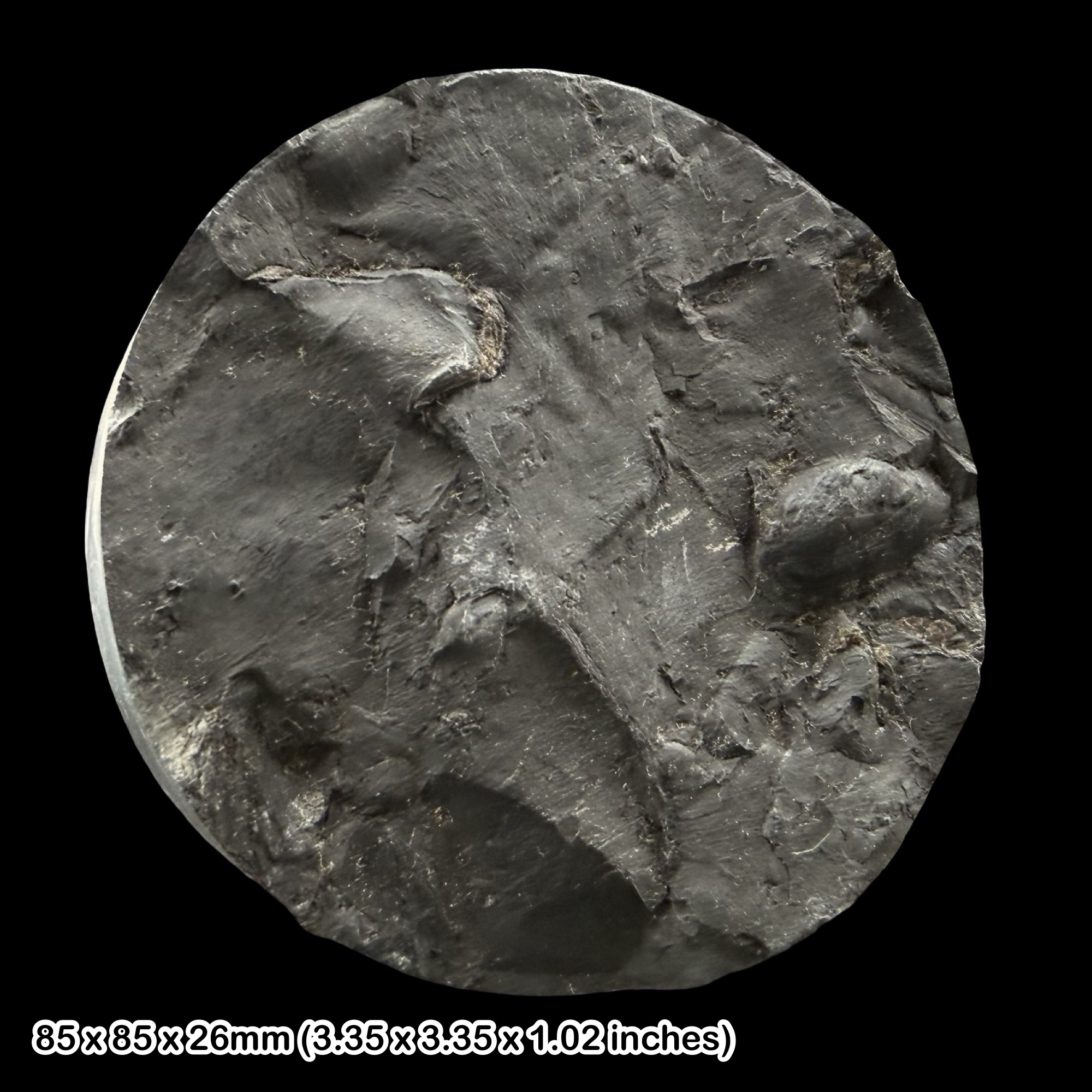
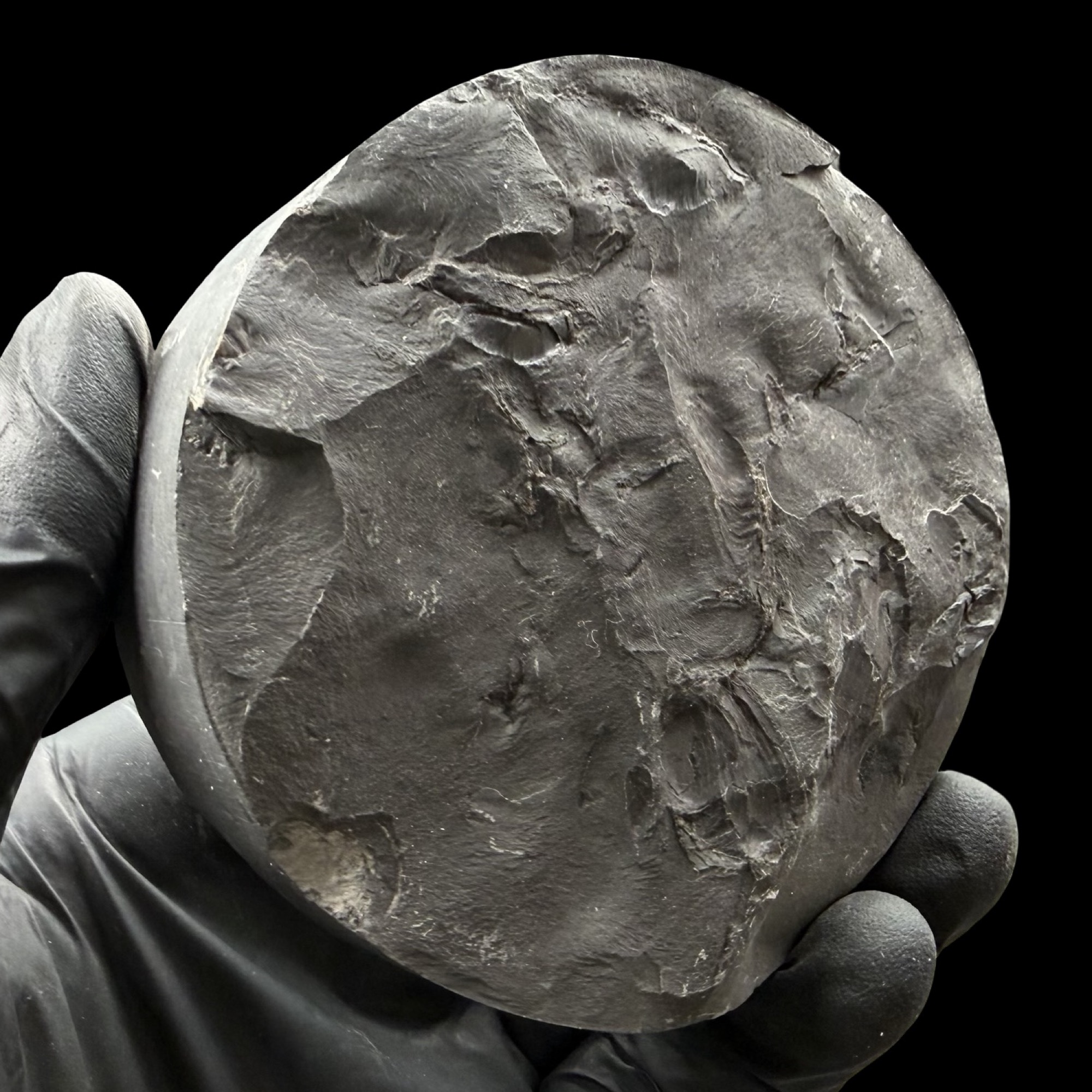
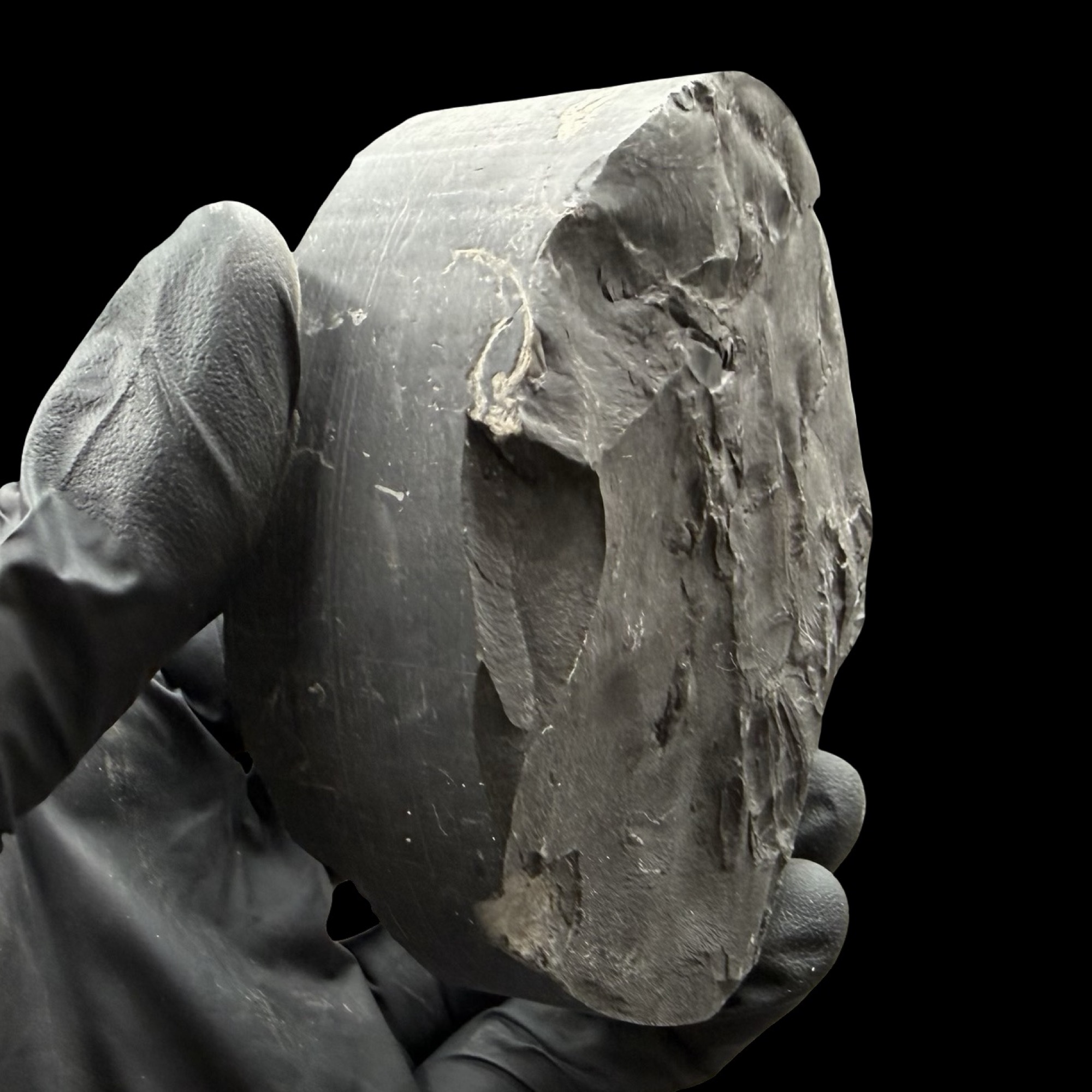
Carbonicola Freshwater Bivalve Fossil Carboniferous UK Coal Measure Specimen with Certificate
£ 36.00
GENUINE CARBONICOLA FRESHWATER BIVALVE FOSSIL FROM THE CARBONIFEROUS COAL
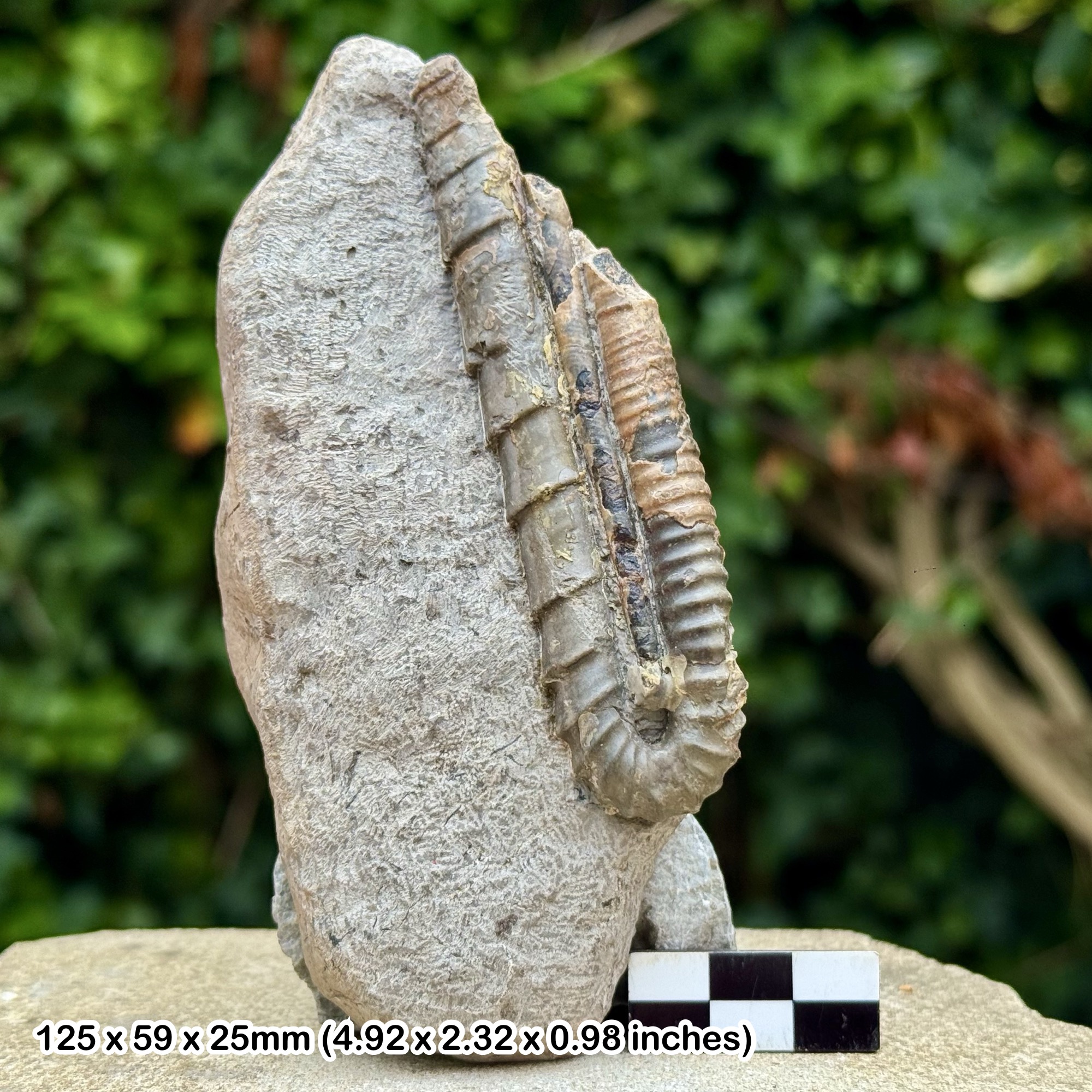
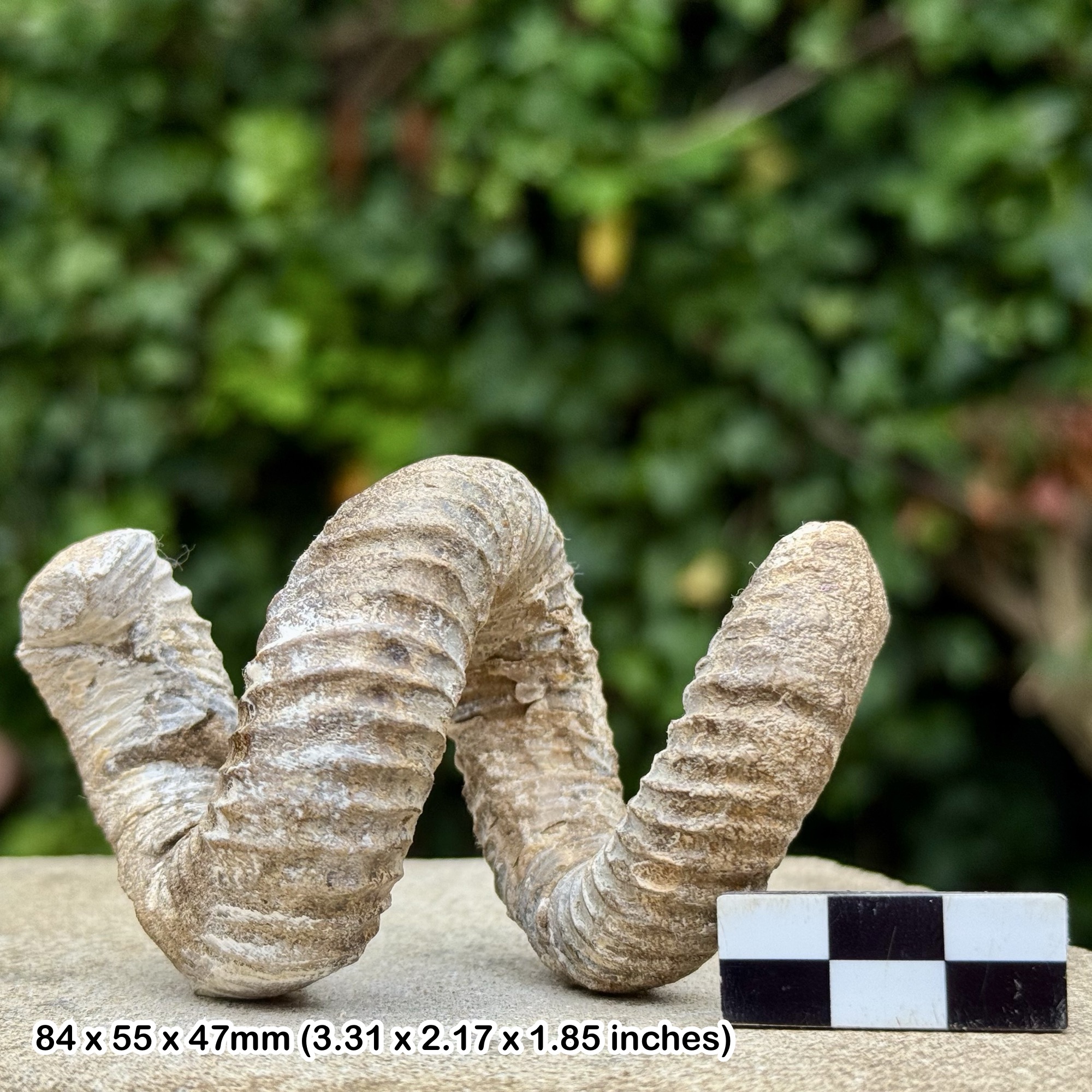
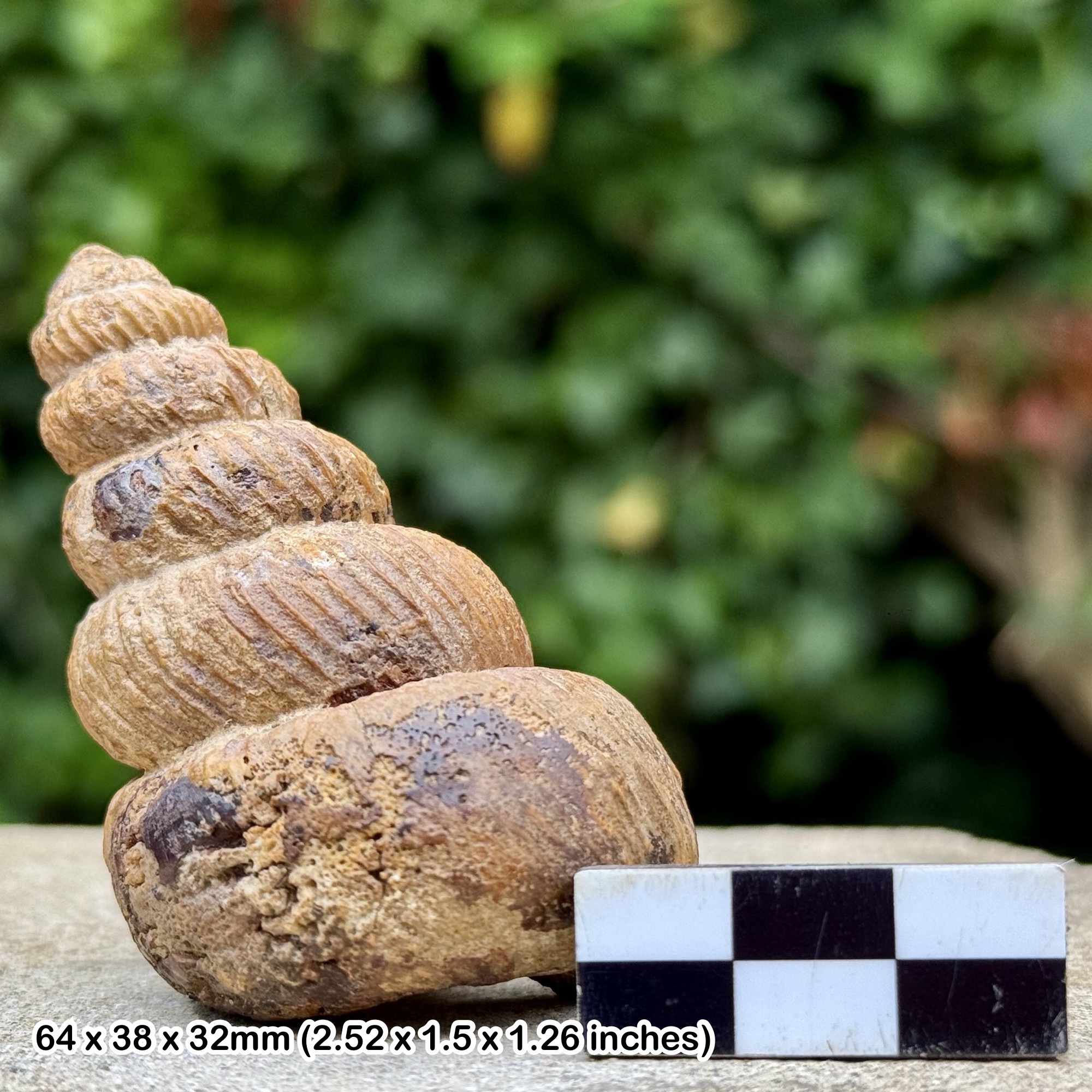
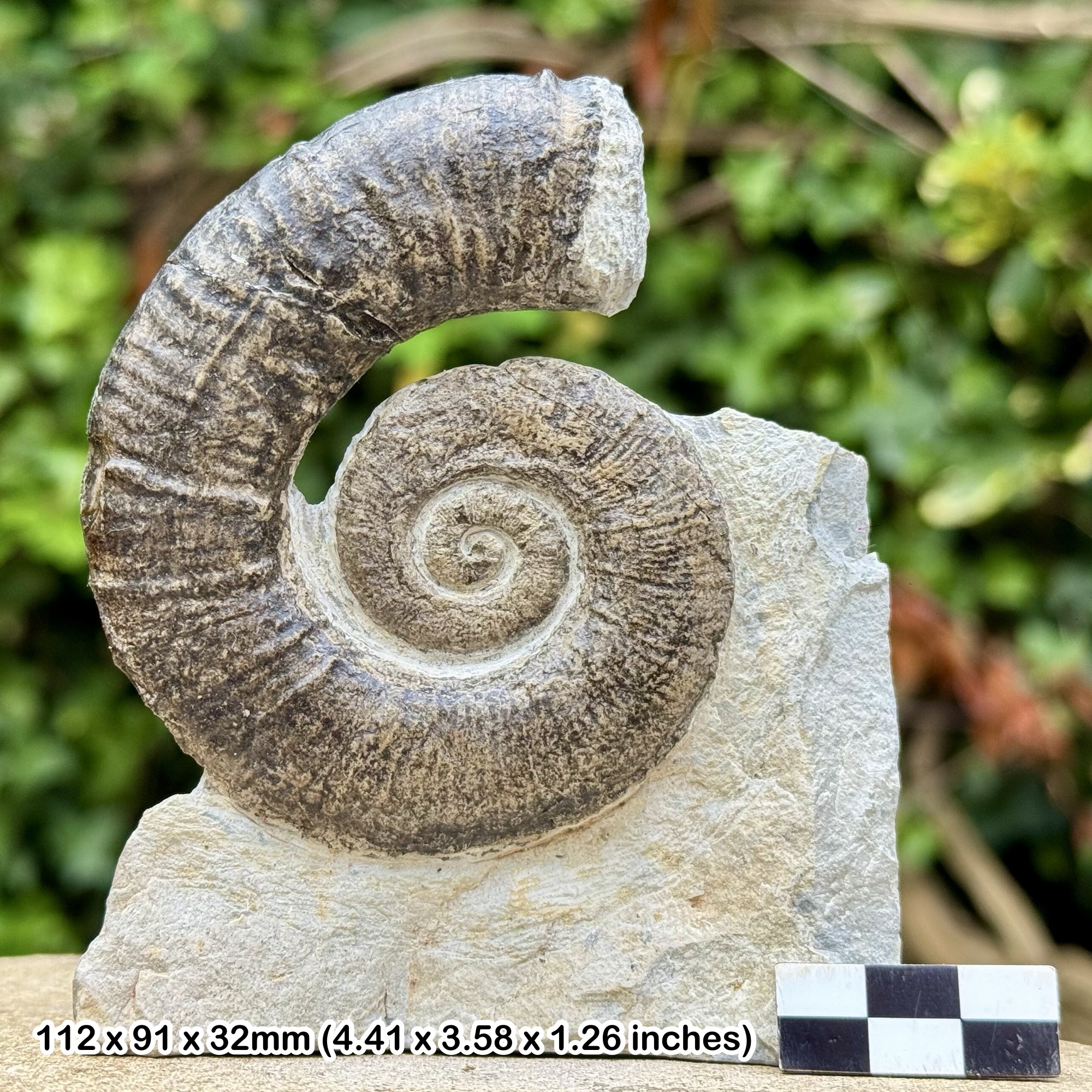
MEASURES OF NORTH STAFFORDSHIREThis genuine Carbonicola sp. freshwater bivalve fossil is a fascinating prehistoric invertebrate specimen originating from the Upper Carboniferous Coal Measures of North Staffordshire, United Kingdom. Preserved within ancient sedimentary rock formed over 300 million years ago, this fossil represents part of the freshwater ecosystems that existed within the vast tropical coal swamps of Carboniferous Britain.The specimen shown in the photographs is the exact fossil you will receive. Carefully selected for its preservation, detail and geological significance, this authentic fossil displays the natural shell structures and textures characteristic of Carbonicola bivalves preserved within the famous British Coal Measures.This fossil includes a Certificate of Authenticity lifetime guarantee generic card confirming the specimen is 100% genuine.Full sizing please see photo. ABOUT CARBONICOLA FRESHWATER BIVALVESCarbonicola is an extinct genus of freshwater bivalve molluscs commonly associated with Carboniferous Coal Measure deposits throughout Britain and Europe. These small clam-like organisms belonged to the class Bivalvia and lived within freshwater rivers, lakes and swamp environments associated with ancient coal-forming forests.Unlike marine bivalves, Carbonicola species adapted to freshwater habitats and are considered important indicators of non-marine depositional environments within Carboniferous sediments. Their shells were composed of two hinged valves that protected the soft-bodied organism living within.Fossils of Carbonicola often preserve fine growth lines, shell curvature and natural ornamentation, offering valuable insight into the ecology of ancient freshwater systems. These bivalves likely lived partially buried within muddy substrates where they filtered organic particles and nutrients from the surrounding water.Specimens preserved within Coal Measure rocks are highly significant to palaeontologists because they help reconstruct the environmental conditions that existed during the formation of Britain’s coal deposits. UPPER CARBONIFEROUS COAL SWAMP ENVIRONMENTDuring the Upper Carboniferous period, approximately 323 to 299 million years ago, Britain lay close to the equator and experienced warm humid tropical conditions. Extensive lowland swamp forests covered large areas of the landscape, creating one of the most productive ecosystems in Earth’s history.These environments were dominated by giant lycopod trees, horsetails, ferns and seed ferns growing within waterlogged floodplains and freshwater basins. Rivers and stagnant pools within these swamps supported diverse freshwater life including bivalves such as Carbonicola.Over time, layers of plant material accumulated in oxygen-poor wetlands and became buried beneath sediment, eventually forming the coal seams for which the Carboniferous period is famous. Fossils preserved alongside these deposits provide valuable evidence for understanding the ecology and climate of prehistoric coal-forming environments.The Coal Measures of North Staffordshire are internationally recognised for their rich fossil content and historical importance to British geology and industrial heritage. NATURAL FOSSIL PRESERVATIONThis specimen retains authentic natural preservation and has not been artificially replicated or reconstructed. The visible shell impressions, mineralisation and sediment textures formed naturally during fossilisation over hundreds of millions of years.The fossil preserves genuine structural detail associated with Carbonicola bivalves, including the natural shape and outline of the shell valves embedded within the surrounding rock matrix. Variations in texture and colour reflect the geological conditions present during fossilisation within the Coal Measures.Carboniferous freshwater fossils are highly collectable due to their rarity and their connection to the ancient swamp ecosystems responsible for much of the world’s coal deposits. GEOLOGICAL AND SCIENTIFIC IMPORTANCECarbonicola fossils are important index fossils within British Coal Measure geology and have historically been used to help identify and correlate freshwater sedimentary layers associated with coal seams. Their presence provides evidence for non-marine depositional conditions and changing environmental systems during the Carboniferous.Fossils from the North Staffordshire Coal Measures contribute to the understanding of prehistoric freshwater ecosystems that existed long before the rise of dinosaurs. They also represent an important part of Britain’s geological and mining heritage.This specimen is ideal for collectors of Carboniferous fossils, fossil bivalves, British fossils, Coal Measure fossils, freshwater invertebrates and authentic palaeontological specimens. CERTIFICATE OF AUTHENTICITYIncluded with the fossil is a Certificate of Authenticity lifetime guarantee generic card confirming that the specimen is genuine. The photographs provided show the exact fossil you will receive, allowing collectors and buyers to purchase with complete confidence.
MEASURES OF NORTH STAFFORDSHIREThis genuine Carbonicola sp. freshwater bivalve fossil is a fascinating prehistoric invertebrate specimen originating from the Upper Carboniferous Coal Measures of North Staffordshire, United Kingdom. Preserved within ancient sedimentary rock formed over 300 million years ago, this fossil represents part of the freshwater ecosystems that existed within the vast tropical coal swamps of Carboniferous Britain.The specimen shown in the photographs is the exact fossil you will receive. Carefully selected for its preservation, detail and geological significance, this authentic fossil displays the natural shell structures and textures characteristic of Carbonicola bivalves preserved within the famous British Coal Measures.This fossil includes a Certificate of Authenticity lifetime guarantee generic card confirming the specimen is 100% genuine.Full sizing please see photo. ABOUT CARBONICOLA FRESHWATER BIVALVESCarbonicola is an extinct genus of freshwater bivalve molluscs commonly associated with Carboniferous Coal Measure deposits throughout Britain and Europe. These small clam-like organisms belonged to the class Bivalvia and lived within freshwater rivers, lakes and swamp environments associated with ancient coal-forming forests.Unlike marine bivalves, Carbonicola species adapted to freshwater habitats and are considered important indicators of non-marine depositional environments within Carboniferous sediments. Their shells were composed of two hinged valves that protected the soft-bodied organism living within.Fossils of Carbonicola often preserve fine growth lines, shell curvature and natural ornamentation, offering valuable insight into the ecology of ancient freshwater systems. These bivalves likely lived partially buried within muddy substrates where they filtered organic particles and nutrients from the surrounding water.Specimens preserved within Coal Measure rocks are highly significant to palaeontologists because they help reconstruct the environmental conditions that existed during the formation of Britain’s coal deposits. UPPER CARBONIFEROUS COAL SWAMP ENVIRONMENTDuring the Upper Carboniferous period, approximately 323 to 299 million years ago, Britain lay close to the equator and experienced warm humid tropical conditions. Extensive lowland swamp forests covered large areas of the landscape, creating one of the most productive ecosystems in Earth’s history.These environments were dominated by giant lycopod trees, horsetails, ferns and seed ferns growing within waterlogged floodplains and freshwater basins. Rivers and stagnant pools within these swamps supported diverse freshwater life including bivalves such as Carbonicola.Over time, layers of plant material accumulated in oxygen-poor wetlands and became buried beneath sediment, eventually forming the coal seams for which the Carboniferous period is famous. Fossils preserved alongside these deposits provide valuable evidence for understanding the ecology and climate of prehistoric coal-forming environments.The Coal Measures of North Staffordshire are internationally recognised for their rich fossil content and historical importance to British geology and industrial heritage. NATURAL FOSSIL PRESERVATIONThis specimen retains authentic natural preservation and has not been artificially replicated or reconstructed. The visible shell impressions, mineralisation and sediment textures formed naturally during fossilisation over hundreds of millions of years.The fossil preserves genuine structural detail associated with Carbonicola bivalves, including the natural shape and outline of the shell valves embedded within the surrounding rock matrix. Variations in texture and colour reflect the geological conditions present during fossilisation within the Coal Measures.Carboniferous freshwater fossils are highly collectable due to their rarity and their connection to the ancient swamp ecosystems responsible for much of the world’s coal deposits. GEOLOGICAL AND SCIENTIFIC IMPORTANCECarbonicola fossils are important index fossils within British Coal Measure geology and have historically been used to help identify and correlate freshwater sedimentary layers associated with coal seams. Their presence provides evidence for non-marine depositional conditions and changing environmental systems during the Carboniferous.Fossils from the North Staffordshire Coal Measures contribute to the understanding of prehistoric freshwater ecosystems that existed long before the rise of dinosaurs. They also represent an important part of Britain’s geological and mining heritage.This specimen is ideal for collectors of Carboniferous fossils, fossil bivalves, British fossils, Coal Measure fossils, freshwater invertebrates and authentic palaeontological specimens. CERTIFICATE OF AUTHENTICITYIncluded with the fossil is a Certificate of Authenticity lifetime guarantee generic card confirming that the specimen is genuine. The photographs provided show the exact fossil you will receive, allowing collectors and buyers to purchase with complete confidence.
Other Products