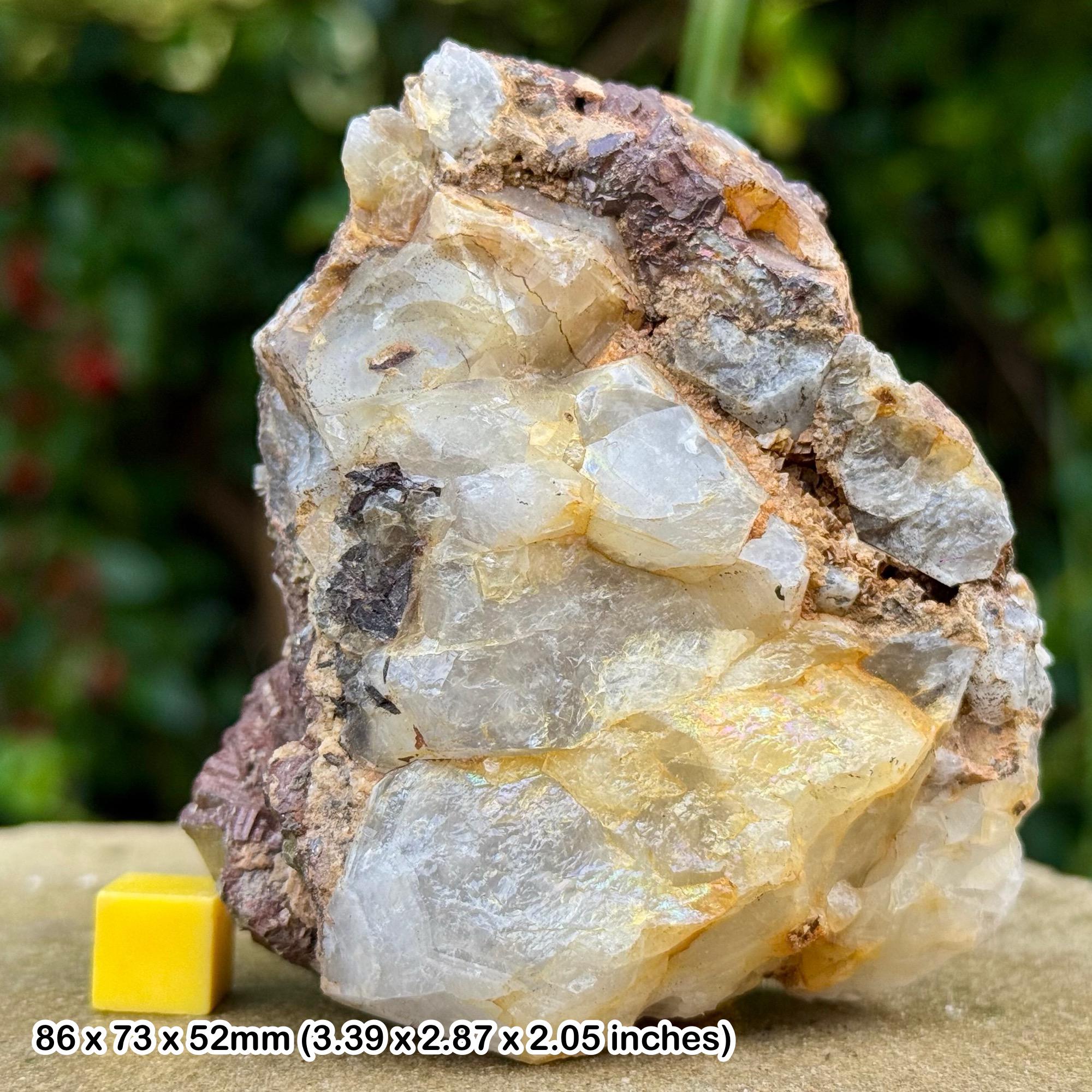
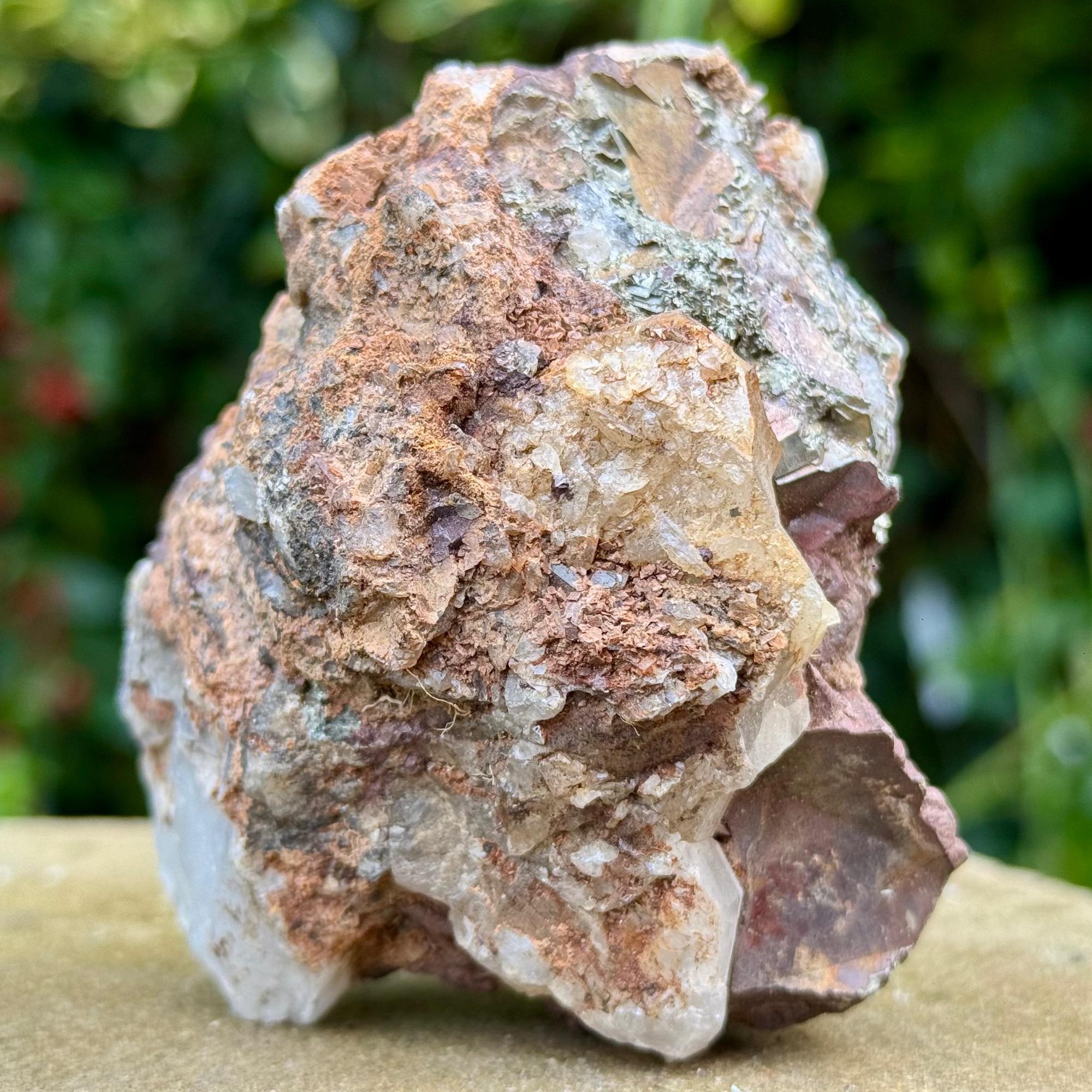
Quartz and Chalcopyrite Old Treburgett Mine Cornwall Genuine Mineral Specimen with Certificate of Authenticity
£ 32.40
GENUINE QUARTZ AND CHALCOPYRITE – OLD TREBURGETT MINE, ST TEATH, CORNWALL, UKThis Quartz and Chalcopyrite specimen from Old Treburgett Mine, St Teath,
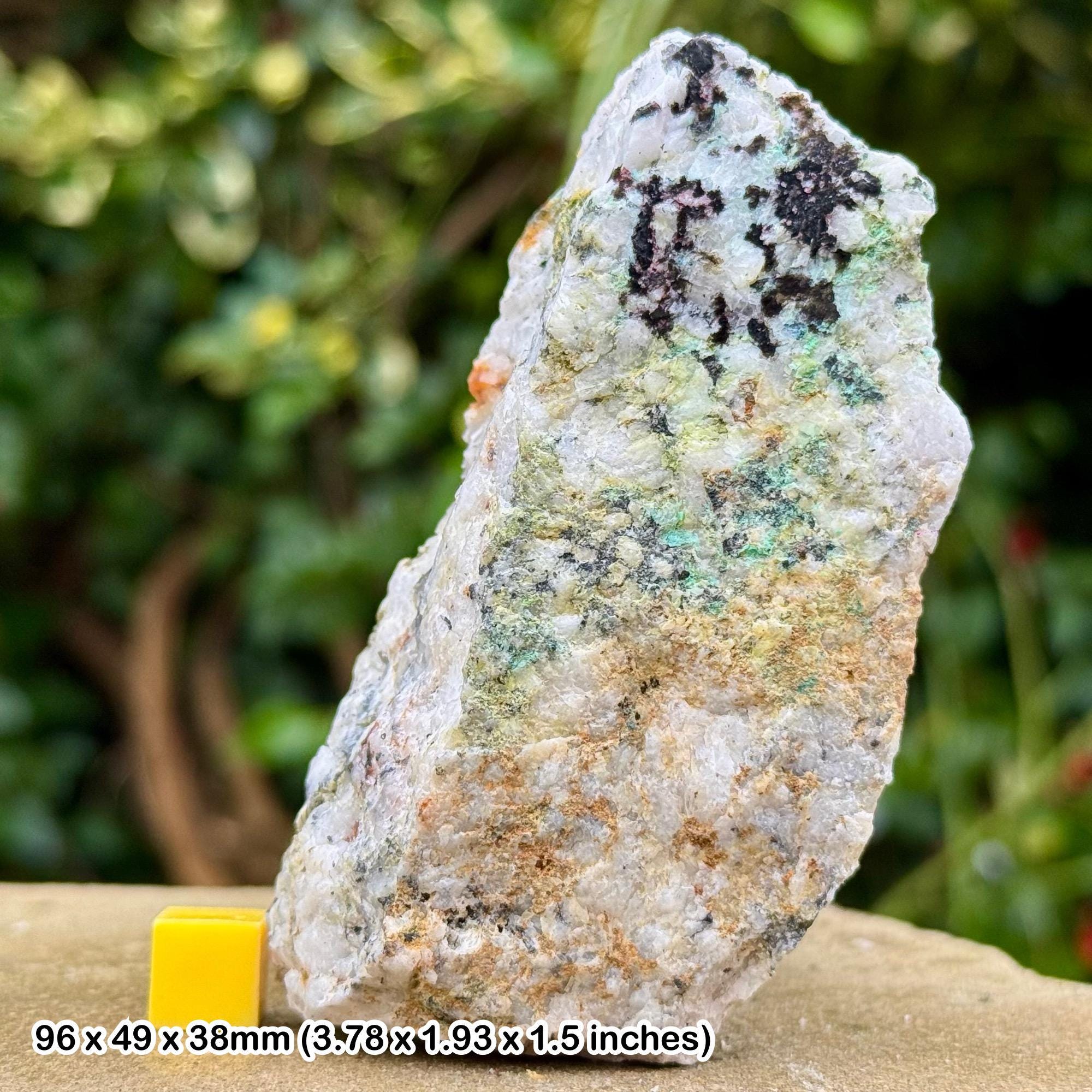
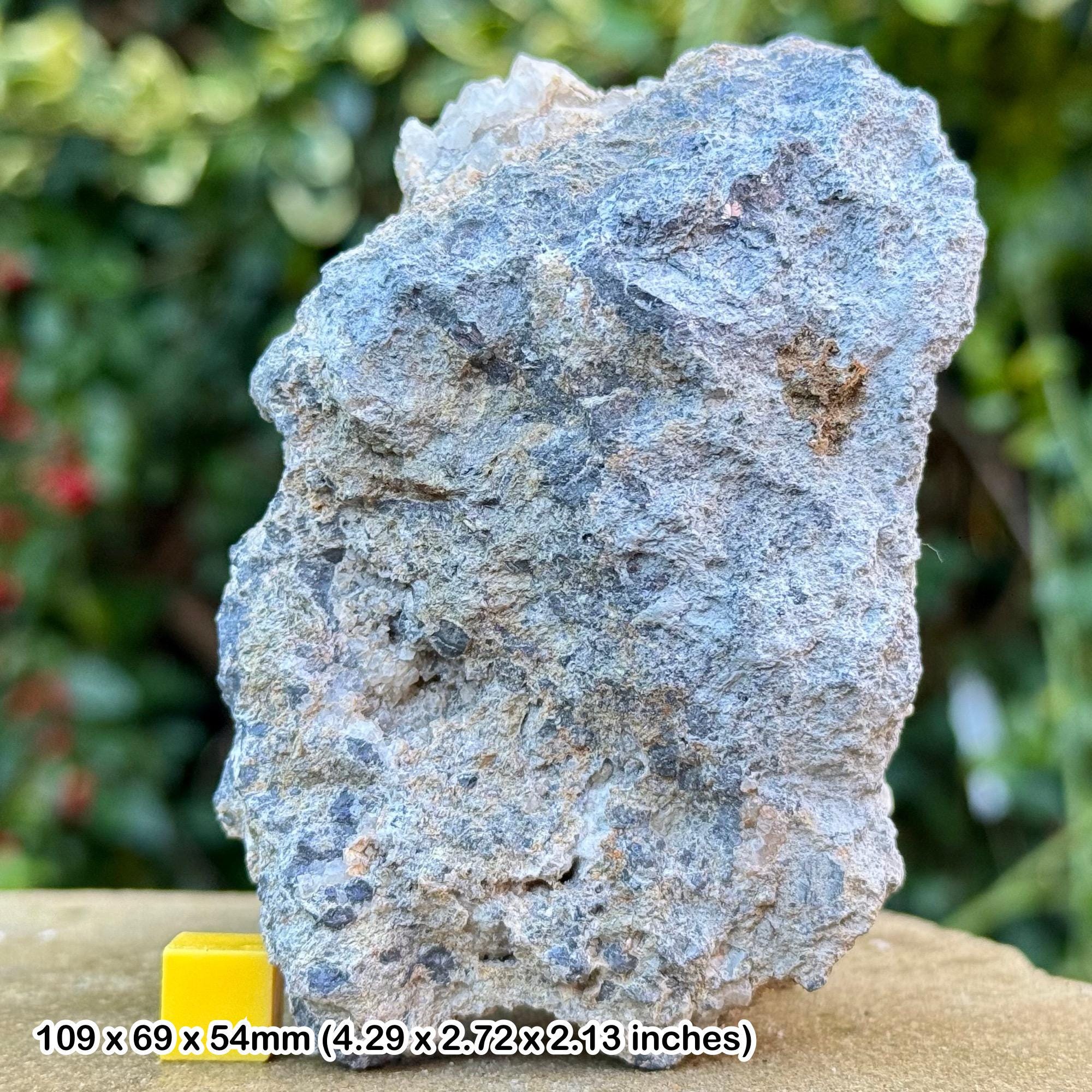
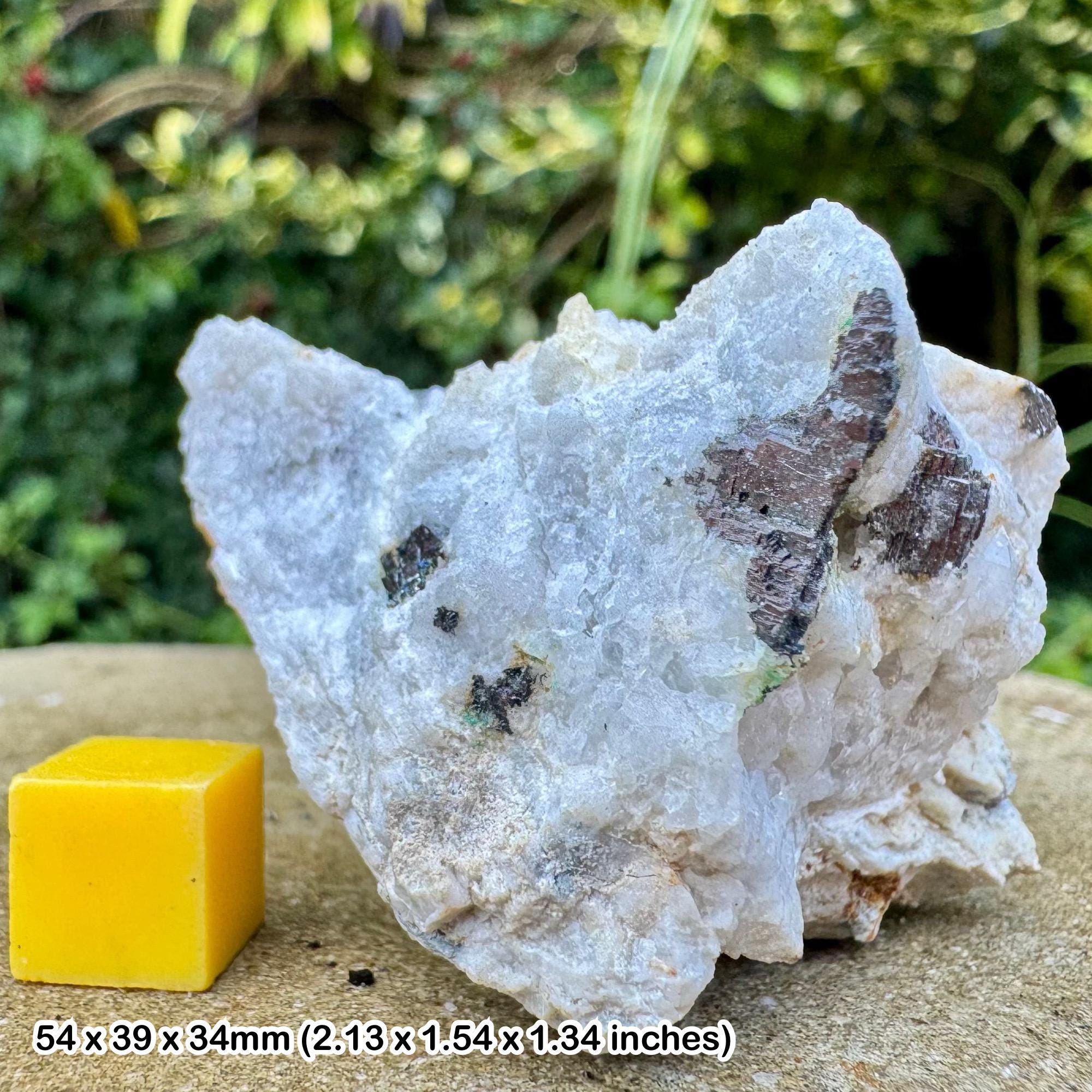
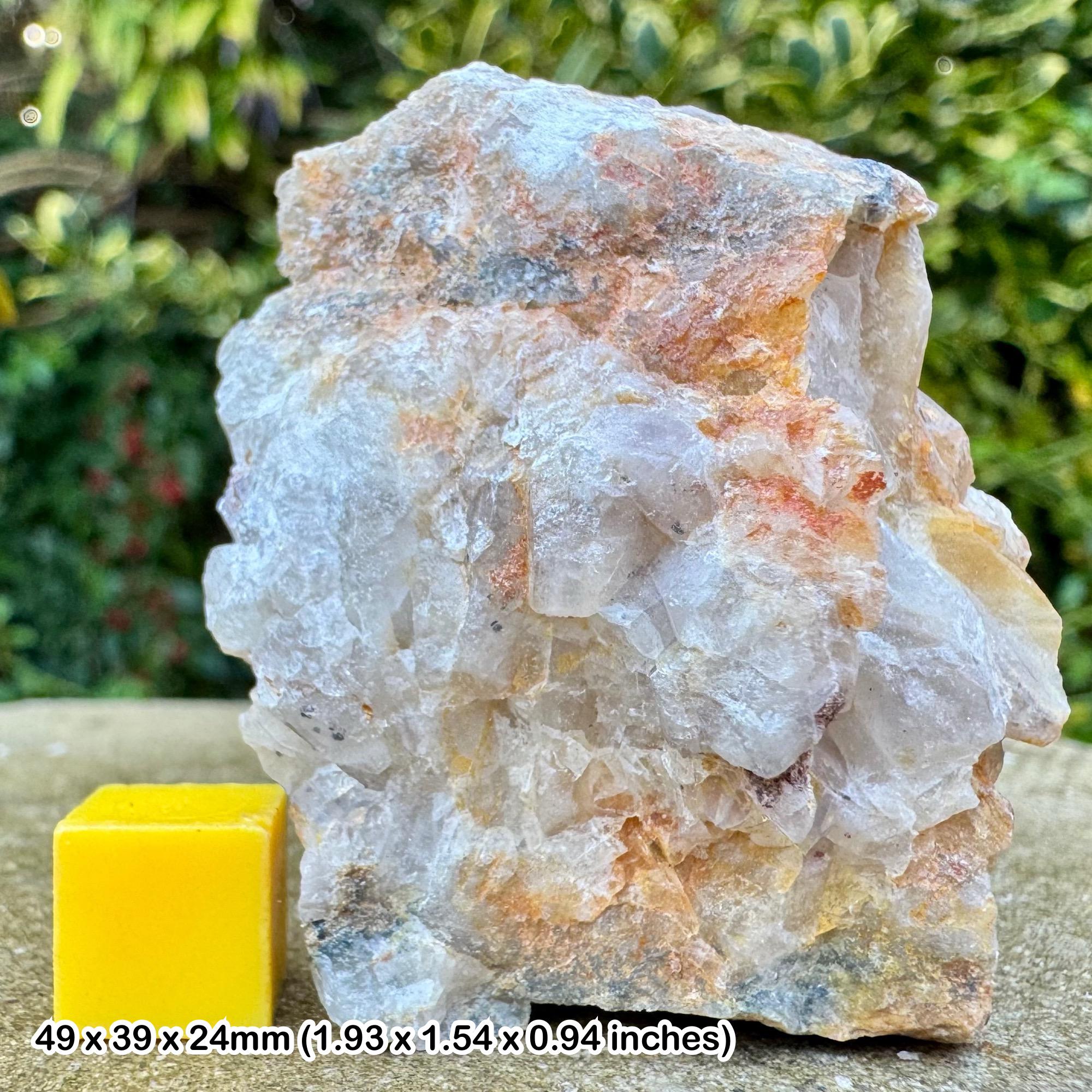
Cornwall, England, UK, is a genuine and carefully selected example of classic Cornish hydrothermal mineralisation. The photograph provided shows the exact specimen you will receive. Please refer to the images for full sizing details and accurate scale.This crystal specimen includes a Certificate of Authenticity lifetime guarantee generic card confirming its genuine origin and mineral identification. MINERAL & GEOLOGICAL CLASSIFICATION – QUARTZQuartz is a silicon dioxide mineral with the chemical formula SiO₂. It belongs to the tectosilicate mineral group and crystallises in the trigonal division of the hexagonal crystal system.Mineral Name: QuartzChemical Formula: SiO₂Mineral Group: TectosilicateCrystal System: TrigonalHardness: 7 on the Mohs scaleLustre: VitreousTransparency: Transparent to translucentQuartz commonly forms six-sided prismatic crystals terminated by pyramidal faces. In hydrothermal vein systems such as those found in Cornwall, quartz is often the primary gangue mineral, forming the structural framework of the vein. MINERAL & GEOLOGICAL CLASSIFICATION – CHALCOPYRITEChalcopyrite is a copper iron sulfide mineral with the chemical formula CuFeS₂. It belongs to the sulfide mineral group and crystallises in the tetragonal crystal system.Mineral Name: ChalcopyriteChemical Formula: CuFeS₂Mineral Group: SulfideCrystal System: TetragonalHardness: 3.5–4 on the Mohs scaleLustre: MetallicColour: Brass-yellow with possible iridescent tarnishChalcopyrite is recognised by its brassy metallic appearance. Surface oxidation may produce subtle iridescent hues of purple, blue or green, adding visual contrast to the specimen. GEOLOGICAL SETTING – OLD TREBURGETT MINE, ST TEATHOld Treburgett Mine is located near St Teath in Cornwall, a region internationally known for its granite-related mineralisation. The area forms part of the Cornubian metallogenic province, associated with the emplacement of granite during the late Carboniferous to early Permian periods.Hydrothermal fluids generated by the cooling granite intrusions migrated through fractures and faults in the surrounding country rock. These mineral-rich fluids deposited quartz along with copper-bearing sulfides such as chalcopyrite within vein systems.Quartz typically crystallised first or concurrently as the primary vein-filling material. Chalcopyrite formed during the main sulfide mineralisation stage, occupying cavities or intergrowing with quartz.Associated minerals in similar Cornish deposits may include arsenopyrite, galena, sphalerite and pyrite, reflecting multi-stage hydrothermal activity. CRYSTAL CHARACTERISTICS & NOTABLE TRAITSThis specimen may display:
• Clear to milky quartz crystals with prismatic form
• Metallic chalcopyrite embedded in or coating the quartz matrix
• Strong contrast between glassy quartz and brassy sulfide
• Natural surface textures and vein structuresQuartz may show growth striations, internal inclusions or slight clouding. Chalcopyrite may present as granular masses, crystalline aggregates or metallic patches with reflective surfaces.Any natural tarnish, matrix attachment or minor surface variation is part of the mineral’s geological formation and confirms authenticity. GEOLOGICAL IMPORTANCE & COLLECTIBILITYQuartz with chalcopyrite from named Cornish mines represents classic hydrothermal copper mineralisation. Cornwall’s mining history and documented localities add significant collector value to specimens from this region.The combination of vitreous quartz and metallic chalcopyrite creates strong visual contrast while representing key stages in vein formation. This specimen is suitable for mineral cabinets, educational geological collections and collectors of British copper minerals.As a genuine natural specimen, it displays unique structural characteristics shaped by its hydrothermal origin. The photograph shows the exact specimen you will receive. AUTHENTICITY & PRESENTATIONThis Quartz and Chalcopyrite specimen from Old Treburgett Mine has been carefully chosen for mineral quality and locality significance. Included with your purchase is a Certificate of Authenticity lifetime guarantee generic card confirming its genuine origin from St Teath, Cornwall, England, UK.Combining classic Cornish quartz veining with copper sulfide mineralisation, this specimen offers mineral authenticity, documented provenance and strong collector appeal in one carefully selected piece.
Cornwall, England, UK, is a genuine and carefully selected example of classic Cornish hydrothermal mineralisation. The photograph provided shows the exact specimen you will receive. Please refer to the images for full sizing details and accurate scale.This crystal specimen includes a Certificate of Authenticity lifetime guarantee generic card confirming its genuine origin and mineral identification. MINERAL & GEOLOGICAL CLASSIFICATION – QUARTZQuartz is a silicon dioxide mineral with the chemical formula SiO₂. It belongs to the tectosilicate mineral group and crystallises in the trigonal division of the hexagonal crystal system.Mineral Name: QuartzChemical Formula: SiO₂Mineral Group: TectosilicateCrystal System: TrigonalHardness: 7 on the Mohs scaleLustre: VitreousTransparency: Transparent to translucentQuartz commonly forms six-sided prismatic crystals terminated by pyramidal faces. In hydrothermal vein systems such as those found in Cornwall, quartz is often the primary gangue mineral, forming the structural framework of the vein. MINERAL & GEOLOGICAL CLASSIFICATION – CHALCOPYRITEChalcopyrite is a copper iron sulfide mineral with the chemical formula CuFeS₂. It belongs to the sulfide mineral group and crystallises in the tetragonal crystal system.Mineral Name: ChalcopyriteChemical Formula: CuFeS₂Mineral Group: SulfideCrystal System: TetragonalHardness: 3.5–4 on the Mohs scaleLustre: MetallicColour: Brass-yellow with possible iridescent tarnishChalcopyrite is recognised by its brassy metallic appearance. Surface oxidation may produce subtle iridescent hues of purple, blue or green, adding visual contrast to the specimen. GEOLOGICAL SETTING – OLD TREBURGETT MINE, ST TEATHOld Treburgett Mine is located near St Teath in Cornwall, a region internationally known for its granite-related mineralisation. The area forms part of the Cornubian metallogenic province, associated with the emplacement of granite during the late Carboniferous to early Permian periods.Hydrothermal fluids generated by the cooling granite intrusions migrated through fractures and faults in the surrounding country rock. These mineral-rich fluids deposited quartz along with copper-bearing sulfides such as chalcopyrite within vein systems.Quartz typically crystallised first or concurrently as the primary vein-filling material. Chalcopyrite formed during the main sulfide mineralisation stage, occupying cavities or intergrowing with quartz.Associated minerals in similar Cornish deposits may include arsenopyrite, galena, sphalerite and pyrite, reflecting multi-stage hydrothermal activity. CRYSTAL CHARACTERISTICS & NOTABLE TRAITSThis specimen may display:
• Clear to milky quartz crystals with prismatic form
• Metallic chalcopyrite embedded in or coating the quartz matrix
• Strong contrast between glassy quartz and brassy sulfide
• Natural surface textures and vein structuresQuartz may show growth striations, internal inclusions or slight clouding. Chalcopyrite may present as granular masses, crystalline aggregates or metallic patches with reflective surfaces.Any natural tarnish, matrix attachment or minor surface variation is part of the mineral’s geological formation and confirms authenticity. GEOLOGICAL IMPORTANCE & COLLECTIBILITYQuartz with chalcopyrite from named Cornish mines represents classic hydrothermal copper mineralisation. Cornwall’s mining history and documented localities add significant collector value to specimens from this region.The combination of vitreous quartz and metallic chalcopyrite creates strong visual contrast while representing key stages in vein formation. This specimen is suitable for mineral cabinets, educational geological collections and collectors of British copper minerals.As a genuine natural specimen, it displays unique structural characteristics shaped by its hydrothermal origin. The photograph shows the exact specimen you will receive. AUTHENTICITY & PRESENTATIONThis Quartz and Chalcopyrite specimen from Old Treburgett Mine has been carefully chosen for mineral quality and locality significance. Included with your purchase is a Certificate of Authenticity lifetime guarantee generic card confirming its genuine origin from St Teath, Cornwall, England, UK.Combining classic Cornish quartz veining with copper sulfide mineralisation, this specimen offers mineral authenticity, documented provenance and strong collector appeal in one carefully selected piece.
Other Products