Pulchellia communis Ammonite Fossil Cretaceous France Genuine COA Card - Barremian Compressissima Zone Collector Specimen
£ 10.20
Pulchellia communis Ammonite Fossil from Alpes-Maritimes, FranceThis is a genuine Pulchellia communis ammonite fossil from the Lower Barremian
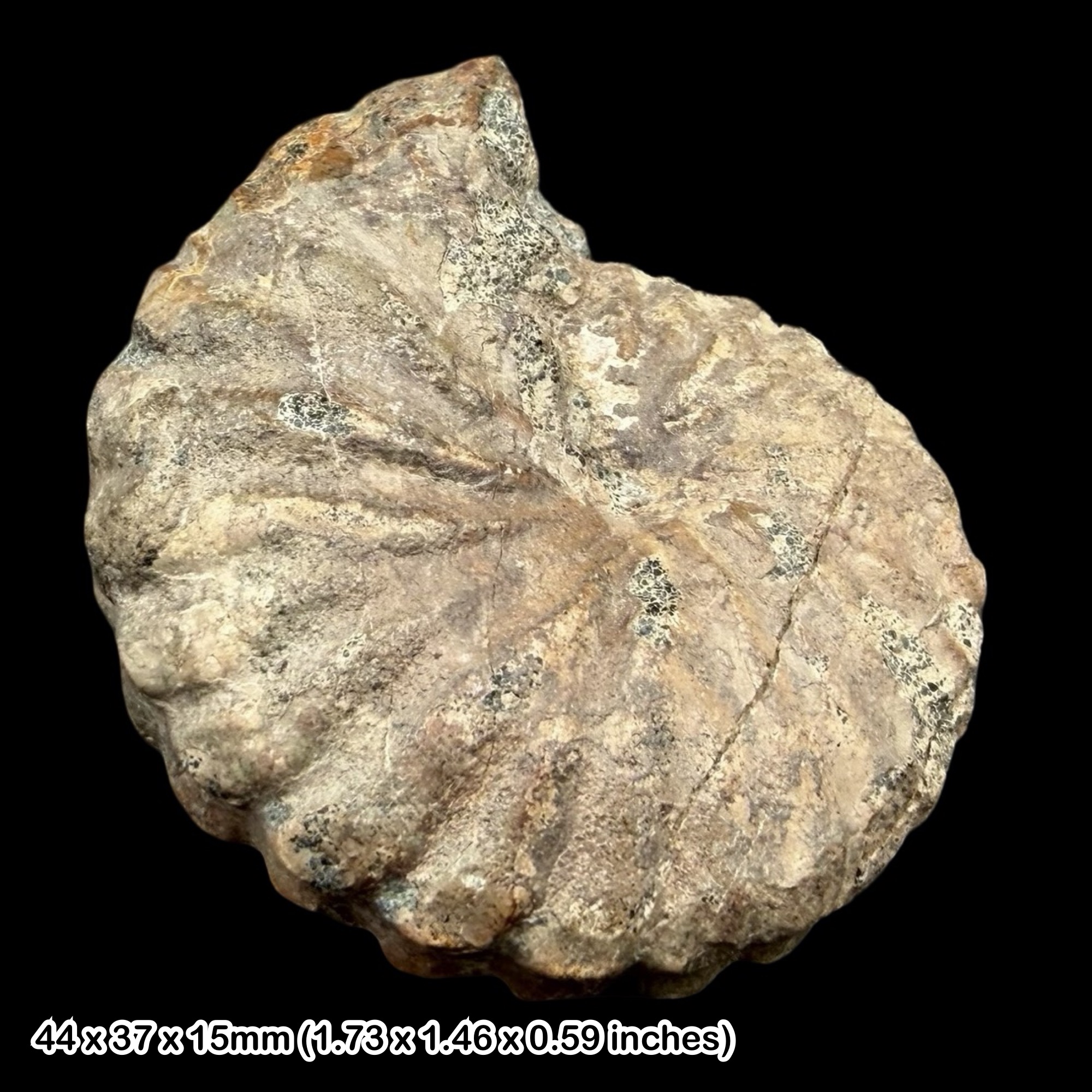
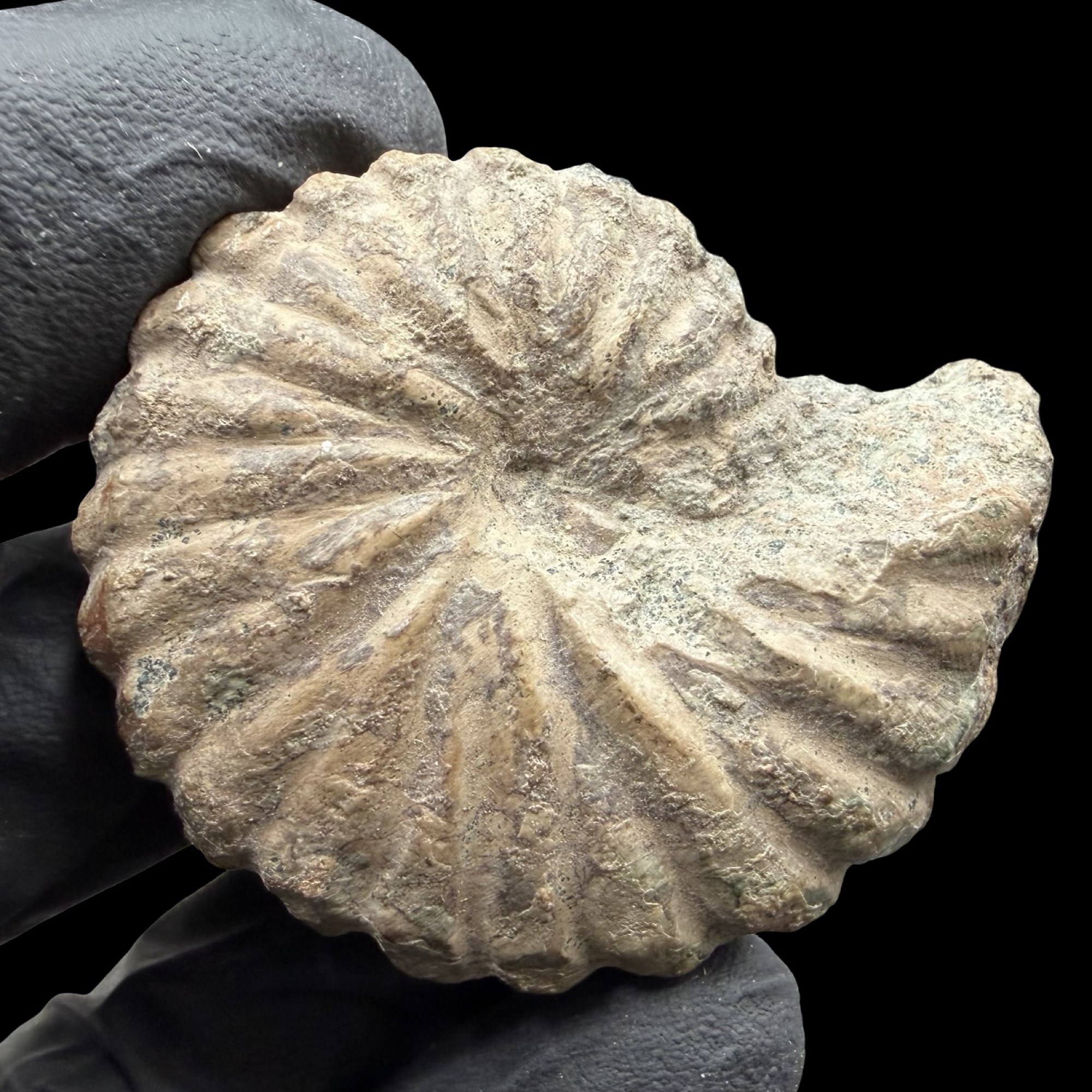
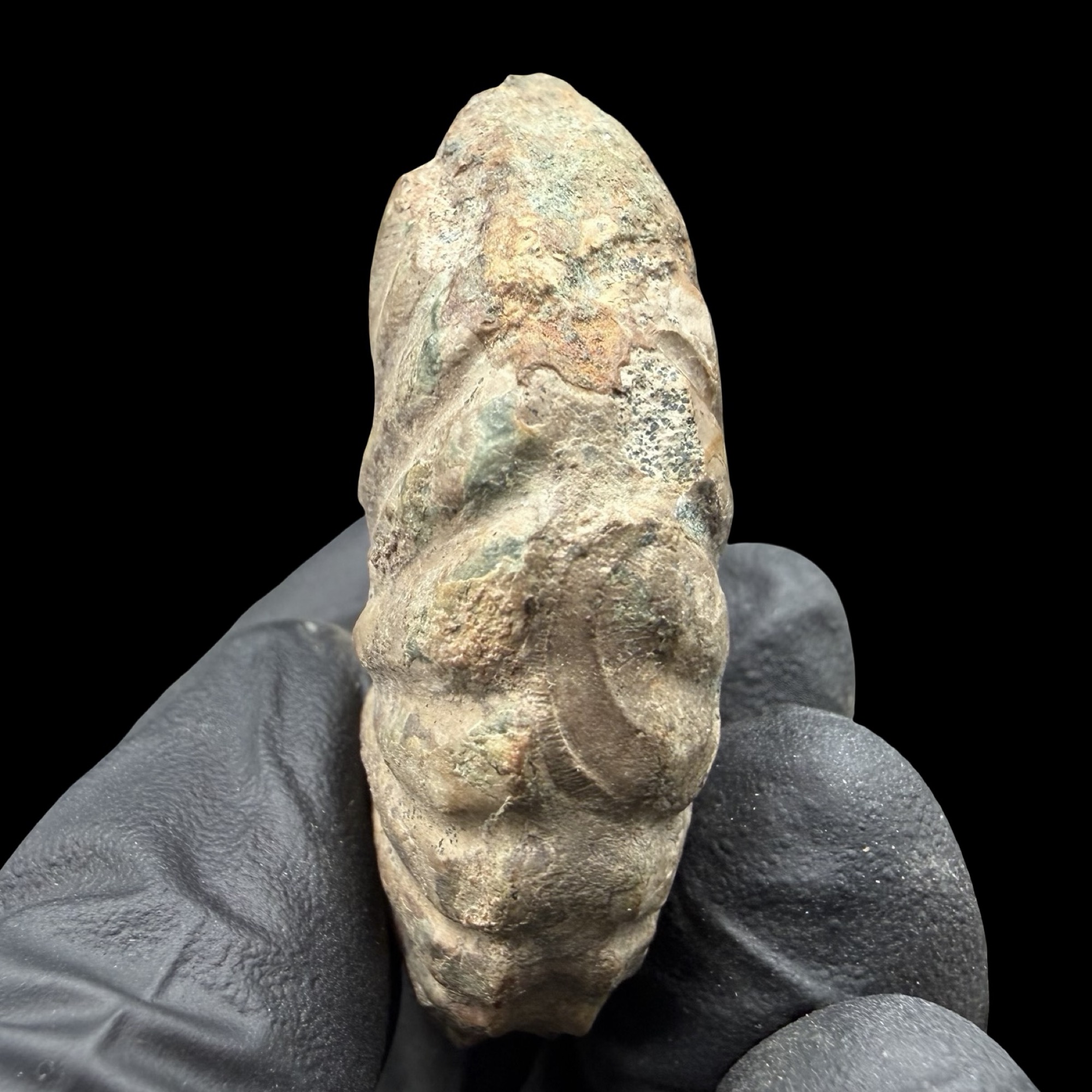
stage of the Cretaceous Period, collected from Saint-Laurent-de-l’Escarène, Alpes-Maritimes, France. This carefully chosen fossil comes from the Compressissima Zone, making it an appealing and scientifically interesting Cretaceous ammonite specimen for fossil collectors, natural history displays, educational geology collections, and anyone interested in prehistoric marine life.This fossil is a genuine specimen and includes a Certificate of Authenticity lifetime guarantee generic card. The photograph shows the actual fossil you will receive, so the buyer can view the condition, preservation, colour, matrix, and overall display quality before purchase.Full sizing and scale can be seen in the photo.Geological Age and LocalityThis ammonite dates to the Lower Barremian, part of the Early Cretaceous, approximately 129 to 125 million years old. The Barremian was an important interval in the evolution of ammonites, especially in the warm marine environments of the western Tethys Ocean. The locality of Saint-Laurent-de-l’Escarène in the Alpes-Maritimes region of south-eastern France is associated with classic Cretaceous marine deposits, where ammonites are valued for their beauty, diversity, and biostratigraphic importance.During the Lower Barremian, the area that is now Provence-Alpes-Côte d’Azur formed part of a marine realm connected to the ancient Tethys Ocean. Sediments accumulated in warm offshore environments, preserving ammonites and other marine organisms within limestone, marl, and related marine rocks. These fossils provide a direct connection to the ancient seas that covered parts of southern Europe during the age of dinosaurs.Fossil Type and SpeciesThis specimen is identified as Pulchellia communis, a Cretaceous ammonite species. Ammonites were extinct marine cephalopods related to modern squid, cuttlefish, octopus, and nautilus. They had coiled, chambered shells, with the living animal occupying the outer body chamber while earlier chambers helped regulate buoyancy.Pulchellia is an important Barremian ammonite genus and is associated with the family Pulchelliidae, within the order Ammonitida. Ammonites such as Pulchellia are highly useful in geology because they evolved rapidly and were widely distributed, allowing their fossils to help date and correlate sedimentary rock layers. The stated Compressissima Zone adds extra scientific interest, as ammonite zones are key tools used by palaeontologists and geologists to divide and understand Cretaceous marine strata.Morphology and Notable FeaturesPulchellia ammonites are recognised for their attractive coiled shells and distinctive Cretaceous ammonite form. Specimens of this group may show a compressed shell profile, visible whorls, ribbing, and natural ornamentation that reflects the growth of the animal’s shell. The shell would originally have been divided internally into chambers by walls called septa, with suture lines marking where these internal partitions met the outer shell.As a genuine fossil, this Pulchellia communis specimen may show natural matrix, surface texture, fossil shell detail, mineral staining, colour variation, weathering, small chips, or areas of wear caused by fossilisation and geological history. These natural characteristics are part of the fossil’s authenticity and make each specimen unique. The photograph shows the exact fossil offered, allowing collectors to assess its individual features before purchase.Cretaceous Marine EnvironmentThis Pulchellia communis ammonite lived in the ancient Cretaceous seas of southern France. These marine environments supported a wide range of life, including ammonites, belemnites, bivalves, gastropods, brachiopods, echinoids, fish, and marine reptiles. Ammonites were active swimming or drifting animals, likely using tentacles to capture small prey within the water column.The Lower Barremian seas of the western Tethys were dynamic environments influenced by changing sea levels, carbonate sedimentation, and marine basin development. Ammonites flourished in these conditions and became one of the most important fossil groups for understanding Early Cretaceous marine ecosystems. A fossil from this setting is both a collectable display piece and a tangible remnant of an ancient ocean world.Authenticity and CollectabilityThis Pulchellia communis ammonite fossil is a genuine specimen from Saint-Laurent-de-l’Escarène, Alpes-Maritimes, France, dating to the Lower Barremian, Compressissima Zone of the Cretaceous. It is suitable for collectors of French fossils, Cretaceous ammonites, marine cephalopods, Tethyan fossils, natural history specimens, and educational geology pieces.This carefully selected fossil includes a Certificate of Authenticity lifetime guarantee generic card, and the fossil shown in the photo is the actual specimen you will receive.
stage of the Cretaceous Period, collected from Saint-Laurent-de-l’Escarène, Alpes-Maritimes, France. This carefully chosen fossil comes from the Compressissima Zone, making it an appealing and scientifically interesting Cretaceous ammonite specimen for fossil collectors, natural history displays, educational geology collections, and anyone interested in prehistoric marine life.This fossil is a genuine specimen and includes a Certificate of Authenticity lifetime guarantee generic card. The photograph shows the actual fossil you will receive, so the buyer can view the condition, preservation, colour, matrix, and overall display quality before purchase.Full sizing and scale can be seen in the photo.Geological Age and LocalityThis ammonite dates to the Lower Barremian, part of the Early Cretaceous, approximately 129 to 125 million years old. The Barremian was an important interval in the evolution of ammonites, especially in the warm marine environments of the western Tethys Ocean. The locality of Saint-Laurent-de-l’Escarène in the Alpes-Maritimes region of south-eastern France is associated with classic Cretaceous marine deposits, where ammonites are valued for their beauty, diversity, and biostratigraphic importance.During the Lower Barremian, the area that is now Provence-Alpes-Côte d’Azur formed part of a marine realm connected to the ancient Tethys Ocean. Sediments accumulated in warm offshore environments, preserving ammonites and other marine organisms within limestone, marl, and related marine rocks. These fossils provide a direct connection to the ancient seas that covered parts of southern Europe during the age of dinosaurs.Fossil Type and SpeciesThis specimen is identified as Pulchellia communis, a Cretaceous ammonite species. Ammonites were extinct marine cephalopods related to modern squid, cuttlefish, octopus, and nautilus. They had coiled, chambered shells, with the living animal occupying the outer body chamber while earlier chambers helped regulate buoyancy.Pulchellia is an important Barremian ammonite genus and is associated with the family Pulchelliidae, within the order Ammonitida. Ammonites such as Pulchellia are highly useful in geology because they evolved rapidly and were widely distributed, allowing their fossils to help date and correlate sedimentary rock layers. The stated Compressissima Zone adds extra scientific interest, as ammonite zones are key tools used by palaeontologists and geologists to divide and understand Cretaceous marine strata.Morphology and Notable FeaturesPulchellia ammonites are recognised for their attractive coiled shells and distinctive Cretaceous ammonite form. Specimens of this group may show a compressed shell profile, visible whorls, ribbing, and natural ornamentation that reflects the growth of the animal’s shell. The shell would originally have been divided internally into chambers by walls called septa, with suture lines marking where these internal partitions met the outer shell.As a genuine fossil, this Pulchellia communis specimen may show natural matrix, surface texture, fossil shell detail, mineral staining, colour variation, weathering, small chips, or areas of wear caused by fossilisation and geological history. These natural characteristics are part of the fossil’s authenticity and make each specimen unique. The photograph shows the exact fossil offered, allowing collectors to assess its individual features before purchase.Cretaceous Marine EnvironmentThis Pulchellia communis ammonite lived in the ancient Cretaceous seas of southern France. These marine environments supported a wide range of life, including ammonites, belemnites, bivalves, gastropods, brachiopods, echinoids, fish, and marine reptiles. Ammonites were active swimming or drifting animals, likely using tentacles to capture small prey within the water column.The Lower Barremian seas of the western Tethys were dynamic environments influenced by changing sea levels, carbonate sedimentation, and marine basin development. Ammonites flourished in these conditions and became one of the most important fossil groups for understanding Early Cretaceous marine ecosystems. A fossil from this setting is both a collectable display piece and a tangible remnant of an ancient ocean world.Authenticity and CollectabilityThis Pulchellia communis ammonite fossil is a genuine specimen from Saint-Laurent-de-l’Escarène, Alpes-Maritimes, France, dating to the Lower Barremian, Compressissima Zone of the Cretaceous. It is suitable for collectors of French fossils, Cretaceous ammonites, marine cephalopods, Tethyan fossils, natural history specimens, and educational geology pieces.This carefully selected fossil includes a Certificate of Authenticity lifetime guarantee generic card, and the fossil shown in the photo is the actual specimen you will receive.
Other Products