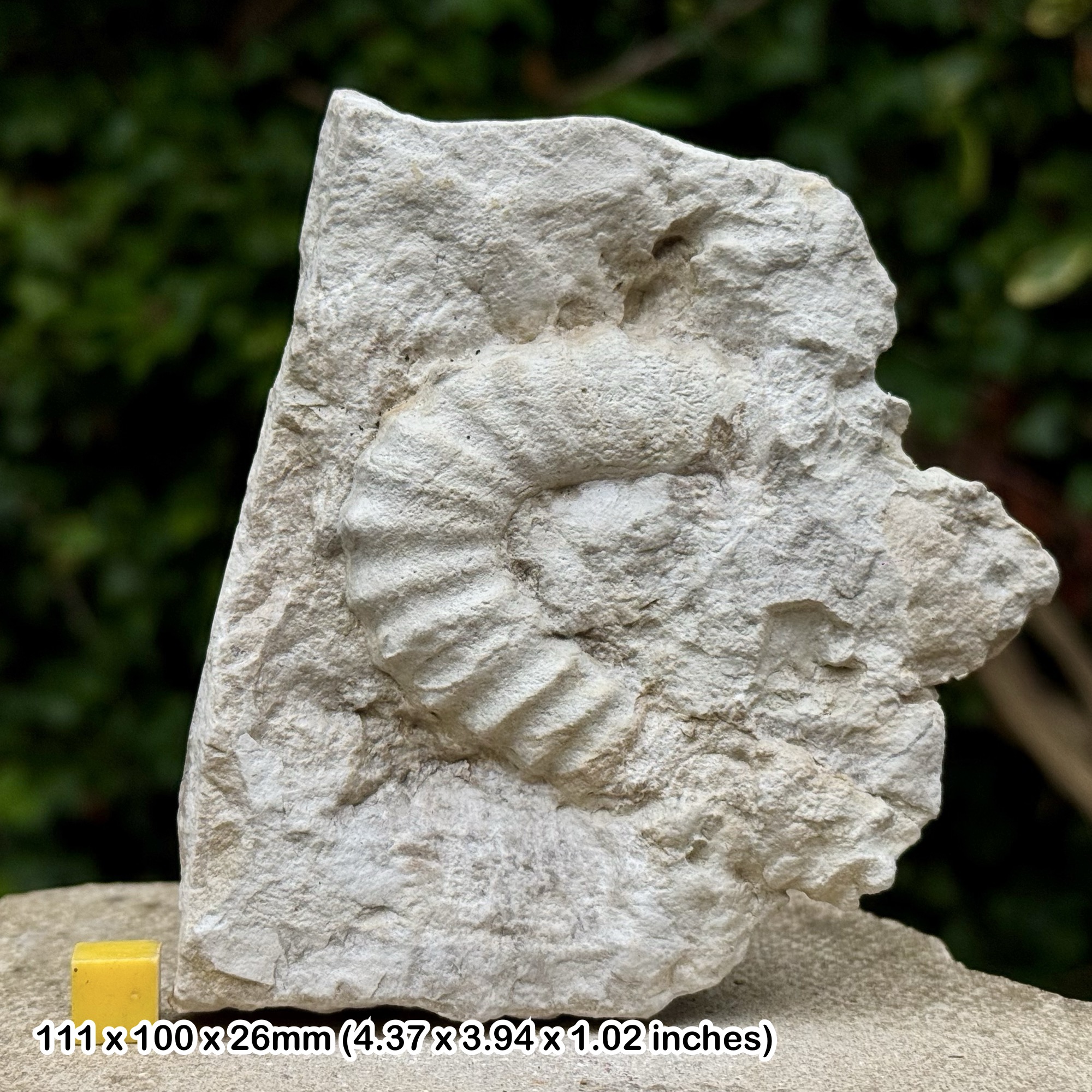
Rare Acrioceras armatum Heteromorph Ammonite Fossil Cretaceous Upper Albian Texas USA Genuine Certified Specimen | Collector Fossil
£ 48.00
AUTHENTIC ACRIOCERAS ARMATUM AMMONITE FOSSIL FROM TEXAS, USAPresented here is a rare Acrioceras armatum heteromorph ammonite fossil from the
Upper Albian Stage of the Early Cretaceous Period, dating back approximately 105–100 million years. This specimen was discovered in North Texas, USA, a region well-known for its rich fossil-bearing deposits from the Cretaceous seas. Every fossil offered is 100% genuine and comes with a Certificate of Authenticity. The photographs show the exact specimen you will receive, with a 1 cm scale cube included to provide accurate sizing. GEOLOGICAL AGE AND LOCALITYThe Upper Albian Stage represents the closing interval of the Lower Cretaceous. During this time, the shallow marine environments of the Western Interior Seaway and surrounding areas supported a thriving ecosystem of ammonites, belemnites, and marine reptiles. In North Texas, these deposits preserve an extraordinary record of ammonite diversity, including rare heteromorph genera such as Acrioceras. Fossils from this time and place are highly sought after by both collectors and researchers, providing important insights into evolutionary transitions just prior to the Cenomanian Stage of the Late Cretaceous. FOSSIL TYPE AND SCIENTIFIC CLASSIFICATIONAmmonites were marine cephalopods belonging to the order Ammonitida, closely related to modern squid and octopus. The genus Acrioceras, and the species Acrioceras armatum, belongs to the family Ancyloceratidae within the superfamily Ancyloceratoidea. Ammonites of this group are categorised as heteromorph ammonites, characterised by their uncoiled or irregular shell shapes that deviate from the classic planispiral form. Their distinctive morphology represents an evolutionary adaptation and contributes to their scientific importance. MORPHOLOGY AND DISTINGUISHING FEATURESAcrioceras armatum is noted for its loosely coiled, irregularly shaped shell with distinctive ribbing and strong tuberculation or spines. These morphological traits give it a striking and unusual appearance compared to more typical ammonites. The open-coiling and spiny ornamentation likely influenced the animal’s buoyancy and movement, suggesting it may have occupied a unique ecological niche within the Cretaceous seas. The specimen displays many of these characteristic features, making it both scientifically significant and visually captivating for collectors. SCIENTIFIC AND COLLECTOR SIGNIFICANCEHeteromorph ammonites such as Acrioceras armatum are of great scientific importance because they are used as index fossils, helping geologists define Upper Albian biozones and correlate rock strata across different regions. They represent a phase of evolutionary experimentation in shell form during the Cretaceous, with highly unusual morphologies compared to standard coiled ammonites. For collectors, fossils of Acrioceras armatum are highly prized due to their rarity, distinctive appearance, and the prestige of owning a specimen from one of North America’s most renowned fossil localities. PROVENANCE AND AUTHENTICITY
• Species: Acrioceras armatum
• Fossil Type: Heteromorph ammonite
• Geological Stage: Upper Albian, Cretaceous (~105–100 million years ago)
• Location: North Texas, USA
• Family: Ancyloceratidae
• Superfamily: Ancyloceratoidea
• Order: Ammonitida
• Notable Features: Loosely coiled heteromorph shell, strong ribbing, spines or tubercles
• Authenticity: 100% genuine fossil with Certificate of Authenticity
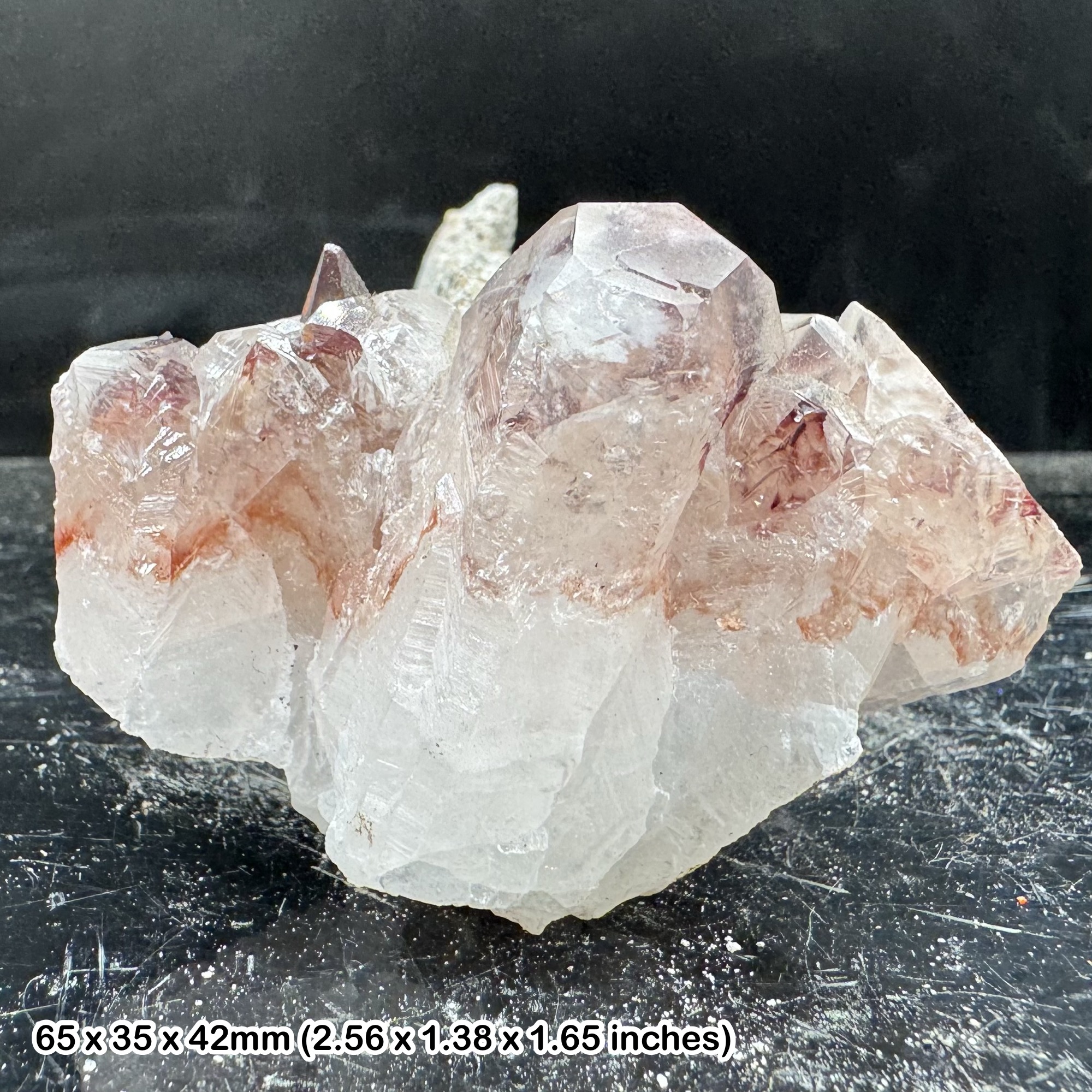
• Photographs: Exact specimen shown with 1 cm scale cube for size reference A CAREFULLY SELECTED FOSSILThis Acrioceras armatum ammonite fossil has been chosen for its exceptional preservation, scientific relevance, and aesthetic appeal. The fossil you see in the photographs is the exact specimen you will receive, ensuring full transparency and authenticity. Every specimen comes with a Certificate of Authenticity, making it a secure and trustworthy addition to any fossil collection.This rare heteromorph ammonite from North Texas is an outstanding example of Cretaceous marine life, offering collectors a unique opportunity to own a specimen that showcases both evolutionary experimentation and the natural beauty of ancient seas.
Upper Albian Stage of the Early Cretaceous Period, dating back approximately 105–100 million years. This specimen was discovered in North Texas, USA, a region well-known for its rich fossil-bearing deposits from the Cretaceous seas. Every fossil offered is 100% genuine and comes with a Certificate of Authenticity. The photographs show the exact specimen you will receive, with a 1 cm scale cube included to provide accurate sizing. GEOLOGICAL AGE AND LOCALITYThe Upper Albian Stage represents the closing interval of the Lower Cretaceous. During this time, the shallow marine environments of the Western Interior Seaway and surrounding areas supported a thriving ecosystem of ammonites, belemnites, and marine reptiles. In North Texas, these deposits preserve an extraordinary record of ammonite diversity, including rare heteromorph genera such as Acrioceras. Fossils from this time and place are highly sought after by both collectors and researchers, providing important insights into evolutionary transitions just prior to the Cenomanian Stage of the Late Cretaceous. FOSSIL TYPE AND SCIENTIFIC CLASSIFICATIONAmmonites were marine cephalopods belonging to the order Ammonitida, closely related to modern squid and octopus. The genus Acrioceras, and the species Acrioceras armatum, belongs to the family Ancyloceratidae within the superfamily Ancyloceratoidea. Ammonites of this group are categorised as heteromorph ammonites, characterised by their uncoiled or irregular shell shapes that deviate from the classic planispiral form. Their distinctive morphology represents an evolutionary adaptation and contributes to their scientific importance. MORPHOLOGY AND DISTINGUISHING FEATURESAcrioceras armatum is noted for its loosely coiled, irregularly shaped shell with distinctive ribbing and strong tuberculation or spines. These morphological traits give it a striking and unusual appearance compared to more typical ammonites. The open-coiling and spiny ornamentation likely influenced the animal’s buoyancy and movement, suggesting it may have occupied a unique ecological niche within the Cretaceous seas. The specimen displays many of these characteristic features, making it both scientifically significant and visually captivating for collectors. SCIENTIFIC AND COLLECTOR SIGNIFICANCEHeteromorph ammonites such as Acrioceras armatum are of great scientific importance because they are used as index fossils, helping geologists define Upper Albian biozones and correlate rock strata across different regions. They represent a phase of evolutionary experimentation in shell form during the Cretaceous, with highly unusual morphologies compared to standard coiled ammonites. For collectors, fossils of Acrioceras armatum are highly prized due to their rarity, distinctive appearance, and the prestige of owning a specimen from one of North America’s most renowned fossil localities. PROVENANCE AND AUTHENTICITY
• Species: Acrioceras armatum
• Fossil Type: Heteromorph ammonite
• Geological Stage: Upper Albian, Cretaceous (~105–100 million years ago)
• Location: North Texas, USA
• Family: Ancyloceratidae
• Superfamily: Ancyloceratoidea
• Order: Ammonitida
• Notable Features: Loosely coiled heteromorph shell, strong ribbing, spines or tubercles
• Authenticity: 100% genuine fossil with Certificate of Authenticity
• Photographs: Exact specimen shown with 1 cm scale cube for size reference A CAREFULLY SELECTED FOSSILThis Acrioceras armatum ammonite fossil has been chosen for its exceptional preservation, scientific relevance, and aesthetic appeal. The fossil you see in the photographs is the exact specimen you will receive, ensuring full transparency and authenticity. Every specimen comes with a Certificate of Authenticity, making it a secure and trustworthy addition to any fossil collection.This rare heteromorph ammonite from North Texas is an outstanding example of Cretaceous marine life, offering collectors a unique opportunity to own a specimen that showcases both evolutionary experimentation and the natural beauty of ancient seas.