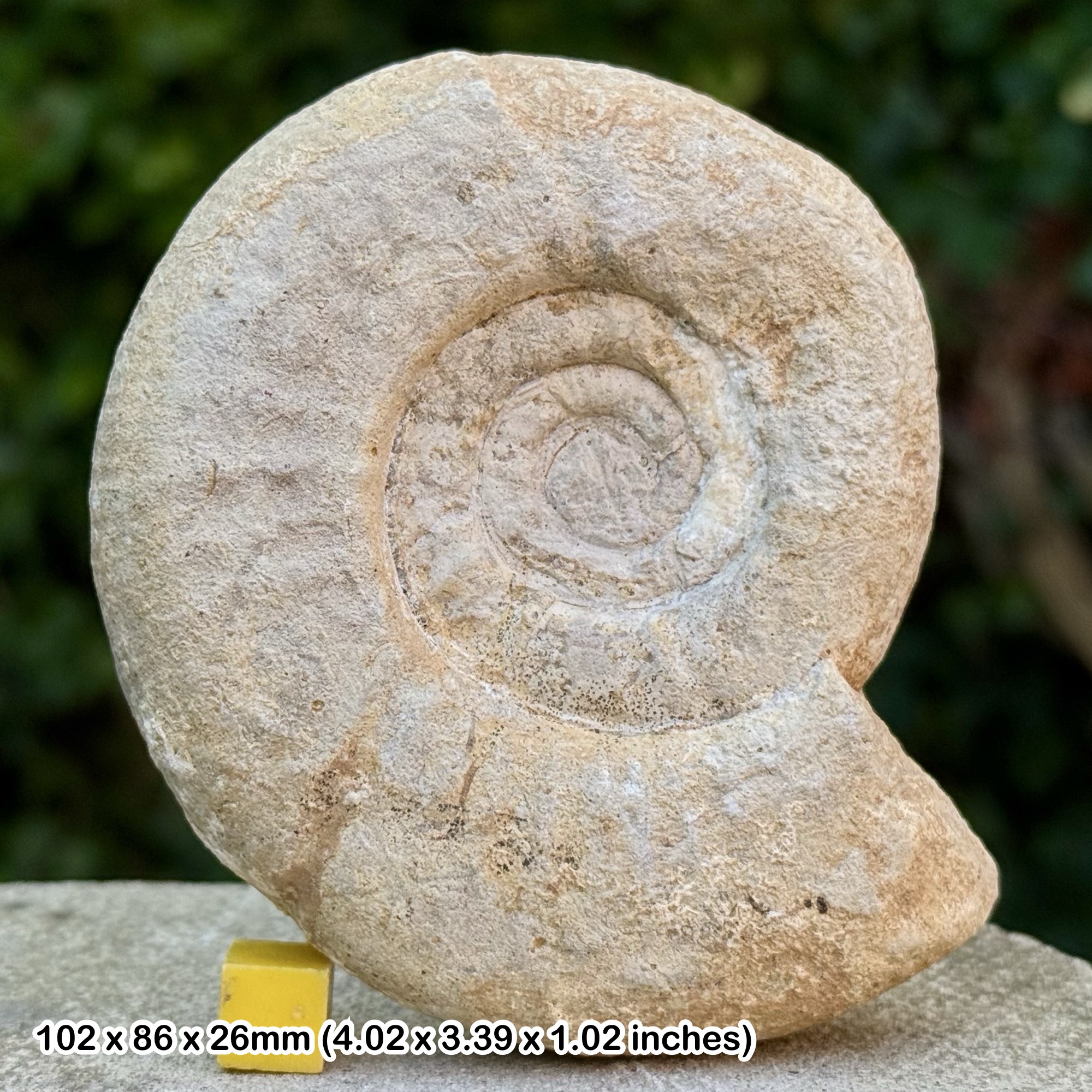
Fossil Ammonite Perisphinctes plicatilis Upper Callovian Jurassic Poitou France Authentic Collectors Specimen with COA
£ 24.00
This listing is for a genuine fossil ammonite, Perisphinctes plicatilis,
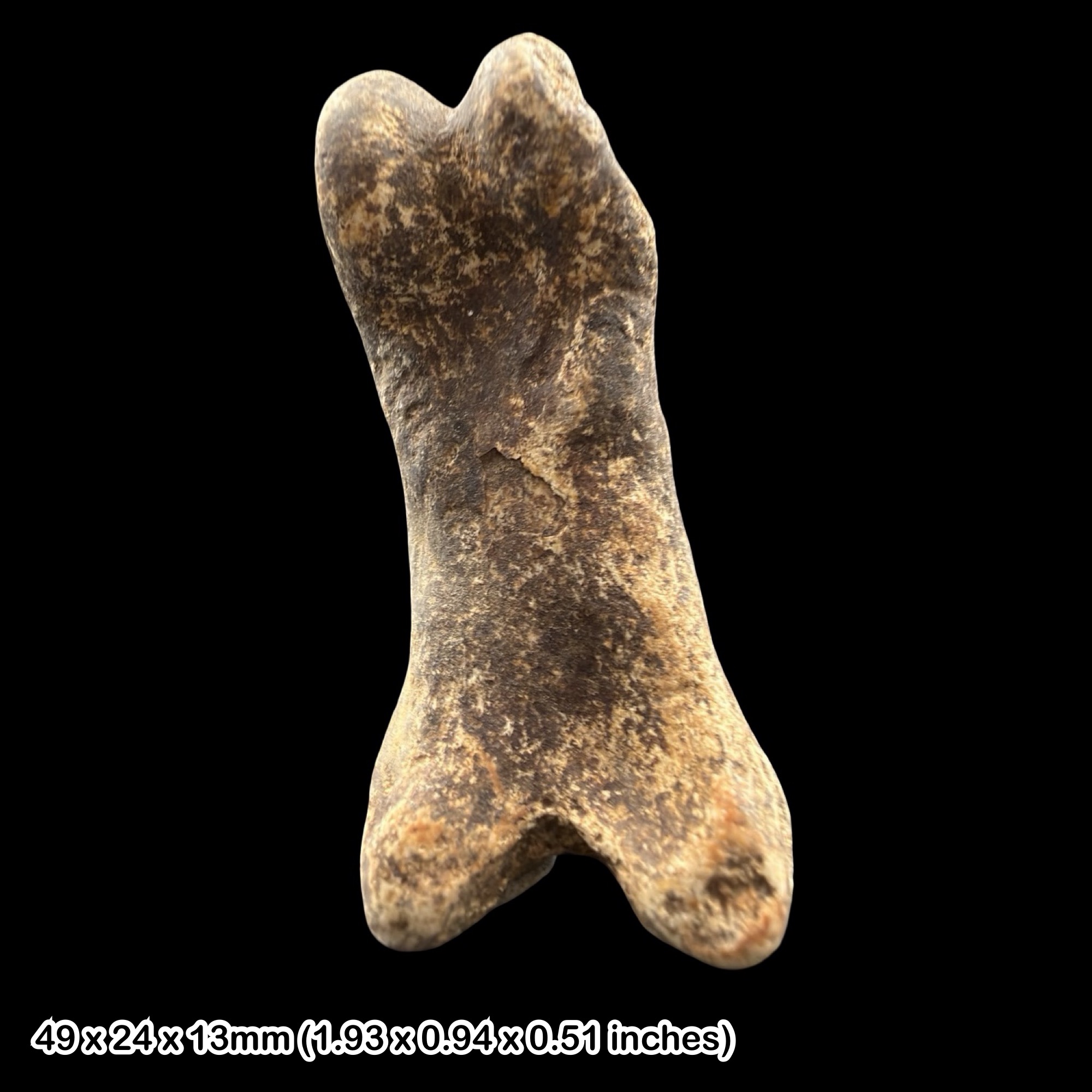
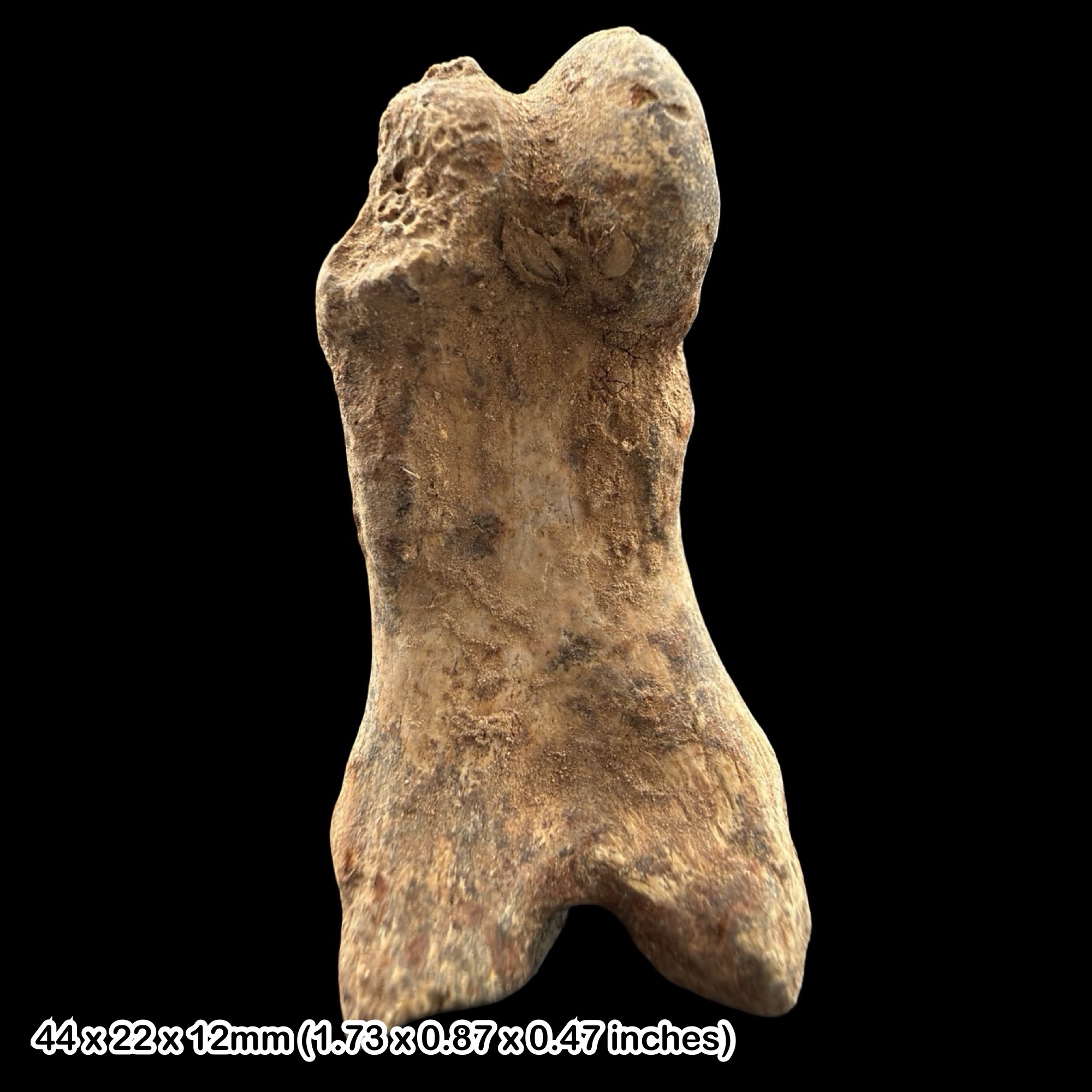
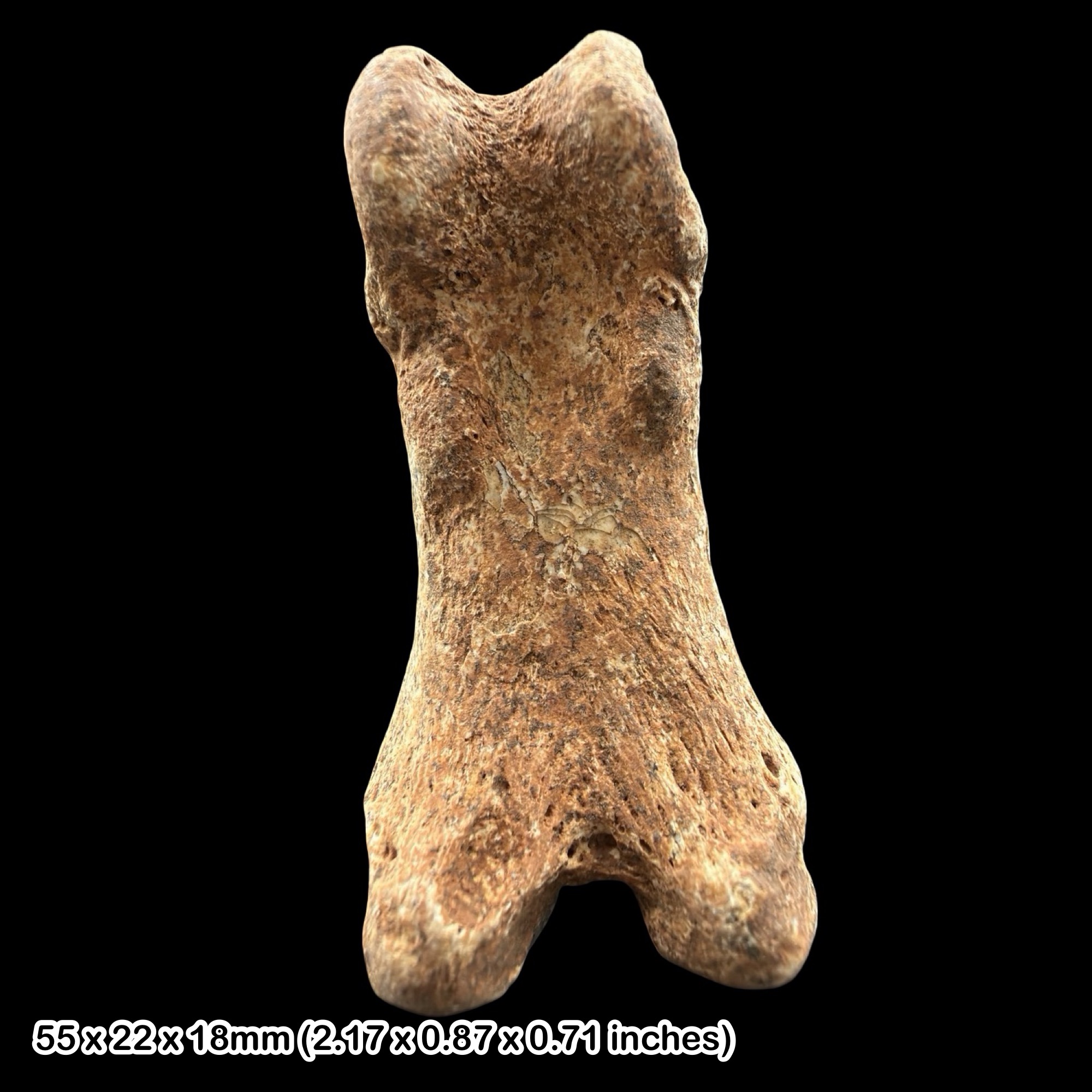
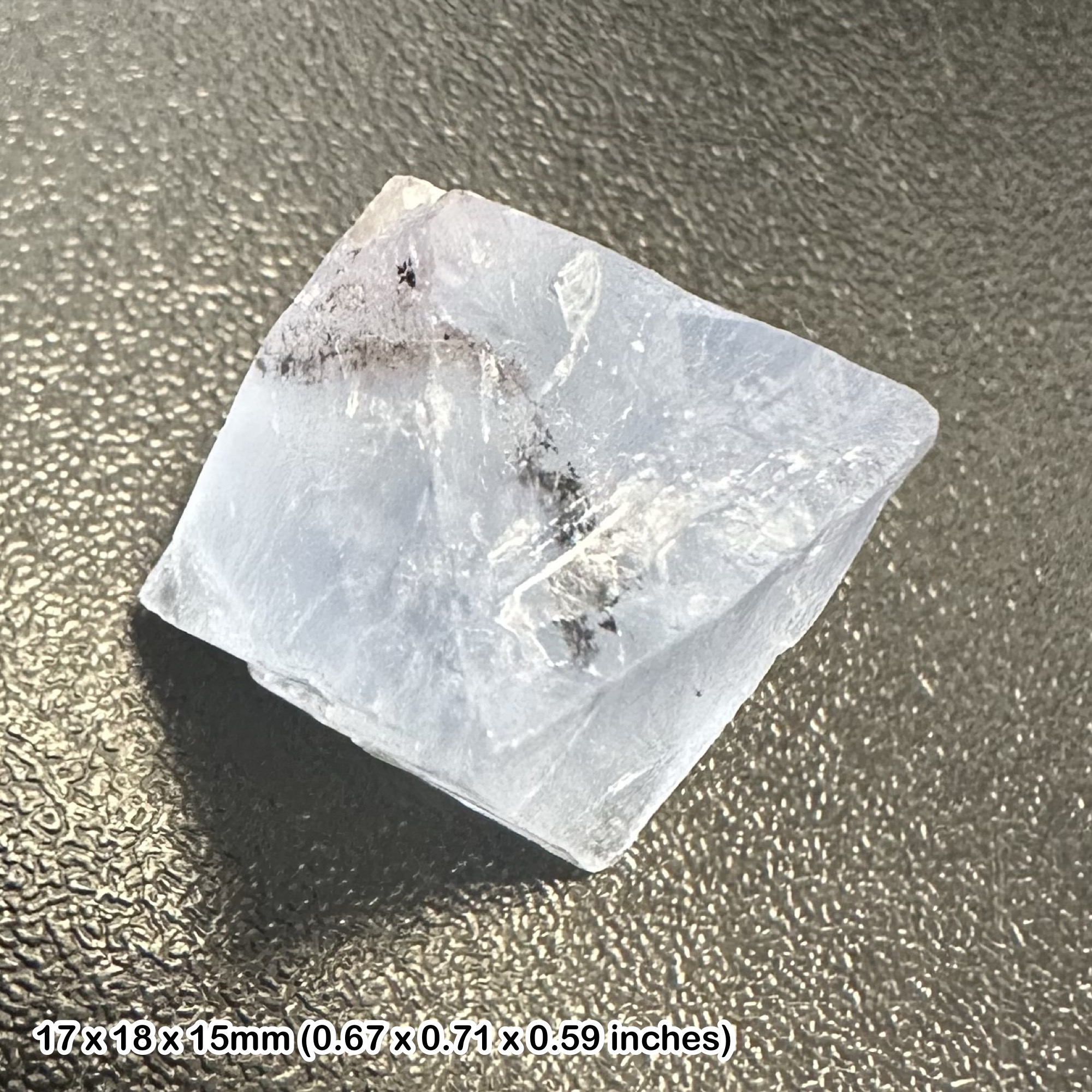
originating from the Upper Callovian stage of the Middle Jurassic (approximately 164–161 million years ago). Discovered in Poitou, France, this specimen is a striking example of one of the most scientifically significant ammonite species of the Jurassic. The photographs show the exact specimen you will receive, carefully chosen for its preservation and character. Scale rule squares / cube = 1 cm – please see images for accurate sizing. All of our fossils are 100% genuine specimens and are supplied with a Certificate of Authenticity for complete confidence. GEOLOGICAL CONTEXT: UPPER CALLOVIAN, JURASSICThe Upper Callovian stage represents the final subdivision of the Callovian, a key interval of the Middle Jurassic. During this time, shallow marine environments dominated much of Europe, with warm epicontinental seas connected to the Tethys Ocean. In the region of Poitou, France, marine clays and limestones accumulated, forming richly fossiliferous deposits that have yielded some of the most important ammonite faunas in Europe.The Upper Callovian is particularly significant in paleontology because ammonites from this stage are essential index fossils for correlating marine deposits across Europe. The Perisphinctes plicatilis Zone is one of the best-recognised biozones of the Callovian, used internationally as a stratigraphic marker. THE SPECIES: PERISPHINCTES PLICATILISPerisphinctes plicatilis is a member of the order Ammonitida, superfamily Perisphinctoidea, and family Perisphinctidae. It is one of the most iconic and well-studied ammonite species of the Jurassic, easily identified by its distinctive planispiral coiling and strong ribbing. The ribs typically bifurcate or branch as they extend across the whorl, producing a striking ornamental pattern that makes this species both scientifically important and aesthetically appealing.This ammonite was a nektonic predator, actively swimming in Jurassic seas and feeding on small marine organisms such as crustaceans and molluscs. Its shell morphology, with well-developed ribs and compressed whorls, reflects adaptations to an active marine lifestyle. MORPHOLOGICAL AND SCIENTIFIC FEATURES
• Order: Ammonitida
• Superfamily: Perisphinctoidea
• Family: Perisphinctidae
• Genus and Species: Perisphinctes plicatilis
• Geological Stage: Upper Callovian, Middle Jurassic (c. 164–161 Ma)
• Locality: Poitou, France
• Shell Traits: Strong ribbing, bifurcating ribs, compressed whorls, elegant planispiral coiling
• Scientific Significance: Defines the Perisphinctes plicatilis biozone, a key marker in Jurassic stratigraphyThe prominence of Perisphinctes plicatilis in international stratigraphic frameworks highlights its role as a reference species in Jurassic paleontology. Its distinct morphology makes it one of the most recognisable ammonites of the Callovian. COLLECTOR AND DISPLAY VALUEThis fossil is both a scientifically important specimen and a visually impressive collector’s piece. The ribbing and elegant coiling of Perisphinctes plicatilis make it a beautiful example of natural history, while its stratigraphic importance makes it essential for those with an interest in Jurassic paleontology.Specimens from Poitou, France, are particularly prized because of the region’s exceptional preservation and its role in defining Jurassic biozones. This ammonite represents not only a fascinating piece of Earth’s history but also a genuine scientific reference fossil.All of our fossils are carefully chosen and supplied with a Certificate of Authenticity, ensuring that you receive a true specimen of Jurassic heritage. This Perisphinctes plicatilis ammonite is a fine addition for any collector, educator, or natural history enthusiast.
originating from the Upper Callovian stage of the Middle Jurassic (approximately 164–161 million years ago). Discovered in Poitou, France, this specimen is a striking example of one of the most scientifically significant ammonite species of the Jurassic. The photographs show the exact specimen you will receive, carefully chosen for its preservation and character. Scale rule squares / cube = 1 cm – please see images for accurate sizing. All of our fossils are 100% genuine specimens and are supplied with a Certificate of Authenticity for complete confidence. GEOLOGICAL CONTEXT: UPPER CALLOVIAN, JURASSICThe Upper Callovian stage represents the final subdivision of the Callovian, a key interval of the Middle Jurassic. During this time, shallow marine environments dominated much of Europe, with warm epicontinental seas connected to the Tethys Ocean. In the region of Poitou, France, marine clays and limestones accumulated, forming richly fossiliferous deposits that have yielded some of the most important ammonite faunas in Europe.The Upper Callovian is particularly significant in paleontology because ammonites from this stage are essential index fossils for correlating marine deposits across Europe. The Perisphinctes plicatilis Zone is one of the best-recognised biozones of the Callovian, used internationally as a stratigraphic marker. THE SPECIES: PERISPHINCTES PLICATILISPerisphinctes plicatilis is a member of the order Ammonitida, superfamily Perisphinctoidea, and family Perisphinctidae. It is one of the most iconic and well-studied ammonite species of the Jurassic, easily identified by its distinctive planispiral coiling and strong ribbing. The ribs typically bifurcate or branch as they extend across the whorl, producing a striking ornamental pattern that makes this species both scientifically important and aesthetically appealing.This ammonite was a nektonic predator, actively swimming in Jurassic seas and feeding on small marine organisms such as crustaceans and molluscs. Its shell morphology, with well-developed ribs and compressed whorls, reflects adaptations to an active marine lifestyle. MORPHOLOGICAL AND SCIENTIFIC FEATURES
• Order: Ammonitida
• Superfamily: Perisphinctoidea
• Family: Perisphinctidae
• Genus and Species: Perisphinctes plicatilis
• Geological Stage: Upper Callovian, Middle Jurassic (c. 164–161 Ma)
• Locality: Poitou, France
• Shell Traits: Strong ribbing, bifurcating ribs, compressed whorls, elegant planispiral coiling
• Scientific Significance: Defines the Perisphinctes plicatilis biozone, a key marker in Jurassic stratigraphyThe prominence of Perisphinctes plicatilis in international stratigraphic frameworks highlights its role as a reference species in Jurassic paleontology. Its distinct morphology makes it one of the most recognisable ammonites of the Callovian. COLLECTOR AND DISPLAY VALUEThis fossil is both a scientifically important specimen and a visually impressive collector’s piece. The ribbing and elegant coiling of Perisphinctes plicatilis make it a beautiful example of natural history, while its stratigraphic importance makes it essential for those with an interest in Jurassic paleontology.Specimens from Poitou, France, are particularly prized because of the region’s exceptional preservation and its role in defining Jurassic biozones. This ammonite represents not only a fascinating piece of Earth’s history but also a genuine scientific reference fossil.All of our fossils are carefully chosen and supplied with a Certificate of Authenticity, ensuring that you receive a true specimen of Jurassic heritage. This Perisphinctes plicatilis ammonite is a fine addition for any collector, educator, or natural history enthusiast.
Other Products