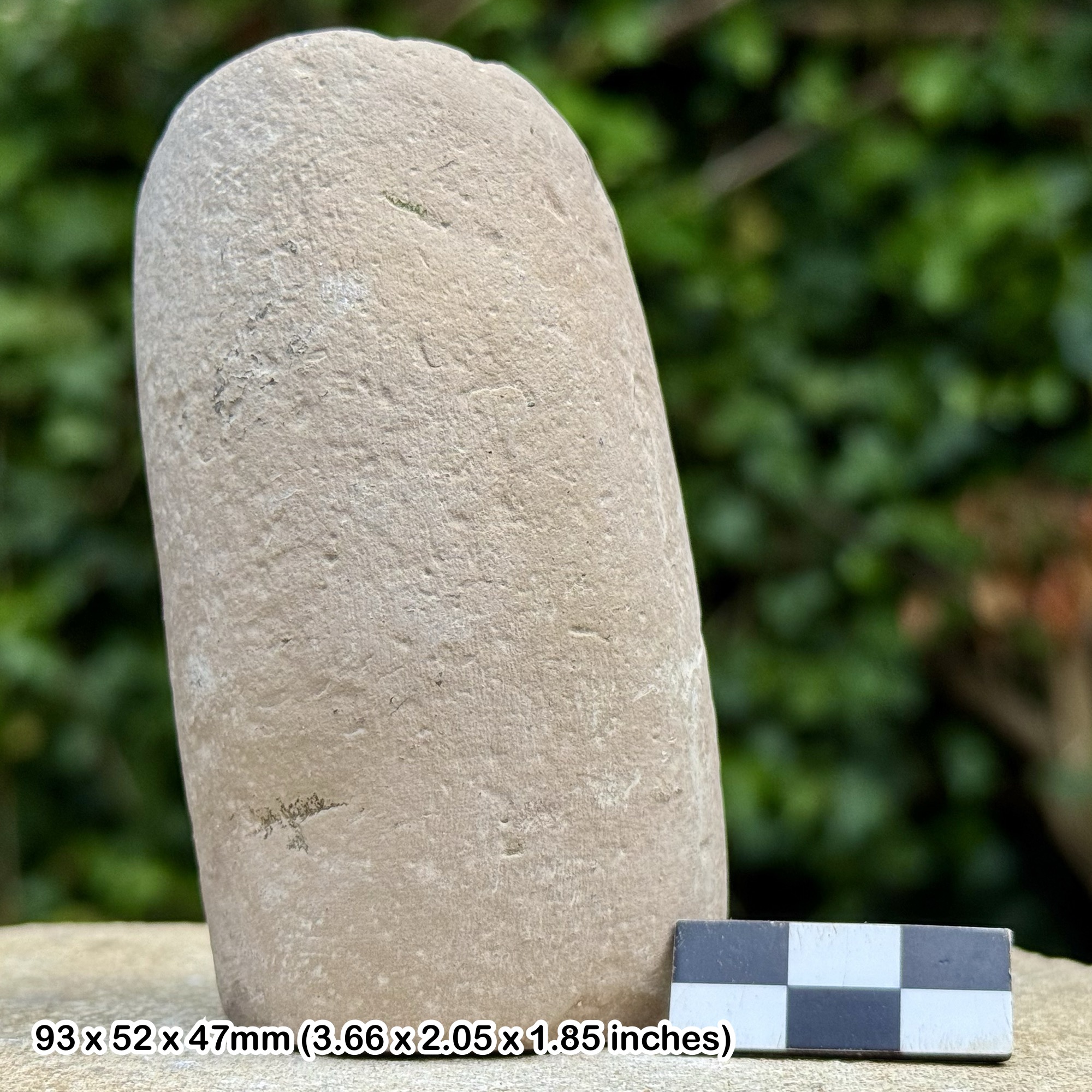
RARE: Crustacean Burrow Trace Fossil – London Clay, Eocene, Hensbrook Beach, Isle of Sheppey, Kent UK – Authentic Specimen with COA
£ 12.60
Featured here is a fascinating trace fossil of a crustacean burrow, recovered
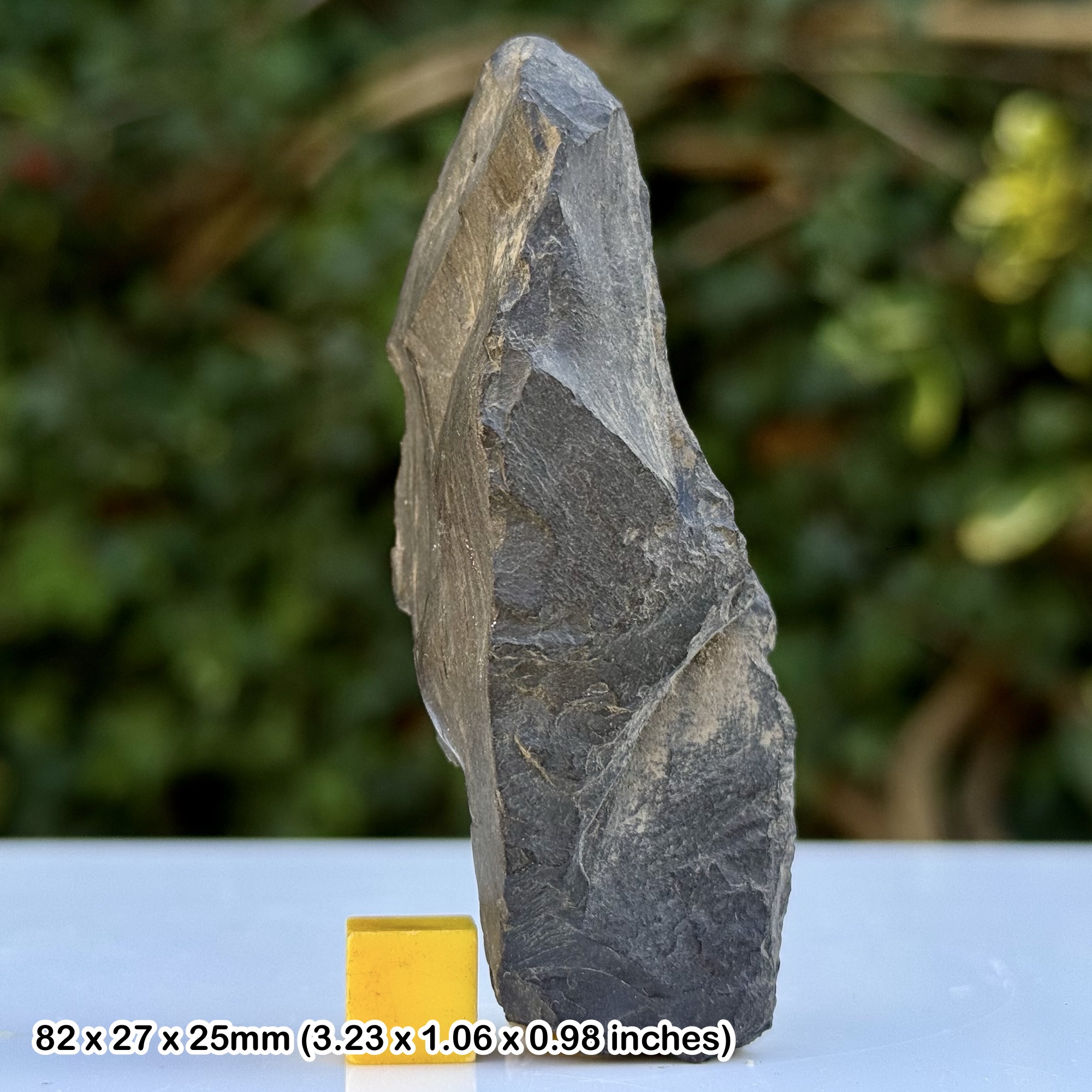
from the London Clay Formation, dated to the Eocene Epoch (~56 to 47.8 million years ago), from Hensbrook Beach, Isle of Sheppey, Kent, United Kingdom. This trace fossil captures the preserved evidence of ancient crustacean activity, offering a rare glimpse into paleo-behaviour preserved in sediment.Geological Context:
• Formation: London Clay
• Age: Eocene (Ypresian Stage)
• Location: Hensbrook Beach, Isle of Sheppey, Kent, UK
• Depositional Environment: Shallow marine, estuarine to coastal shelf, warm tropical climate with significant sedimentation from river deltas and tidal systems
• Lithology: Fine-grained marine clays, rich in fossils including fish, sharks, plants, and invertebrate tracesTrace Fossil Features:
• Identified as a crustacean burrow, likely formed by decapod crustaceans such as ghost shrimps or mud lobsters
• Characterised by horizontal to subvertical tubes, often smooth-walled or coated with bioturbated sediment
• May display branching networks or chambers, indicative of complex burrowing behaviour
• Represents a form of ichnofossil, documenting behavioural activity rather than body formScientific & Collector Interest:
• Crustacean trace fossils from the London Clay are relatively uncommon and hold value in reconstructing paleoecology and sedimentary environments of early Eocene marine settings
• Offers unique insight into the ethological category of dwelling structures (Domichnia)
• Well-preserved and educational, ideal for collections focused on trace fossils or paleo-behavioural studiesAuthenticity Guaranteed: This is a 100% genuine natural fossil and is sold with a Certificate of Authenticity. The specimen shown in the photos is the exact item you will receive, shown with a 1cm scale cube for reference. Please review all images for exact size and detail.An excellent opportunity to own a well-preserved trace fossil from one of the UK’s most famous Eocene fossil localities, perfect for collectors, educators, and enthusiasts of ancient life.
from the London Clay Formation, dated to the Eocene Epoch (~56 to 47.8 million years ago), from Hensbrook Beach, Isle of Sheppey, Kent, United Kingdom. This trace fossil captures the preserved evidence of ancient crustacean activity, offering a rare glimpse into paleo-behaviour preserved in sediment.Geological Context:
• Formation: London Clay
• Age: Eocene (Ypresian Stage)
• Location: Hensbrook Beach, Isle of Sheppey, Kent, UK
• Depositional Environment: Shallow marine, estuarine to coastal shelf, warm tropical climate with significant sedimentation from river deltas and tidal systems
• Lithology: Fine-grained marine clays, rich in fossils including fish, sharks, plants, and invertebrate tracesTrace Fossil Features:
• Identified as a crustacean burrow, likely formed by decapod crustaceans such as ghost shrimps or mud lobsters
• Characterised by horizontal to subvertical tubes, often smooth-walled or coated with bioturbated sediment
• May display branching networks or chambers, indicative of complex burrowing behaviour
• Represents a form of ichnofossil, documenting behavioural activity rather than body formScientific & Collector Interest:
• Crustacean trace fossils from the London Clay are relatively uncommon and hold value in reconstructing paleoecology and sedimentary environments of early Eocene marine settings
• Offers unique insight into the ethological category of dwelling structures (Domichnia)
• Well-preserved and educational, ideal for collections focused on trace fossils or paleo-behavioural studiesAuthenticity Guaranteed: This is a 100% genuine natural fossil and is sold with a Certificate of Authenticity. The specimen shown in the photos is the exact item you will receive, shown with a 1cm scale cube for reference. Please review all images for exact size and detail.An excellent opportunity to own a well-preserved trace fossil from one of the UK’s most famous Eocene fossil localities, perfect for collectors, educators, and enthusiasts of ancient life.
Other Products