Proplanulites Arcigera Ammonite Fossil Callovian Wiltshire UK Genuine COA
£ 36.00
Genuine Proplanulites arcigera Ammonite FossilThis listing is for a genuine Proplanulites arcigera ammonite fossil from the
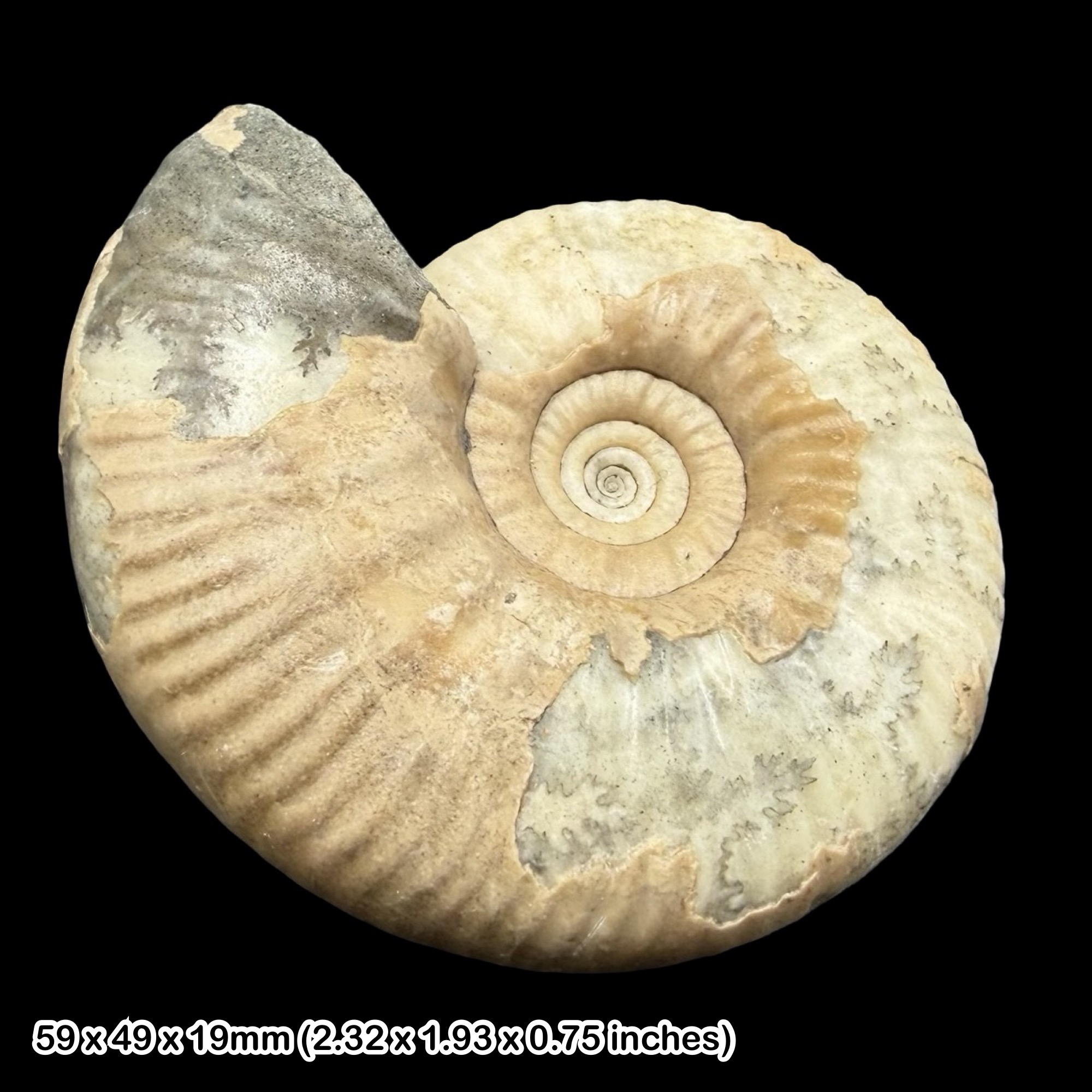
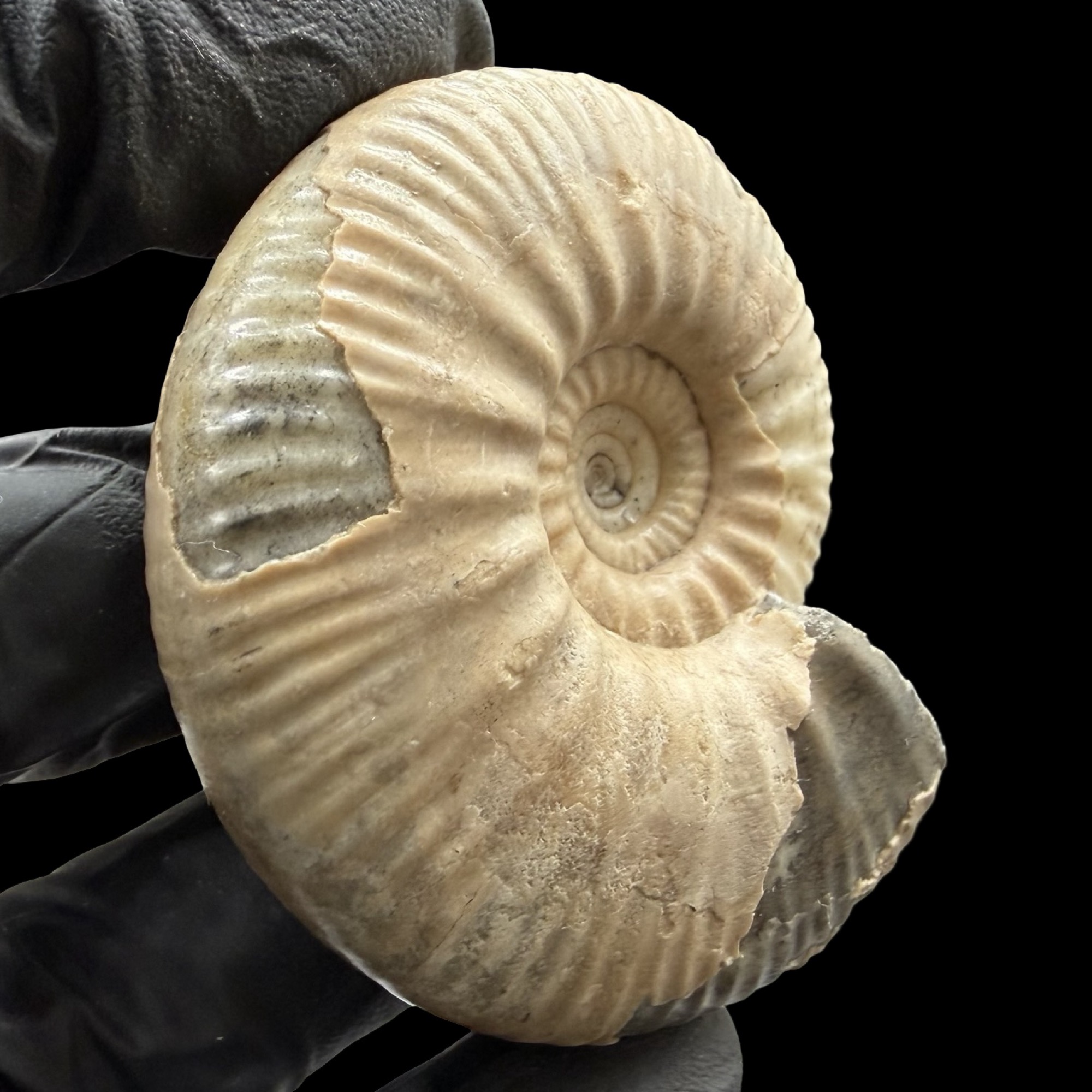
Kellaways Formation, dating to the Middle Jurassic, Callovian stage, from Ashton Keynes, Wiltshire, UK. This fossil is a carefully chosen specimen, and the photo shows the actual ammonite you will receive, making it an excellent choice for collectors who value accurately identified British Jurassic fossils with strong geological and locality information.Middle Jurassic Callovian FossilProplanulites arcigera lived during the Callovian stage of the Middle Jurassic, approximately 166 to 163 million years ago. During this time, much of what is now southern and central Britain was covered by shallow marine seas. These ancient waters supported a rich ecosystem of ammonites, belemnites, bivalves, gastropods, brachiopods, crinoids, echinoids, fish, and marine reptiles.The Callovian is an important part of the Jurassic fossil record because ammonites evolved rapidly and are widely used by geologists as index fossils. Their distinctive shell shapes, ribbing patterns, and changing forms allow fossil-bearing rock layers to be compared and dated with precision. A named ammonite from a known formation and locality is therefore highly desirable for collectors, study collections, and educational displays.Kellaways Formation GeologyThe Kellaways Formation is a well-known Middle Jurassic rock unit in England. It consists of marine sediments deposited in ancient sea-floor environments, including sands, silts, clays, and calcareous beds. These sediments formed under changing shallow marine conditions and are noted for preserving ammonites and other marine fossils.Fossils from the Kellaways Formation are important because they record life in the Jurassic seas that once covered parts of Wiltshire and the wider region. Ammonites from this formation are particularly collectable due to their use in biostratigraphy and their association with classic British Jurassic geology.Ashton Keynes, Wiltshire LocalityAshton Keynes in Wiltshire is part of an area known for Jurassic fossil-bearing deposits. Specimens from this locality are valued by collectors because they combine attractive fossil preservation with a clear British provenance. Wiltshire fossils are popular with those building collections based on UK geology, Jurassic marine life, or named ammonite species.This Proplanulites arcigera fossil represents a genuine piece of Britain’s Middle Jurassic natural history, preserved from a time when the region formed part of a warm marine environment rich in cephalopods and other sea life.Fossil Type and SpeciesProplanulites arcigera is an extinct ammonite species. Ammonites were marine cephalopods related to modern squid, cuttlefish, octopus, and nautilus. They lived within coiled chambered shells, with the living animal occupying the outer body chamber while earlier chambers helped with buoyancy.The genus Proplanulites is associated with Middle Jurassic ammonite faunas and is recognised for its classic planispiral shell form. Depending on preservation, examples may show visible whorls, ribbed ornamentation, a defined outer whorl, and natural shell detail. The ribs, whorl shape, and overall shell proportions are key features used when identifying ammonites and distinguishing related Jurassic species.Scientific and Collector InterestProplanulites belongs to the ammonite order Ammonitida, a major group of extinct marine cephalopods that became especially diverse during the Jurassic Period. Ammonites such as Proplanulites are appreciated by collectors not only for their natural spiral form, but also for their scientific importance in dating and understanding sedimentary rock layers.This specimen is a strong addition to collections focused on British fossils, Wiltshire fossils, Jurassic ammonites, Kellaways Formation fossils, Callovian fossils, fossil cephalopods, and named invertebrate species. Its combination of geological age, locality, formation, and species identification gives it excellent display and educational value.Display and AuthenticityThis Proplanulites arcigera ammonite fossil would display well in a fossil cabinet, natural history collection, study tray, classroom resource, geology display, or museum-style collection. Full sizing can be seen in the photo, so please refer to the image for exact scale and dimensions. As a genuine natural fossil, variations in colour, surface texture, matrix, preservation, and shell detail are part of its individual character.This fossil is a genuine specimen and includes a Certificate of Authenticity lifetime guarantee generic card. The photograph shows the actual Proplanulites arcigera ammonite fossil you will receive, allowing you to view the specimen’s condition, shape, detail, and natural preservation before purchase.
Kellaways Formation, dating to the Middle Jurassic, Callovian stage, from Ashton Keynes, Wiltshire, UK. This fossil is a carefully chosen specimen, and the photo shows the actual ammonite you will receive, making it an excellent choice for collectors who value accurately identified British Jurassic fossils with strong geological and locality information.Middle Jurassic Callovian FossilProplanulites arcigera lived during the Callovian stage of the Middle Jurassic, approximately 166 to 163 million years ago. During this time, much of what is now southern and central Britain was covered by shallow marine seas. These ancient waters supported a rich ecosystem of ammonites, belemnites, bivalves, gastropods, brachiopods, crinoids, echinoids, fish, and marine reptiles.The Callovian is an important part of the Jurassic fossil record because ammonites evolved rapidly and are widely used by geologists as index fossils. Their distinctive shell shapes, ribbing patterns, and changing forms allow fossil-bearing rock layers to be compared and dated with precision. A named ammonite from a known formation and locality is therefore highly desirable for collectors, study collections, and educational displays.Kellaways Formation GeologyThe Kellaways Formation is a well-known Middle Jurassic rock unit in England. It consists of marine sediments deposited in ancient sea-floor environments, including sands, silts, clays, and calcareous beds. These sediments formed under changing shallow marine conditions and are noted for preserving ammonites and other marine fossils.Fossils from the Kellaways Formation are important because they record life in the Jurassic seas that once covered parts of Wiltshire and the wider region. Ammonites from this formation are particularly collectable due to their use in biostratigraphy and their association with classic British Jurassic geology.Ashton Keynes, Wiltshire LocalityAshton Keynes in Wiltshire is part of an area known for Jurassic fossil-bearing deposits. Specimens from this locality are valued by collectors because they combine attractive fossil preservation with a clear British provenance. Wiltshire fossils are popular with those building collections based on UK geology, Jurassic marine life, or named ammonite species.This Proplanulites arcigera fossil represents a genuine piece of Britain’s Middle Jurassic natural history, preserved from a time when the region formed part of a warm marine environment rich in cephalopods and other sea life.Fossil Type and SpeciesProplanulites arcigera is an extinct ammonite species. Ammonites were marine cephalopods related to modern squid, cuttlefish, octopus, and nautilus. They lived within coiled chambered shells, with the living animal occupying the outer body chamber while earlier chambers helped with buoyancy.The genus Proplanulites is associated with Middle Jurassic ammonite faunas and is recognised for its classic planispiral shell form. Depending on preservation, examples may show visible whorls, ribbed ornamentation, a defined outer whorl, and natural shell detail. The ribs, whorl shape, and overall shell proportions are key features used when identifying ammonites and distinguishing related Jurassic species.Scientific and Collector InterestProplanulites belongs to the ammonite order Ammonitida, a major group of extinct marine cephalopods that became especially diverse during the Jurassic Period. Ammonites such as Proplanulites are appreciated by collectors not only for their natural spiral form, but also for their scientific importance in dating and understanding sedimentary rock layers.This specimen is a strong addition to collections focused on British fossils, Wiltshire fossils, Jurassic ammonites, Kellaways Formation fossils, Callovian fossils, fossil cephalopods, and named invertebrate species. Its combination of geological age, locality, formation, and species identification gives it excellent display and educational value.Display and AuthenticityThis Proplanulites arcigera ammonite fossil would display well in a fossil cabinet, natural history collection, study tray, classroom resource, geology display, or museum-style collection. Full sizing can be seen in the photo, so please refer to the image for exact scale and dimensions. As a genuine natural fossil, variations in colour, surface texture, matrix, preservation, and shell detail are part of its individual character.This fossil is a genuine specimen and includes a Certificate of Authenticity lifetime guarantee generic card. The photograph shows the actual Proplanulites arcigera ammonite fossil you will receive, allowing you to view the specimen’s condition, shape, detail, and natural preservation before purchase.